OXFORD
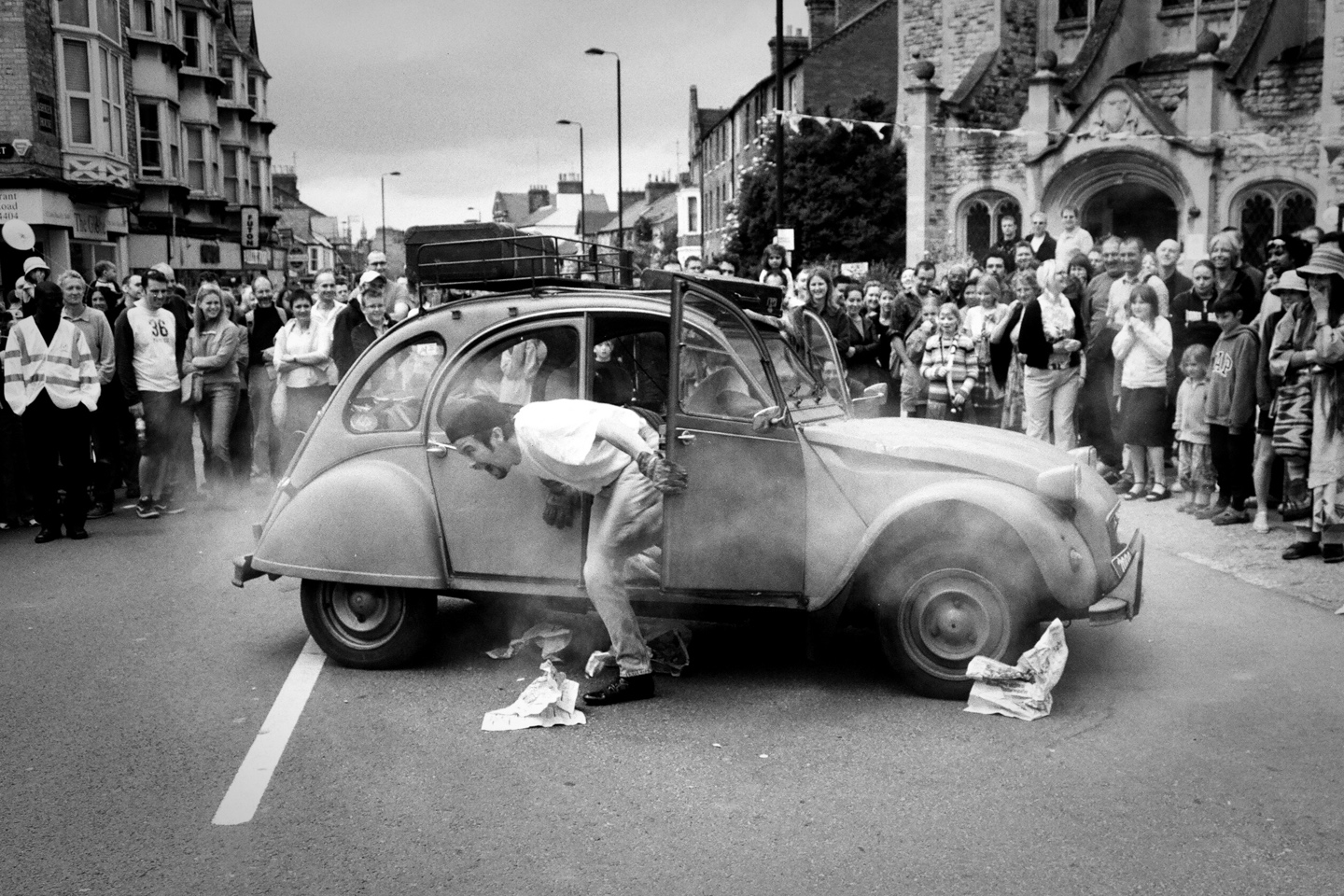
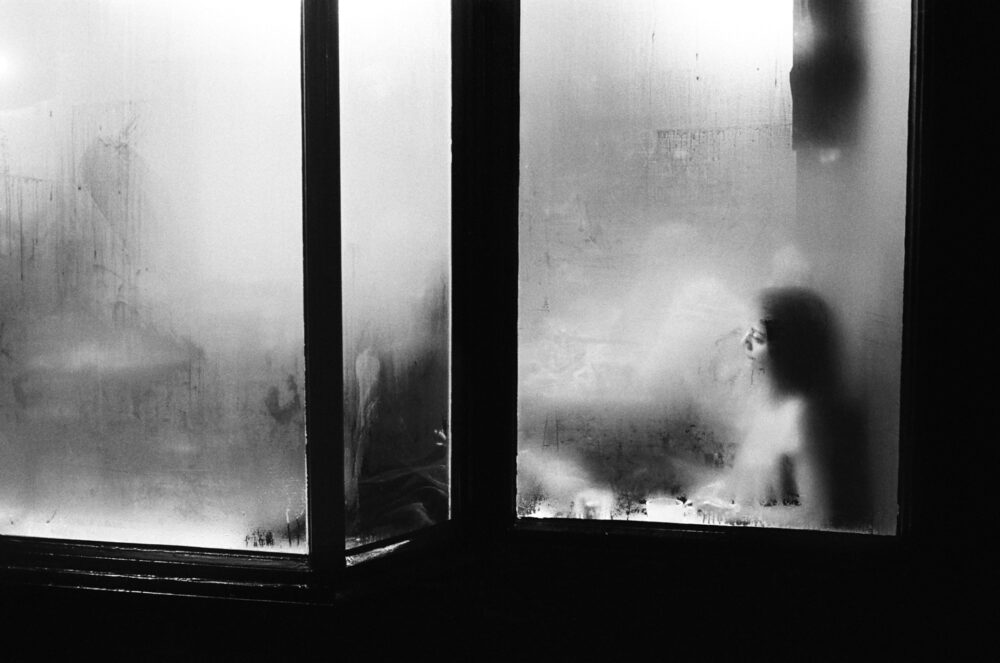
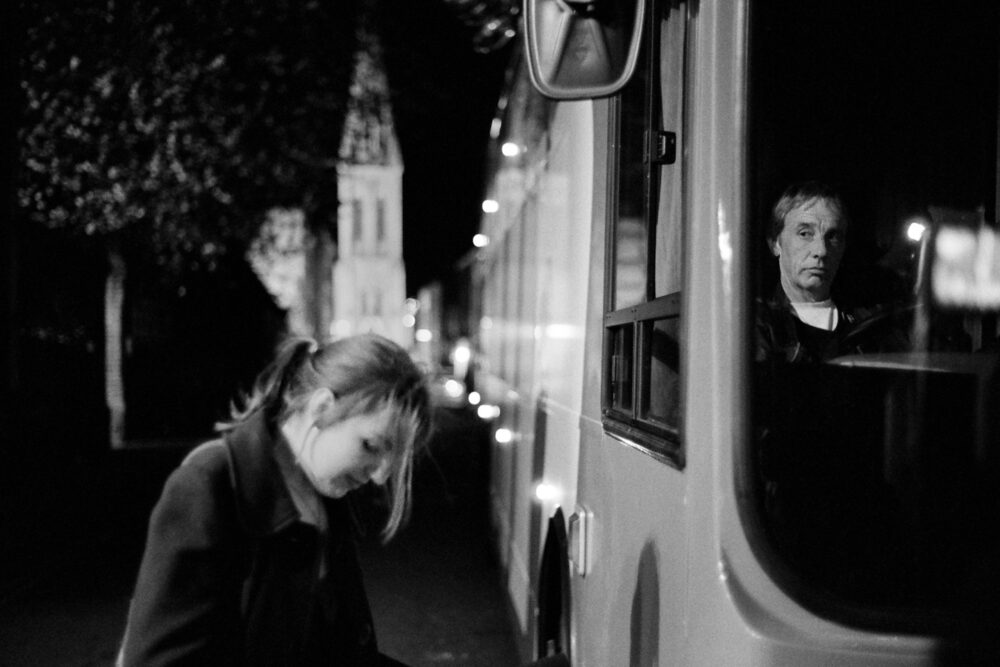
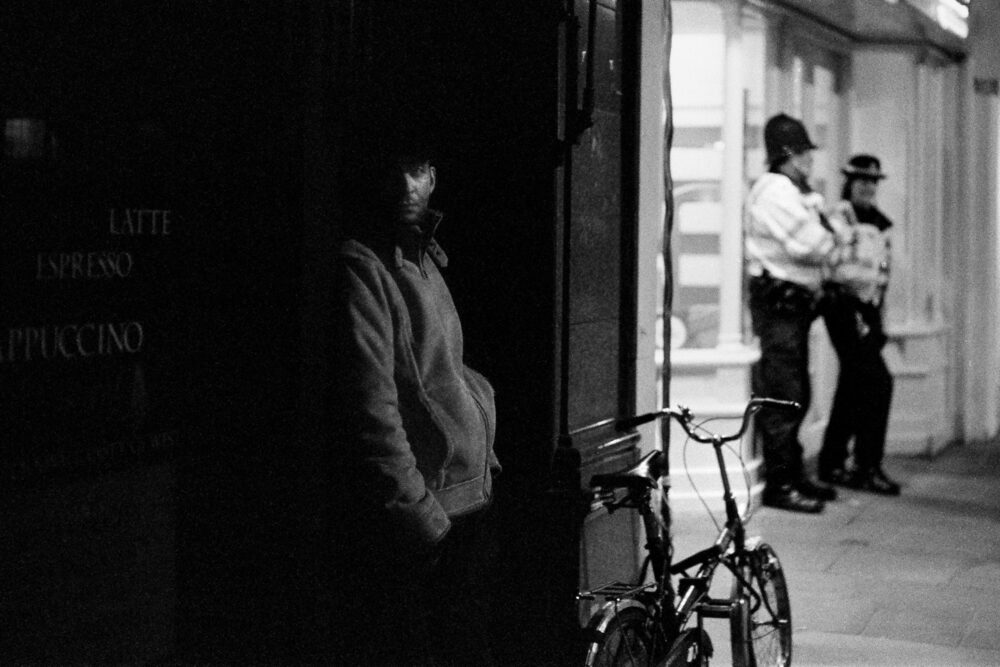
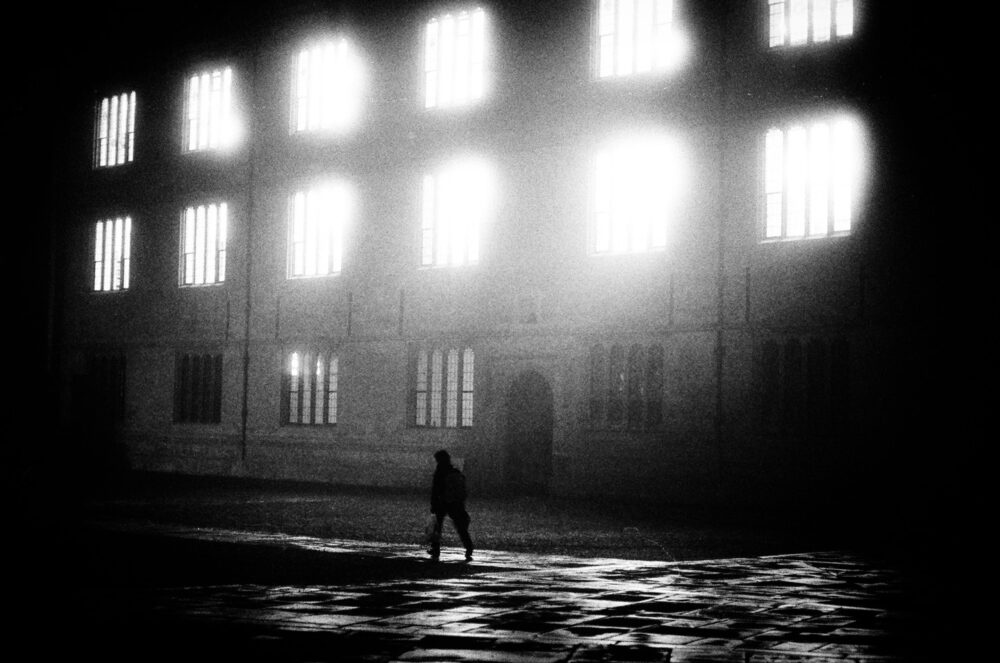
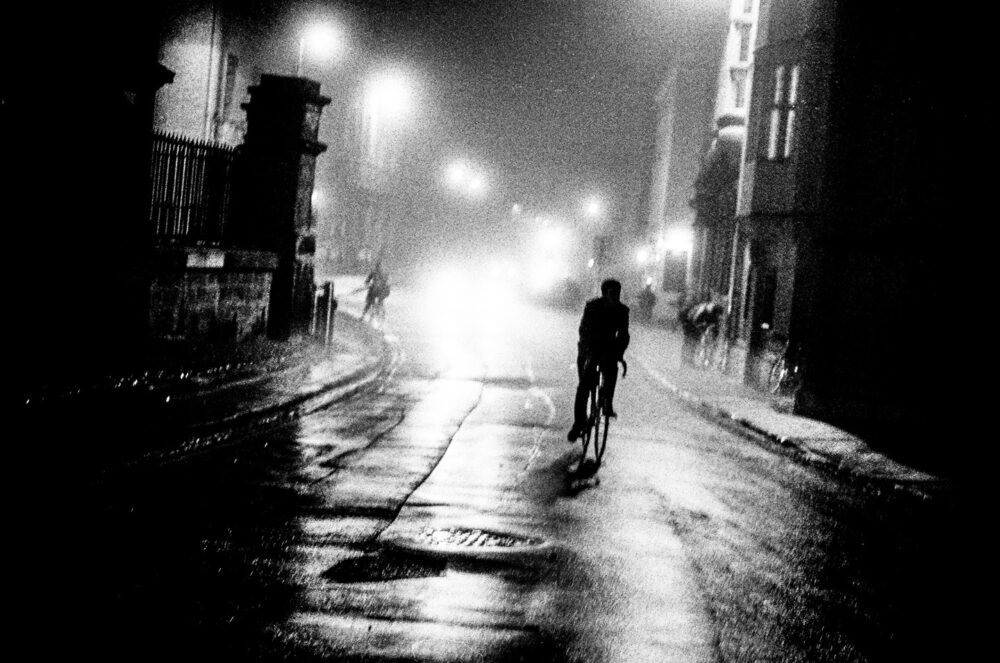
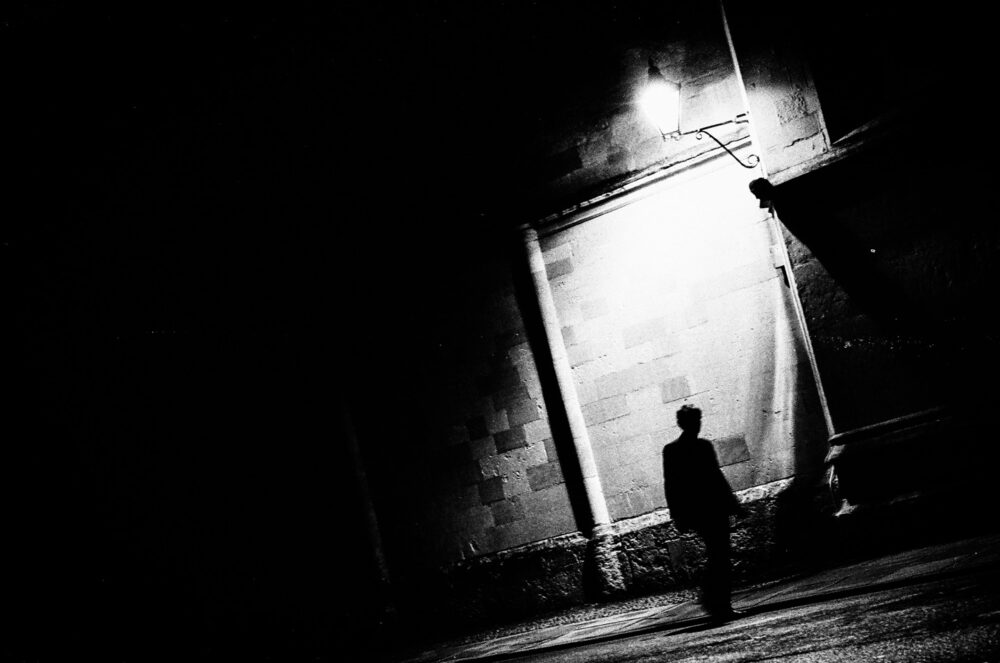
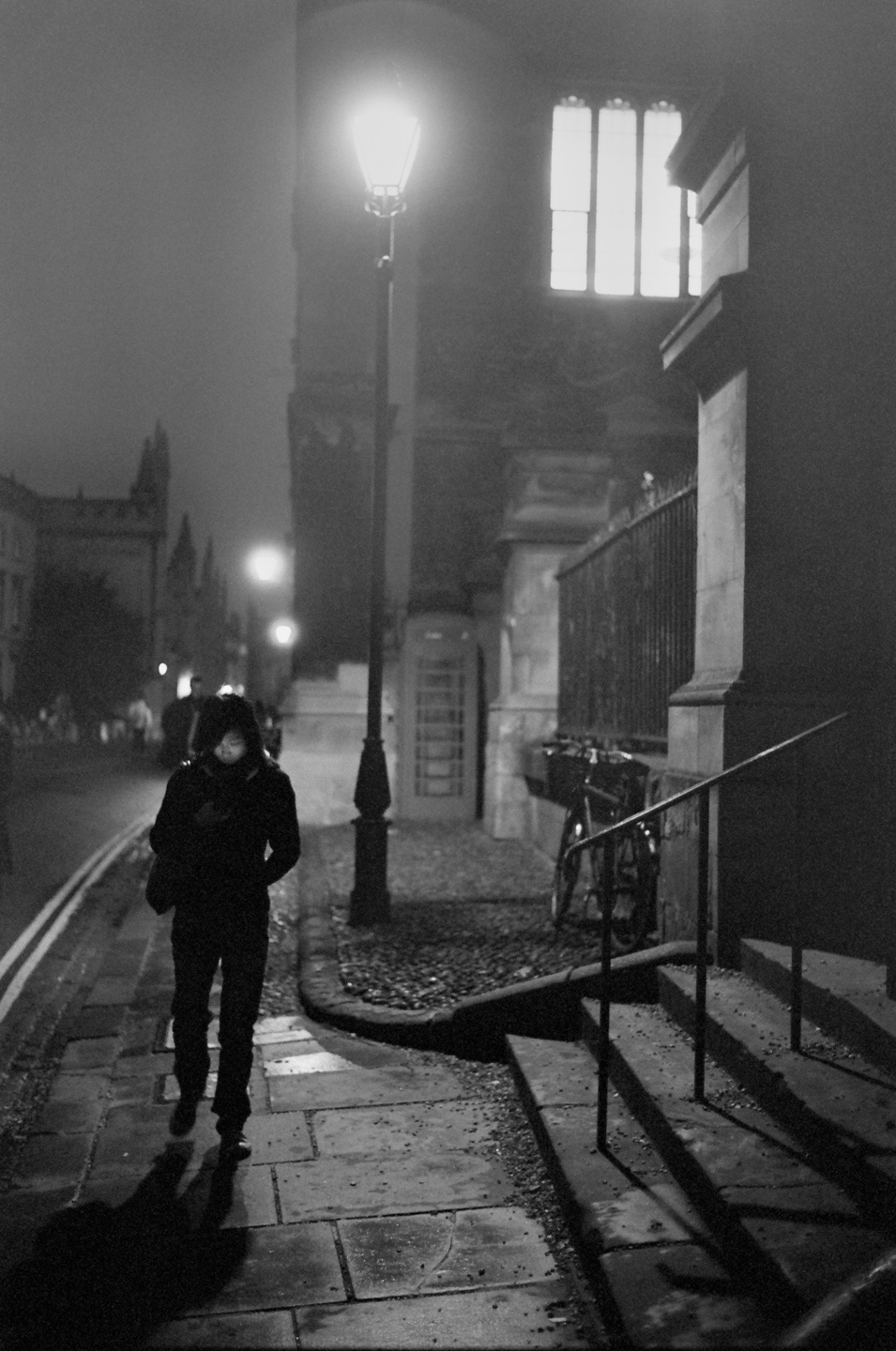
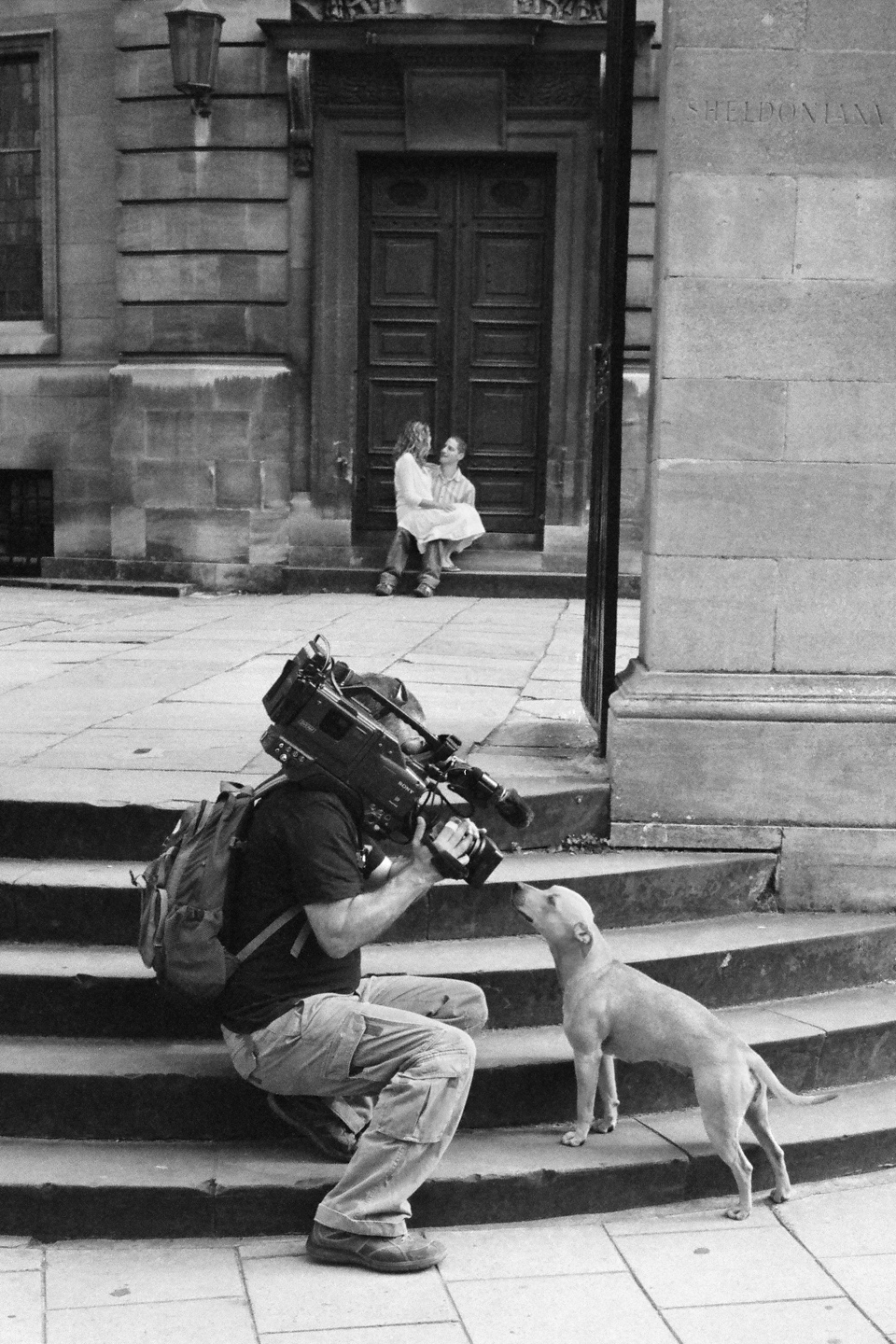
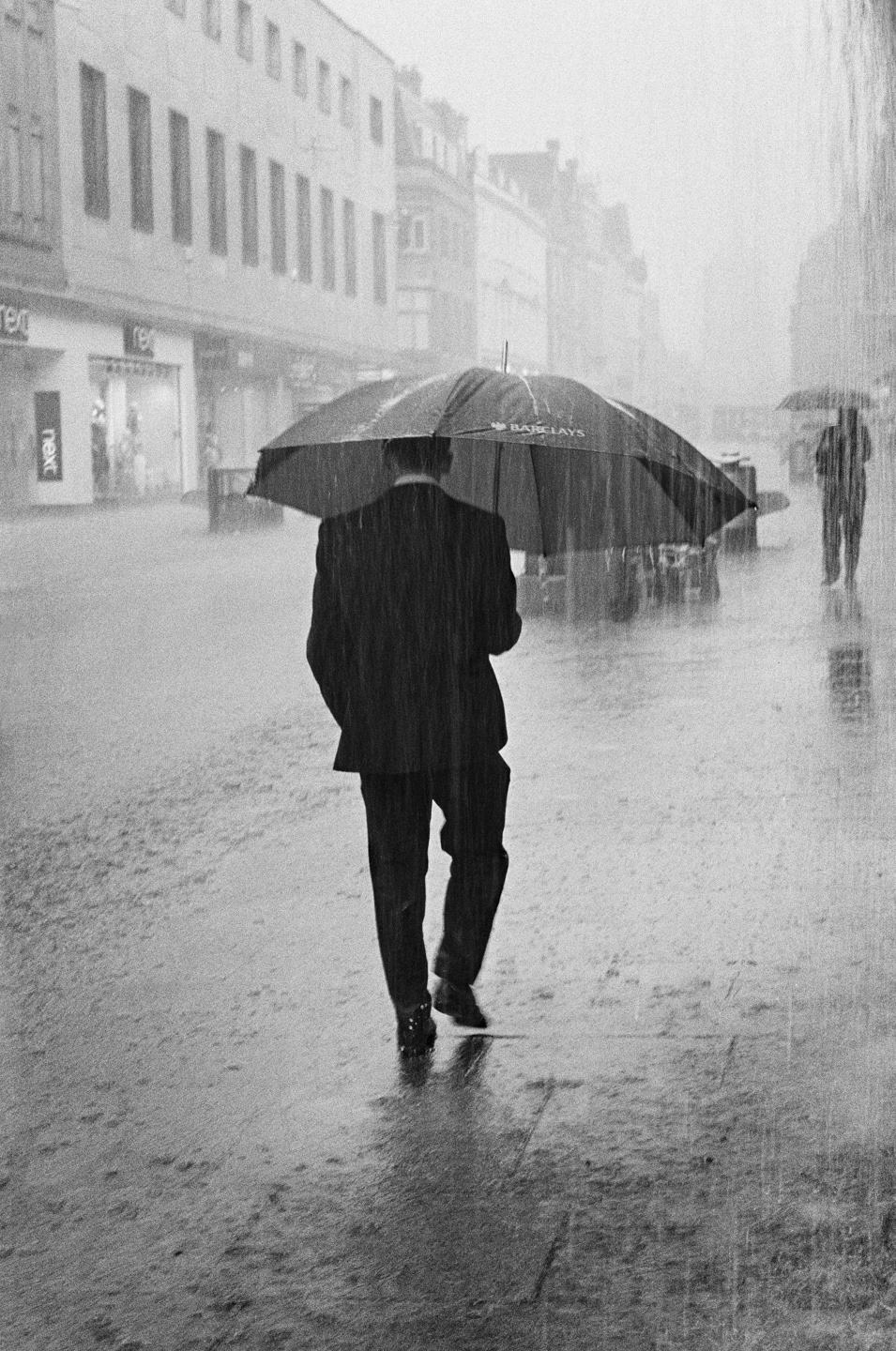
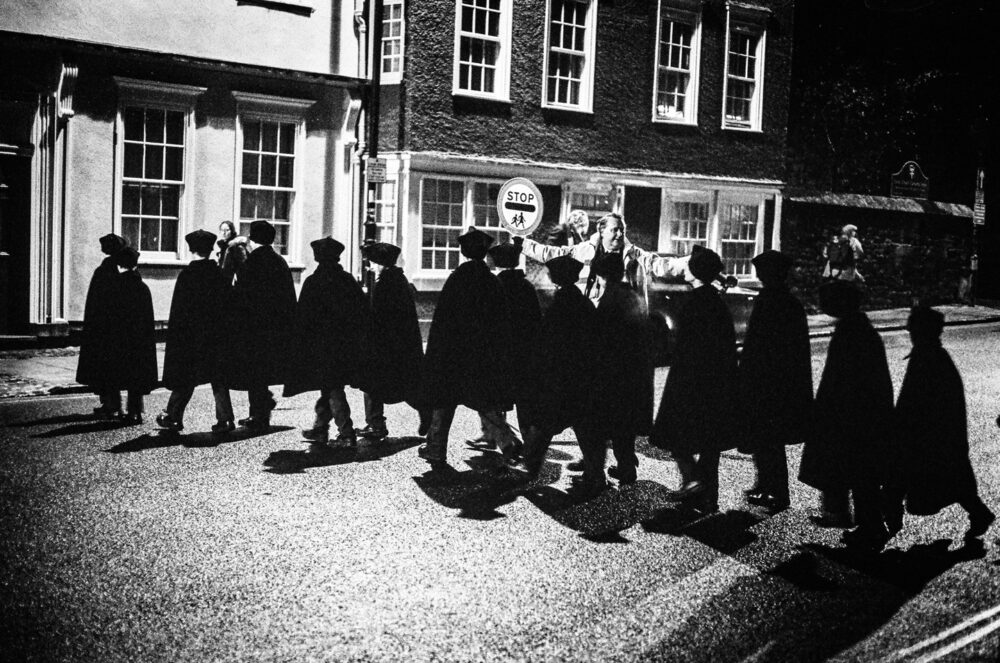
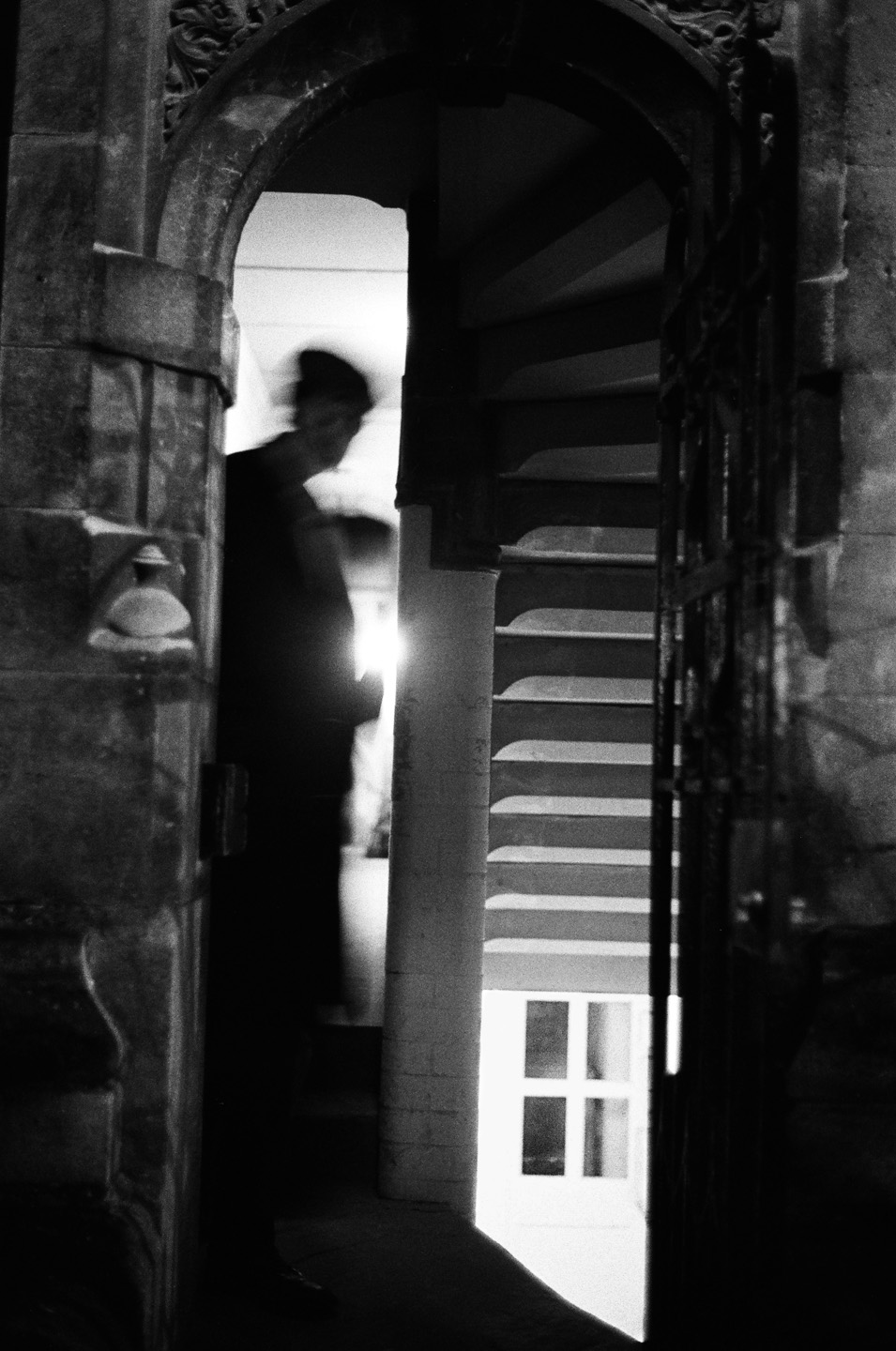
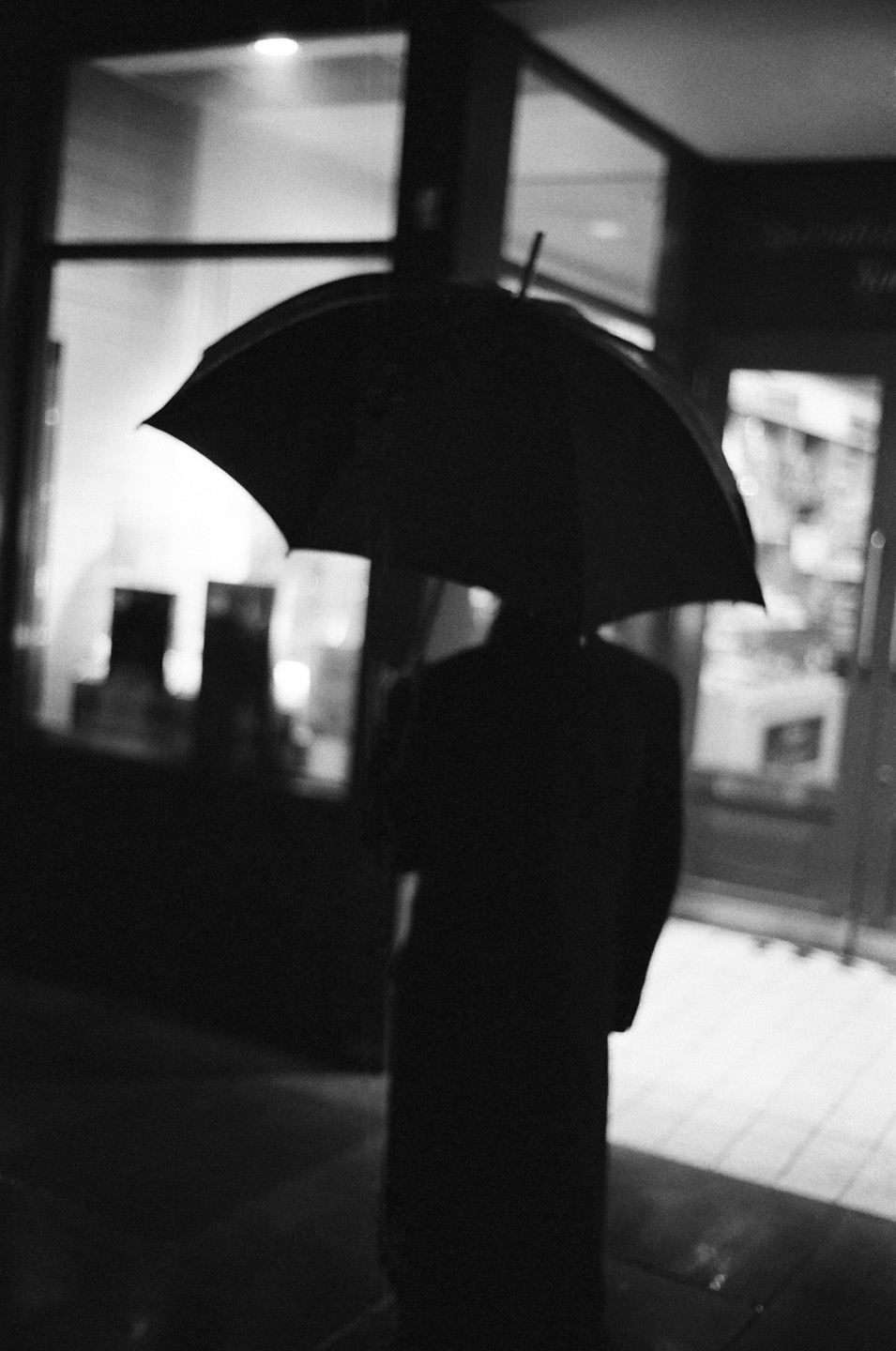
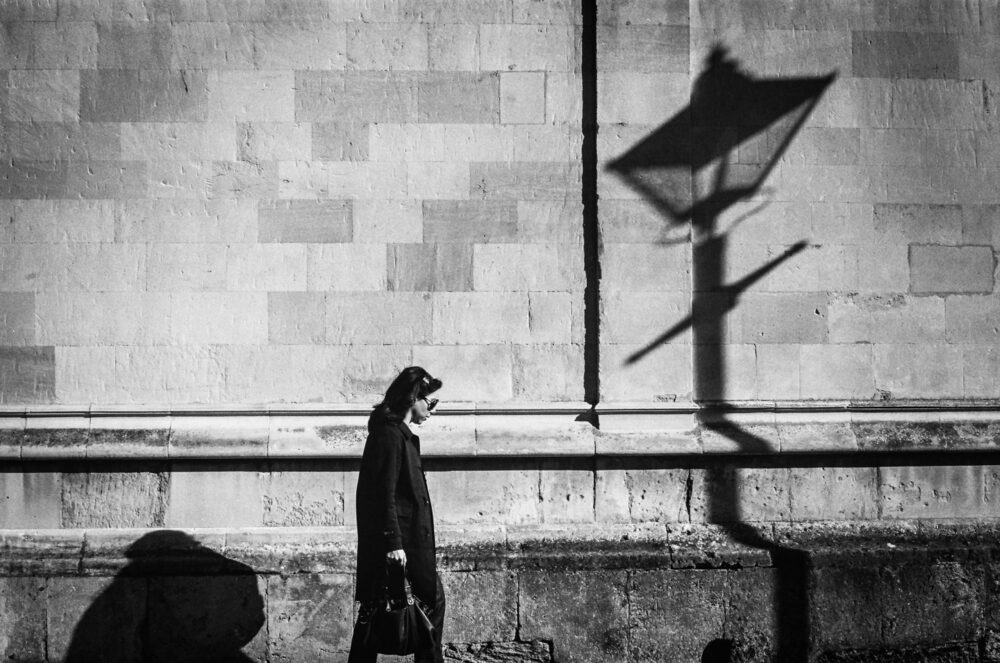
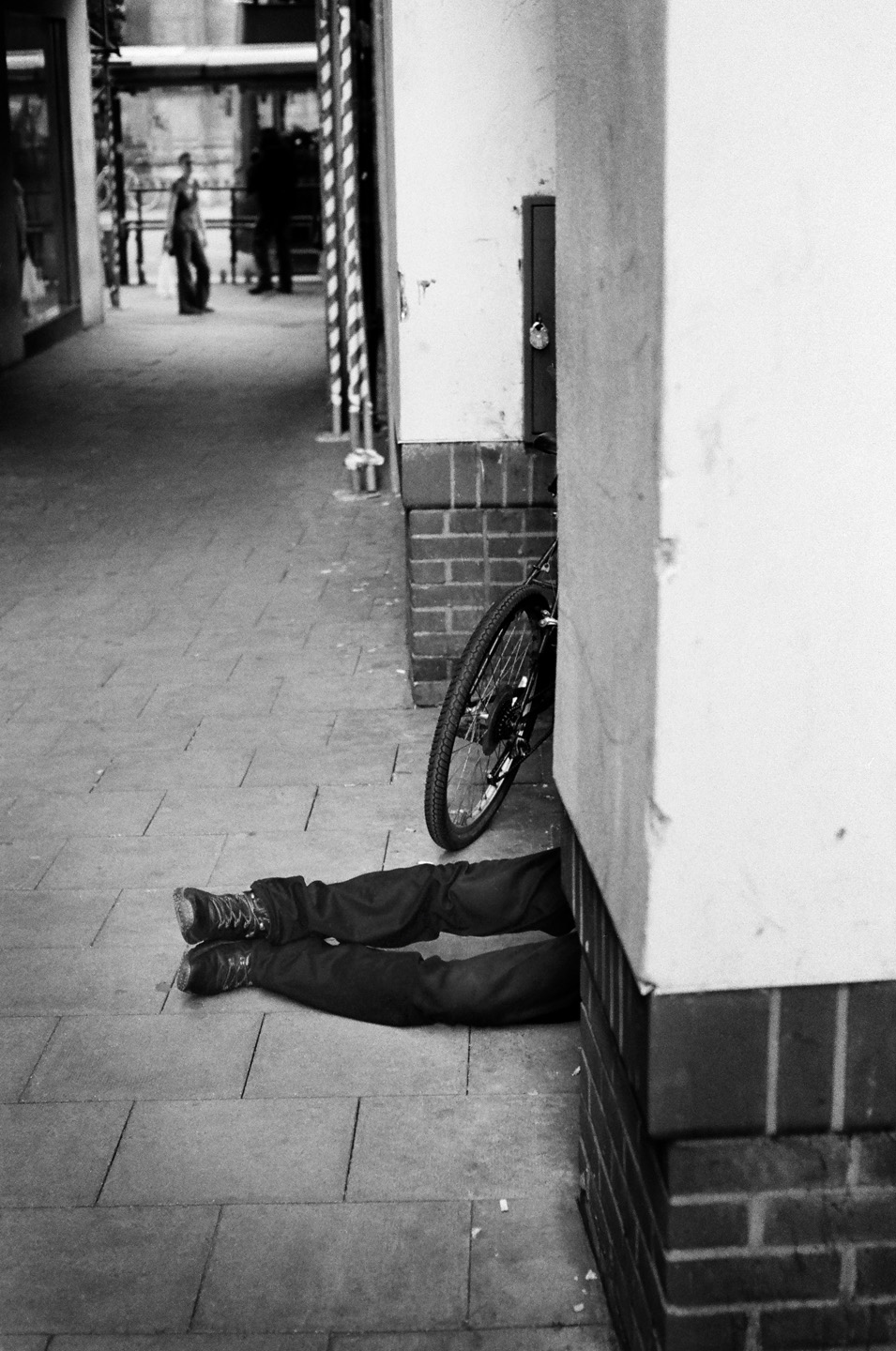
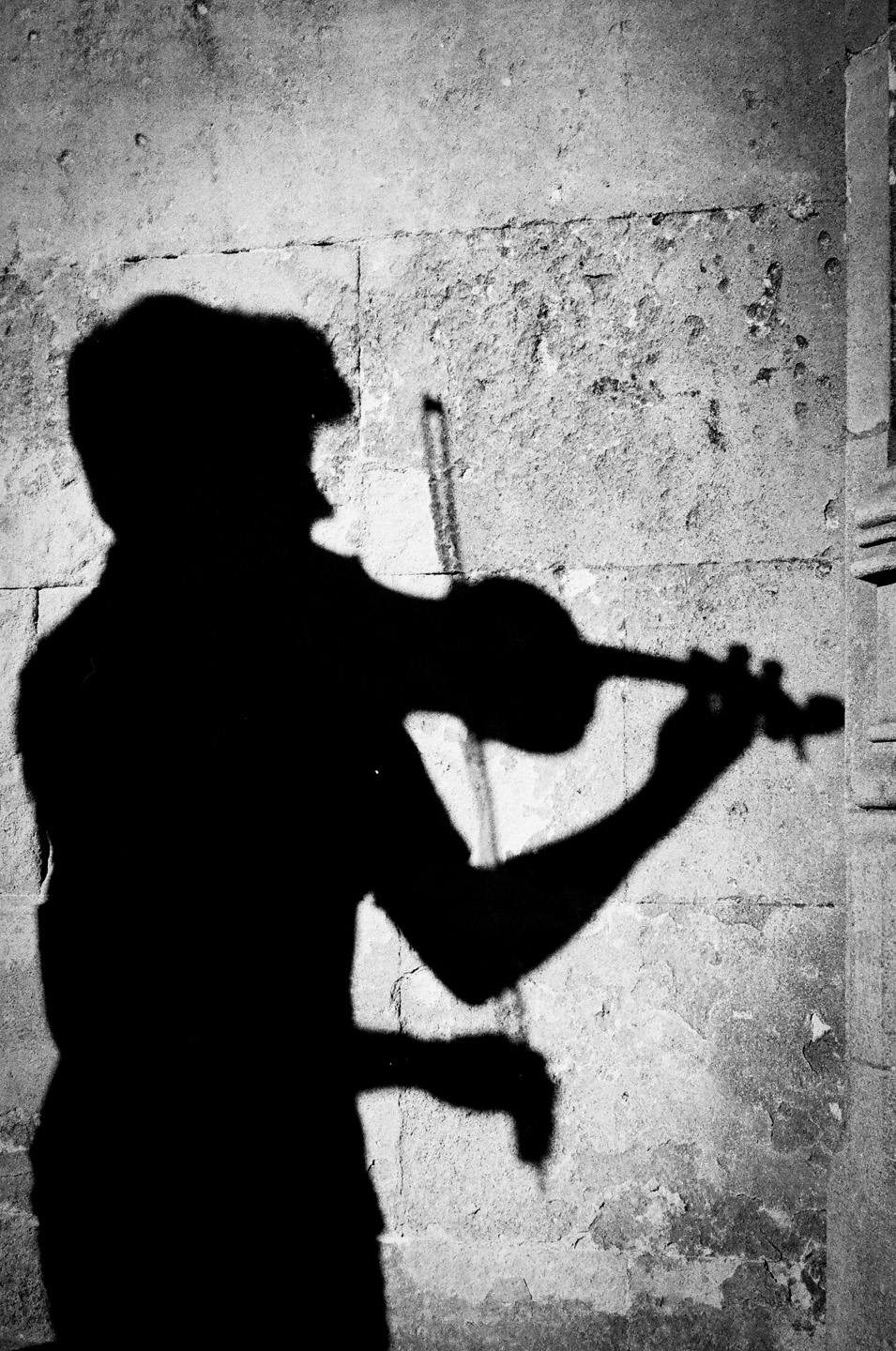
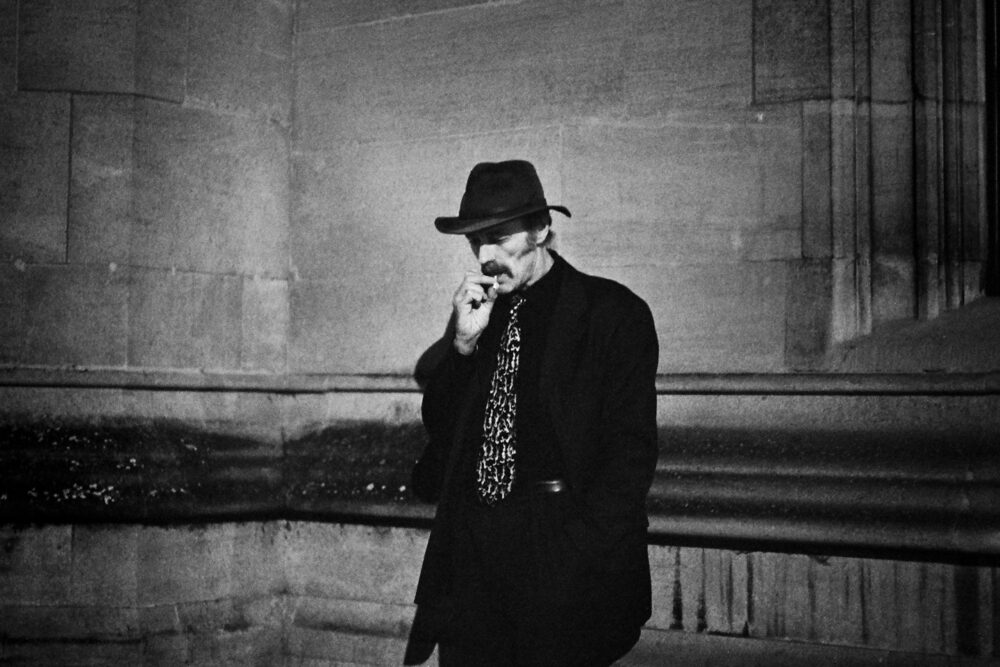
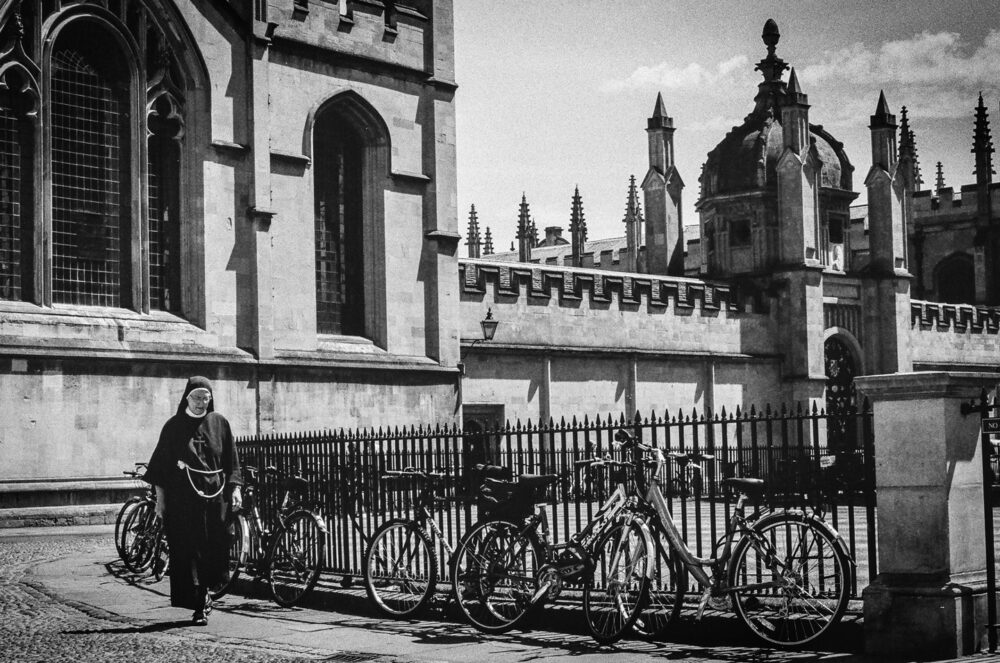
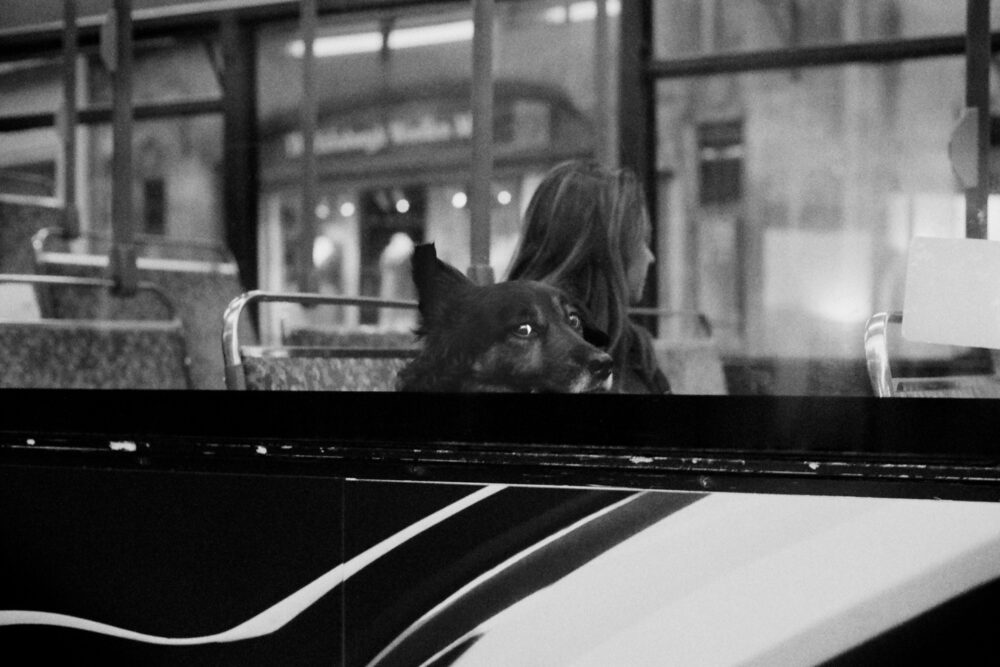
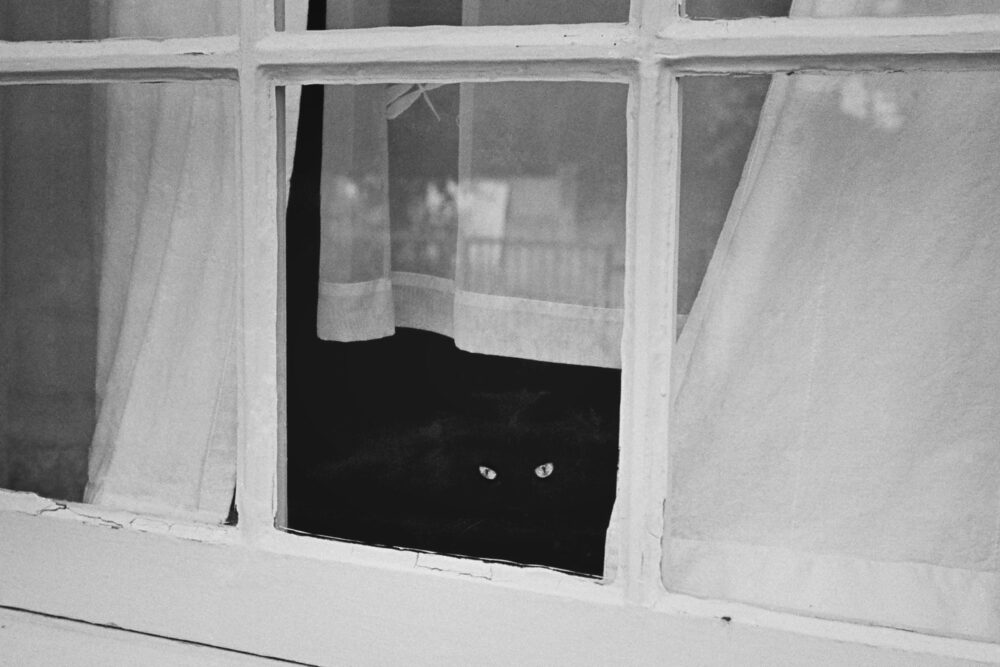
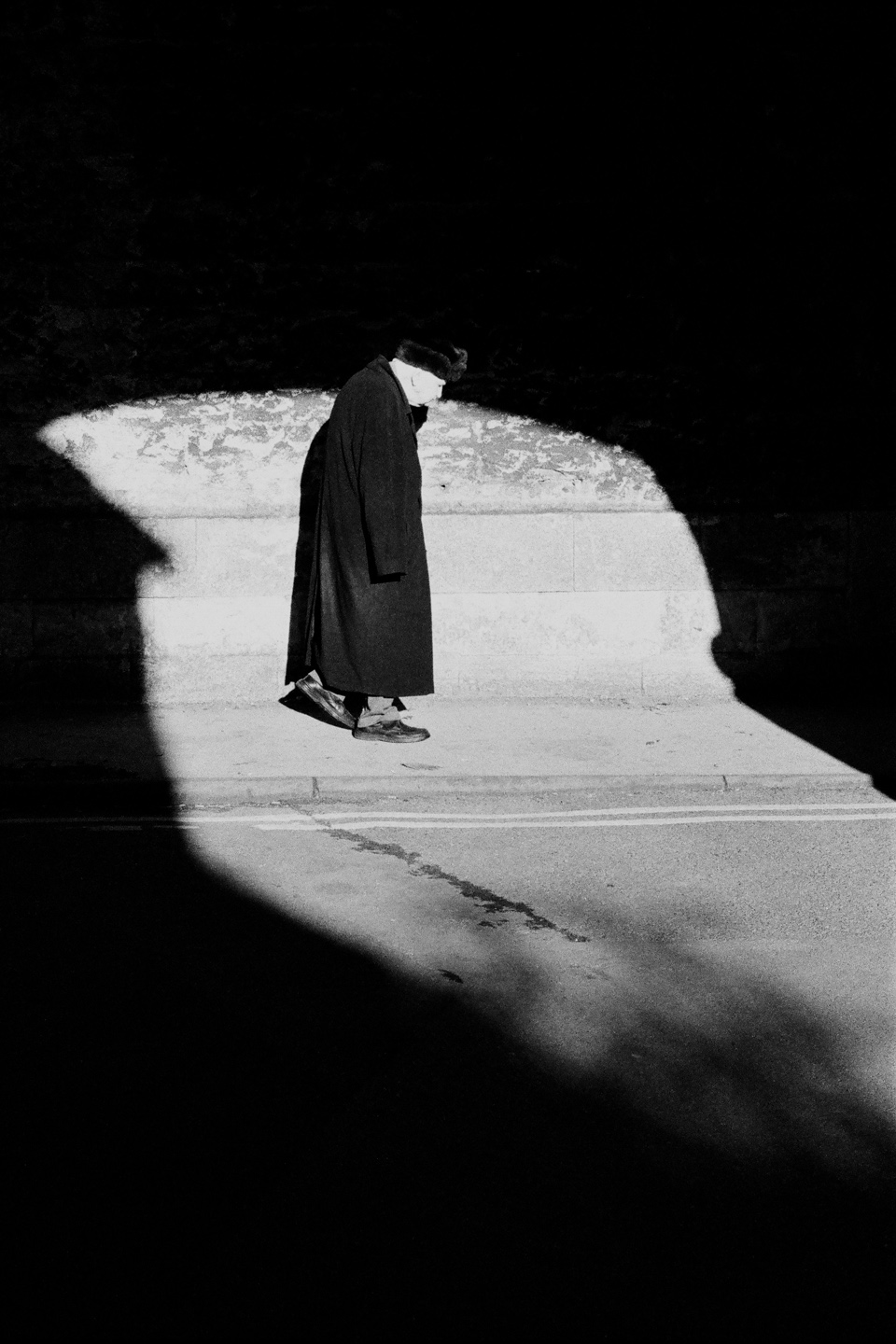
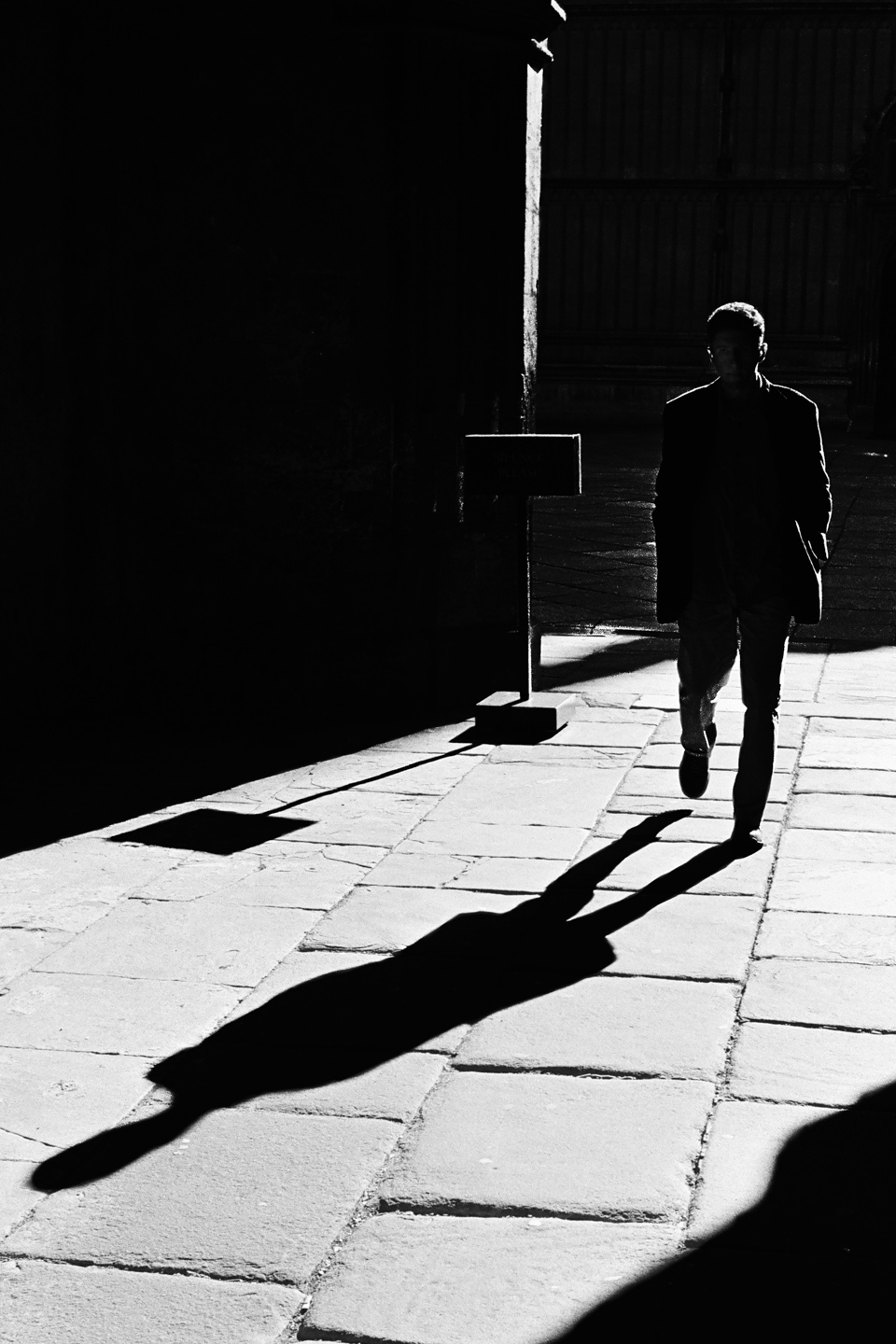
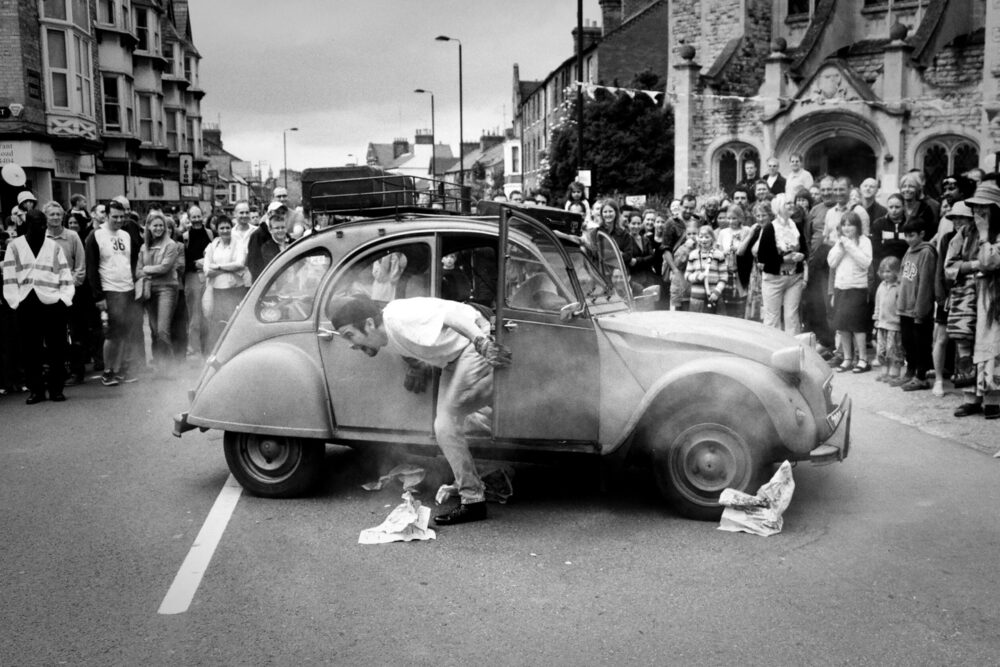
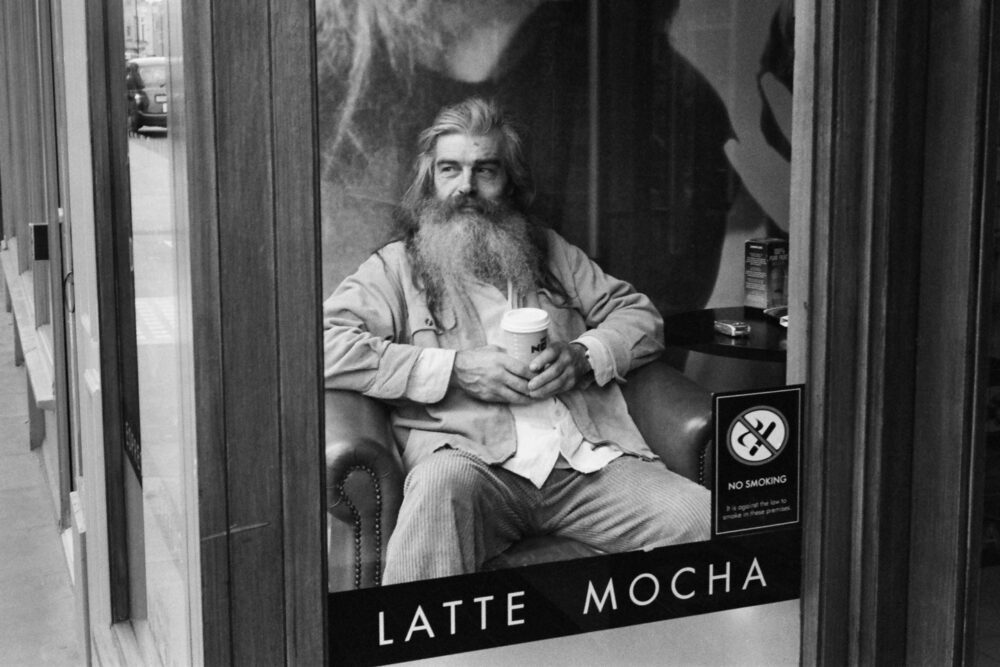
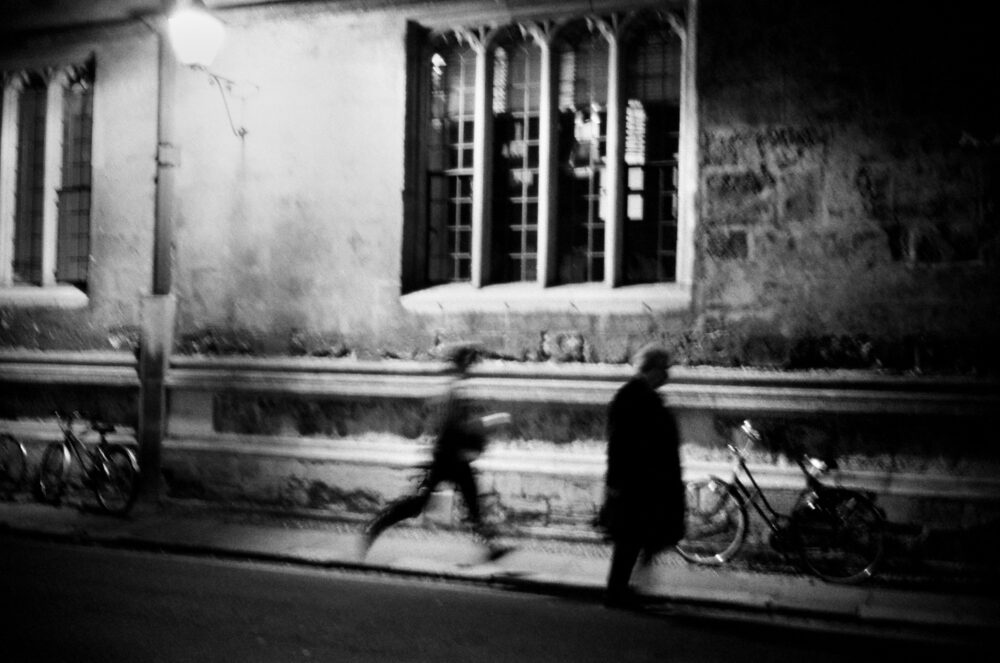
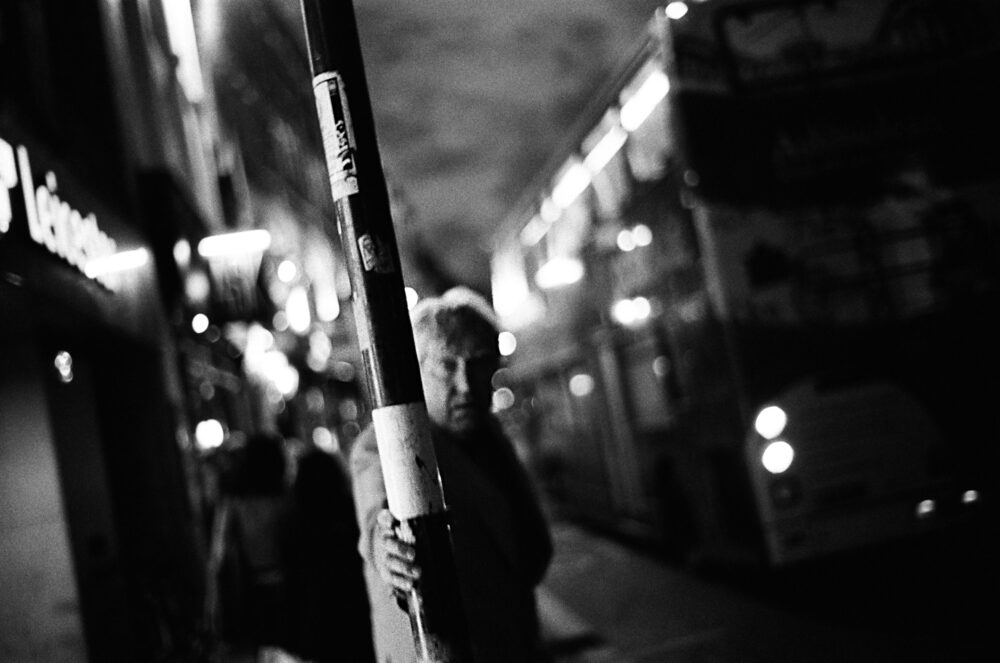
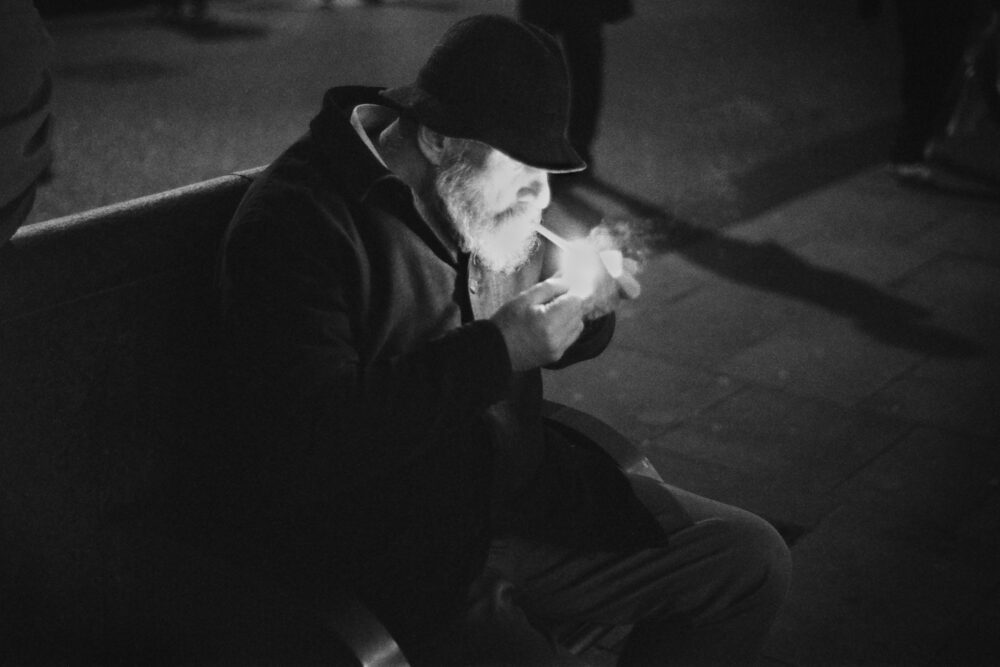
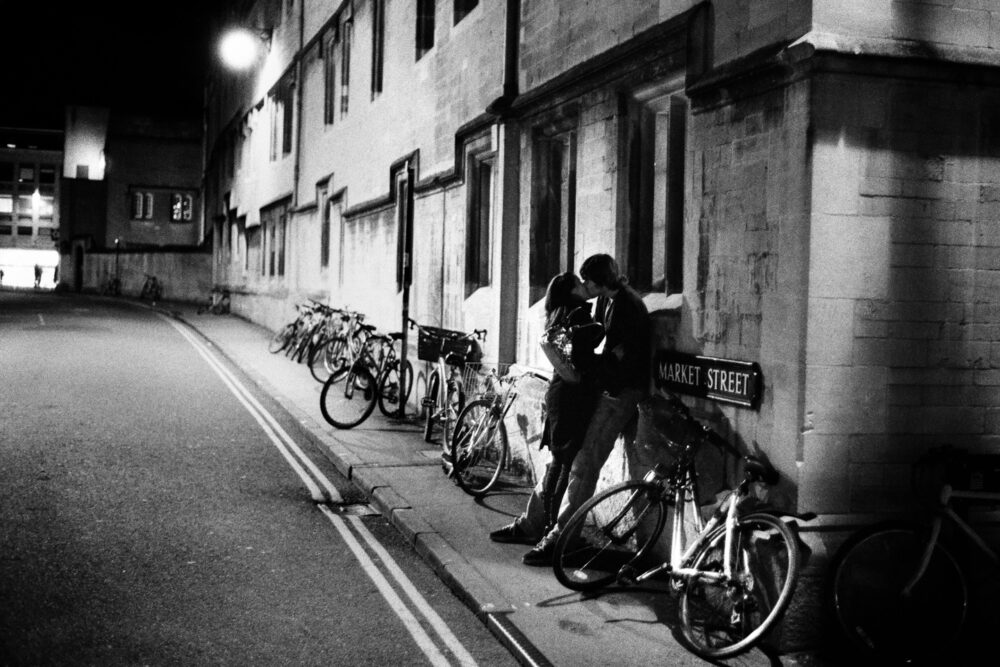
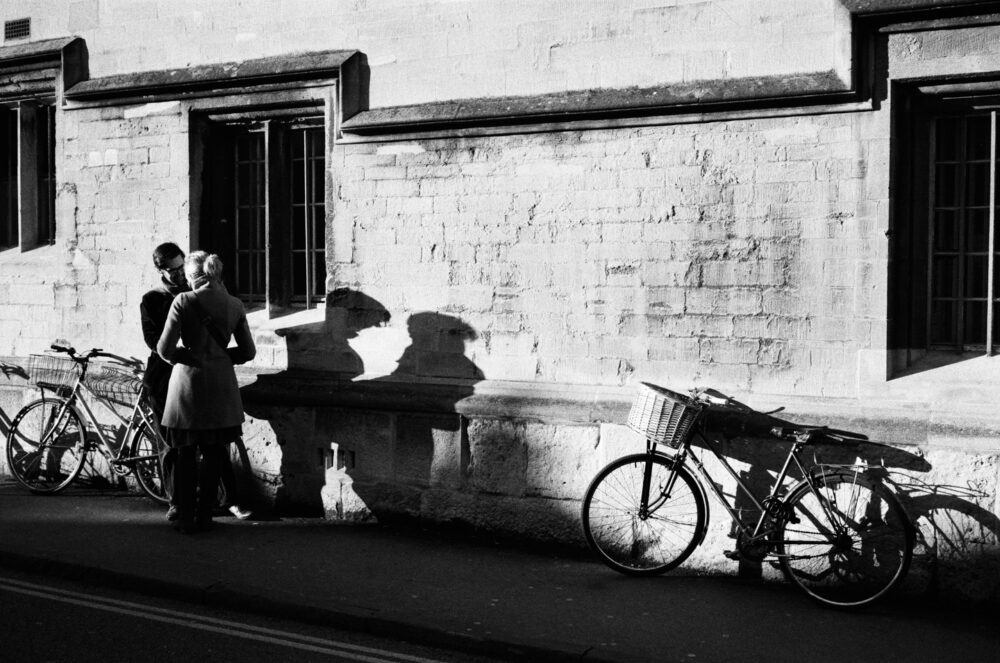
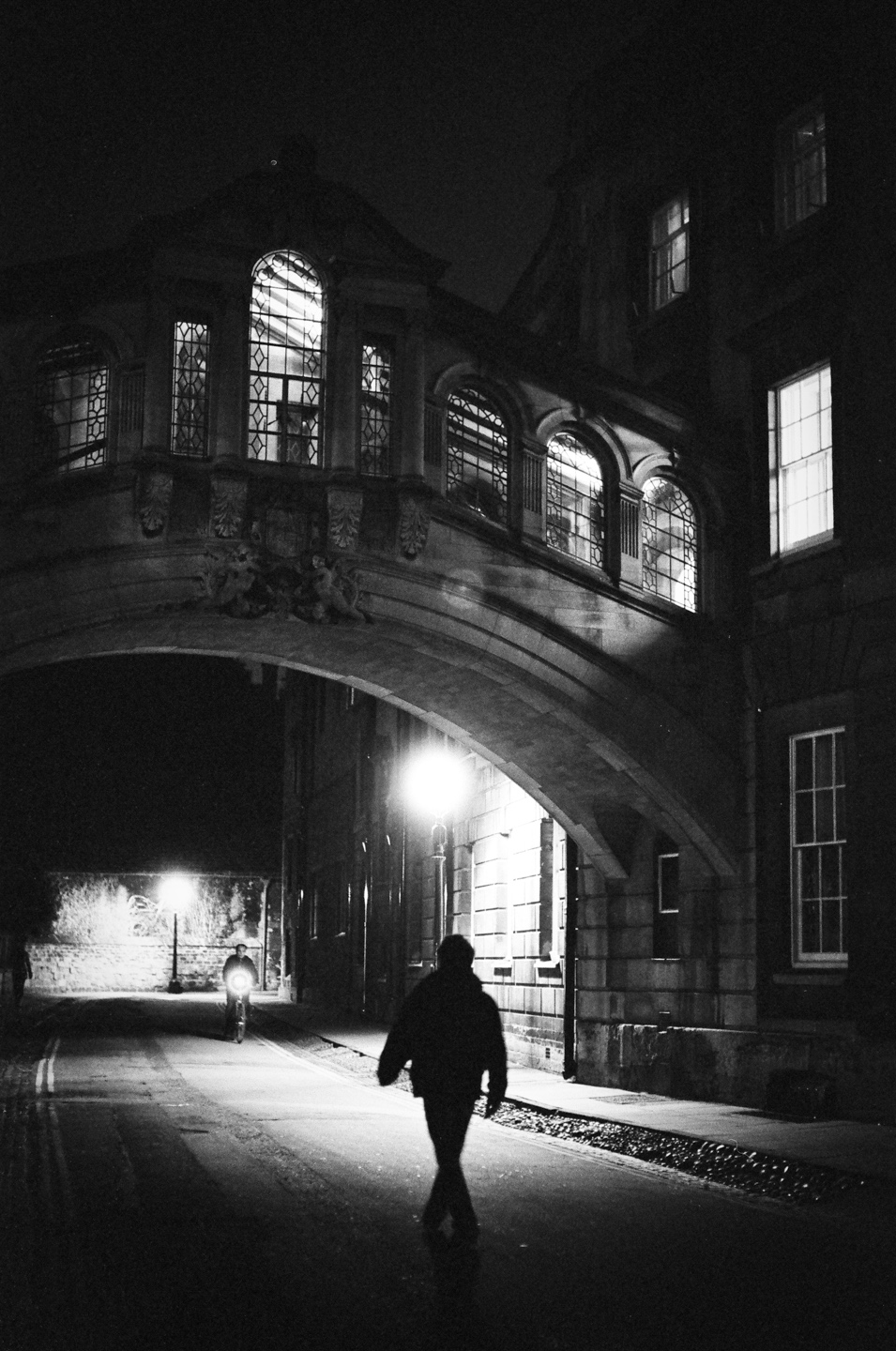
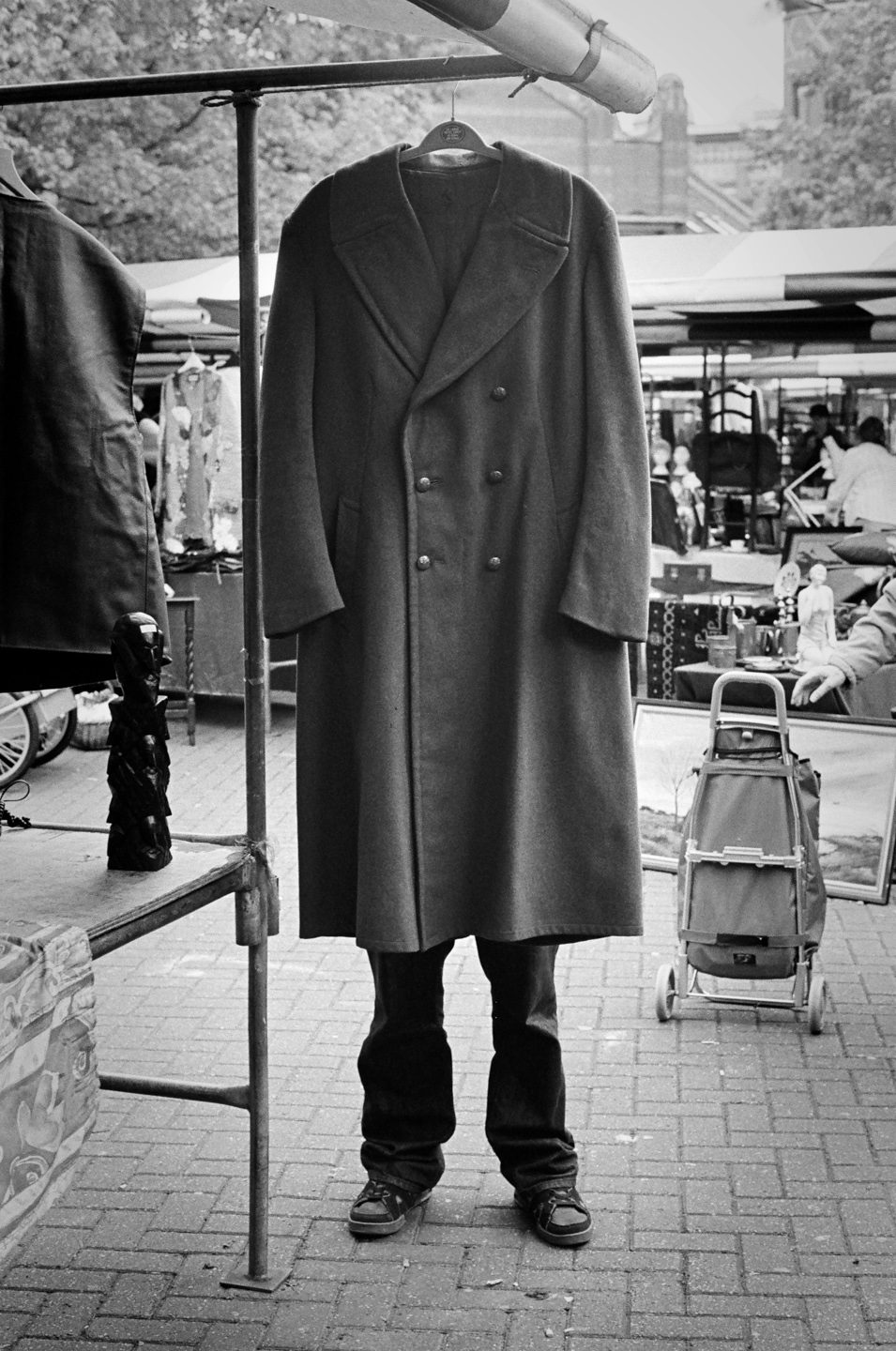
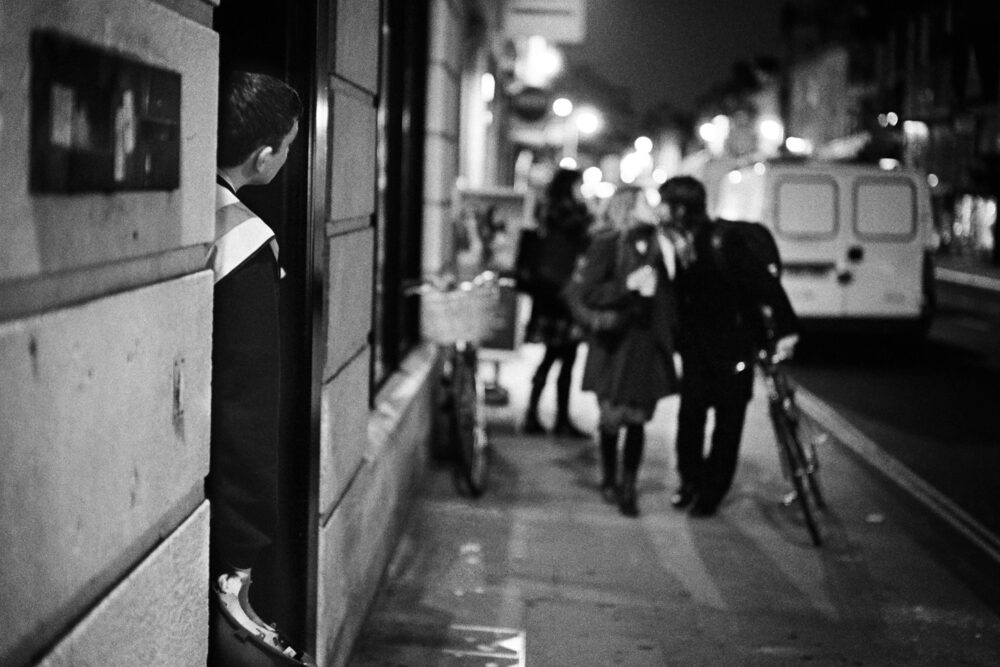
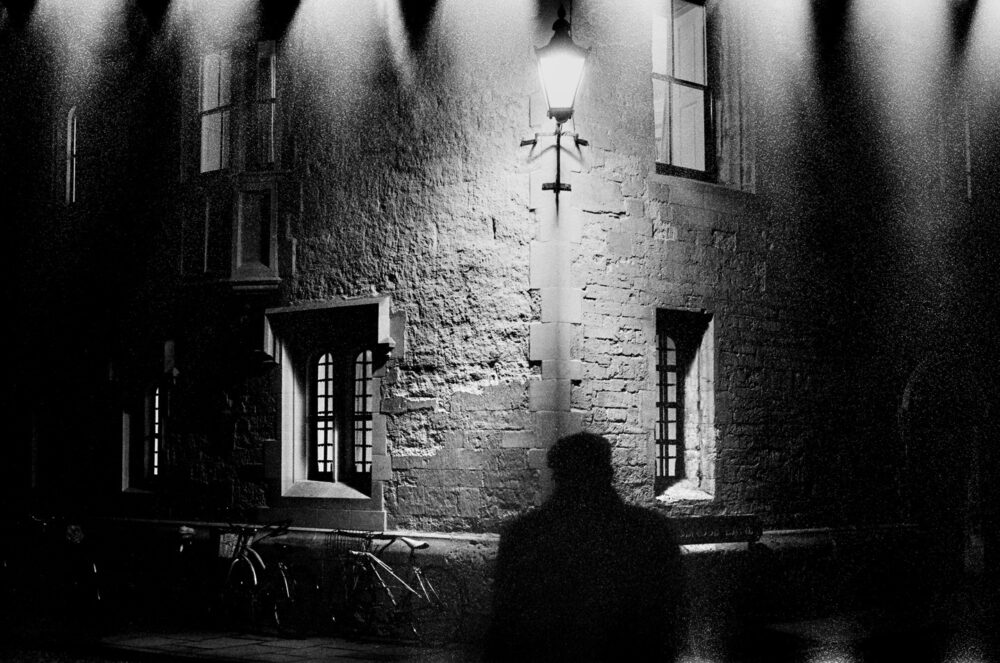
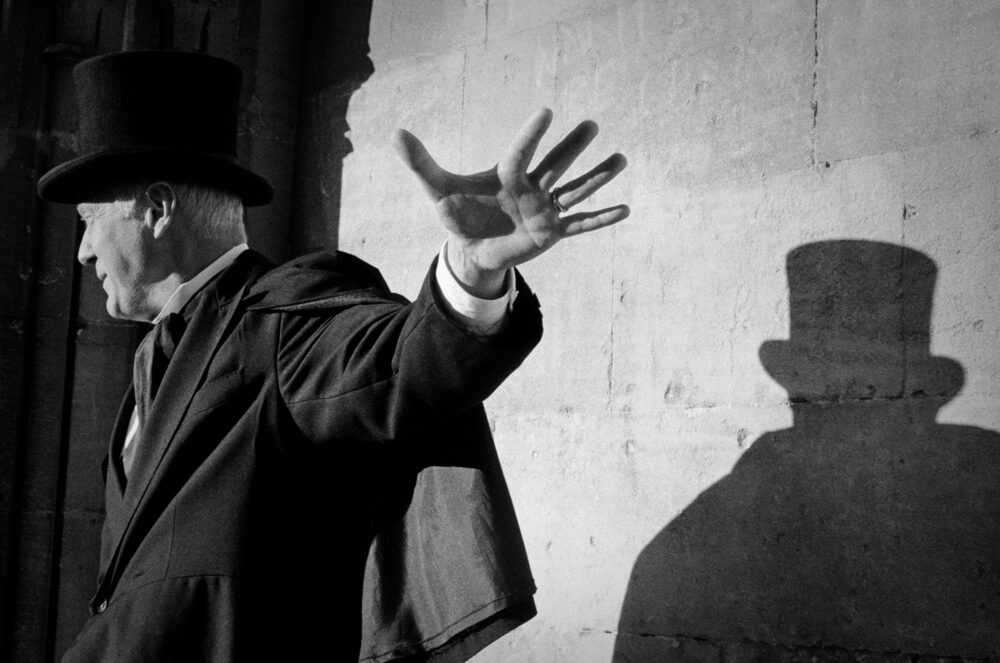
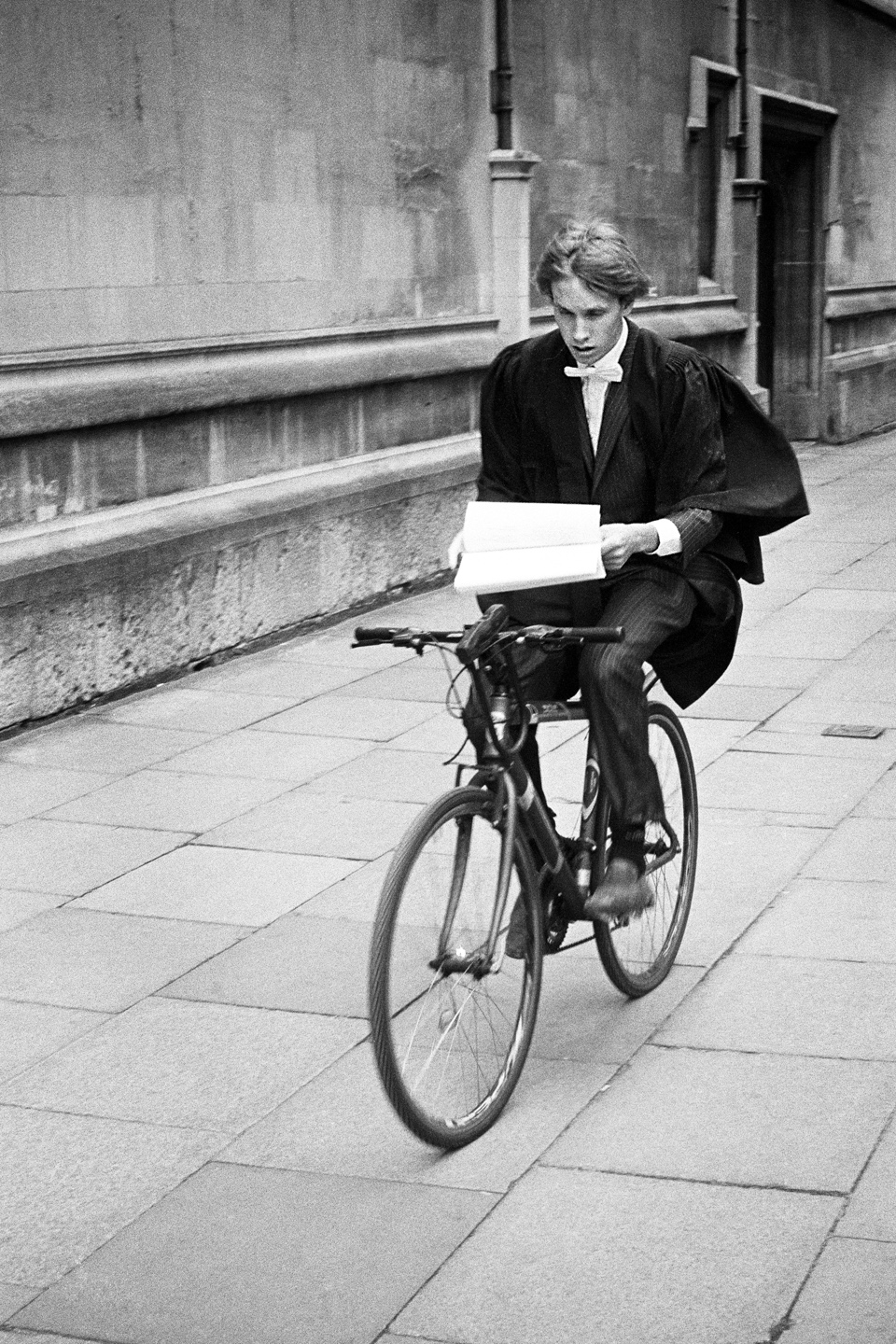
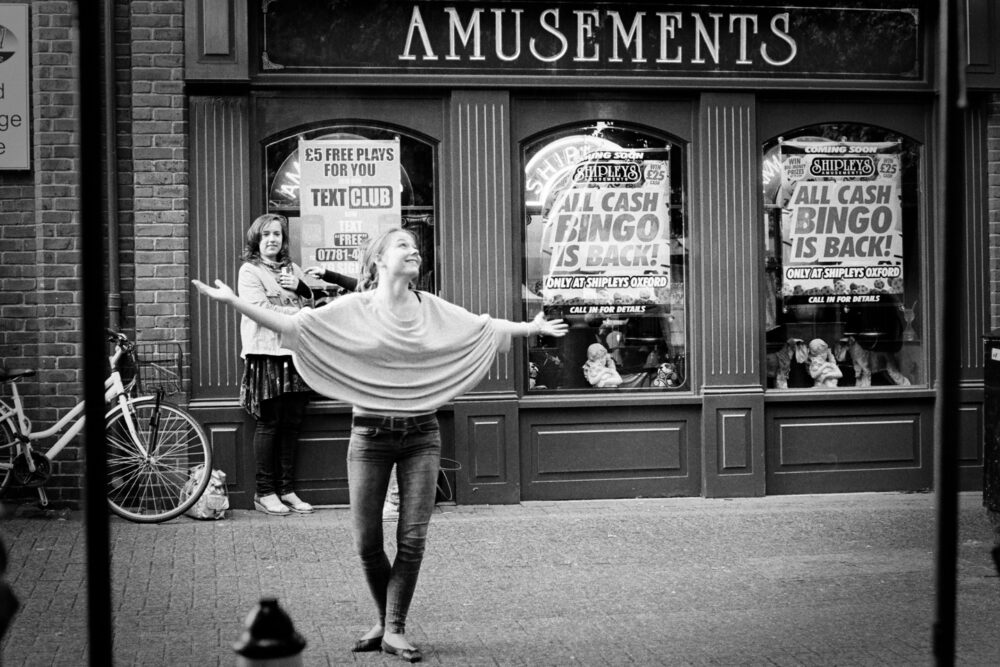
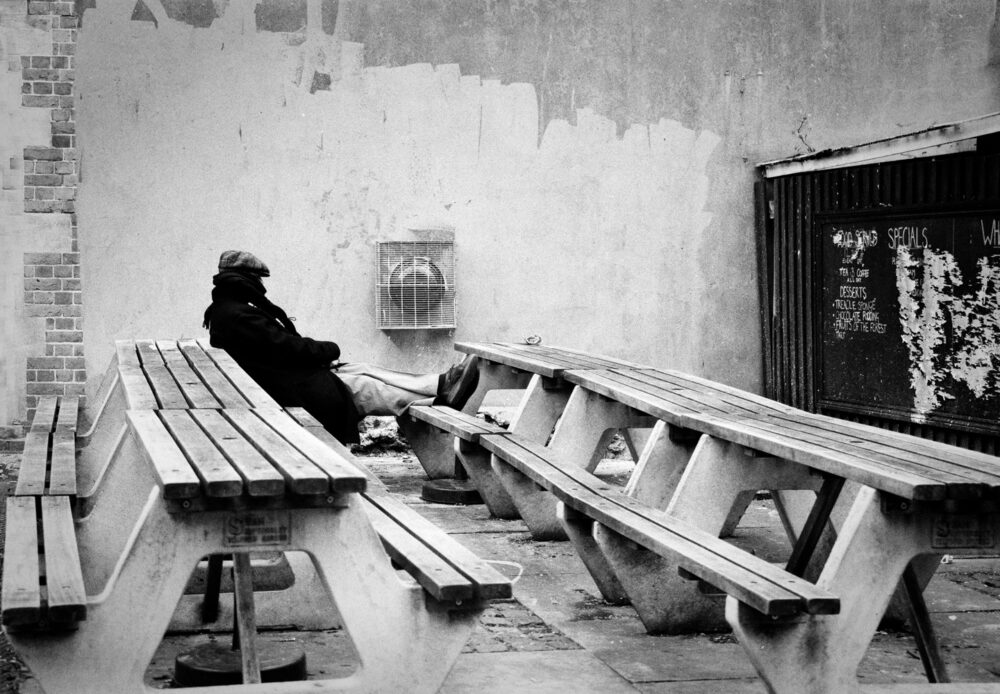
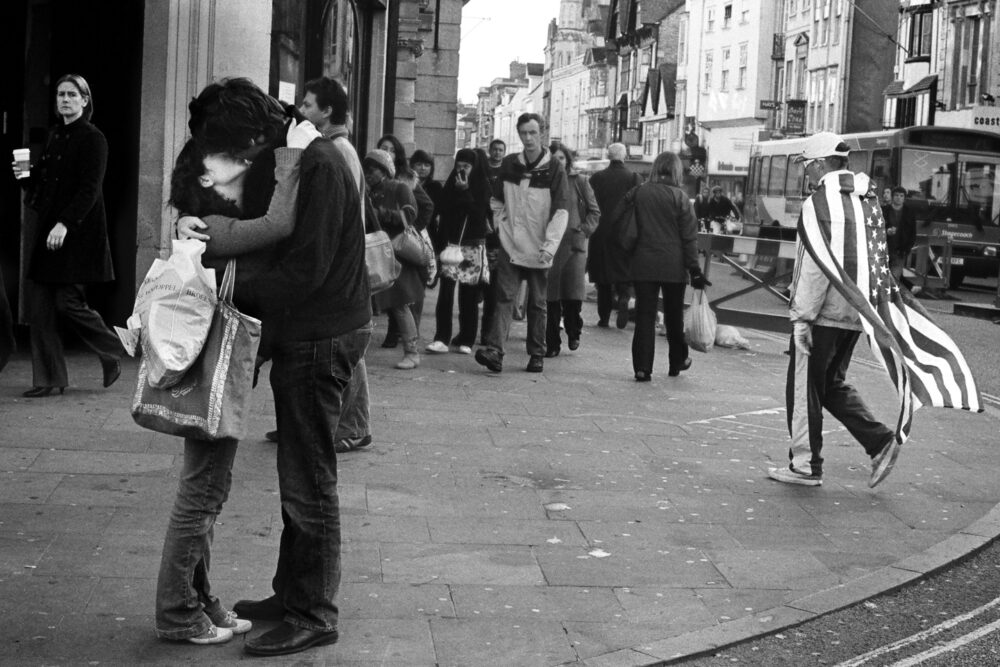
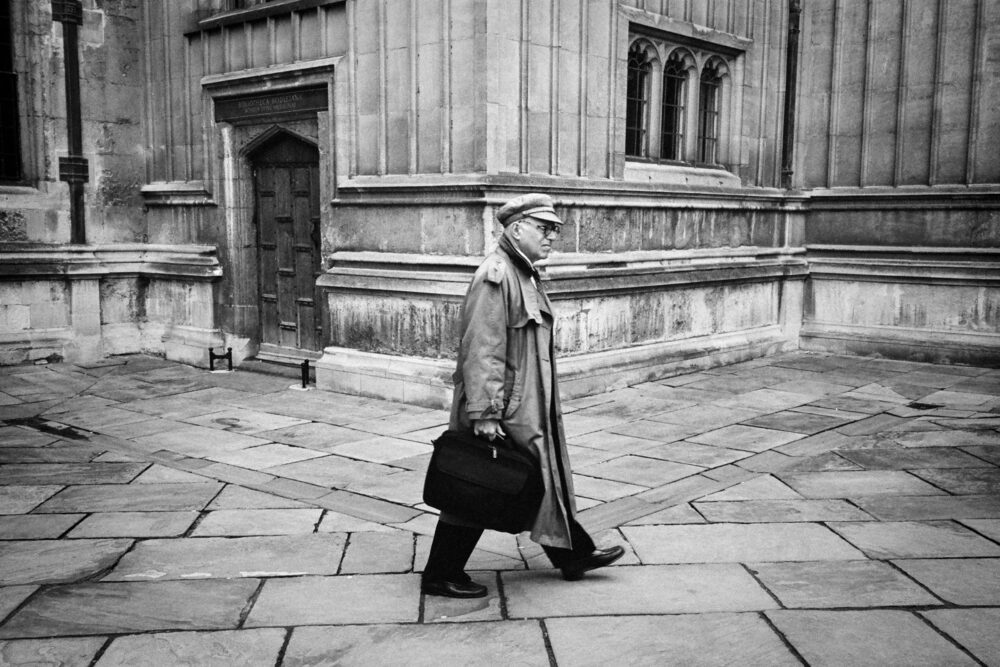
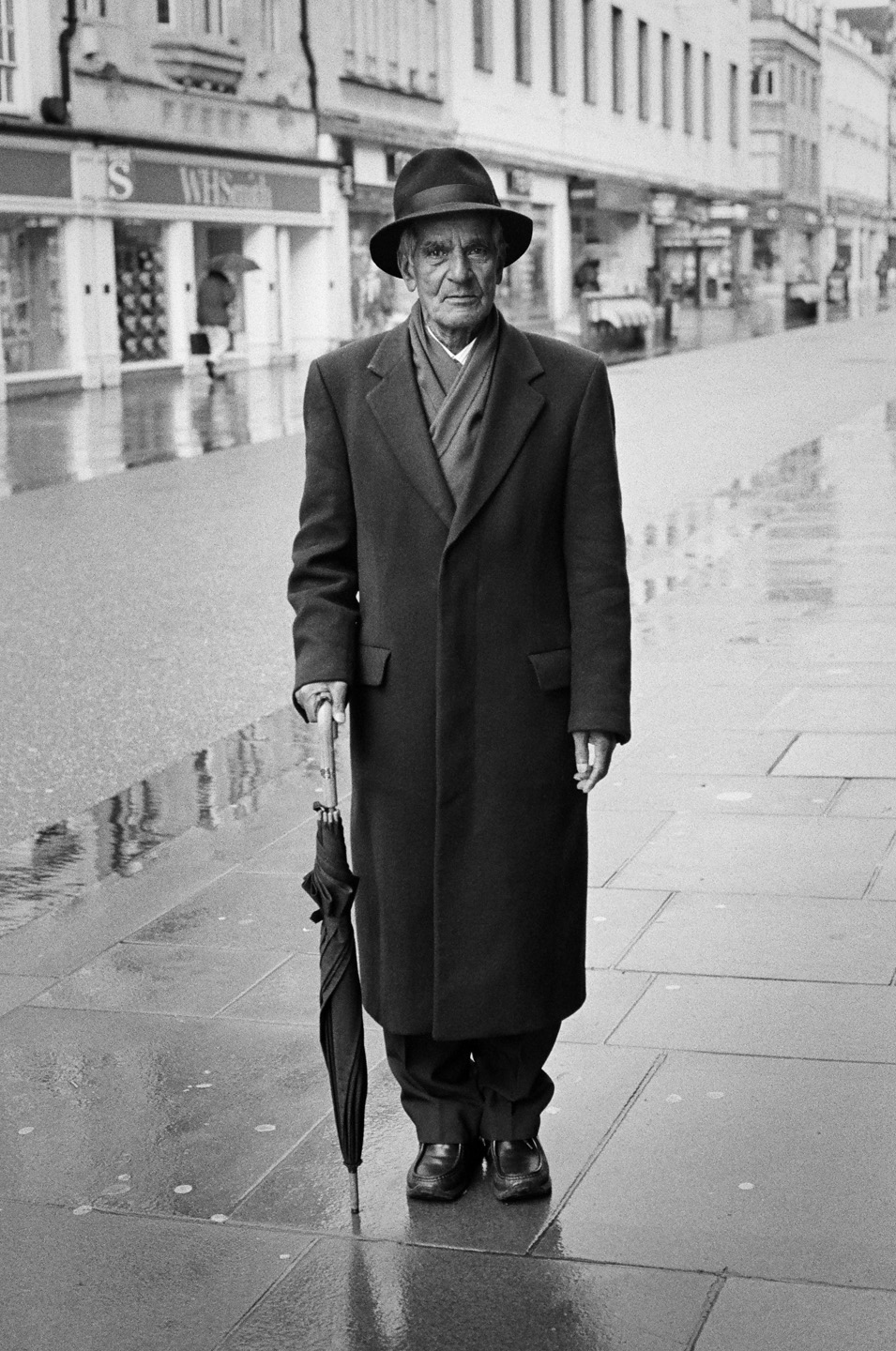
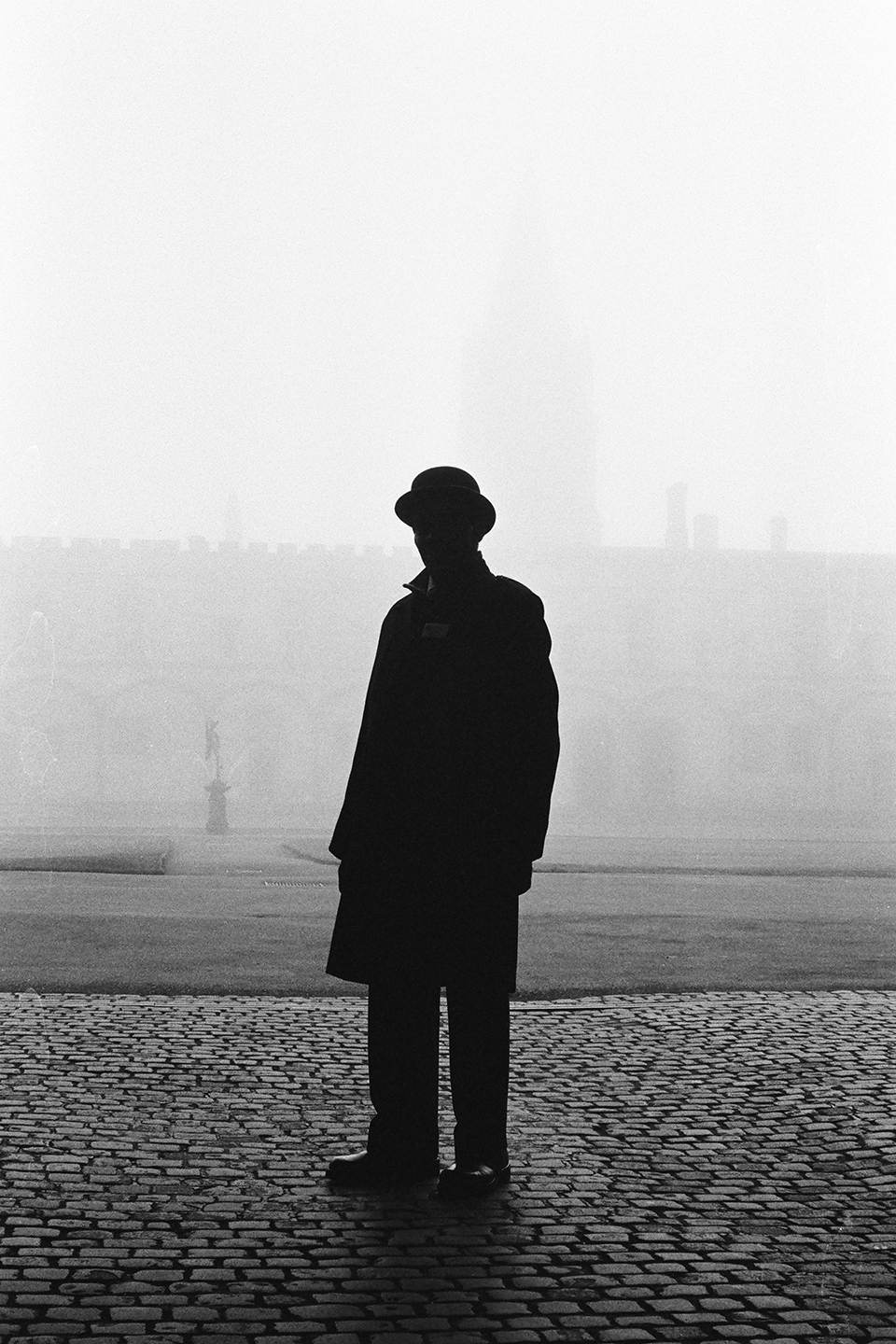
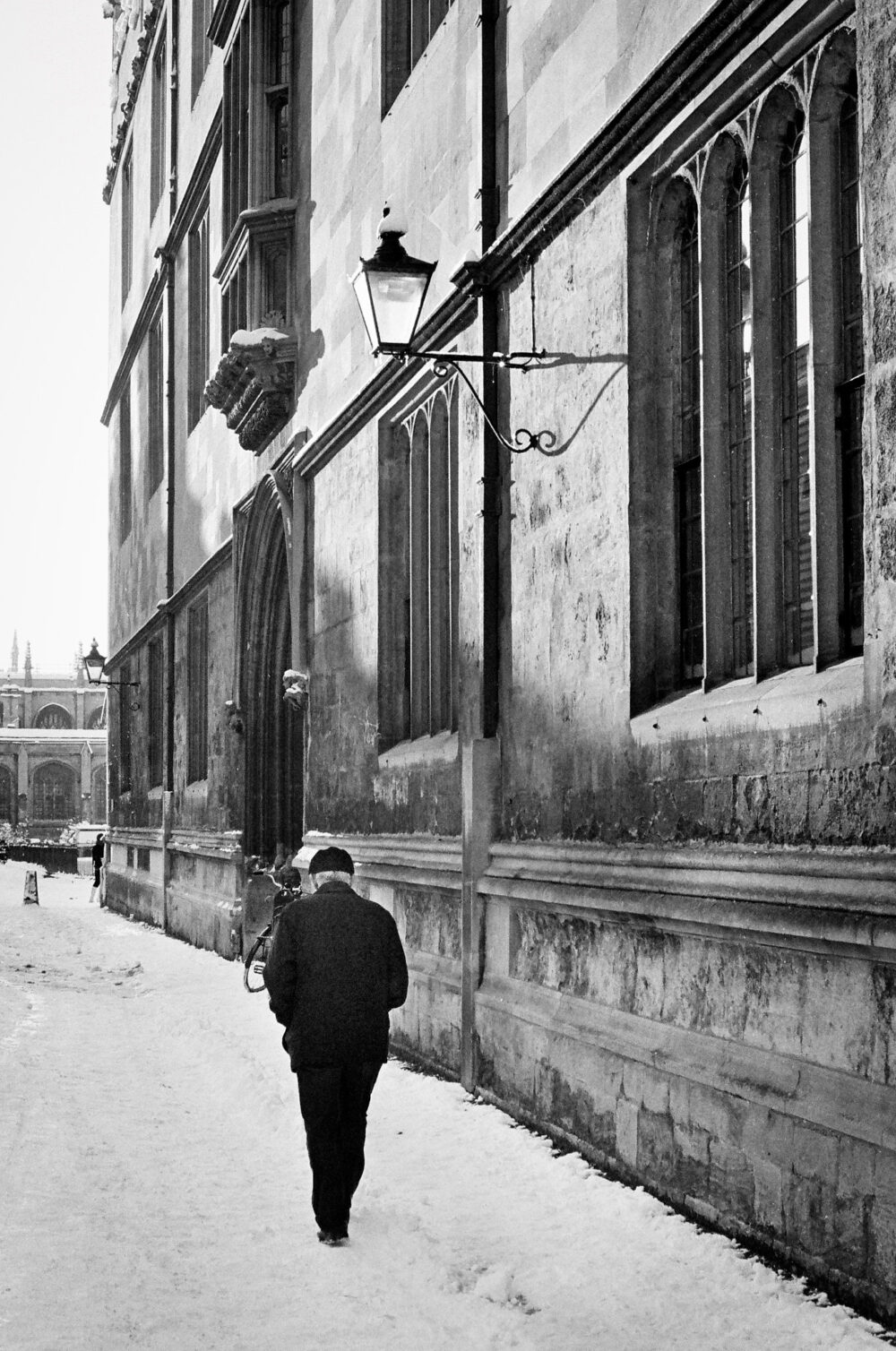
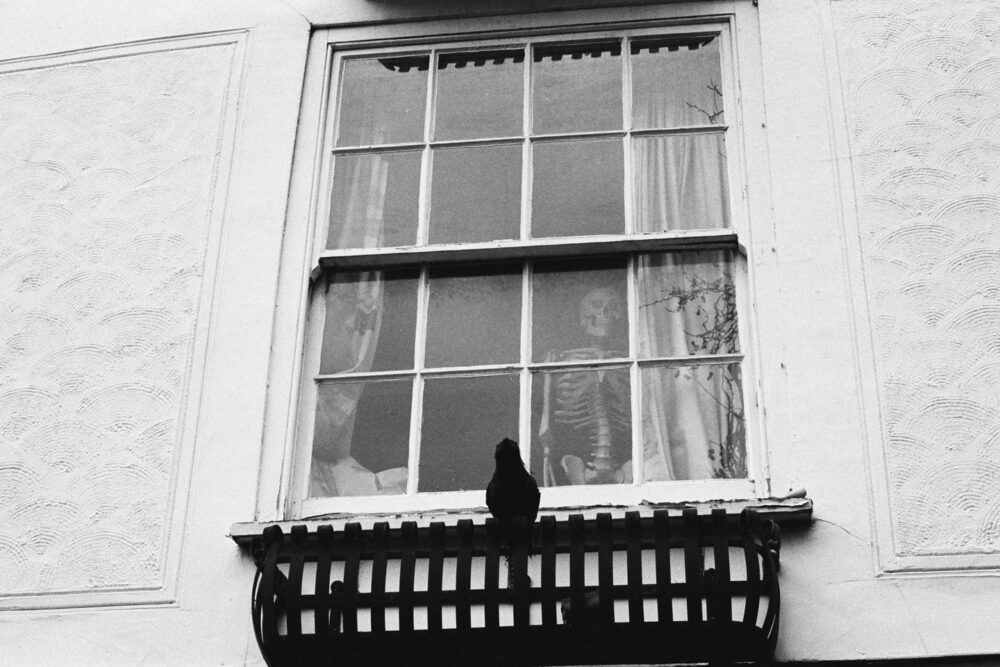
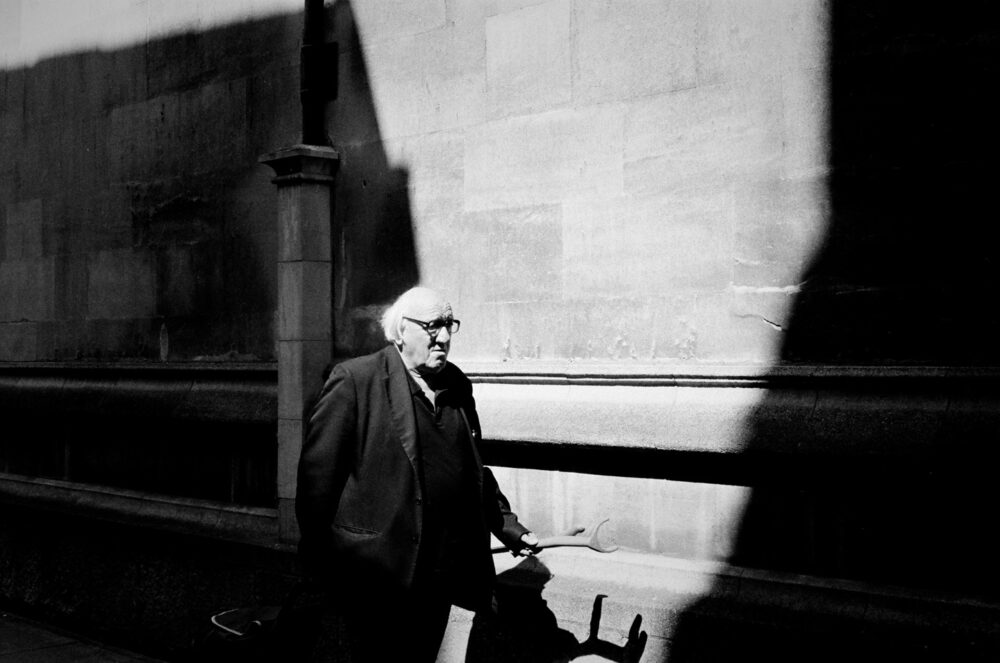
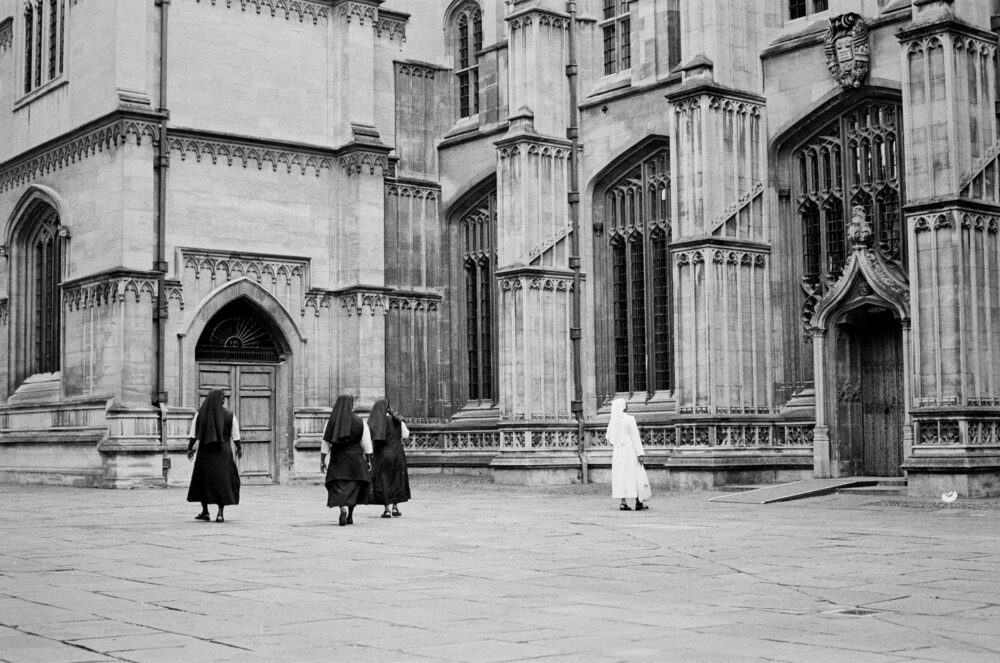
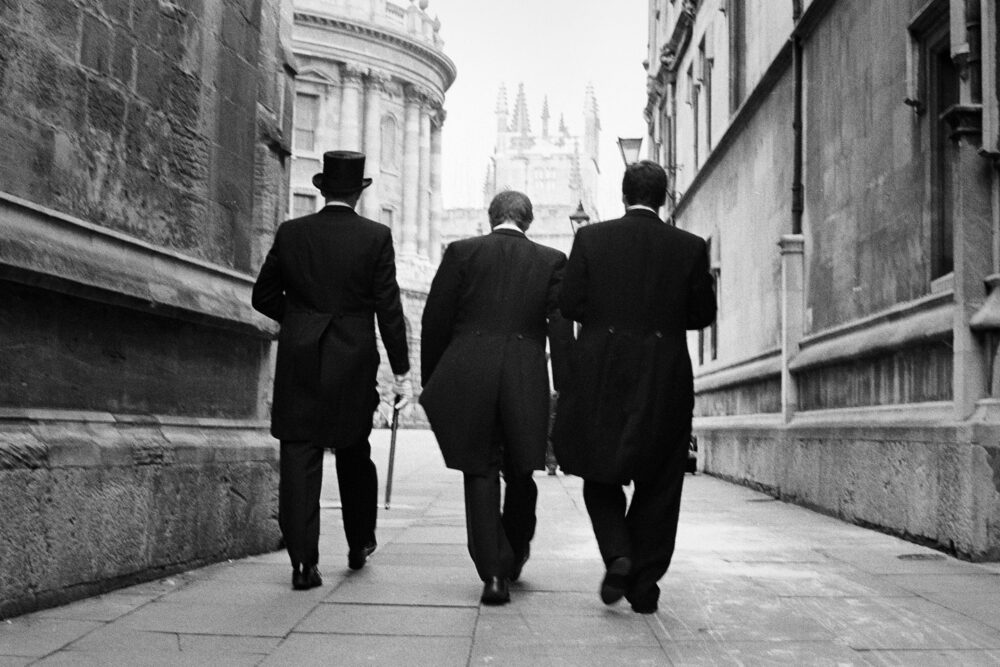
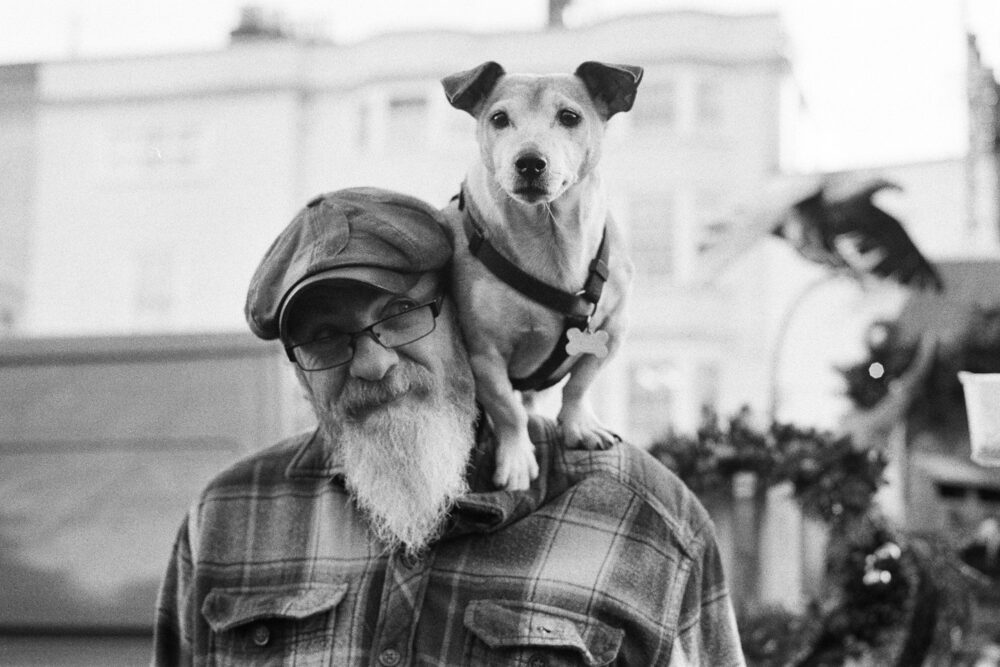
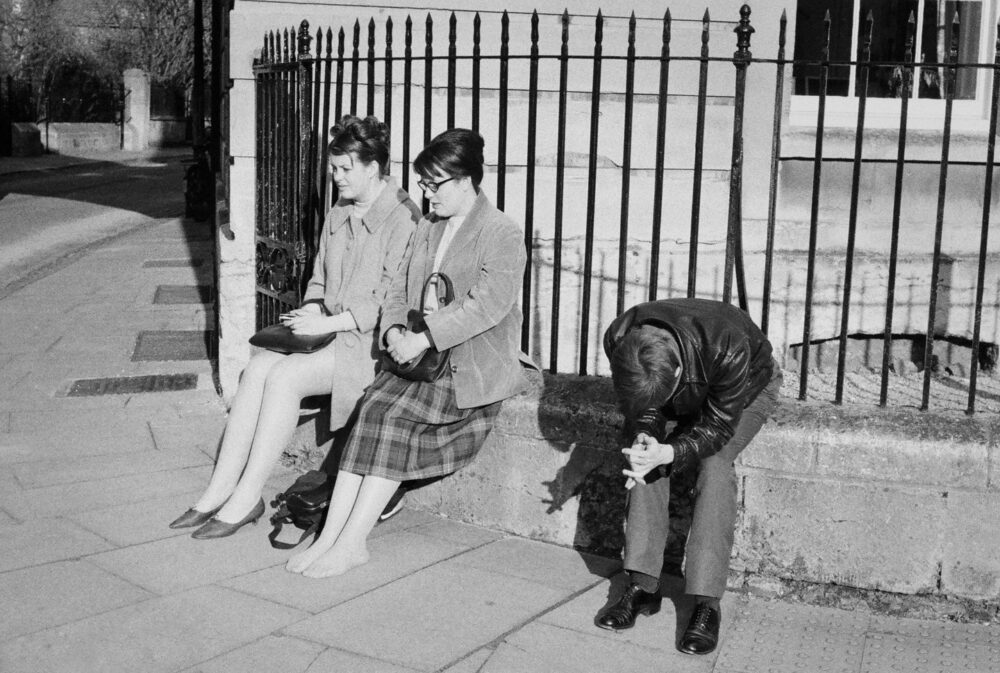
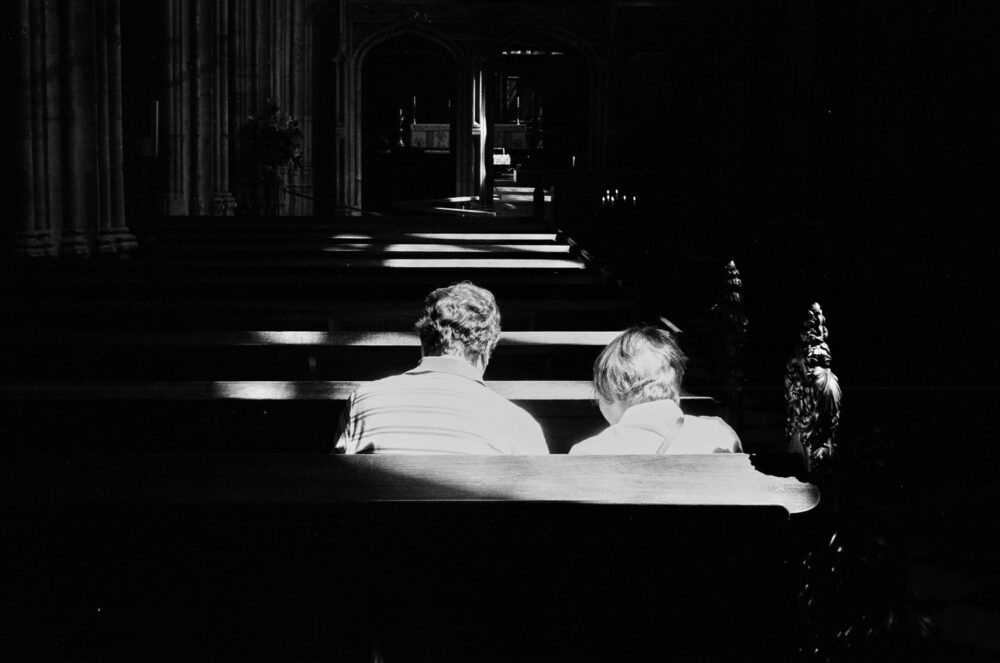
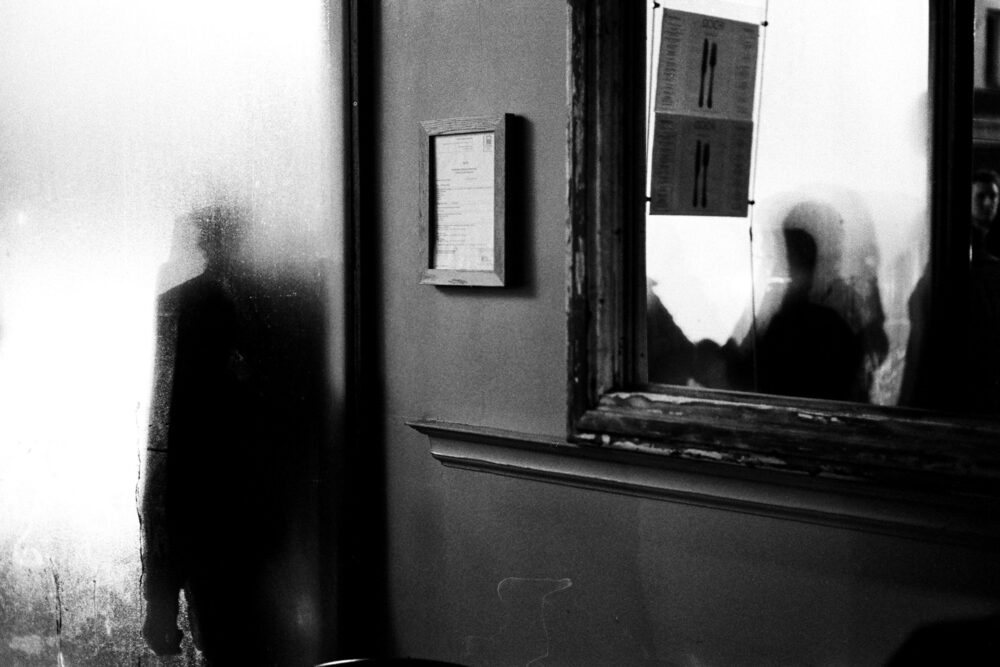
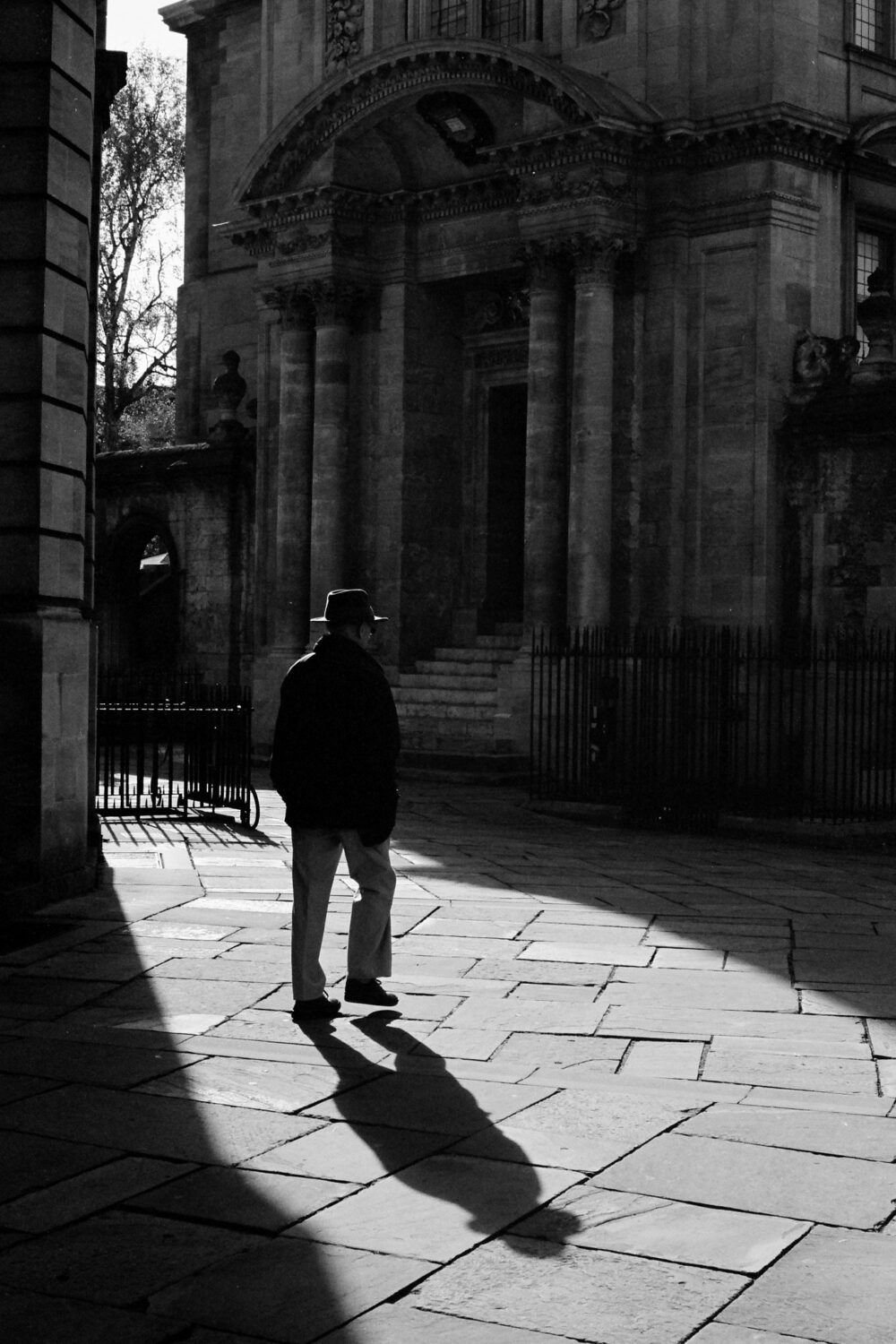
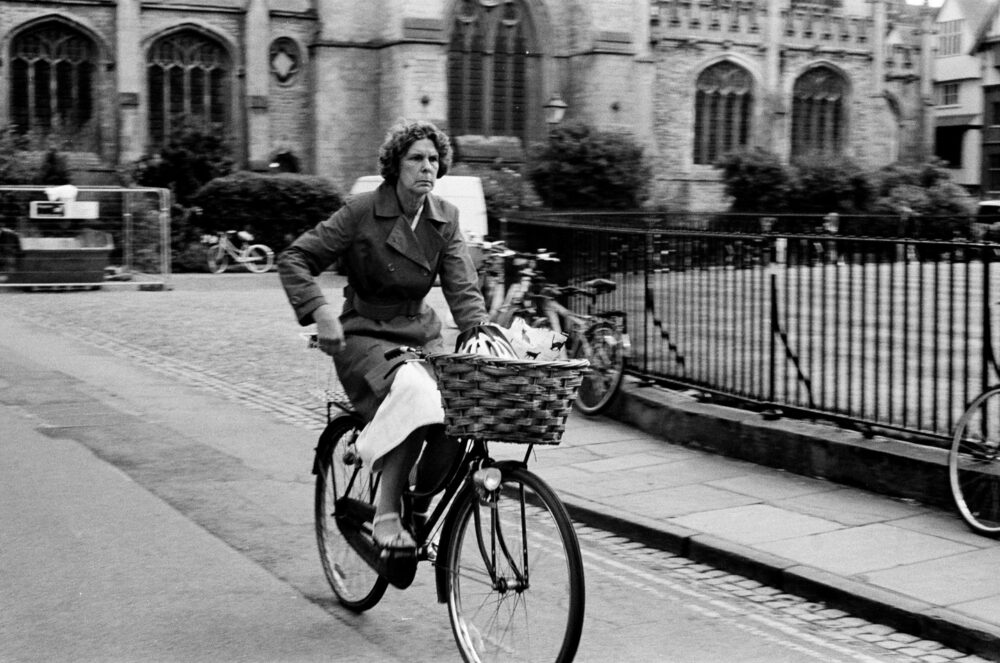
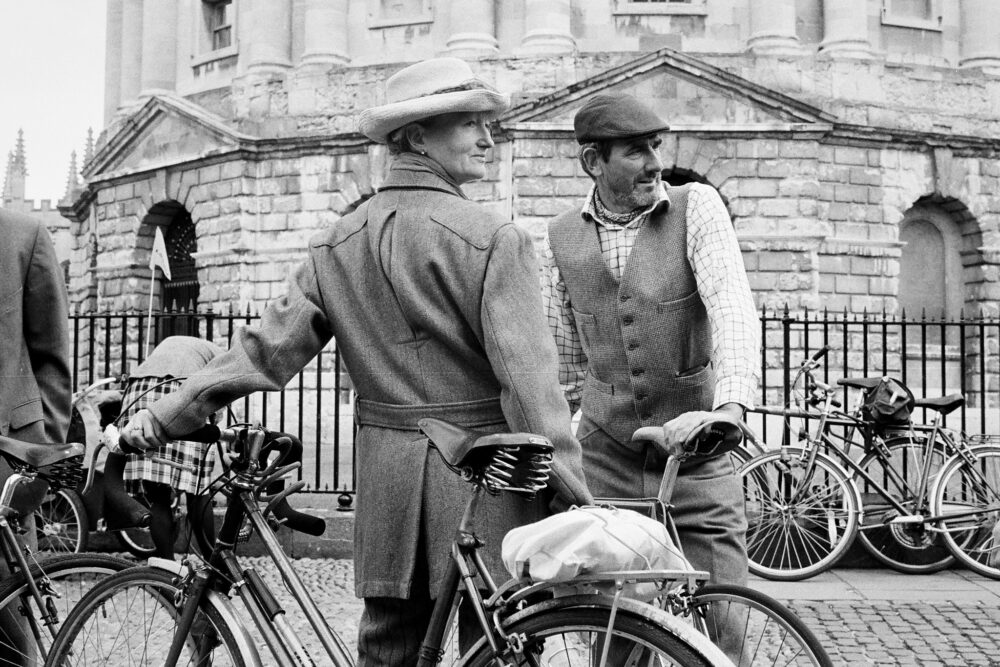
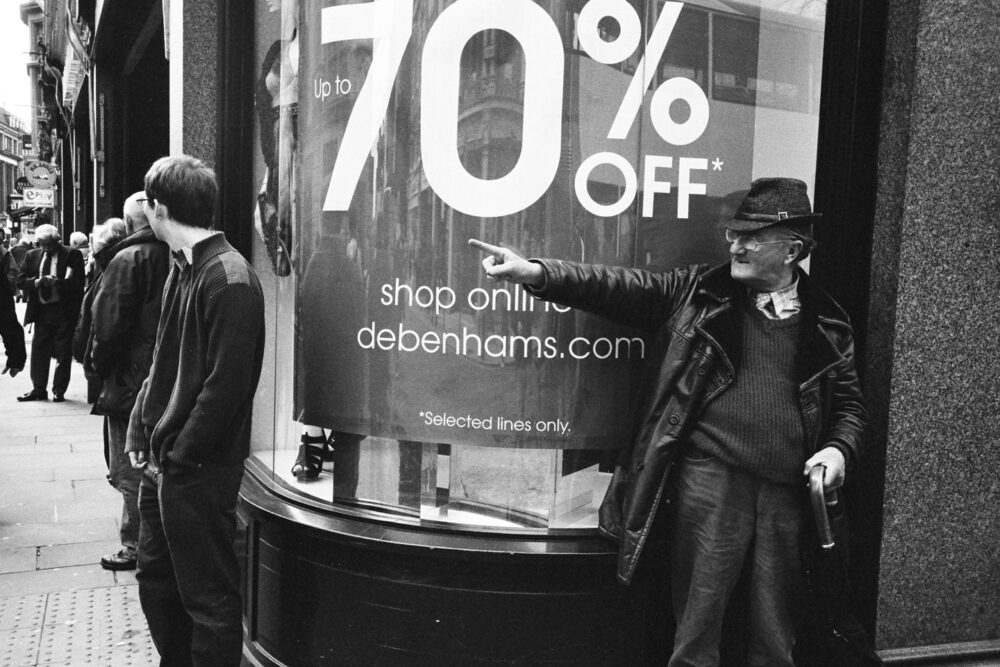
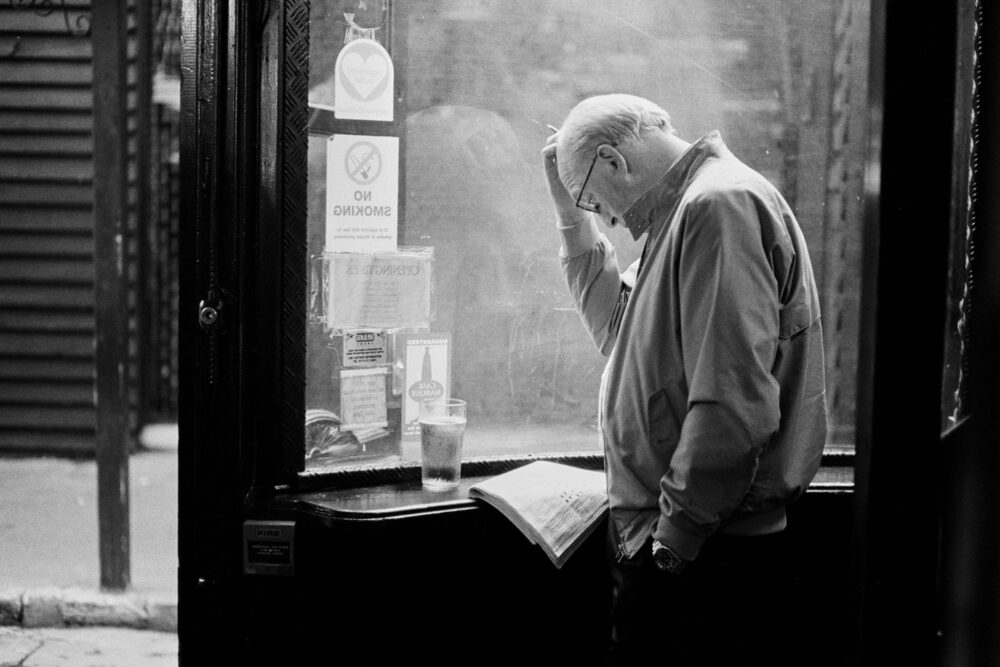
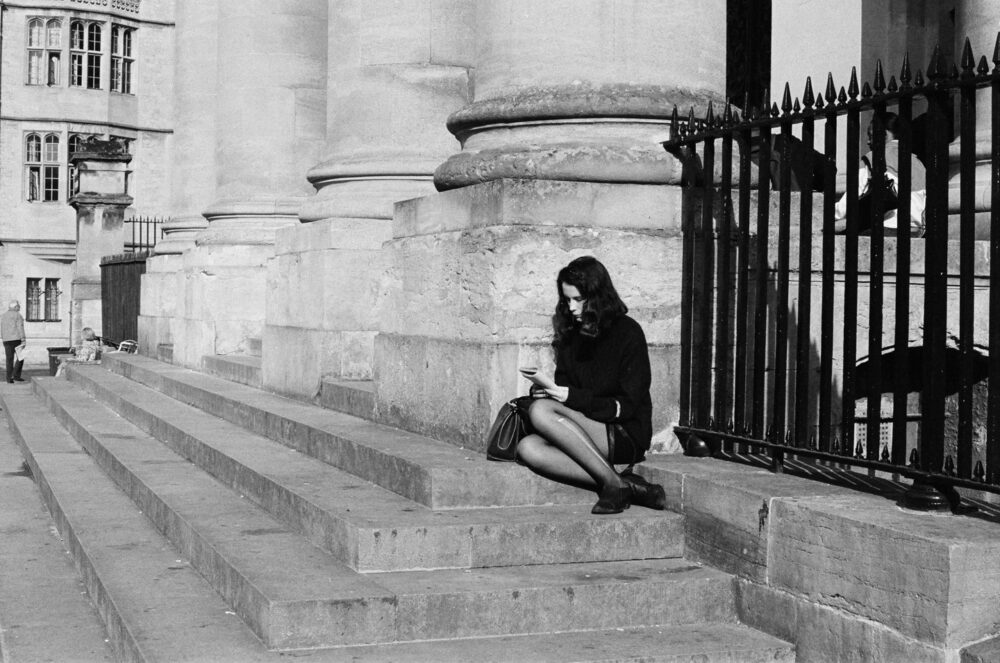
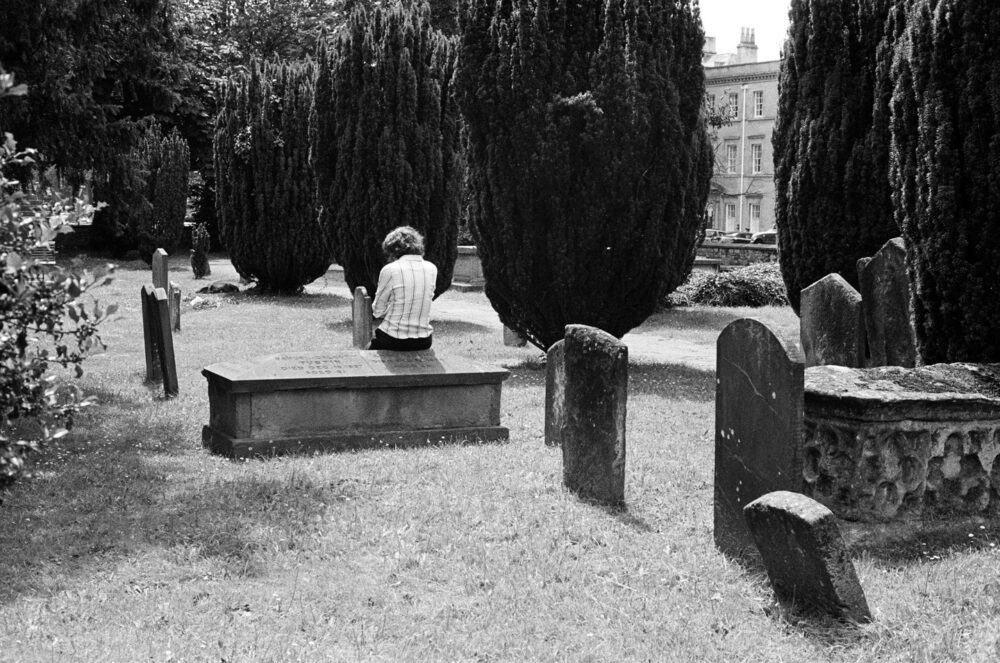
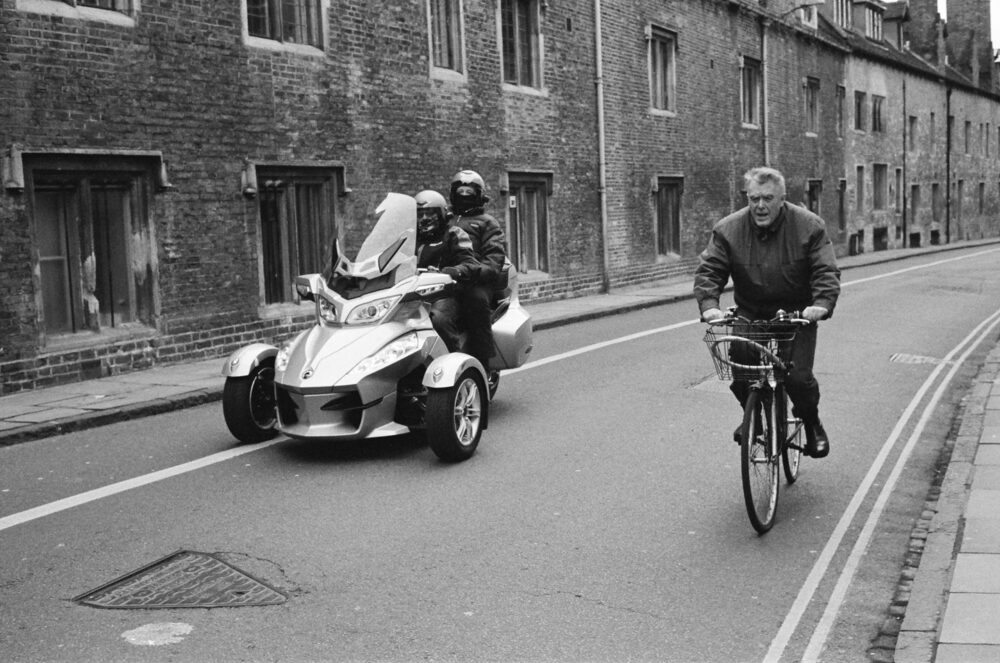
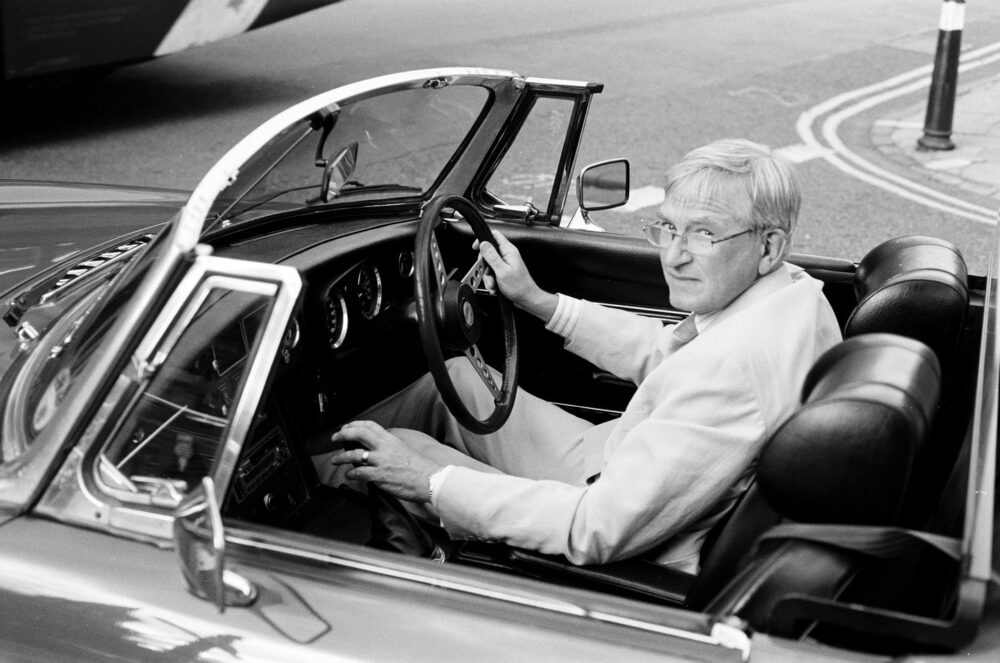
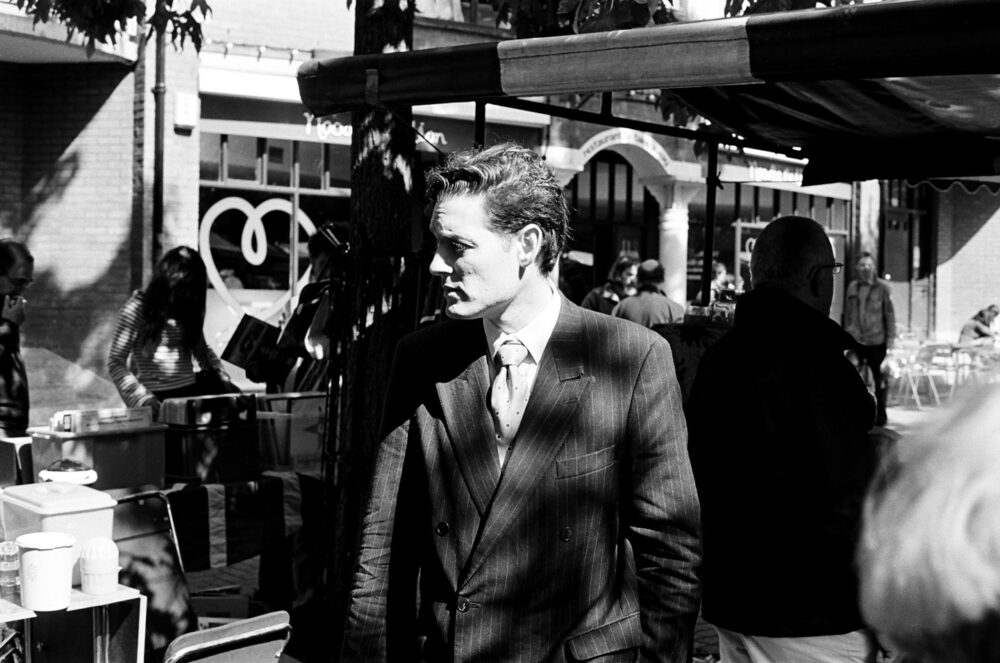
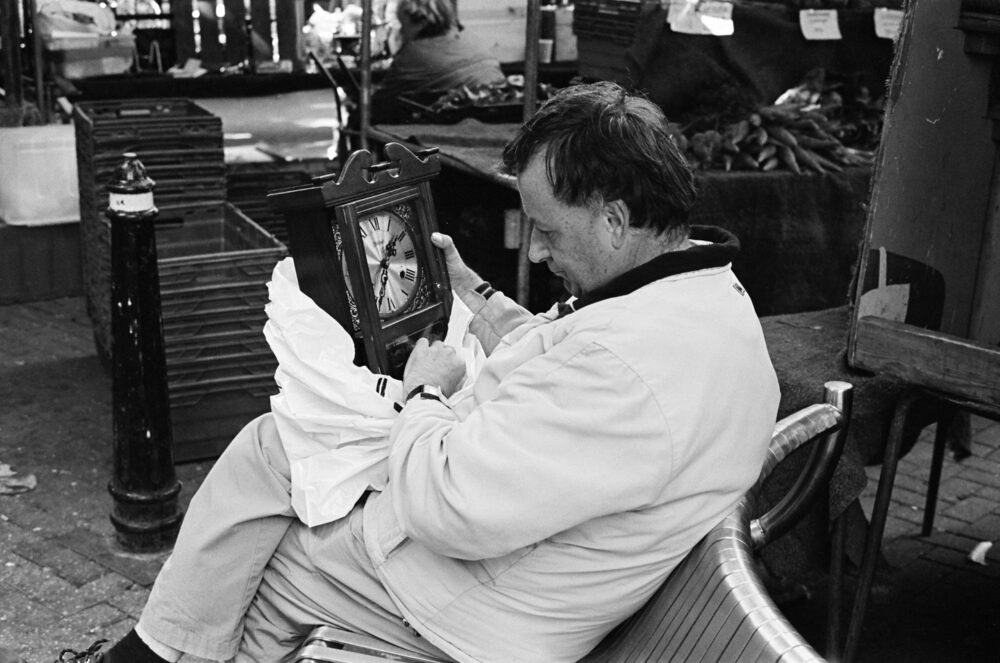
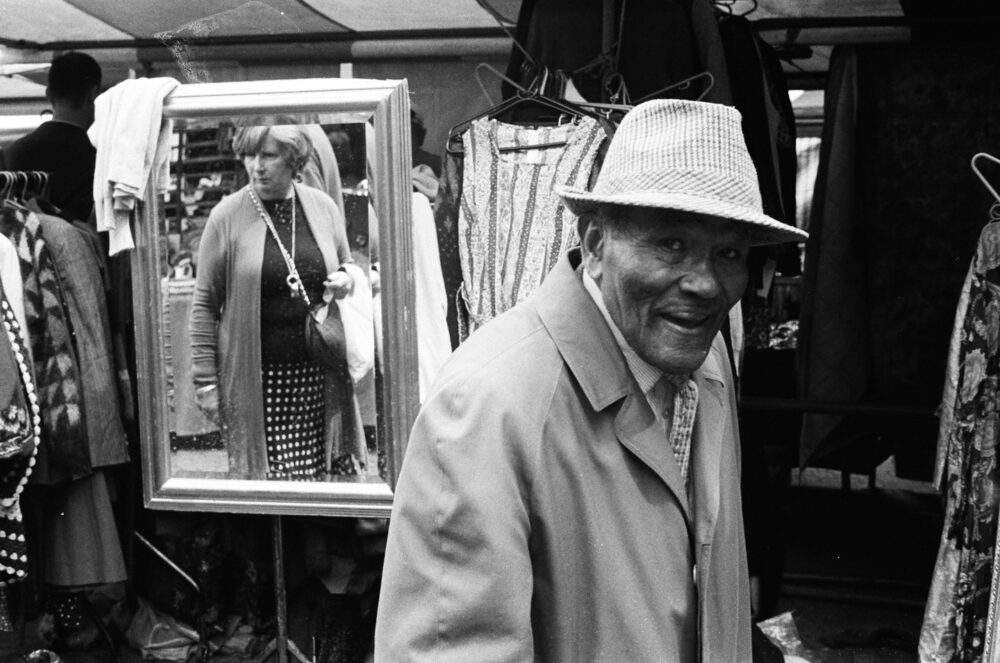
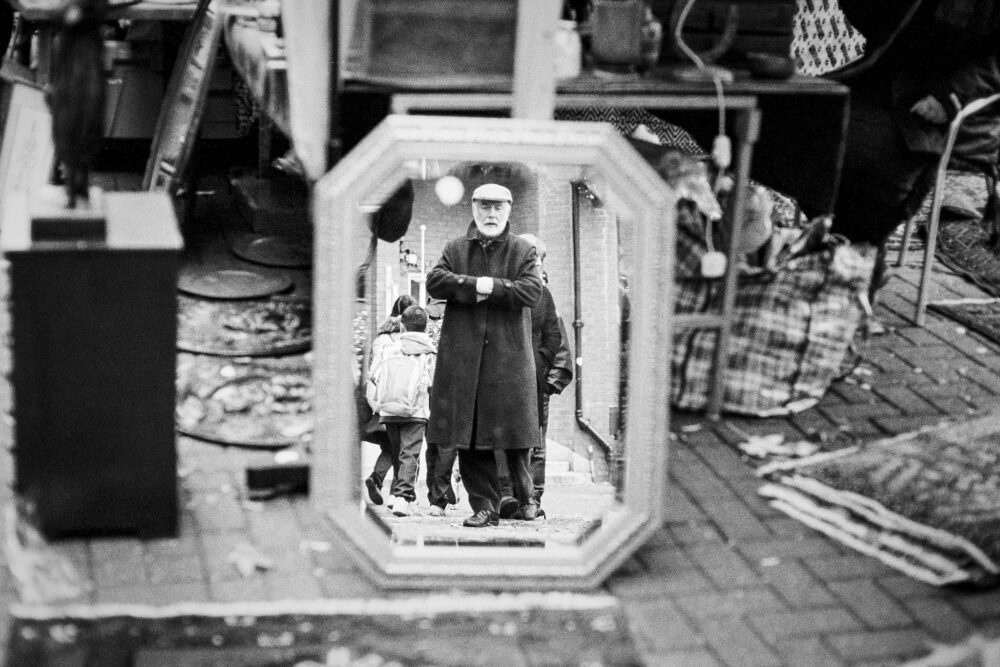
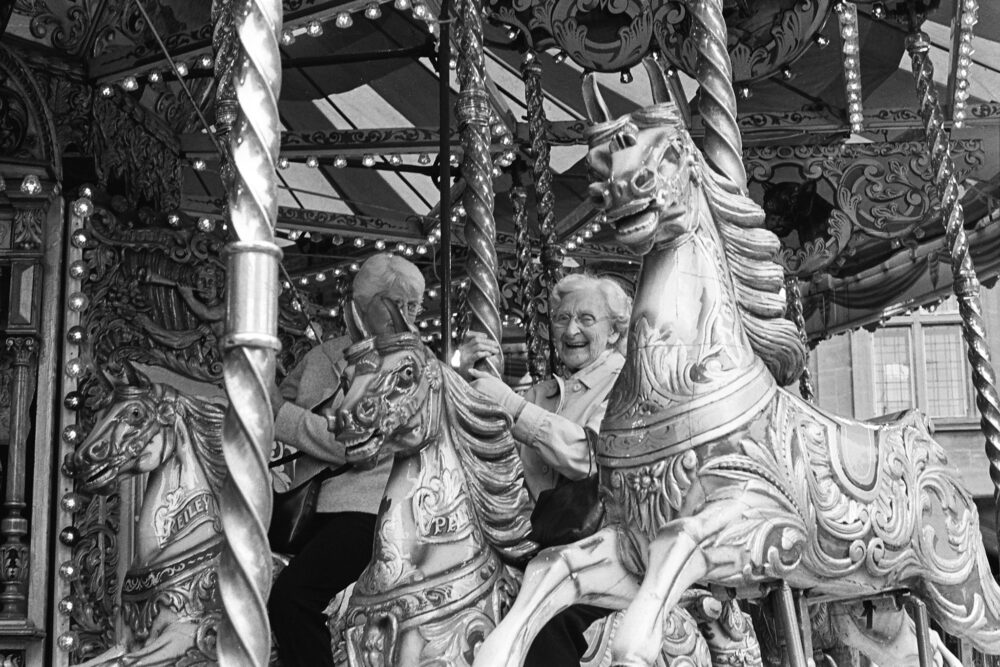
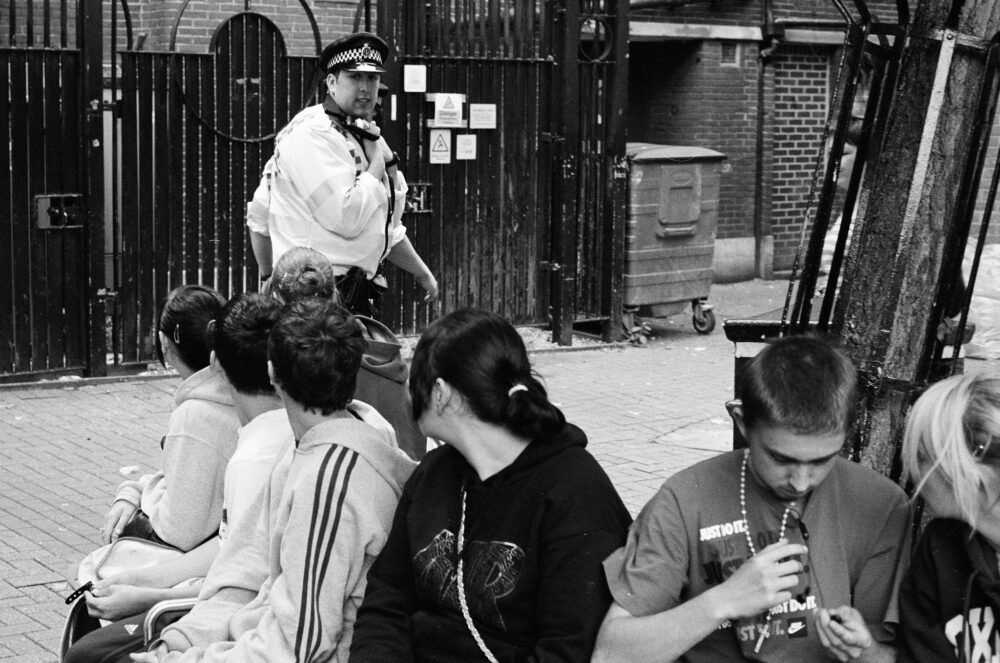
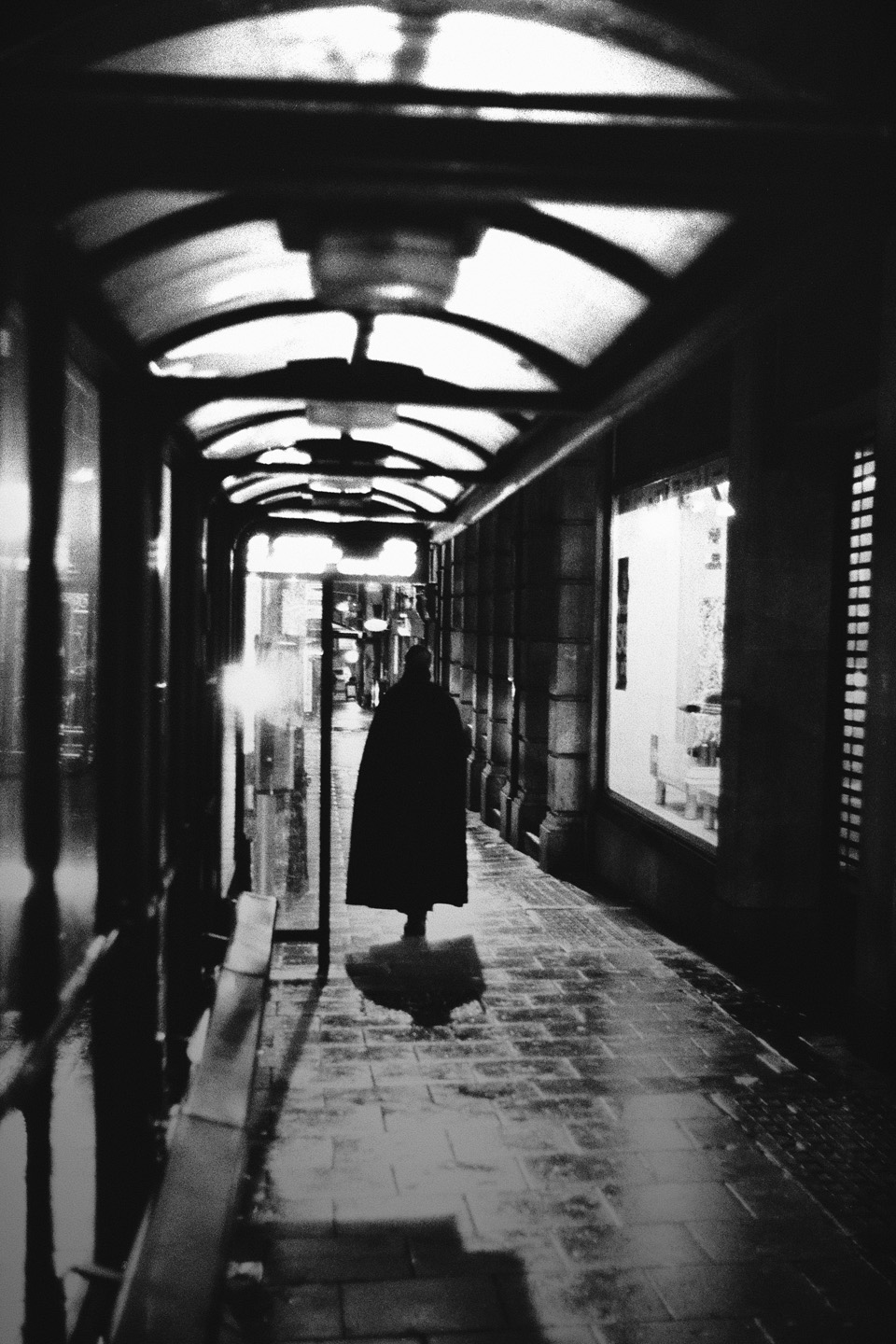
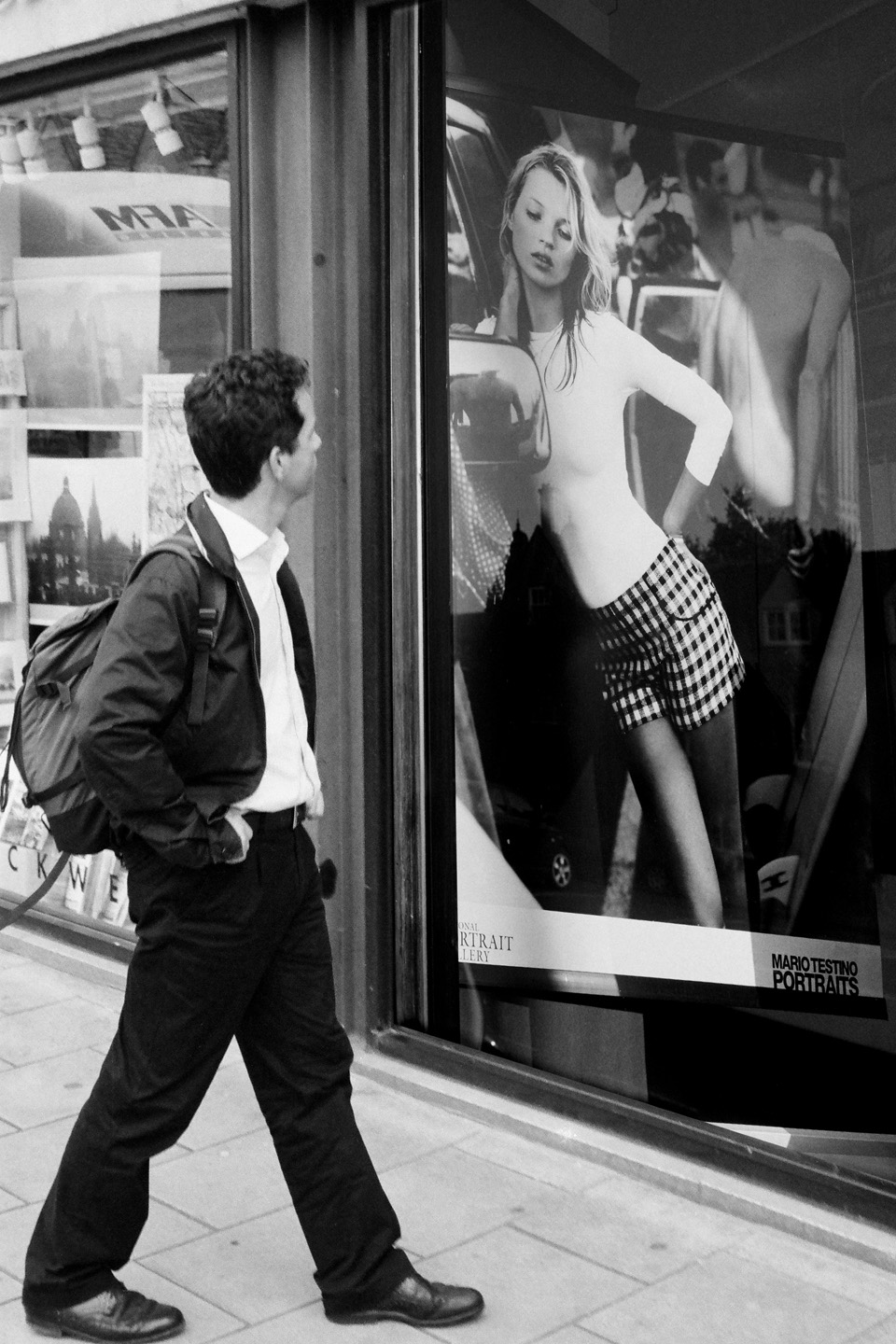
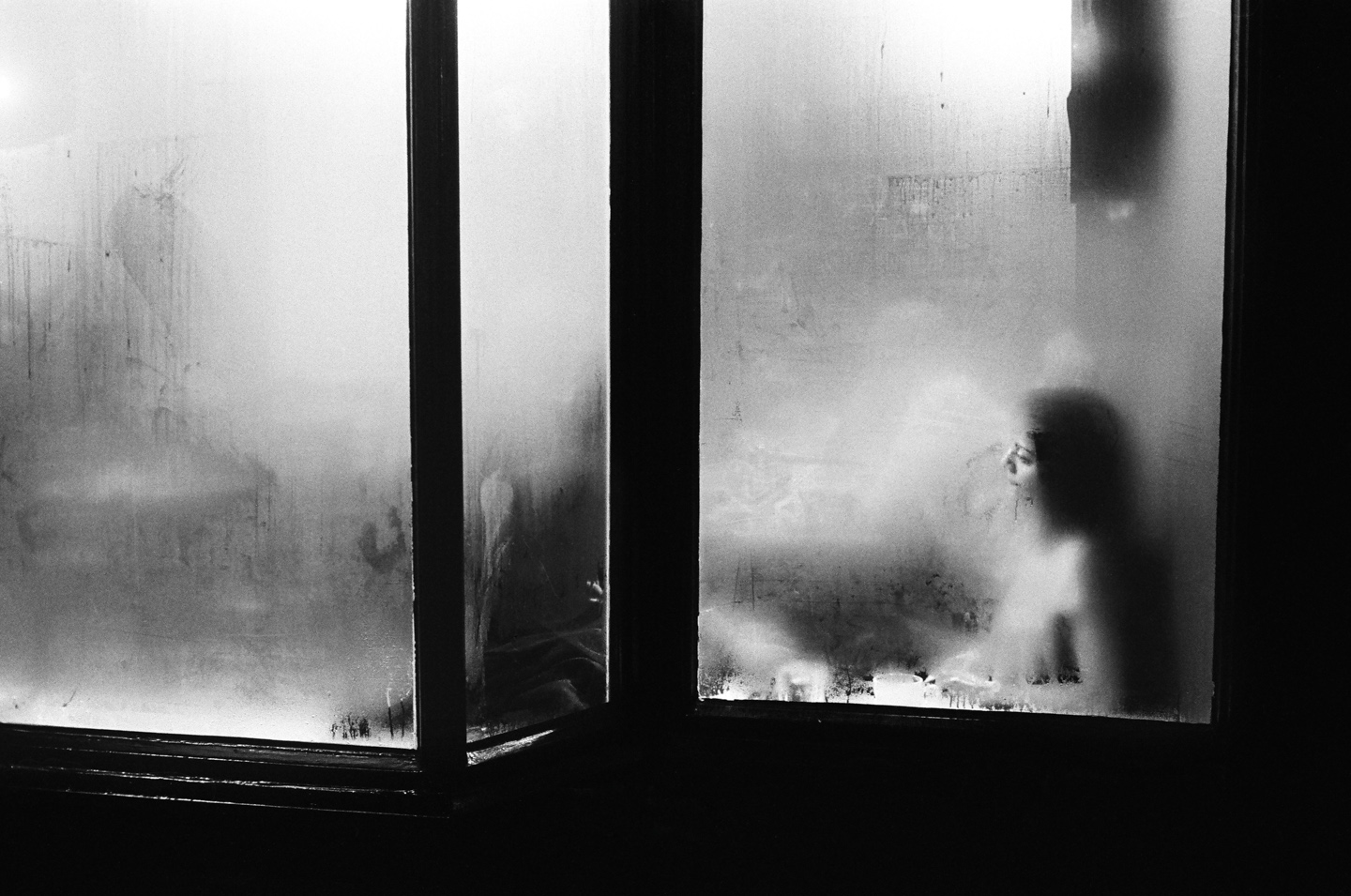
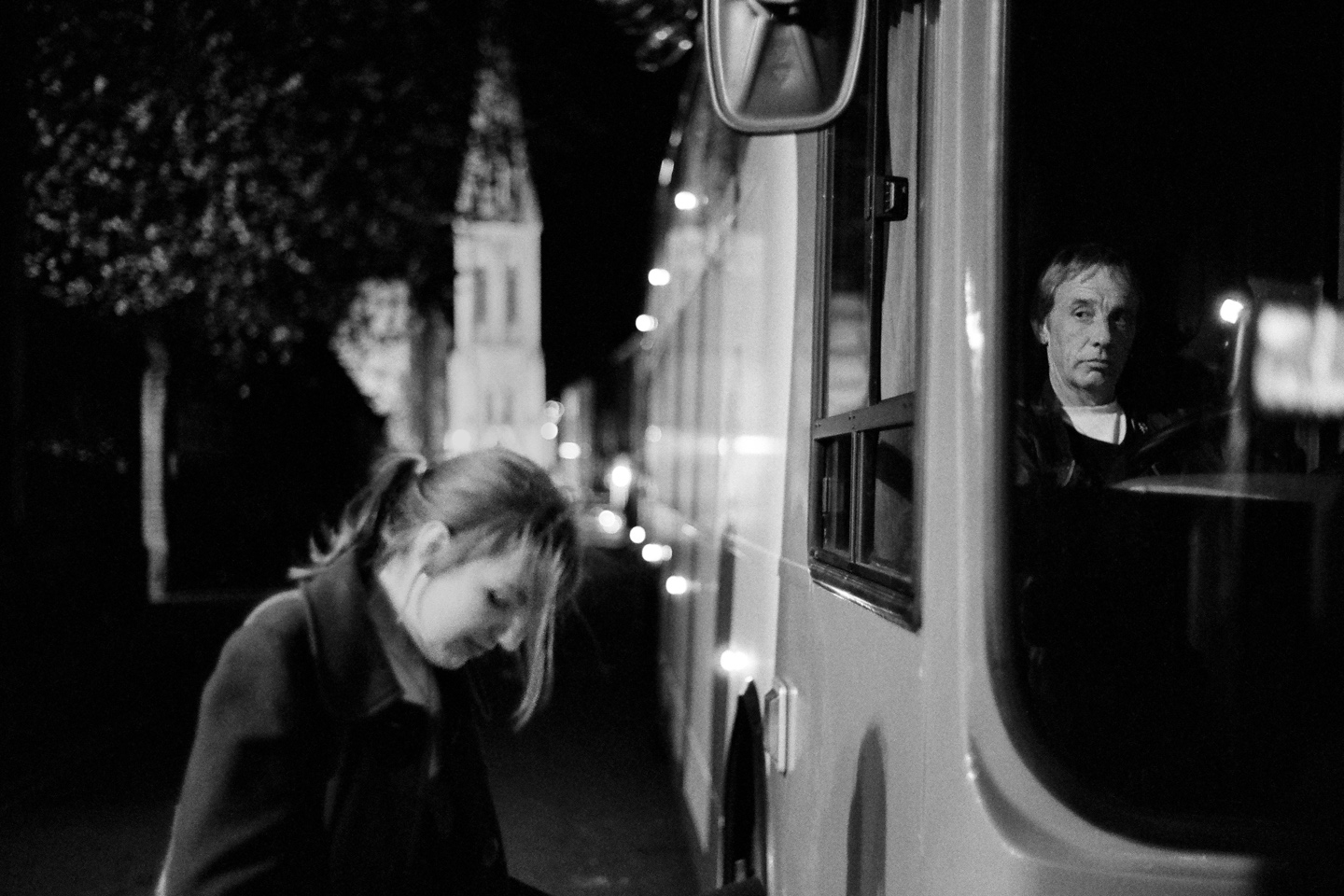
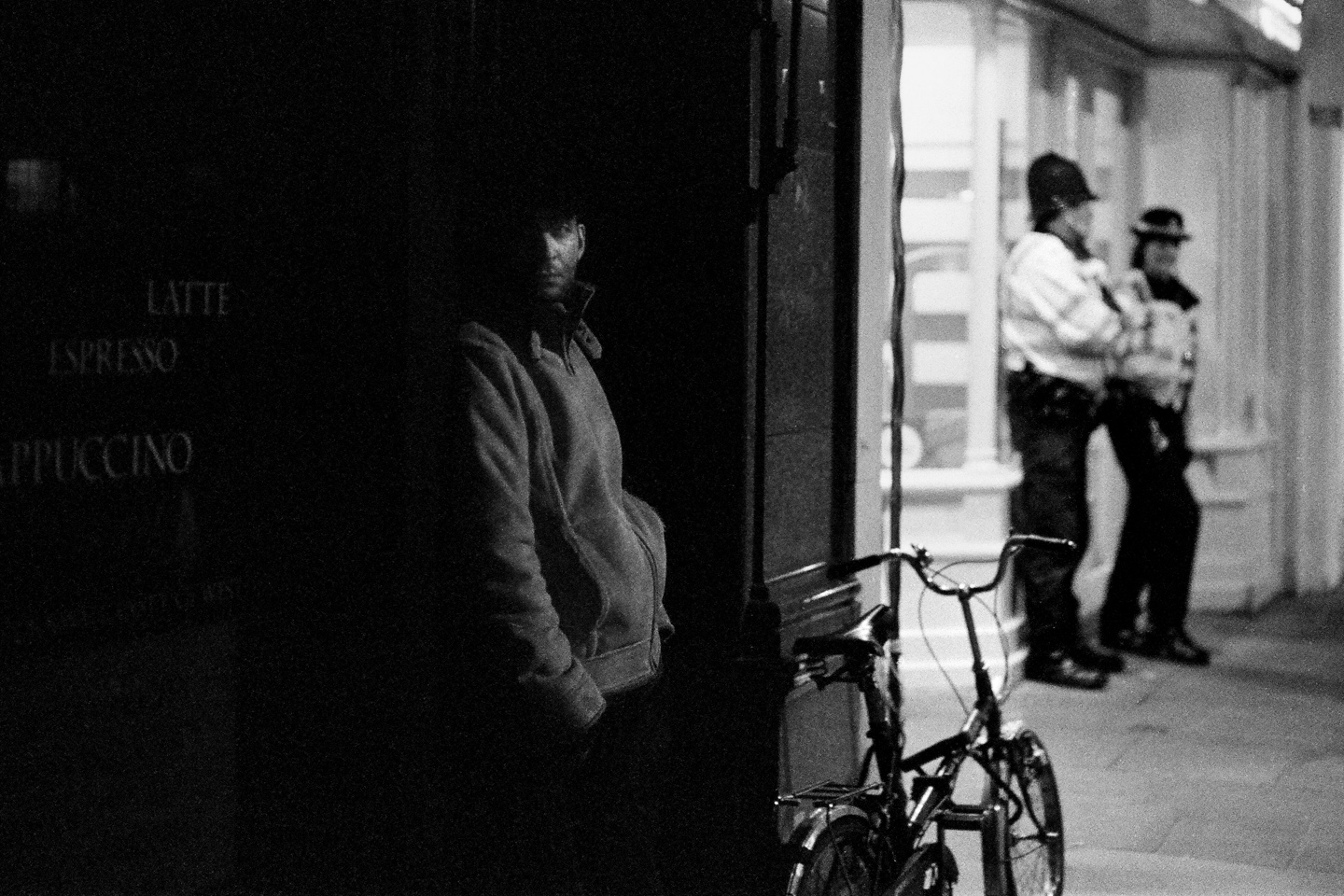
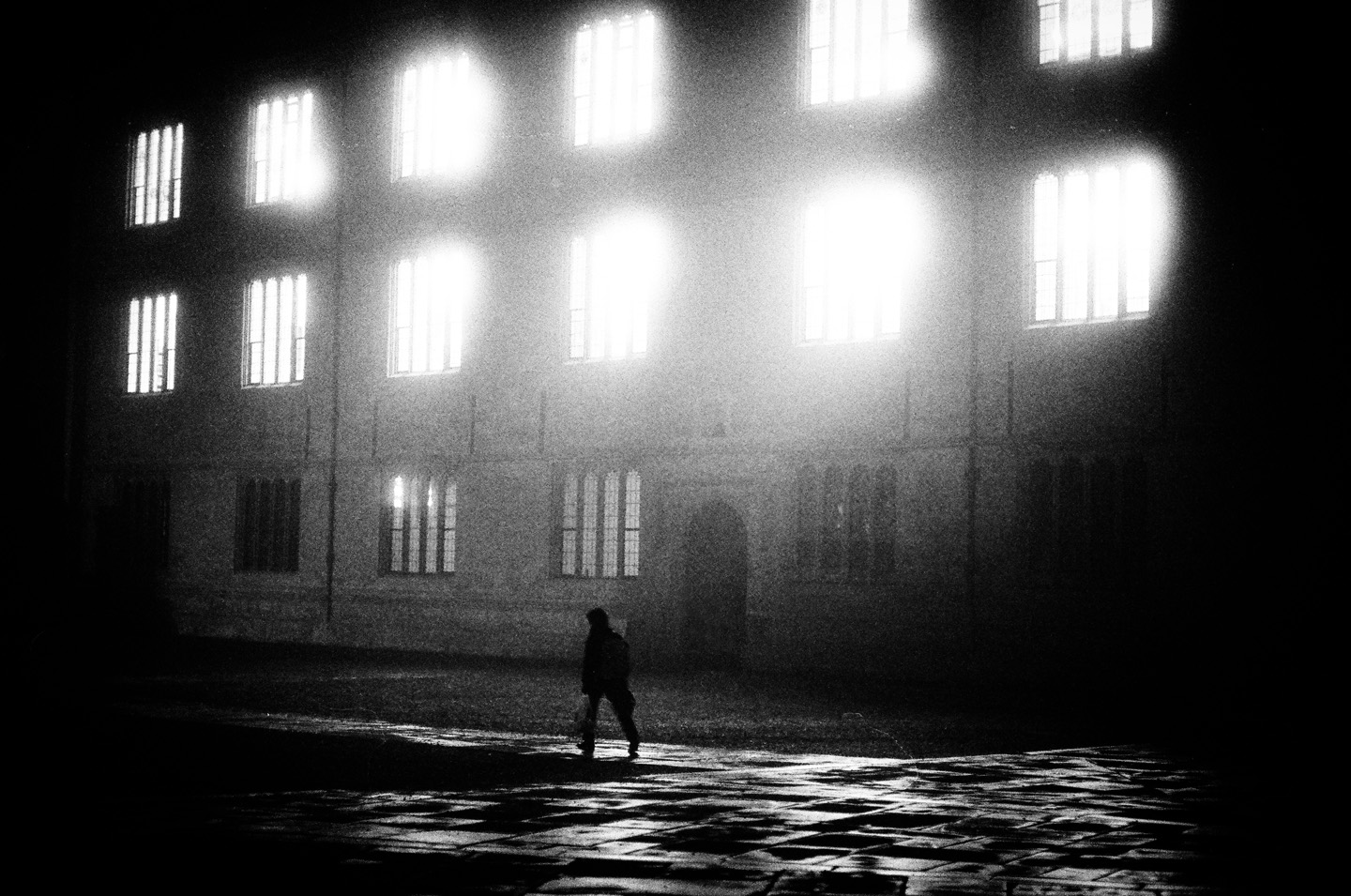
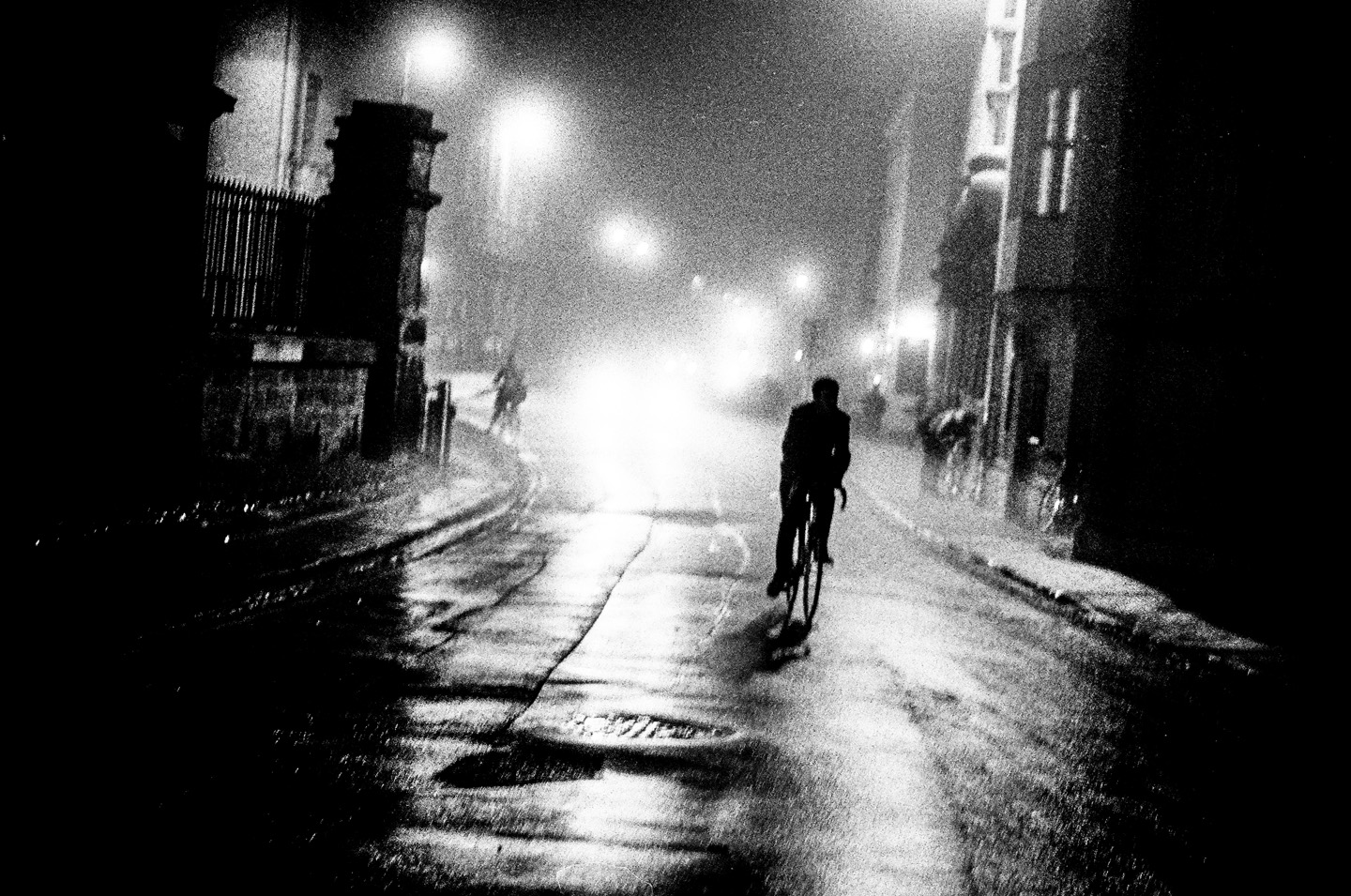
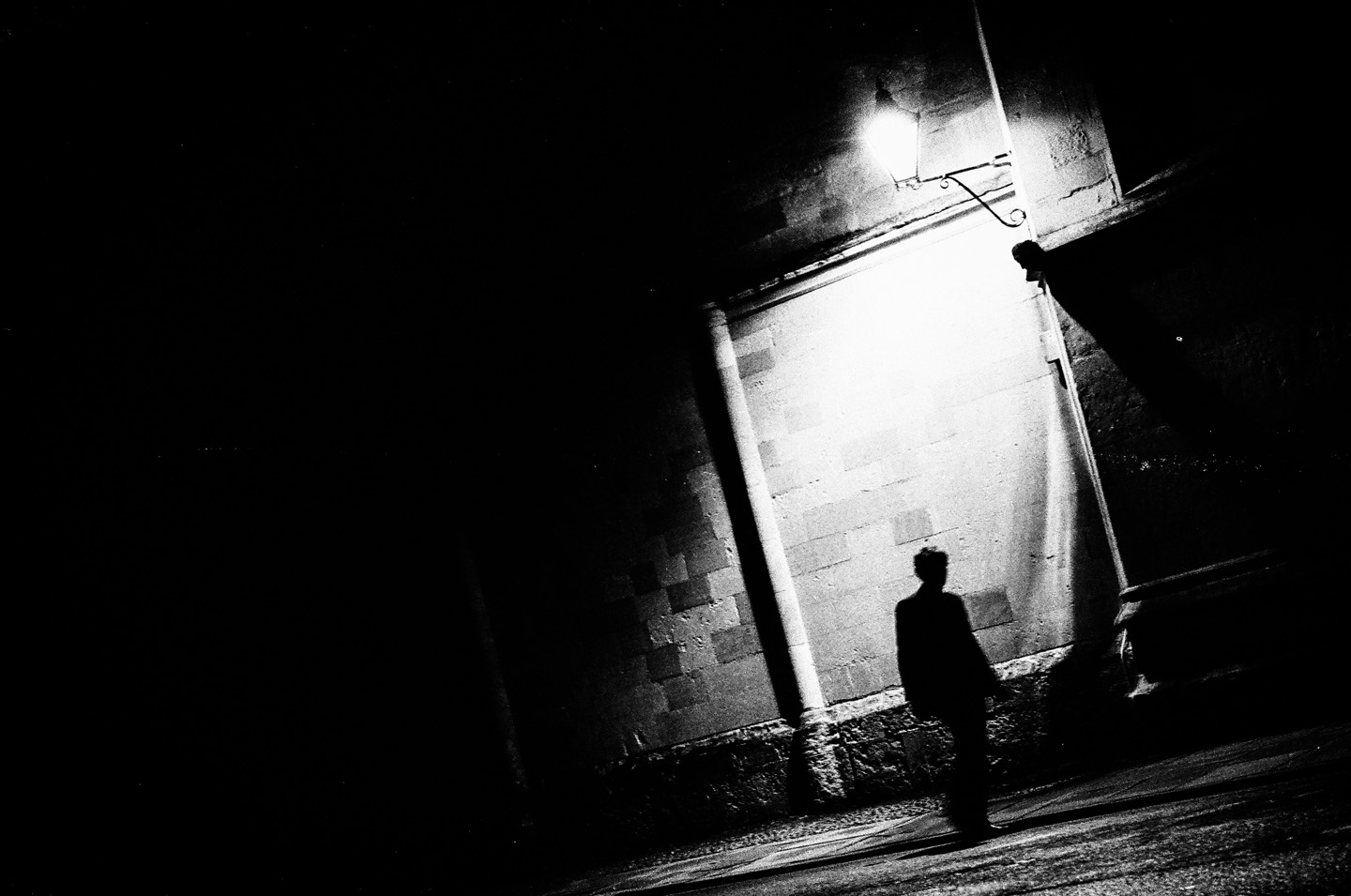
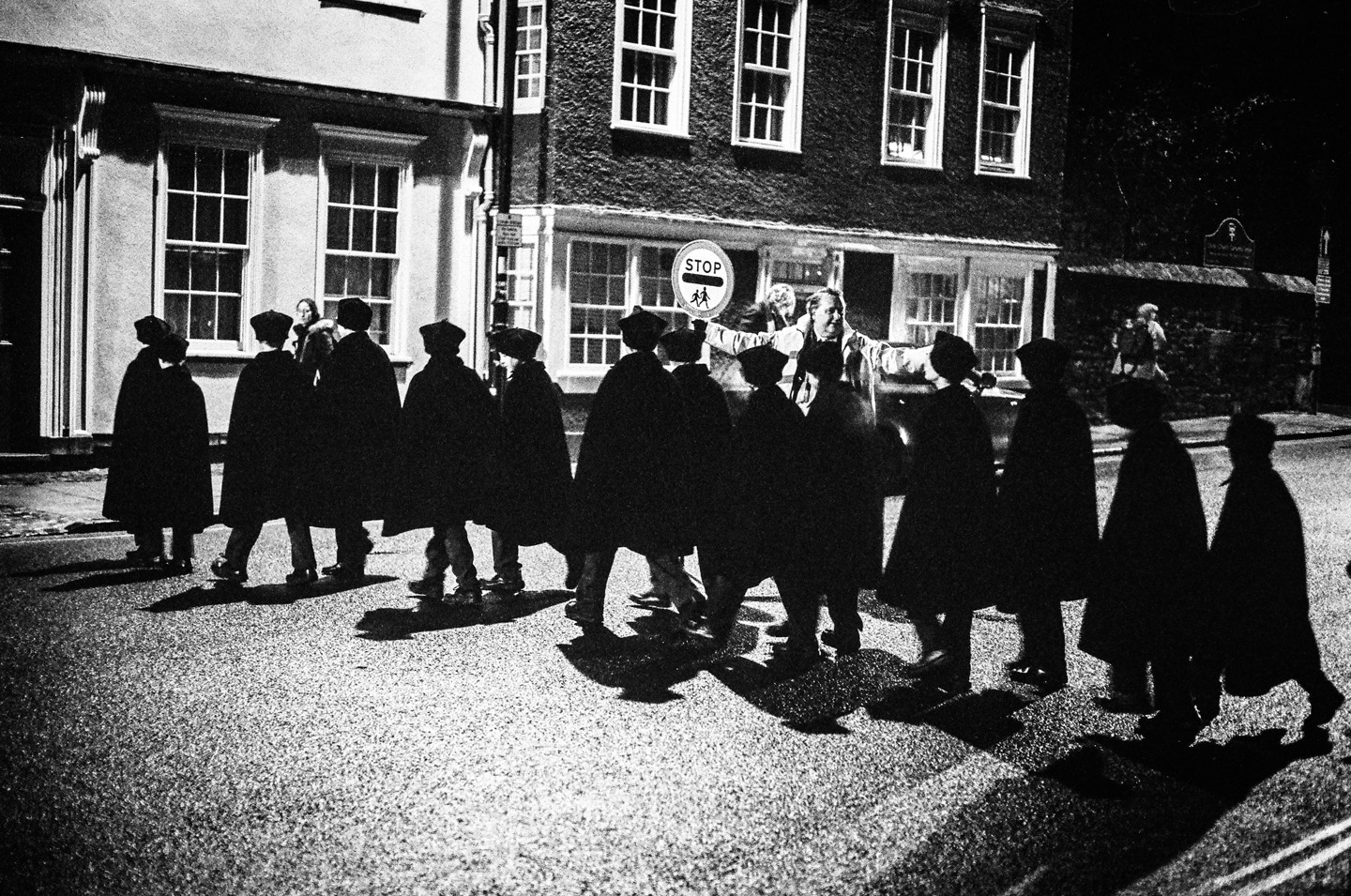
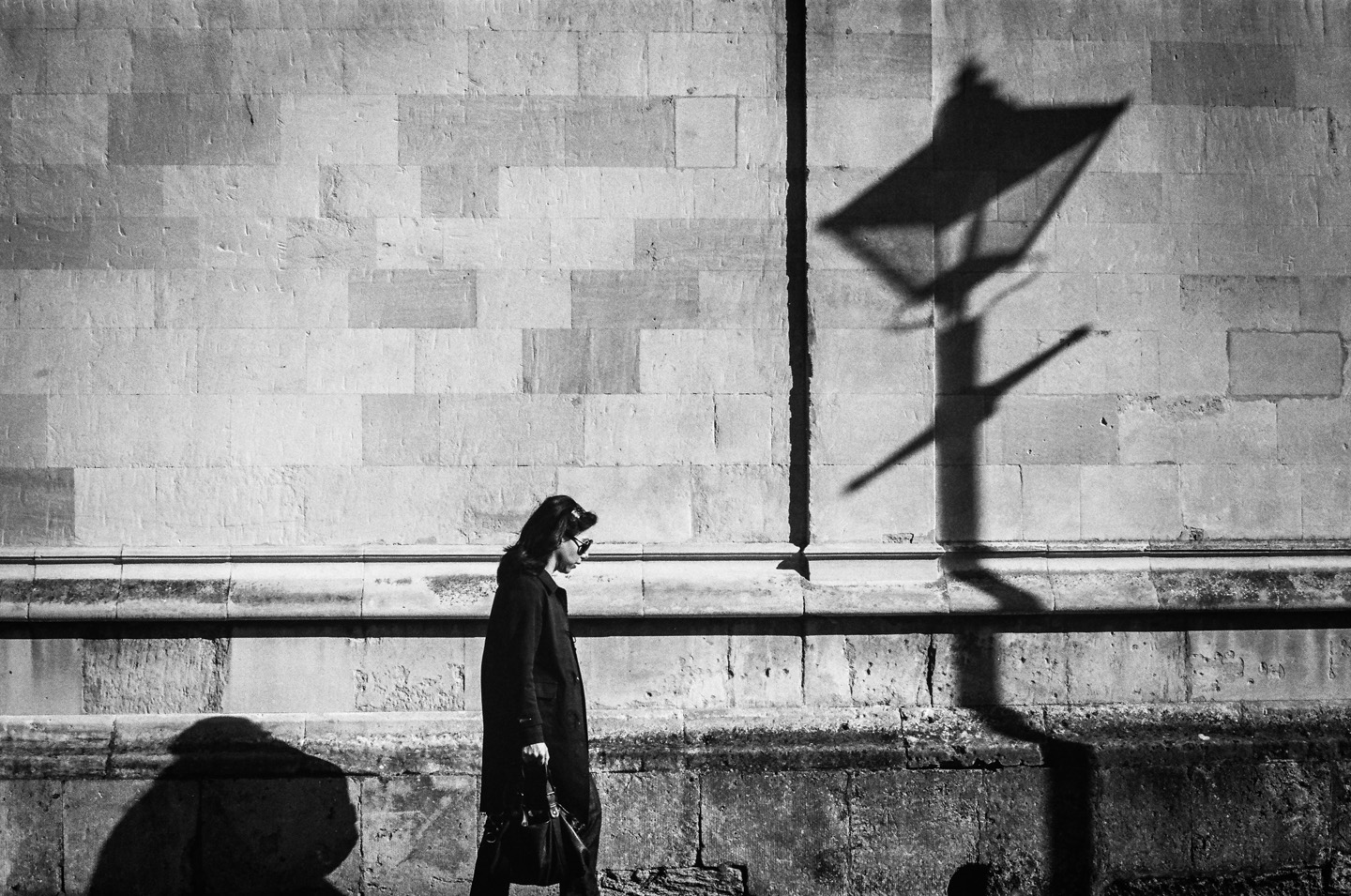
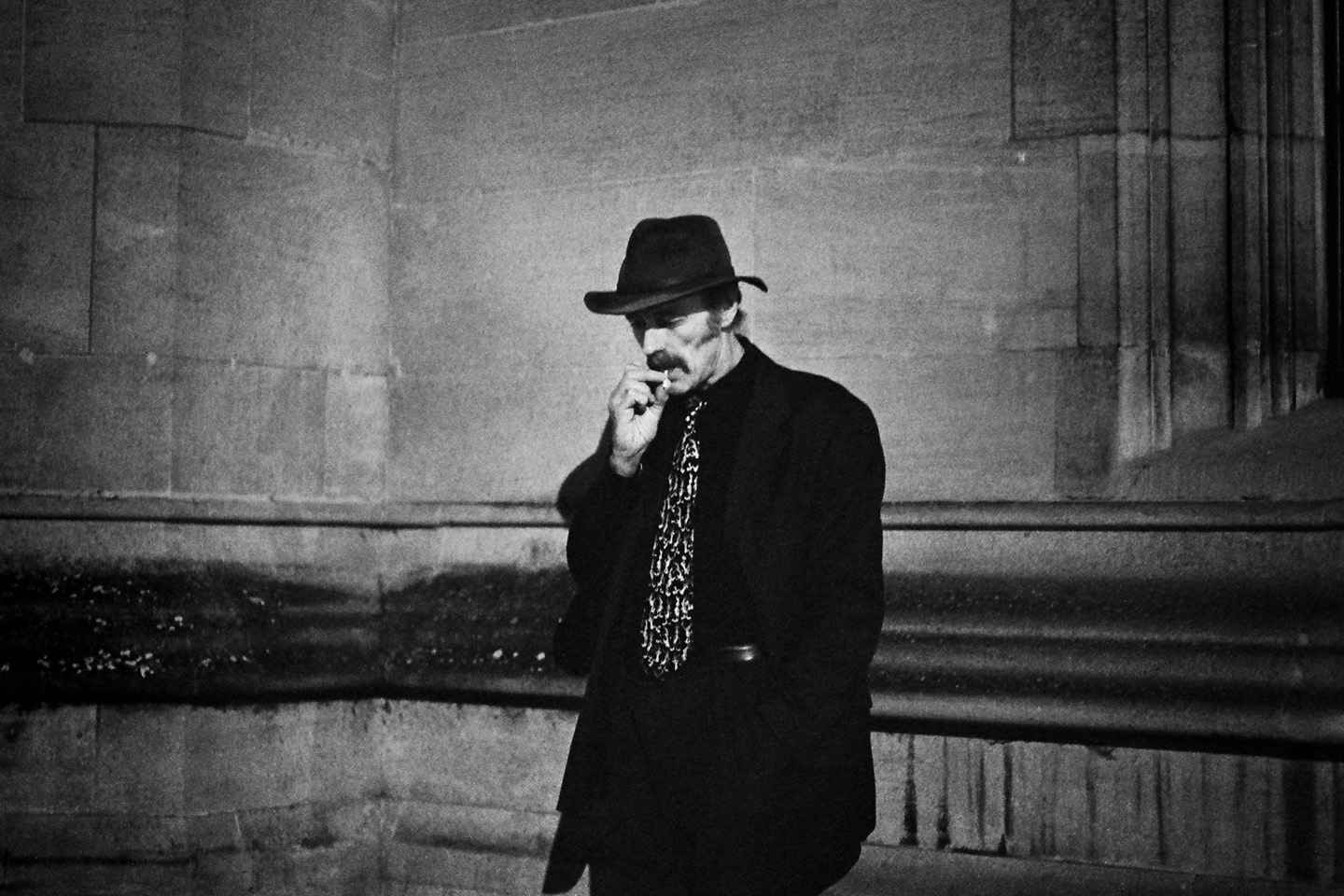
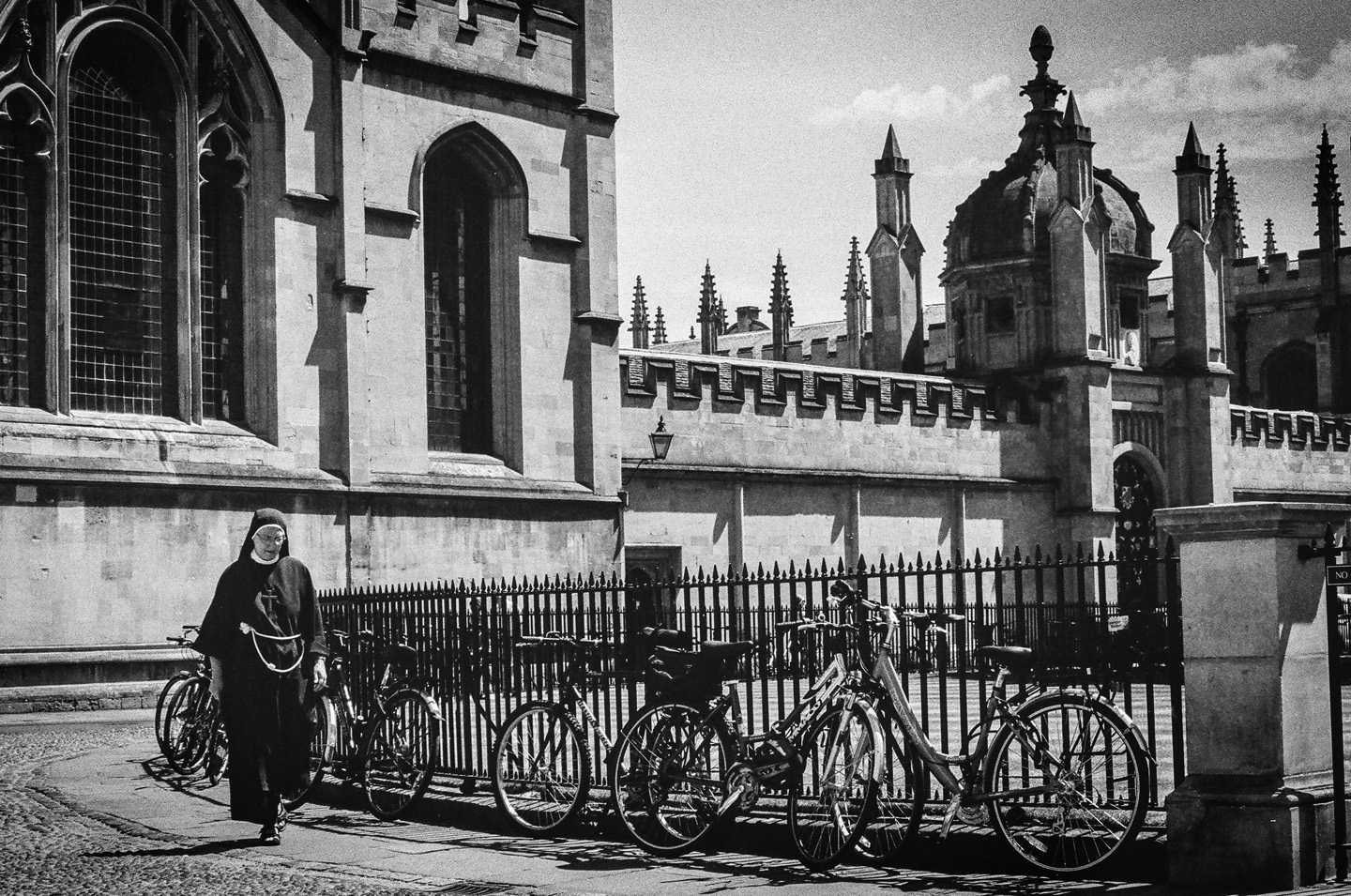
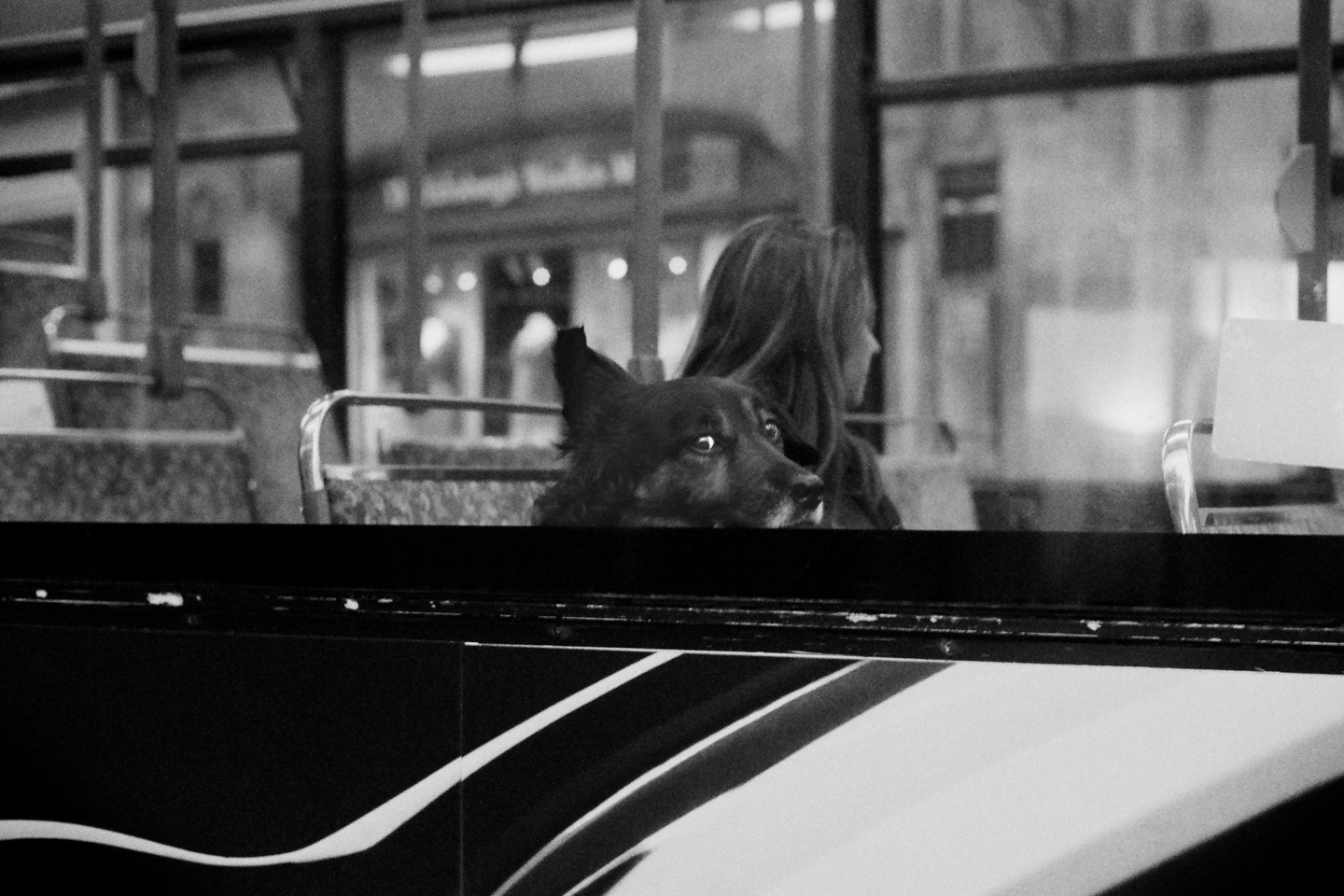
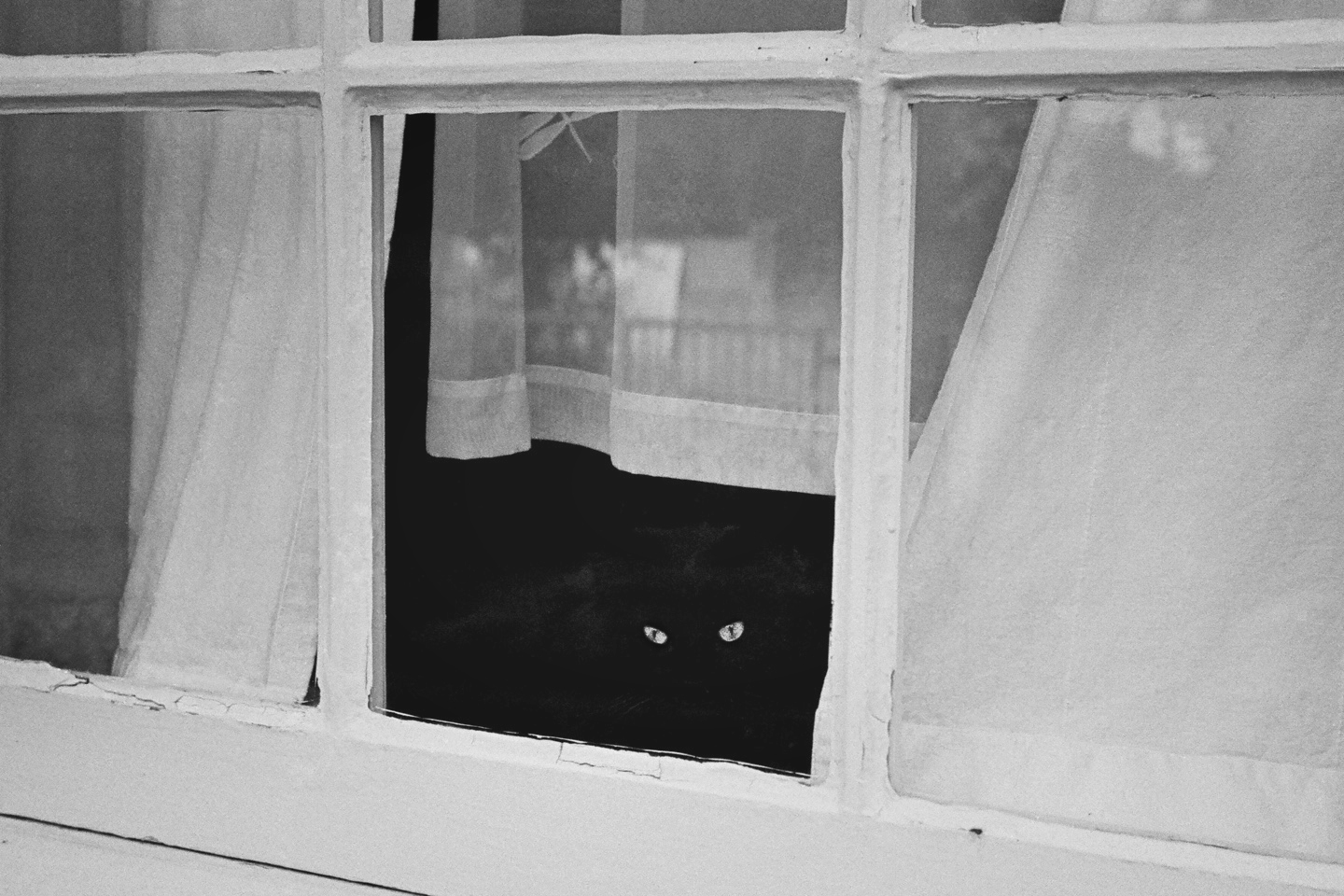
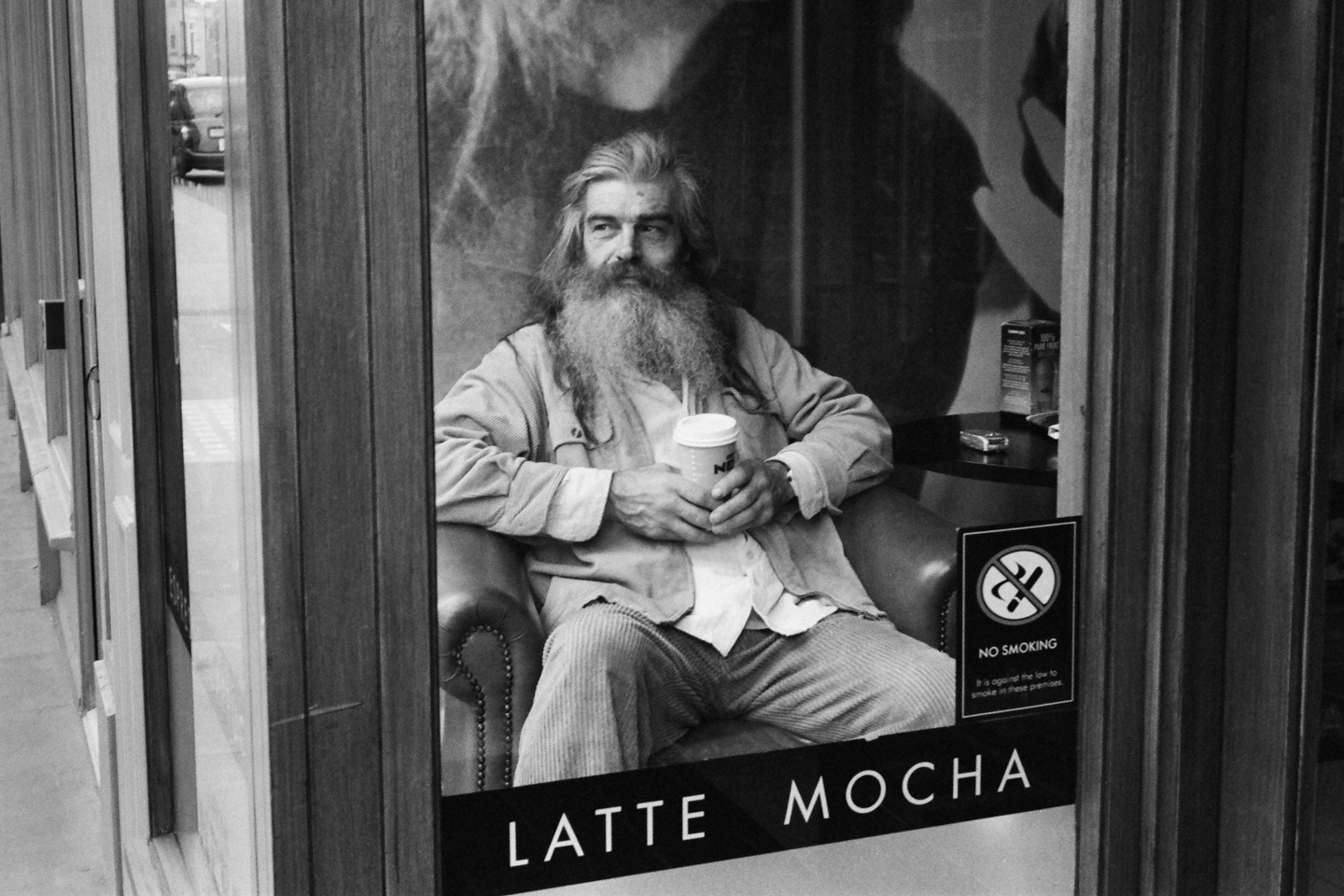
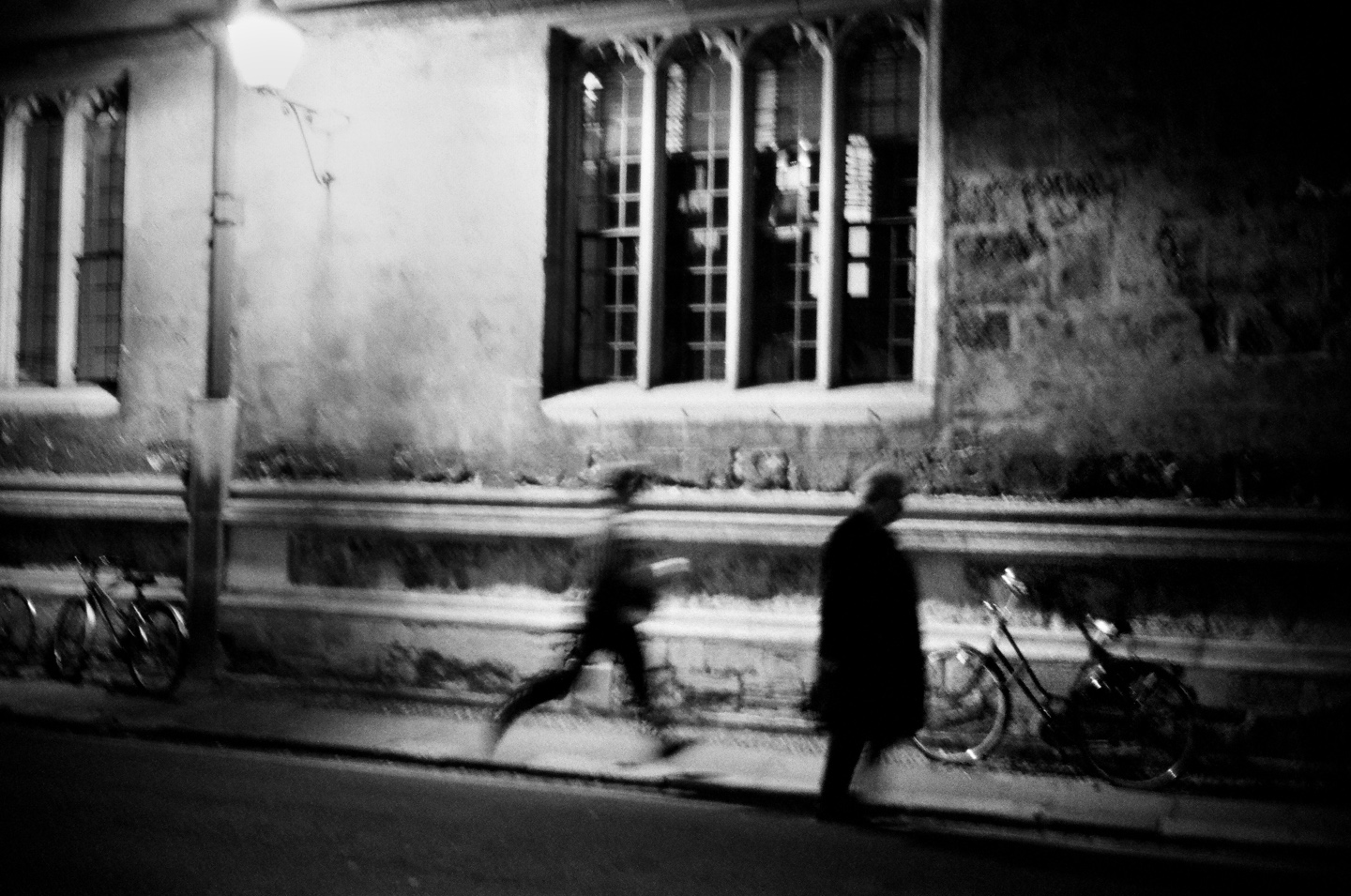
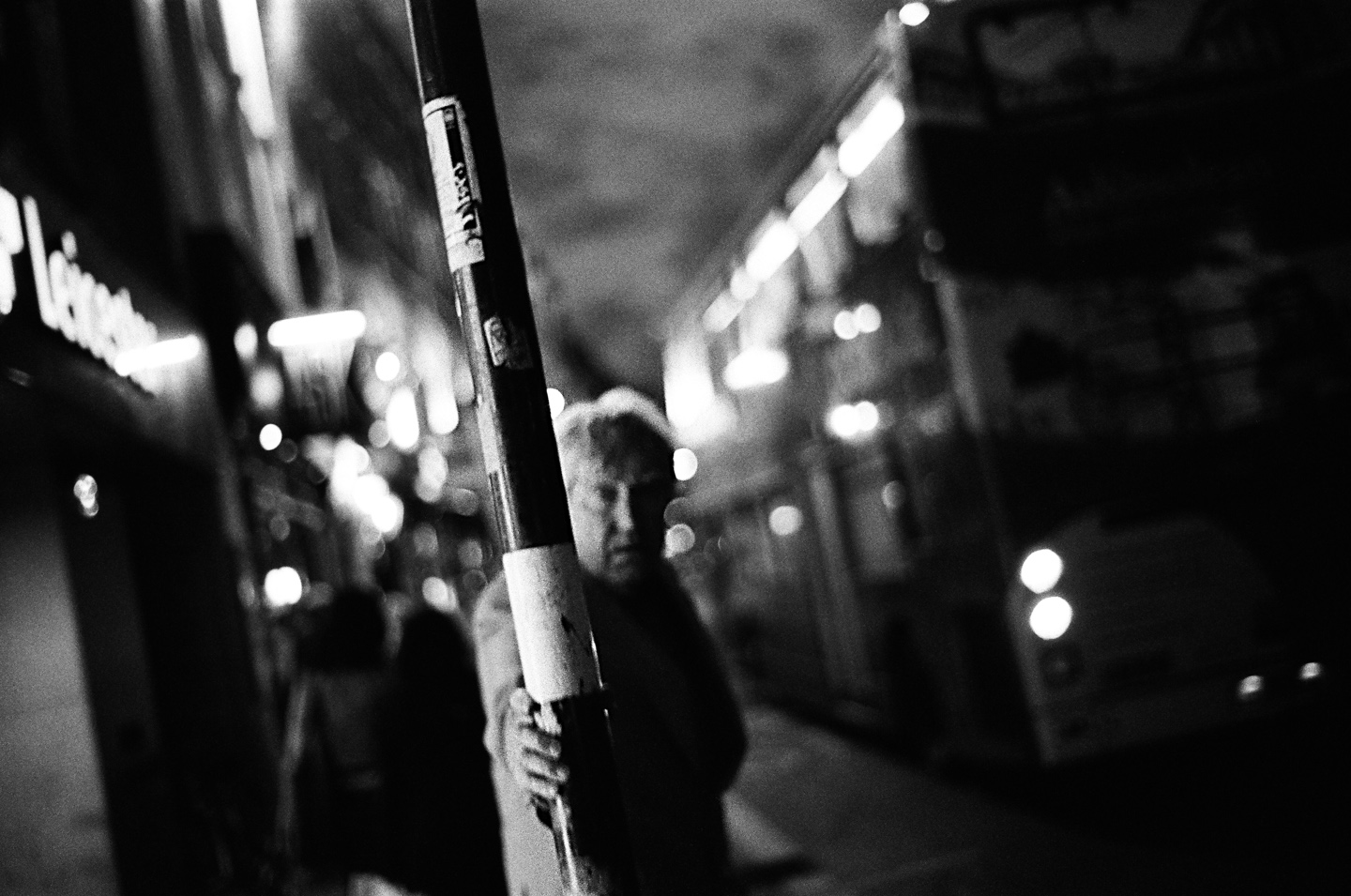
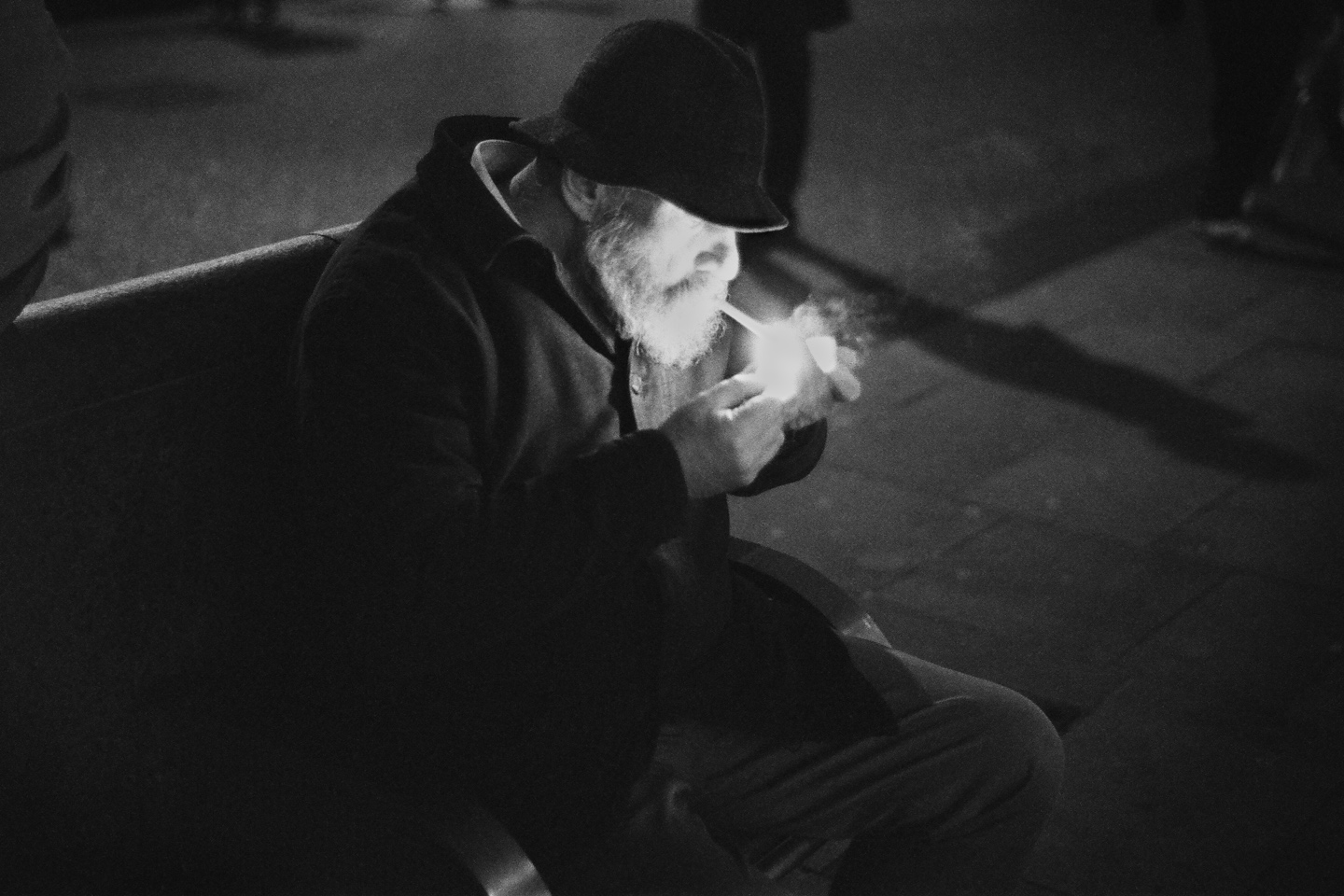
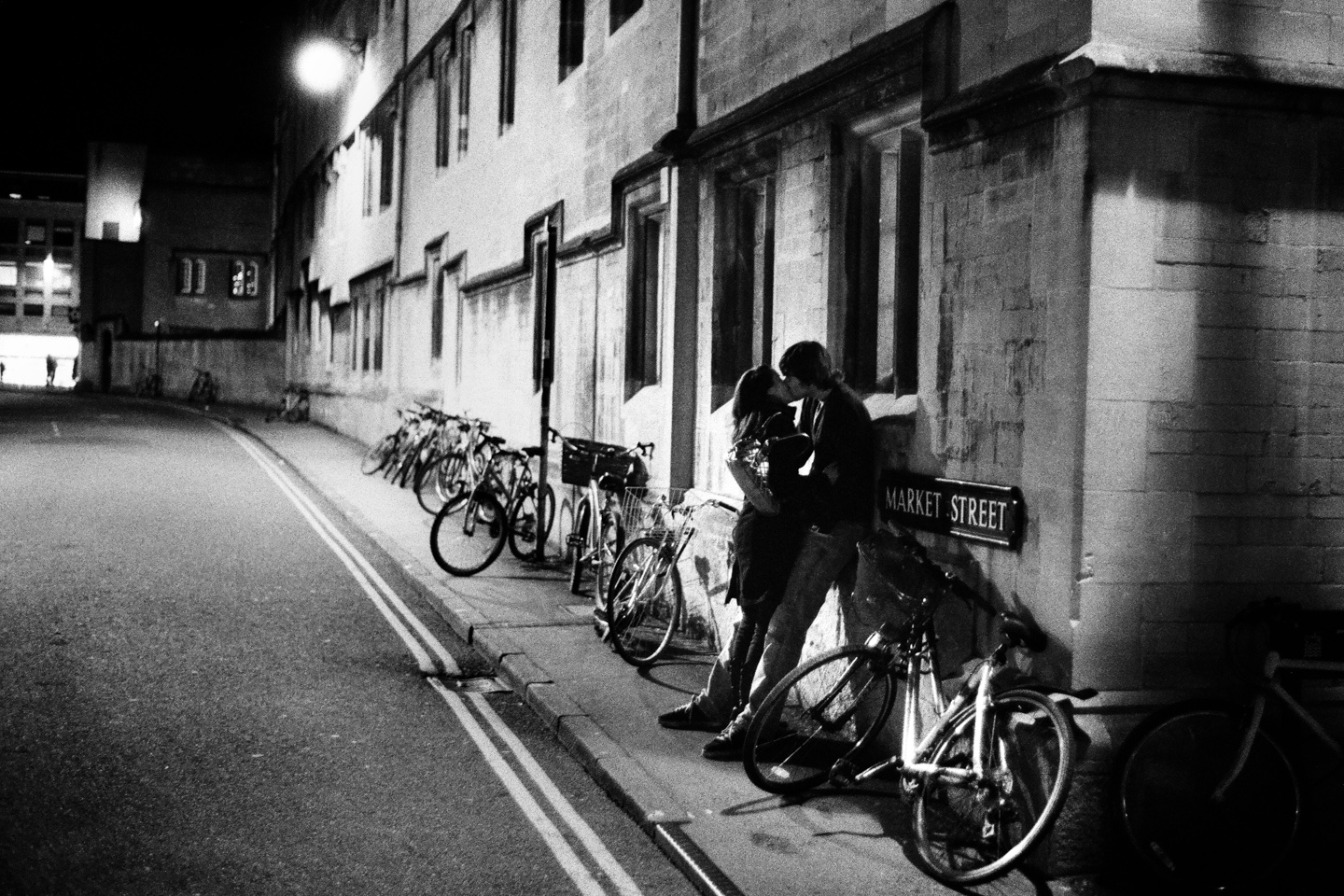
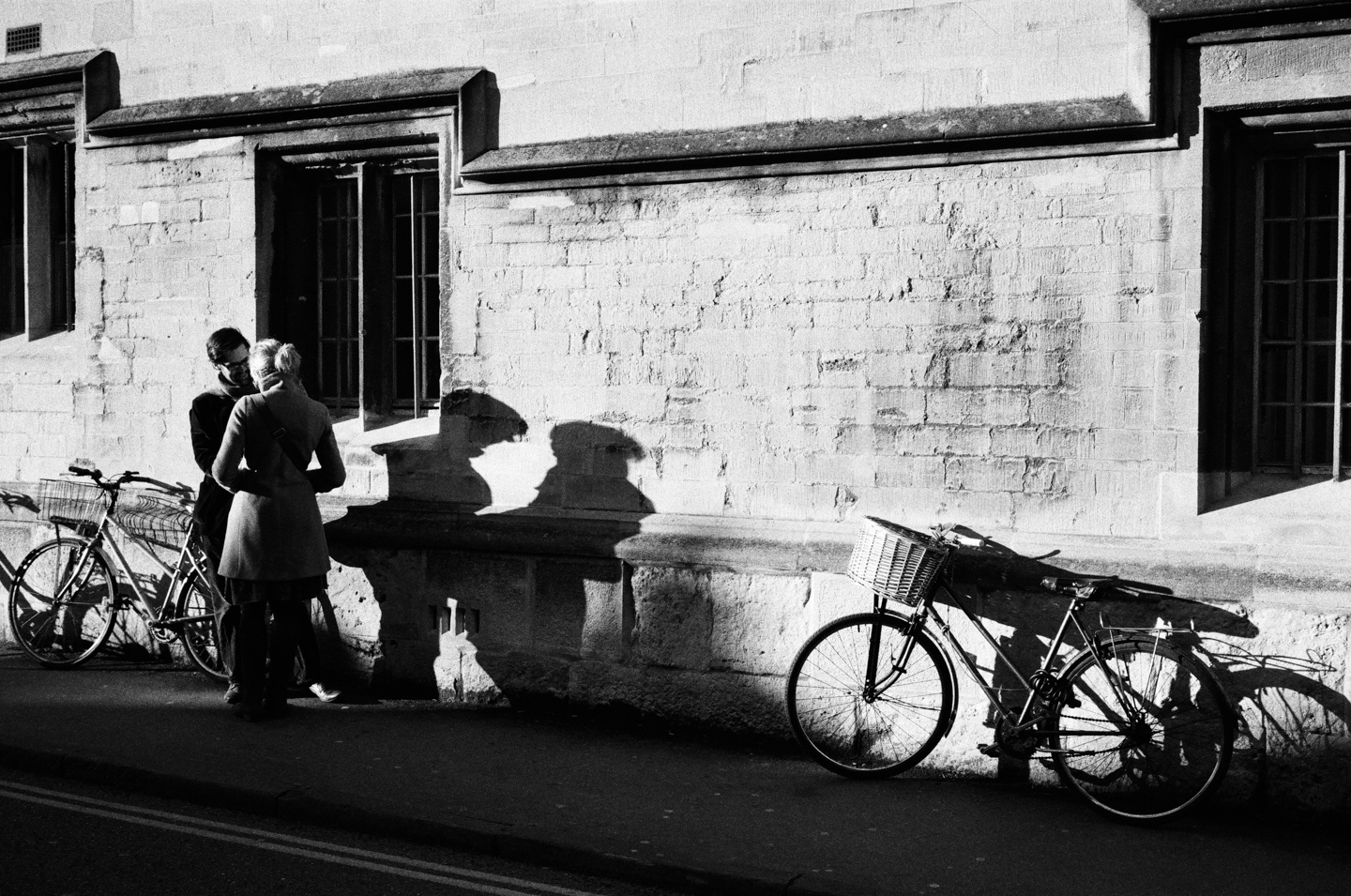
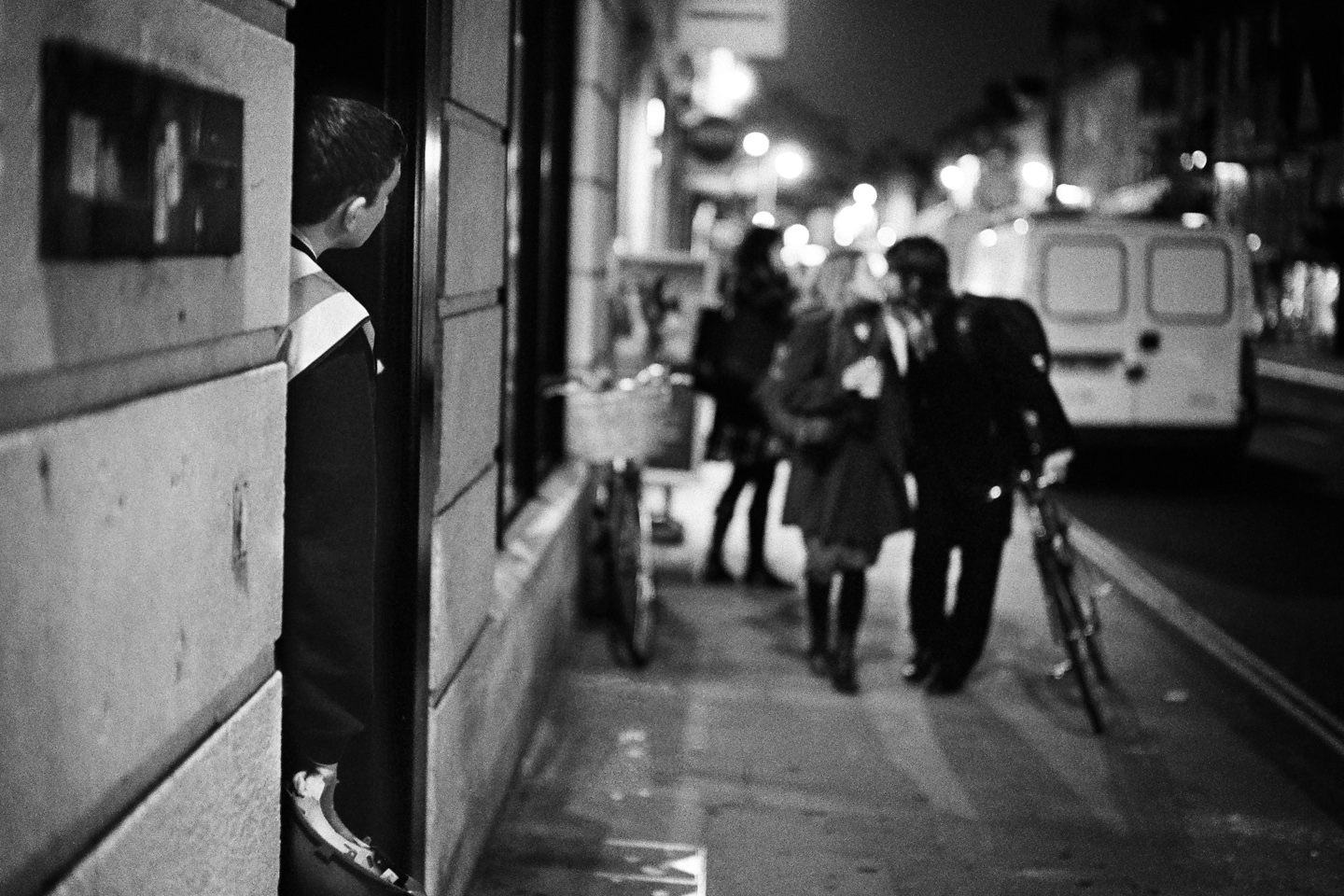
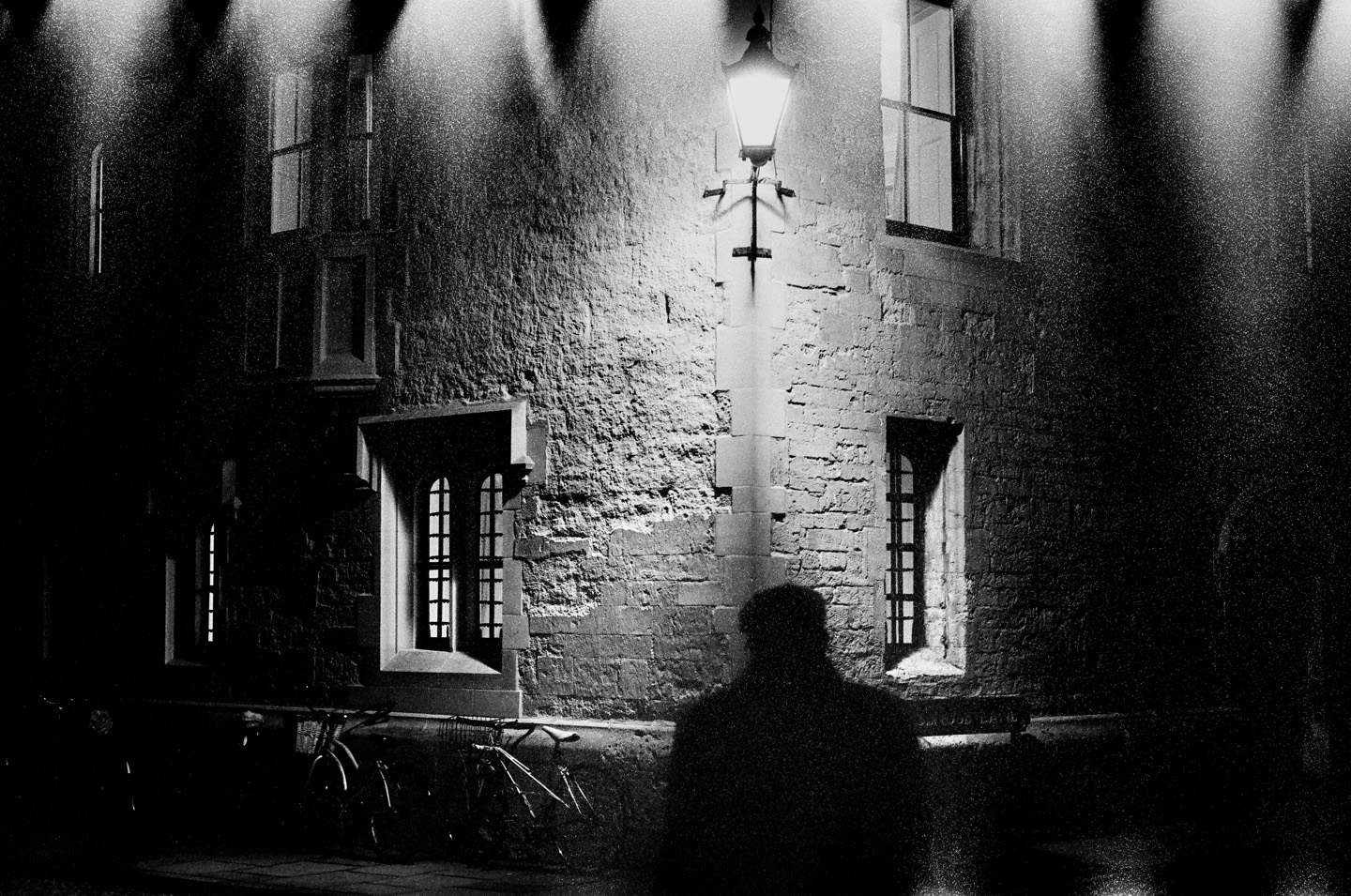
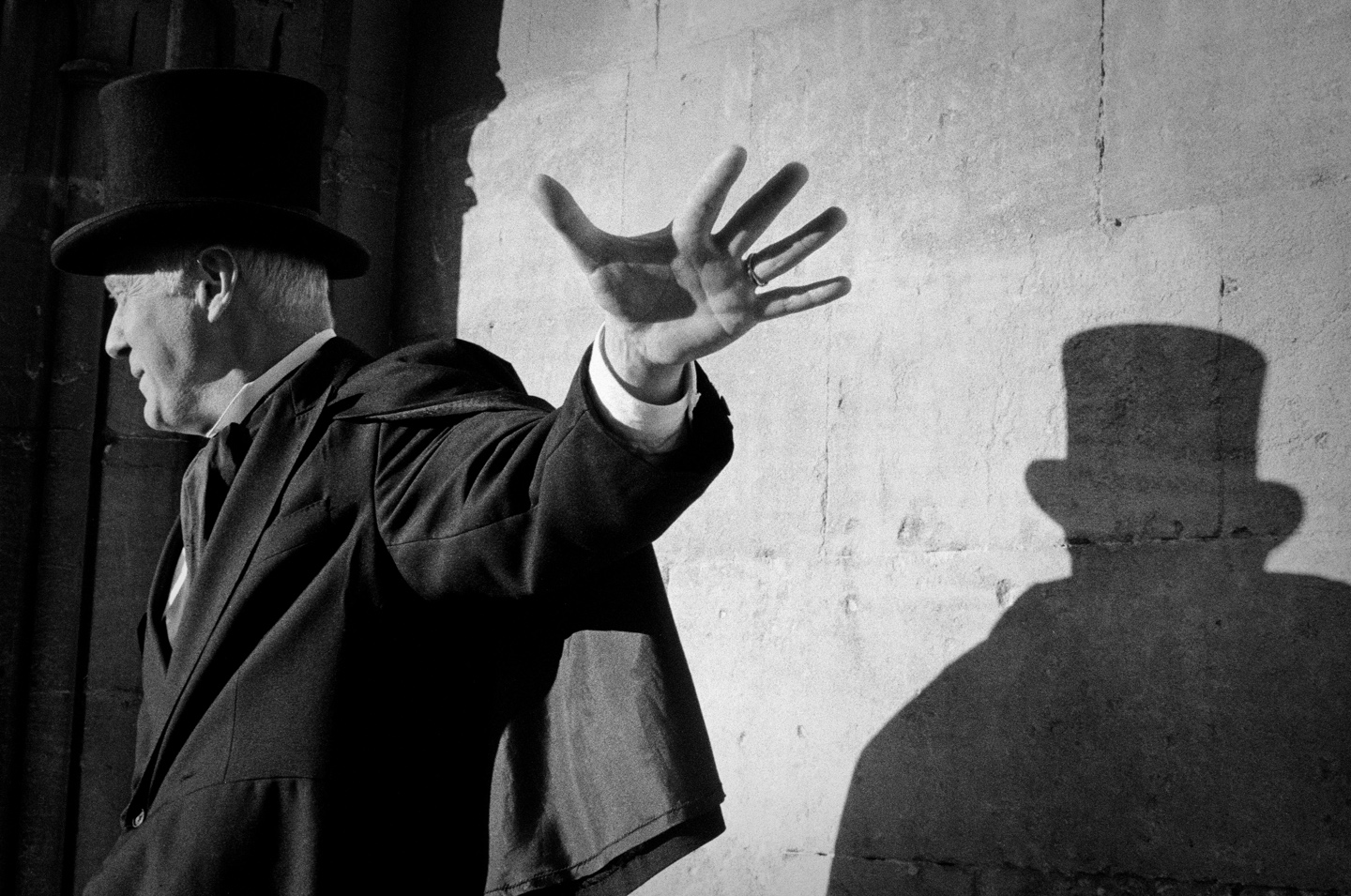
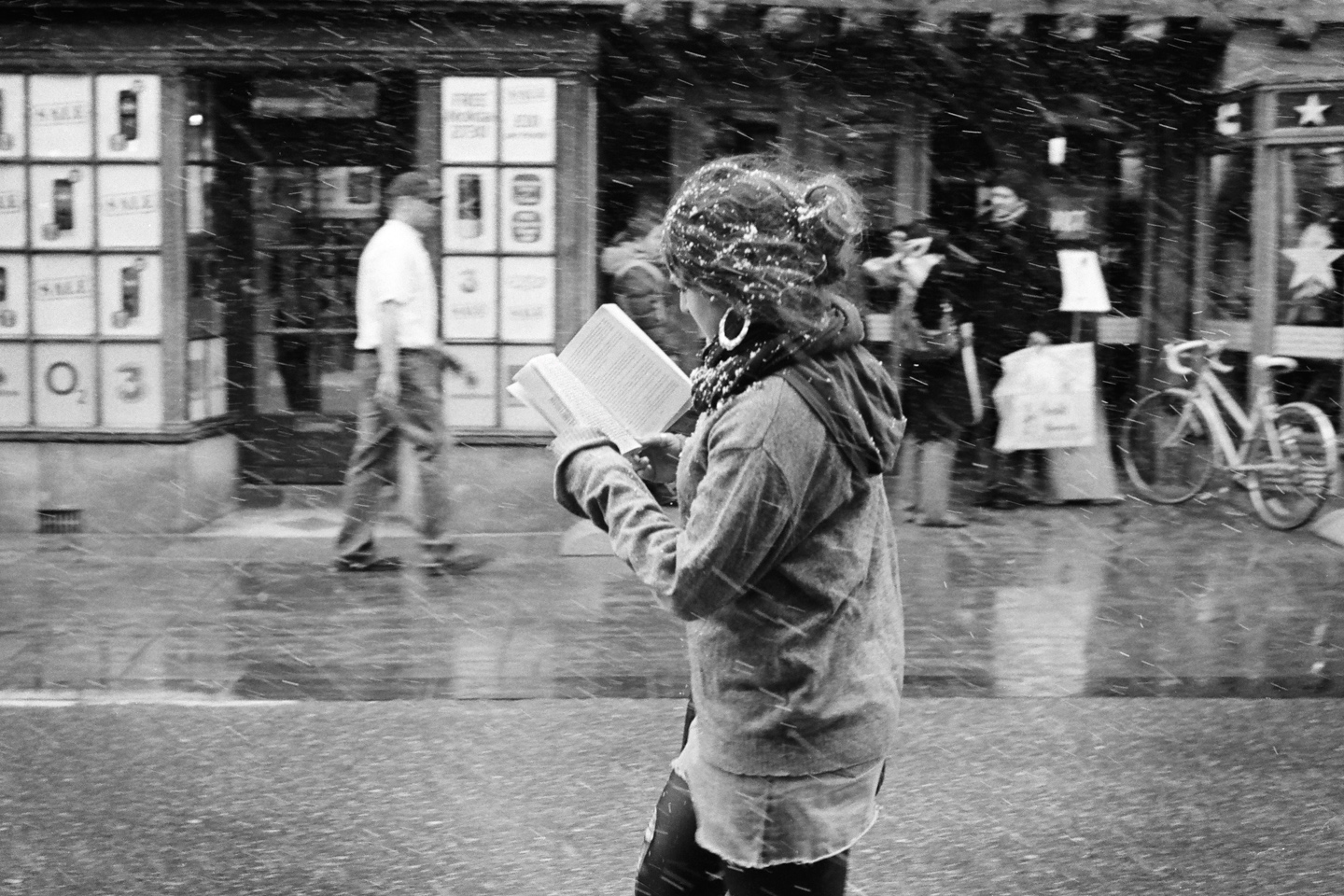
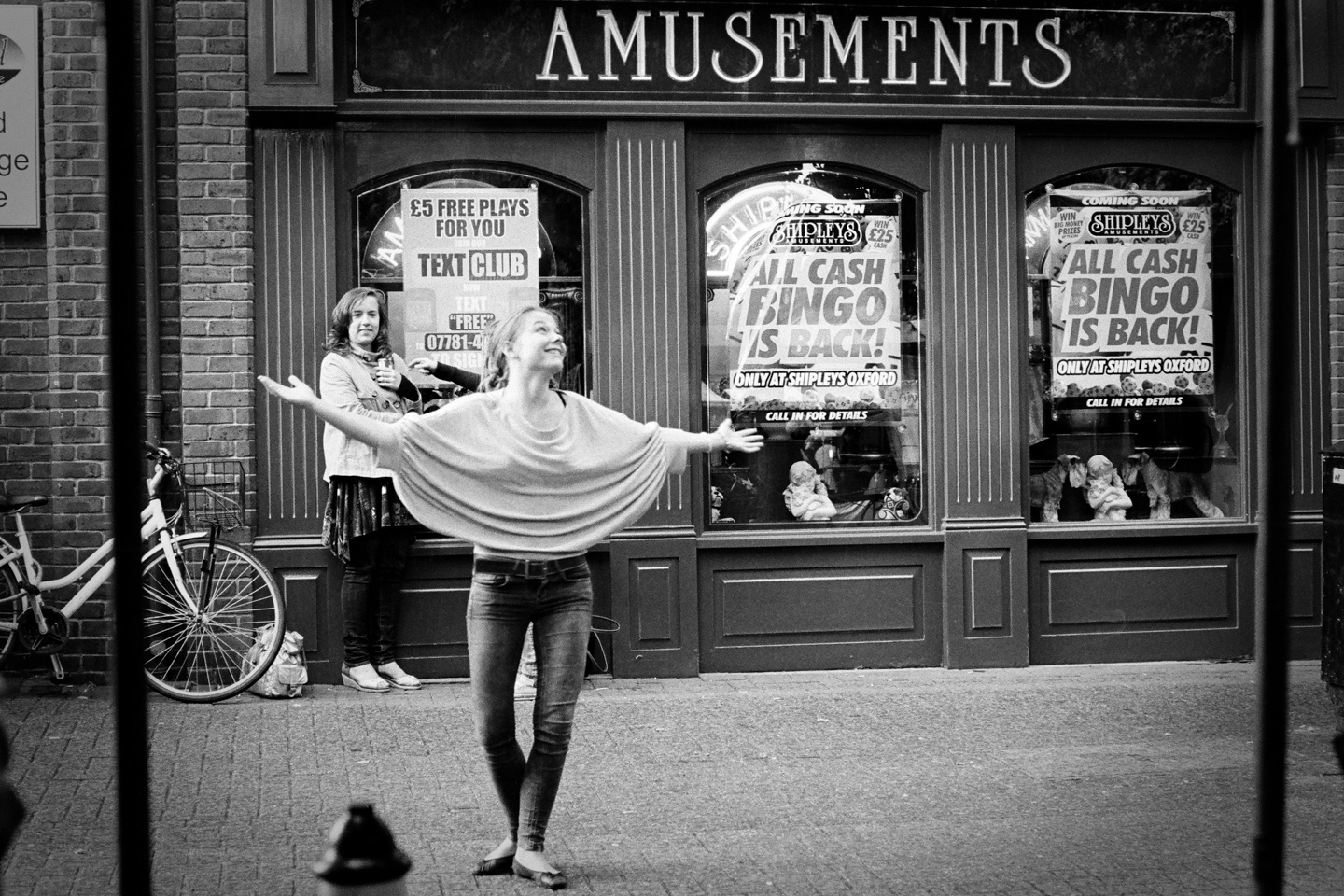
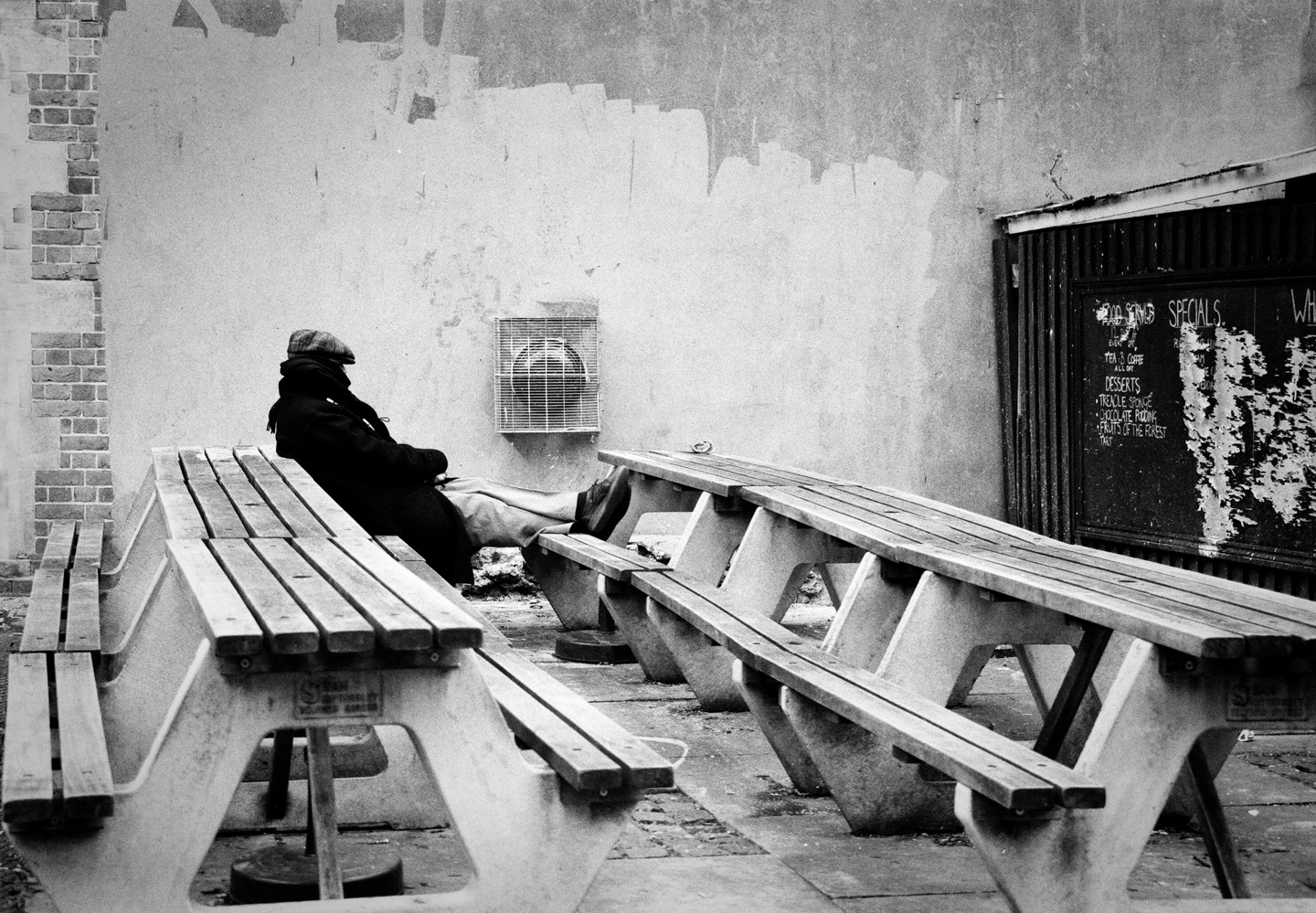
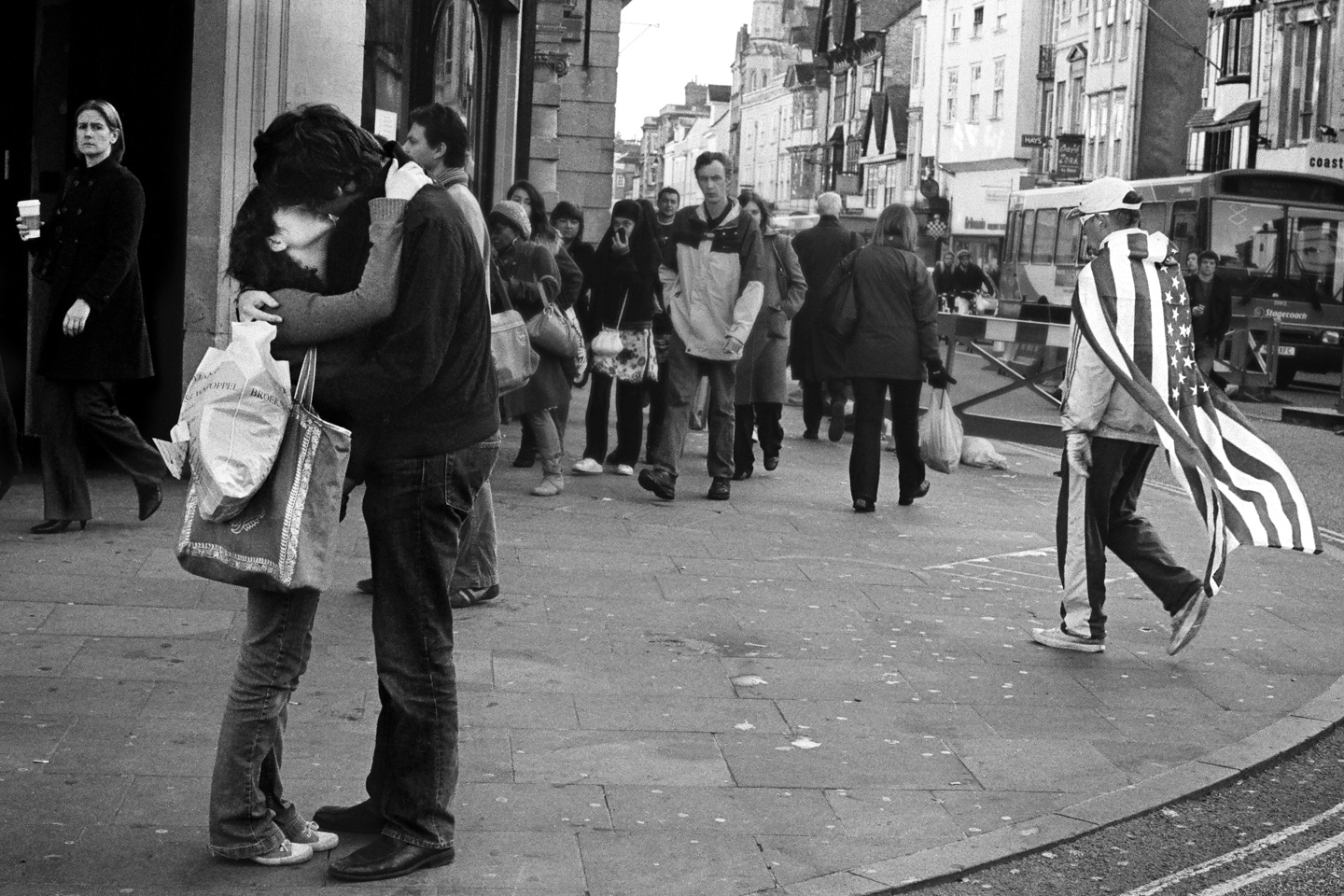
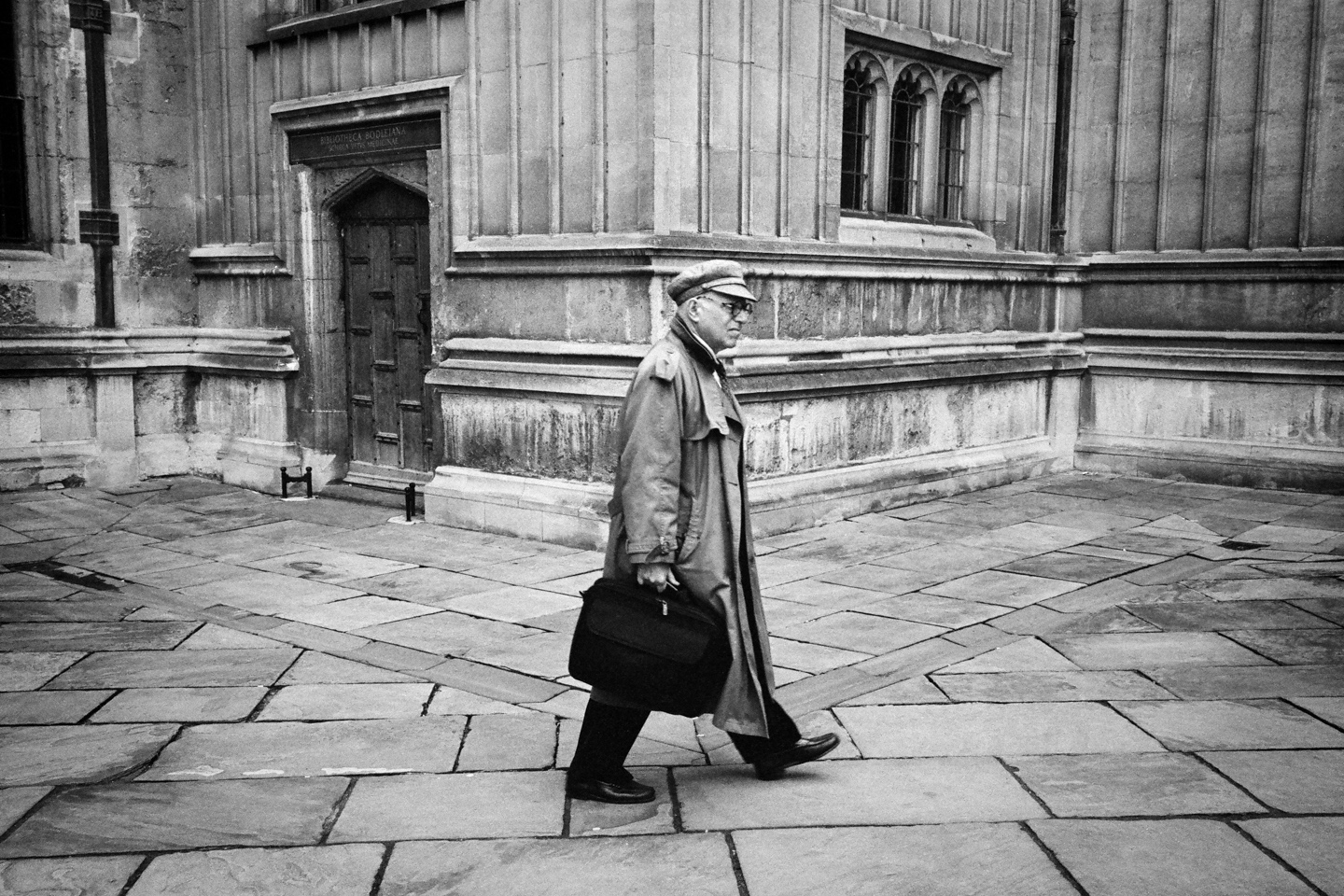
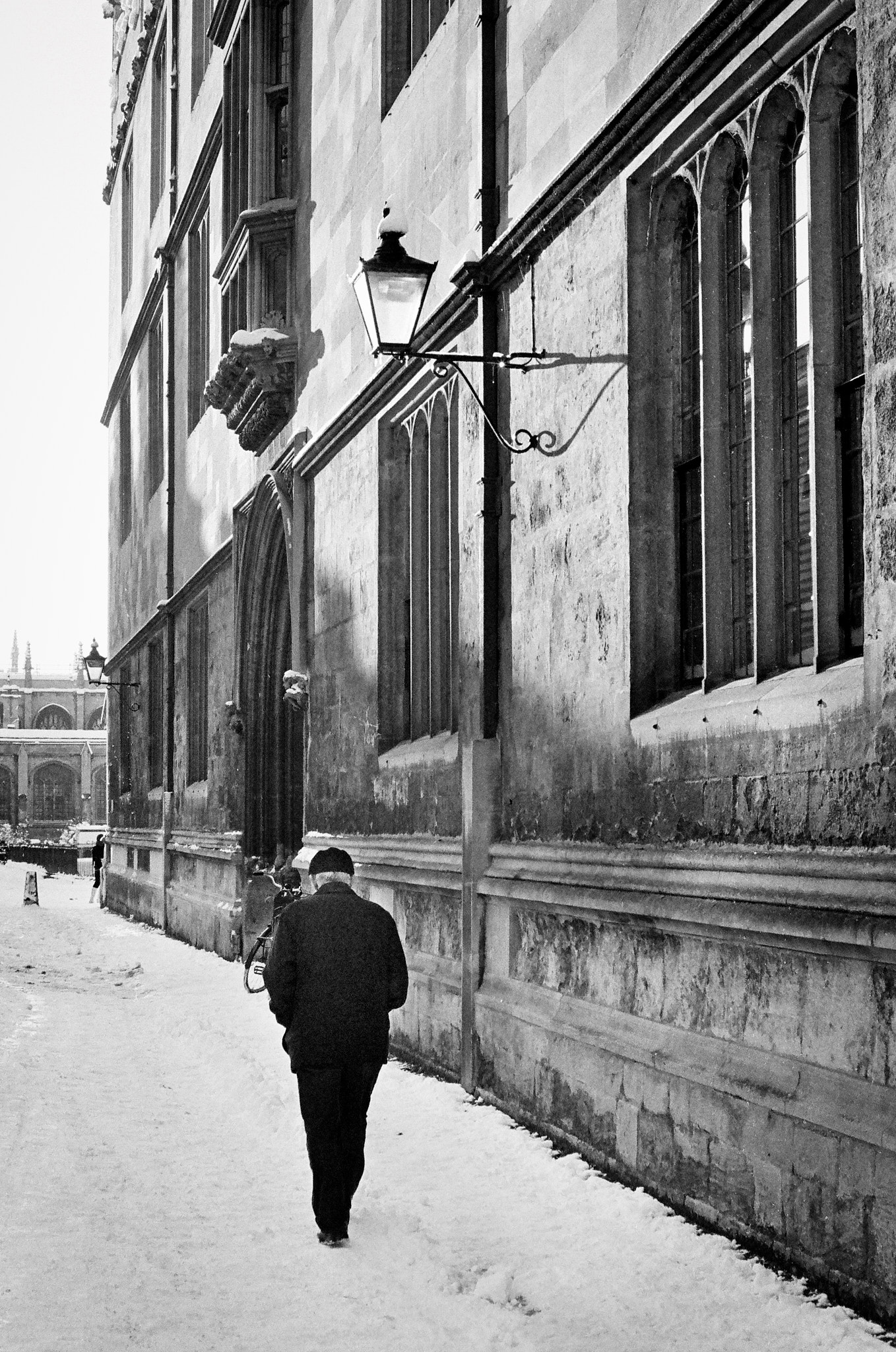
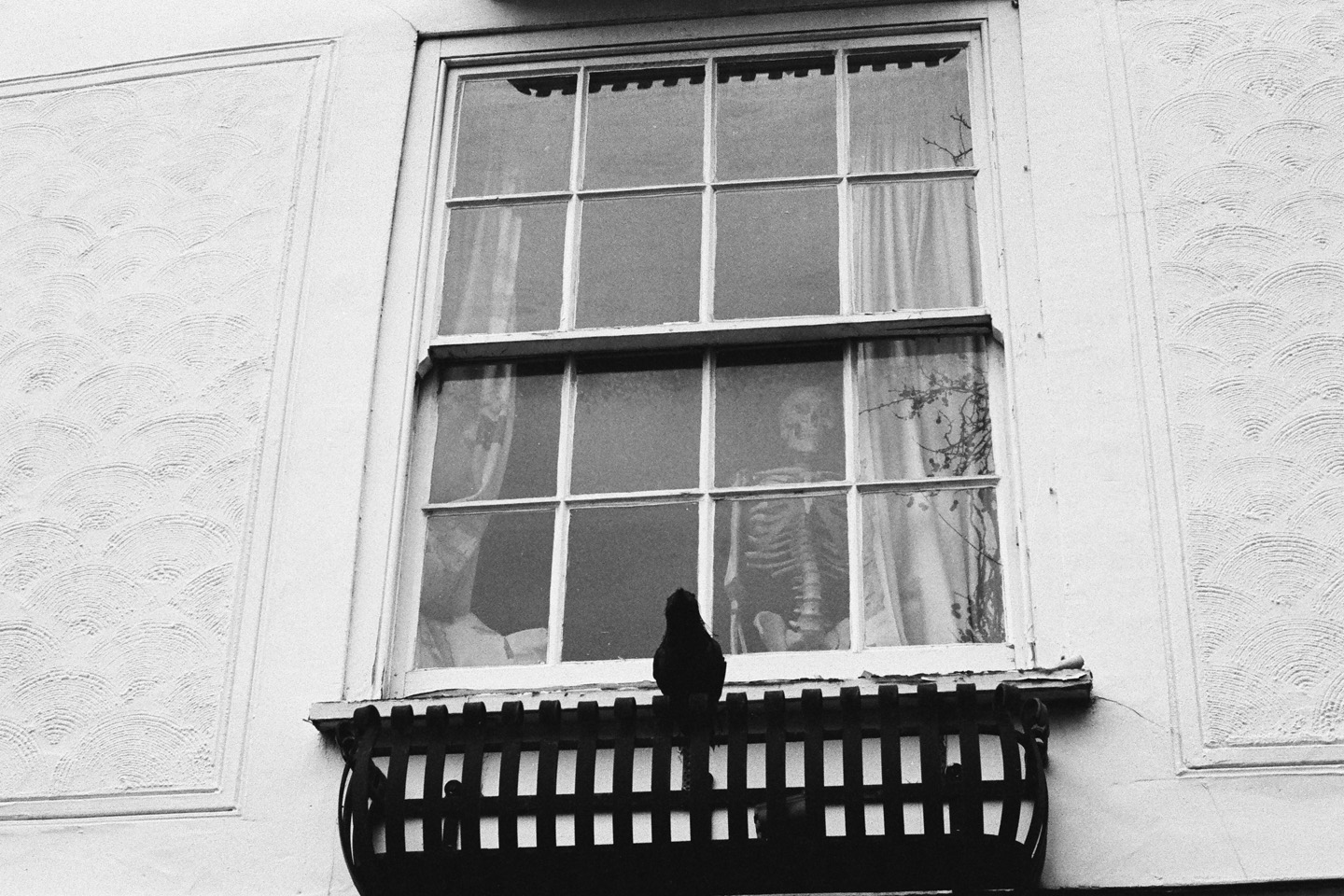
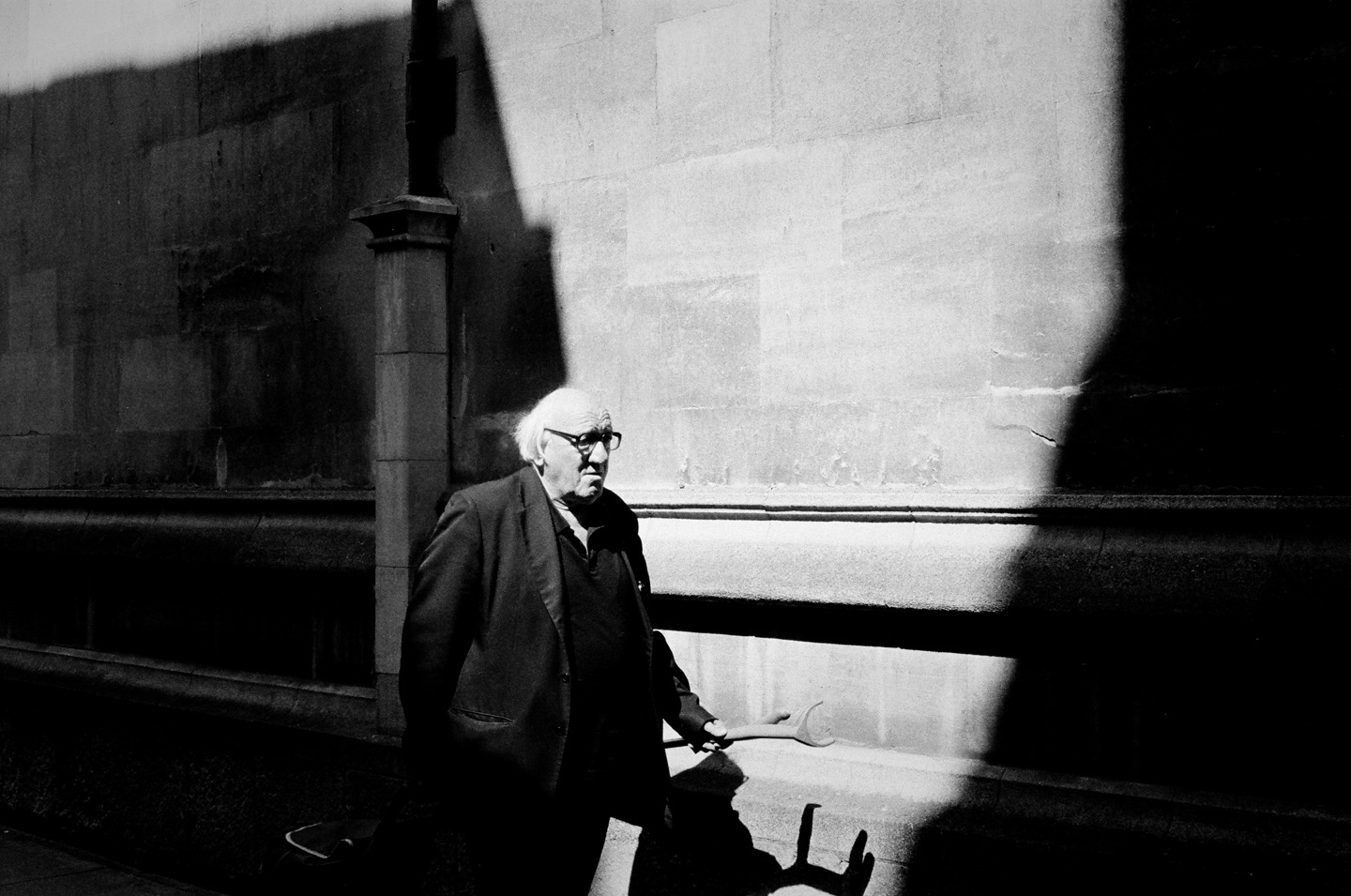
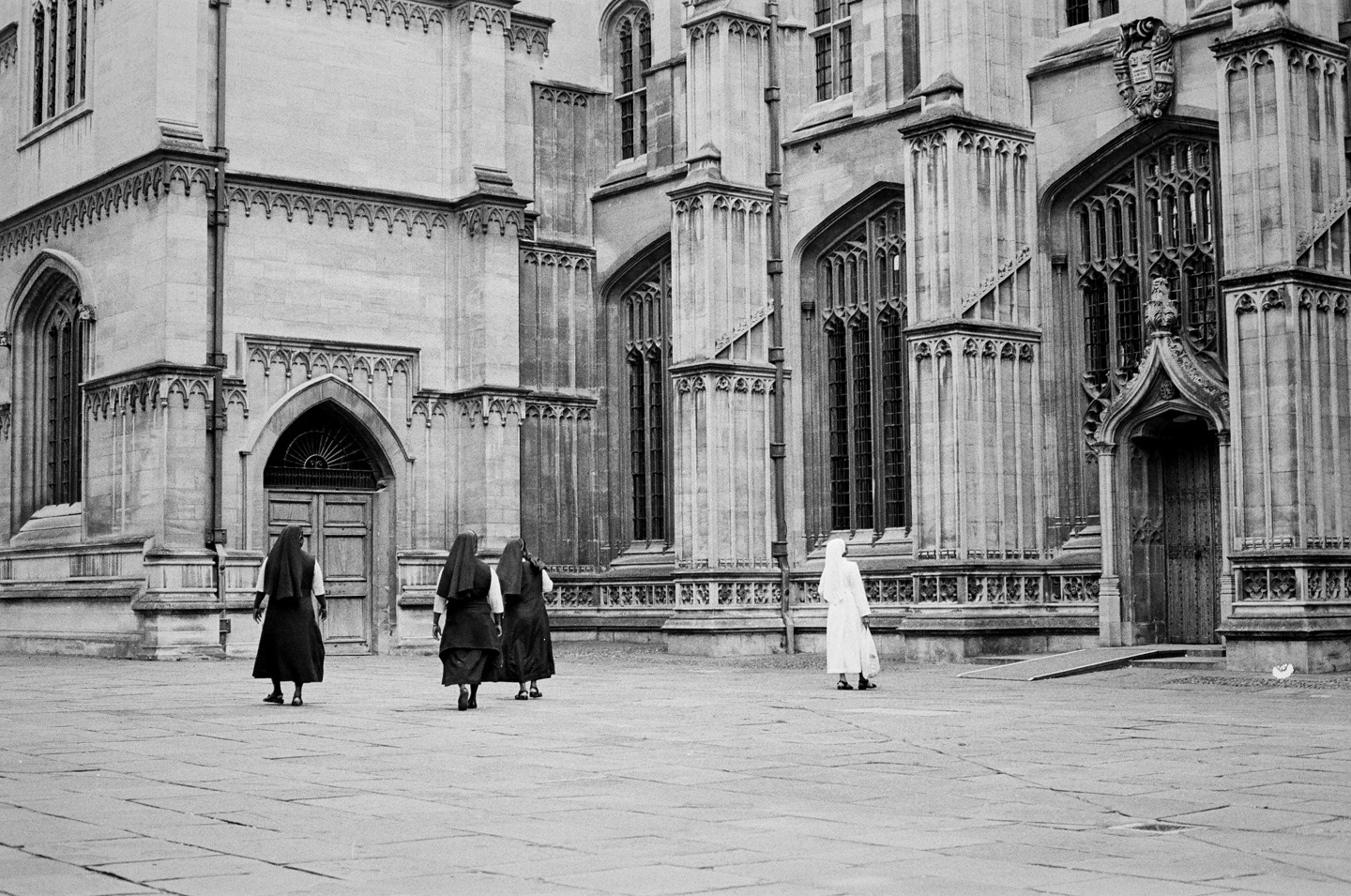
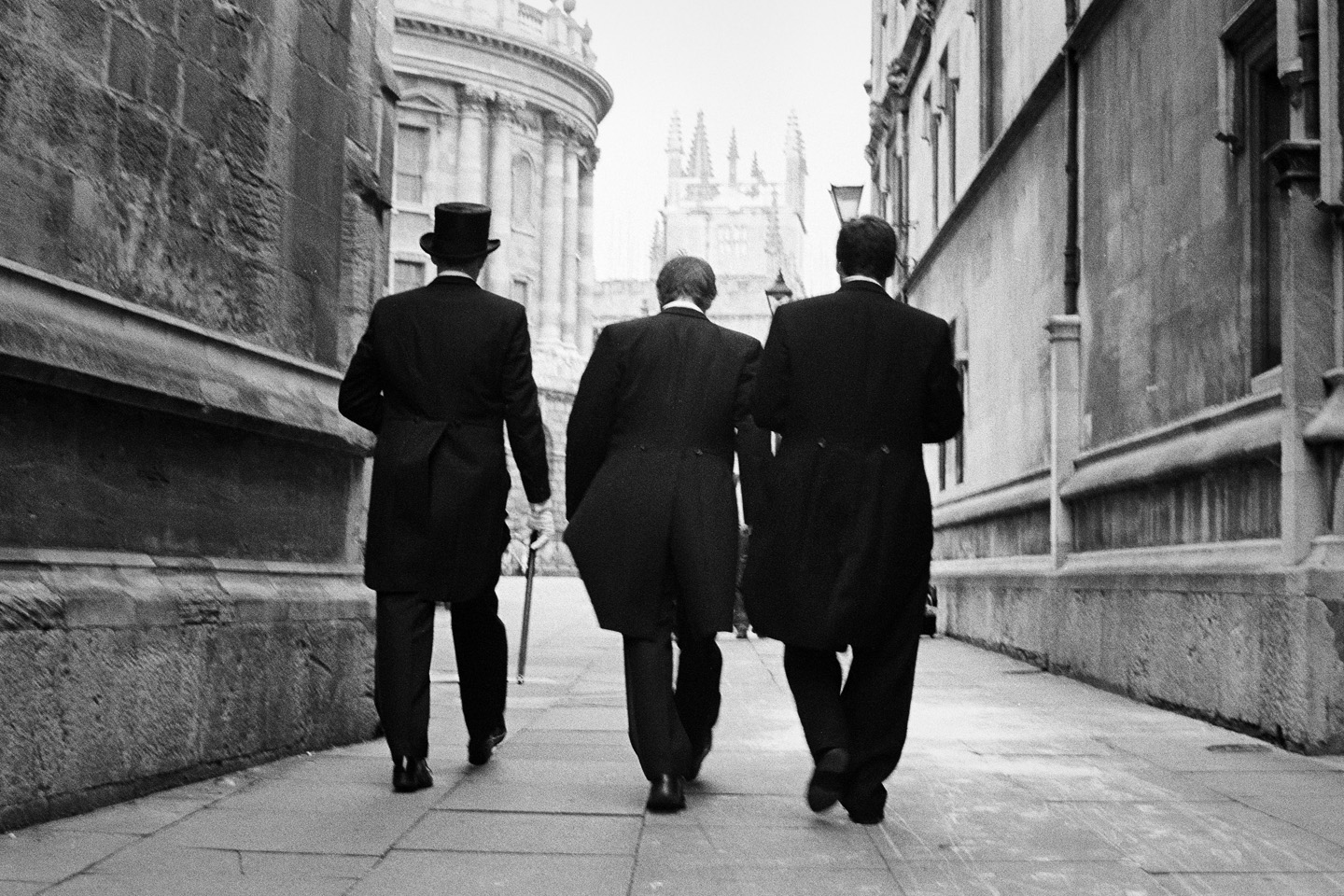
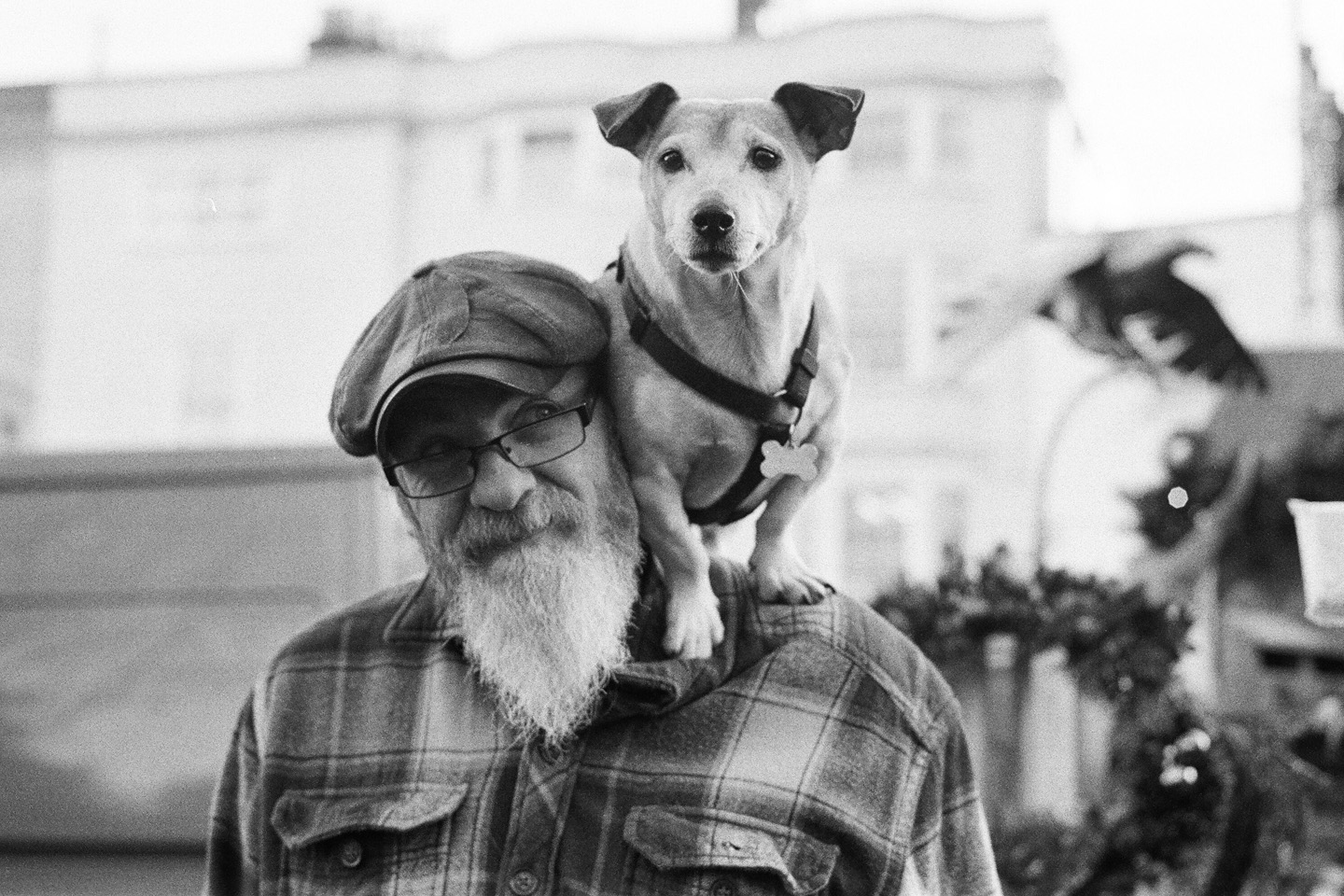
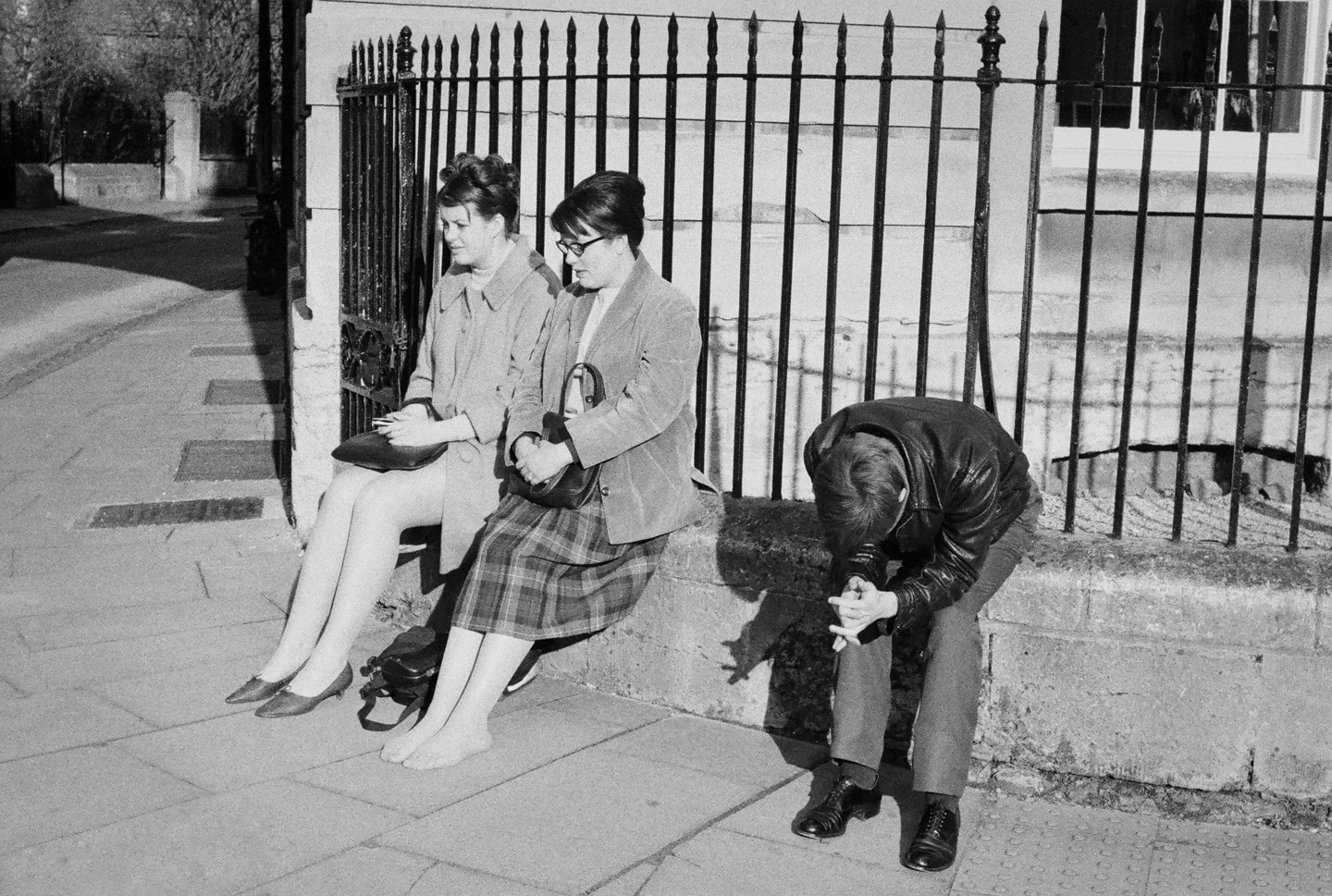
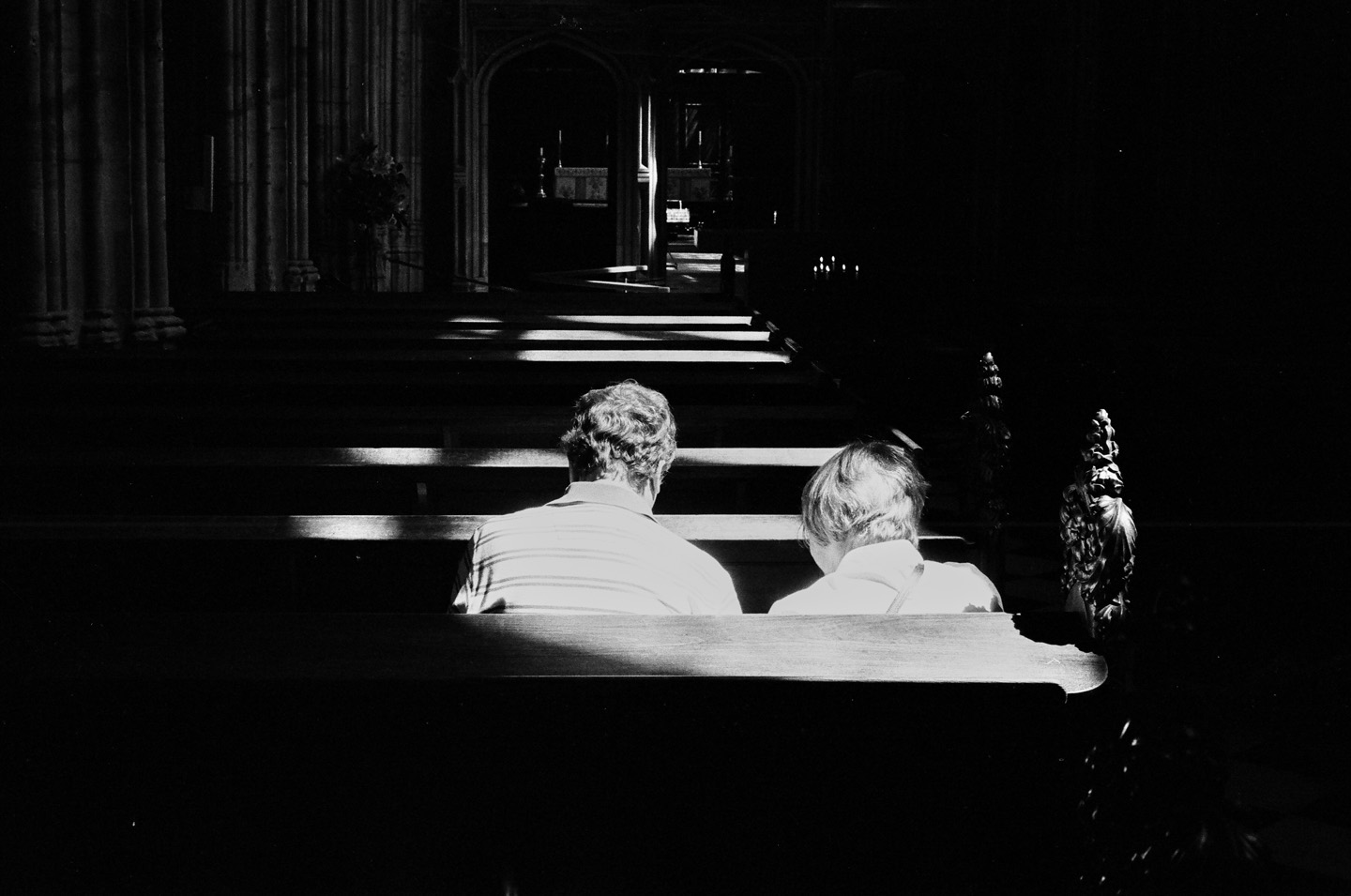
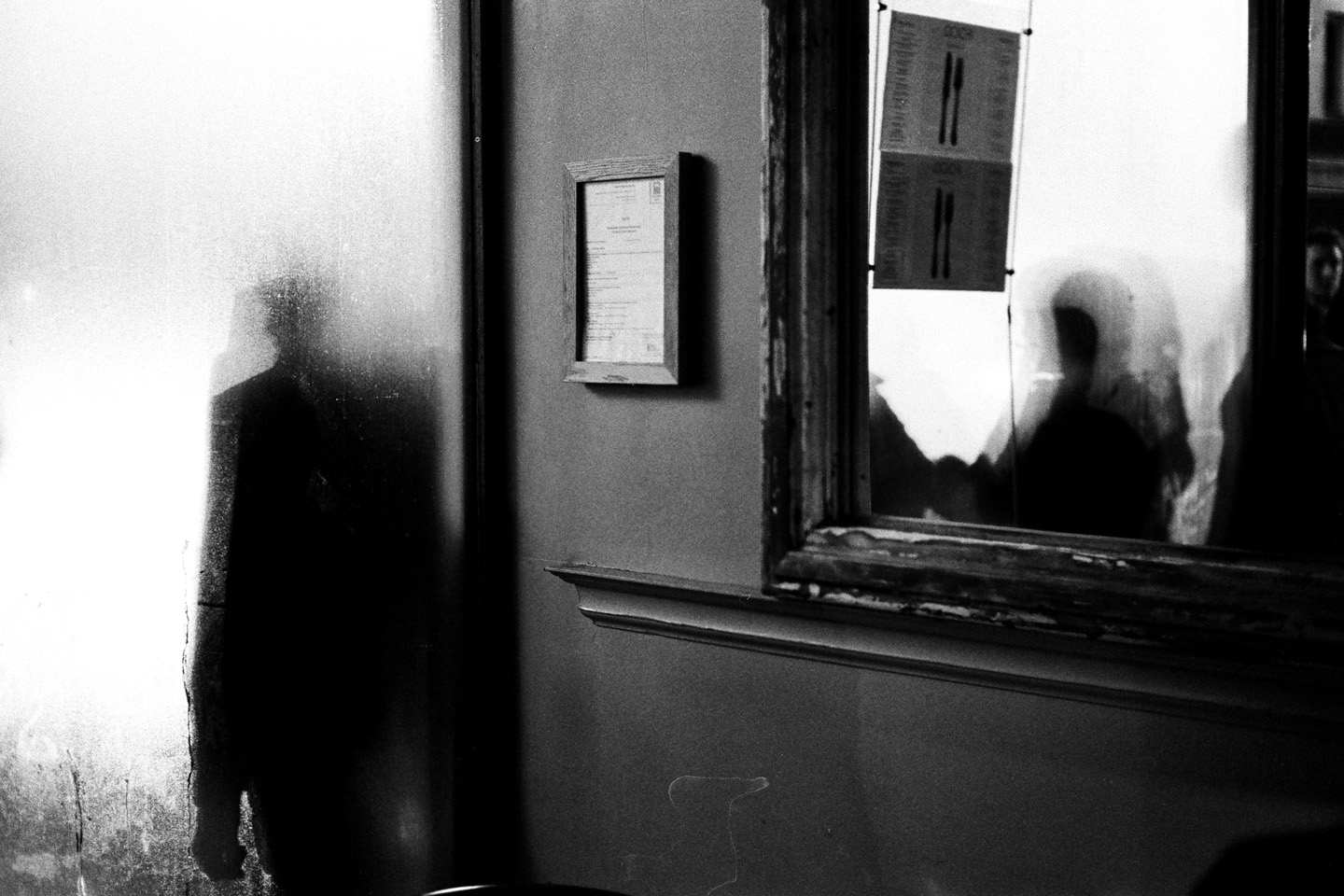
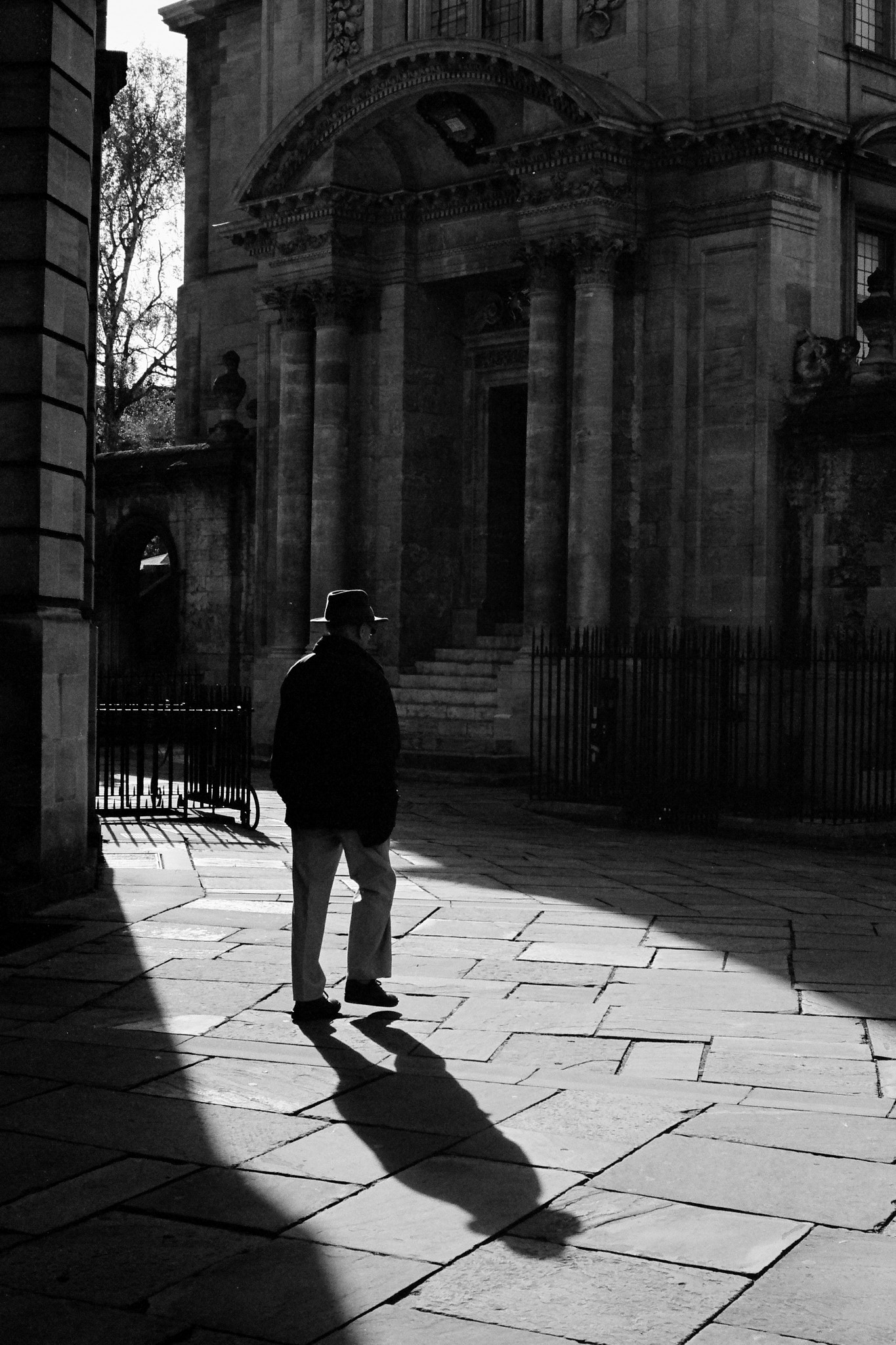
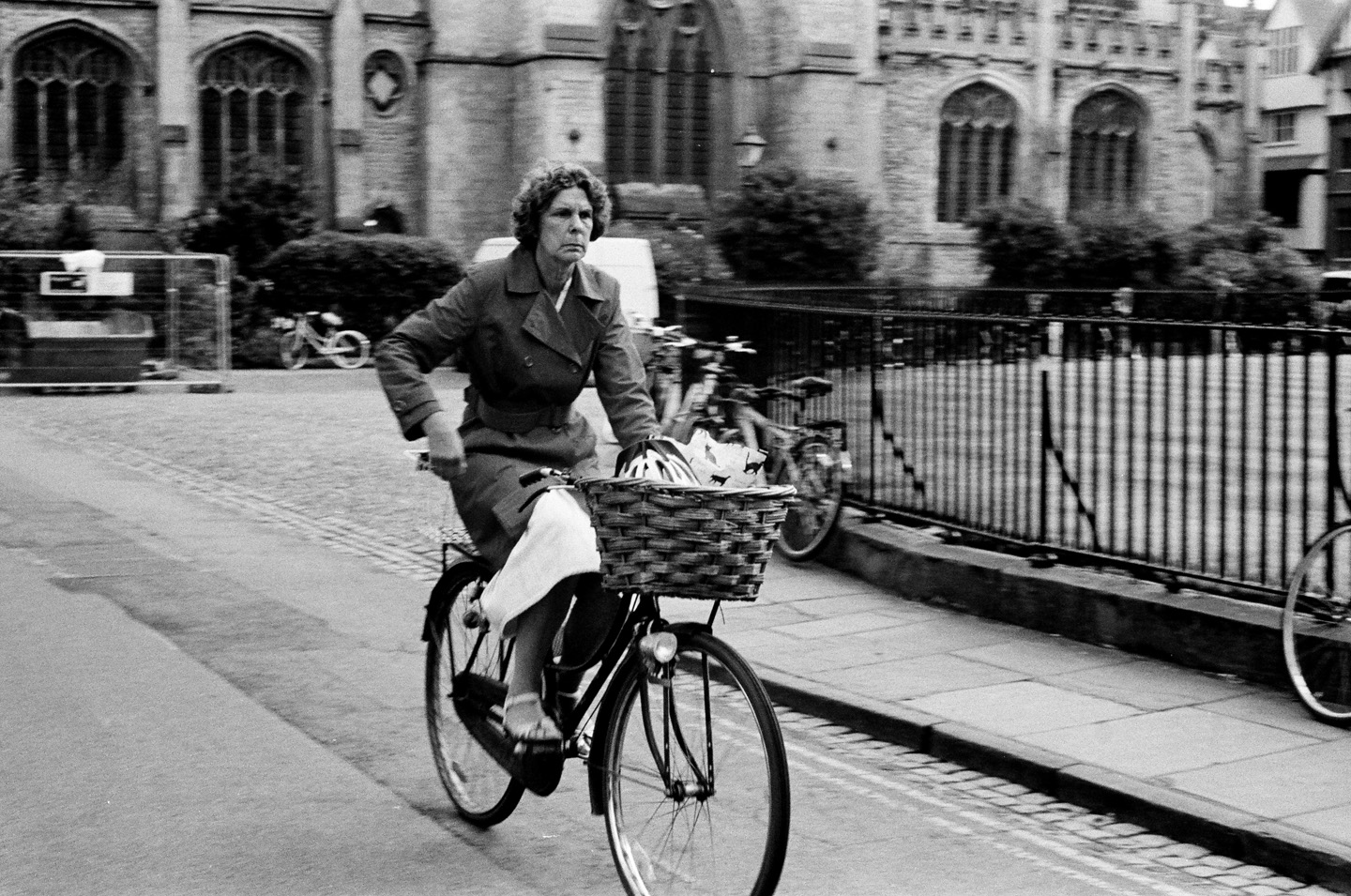
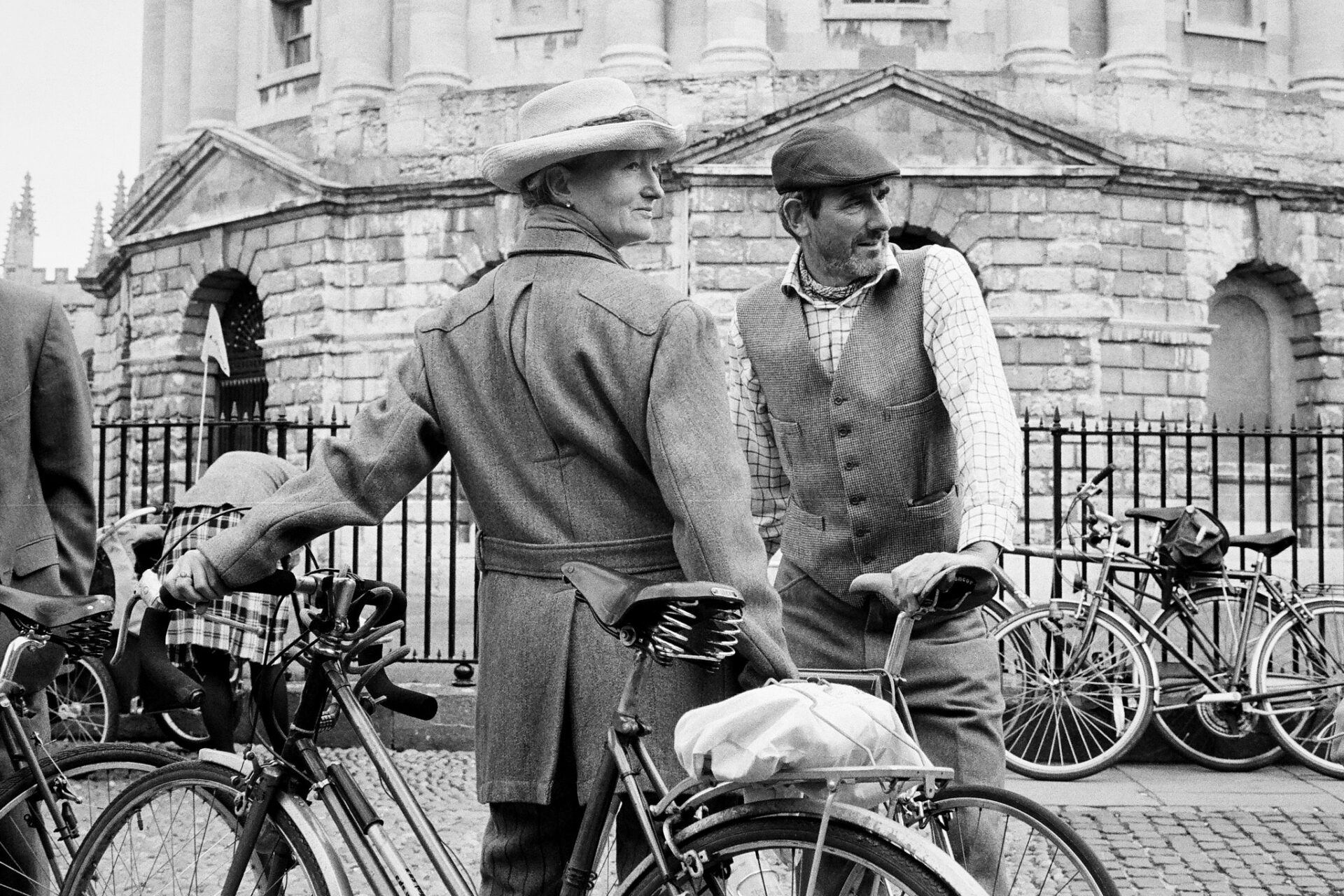
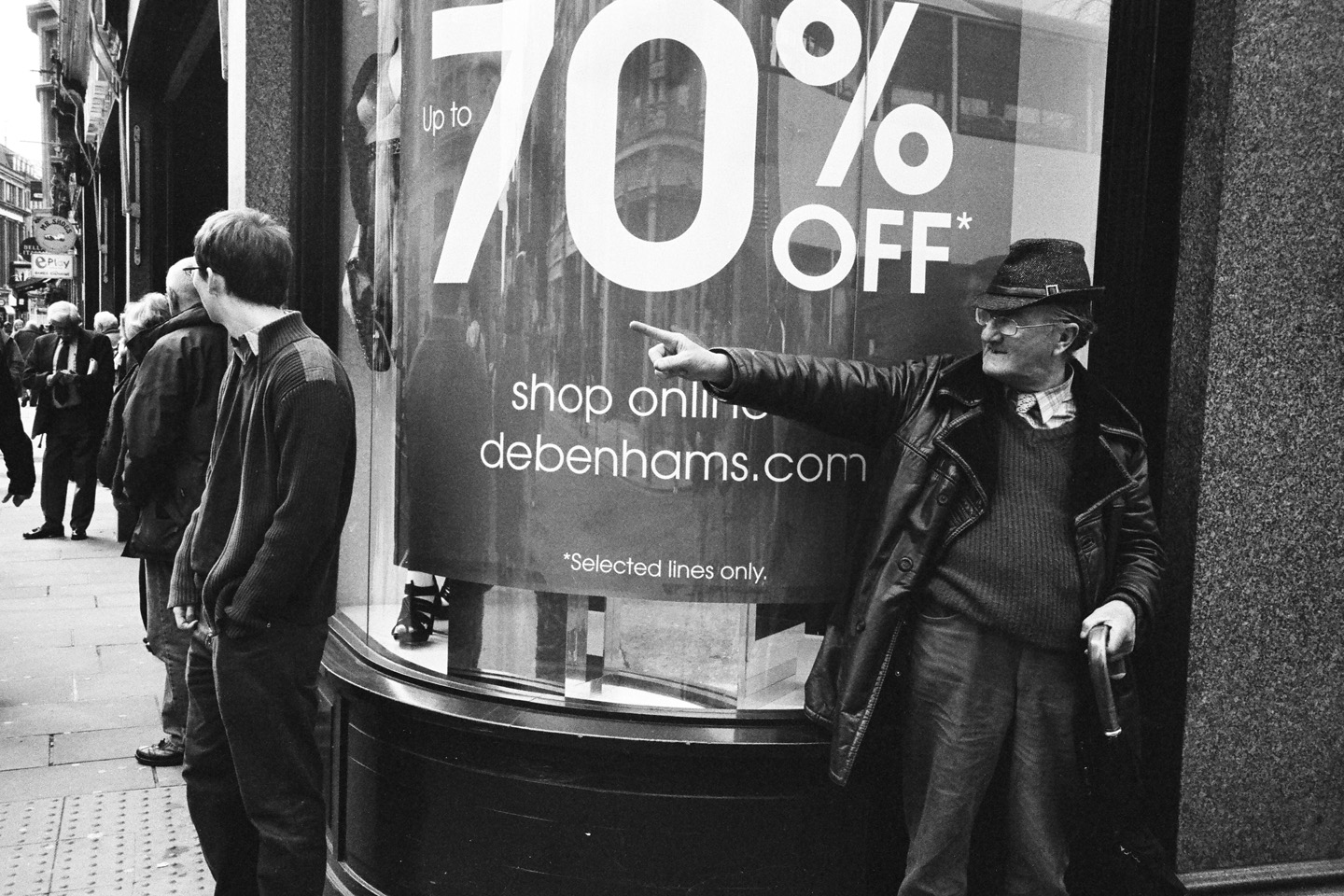
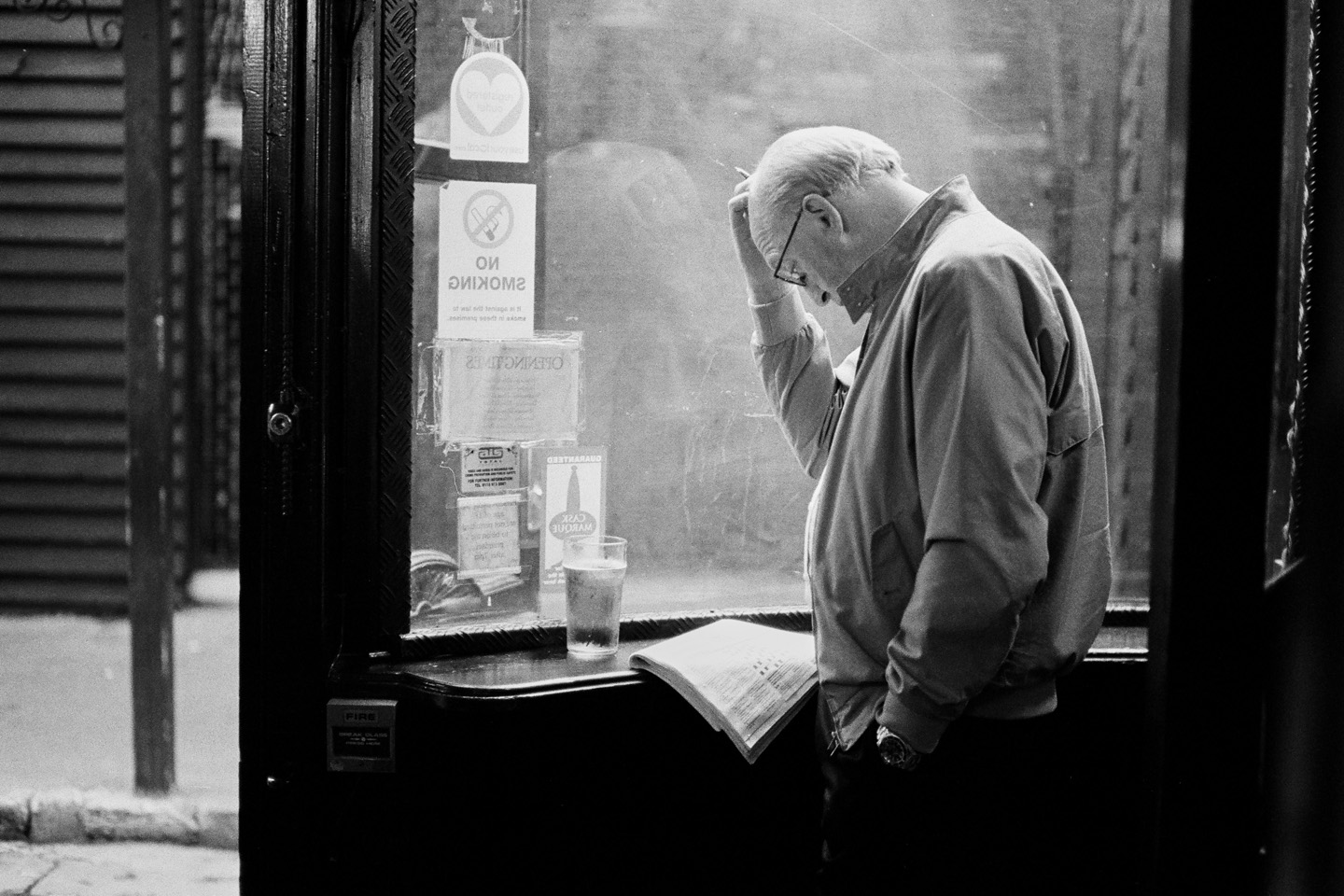
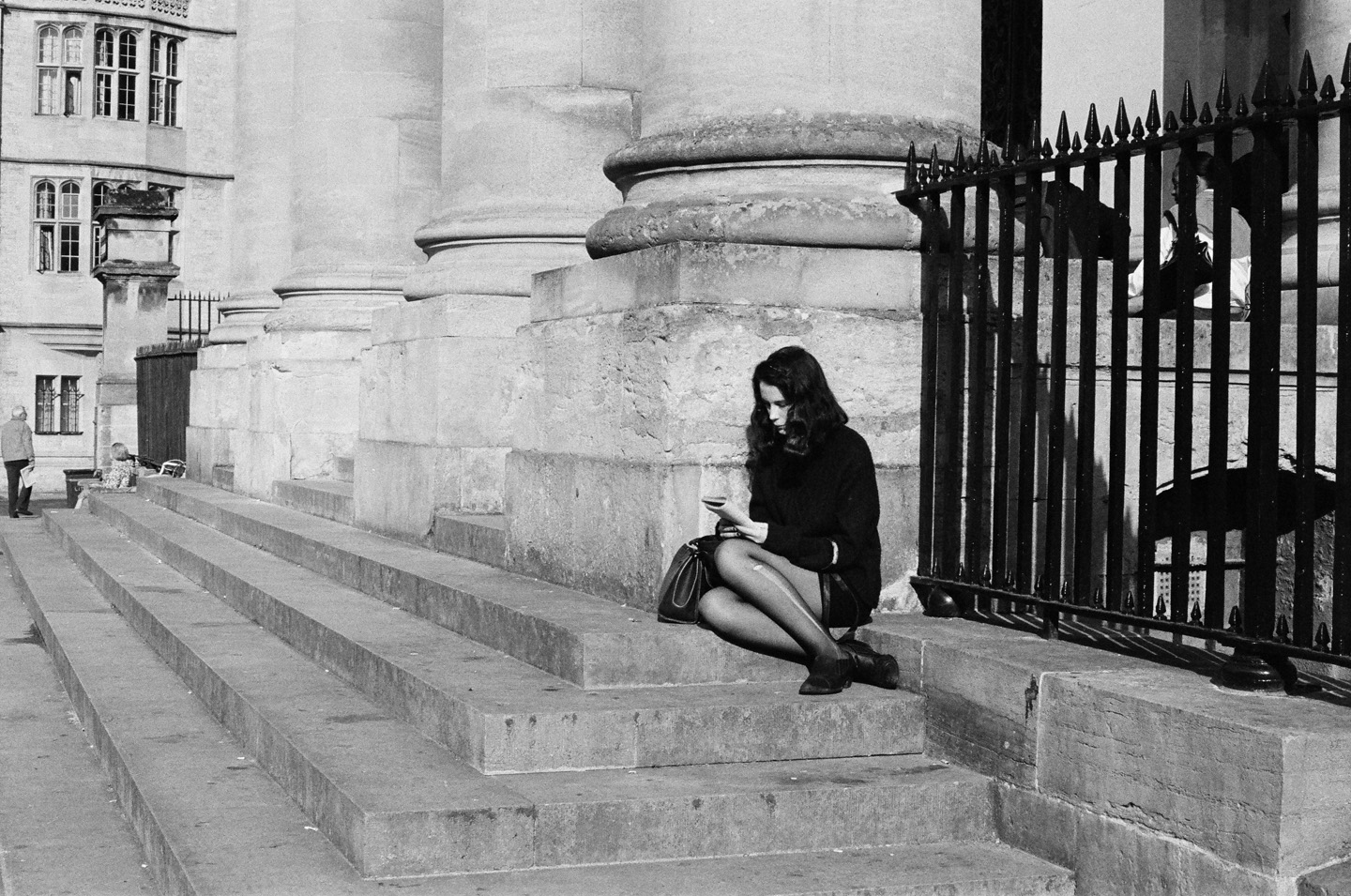
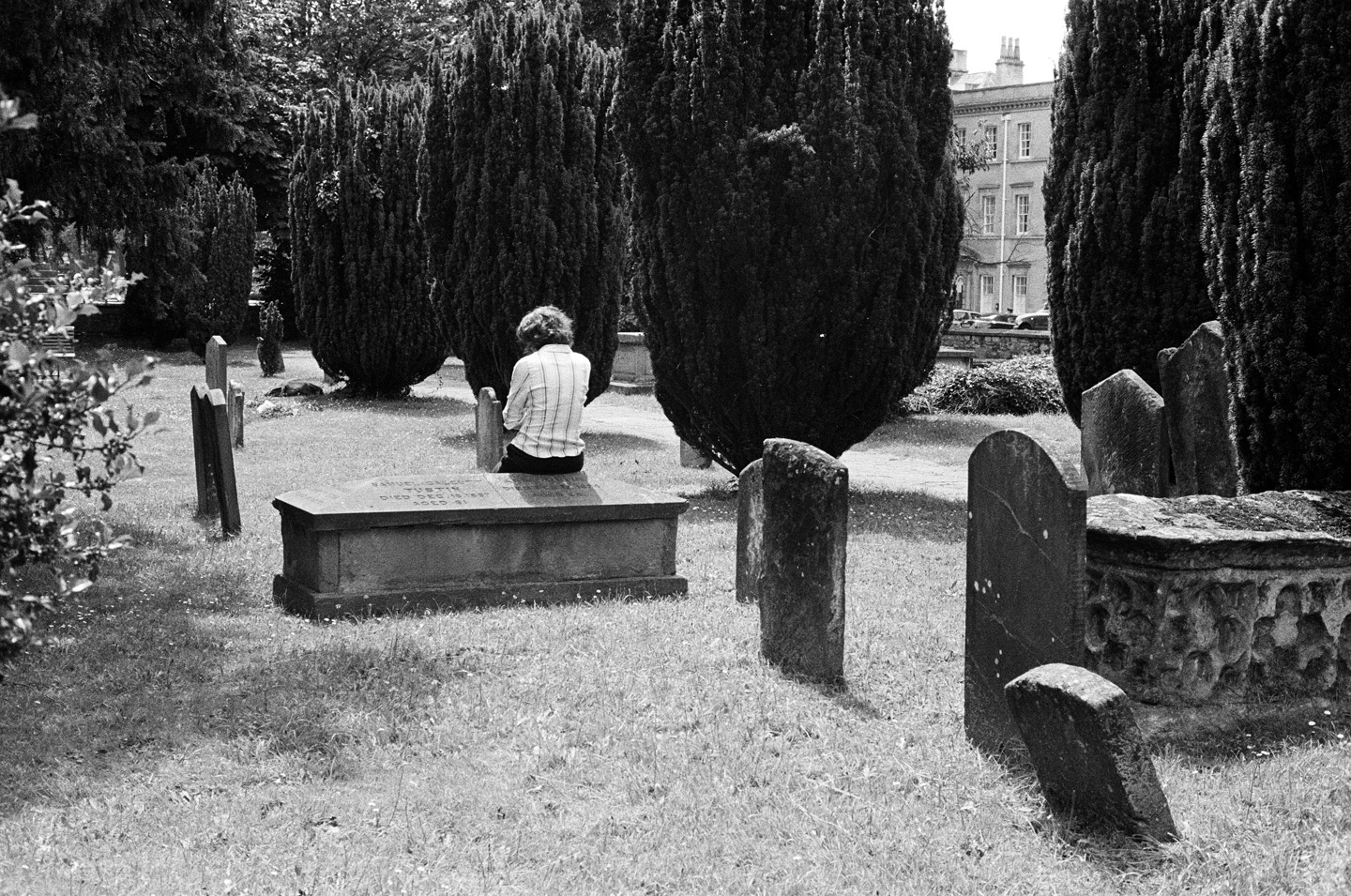
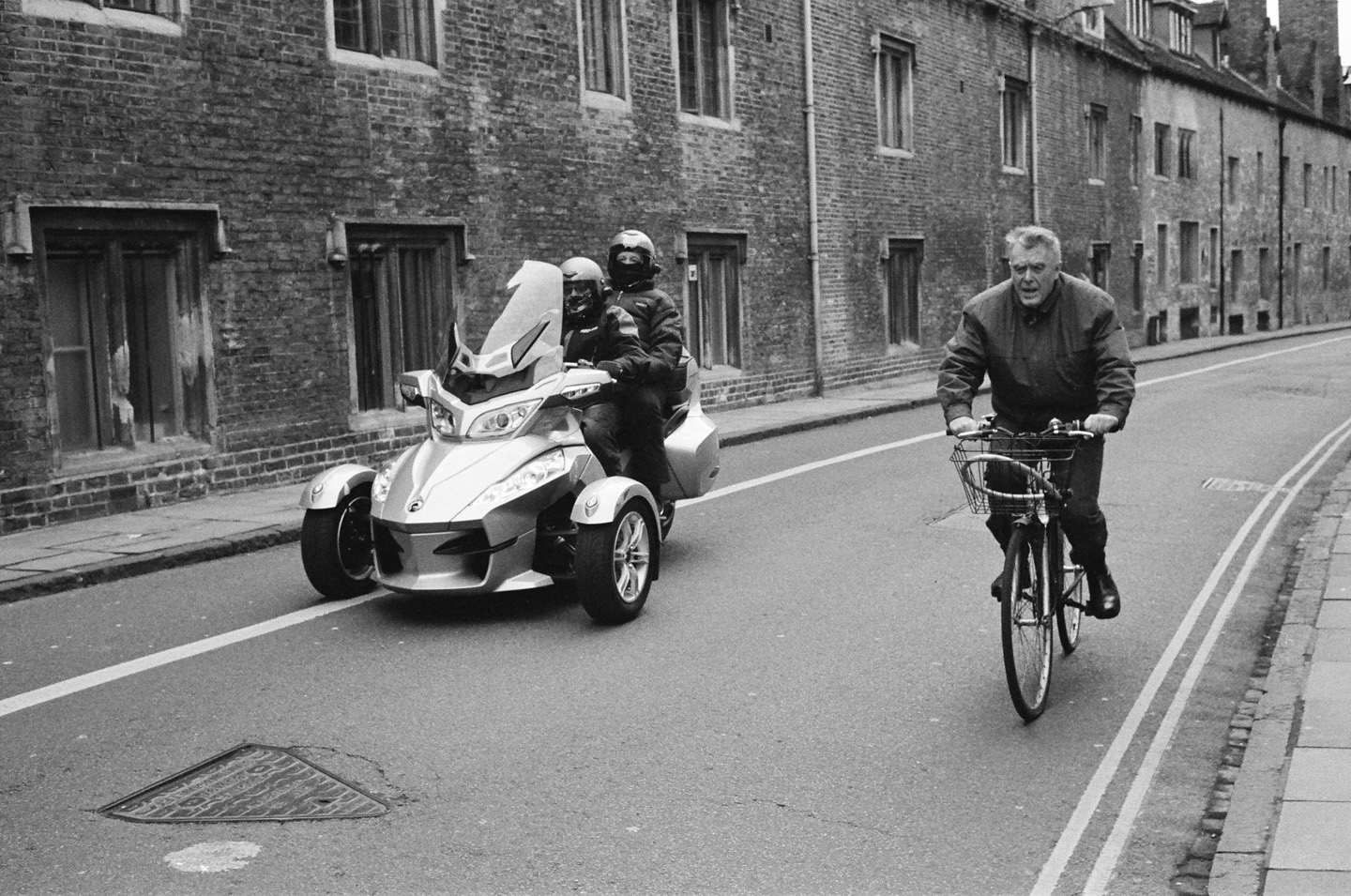
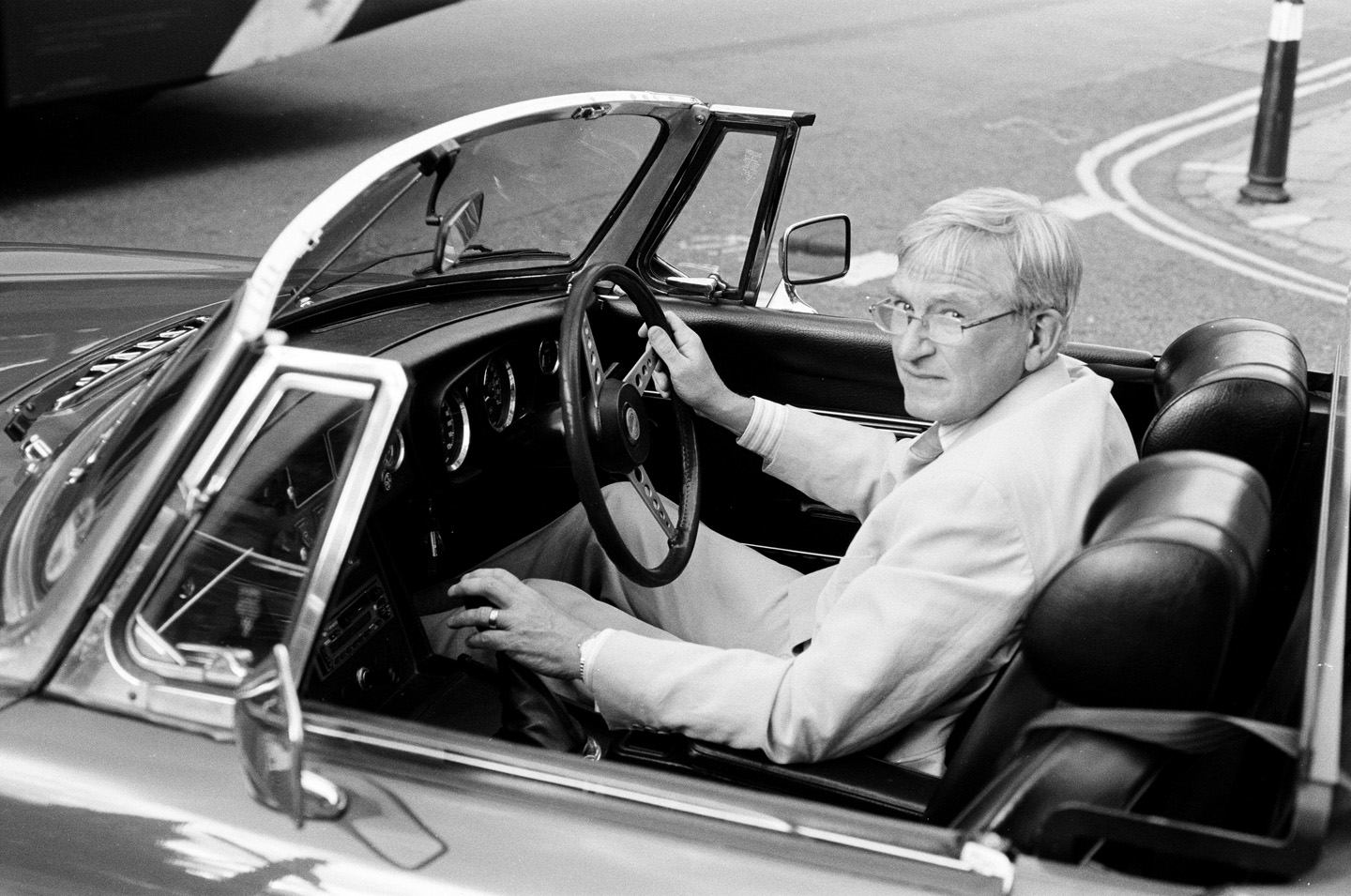
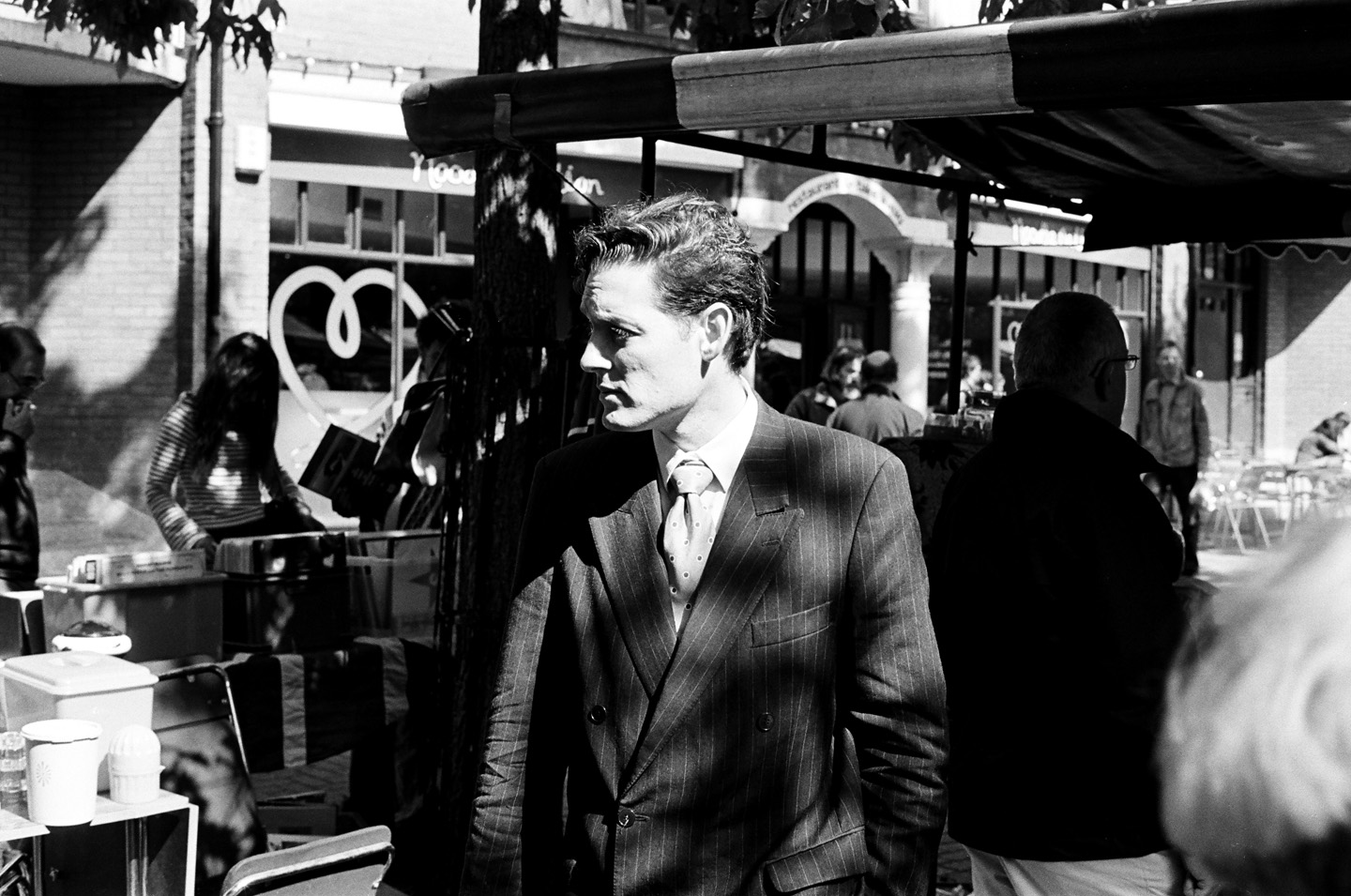
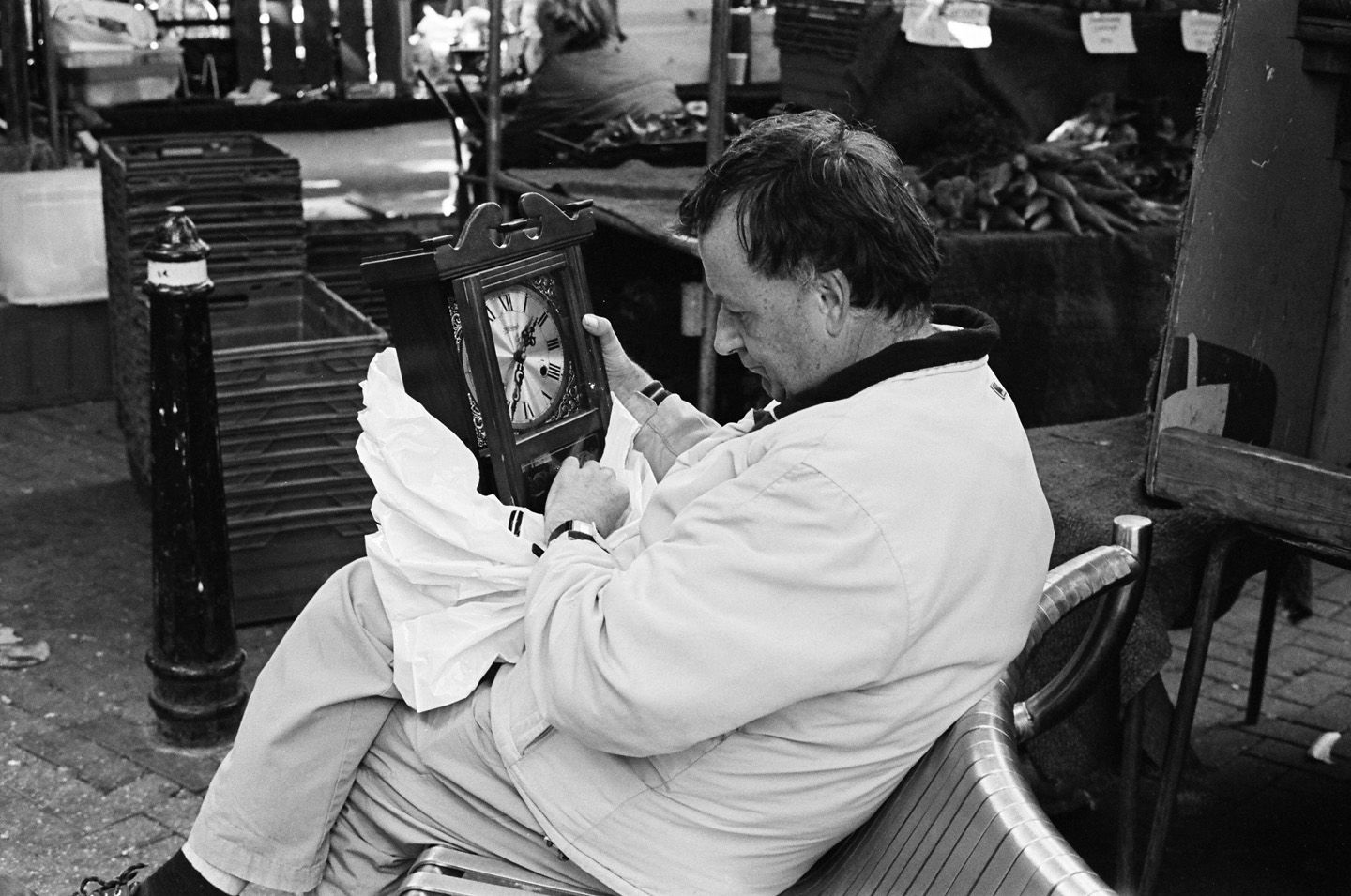
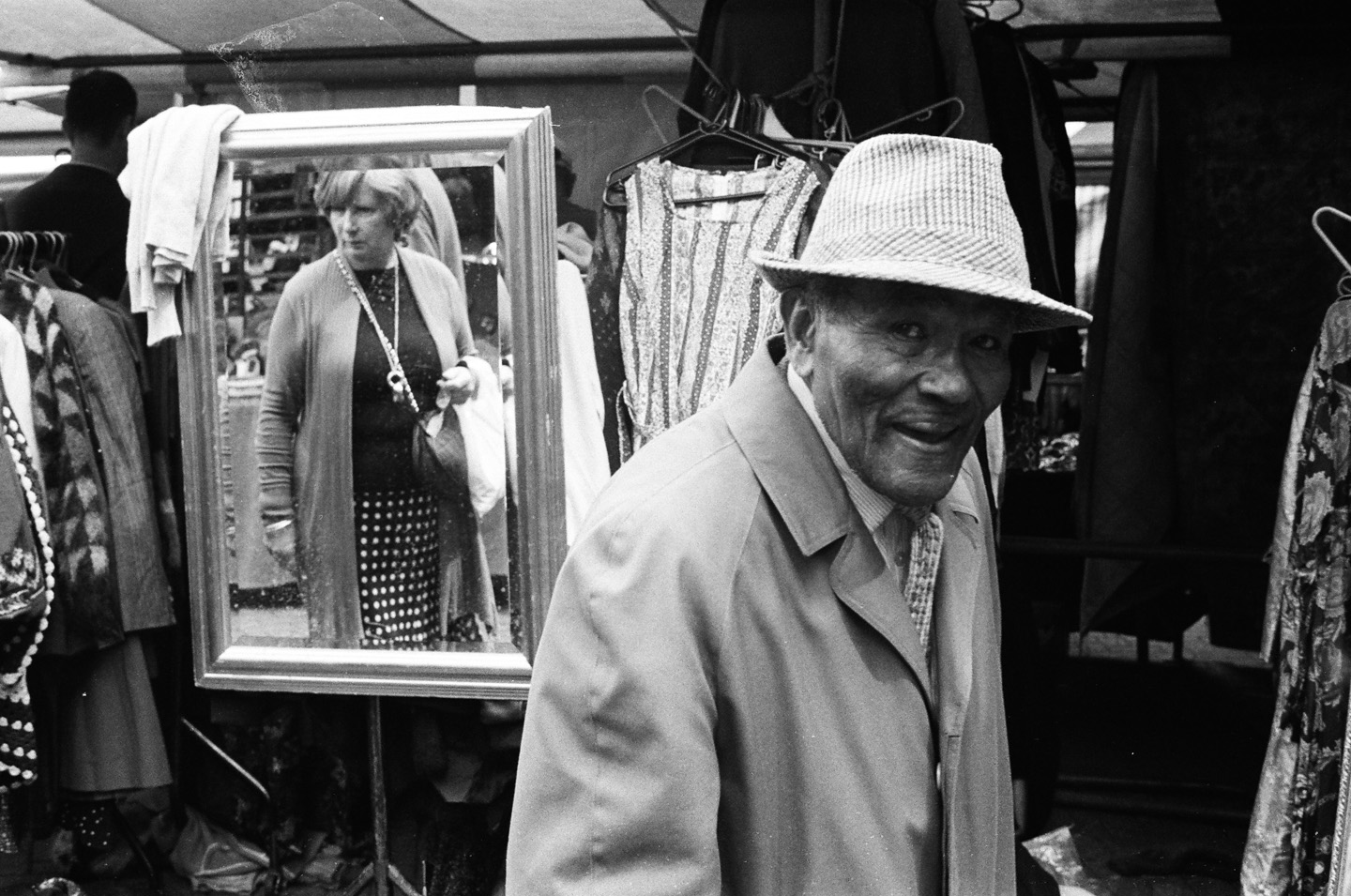
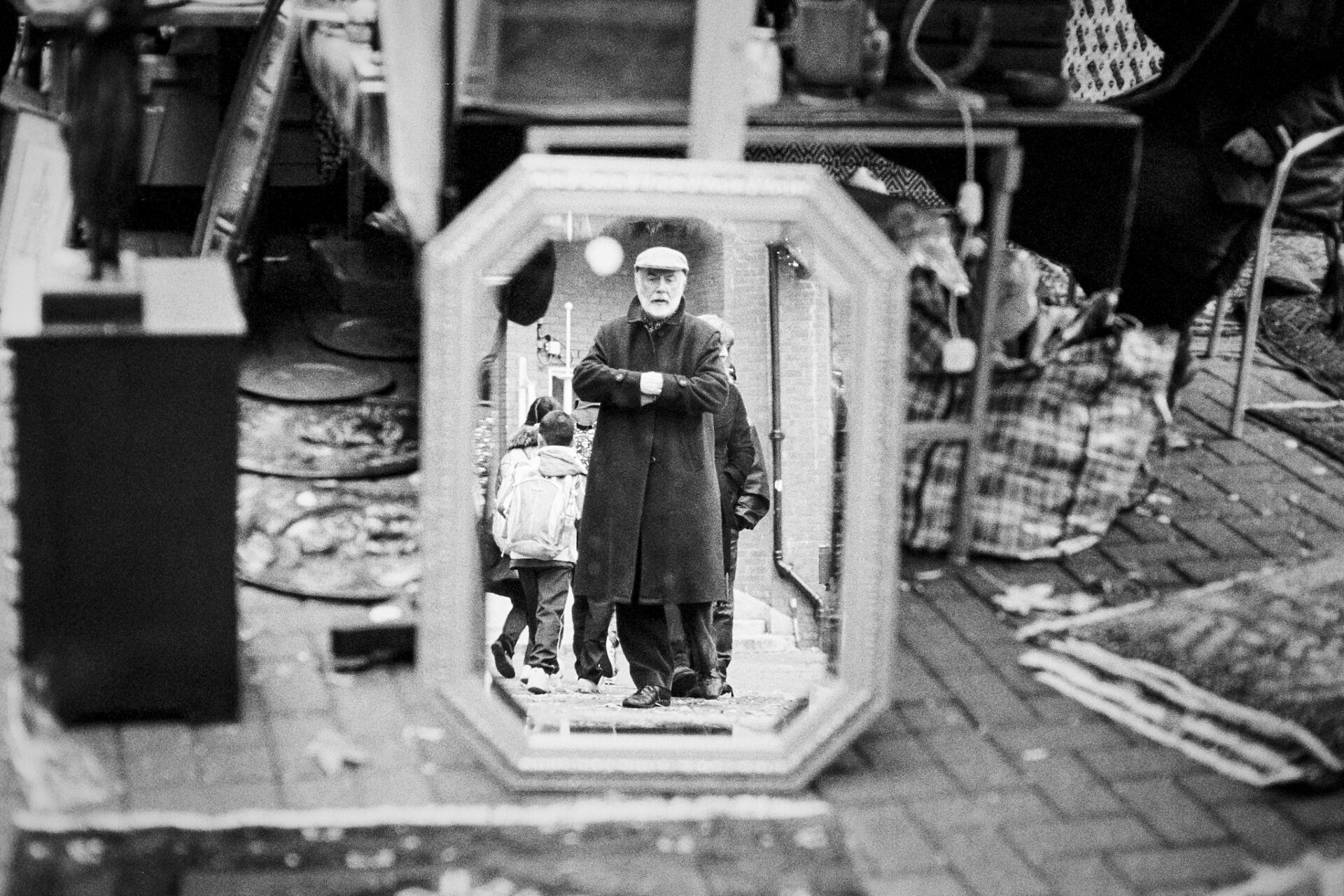
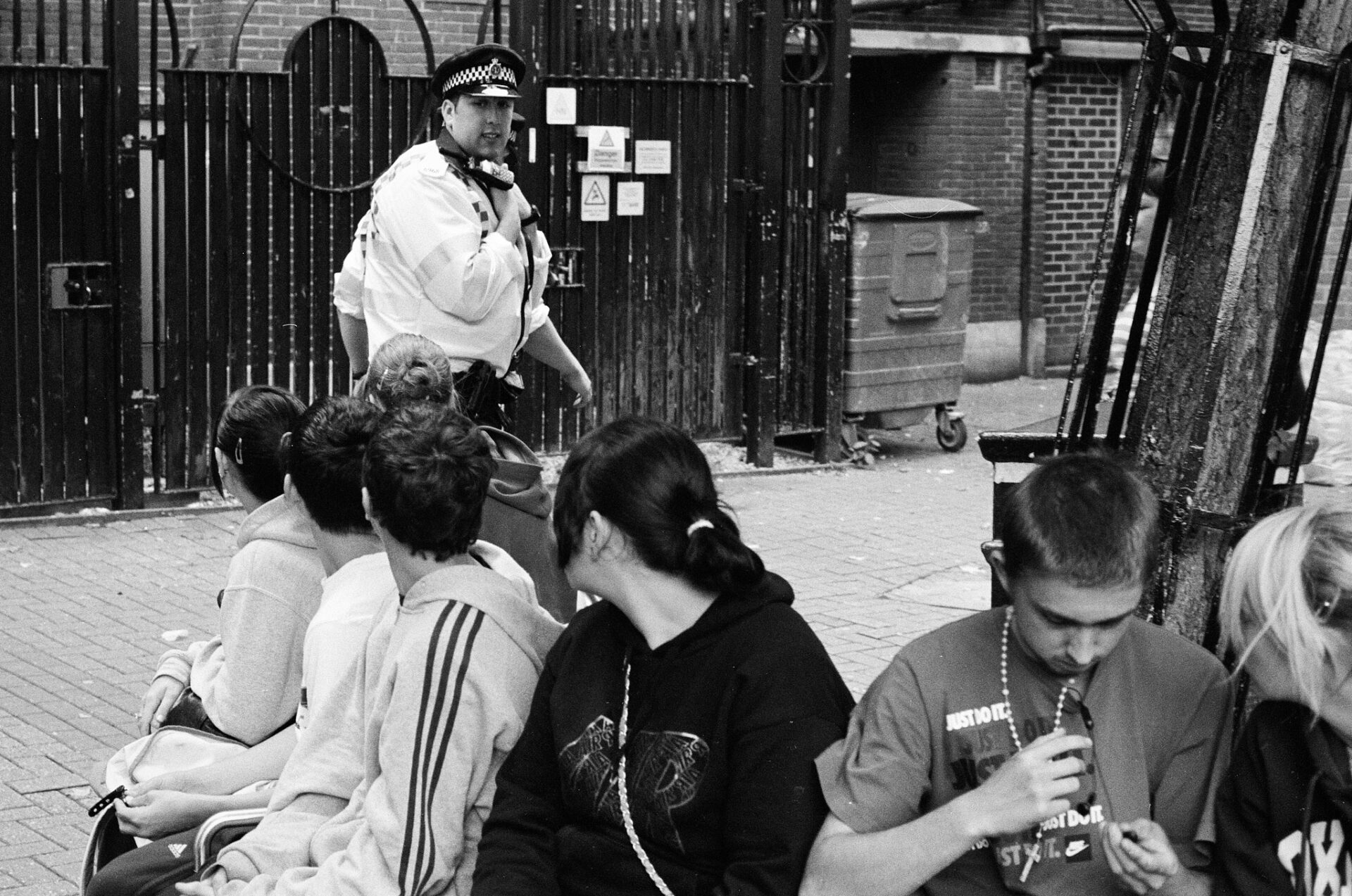
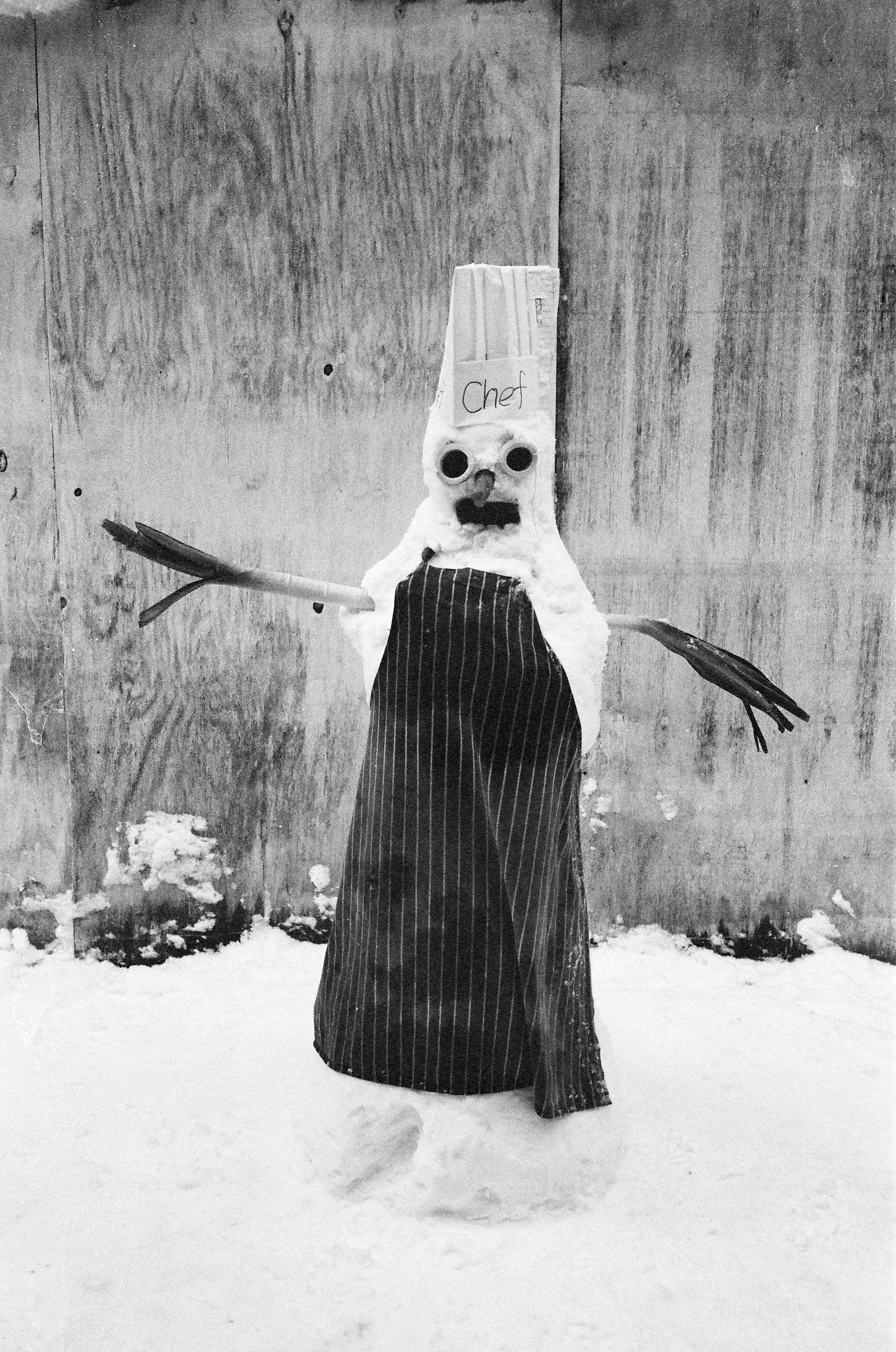
This collection of black-and-white photographs was made between 2005 and 2012 in the city of Oxford, during my time working at a local photo lab. I used my free time—in the early mornings, over lunch breaks and in the evenings—to wander the streets of Oxford, exploring the rhythms of everyday life through traditional street photography.
I was drawn to the quiet poetry of the city—the movement of people through its historic streets, the way light traced walls and pavements, and the fleeting moments framed by its architecture. The series seeks to explore moments of stillness and subtle intensity, capturing the small, often overlooked details that give the city its character, both by day and beneath the glow of night.



ZDAR BOH
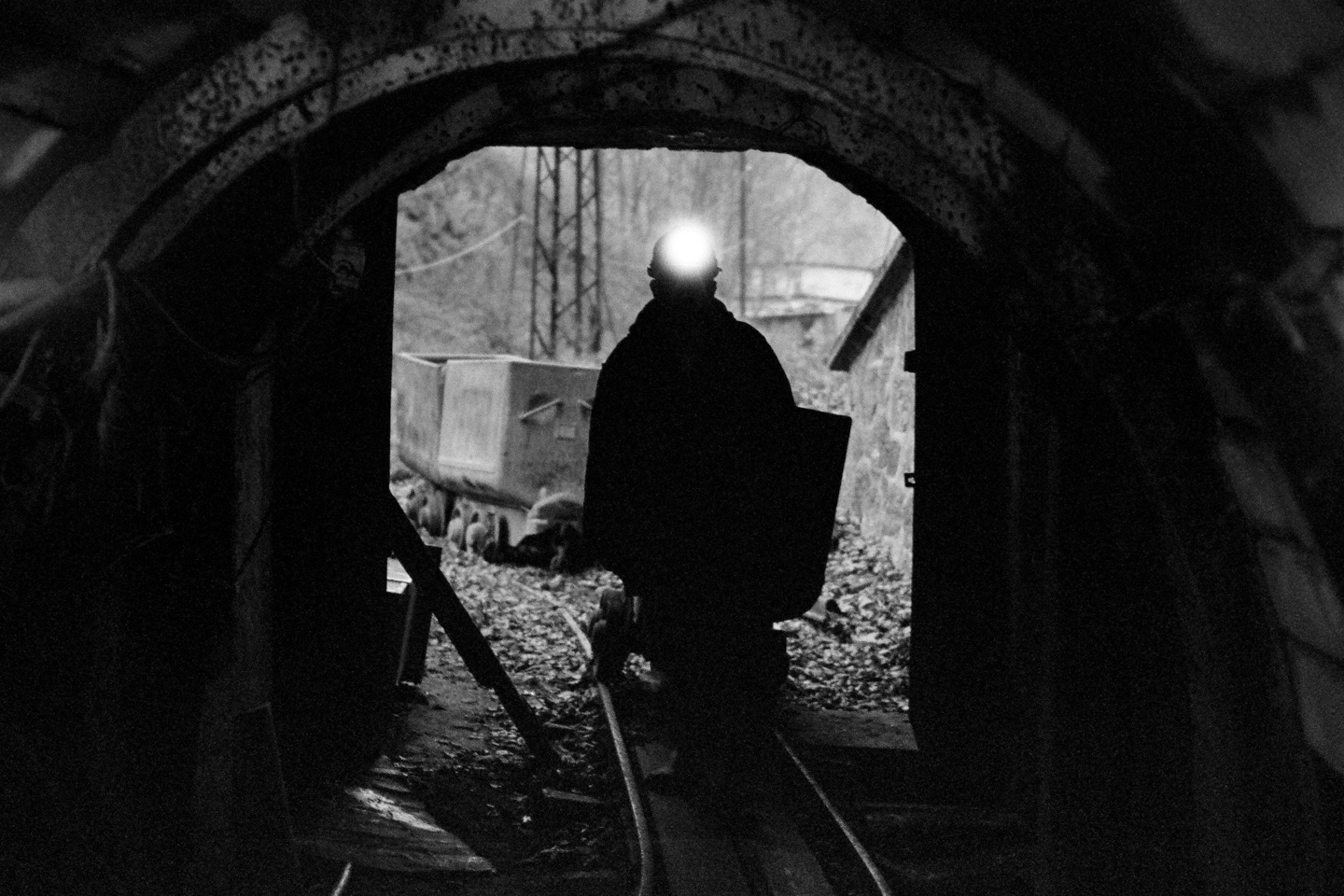
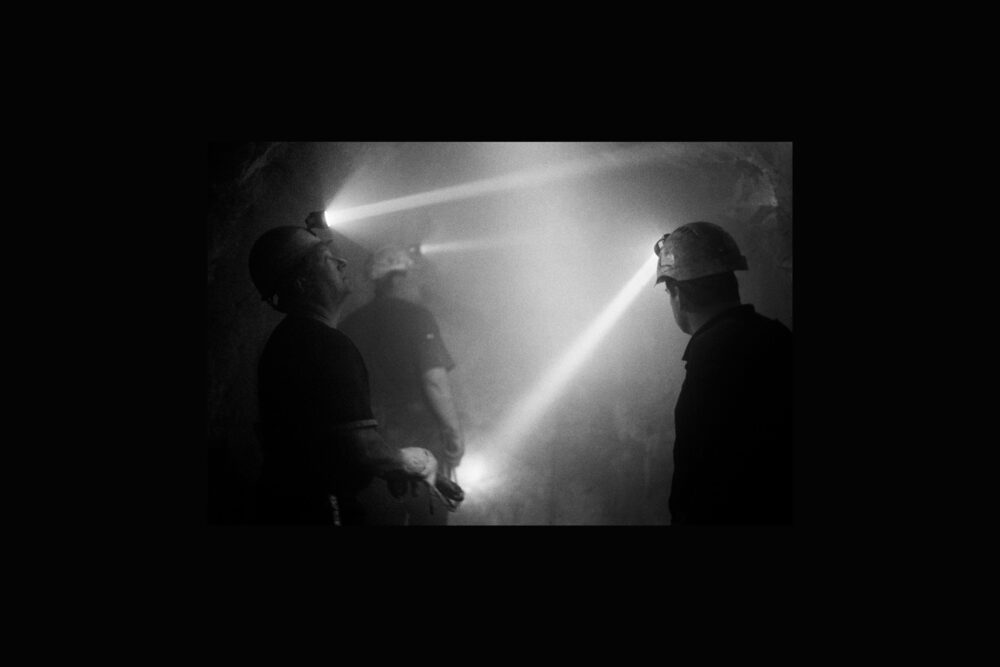
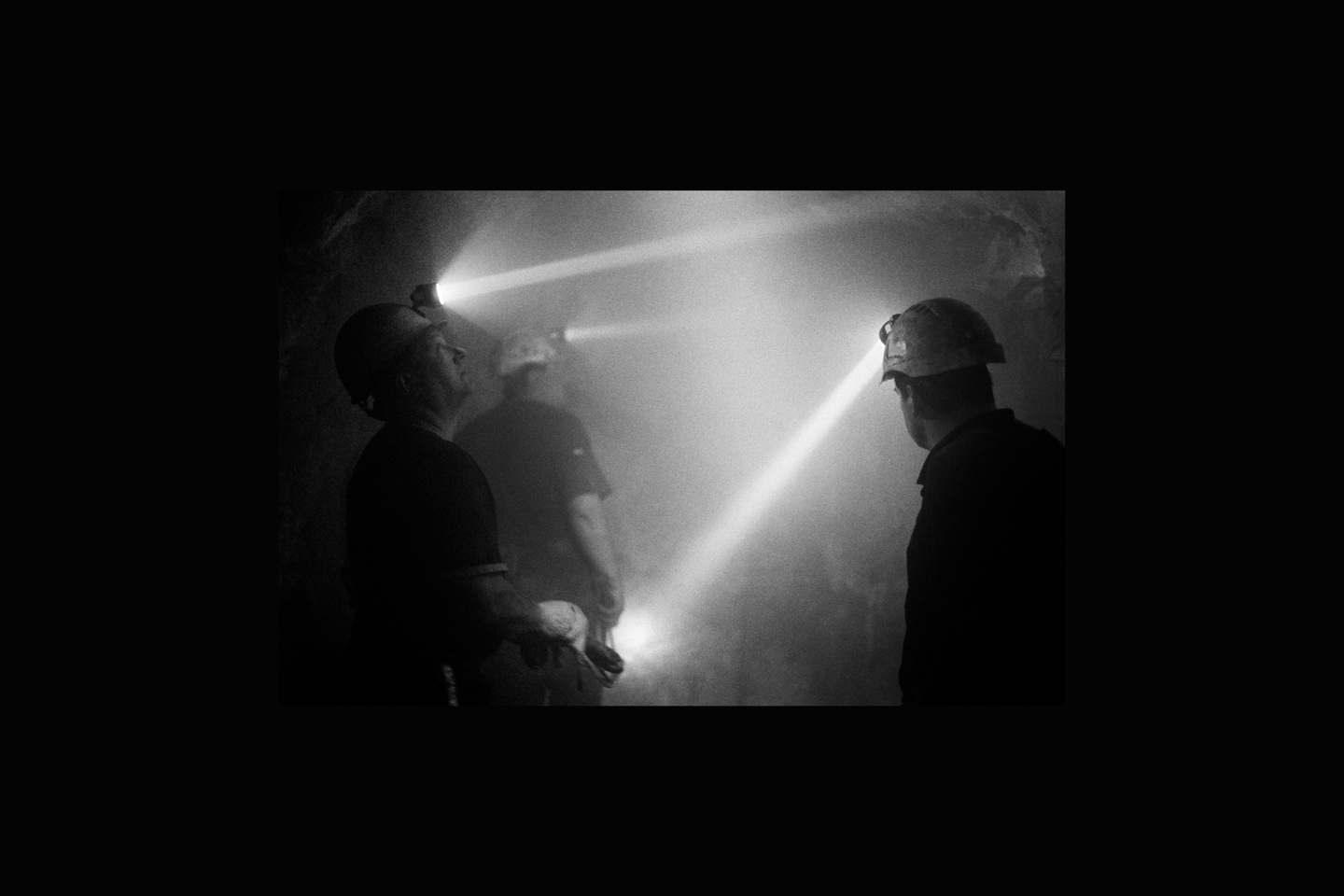
Zdar Boh (2012) is a photographic exploration of the mining community at the Rozália mine in Hodruša-Hámre, in the Štiavnica Mountains of central Slovakia. The Štiavnica Mountains have a centuries-old mining tradition, with documented silver mining dating back to the 13th century. Today, the mining community faces the gradual decline of an industry that has shaped its identity for generations.
Rozália is Slovakia’s last operating metal-ore mine, extracting polymetallic ores containing gold, silver, copper, lead and zinc. This project is personal: my father, Dominik, worked in the mining industry for many years, and through him I came to understand the courage, camaraderie and resilience that define this way of life.
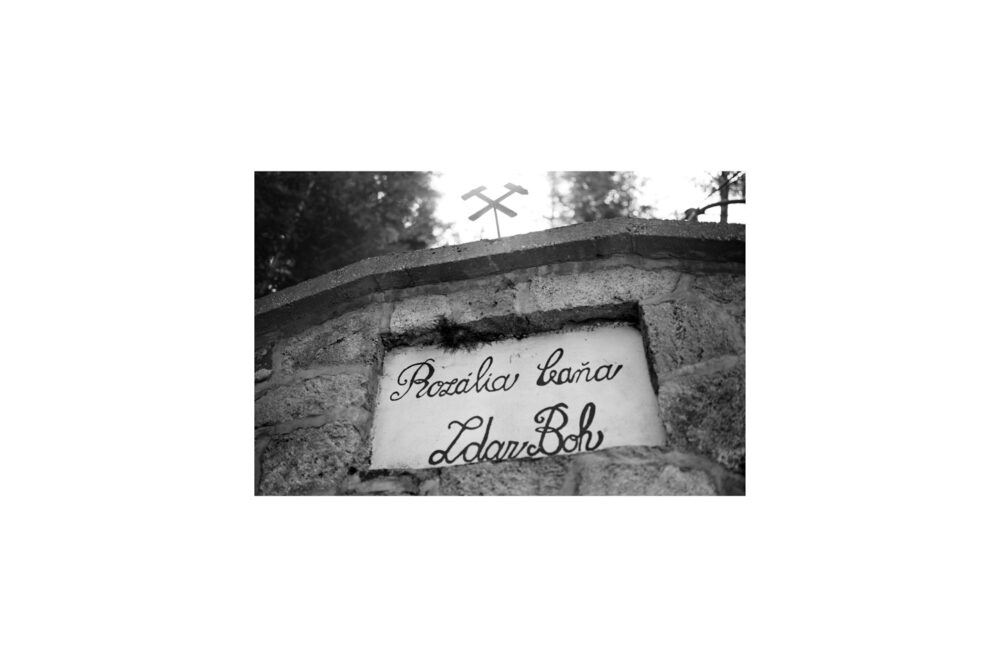
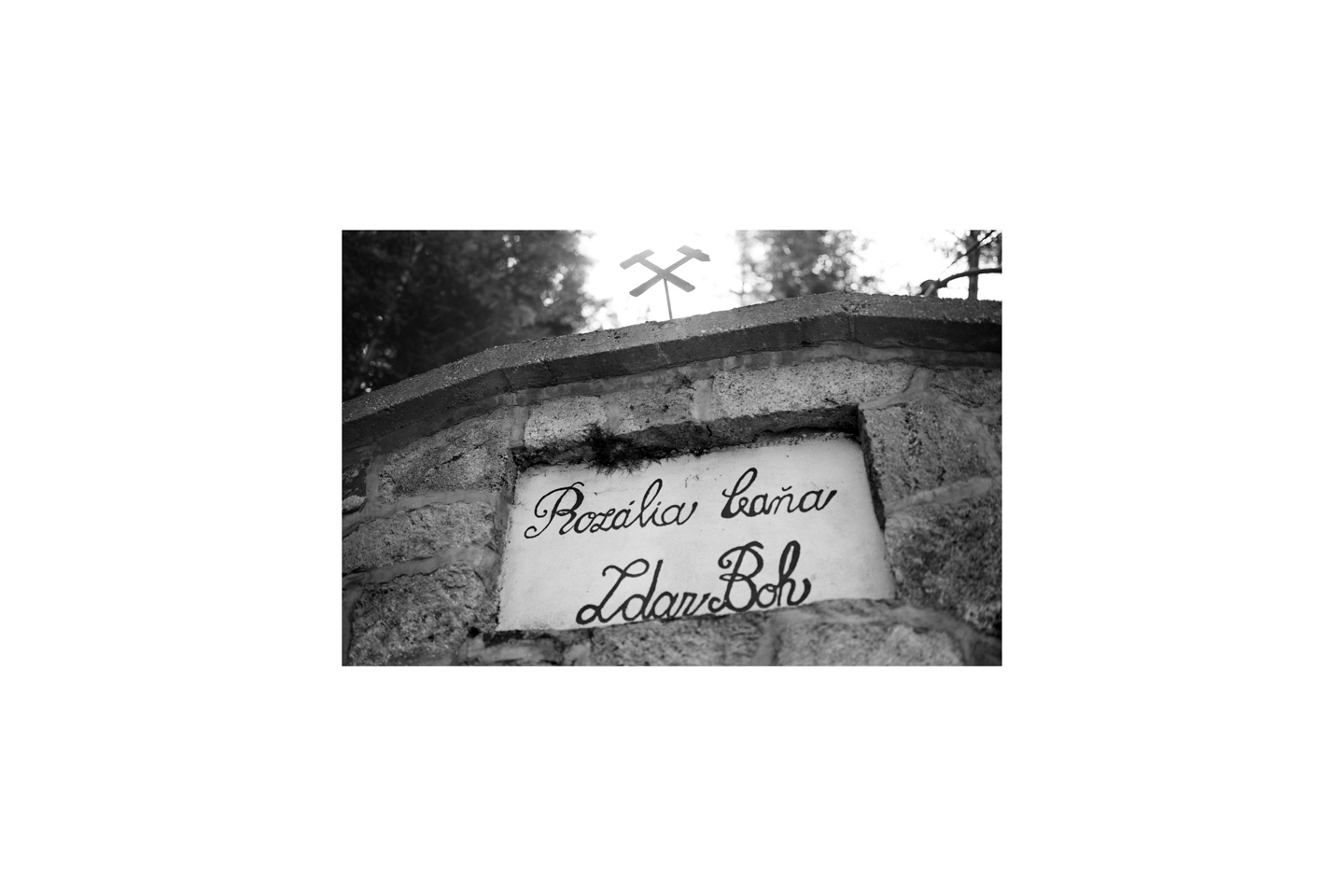
The title, Zdar Boh, is a traditional miners’ greeting used to wish one another good luck and a safe return. Meaning “God be with you”, it embodies both the risks and the solidarity of life underground. These photographs seek to capture not only the labour and skill of the miners, but also the character of a community rooted in centuries of mining tradition.
Zdar Boh
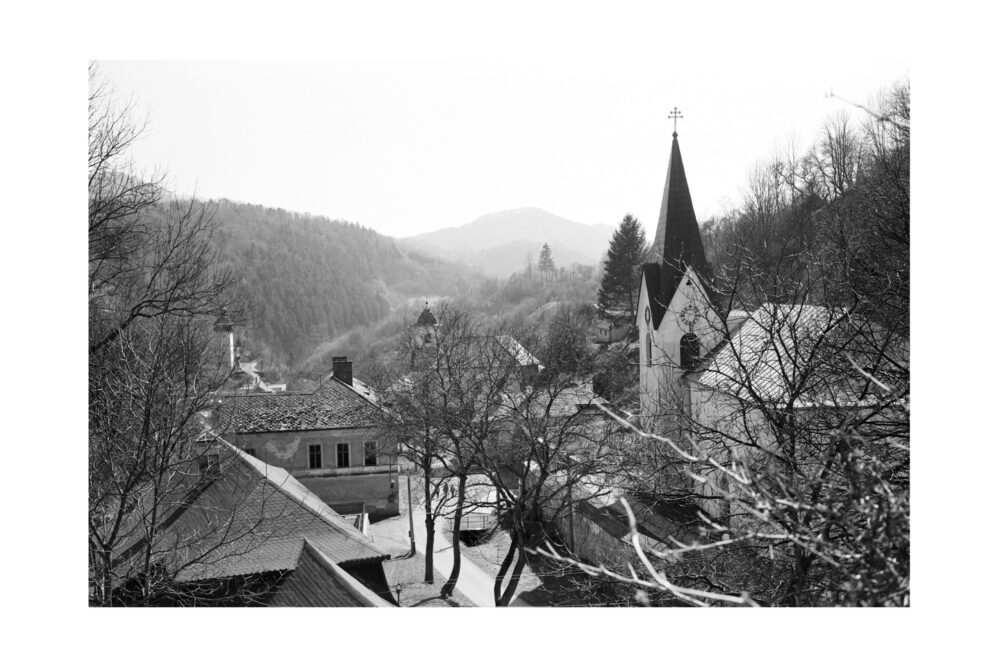
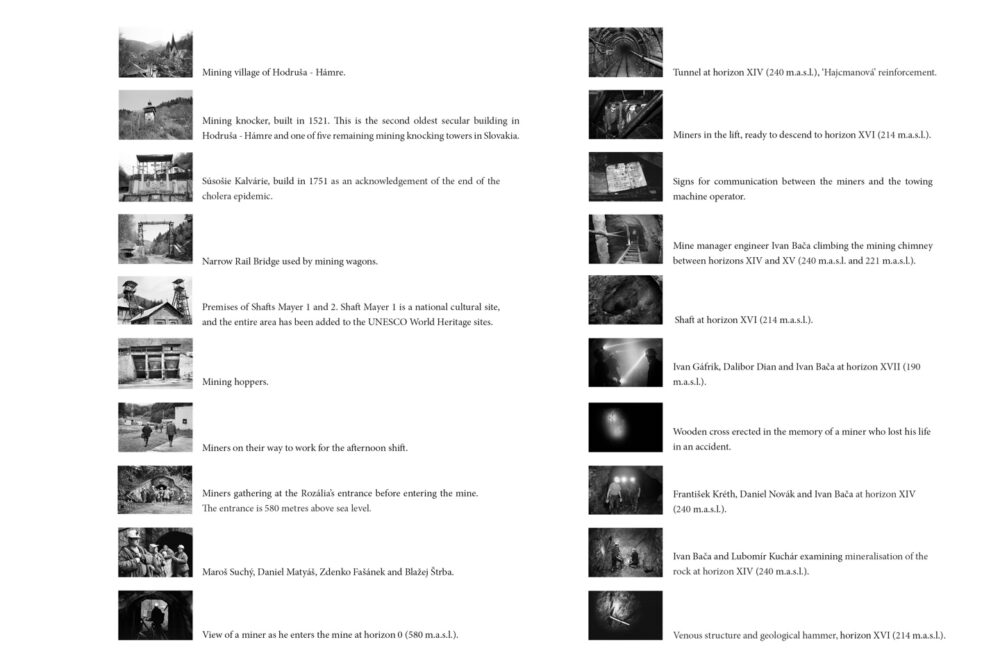
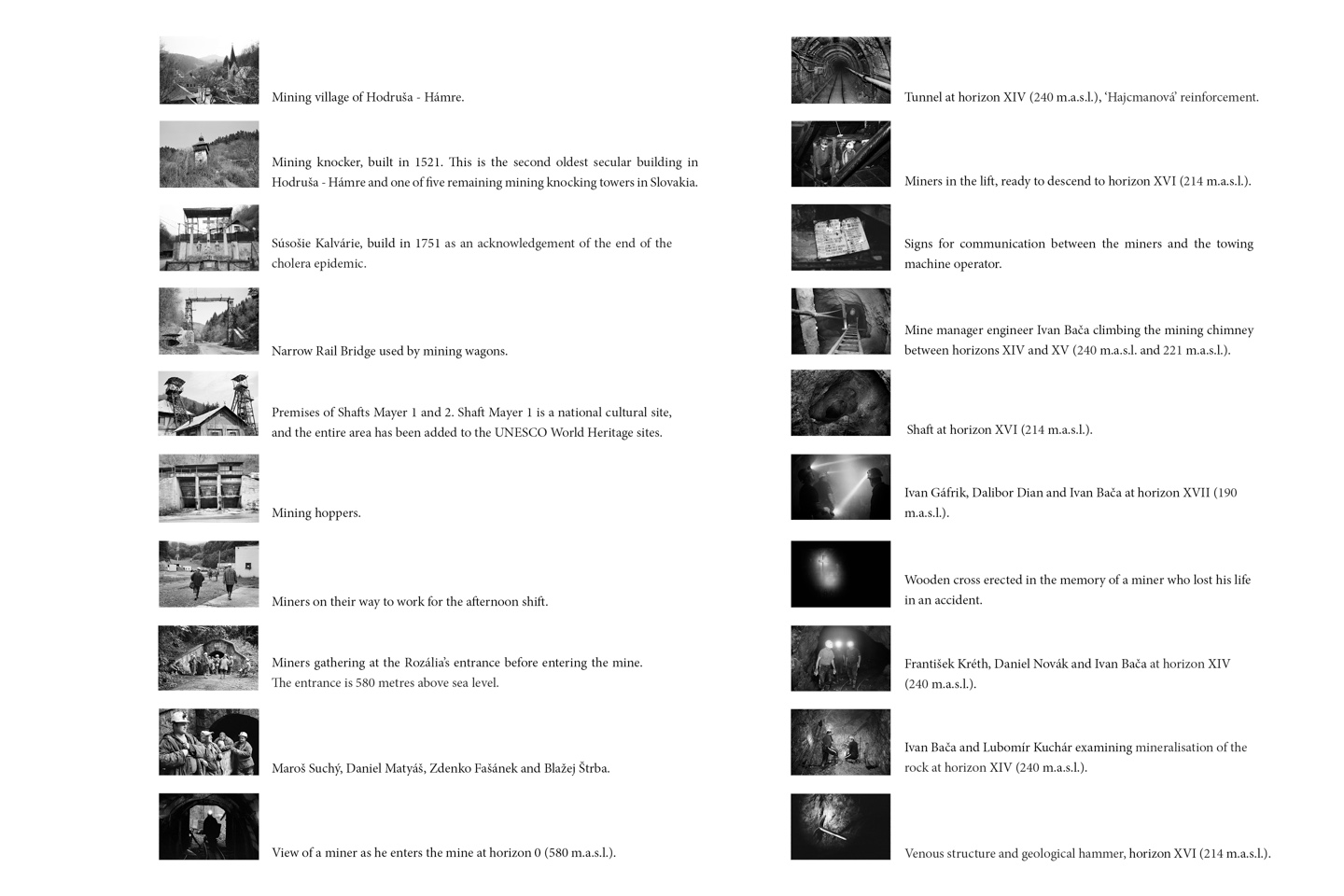
Mining village of Hodruša - Hámre.
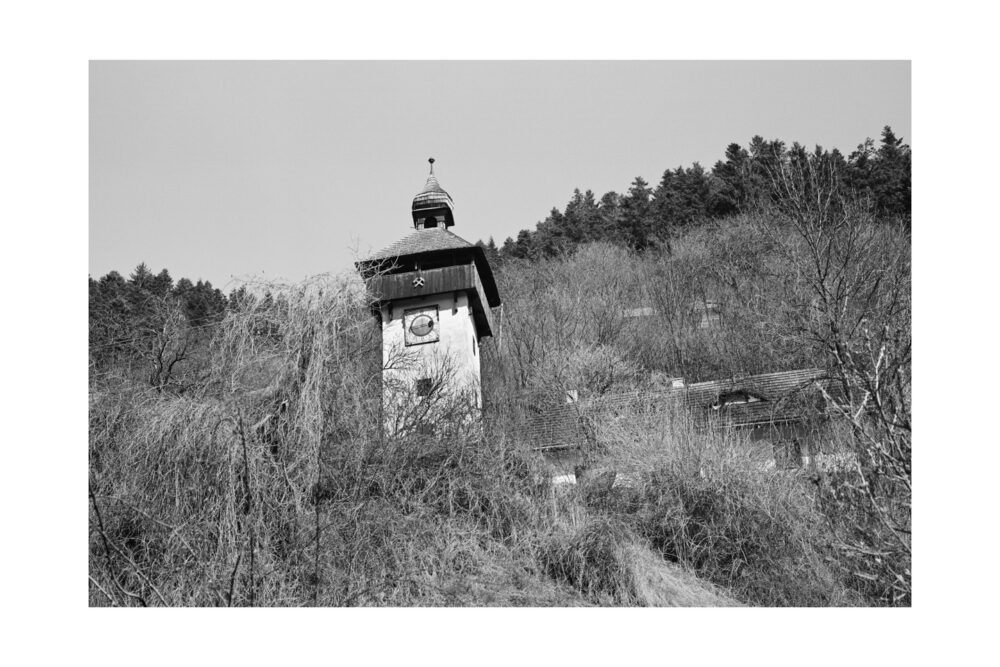
Mining knocker built 1521. This is the second oldest secular building in Hodruša - Hámre and one of five remaining mining knocking towers in Slovakia.
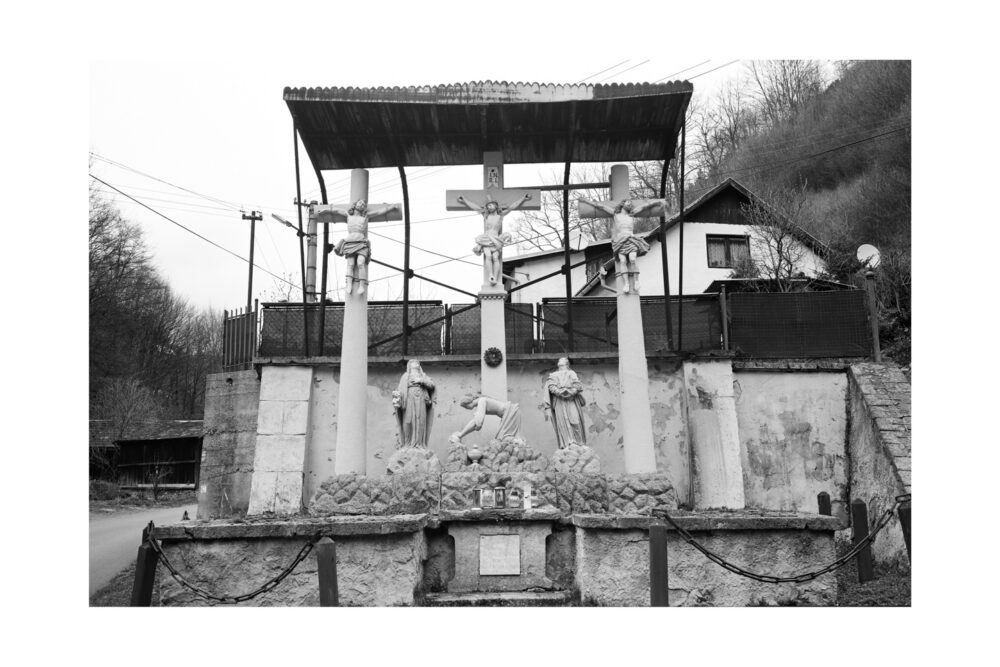
Súsošie Kalvárie, build in 1751 as an acknowledgement of the end of the cholera epidemic.
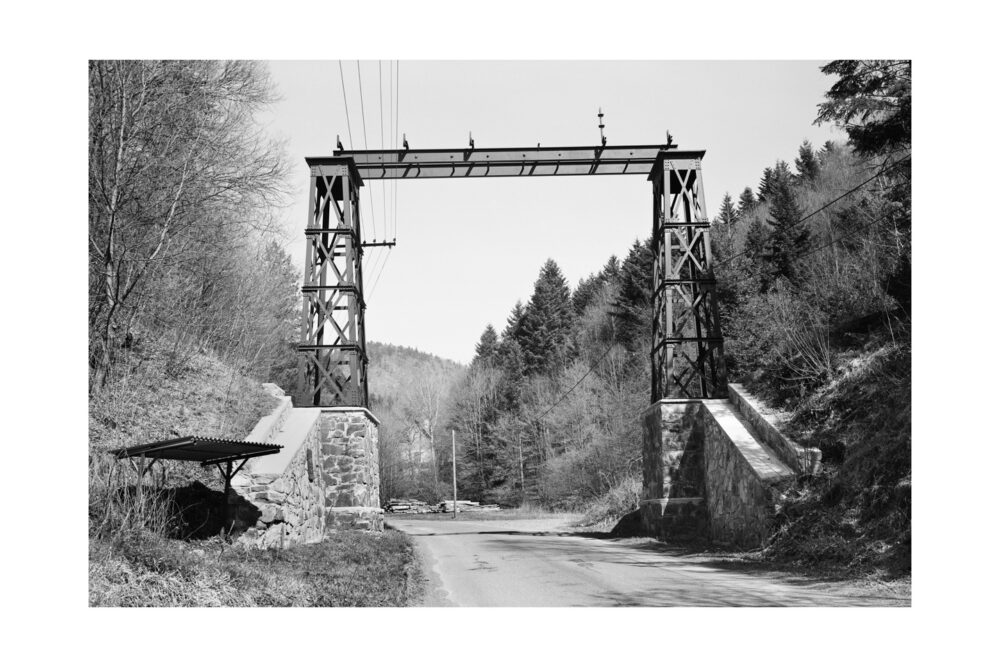
Narrow Rail Bridge used by mining wagons.
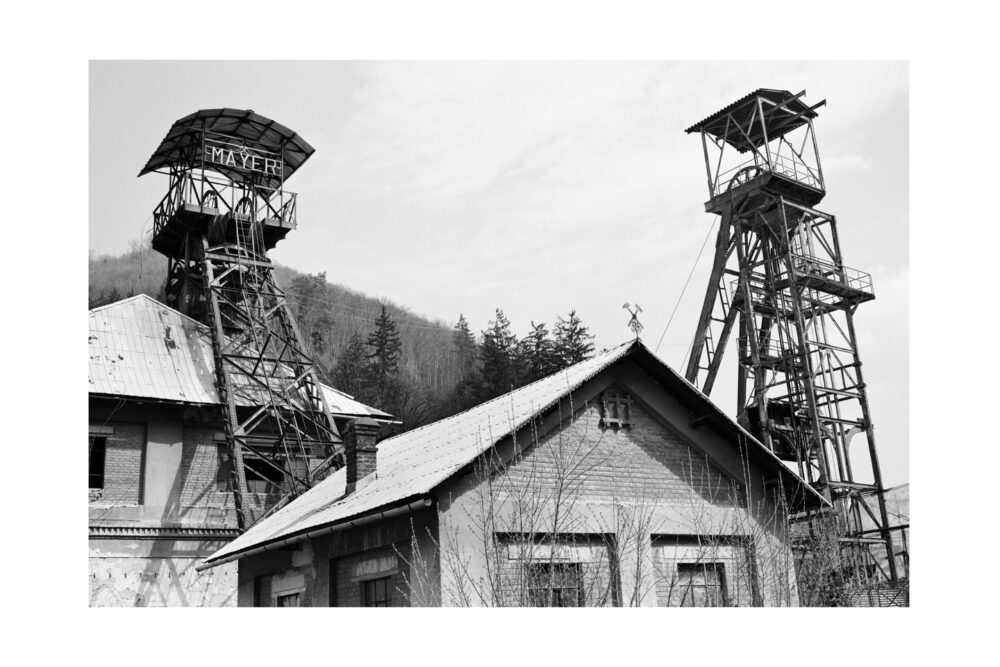
Premises of Shafts Mayer 1 and 2. Shaft Mayer 1 is a national cultural site, and the entire area has been added to the UNESCO World Heritage sites.
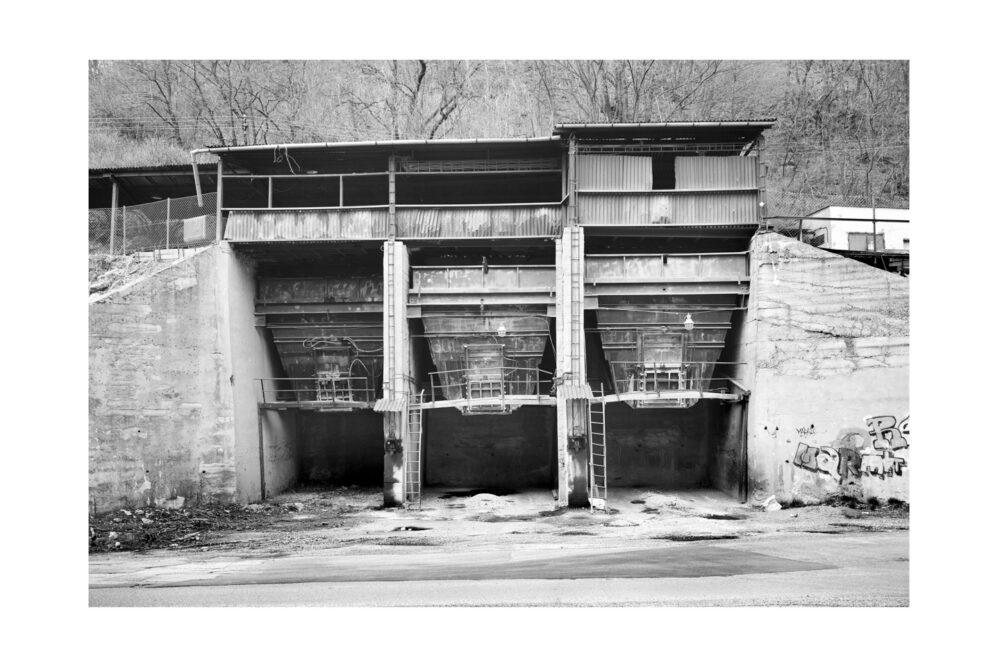
Mining hoppers.
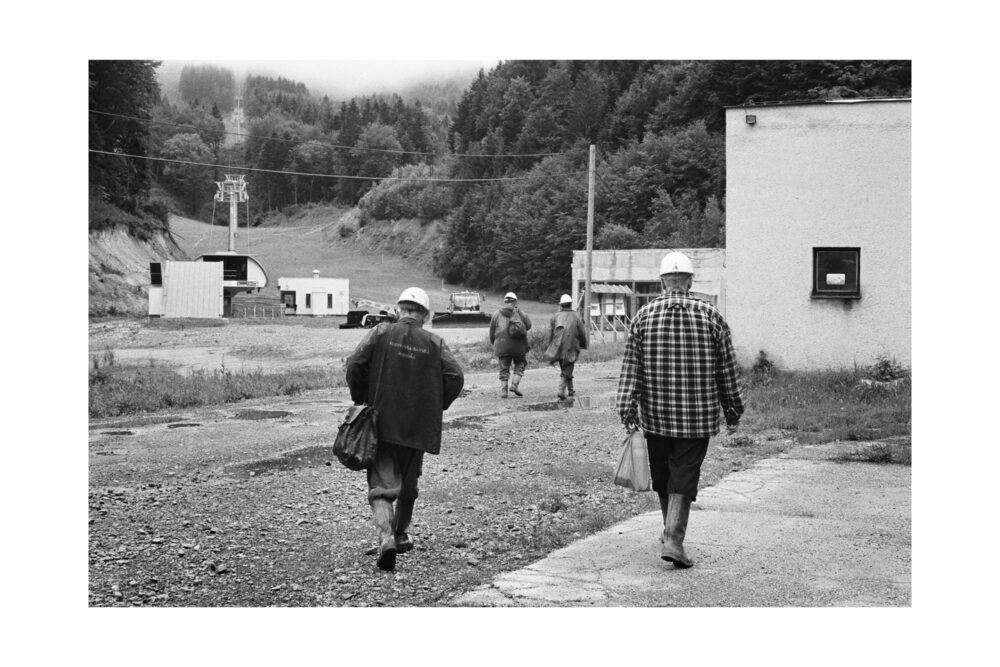
Miners on their way to work for the afternoon shift.
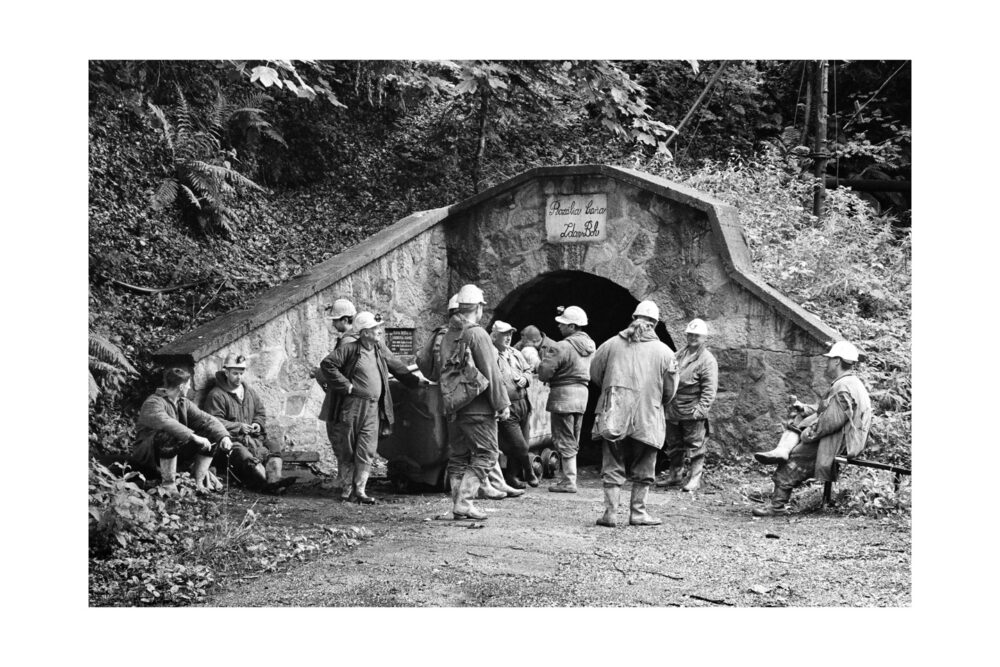
Miners gathering at the Rozália’s entrance before entering the mine. The entrance is 580 metres above sea level.
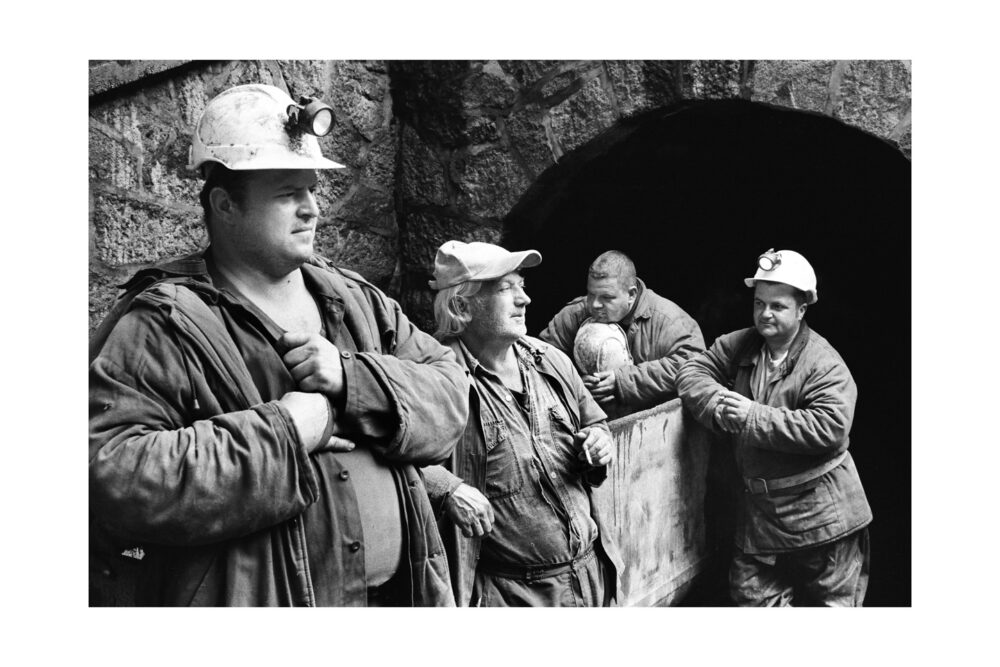
Maroš S., Daniel M., Zdenko F. and Blažej Š.
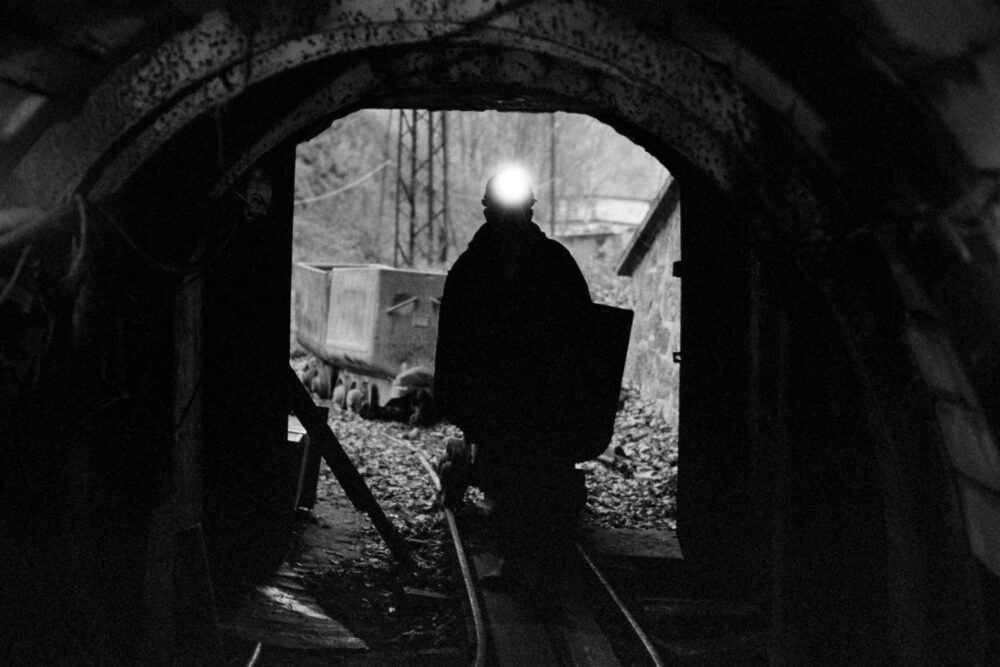
View of a miner as he enters the mine at horizon 0 (580 m.a.s.l.).
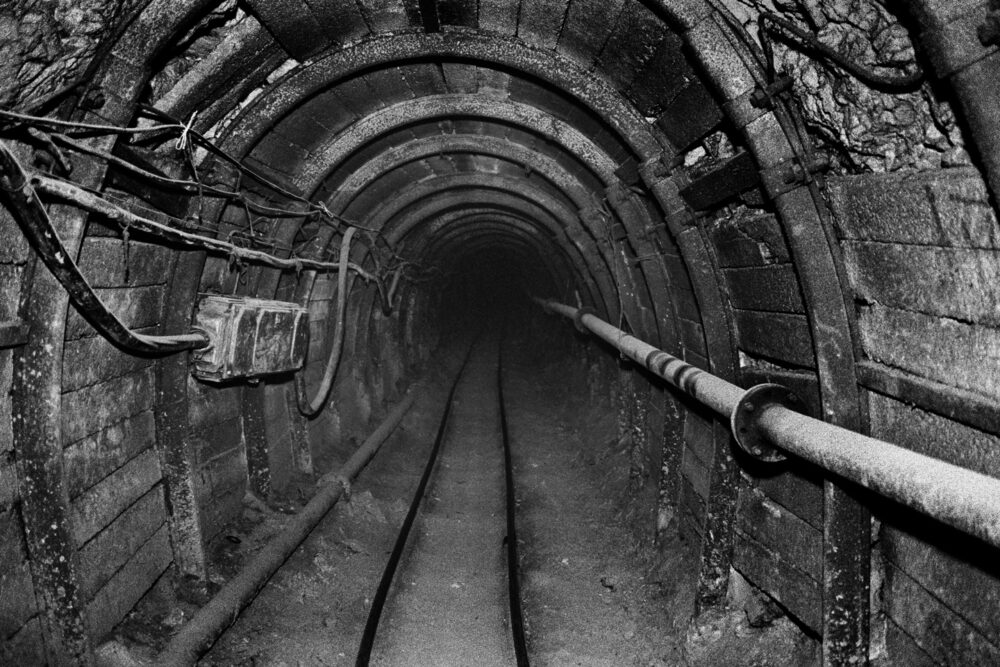
Tunnel at horizon XIV (240 m.a.s.l.), ‘Hajcmanová’ reinforcement.
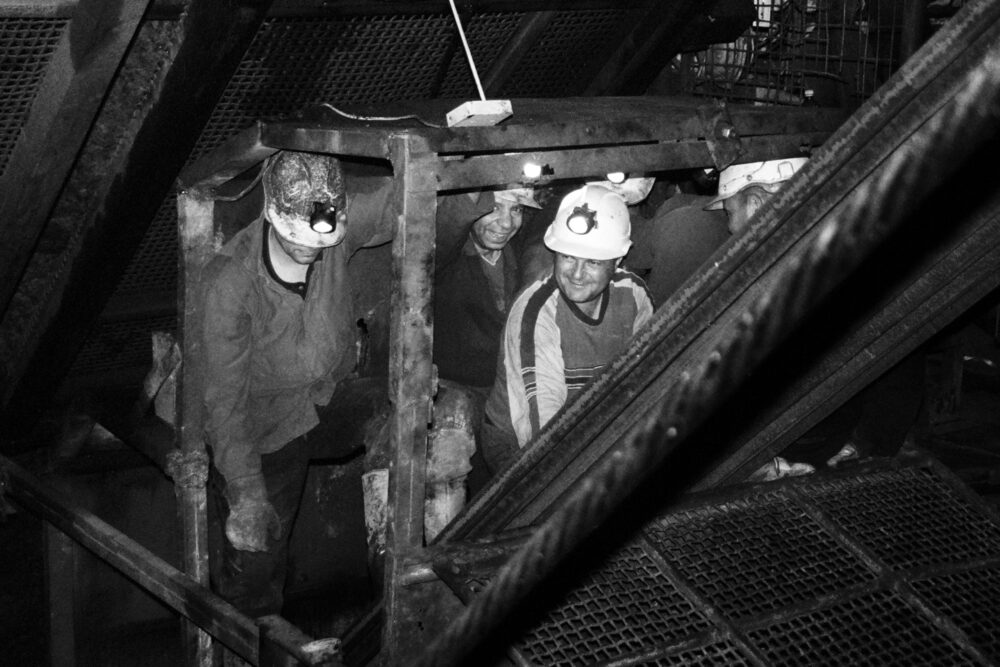
Miners in the lift, ready to descend to horizon XVI (214 m.a.s.l.).
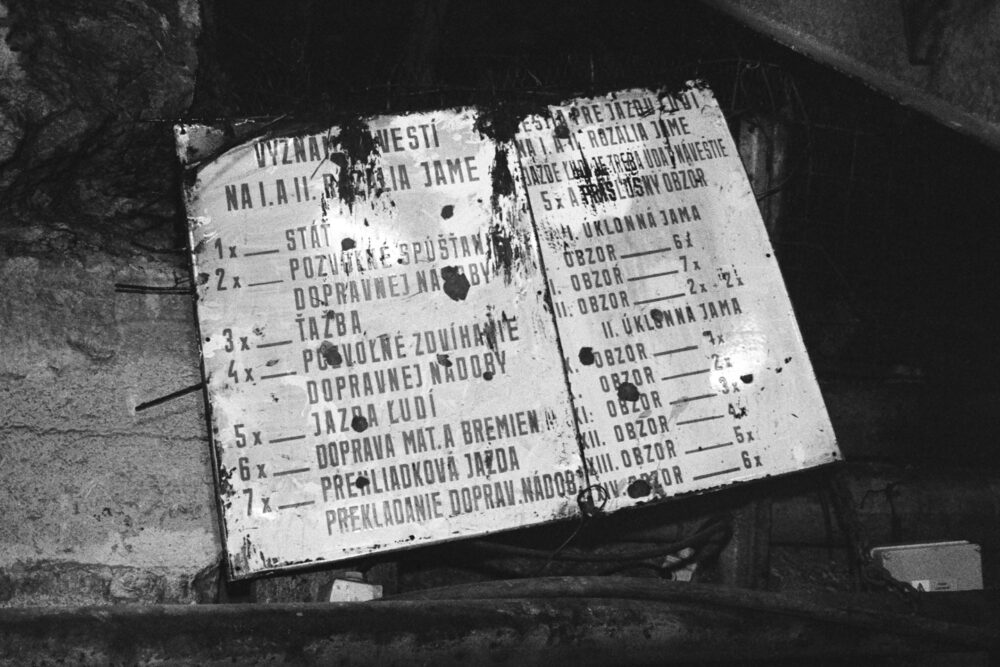
Signs for communication between the miners and the towing machine operator.
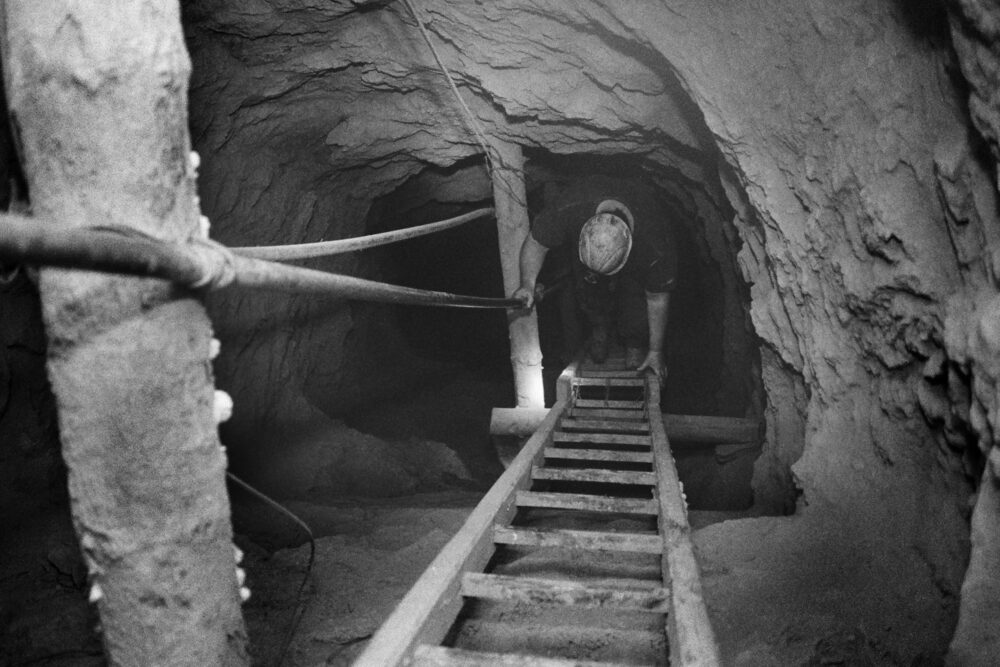
Mine manager engineer Ivan B. climbing the mining chimney between horizons XIV and XV (240 m.a.s.l. and 221 m.a.s.l.).
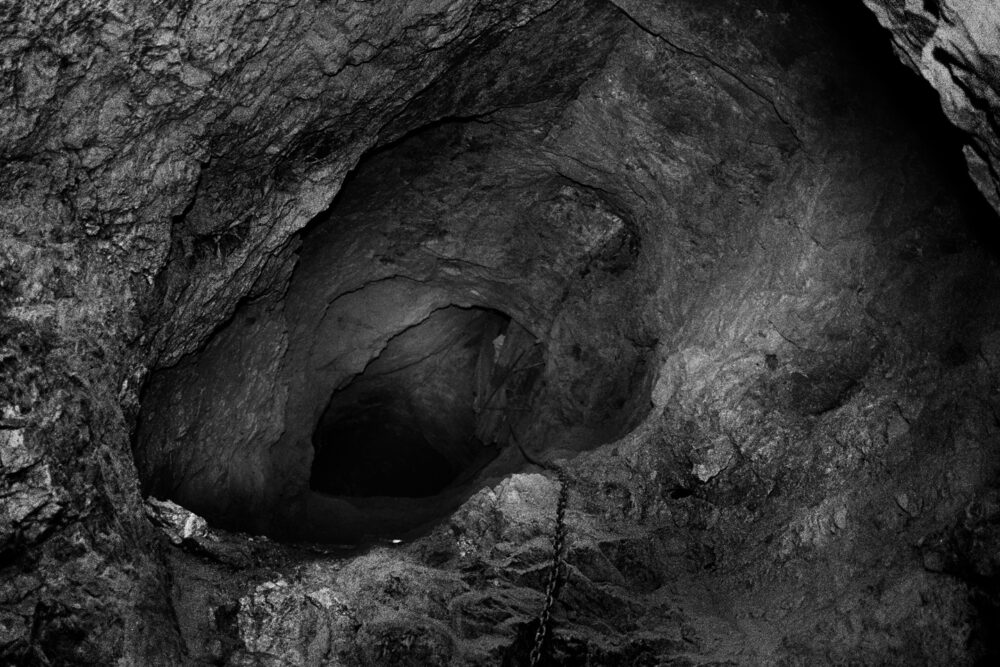
Shaft at horizon XVI (214 m.a.s.l.).
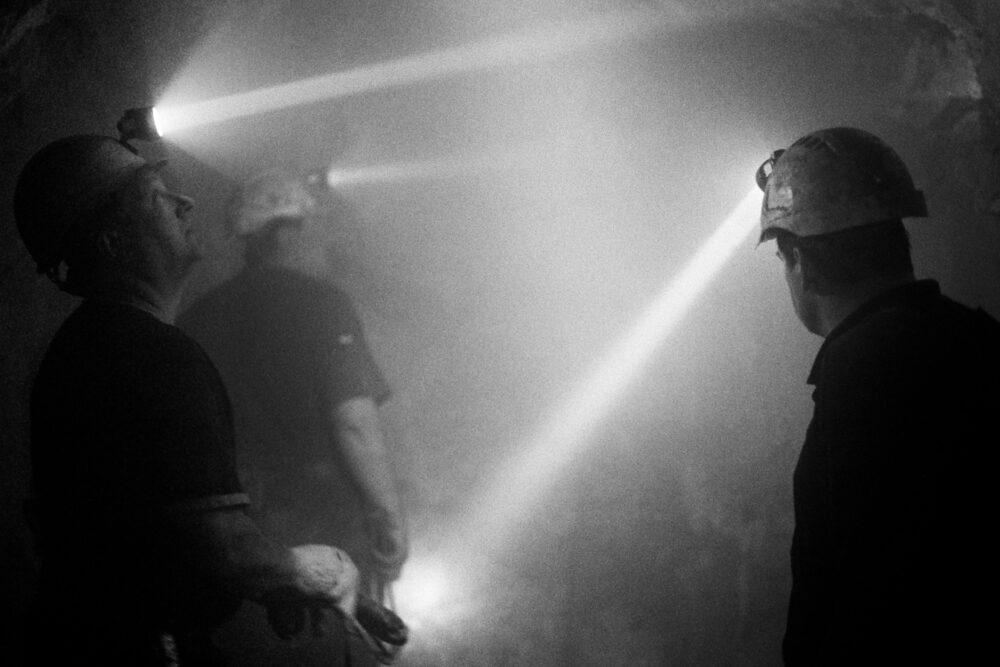
Ivan G. Dalibor D. and Ivan B. at horizon XVII (190 m.a.s.l.).
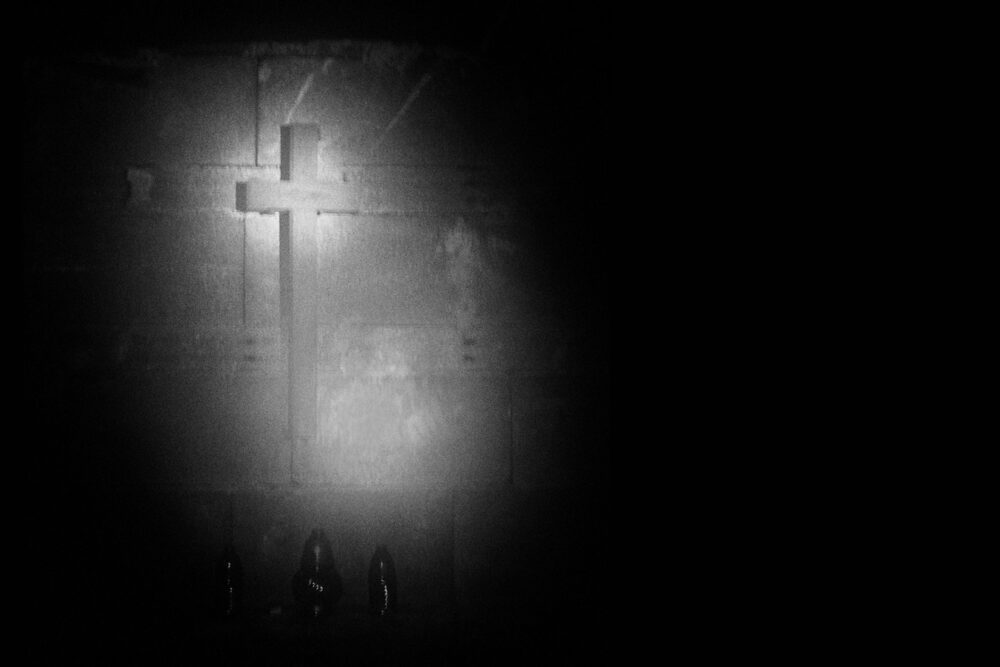
Wooden cross erected in the memory of a miner who lost his life in an accident.
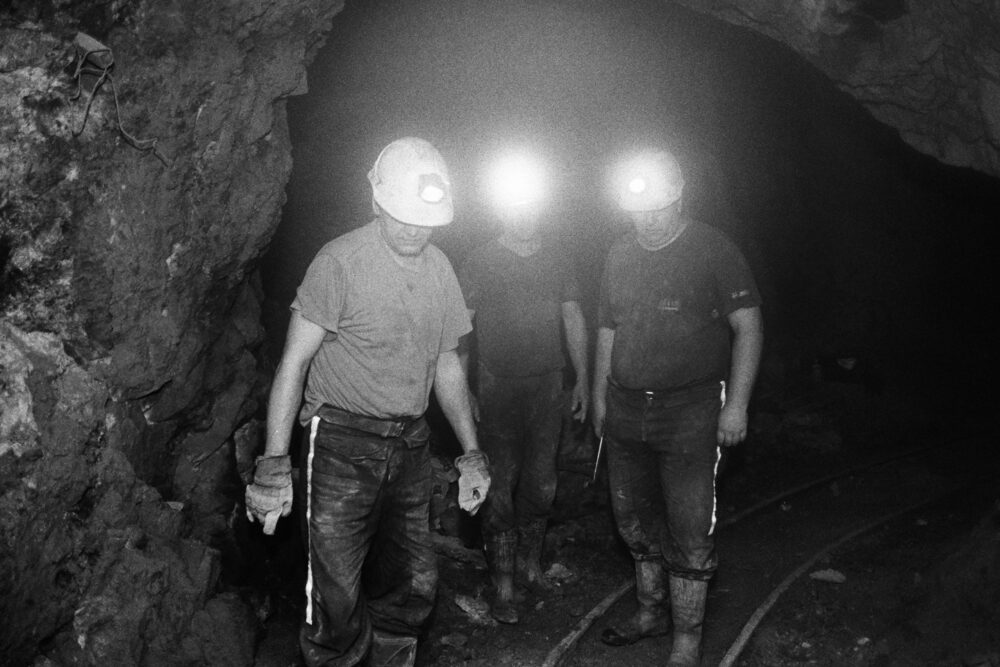
František K. Daniel N. and Ivan B. at horizon XIV (240 m.a.s.l.).
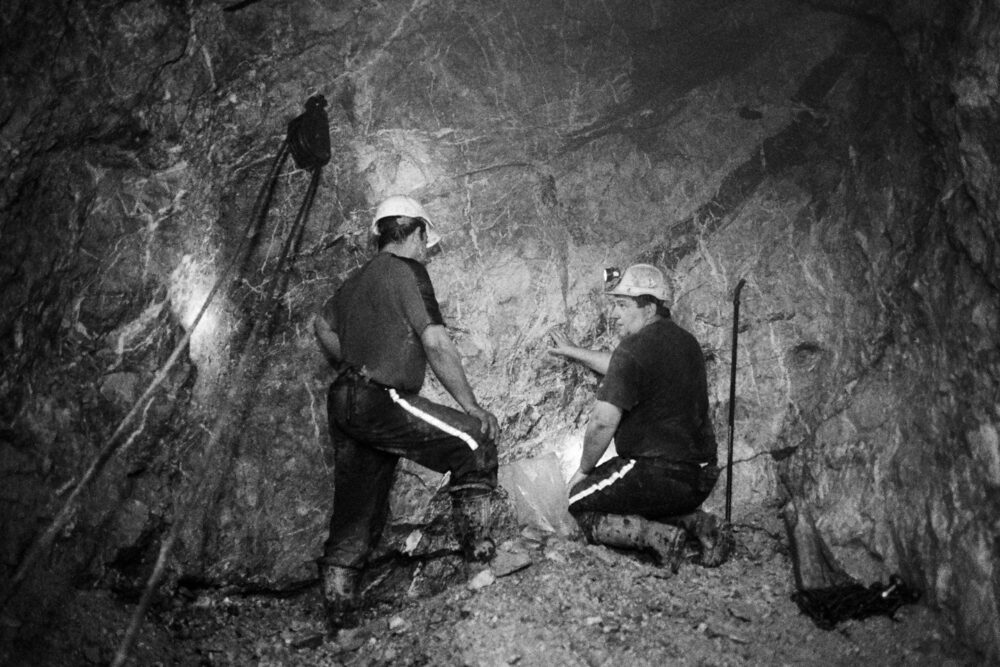
Ivan B. and Lubomír K. examining mineralisation of the rock at horizon XIV (240 m.a.s.l.).
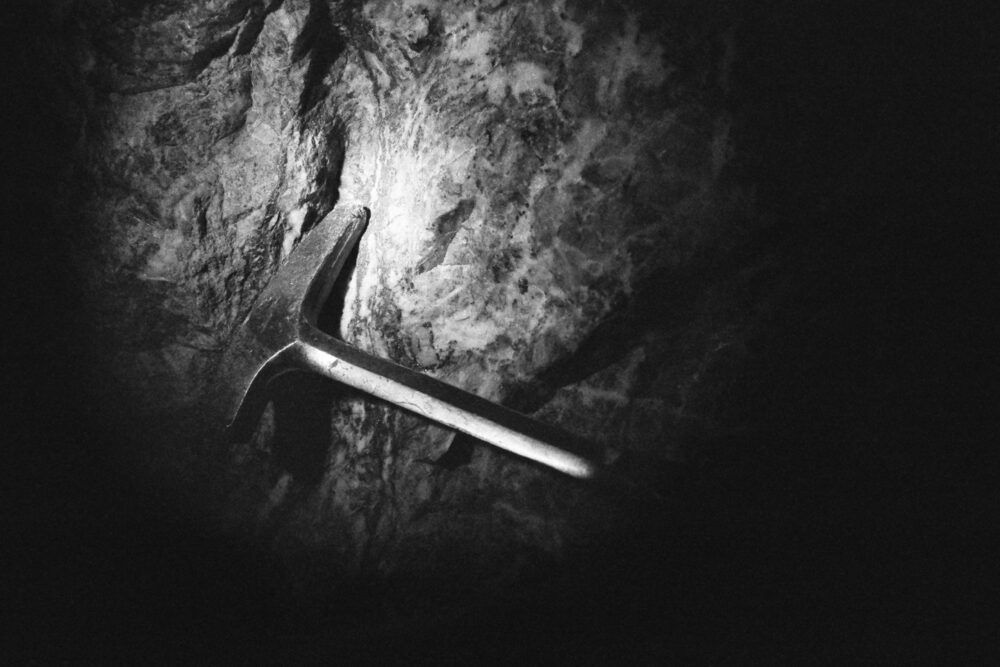
Venous structure and geological hammer, horizon XVI (214 m.a.s.l.).
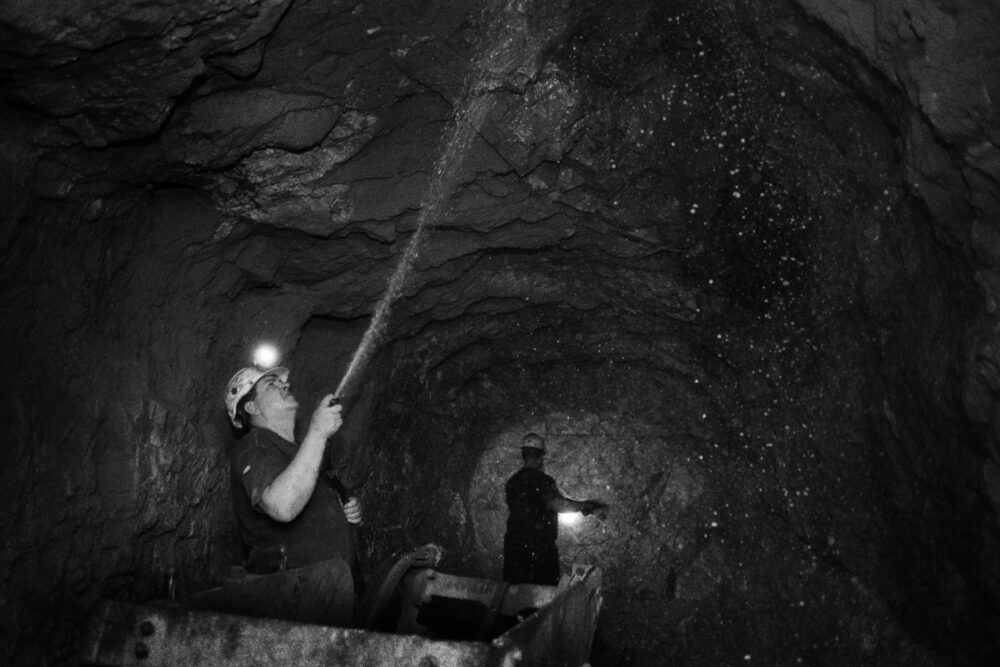
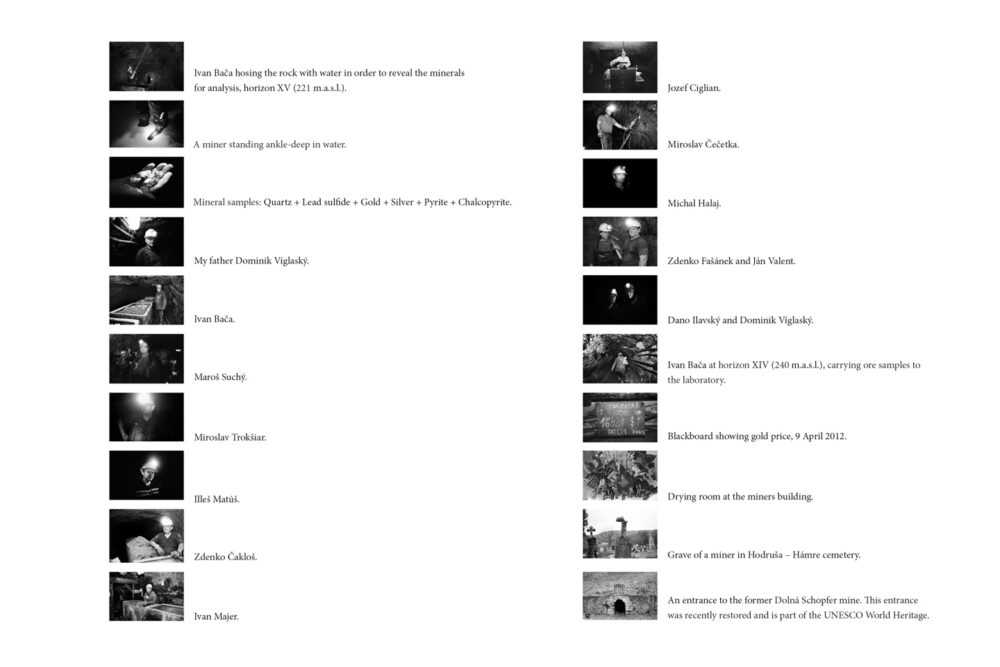
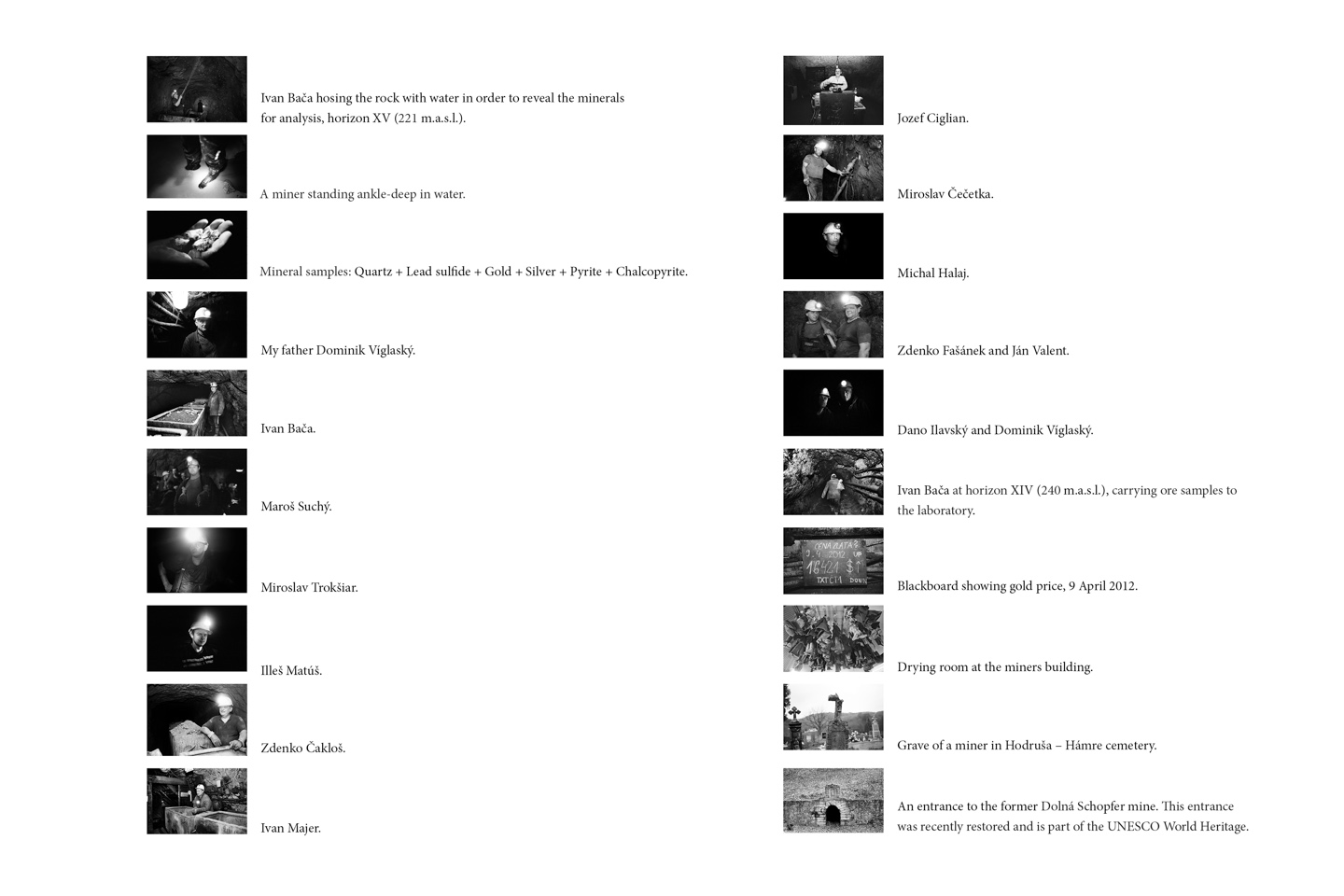
Ivan B. hosing the rock with water in order to reveal the minerals for analysis, horizon XV (221 m.a.s.l.).
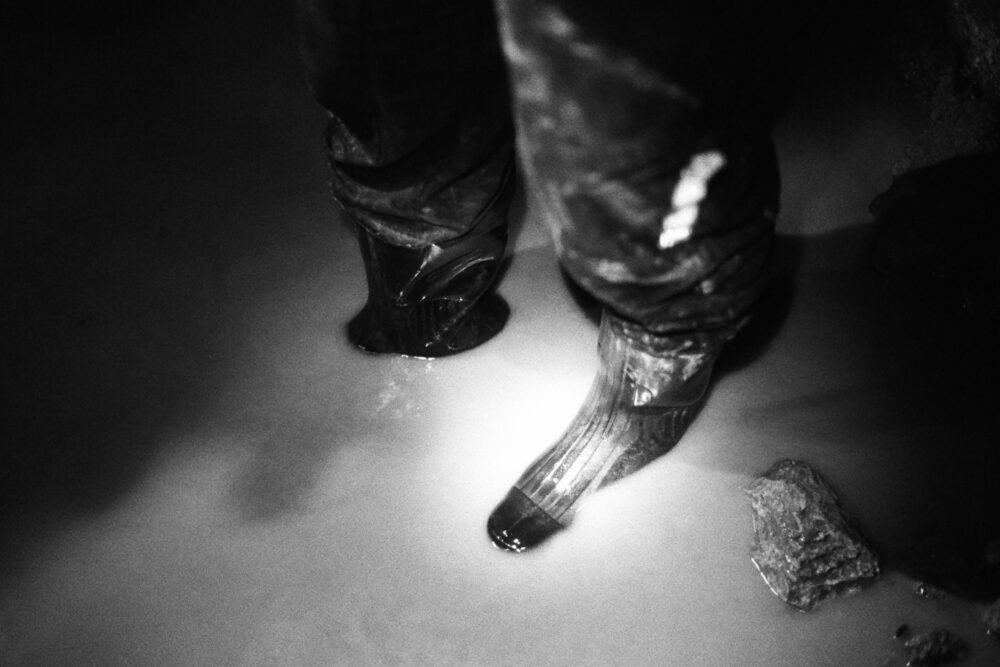
A miner standing ankle-deep in water.
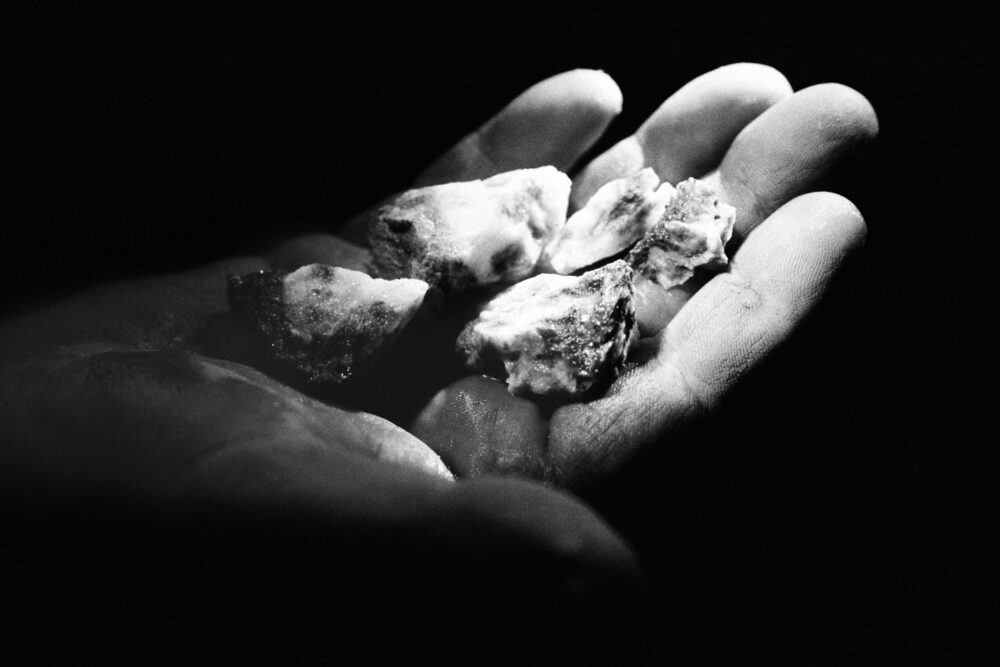
Mineral samples: Quartz + Lead sulfide + Gold + Silver + Pyrite + Chalcopyrite.
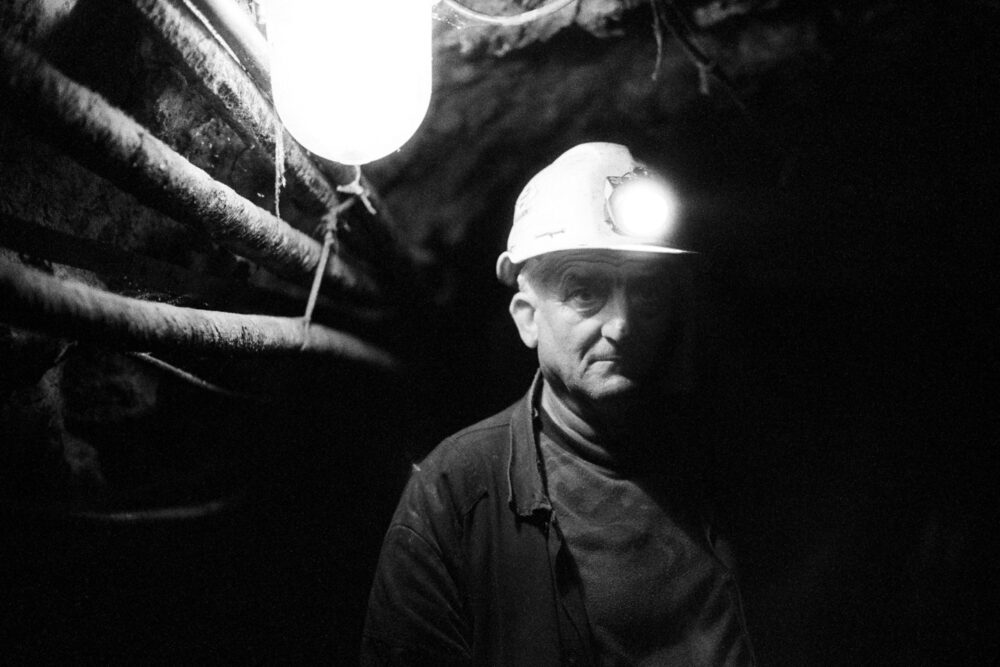
My father Dominik Víglaský.
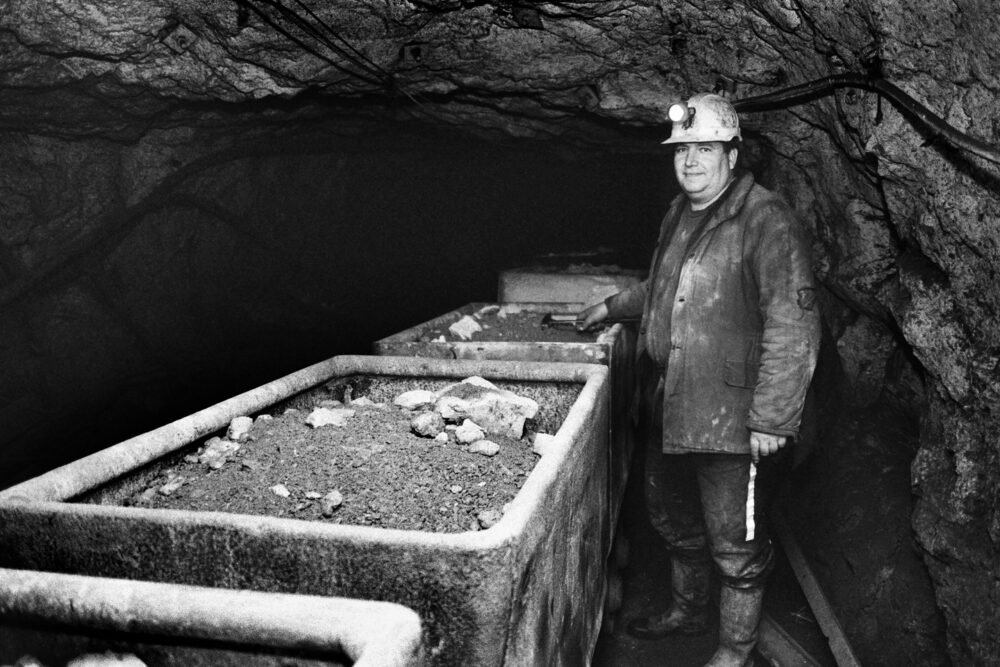
Ivan B.
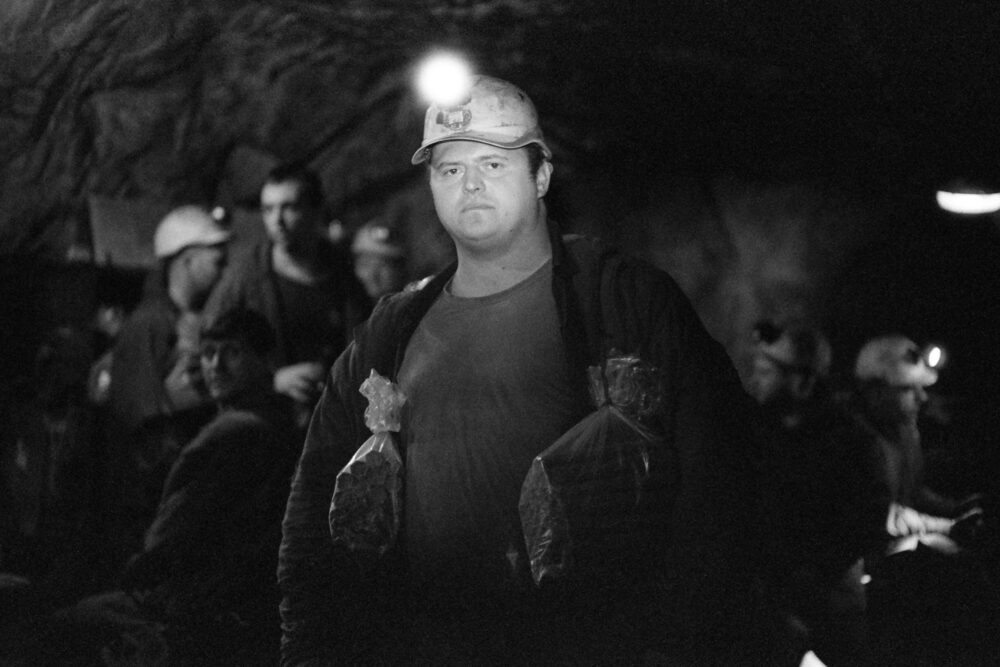
Maroš S.
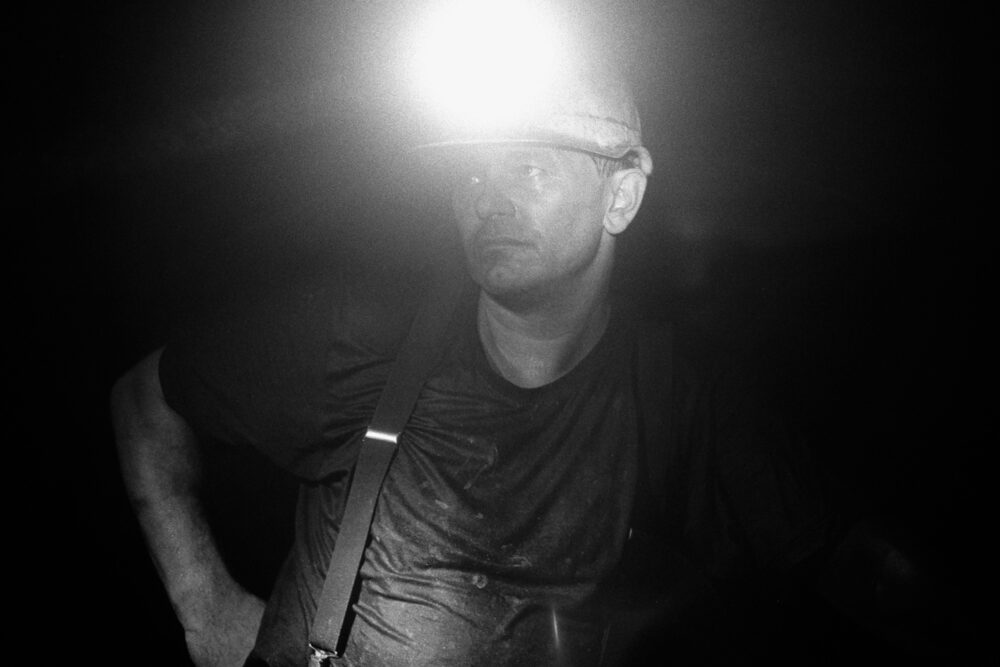
Miroslav T.
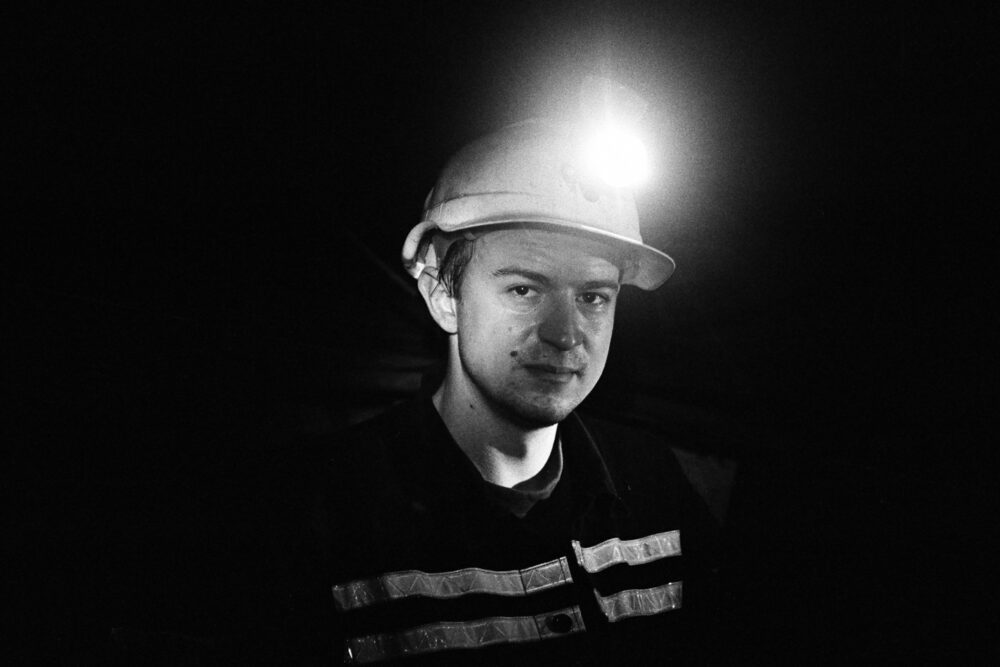
Illeš M.
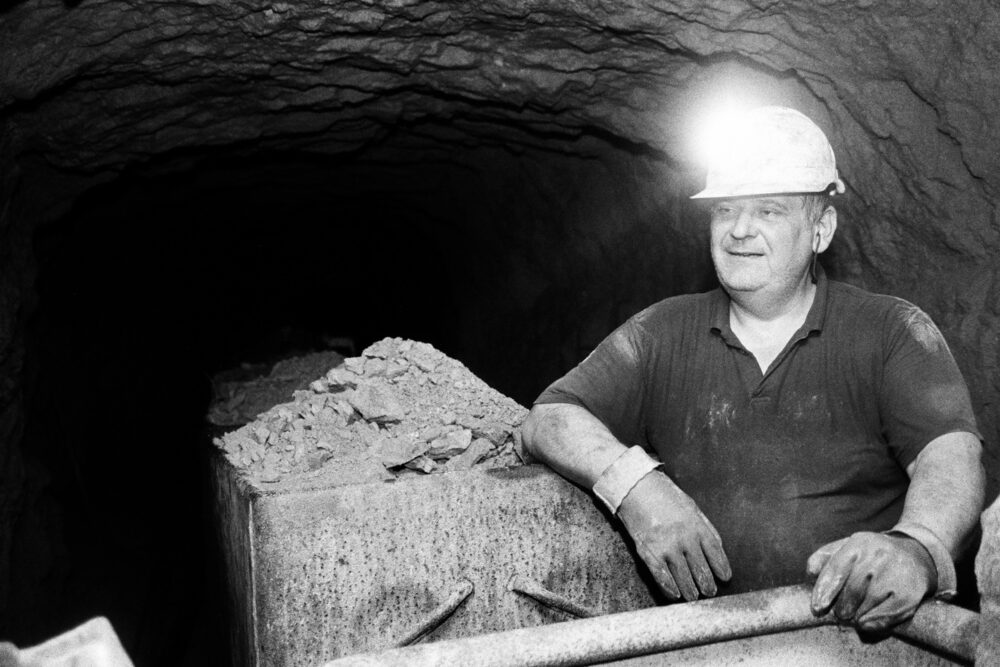
Zdenko Č.
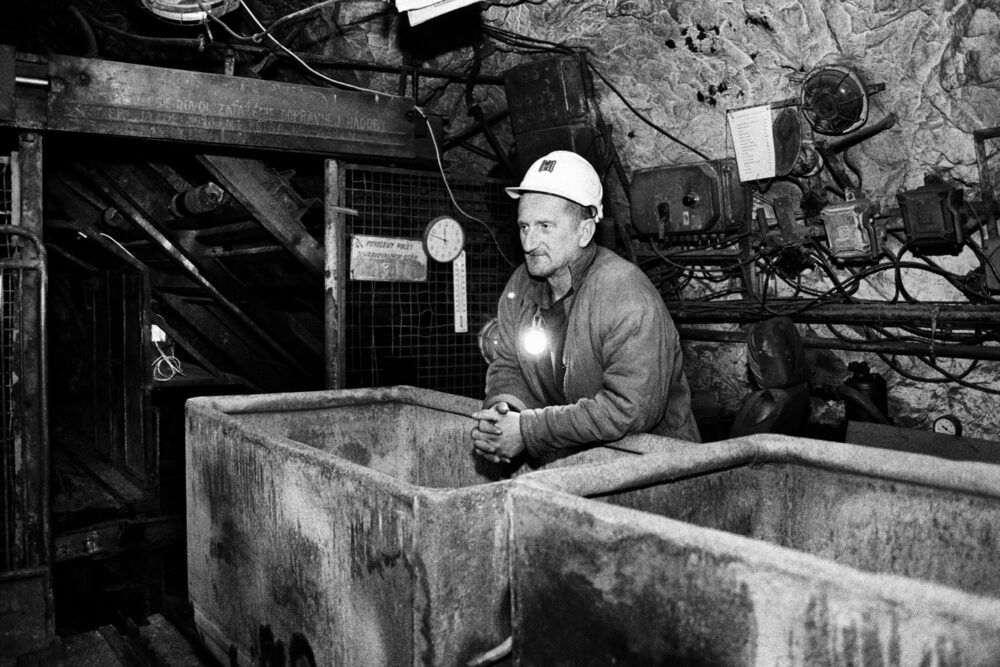
Ivan M.
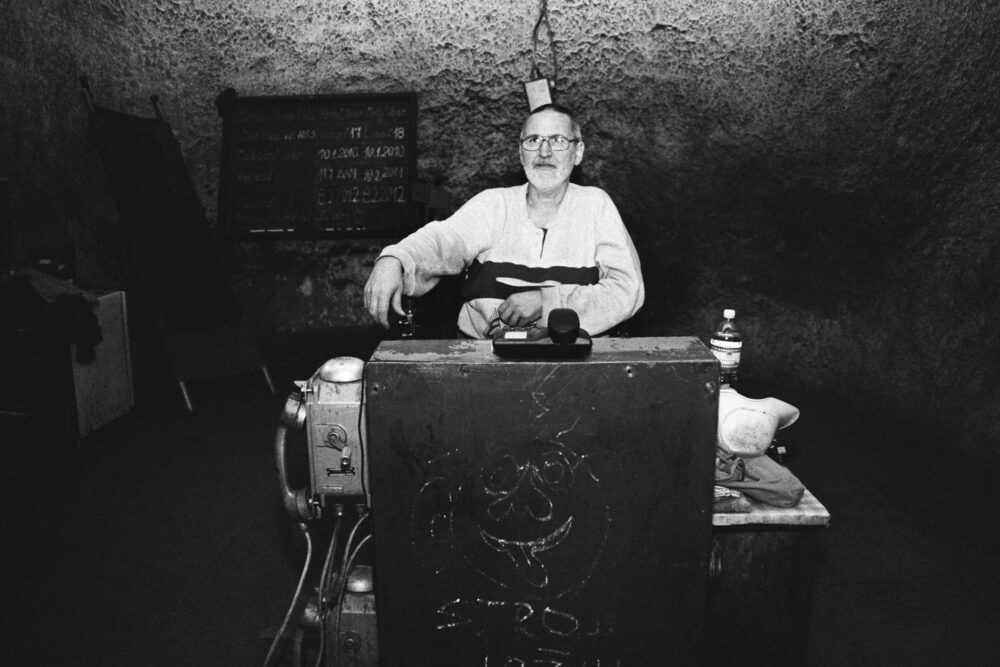
Jozef C.
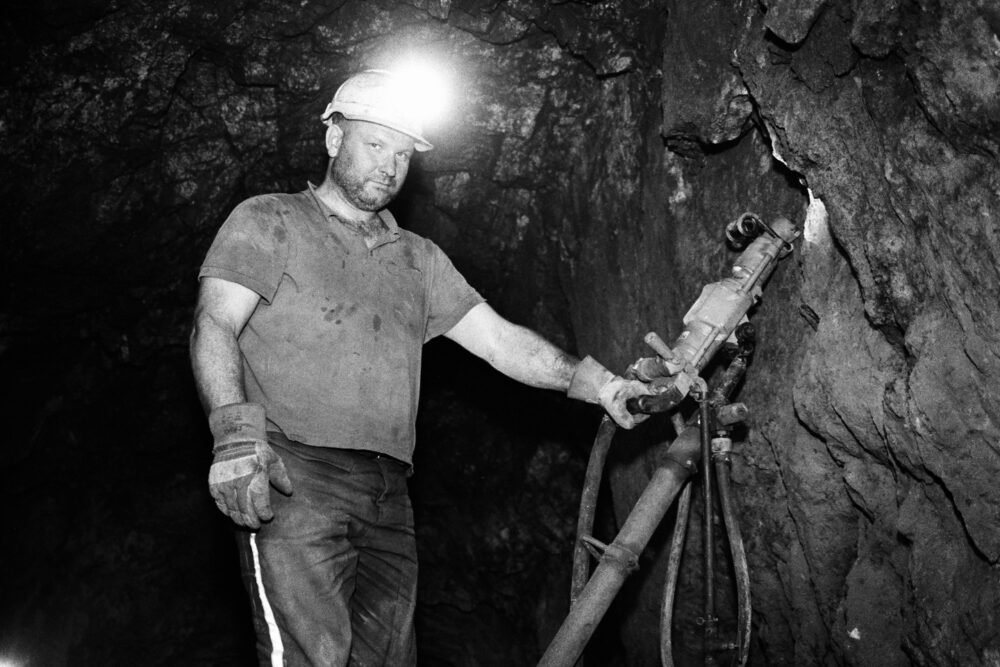
Miroslav Č.
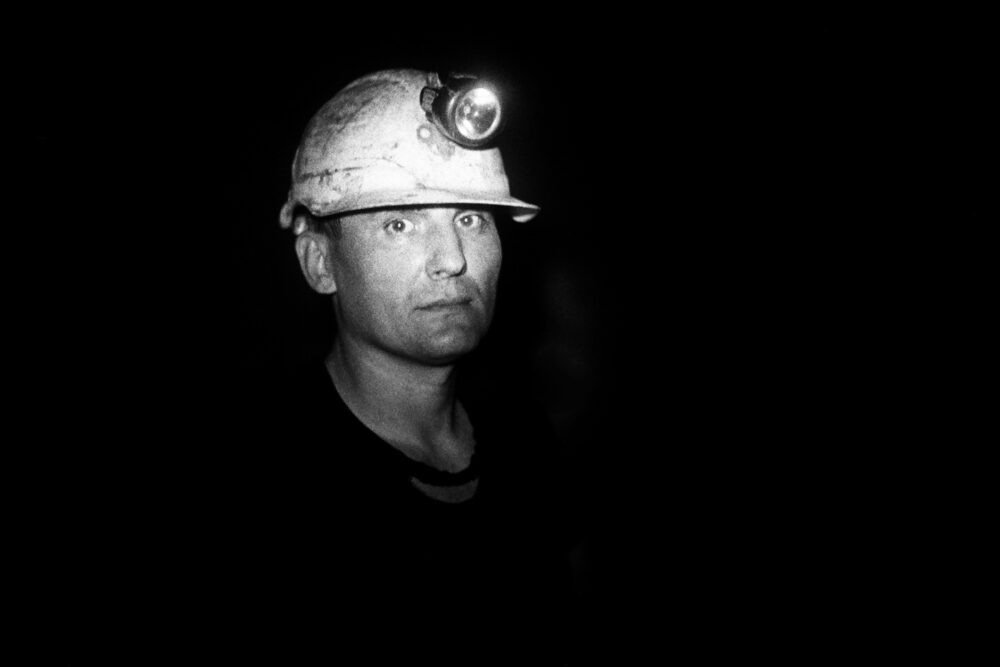
Michal H.
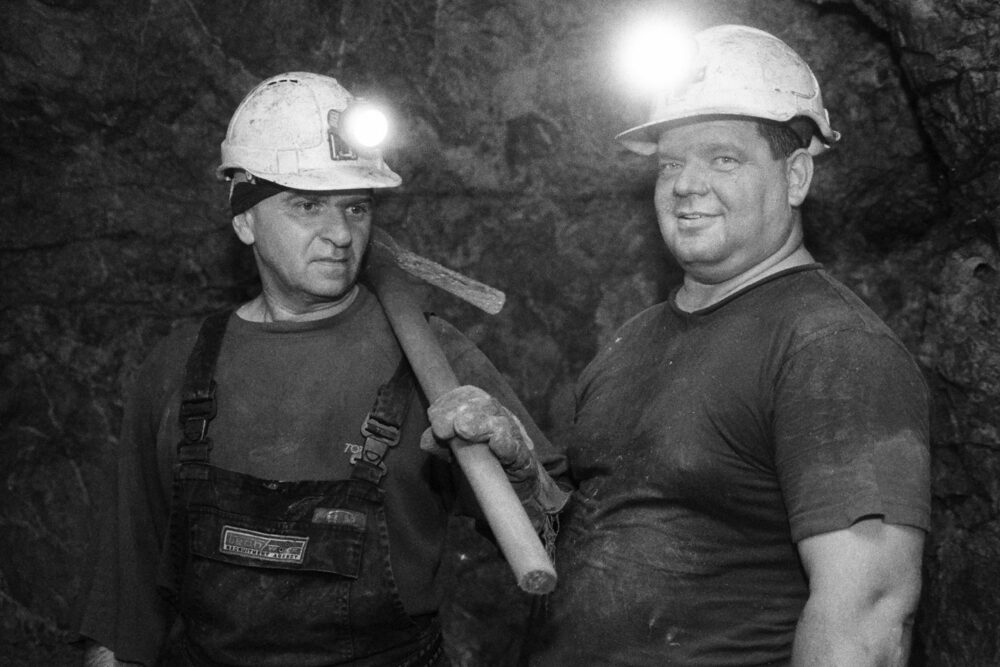
Zdenko F. and Ján V.
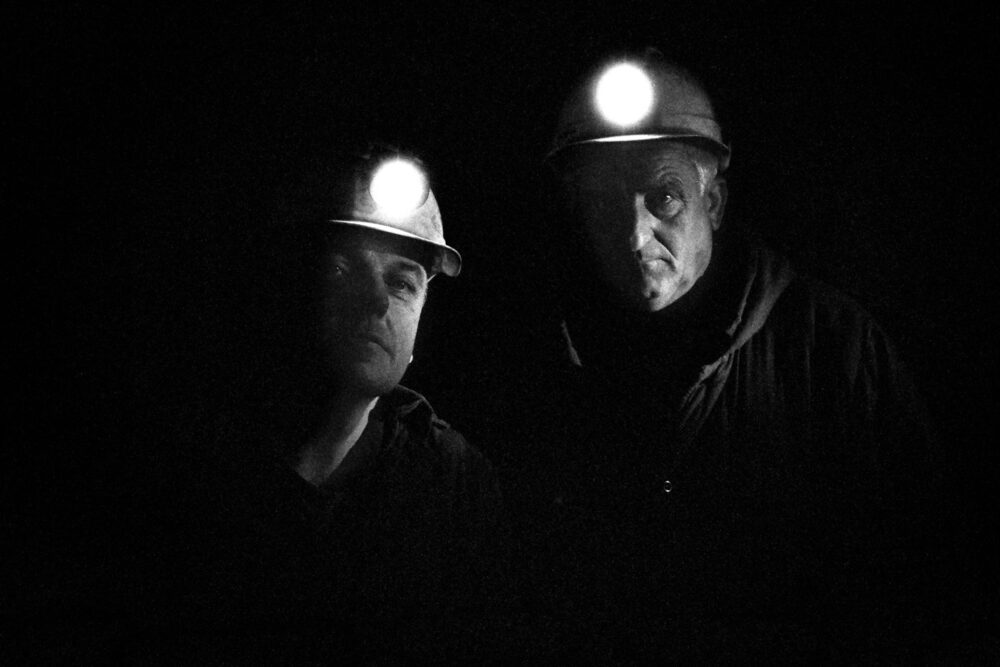
Dano I. and Dominik V.
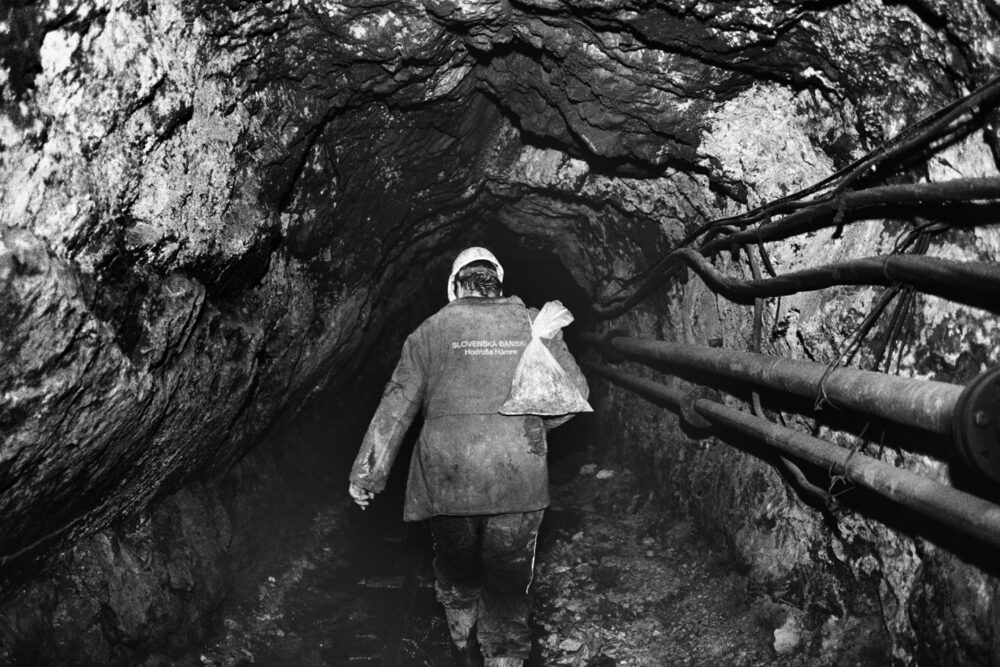
Ivan B. at horizon XIV (240 m.a.s.l.), carrying ore samples to the laboratory.
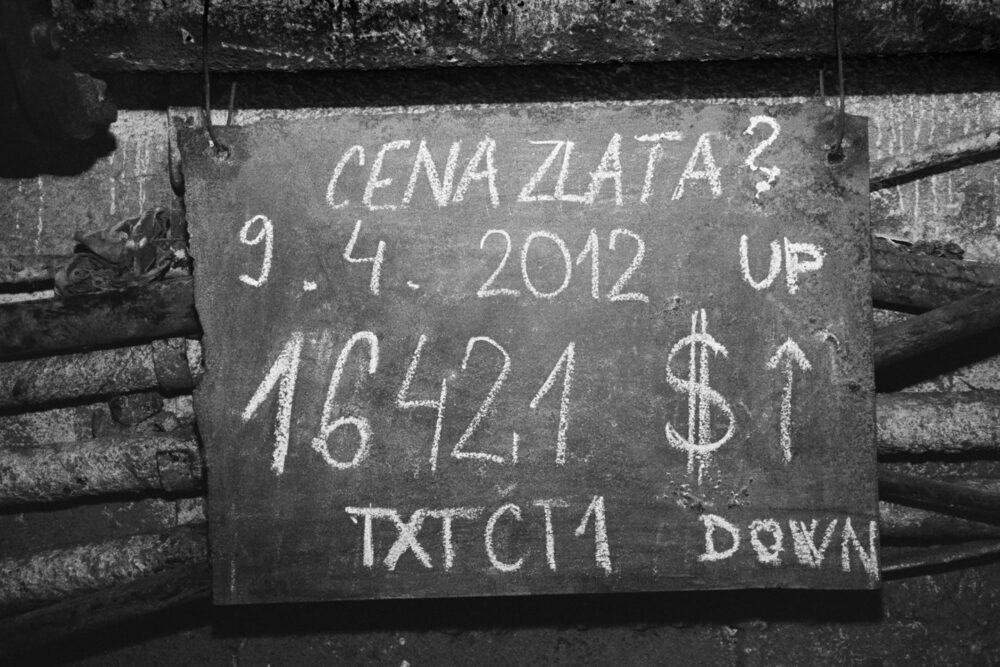
Blackboard showing gold price, 9 April 2012.
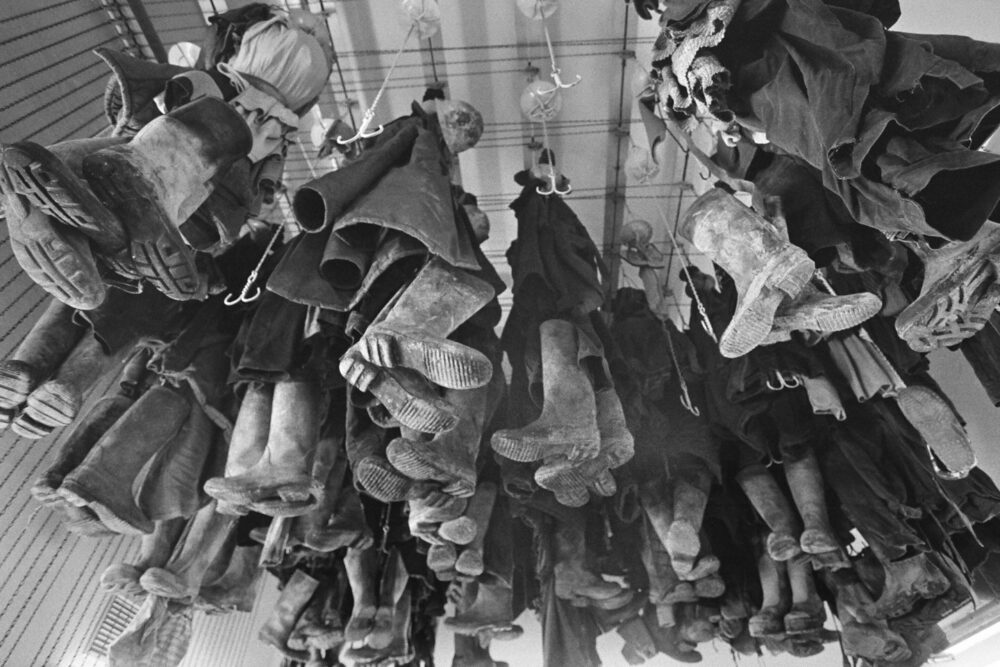
Drying room at the miners building.
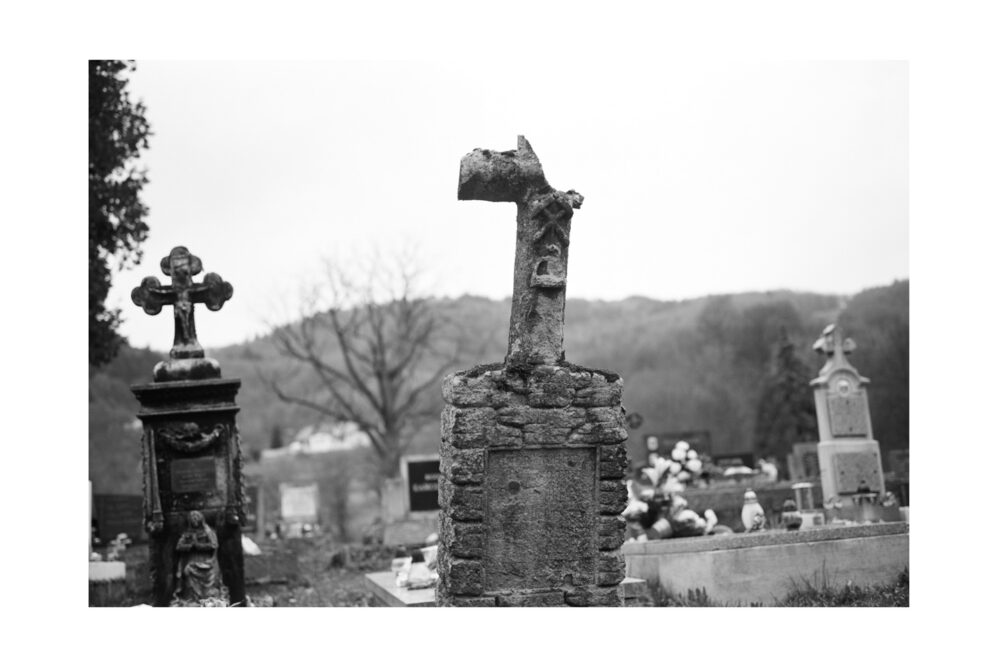
Grave of a miner in Hodruša – Hámre cemetery.
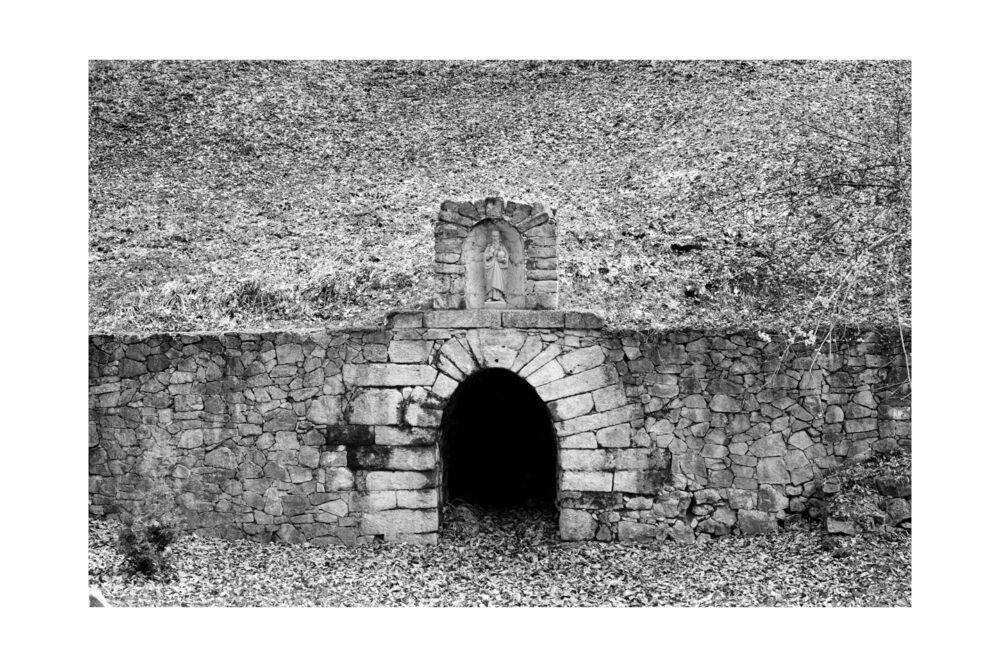
An entrance to the former Dolná Schopfer mine. This entrance was recently restored and is part of the UNESCO World Heritage.
Zdar Boh
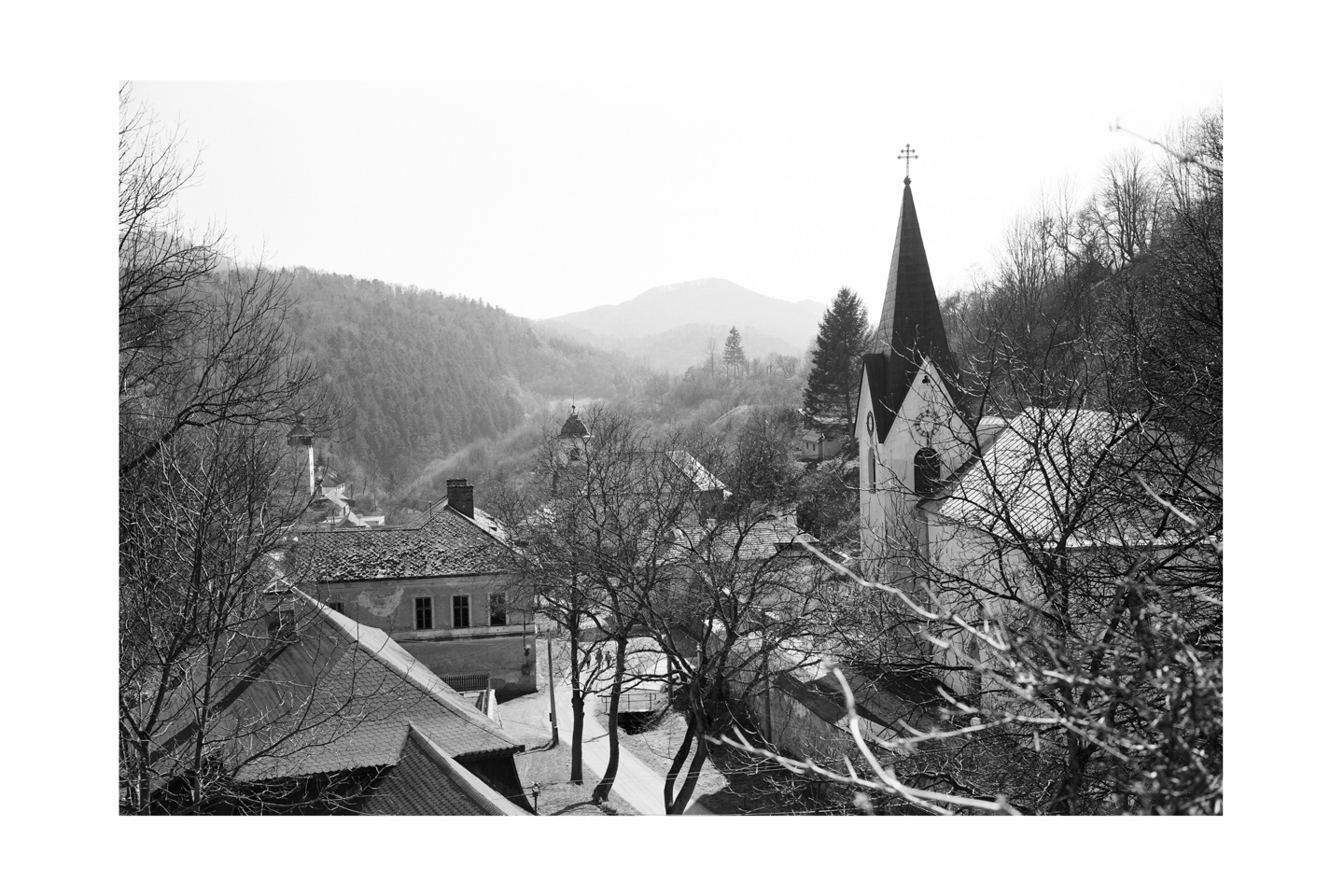
Mining village of Hodruša - Hámre.
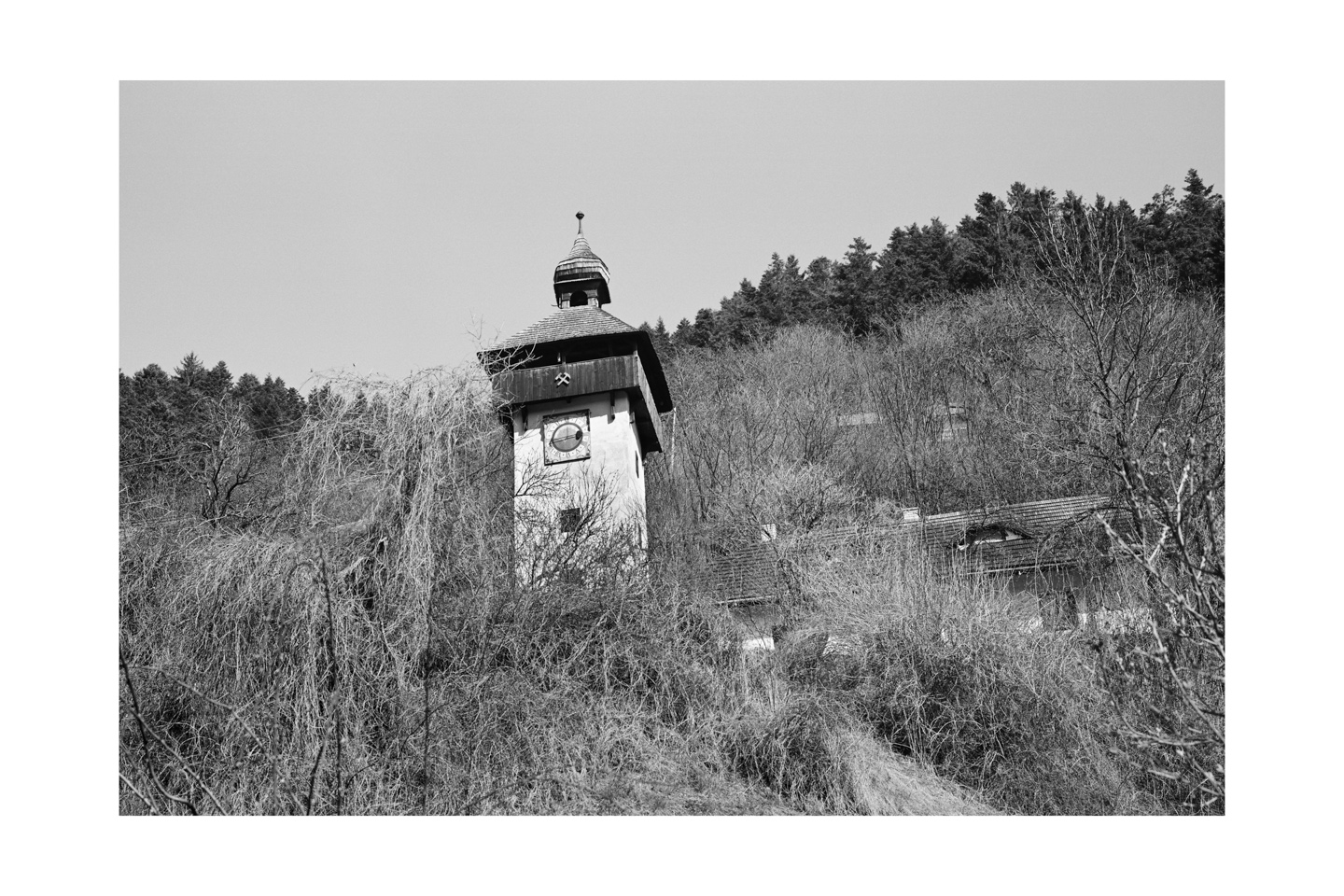
Mining knocker built 1521. This is the second oldest secular building in Hodruša - Hámre and one of five remaining mining knocking towers in Slovakia.
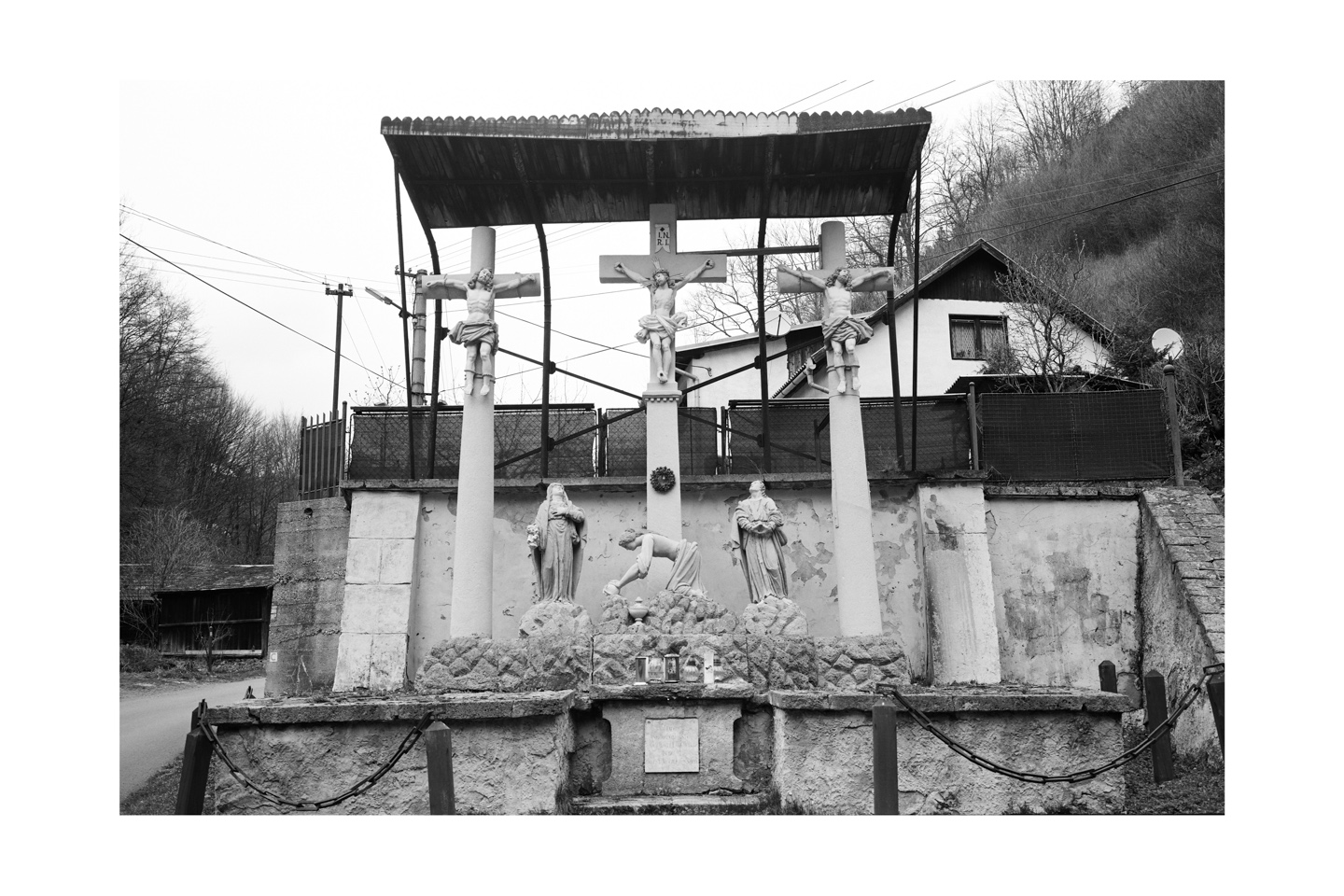
Súsošie Kalvárie, build in 1751 as an acknowledgement of the end of the cholera epidemic.
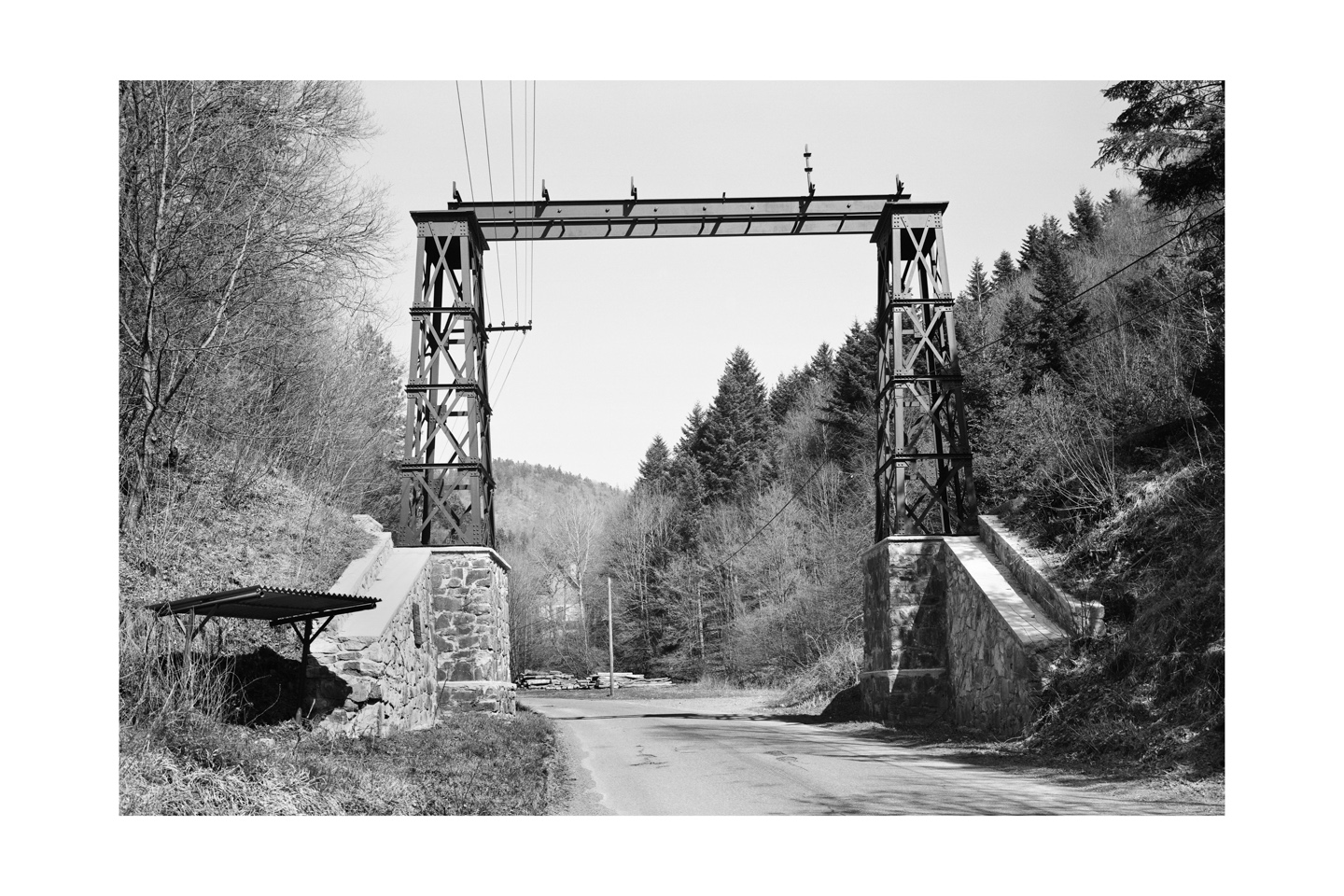
Narrow Rail Bridge used by mining wagons.
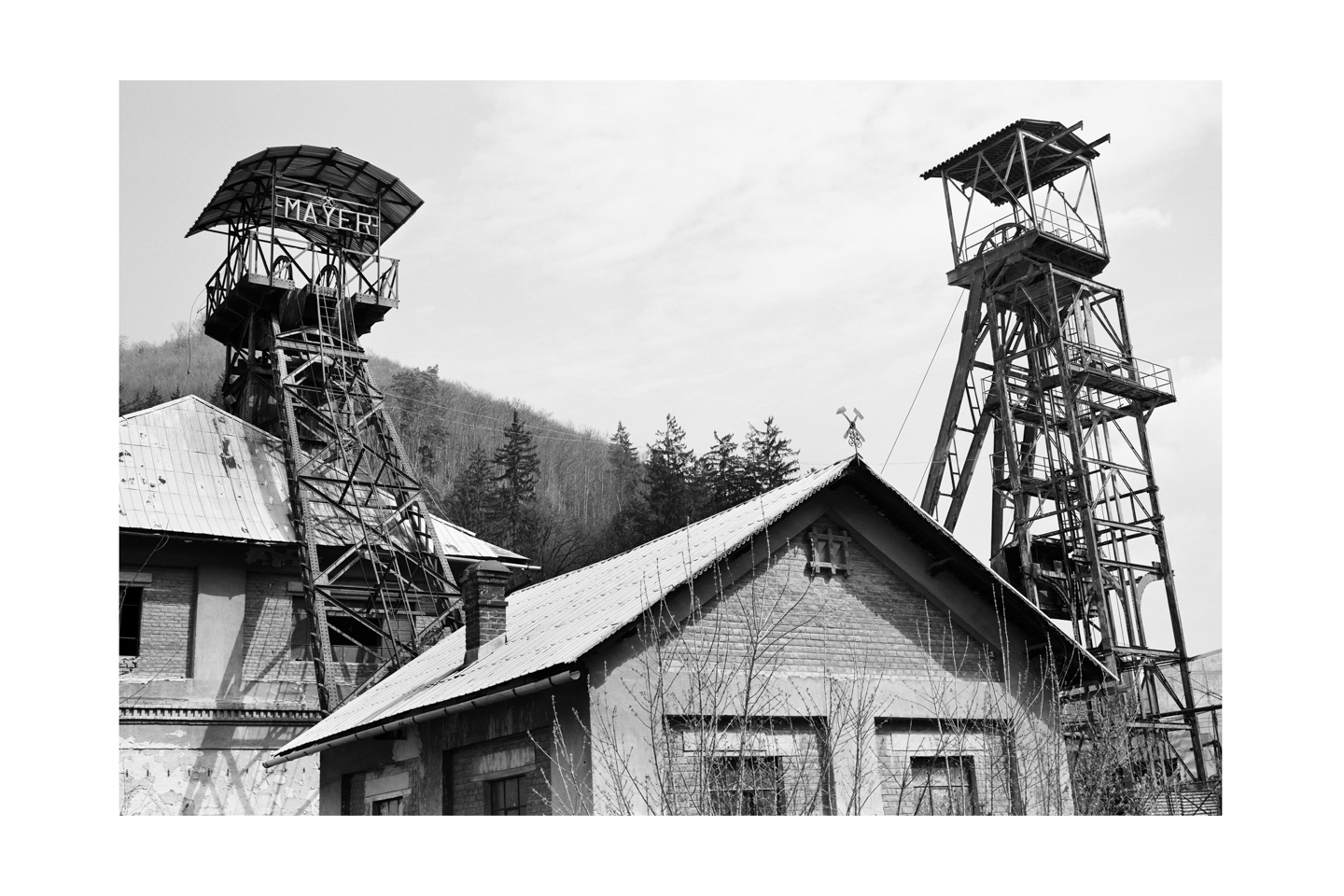
Premises of Shafts Mayer 1 and 2. Shaft Mayer 1 is a national cultural site, and the entire area has been added to the UNESCO World Heritage sites.
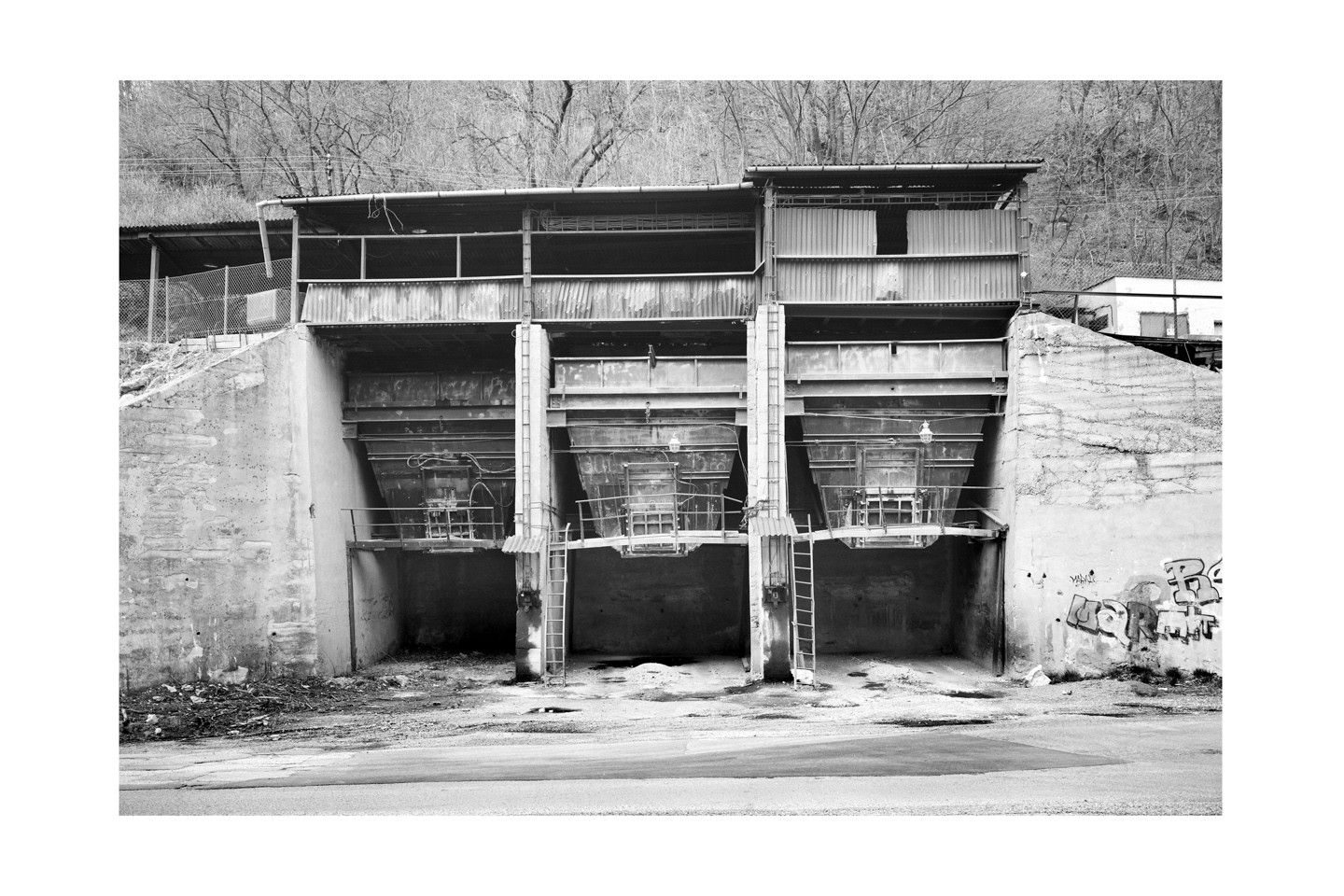
Mining hoppers.
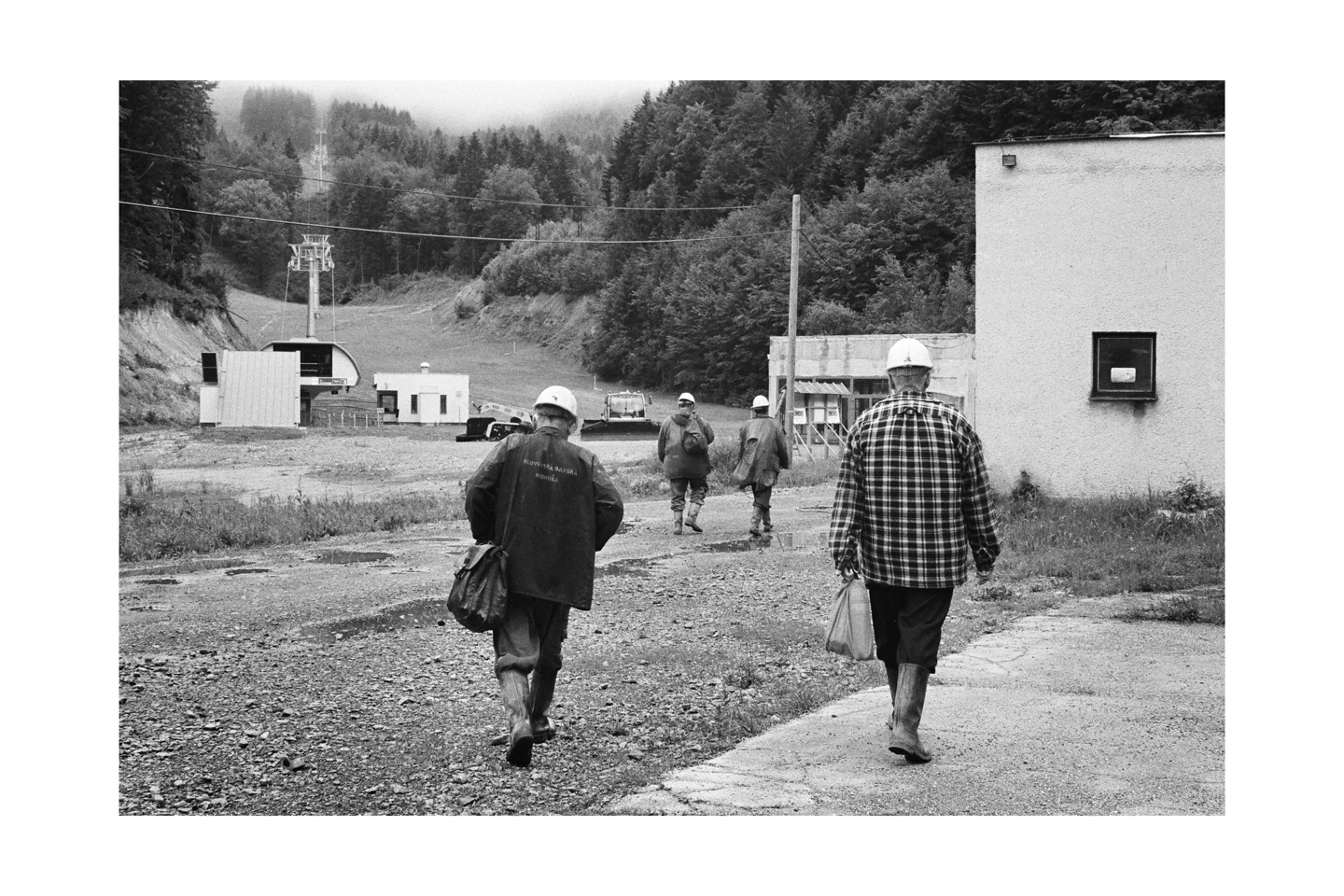
Miners on their way to work for the afternoon shift.
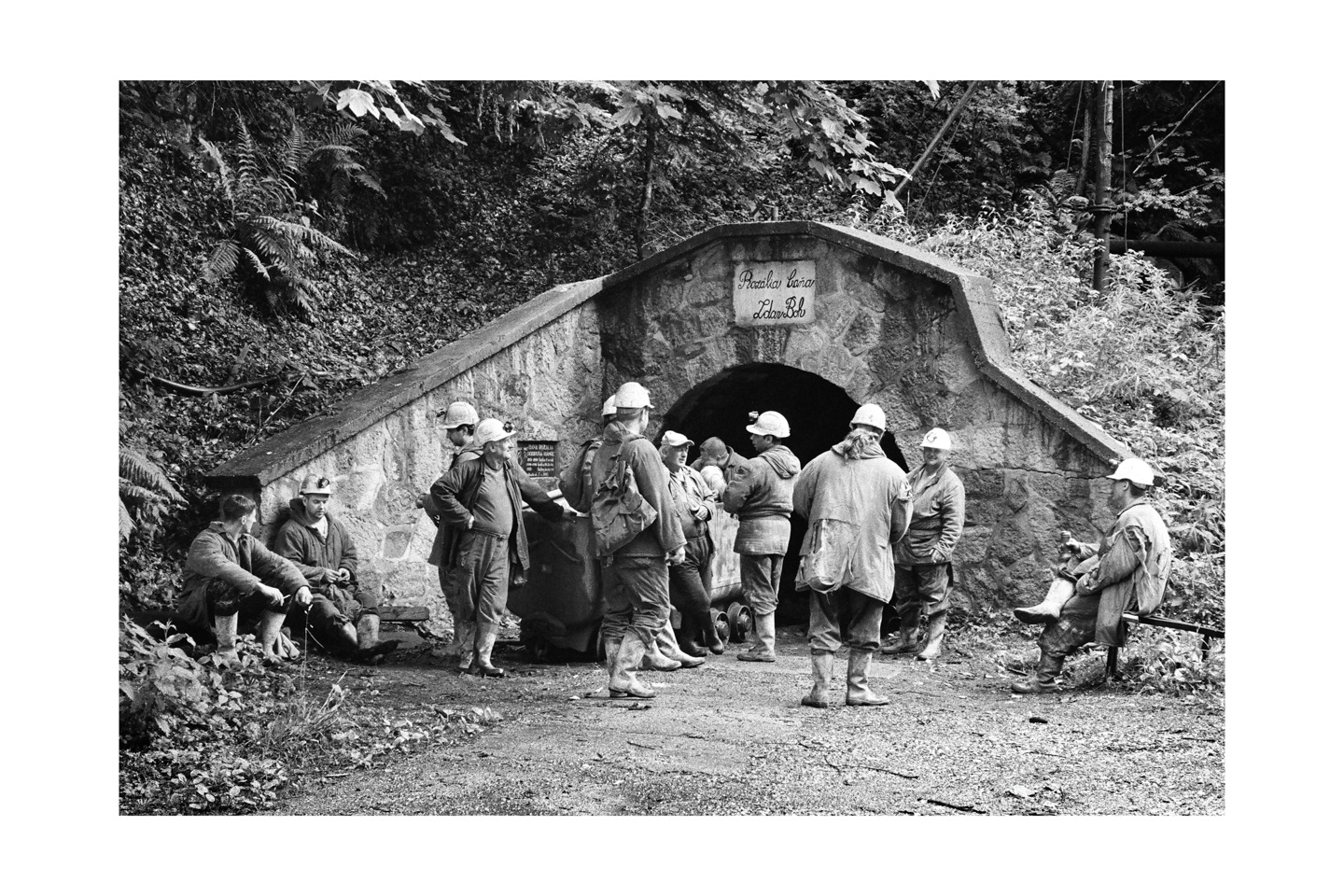
Miners gathering at the Rozália’s entrance before entering the mine. The entrance is 580 metres above sea level.
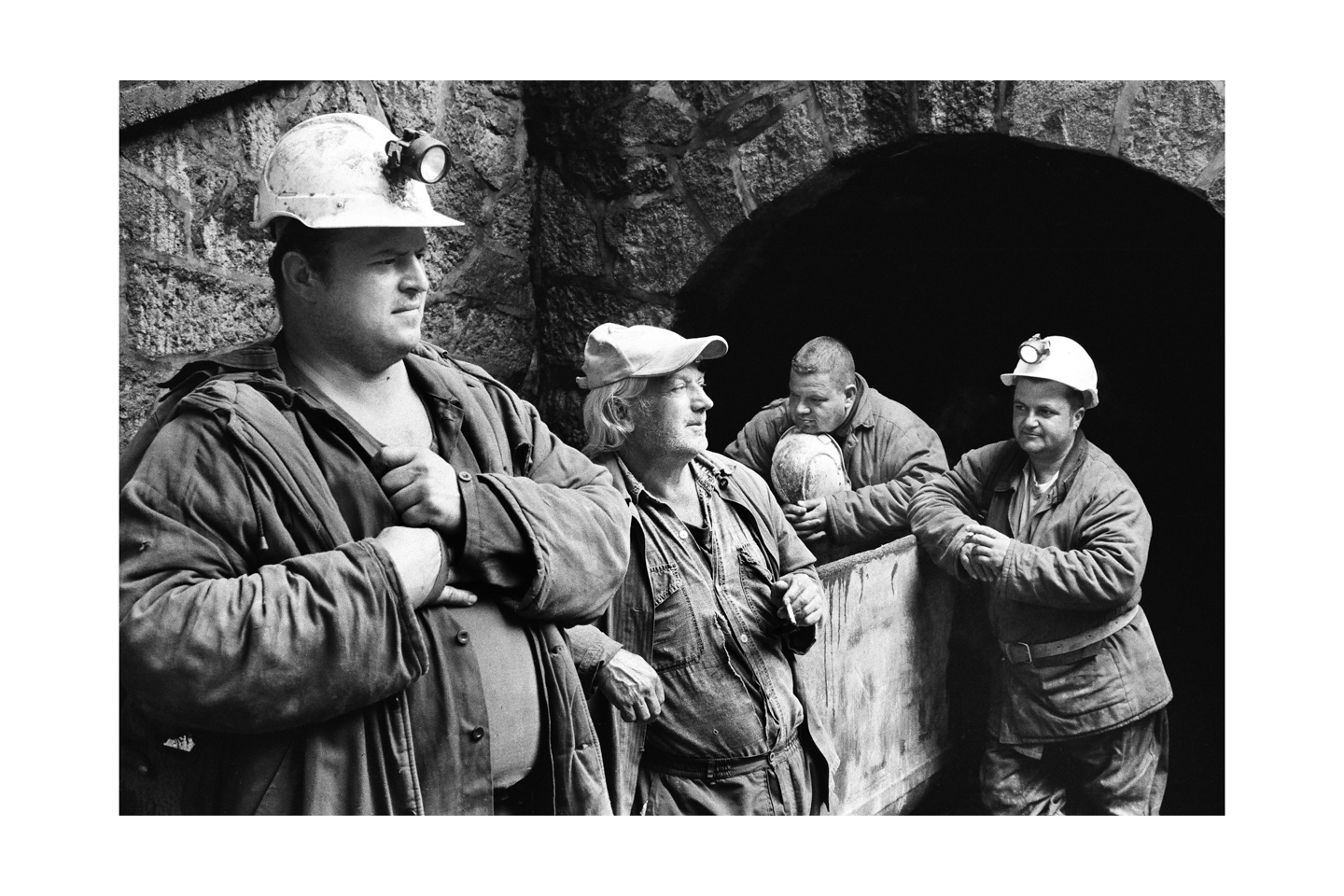
Maroš S., Daniel M., Zdenko F. and Blažej Š.
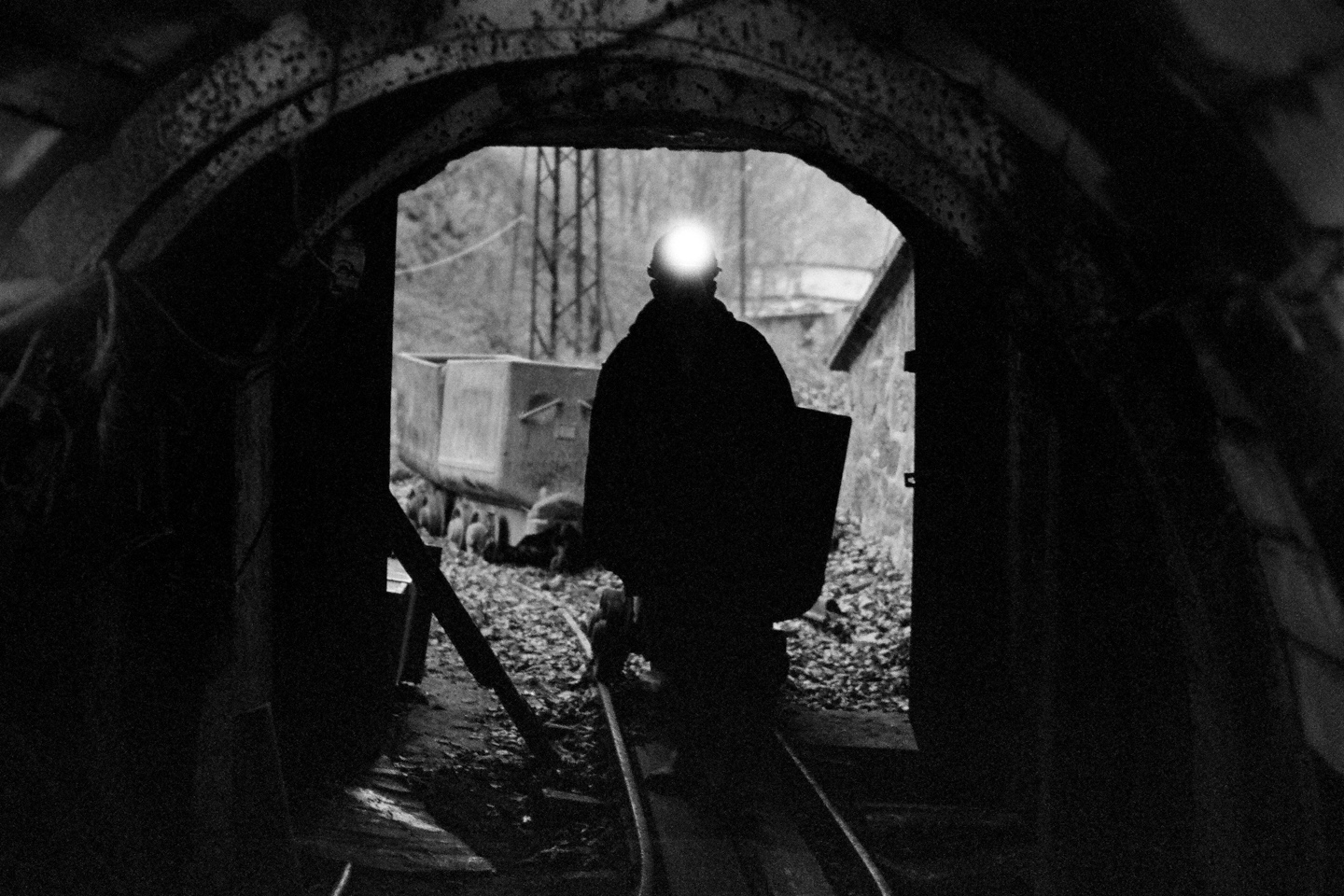
View of a miner as he enters the mine at horizon 0 (580 m.a.s.l.).
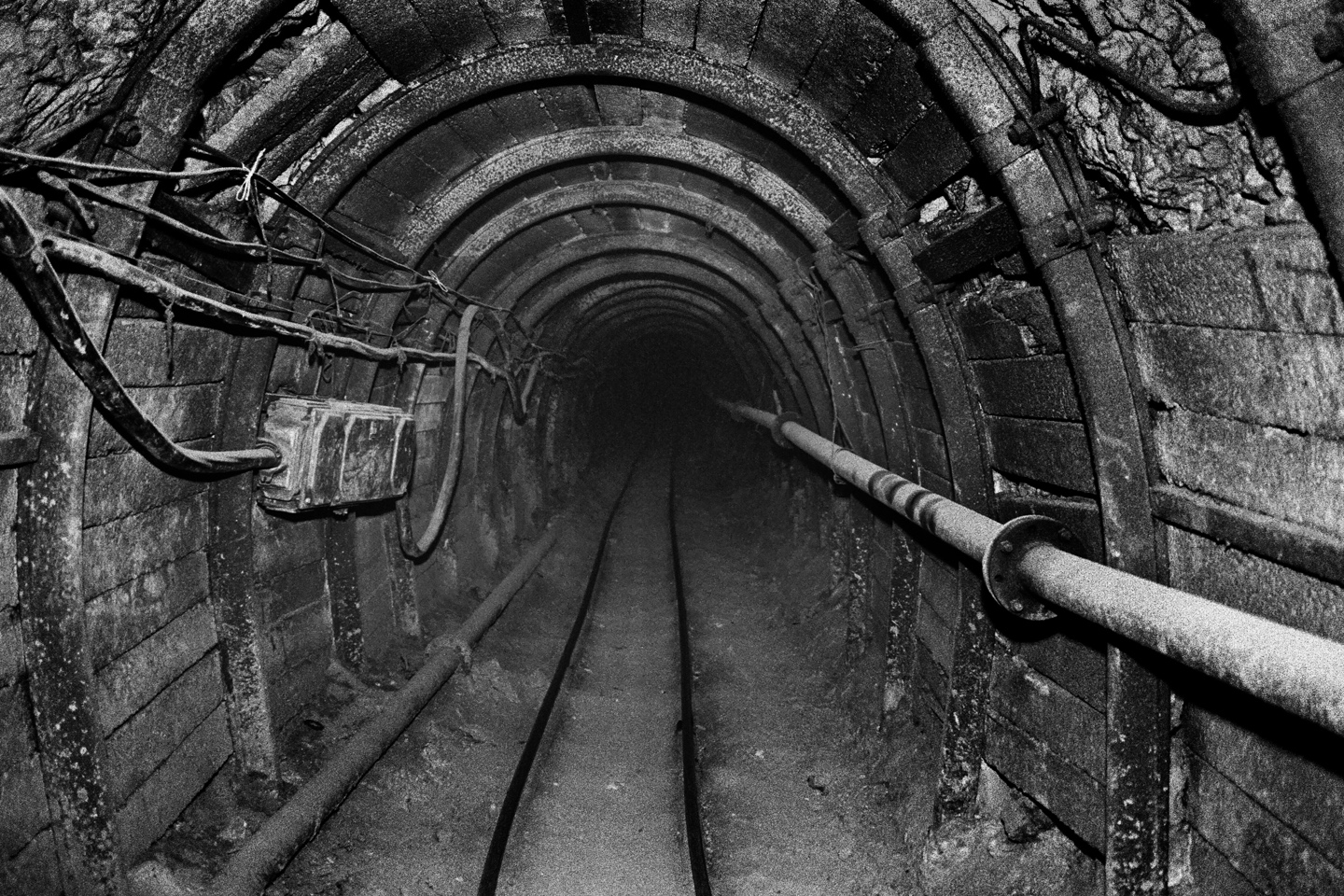
Tunnel at horizon XIV (240 m.a.s.l.), ‘Hajcmanová’ reinforcement.
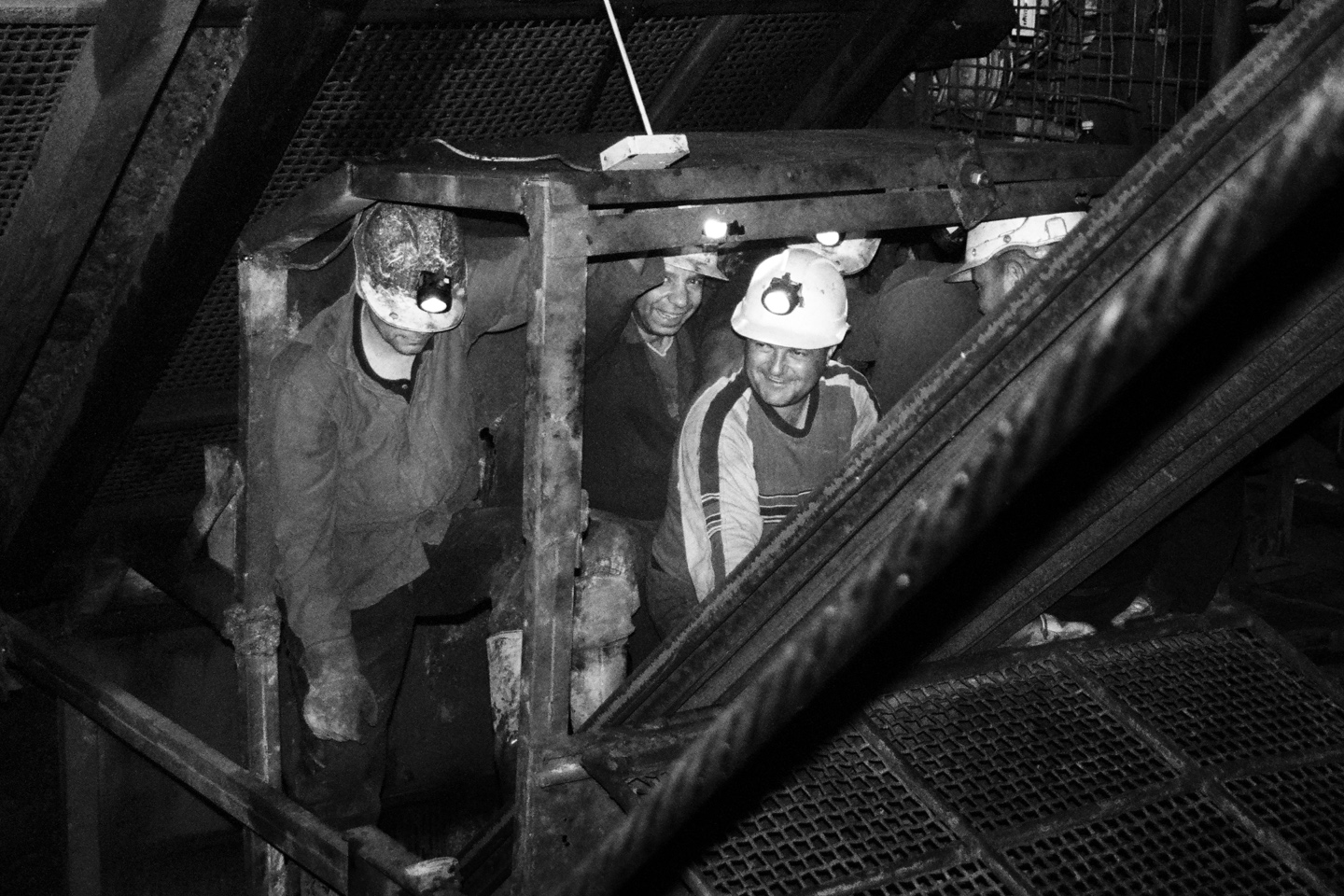
Miners in the lift, ready to descend to horizon XVI (214 m.a.s.l.).
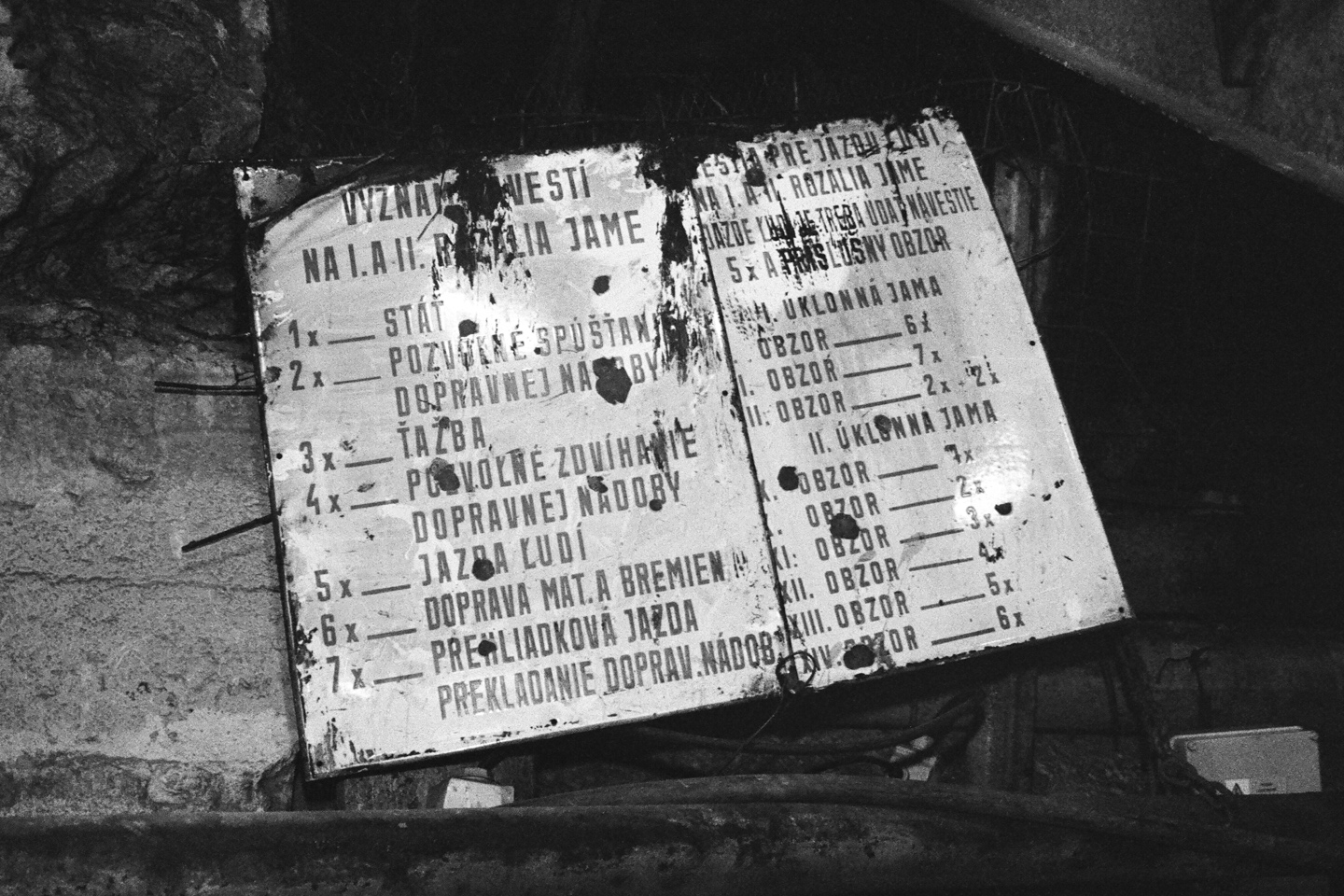
Signs for communication between the miners and the towing machine operator.
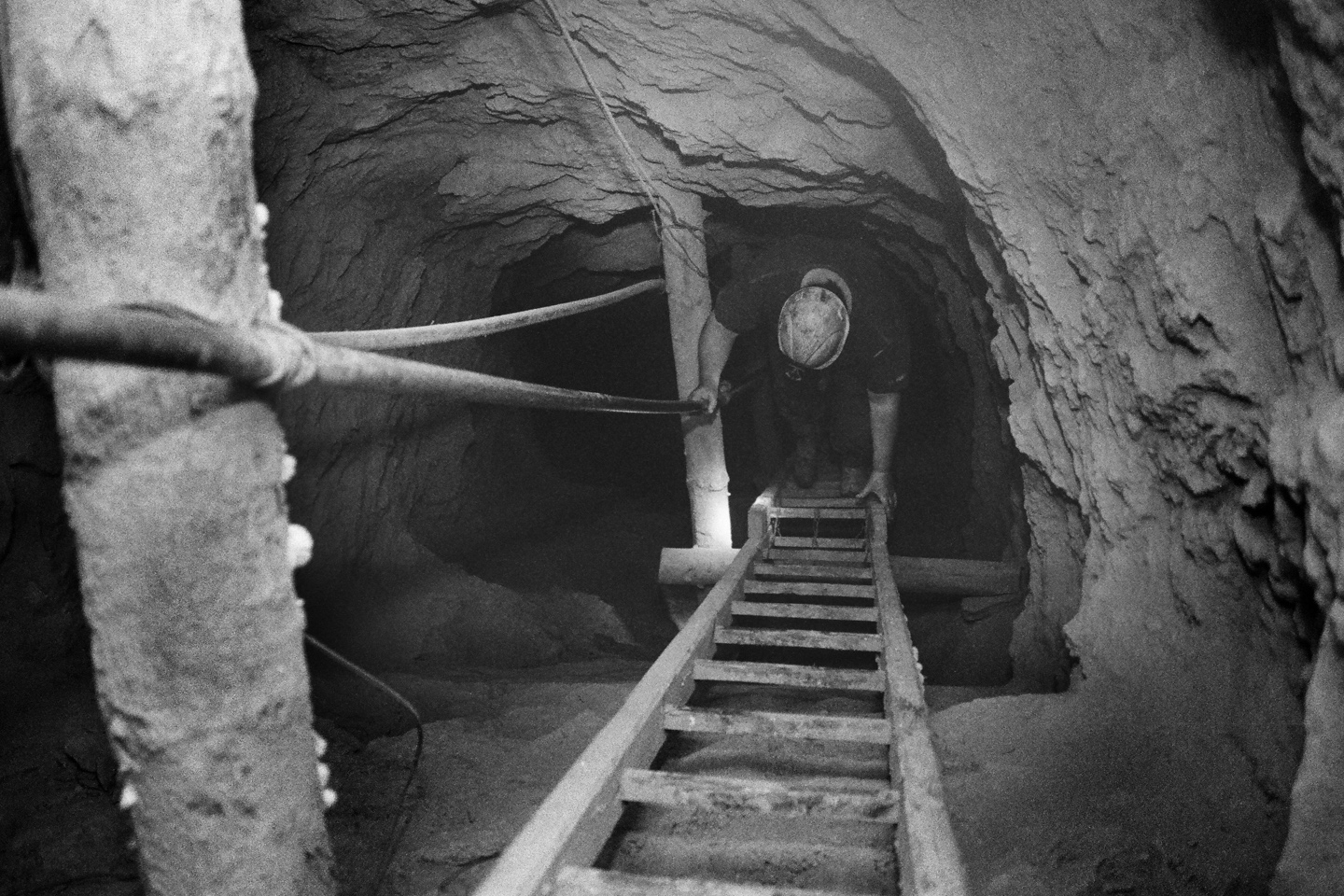
Mine manager engineer Ivan B. climbing the mining chimney between horizons XIV and XV (240 m.a.s.l. and 221 m.a.s.l.).
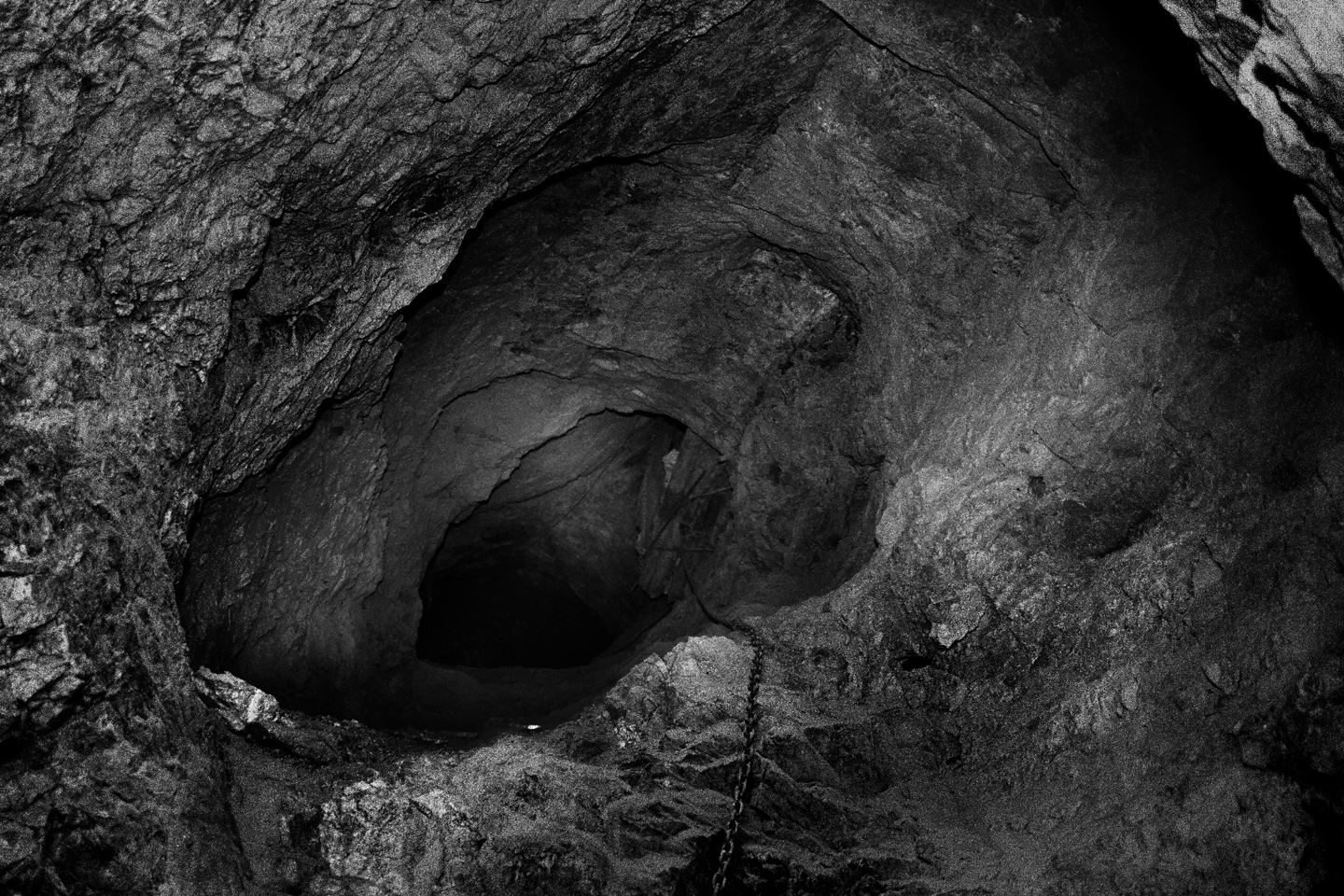
Shaft at horizon XVI (214 m.a.s.l.).
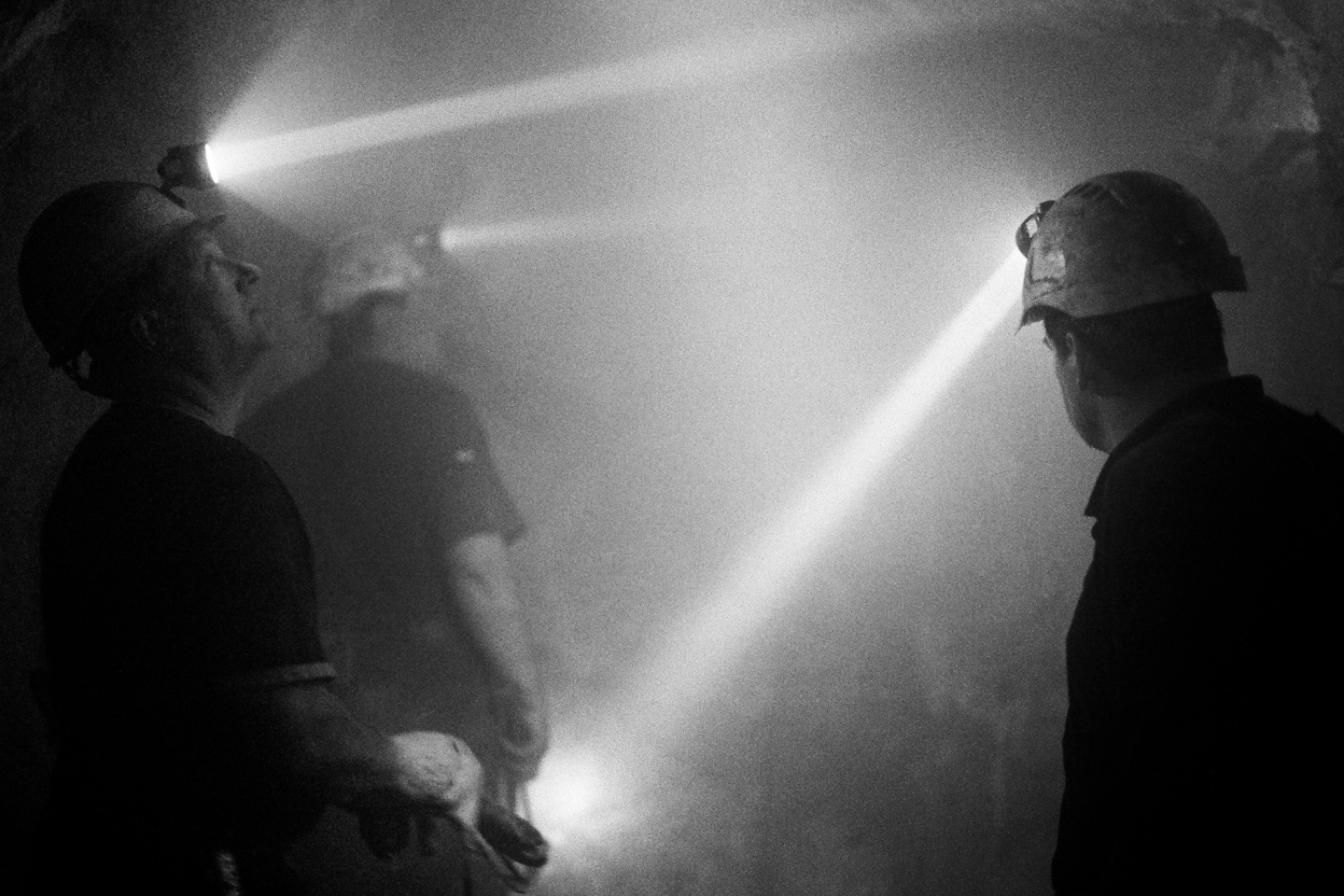
Ivan G. Dalibor D. and Ivan B. at horizon XVII (190 m.a.s.l.).
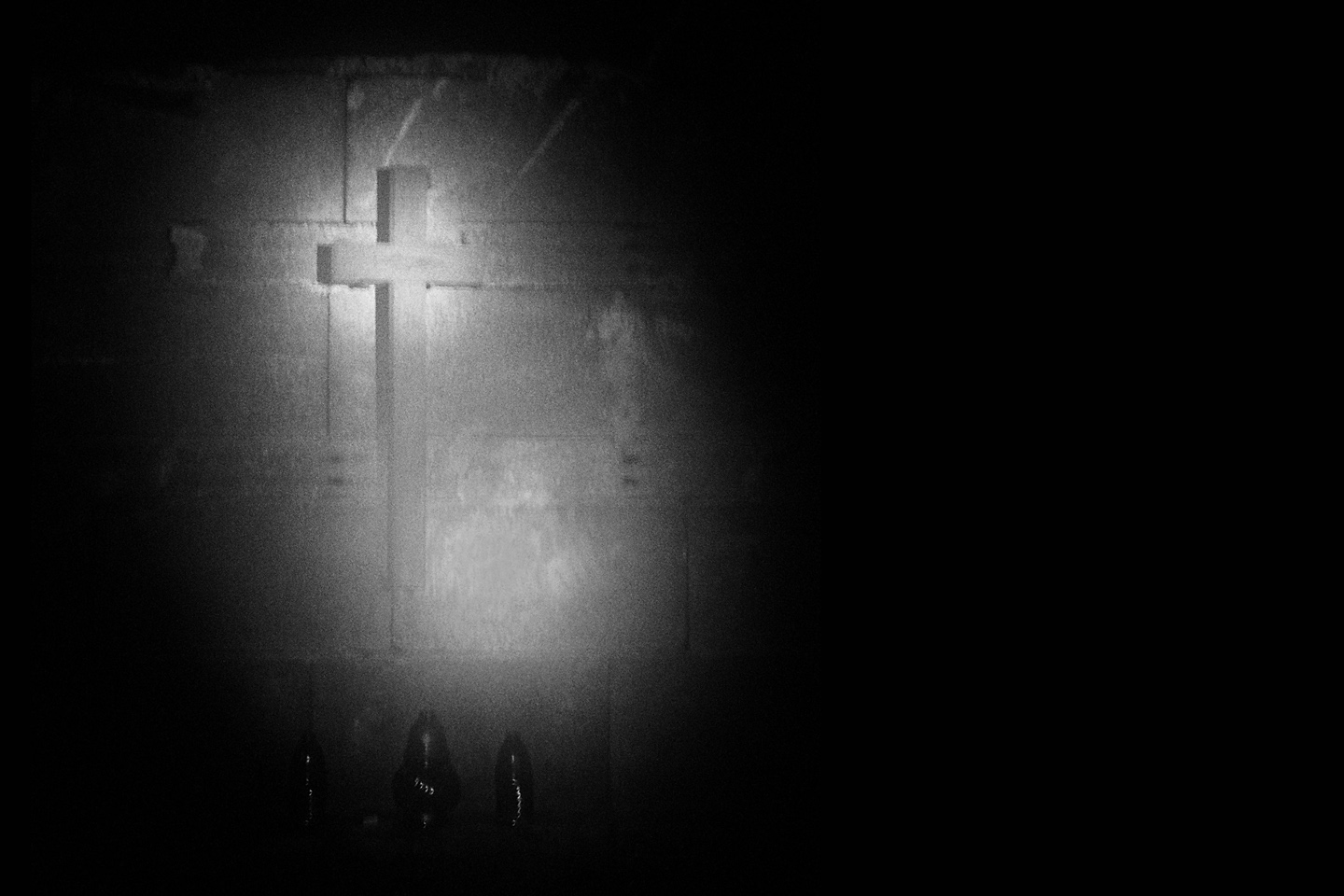
Wooden cross erected in the memory of a miner who lost his life in an accident.
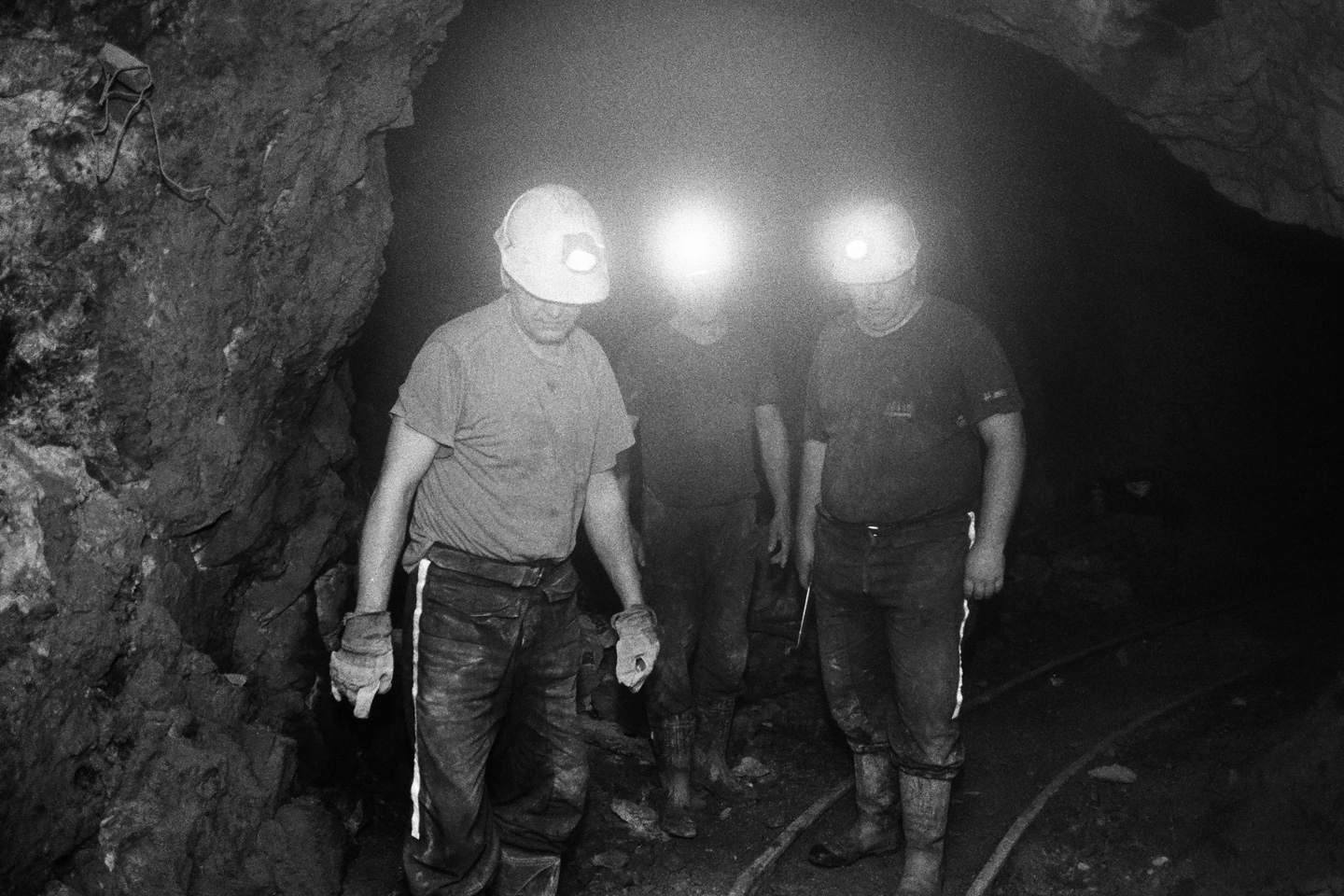
František K. Daniel N. and Ivan B. at horizon XIV (240 m.a.s.l.).
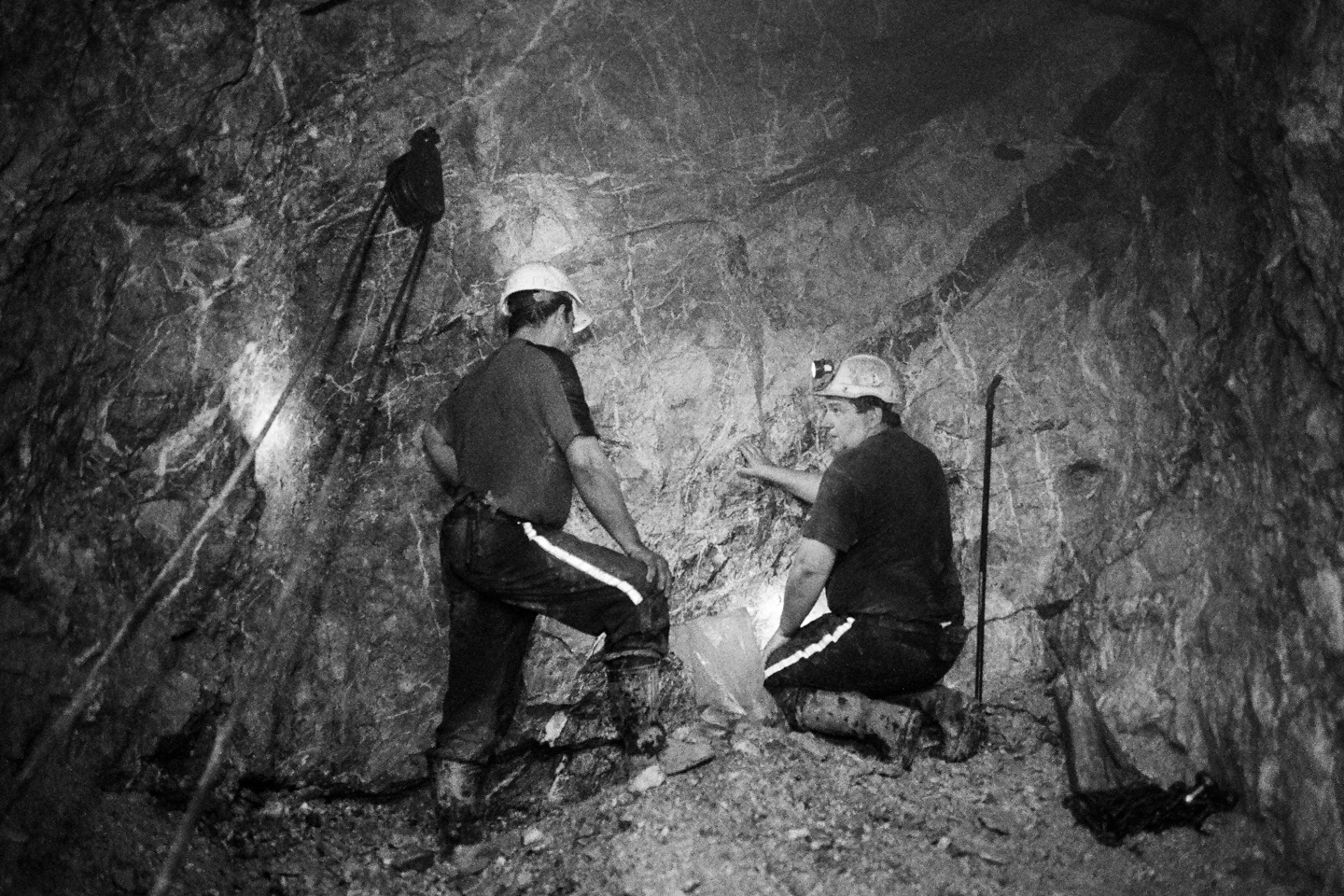
Ivan B. and Lubomír K. examining mineralisation of the rock at horizon XIV (240 m.a.s.l.).
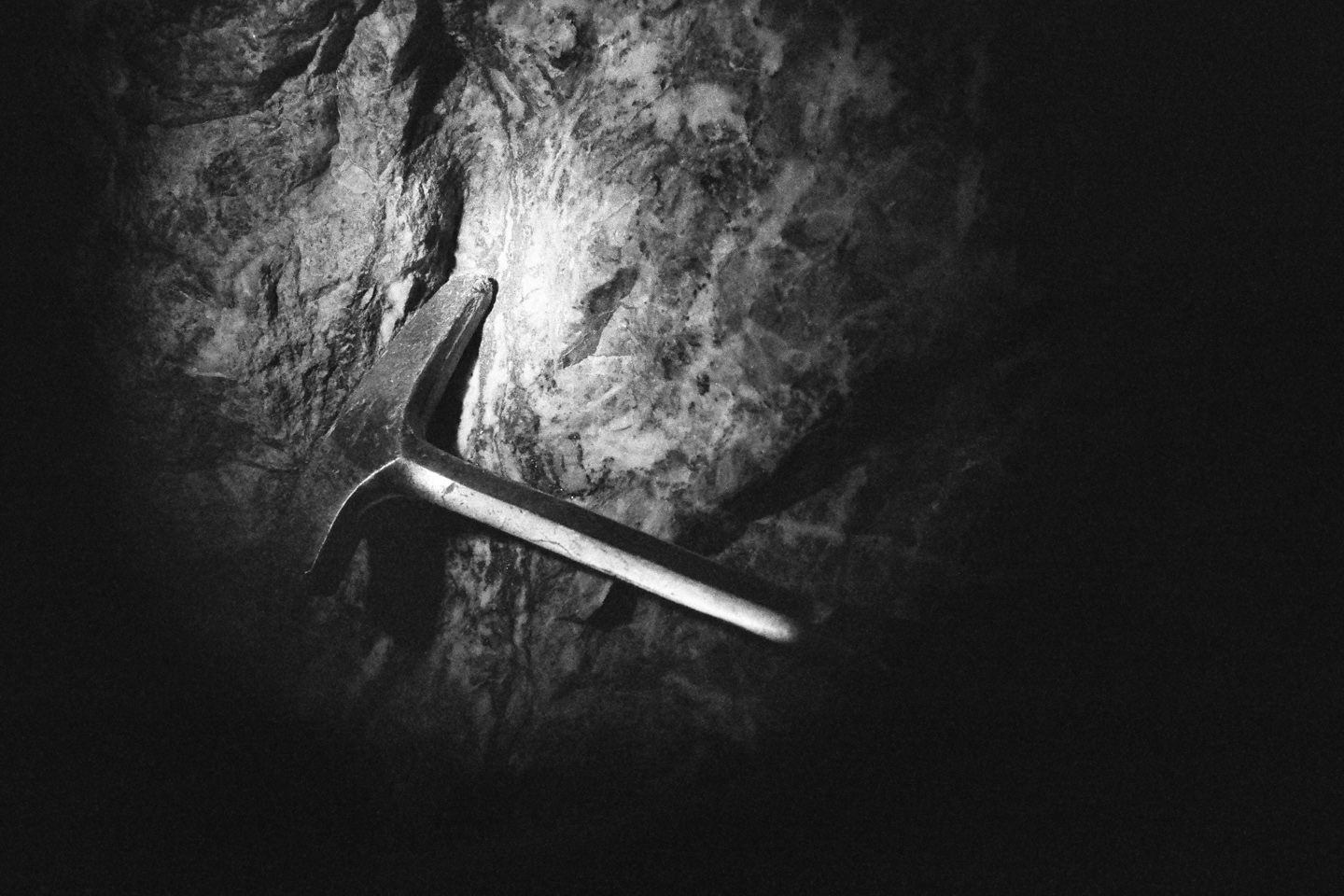
Venous structure and geological hammer, horizon XVI (214 m.a.s.l.).
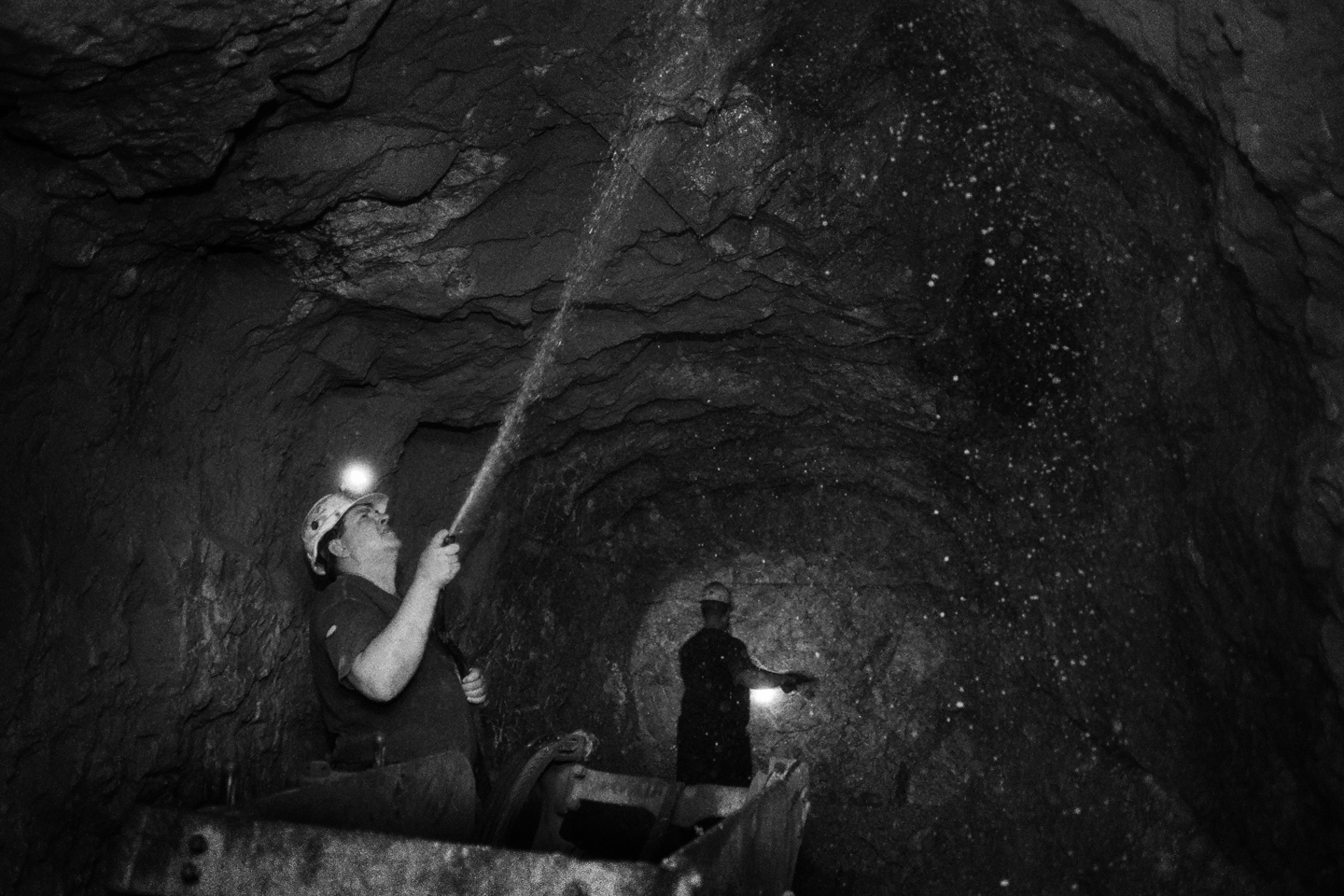
Ivan B. hosing the rock with water in order to reveal the minerals for analysis, horizon XV (221 m.a.s.l.).
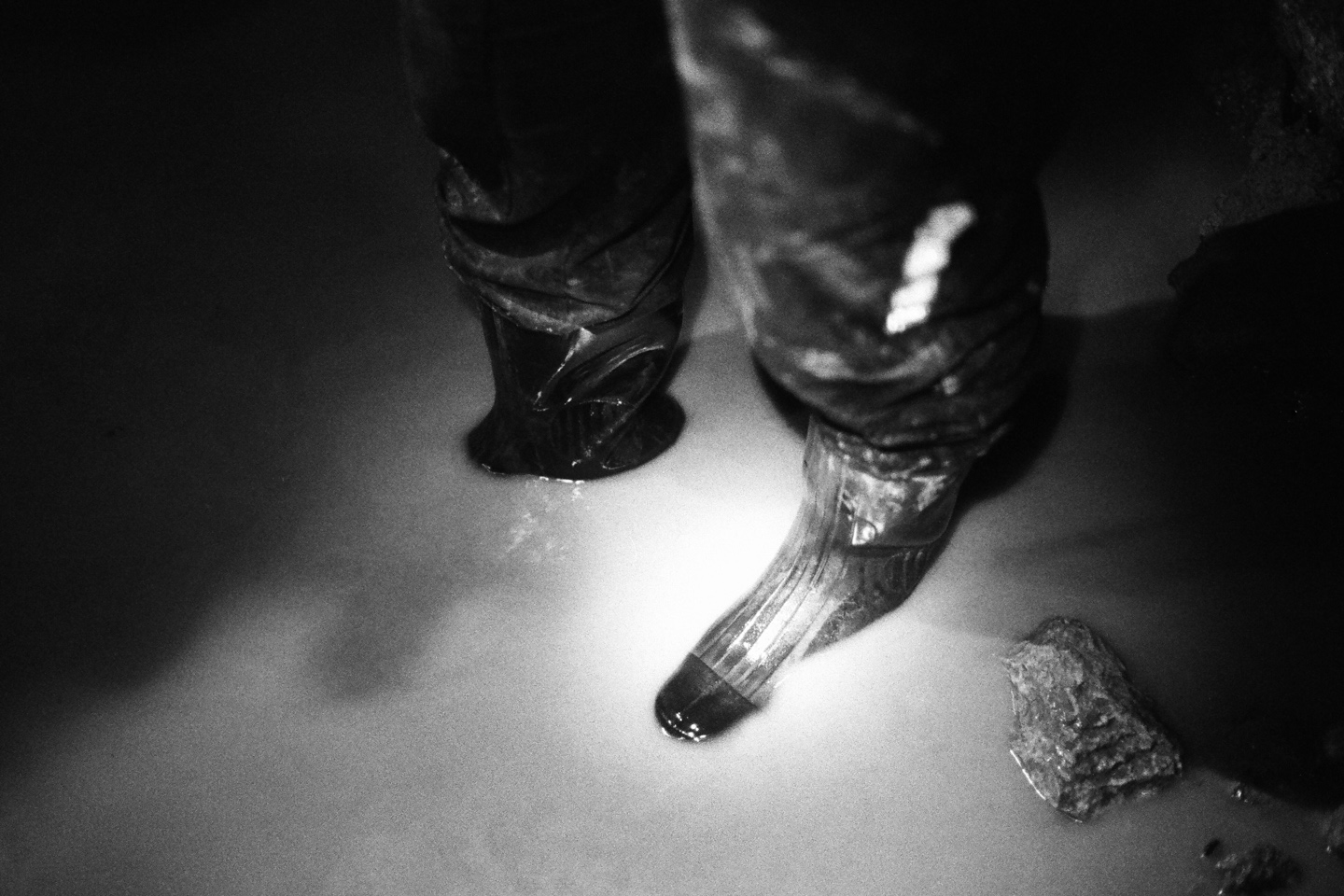
A miner standing ankle-deep in water.
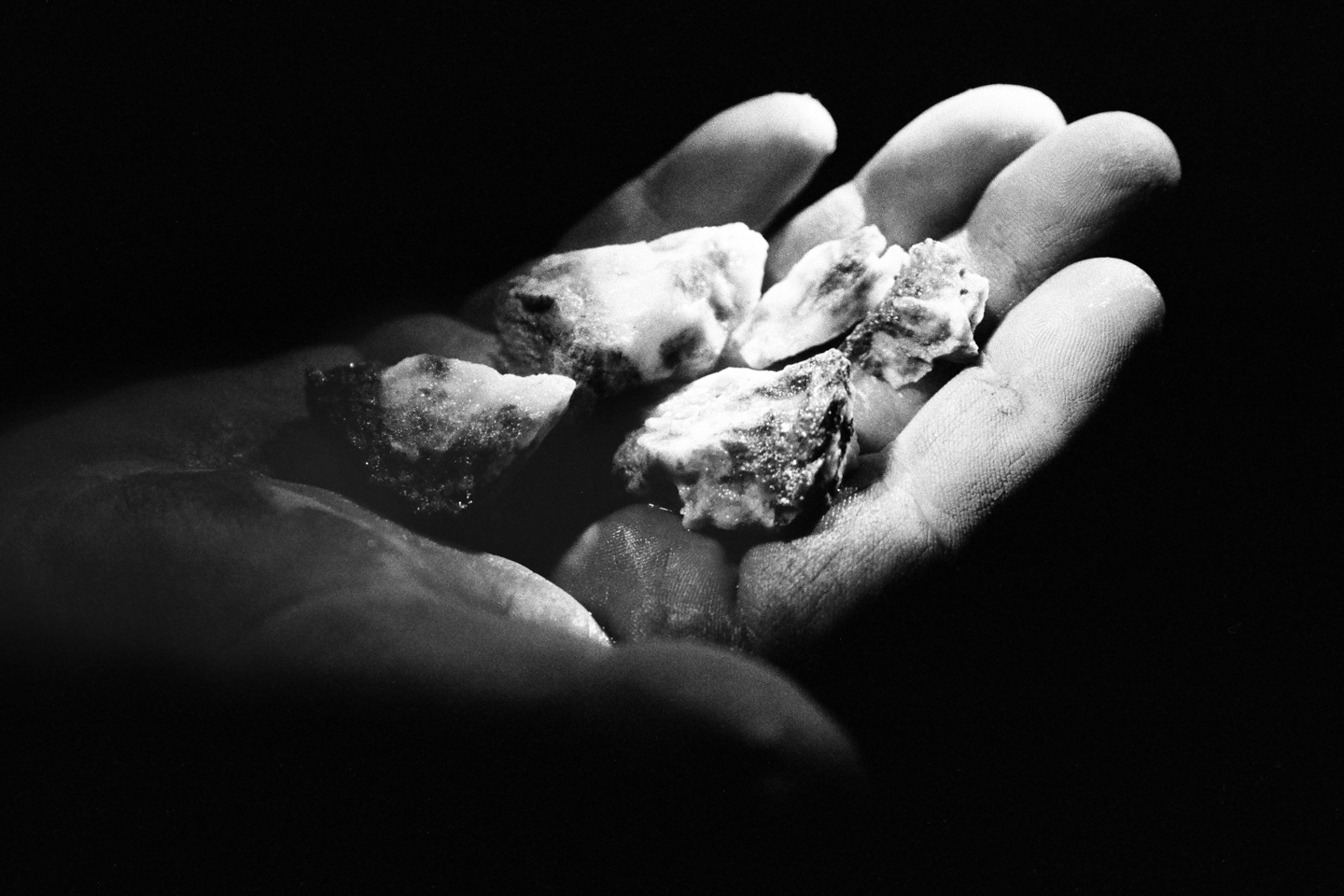
Mineral samples: Quartz + Lead sulfide + Gold + Silver + Pyrite + Chalcopyrite.
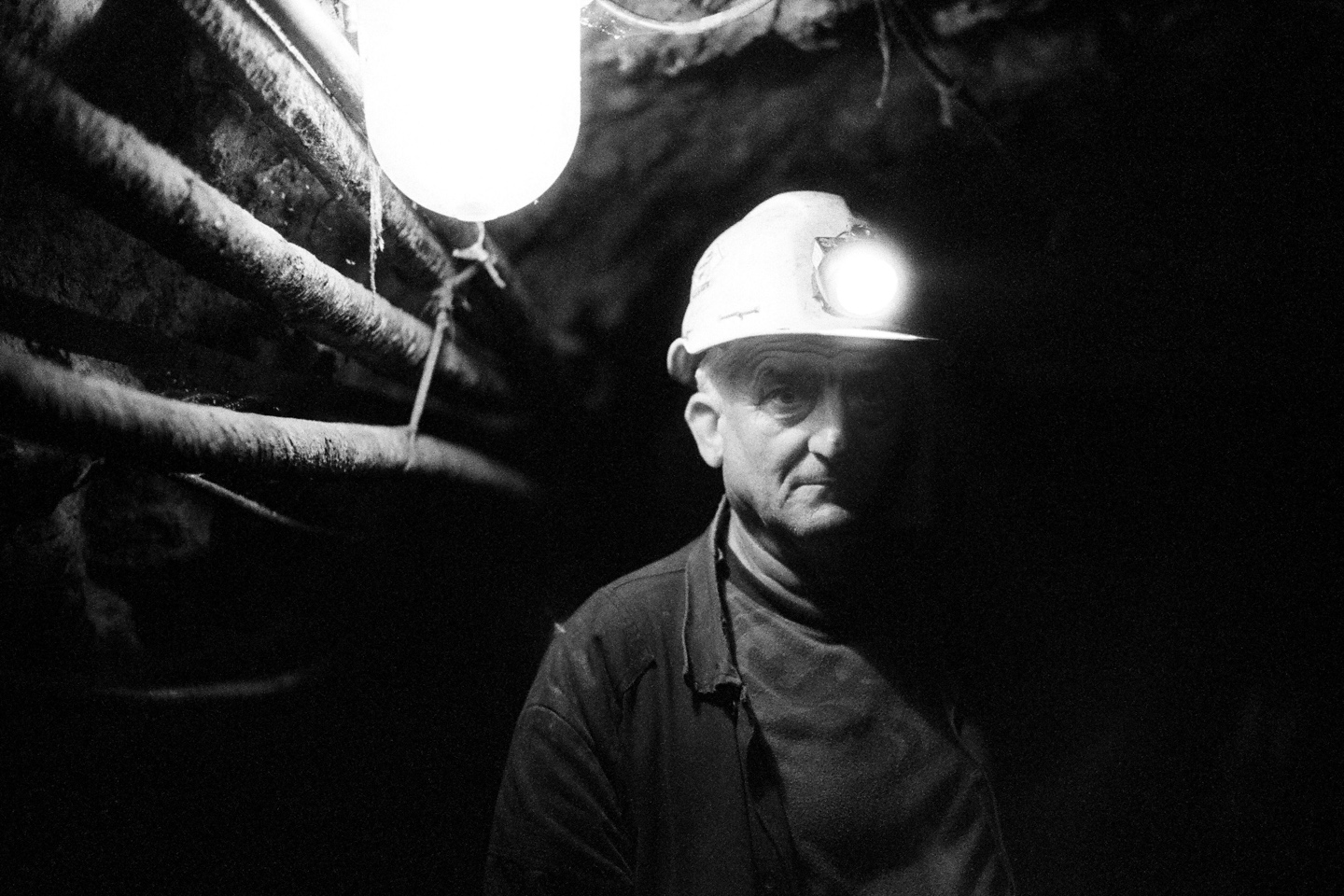
My father Dominik Víglaský.
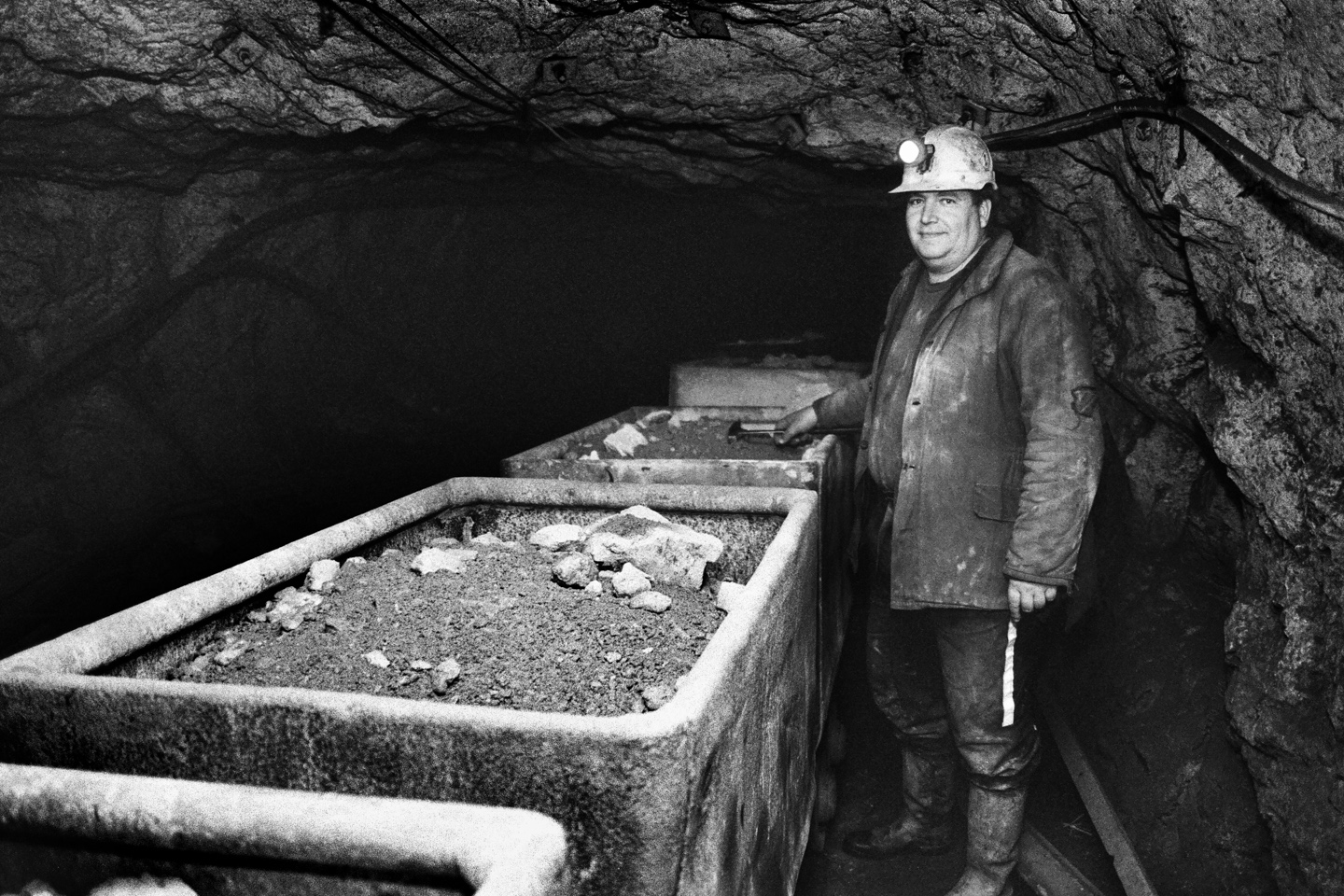
Ivan B.
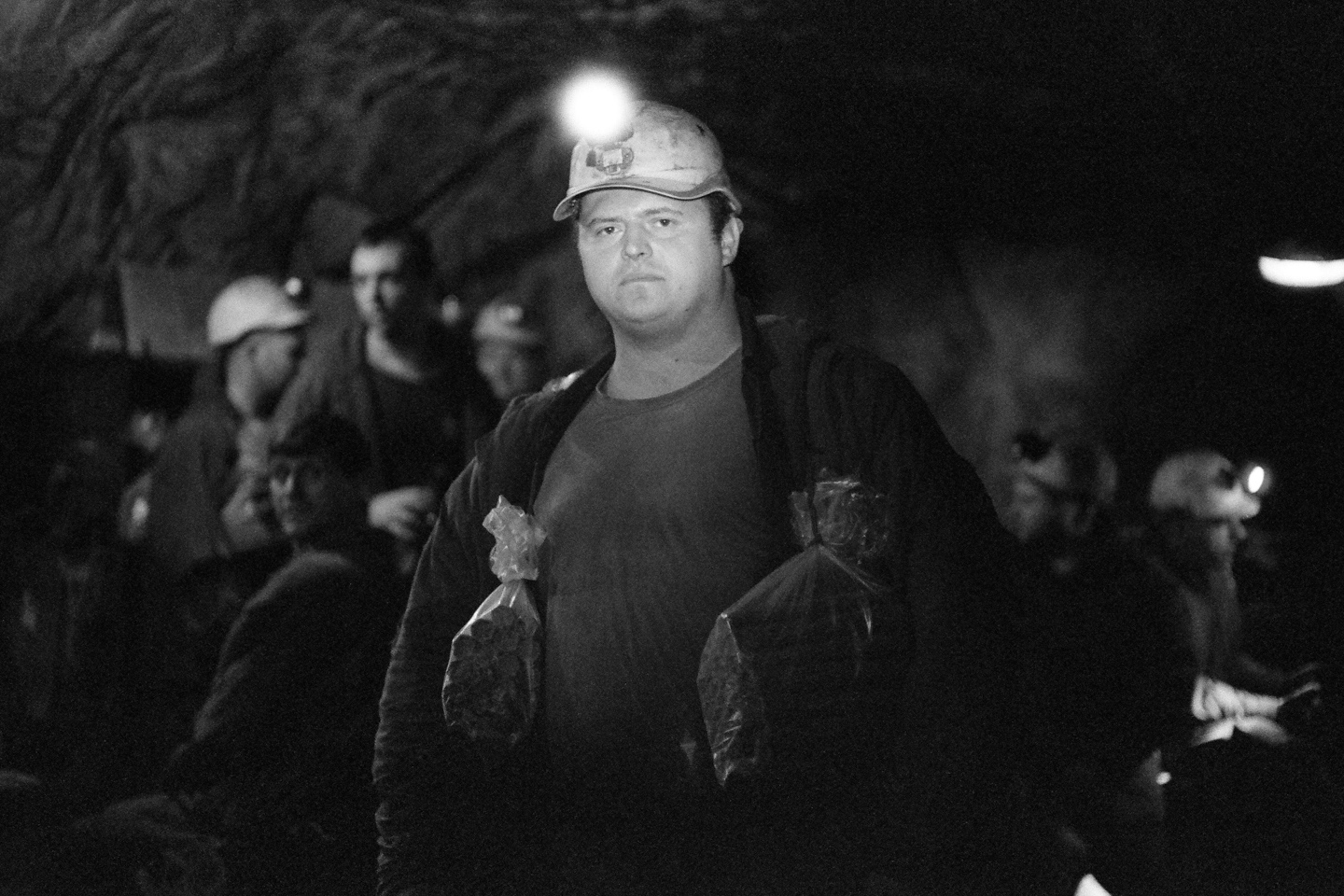
Maroš S.
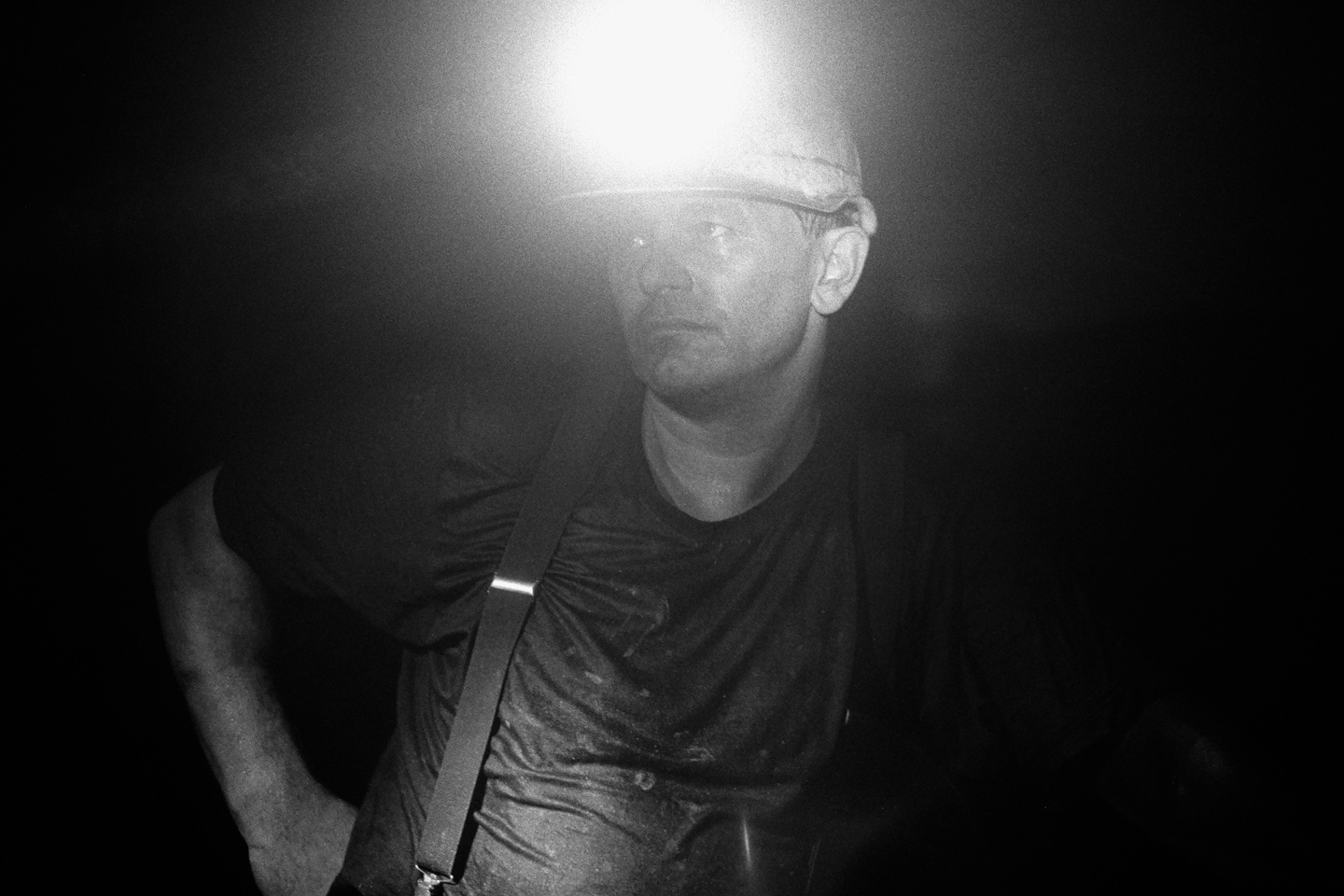
Miroslav T.
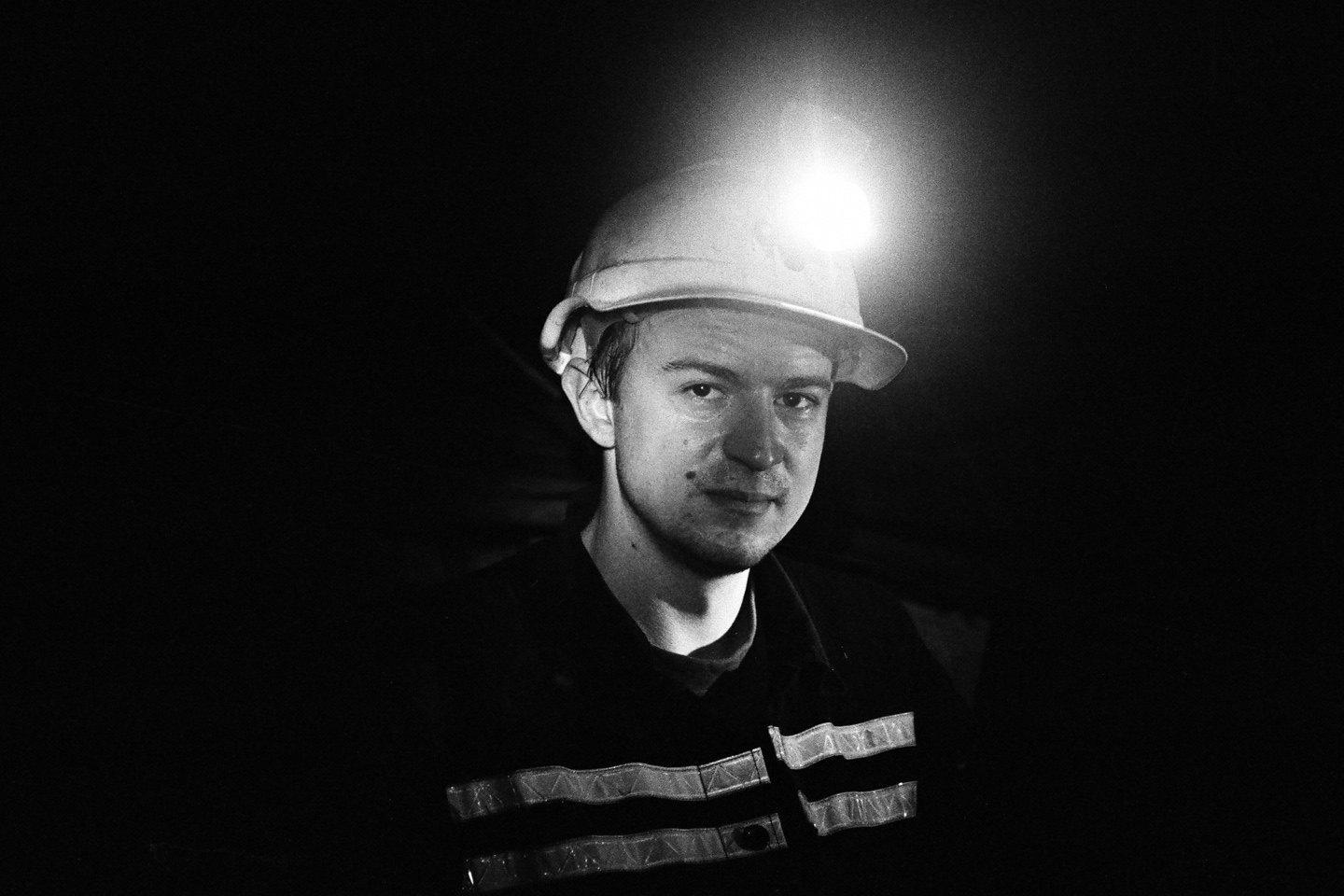
Illeš M.
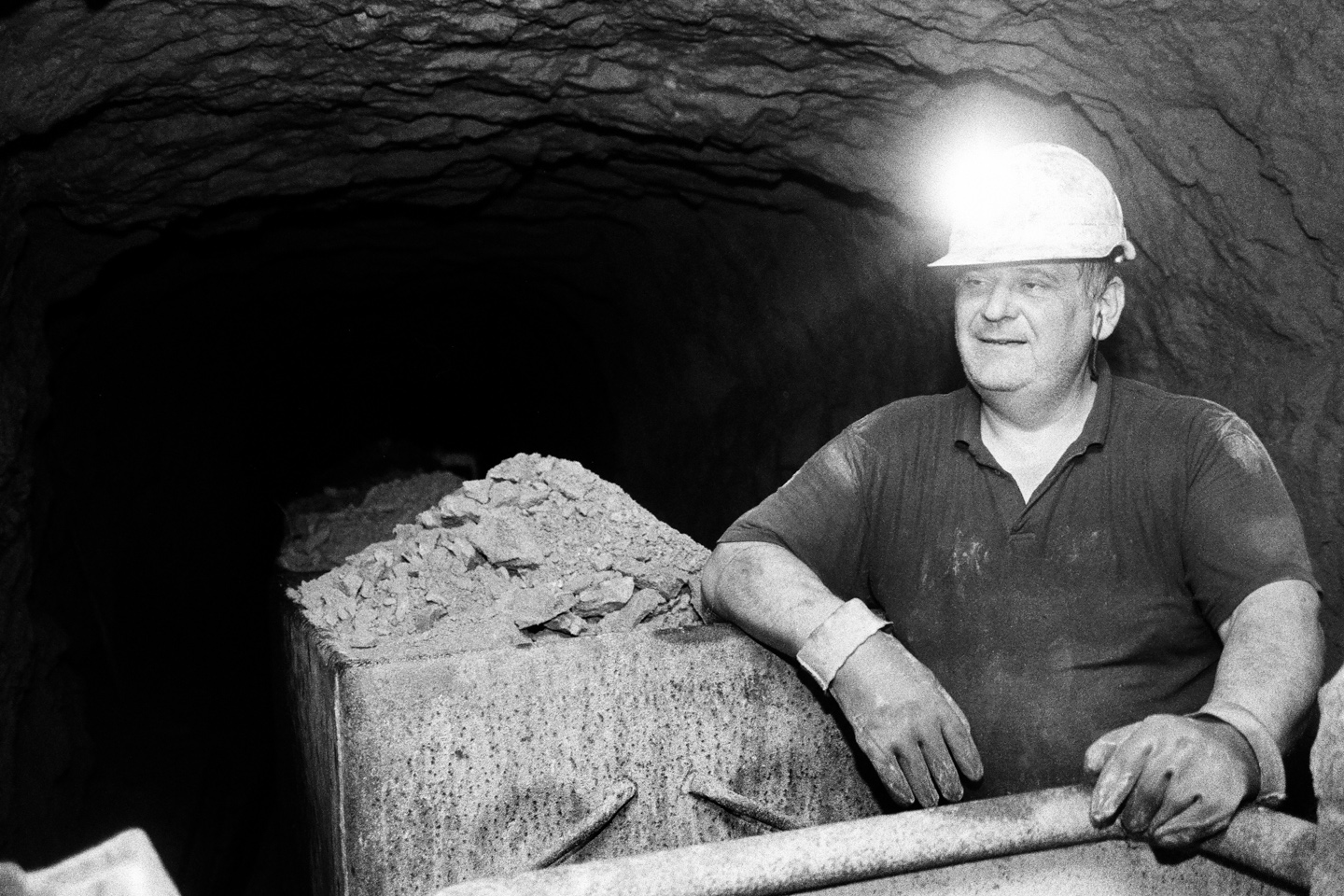
Zdenko Č.
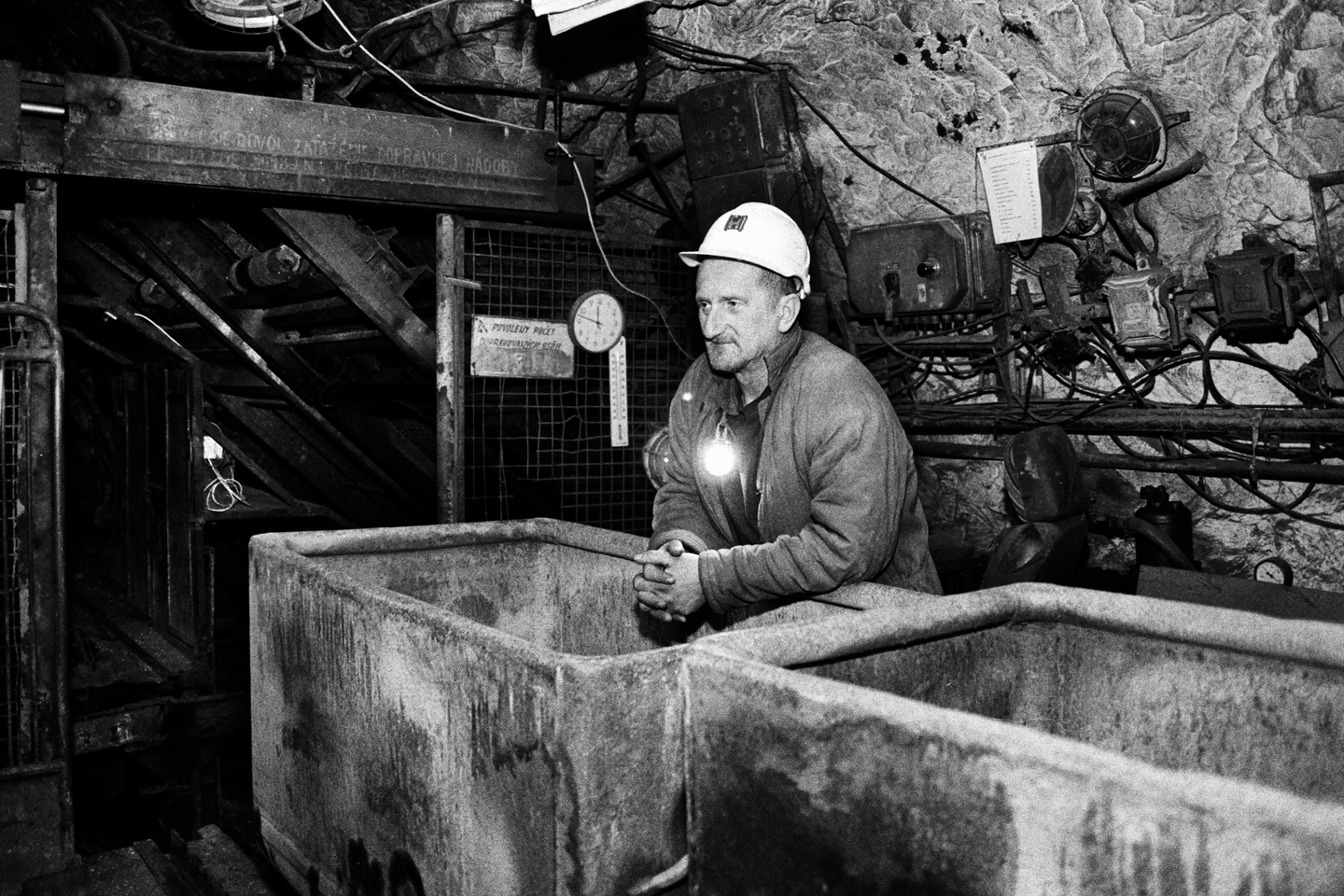
Ivan M.
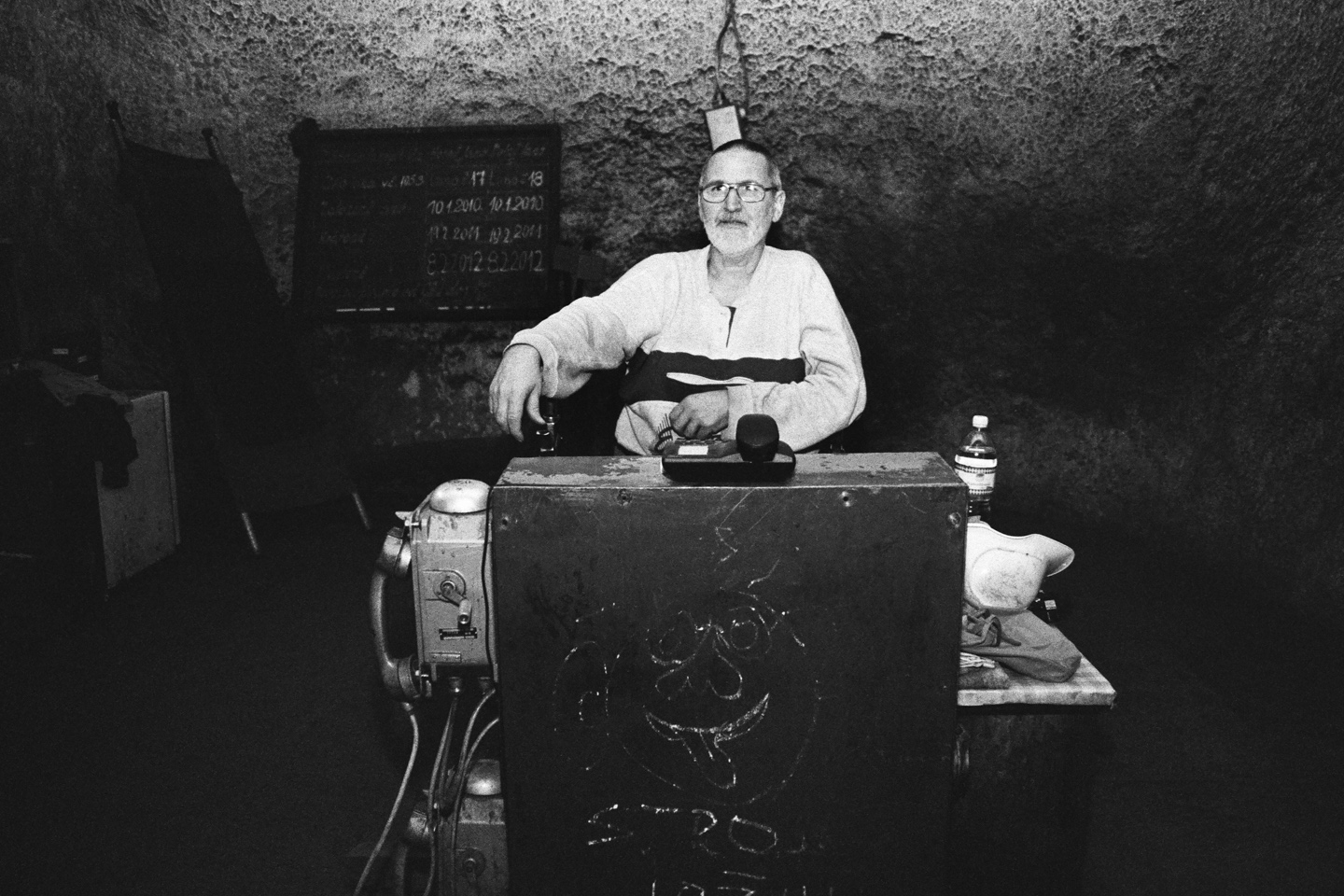
Jozef C.
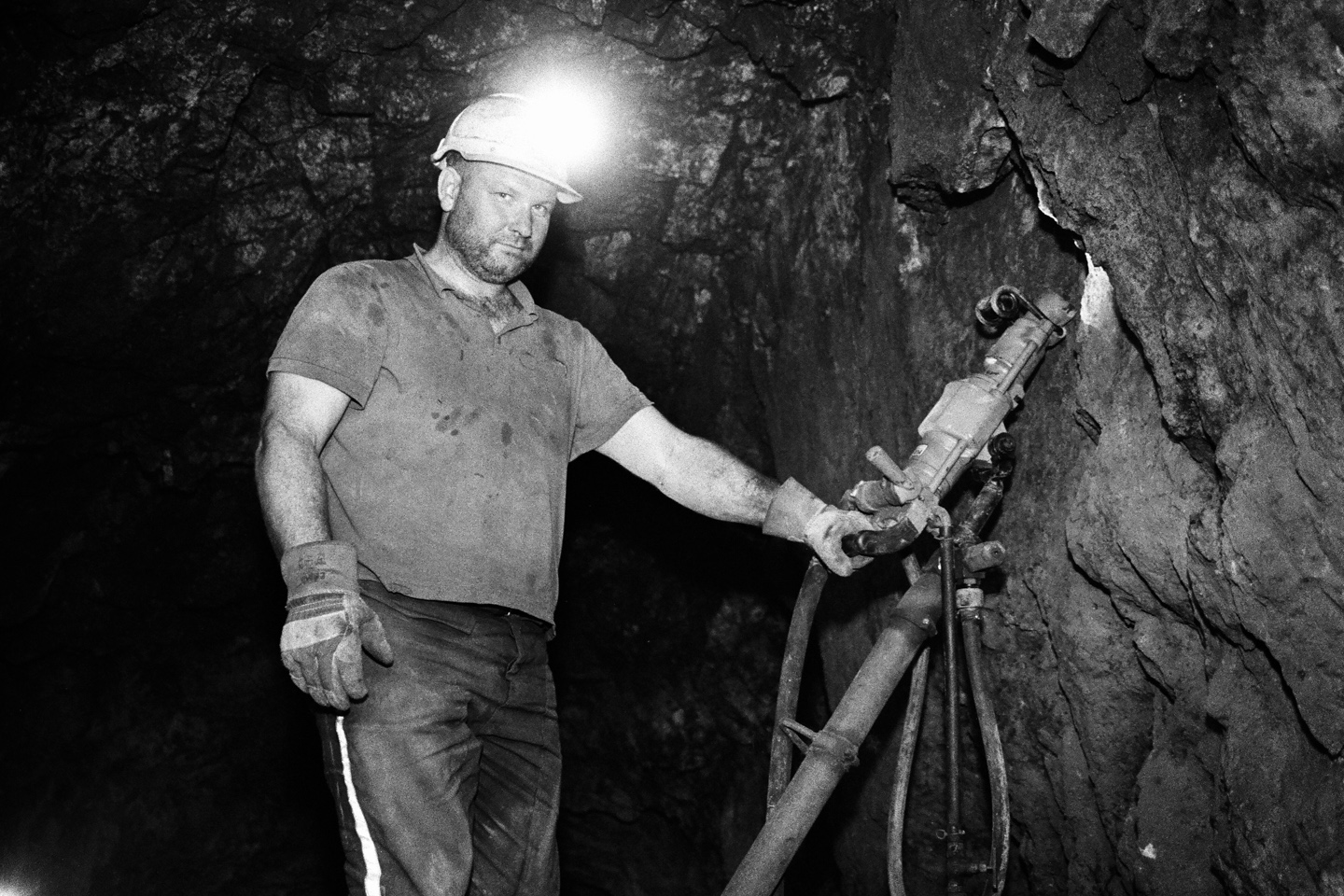
Miroslav Č.
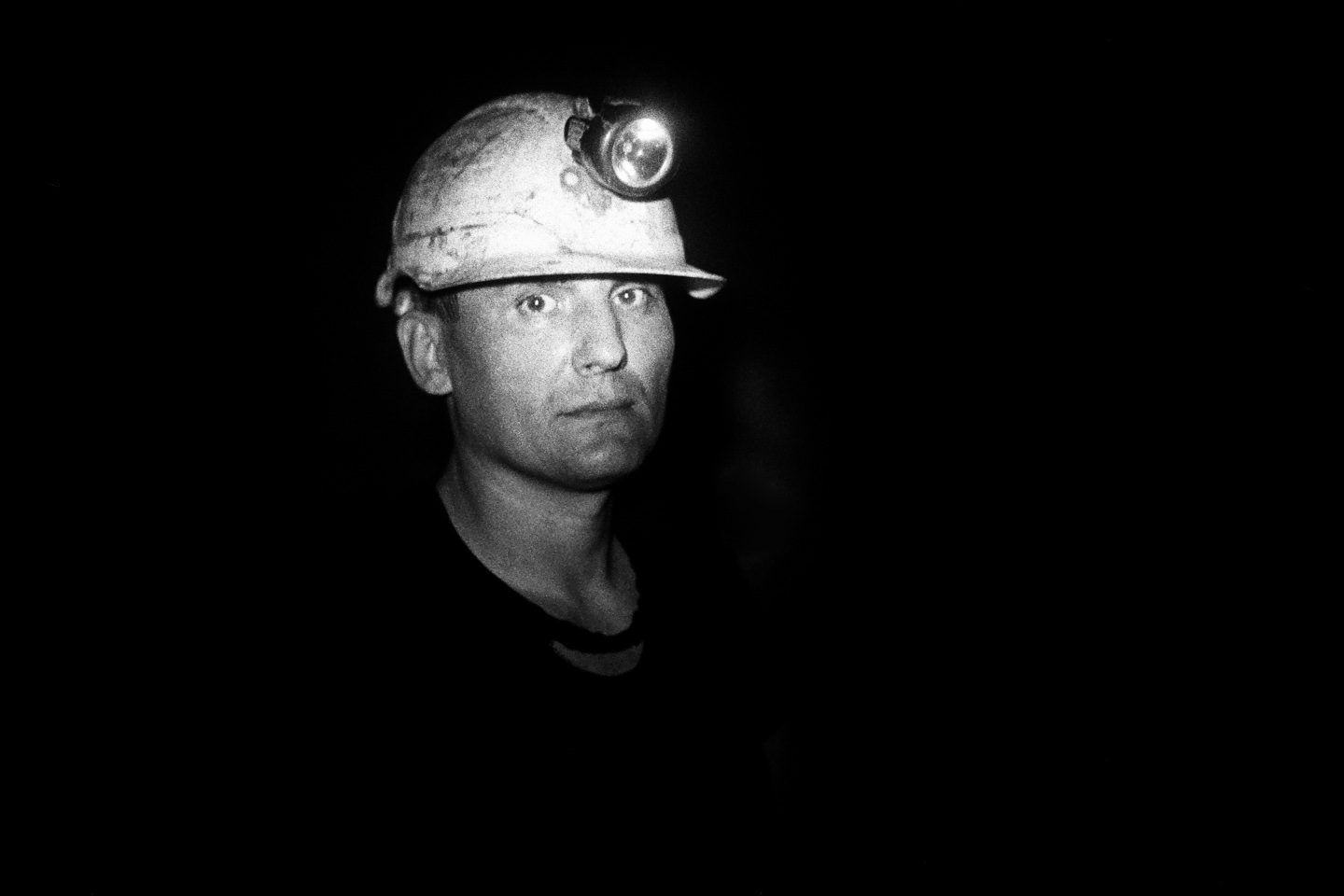
Michal H.
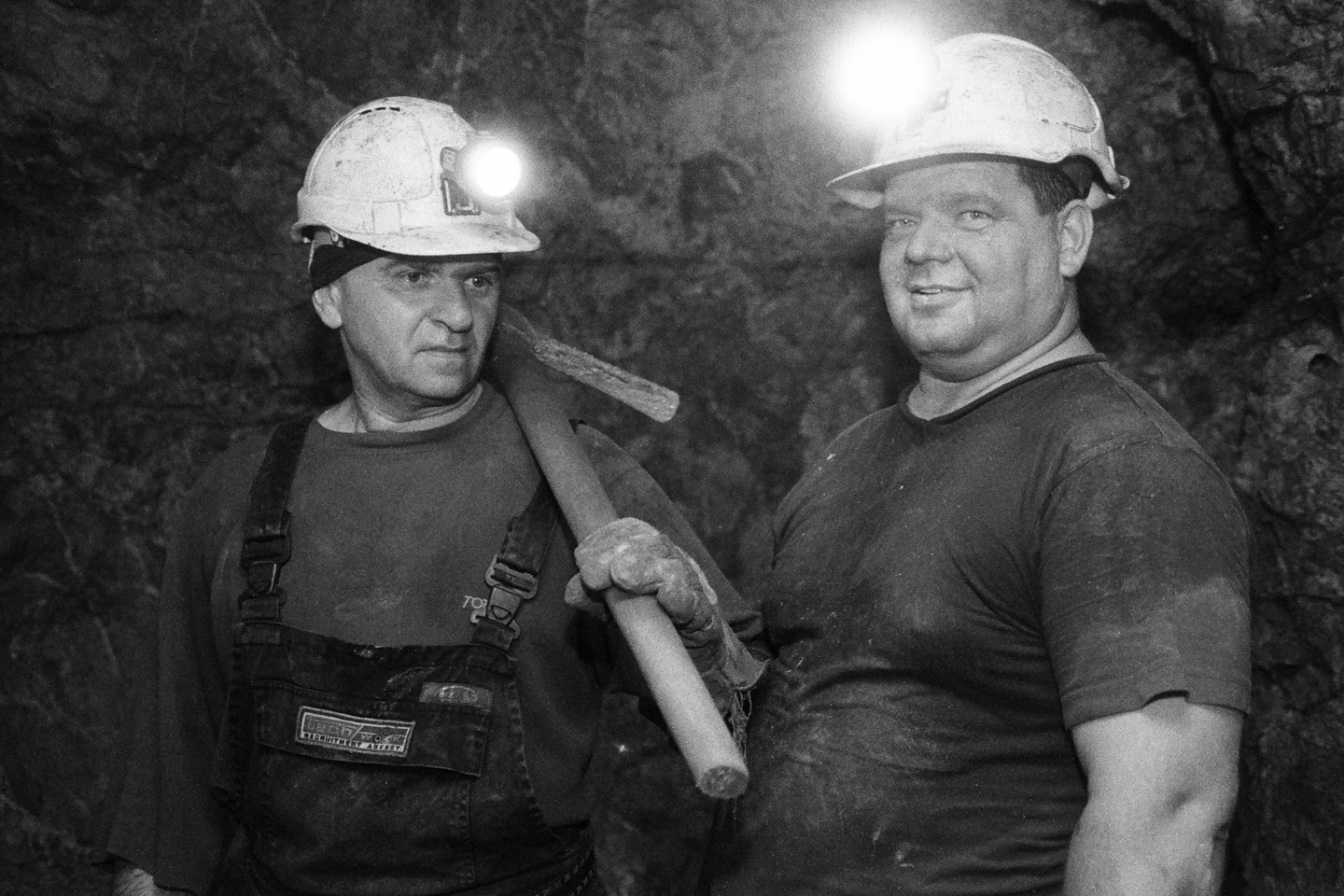
Zdenko F. and Ján V.
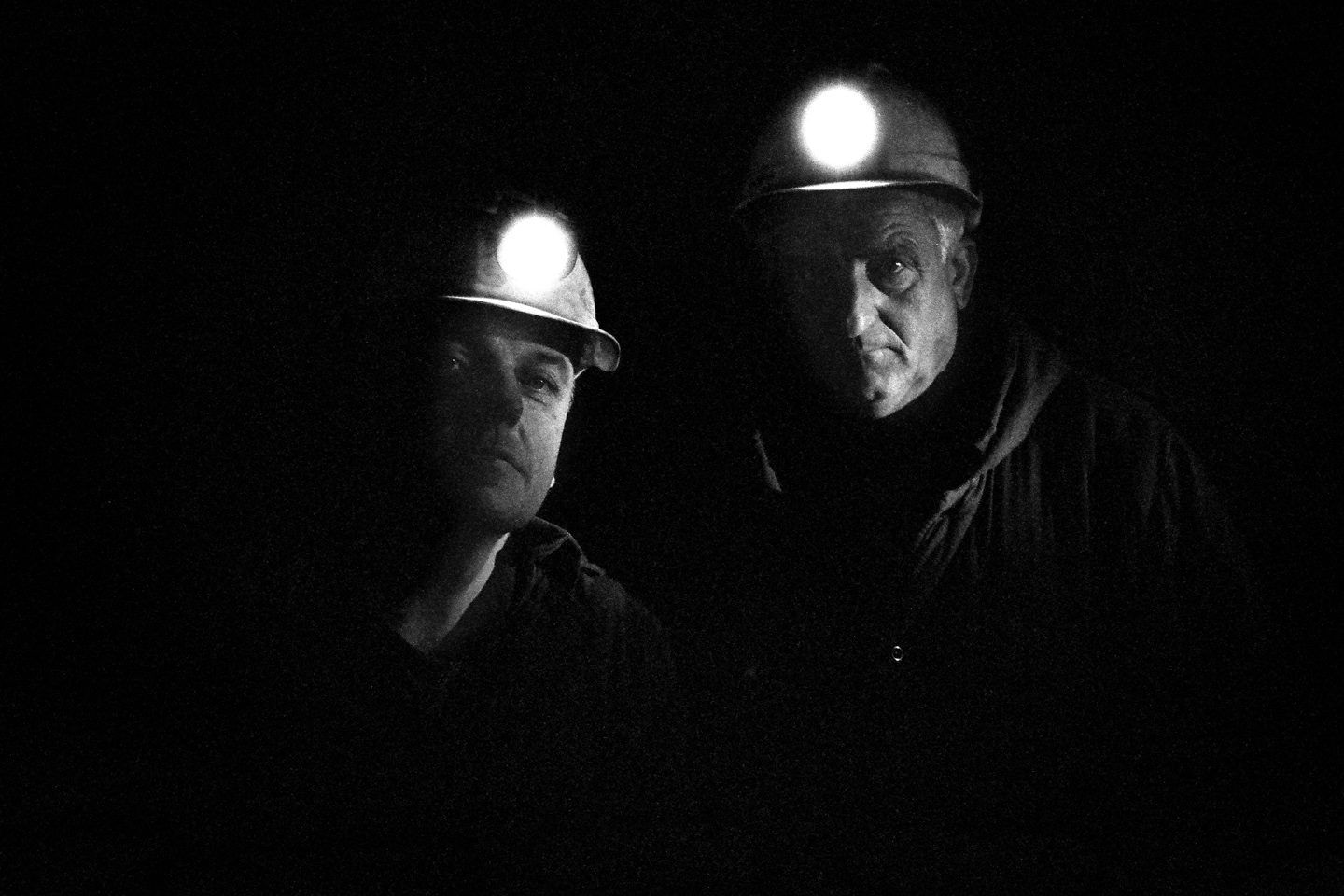
Dano I. and Dominik V.
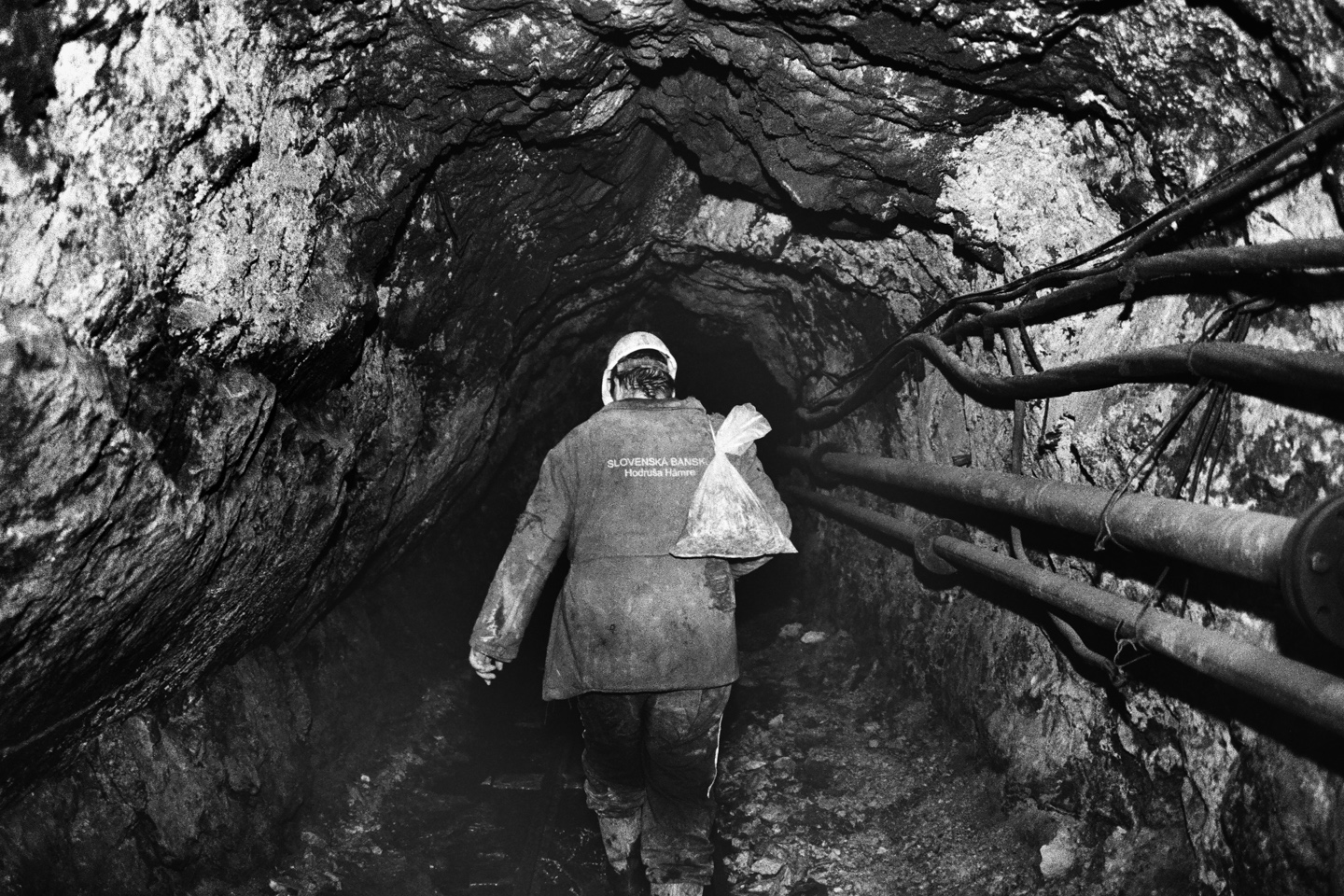
Ivan B. at horizon XIV (240 m.a.s.l.), carrying ore samples to the laboratory.
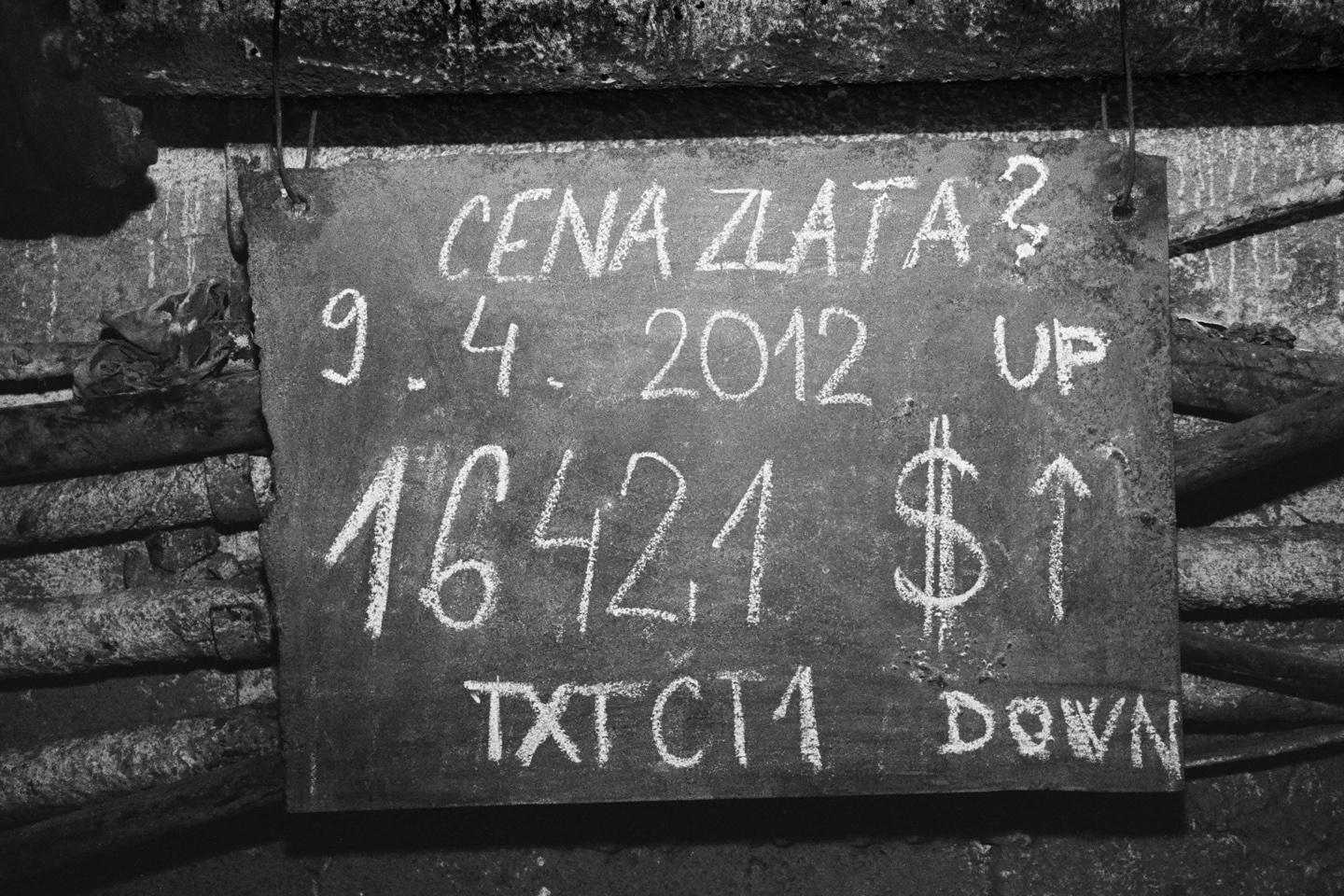
Blackboard showing gold price, 9 April 2012.
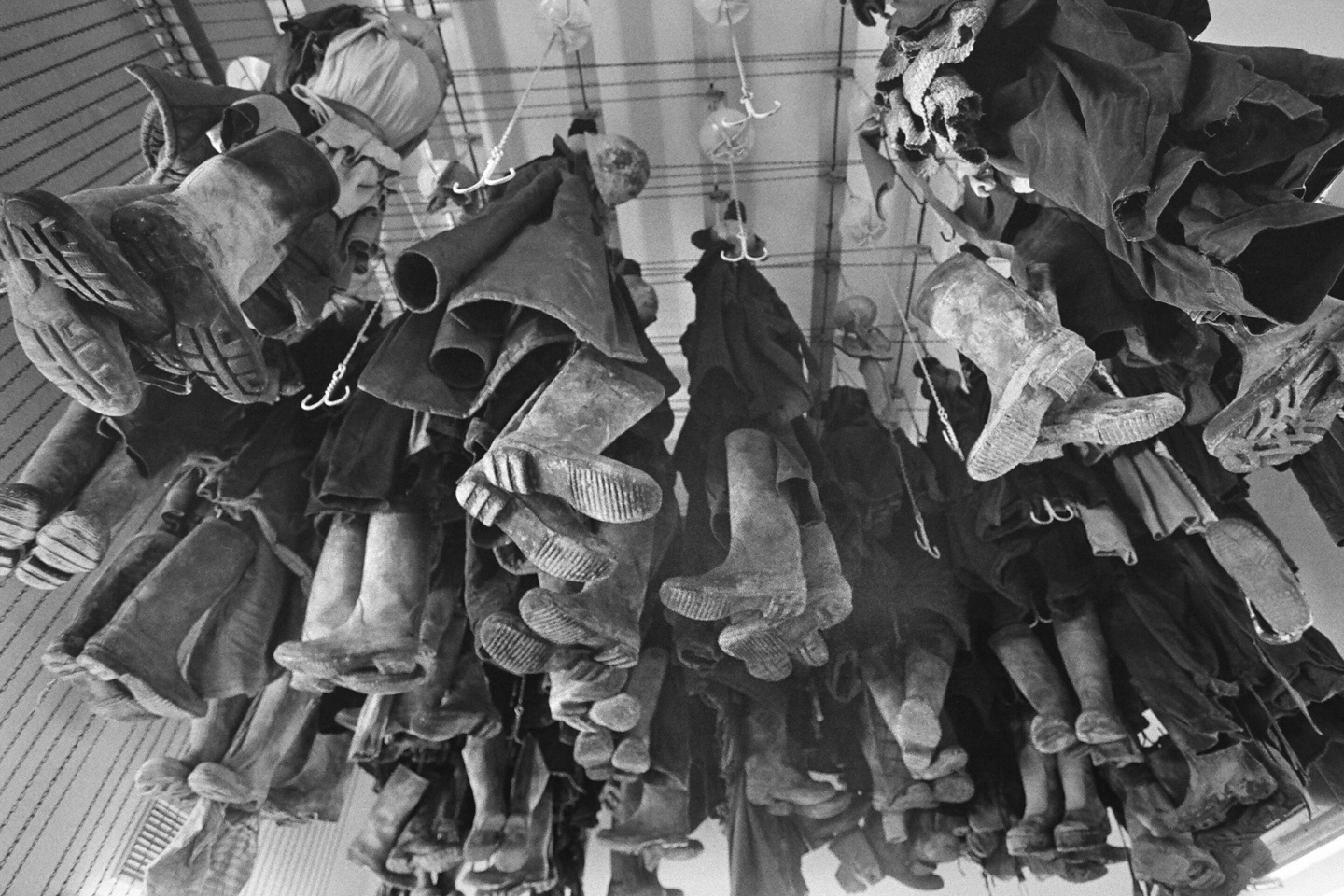
Drying room at the miners building.
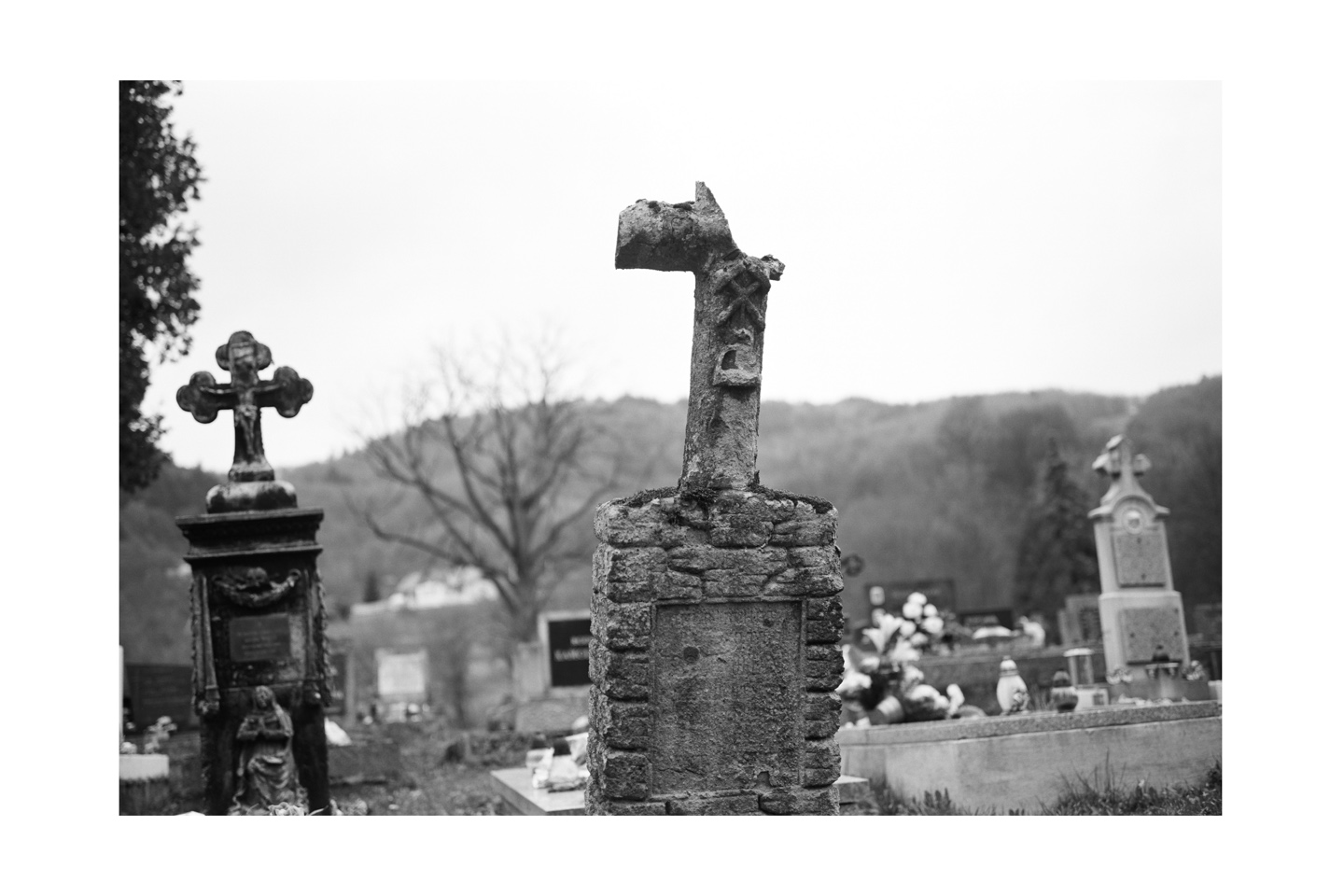
Grave of a miner in Hodruša – Hámre cemetery.
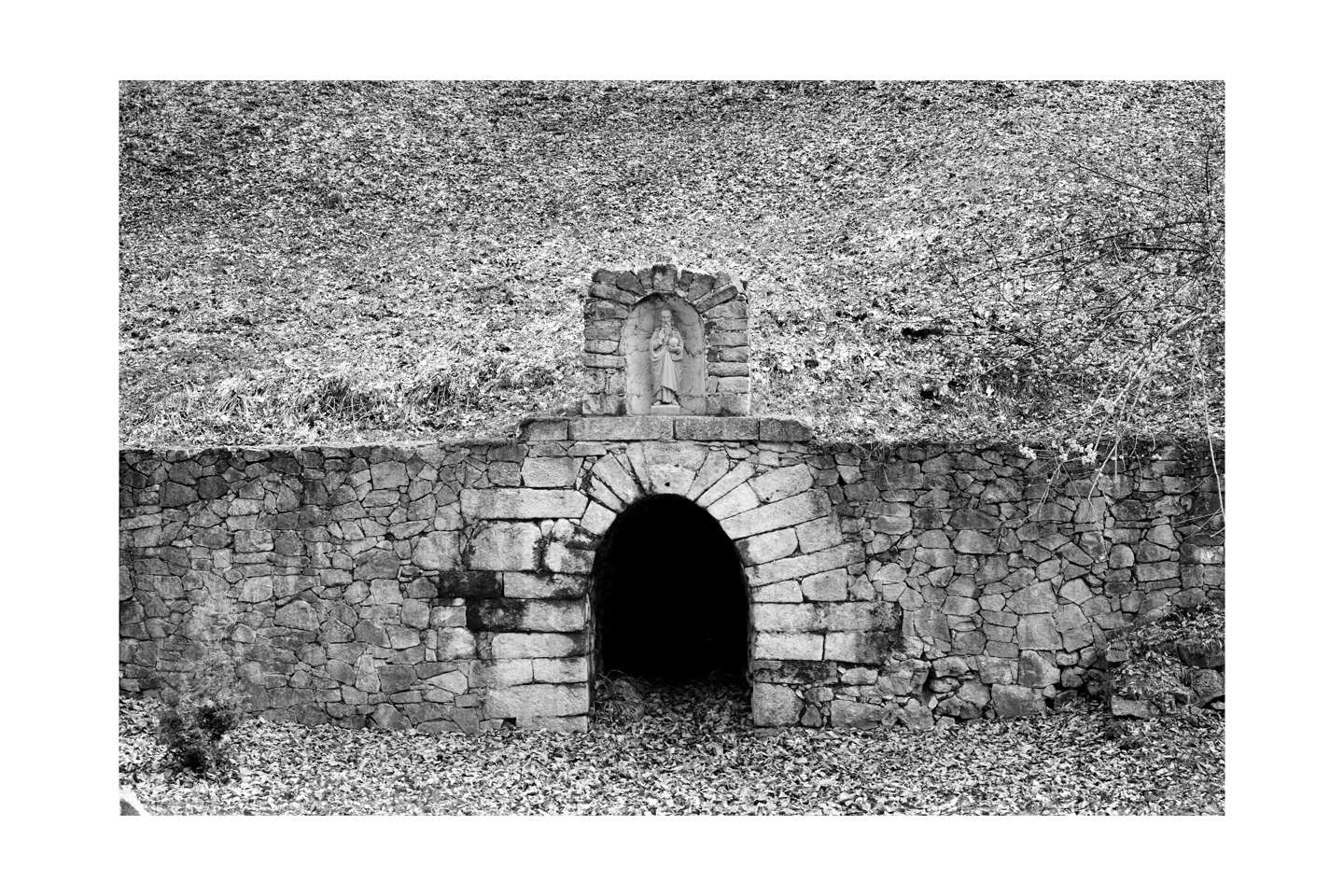
An entrance to the former Dolná Schopfer mine. This entrance was recently restored and is part of the UNESCO World Heritage.
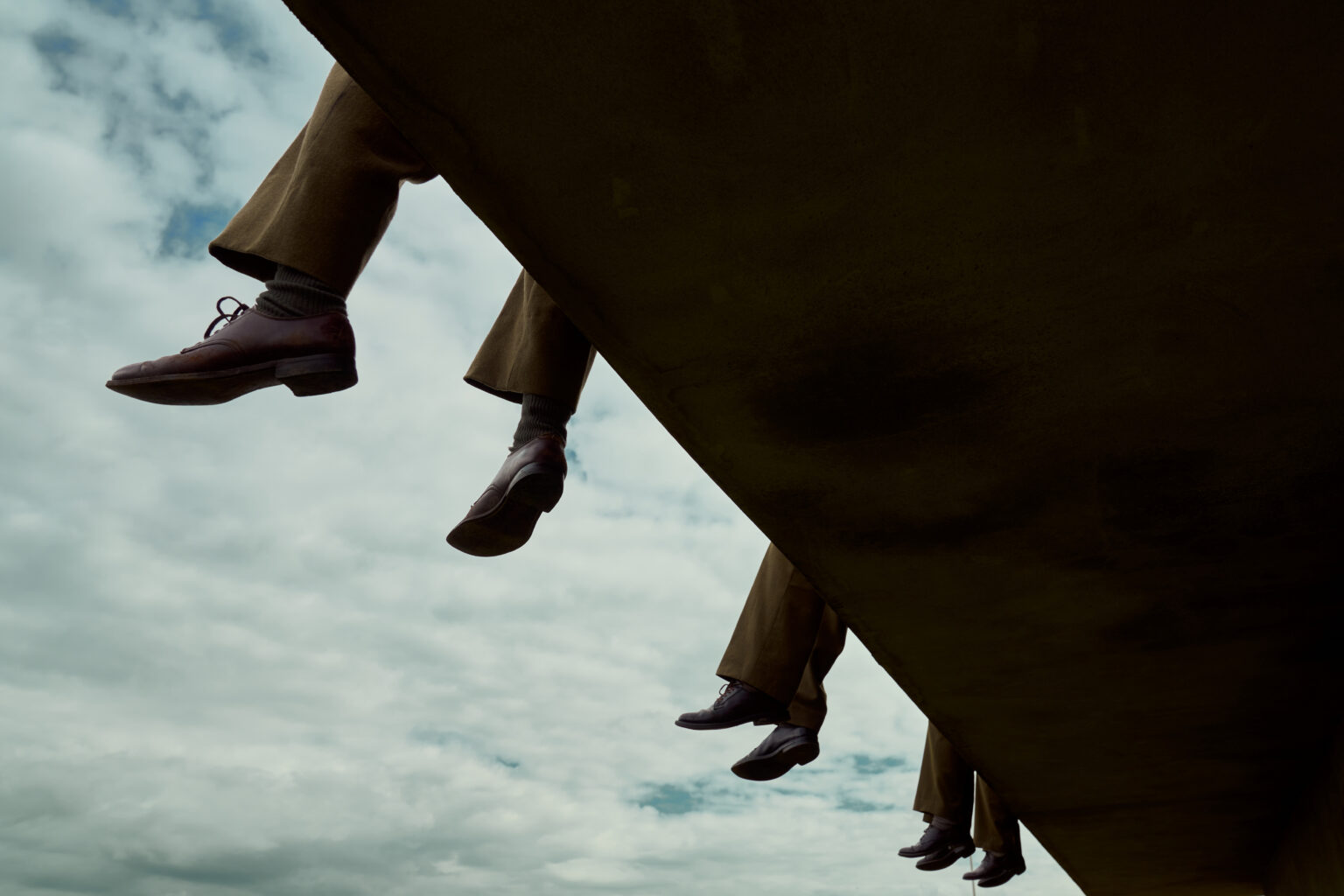
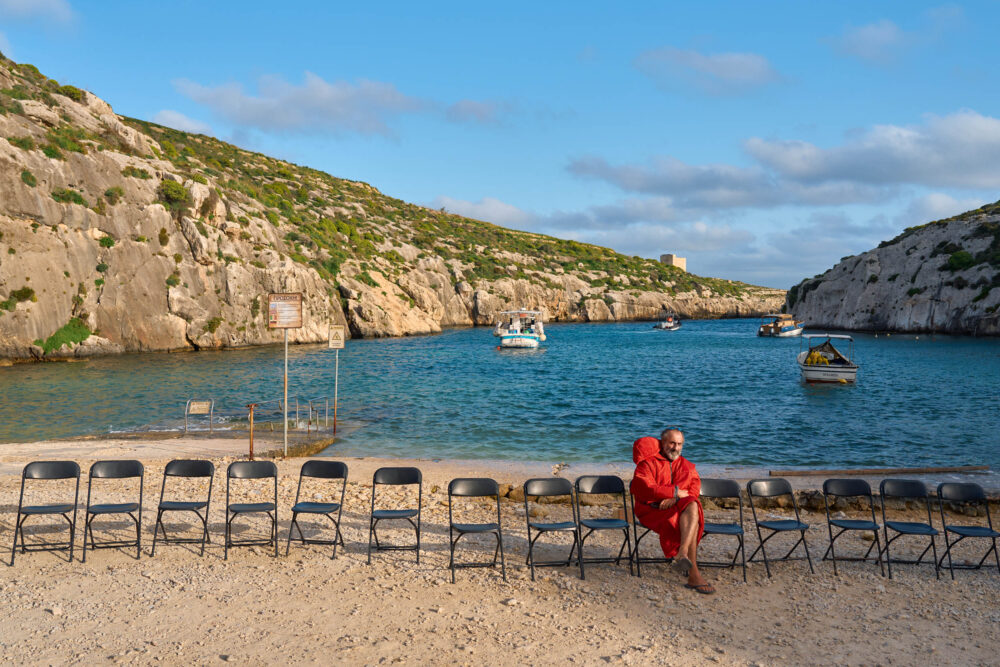
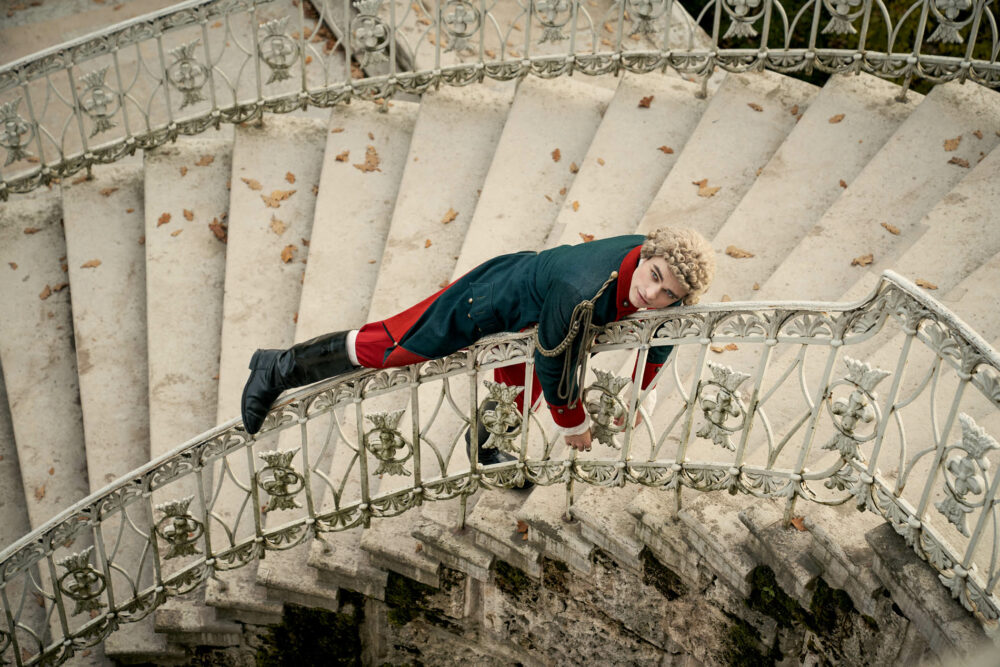
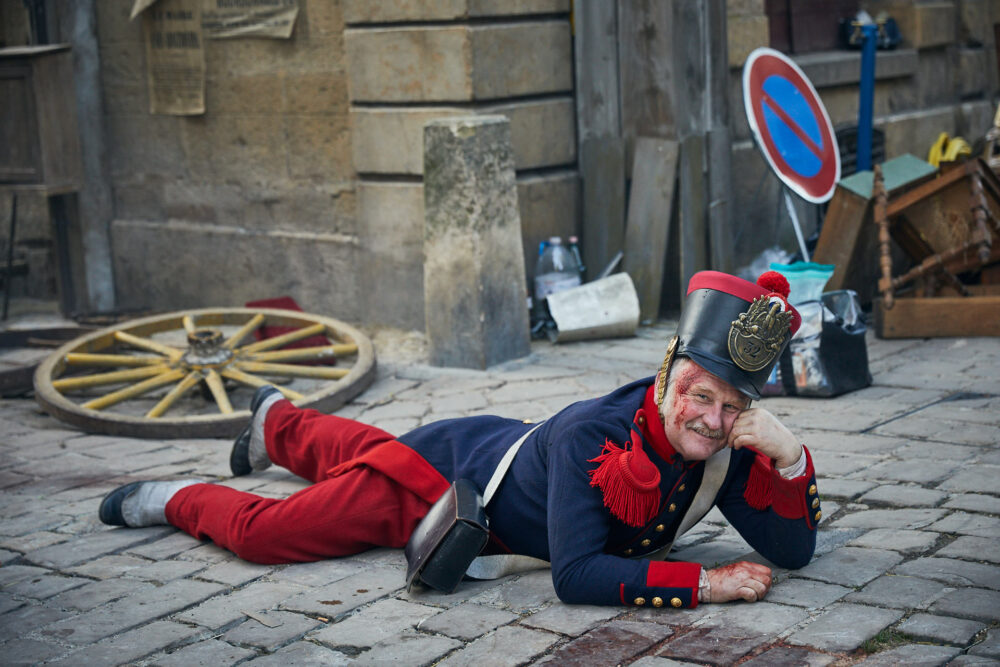
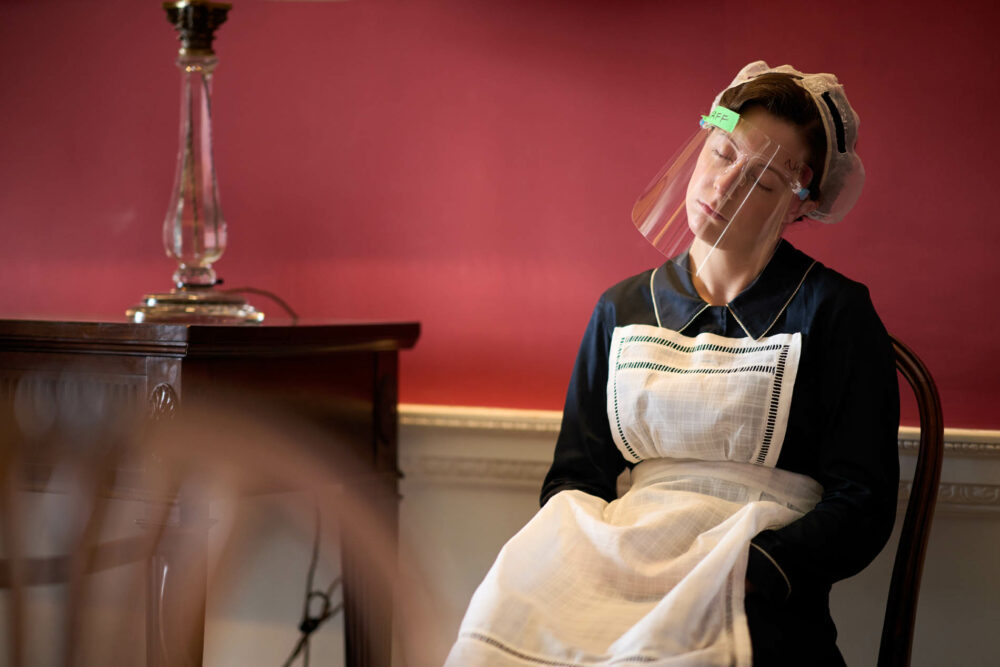
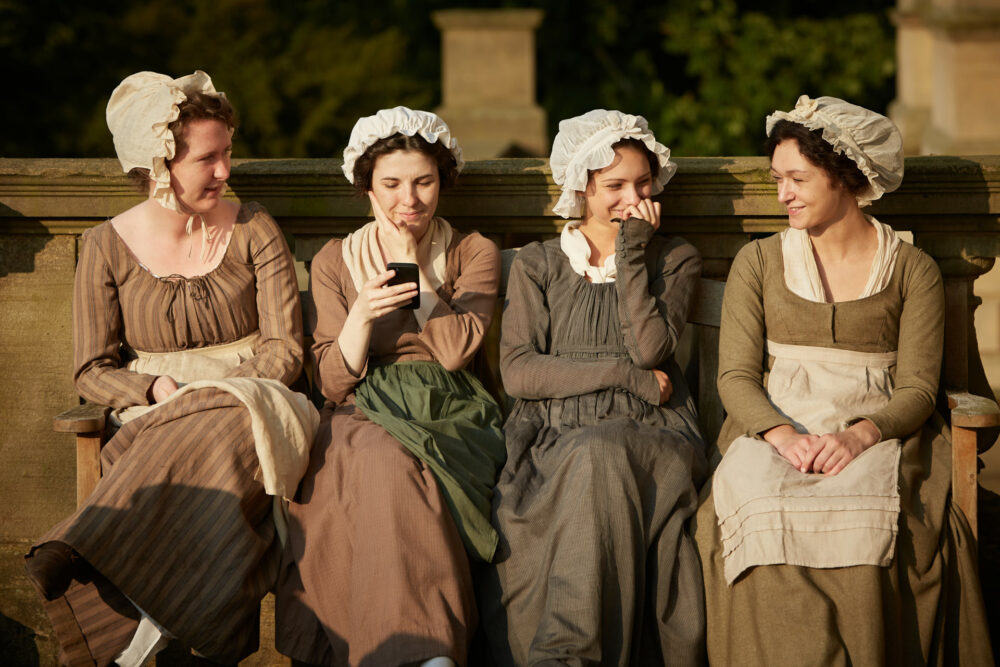
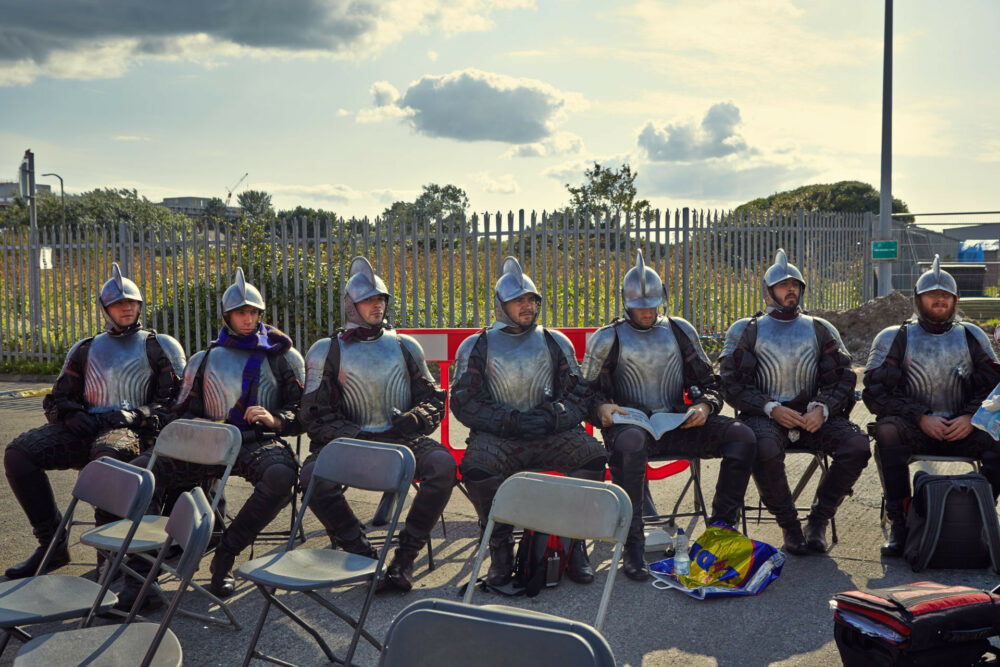
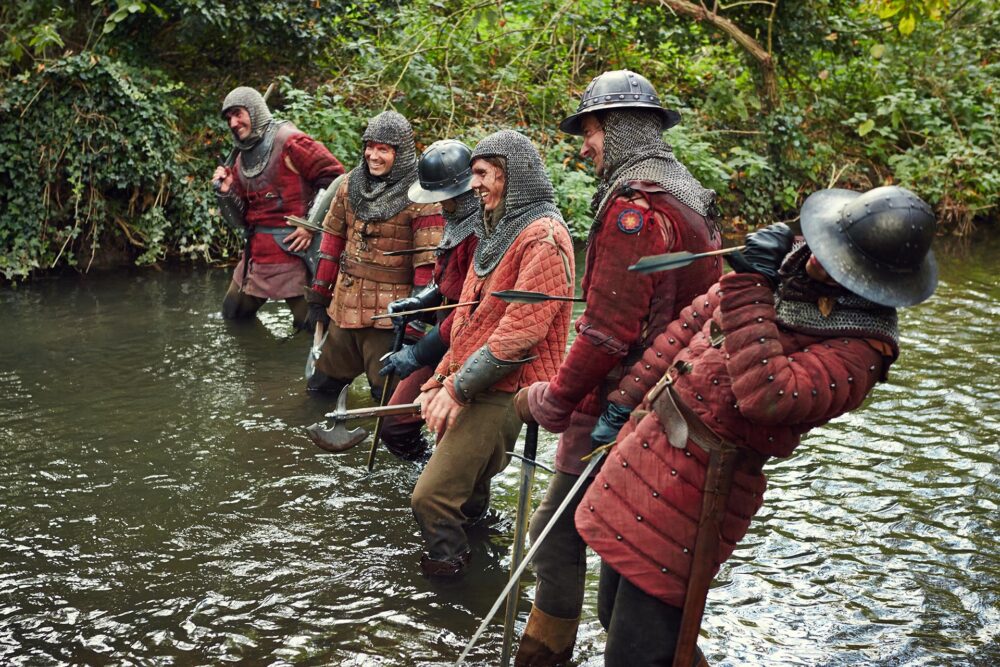
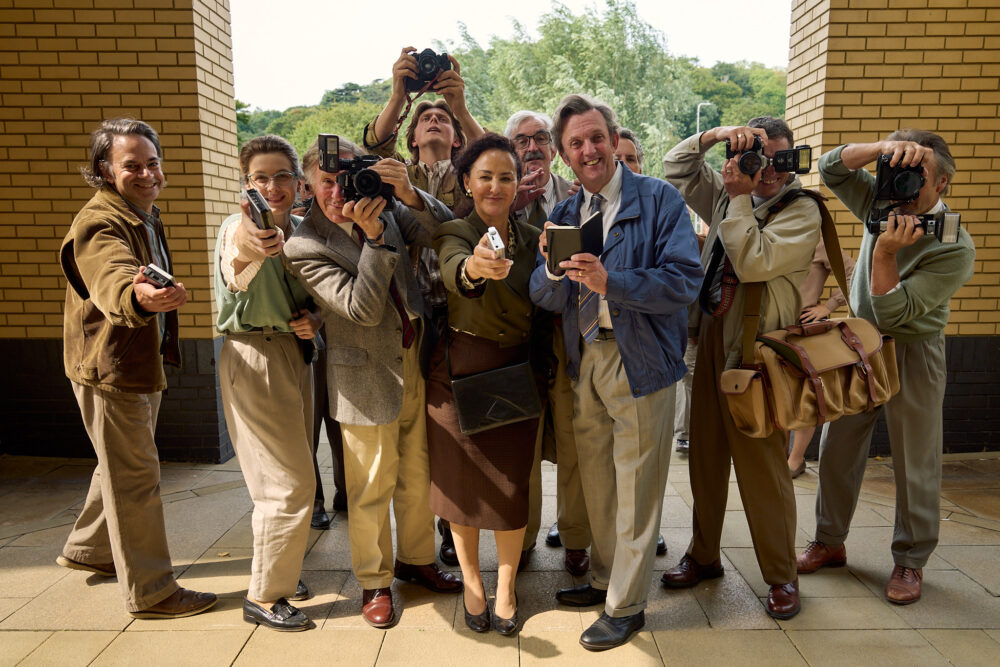
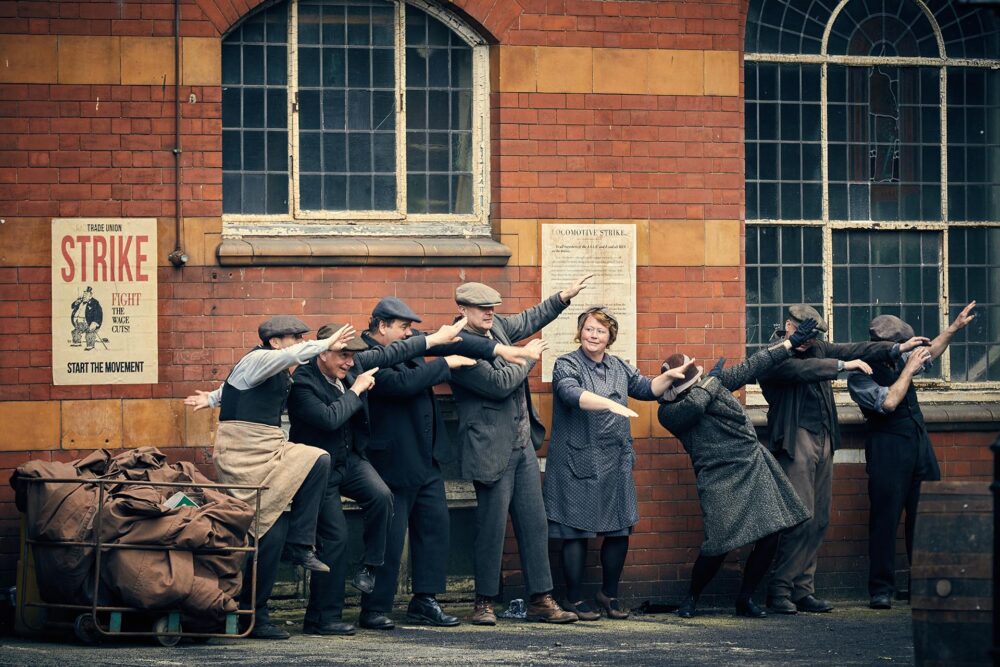
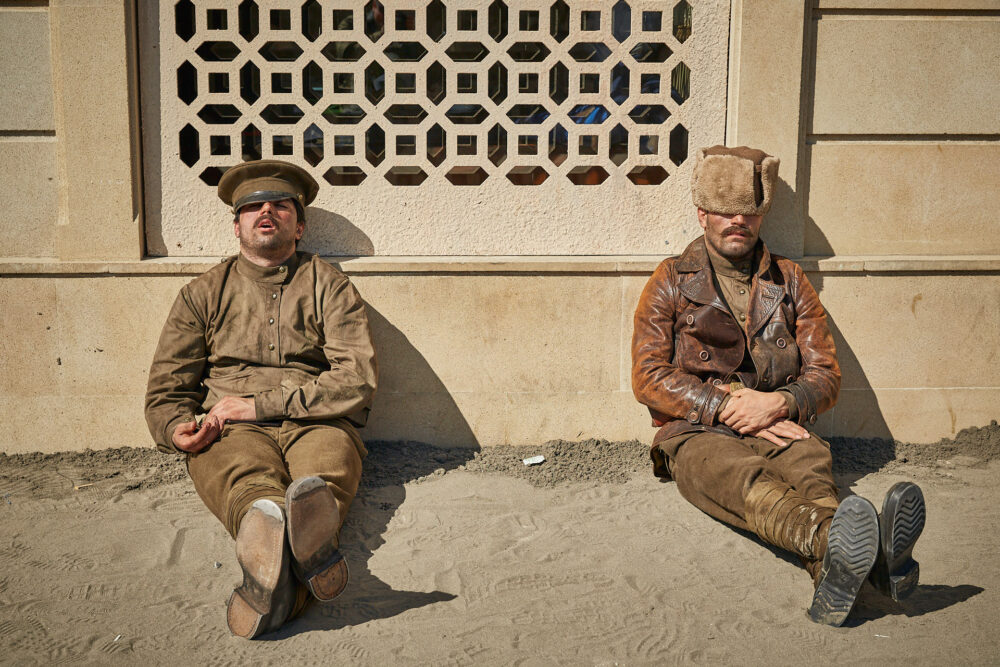
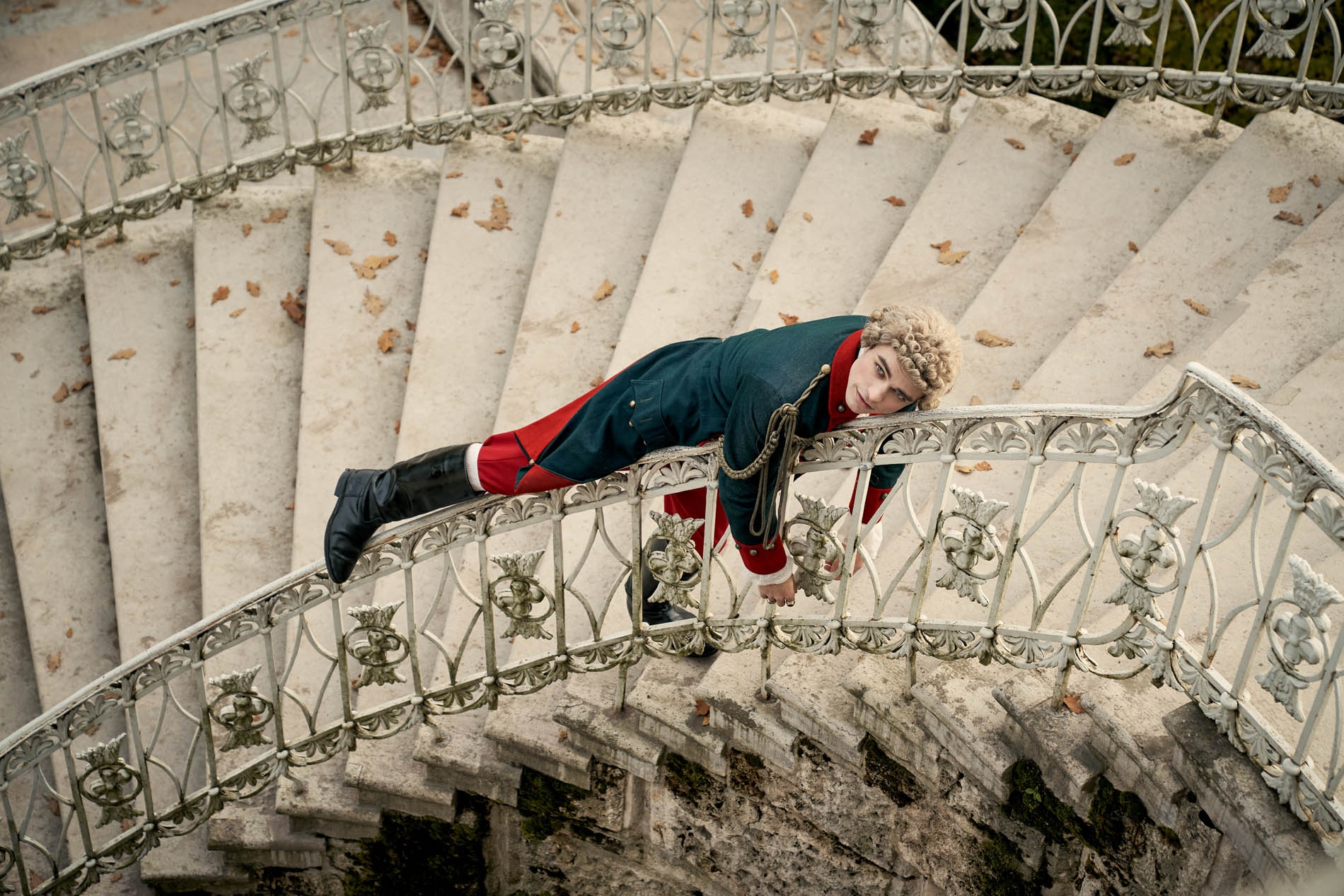
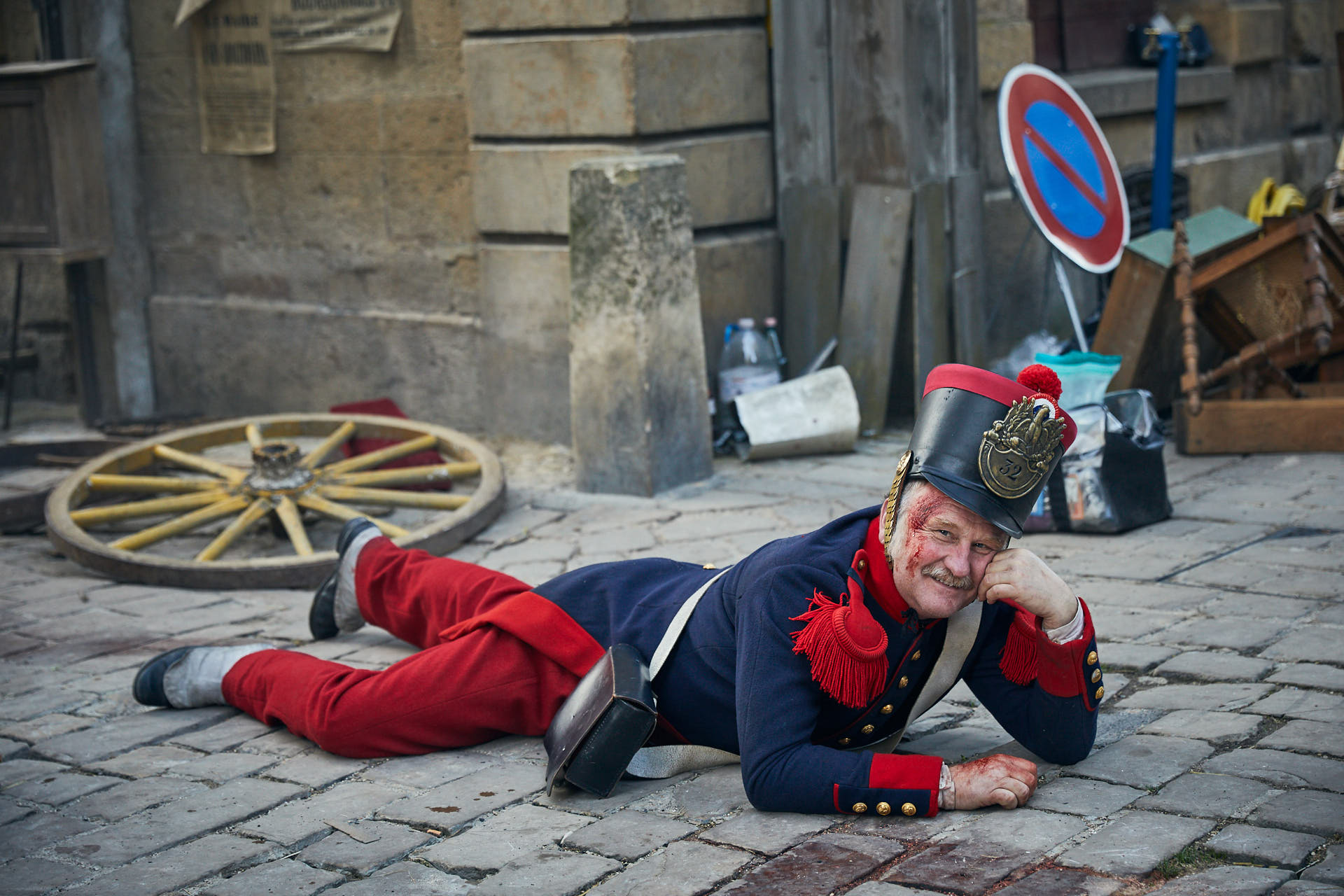
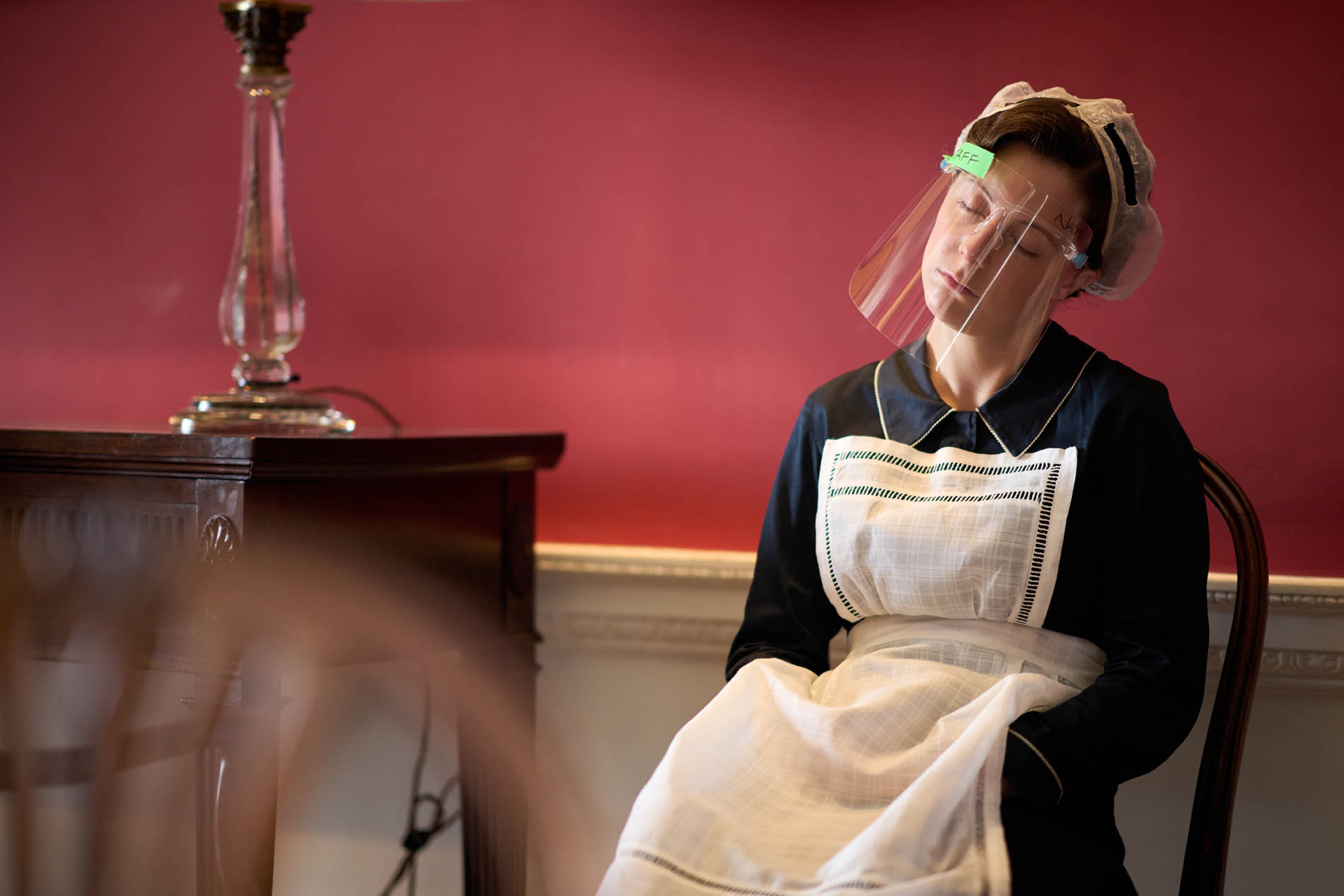
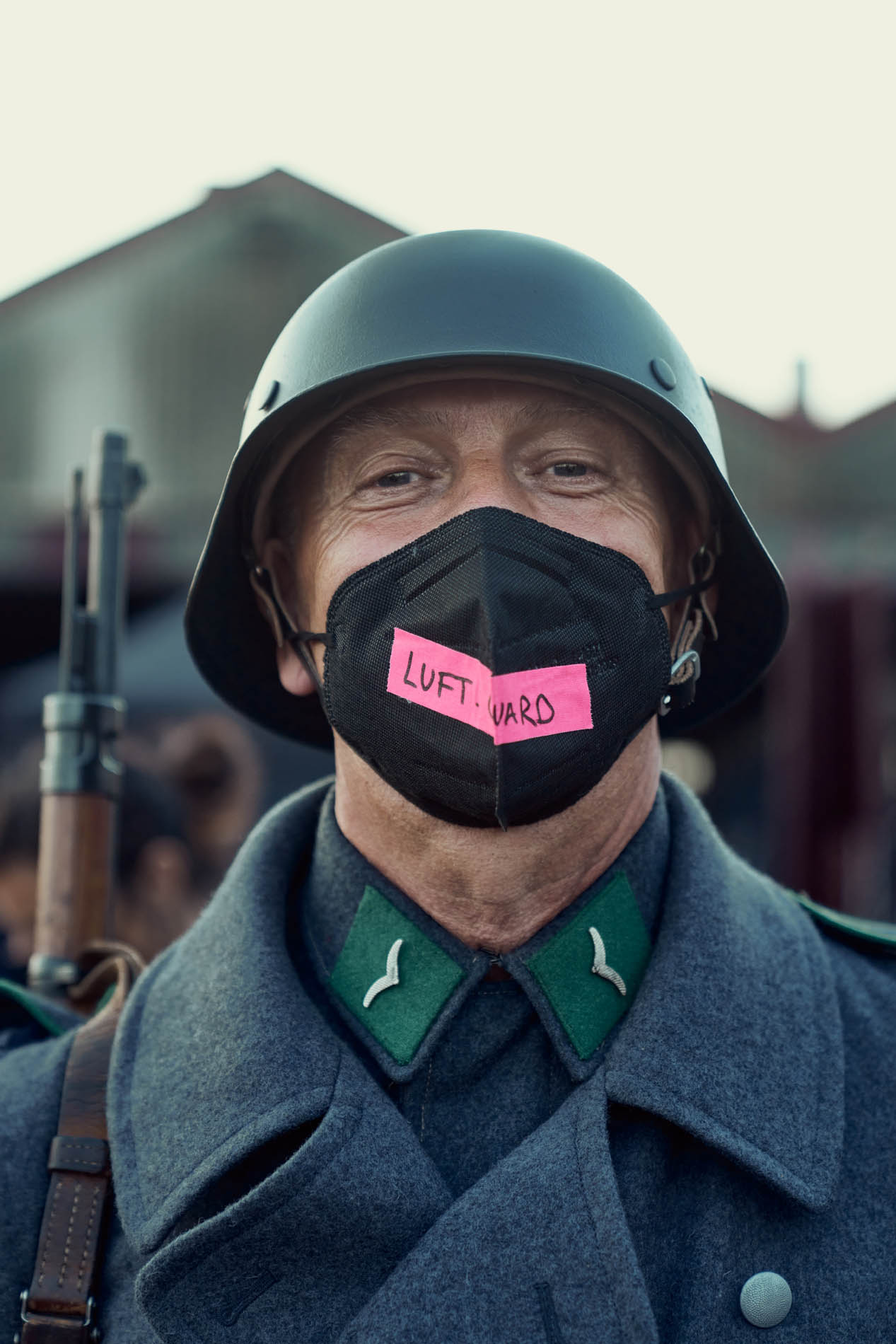
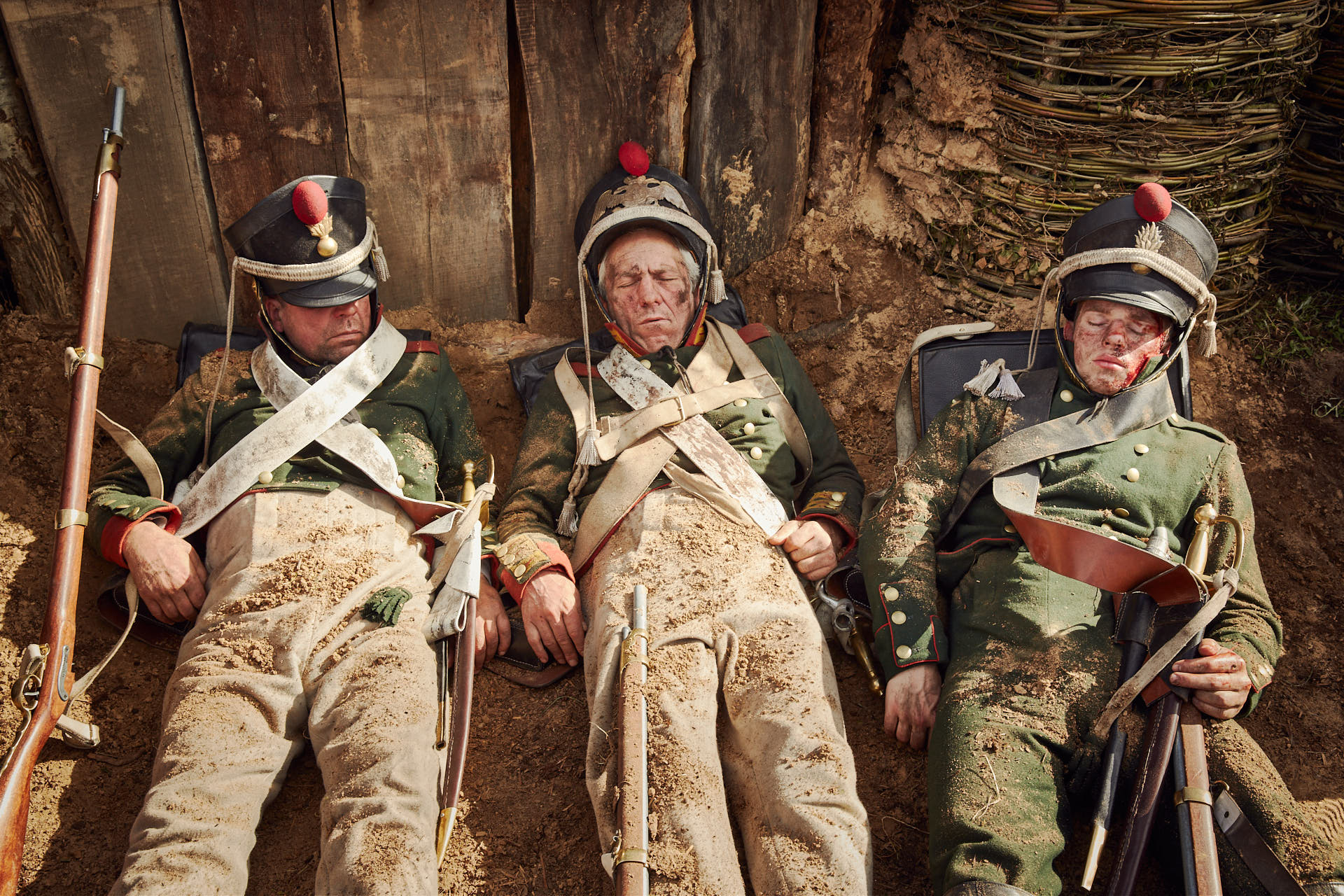
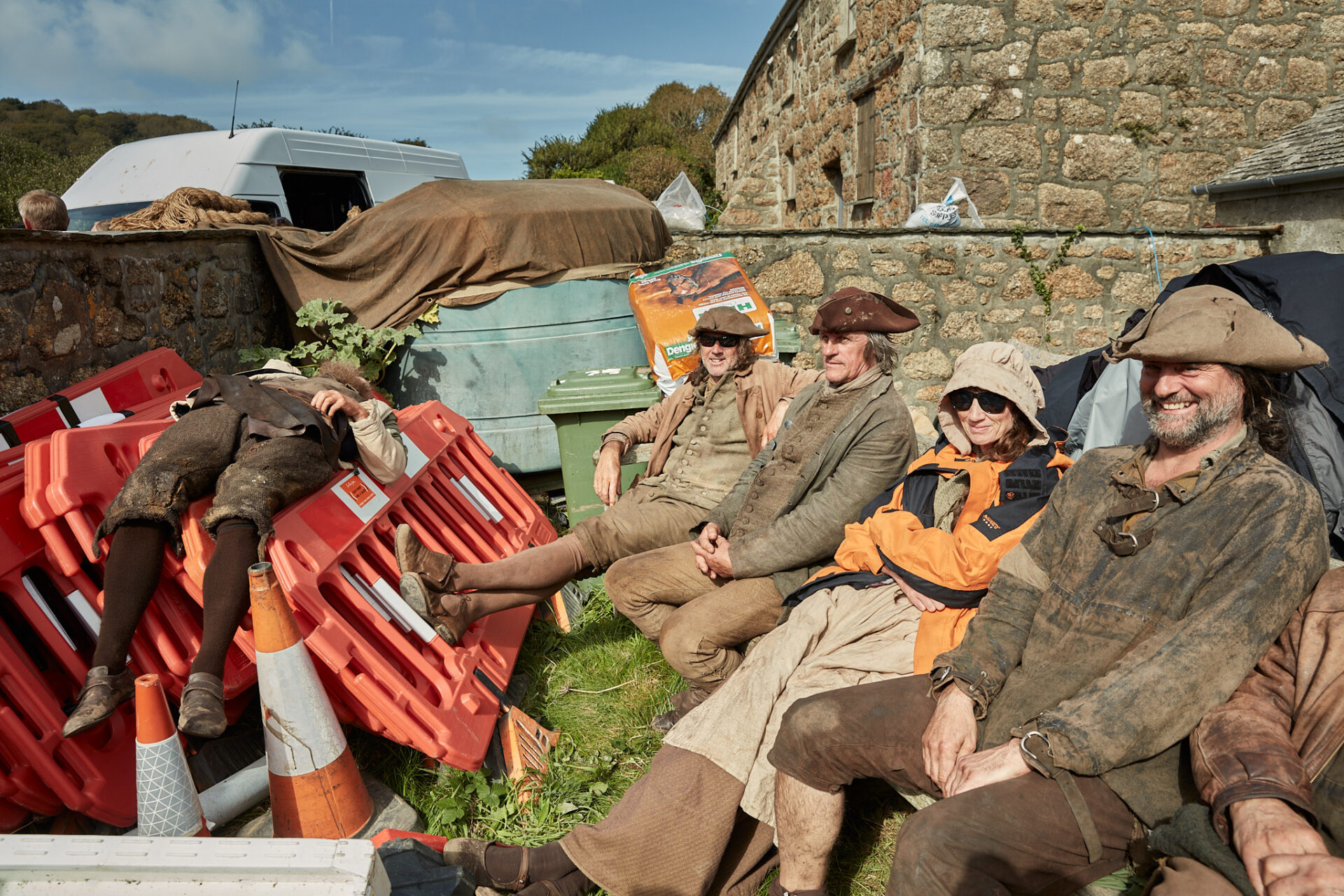
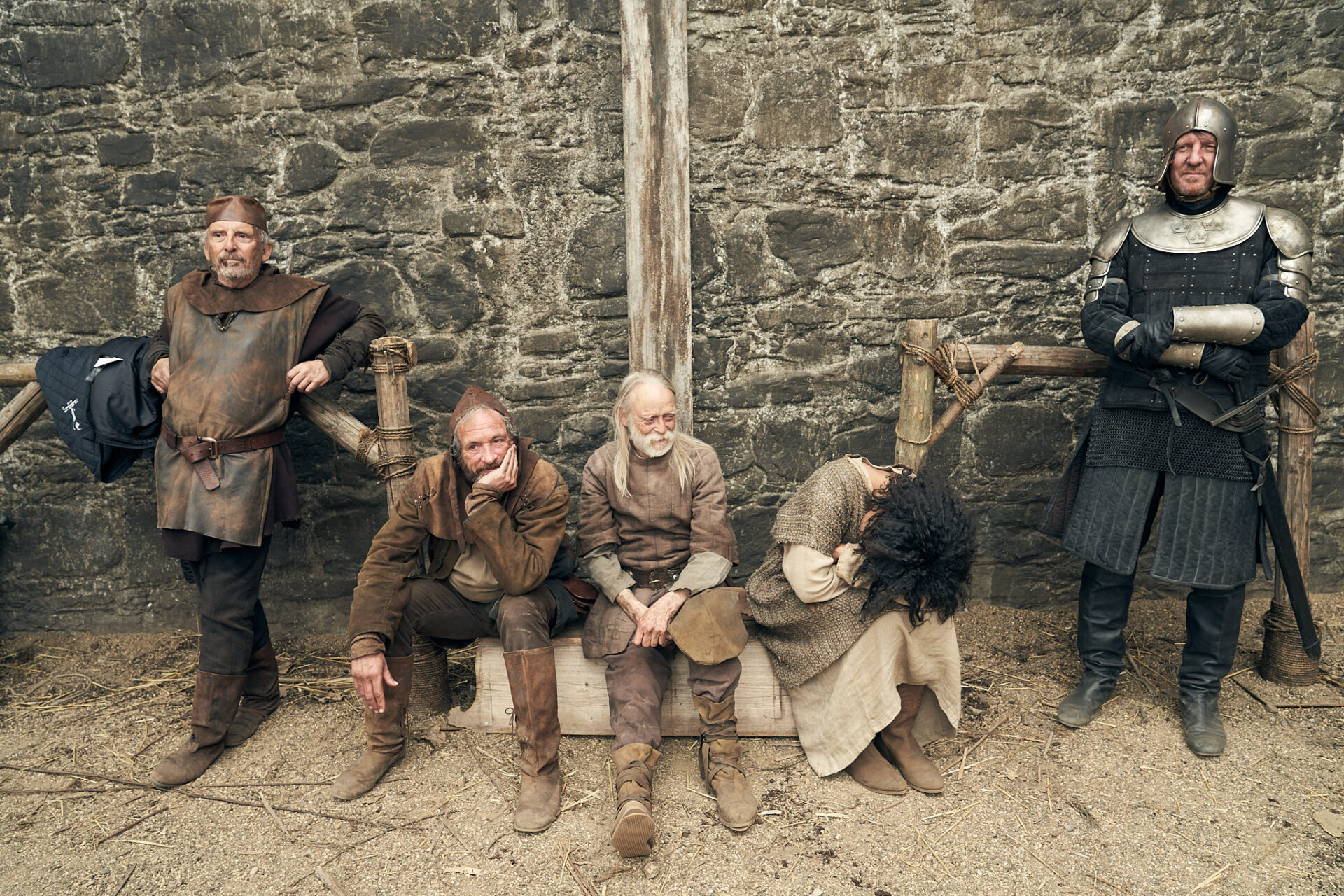
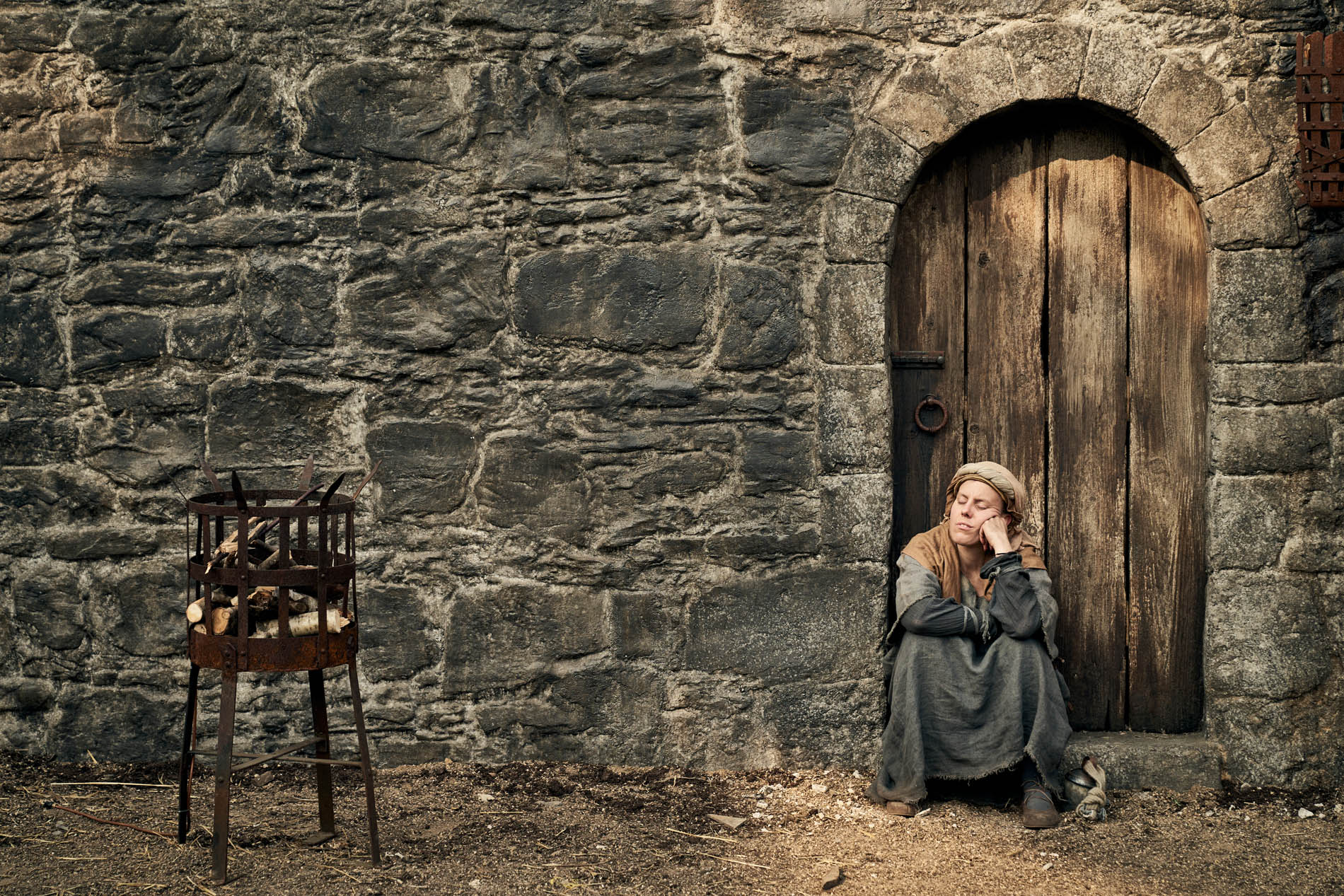
Supporting Artists
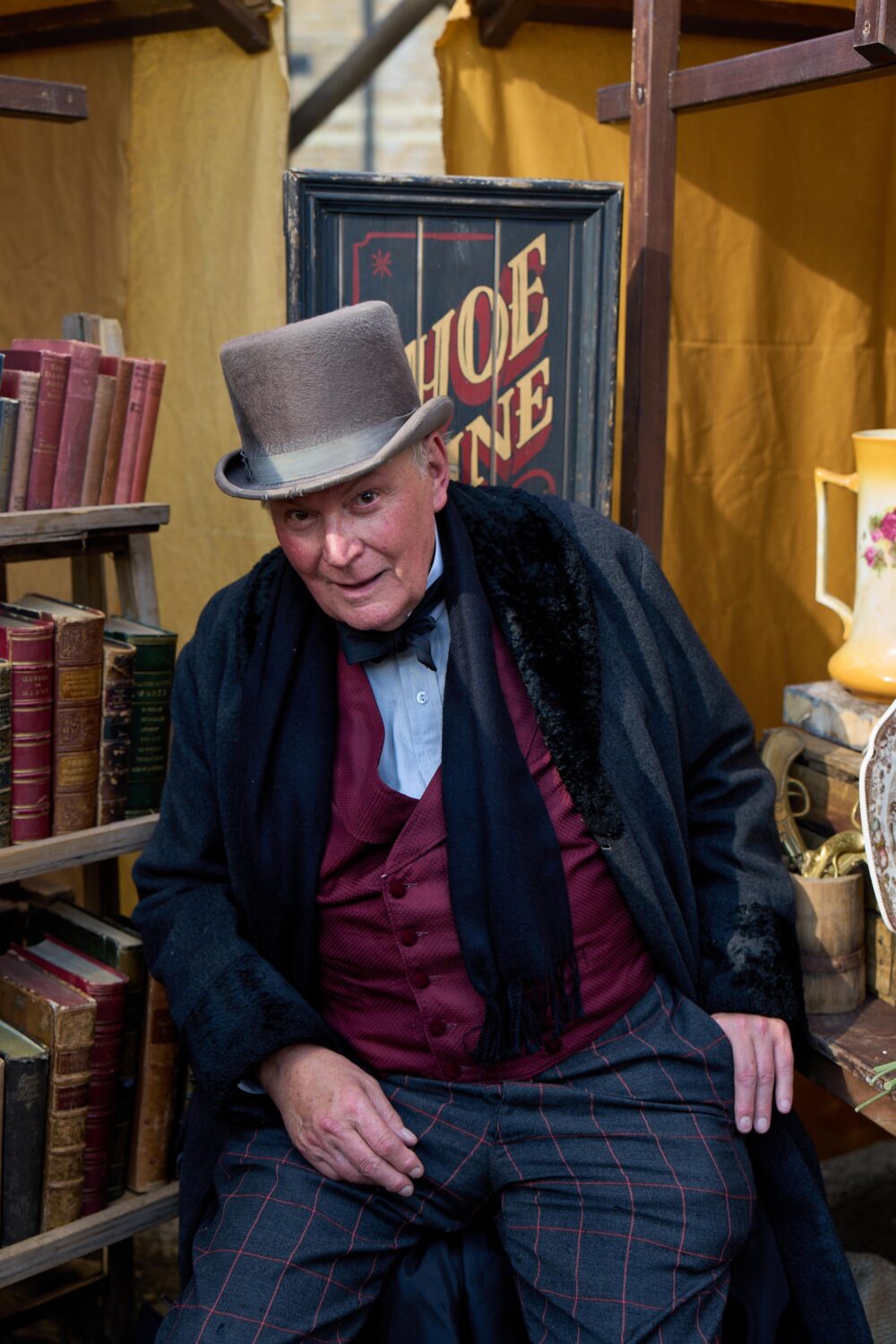
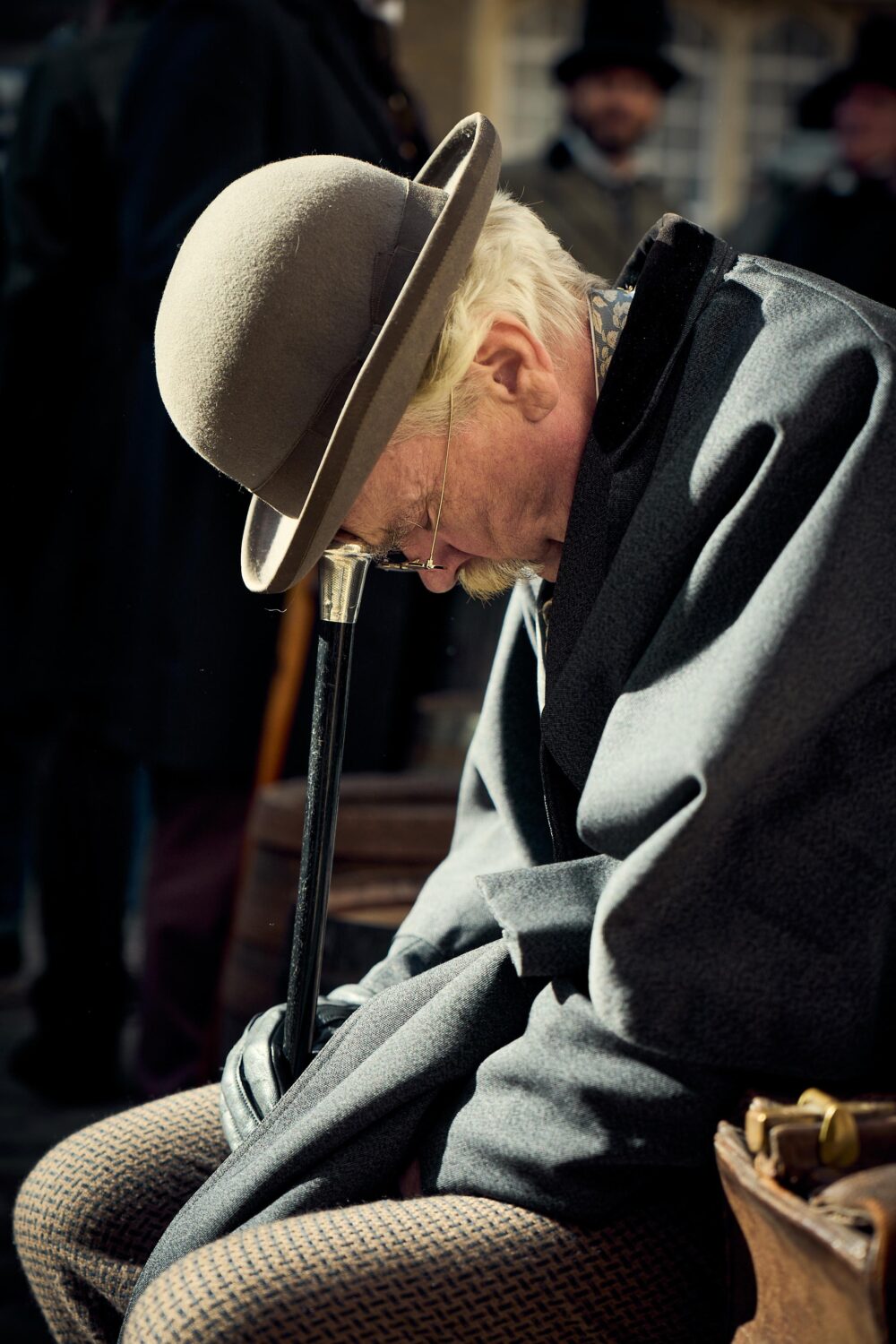
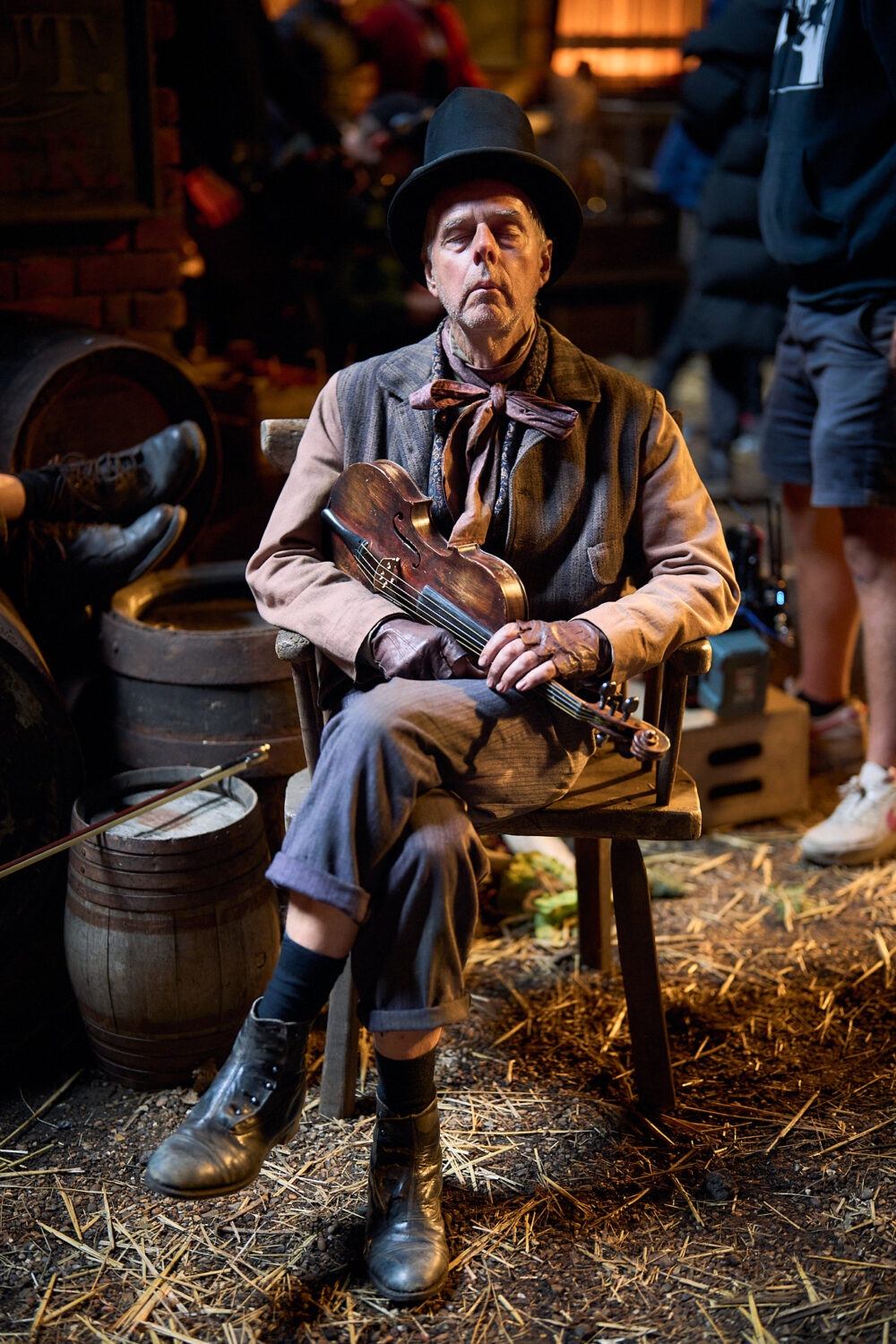
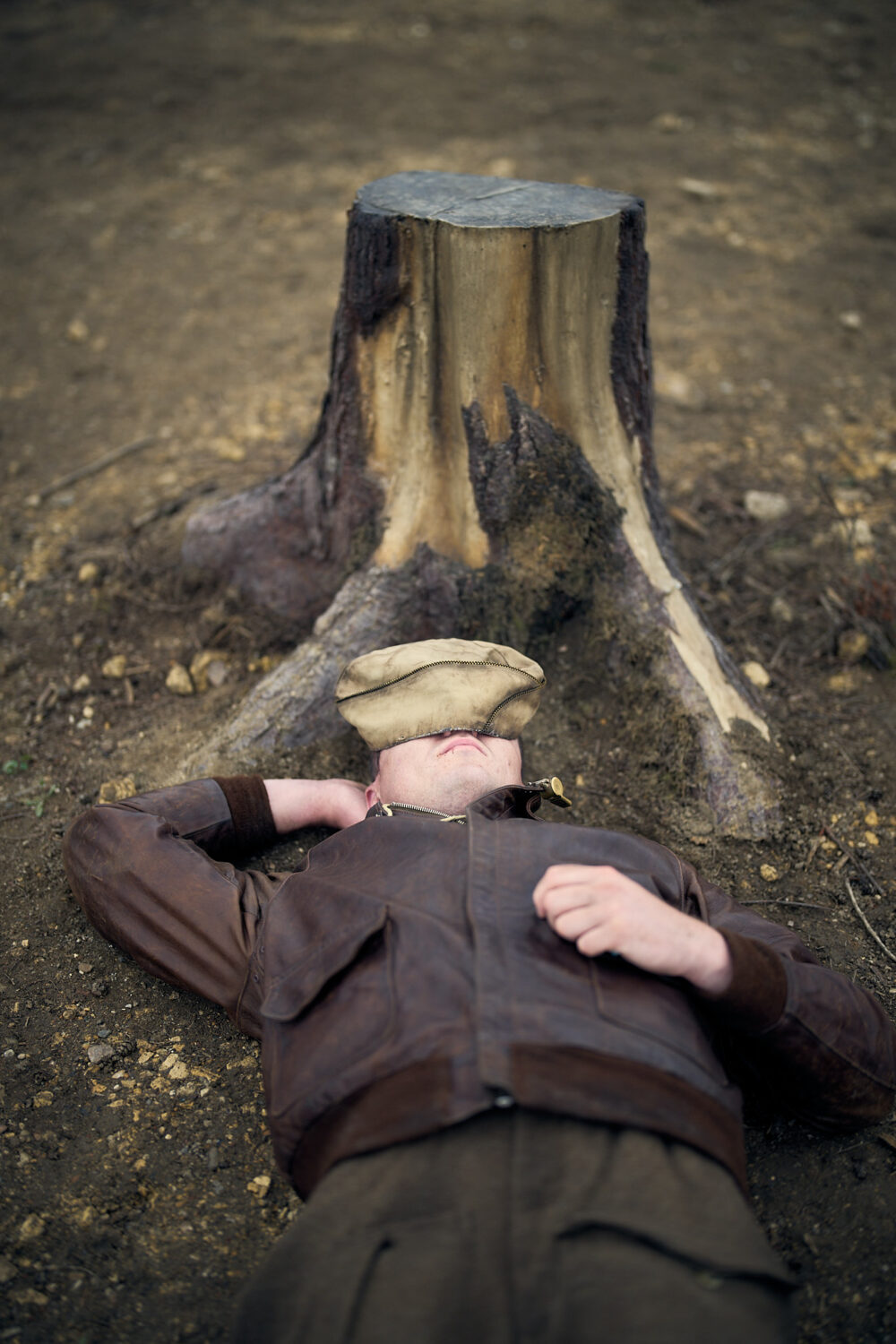
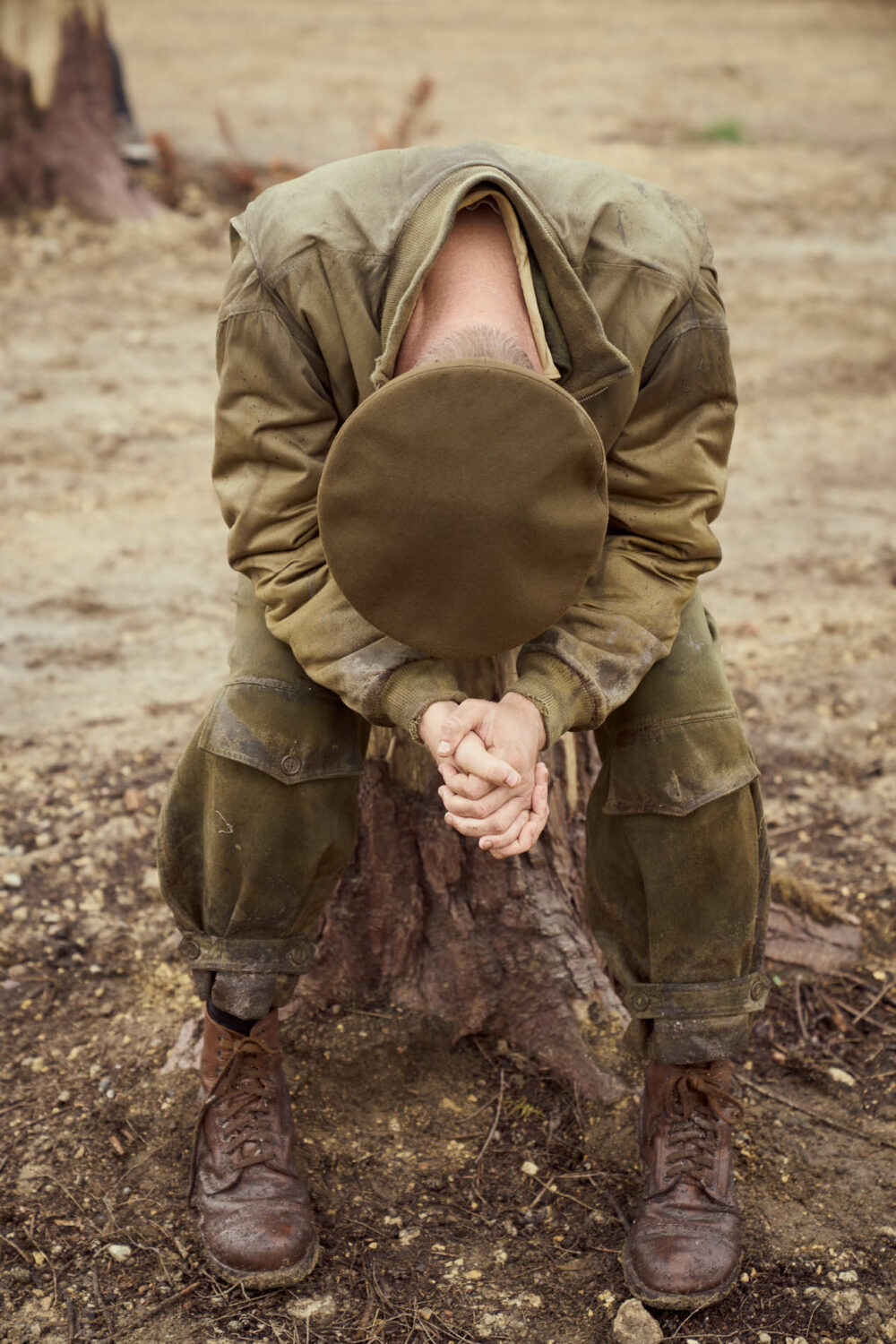
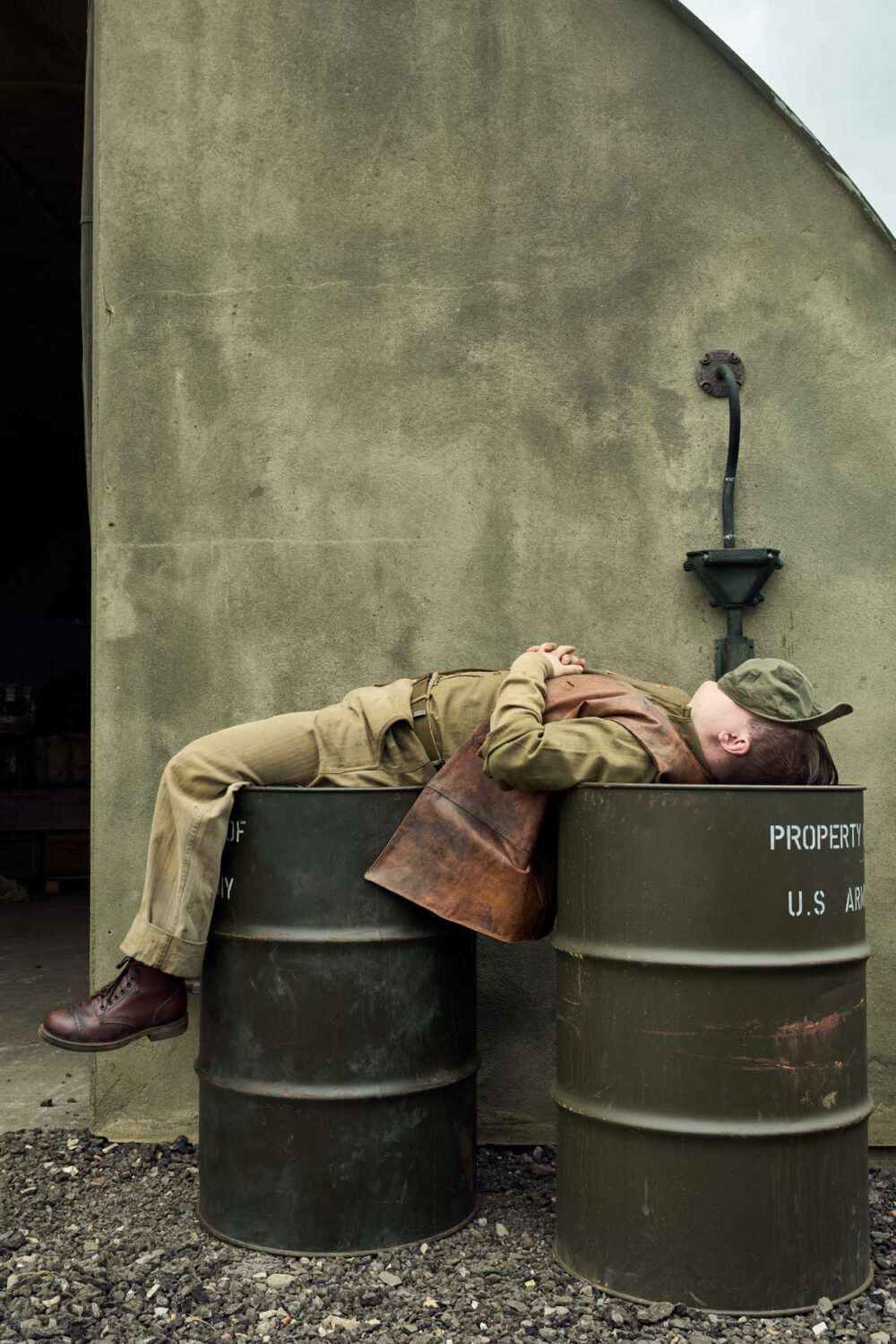
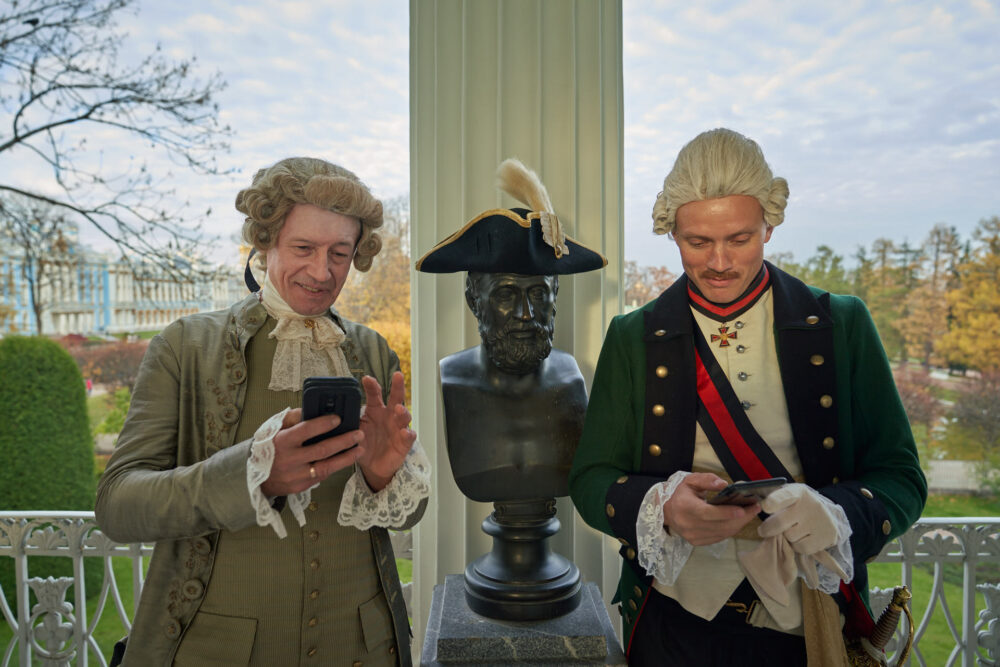
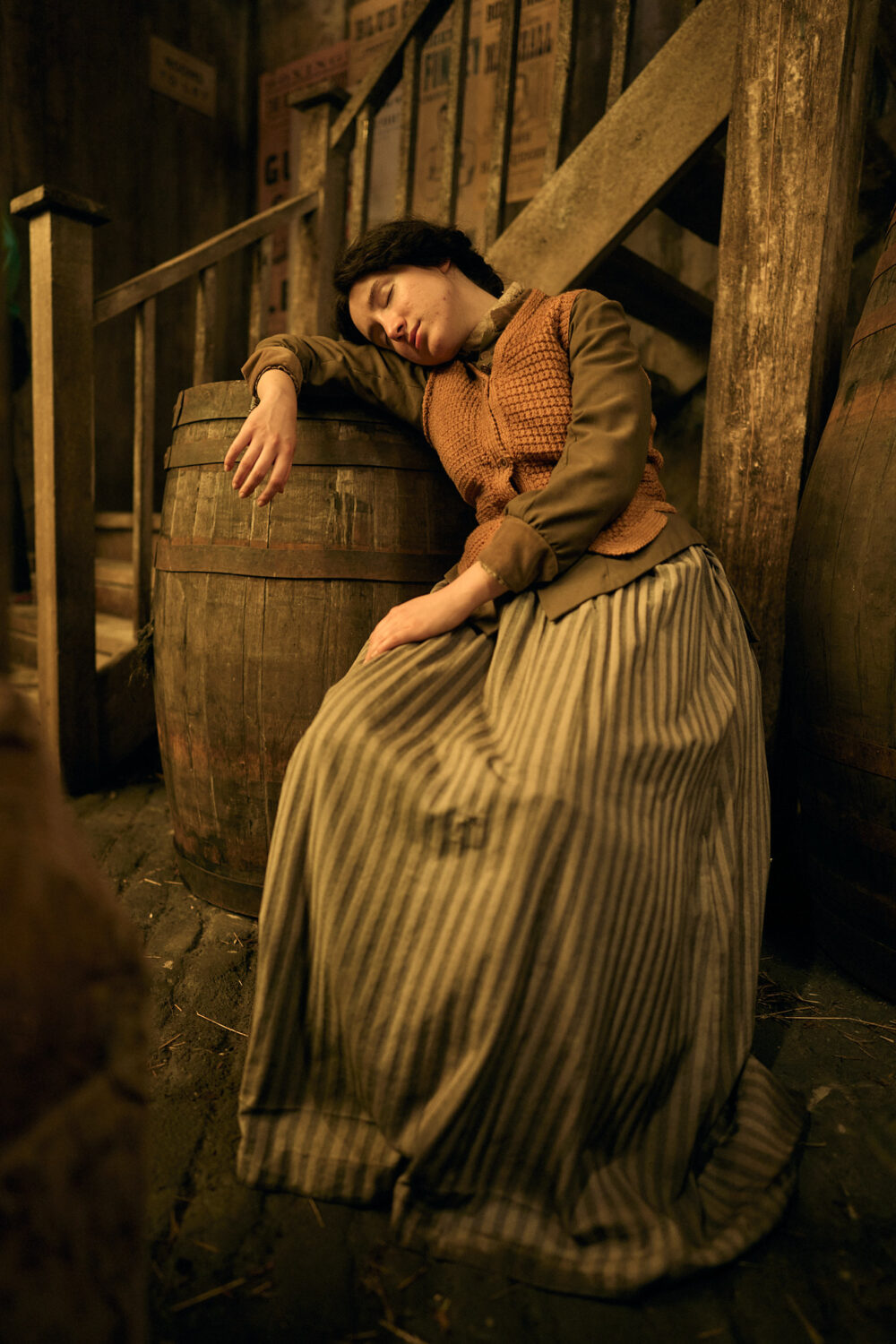
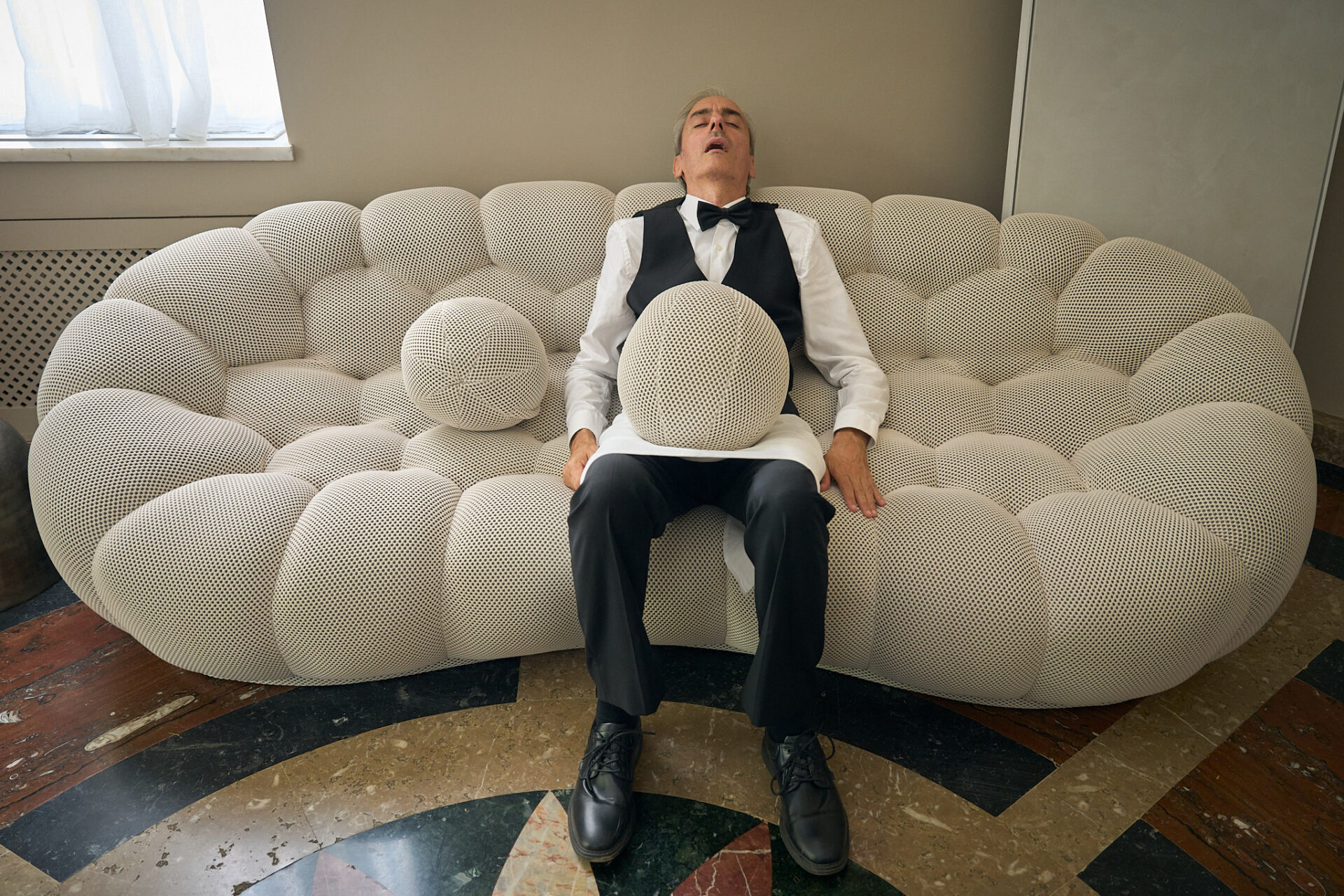
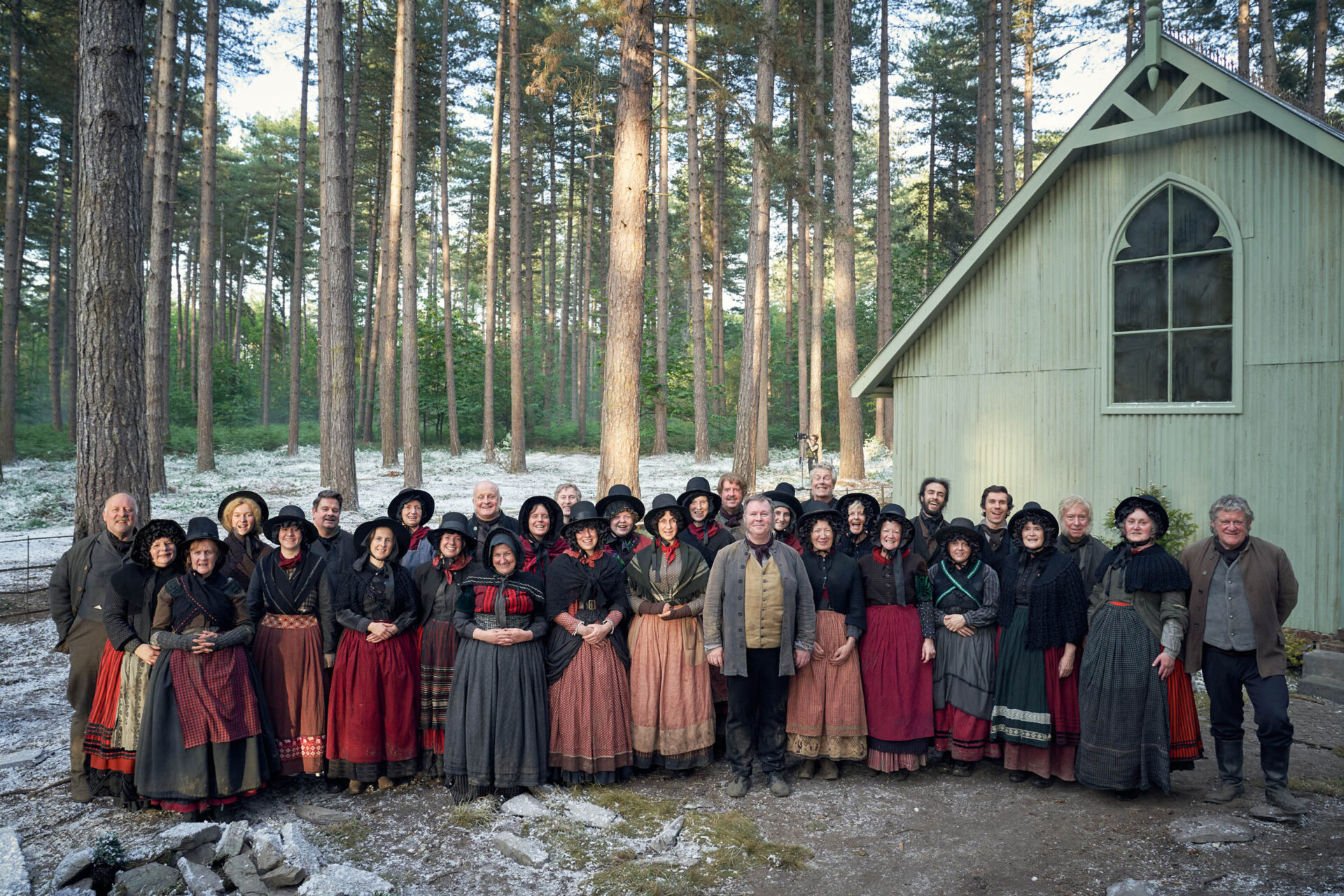
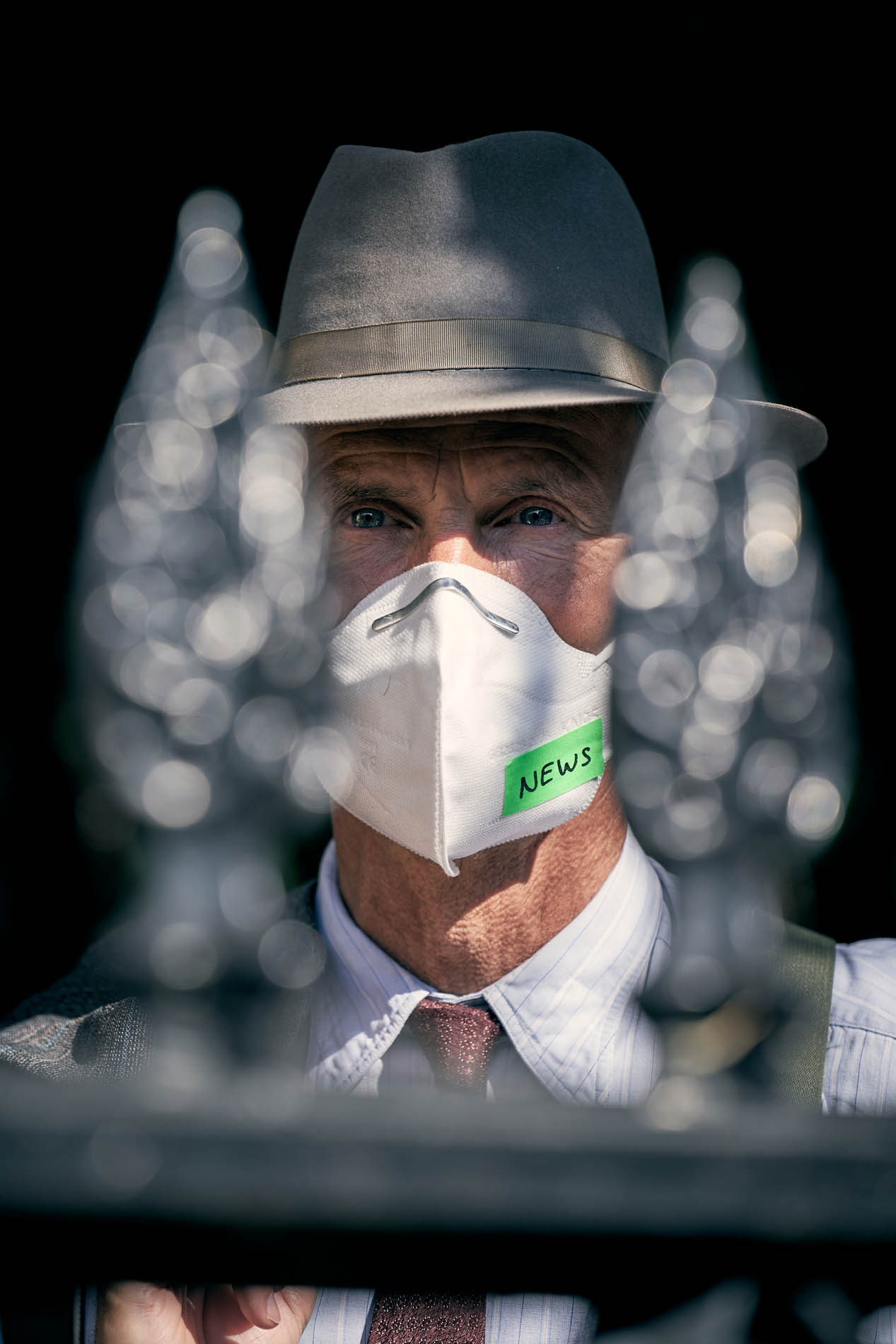
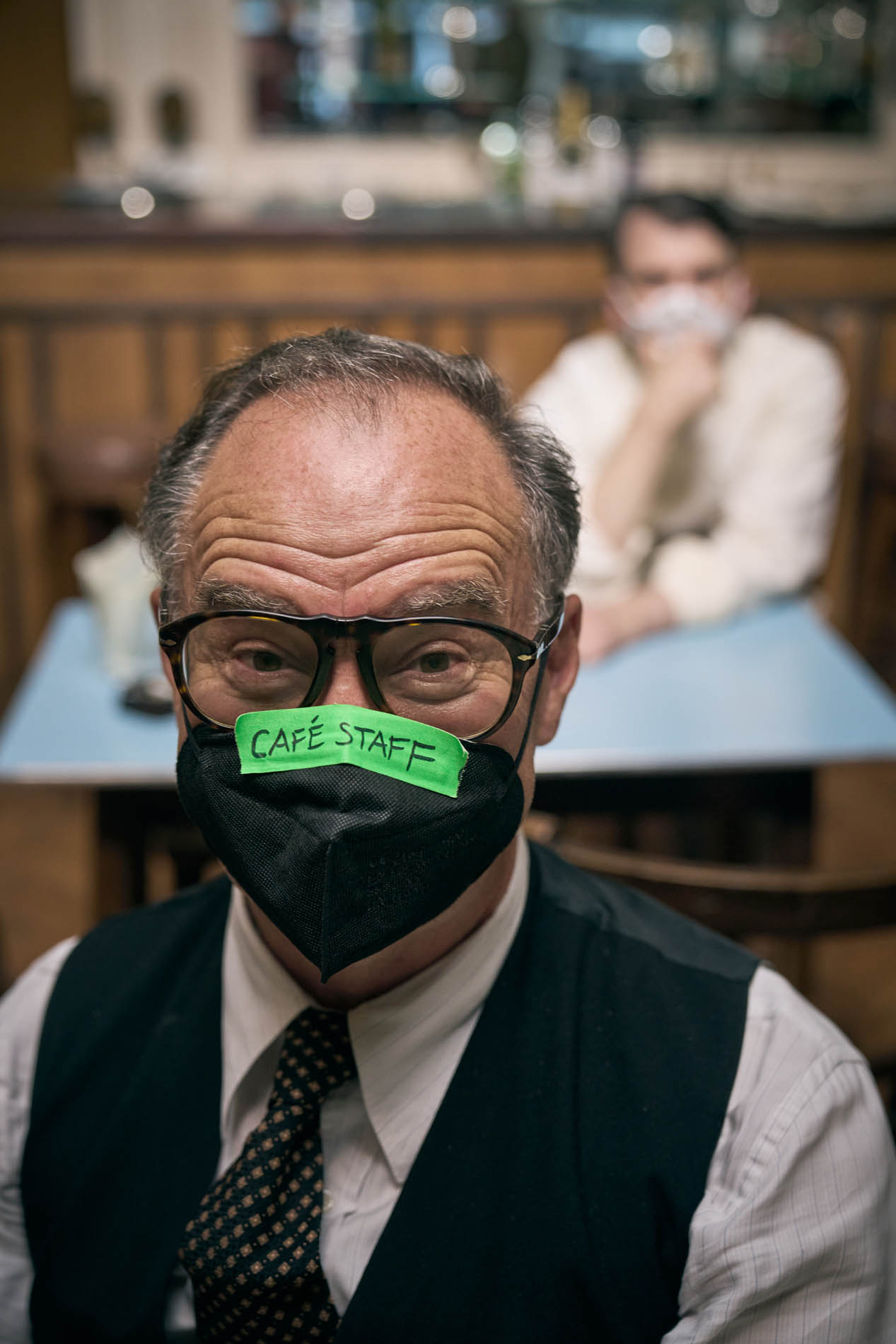
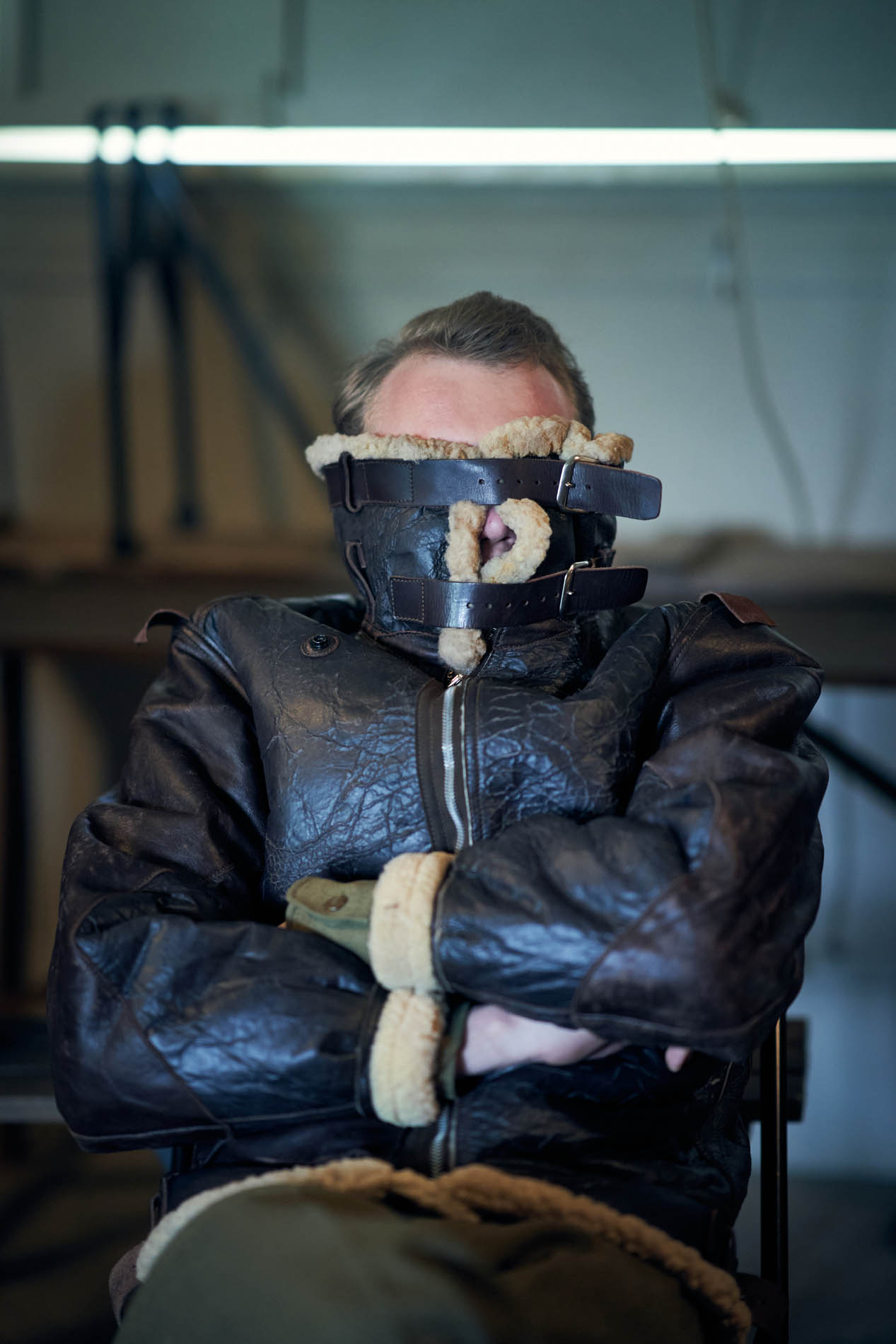
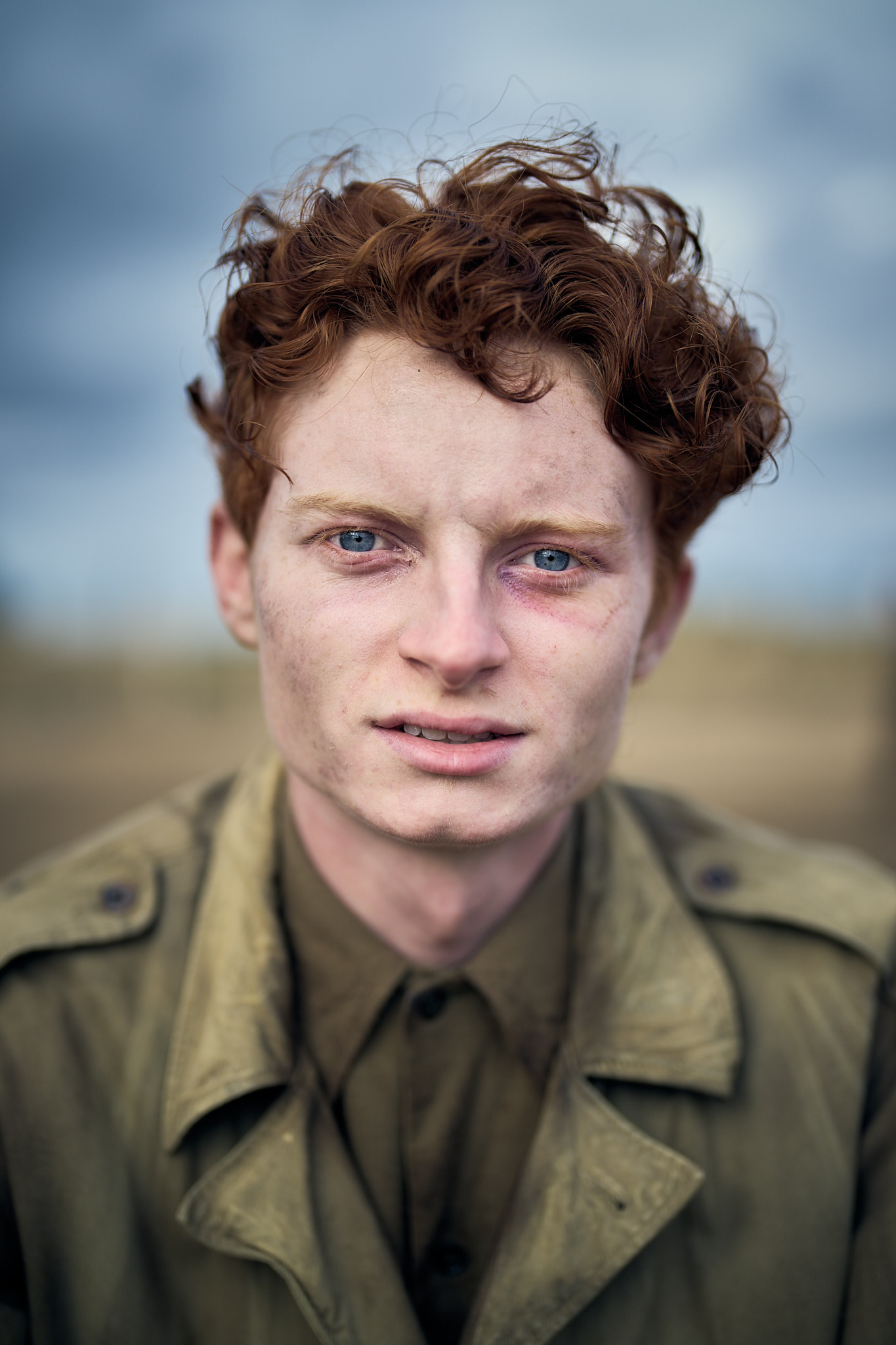
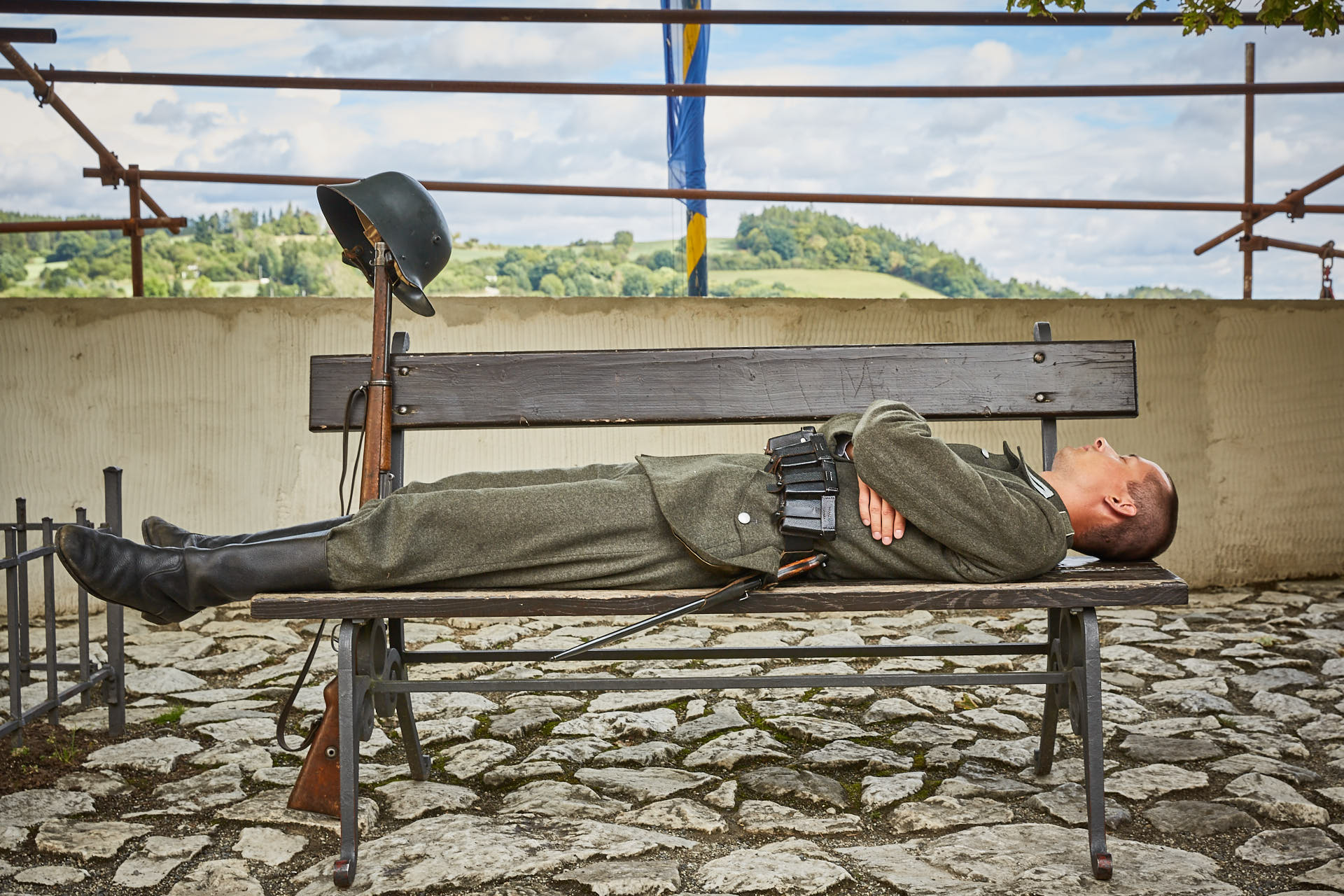
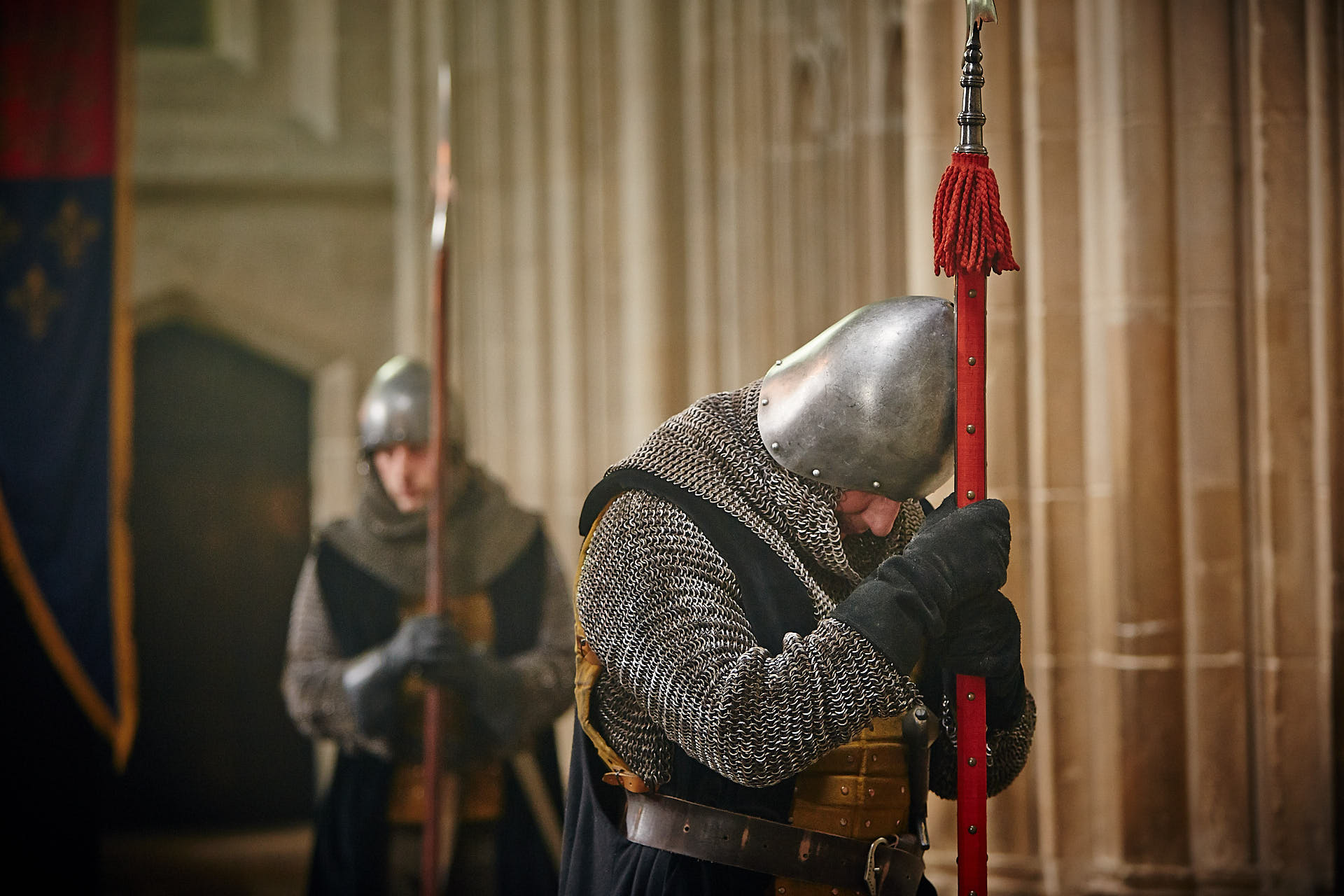
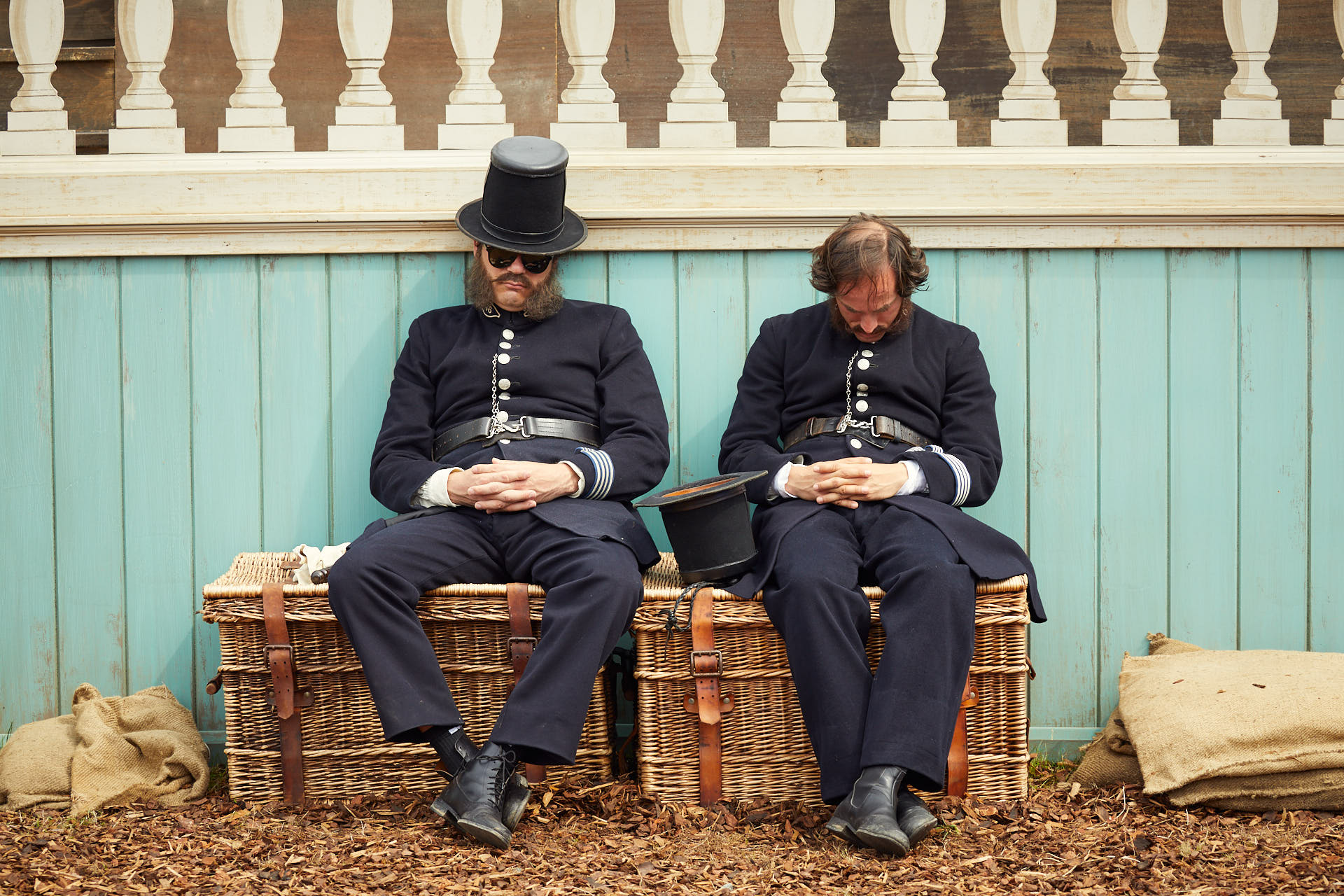
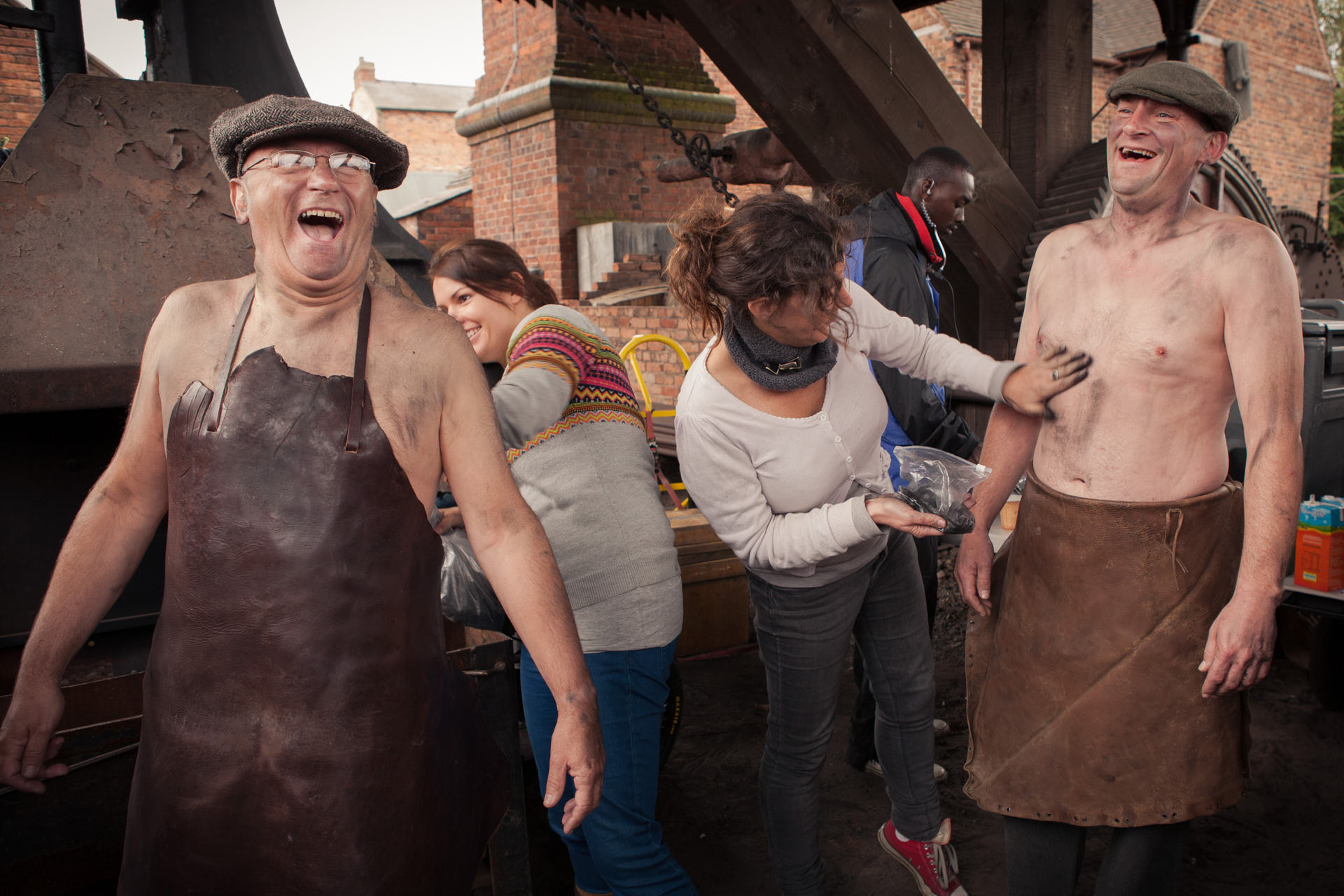
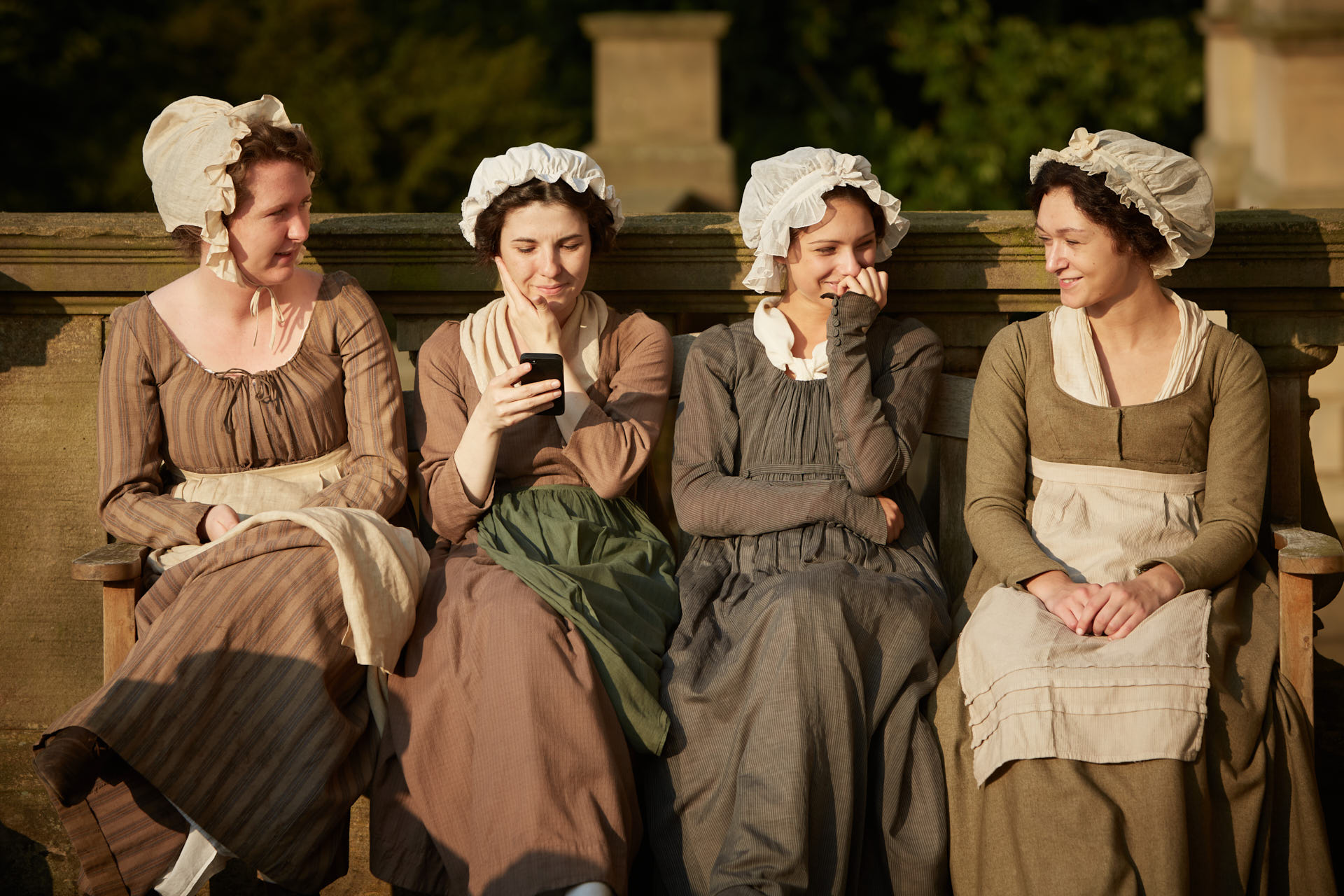
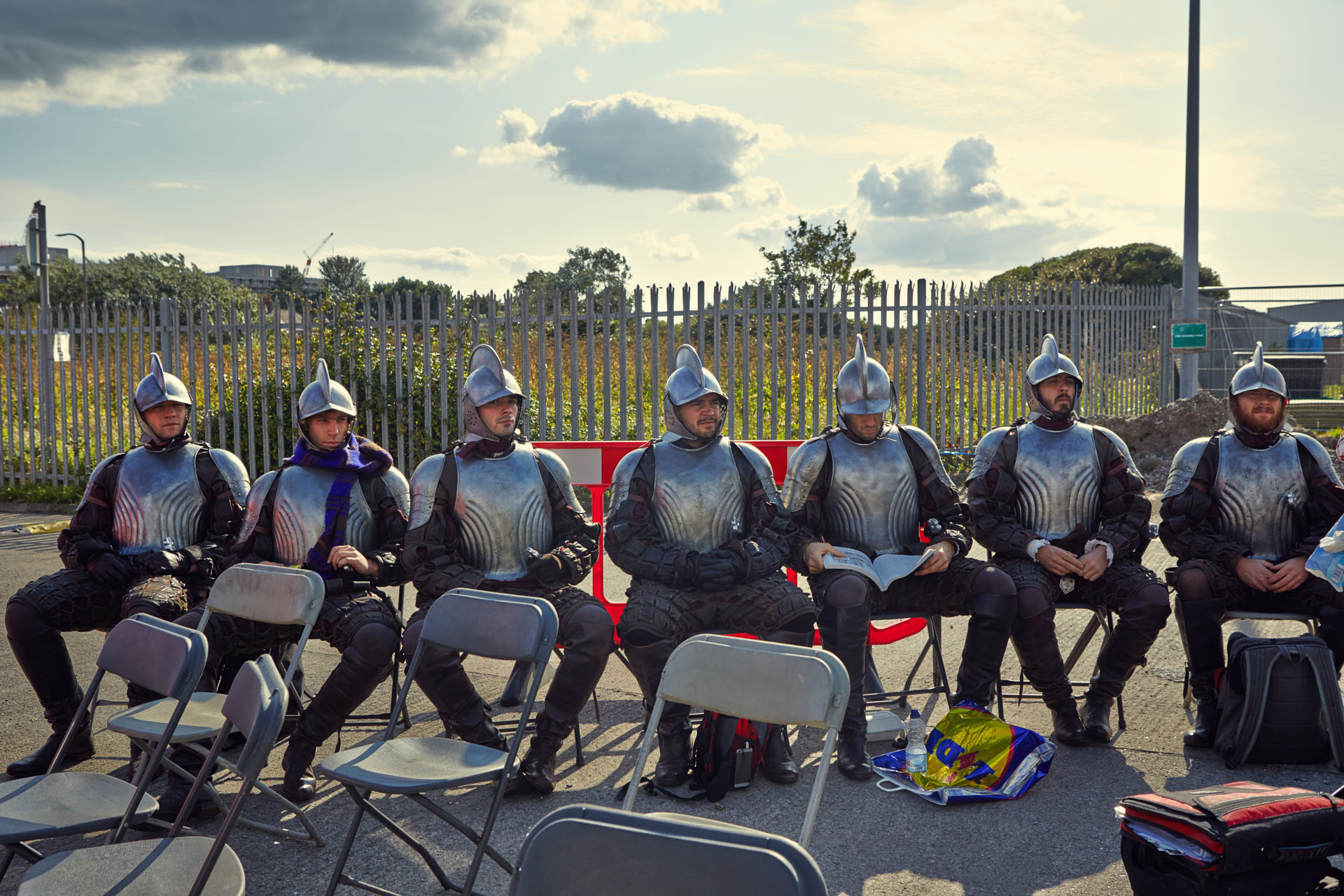
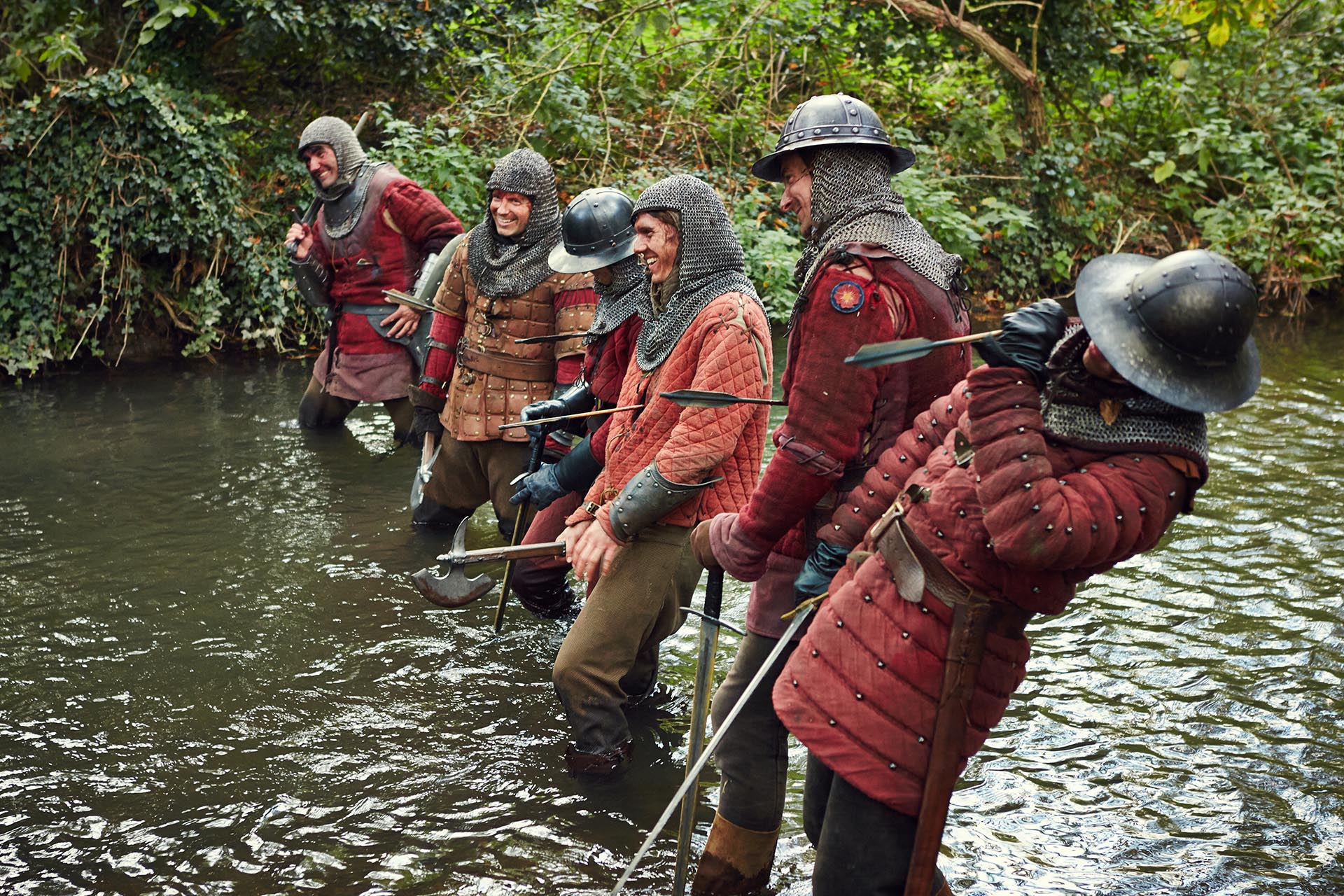
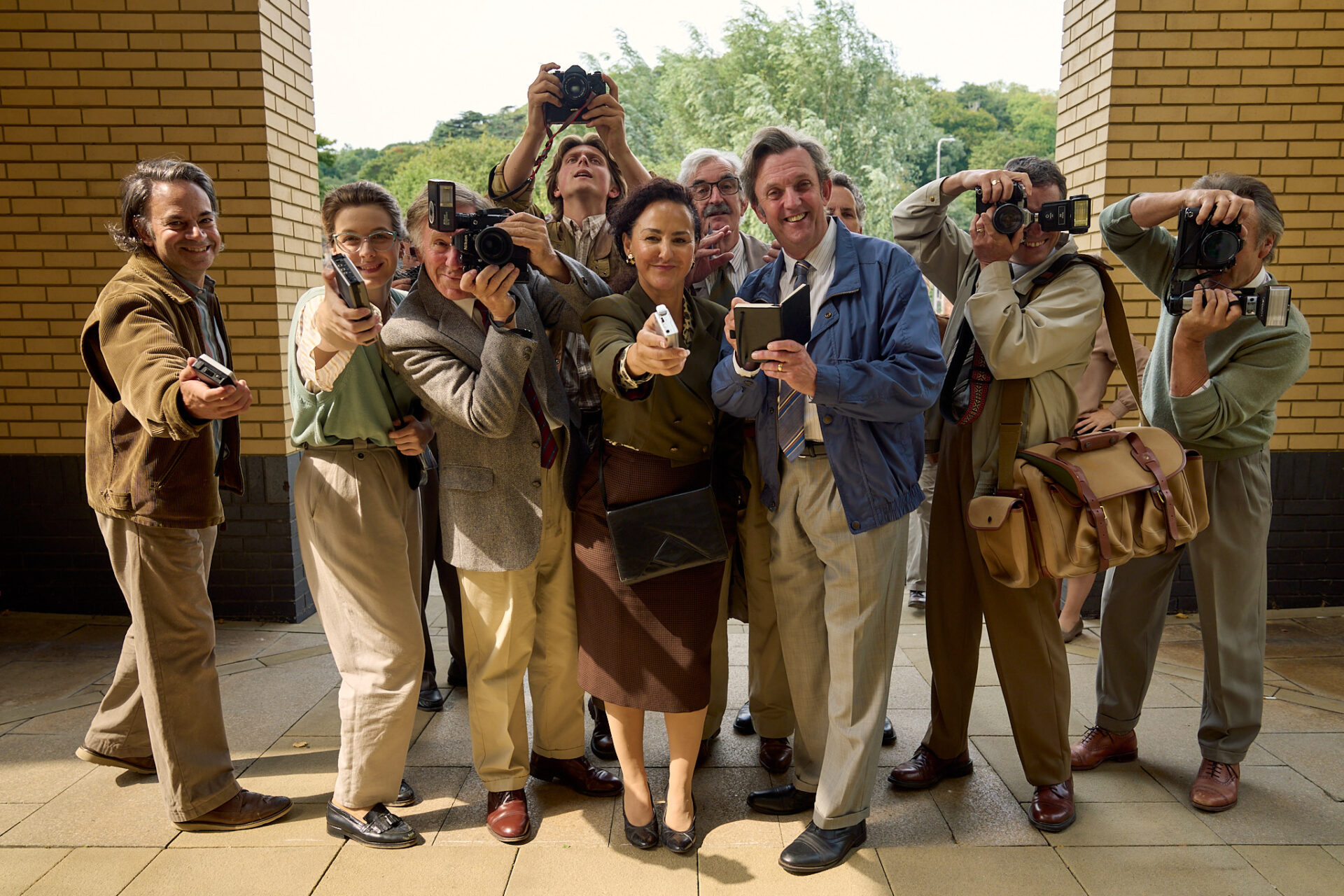
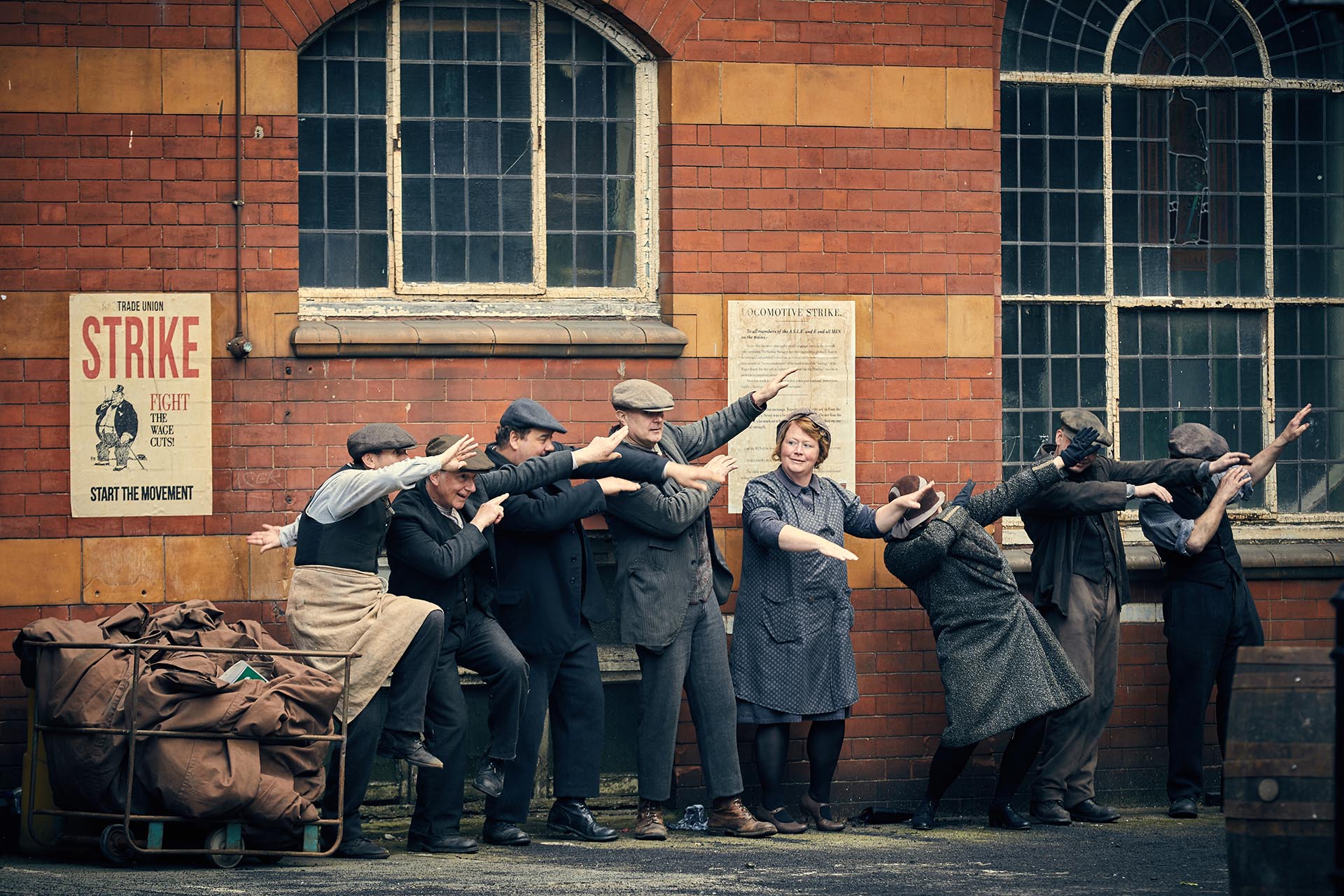
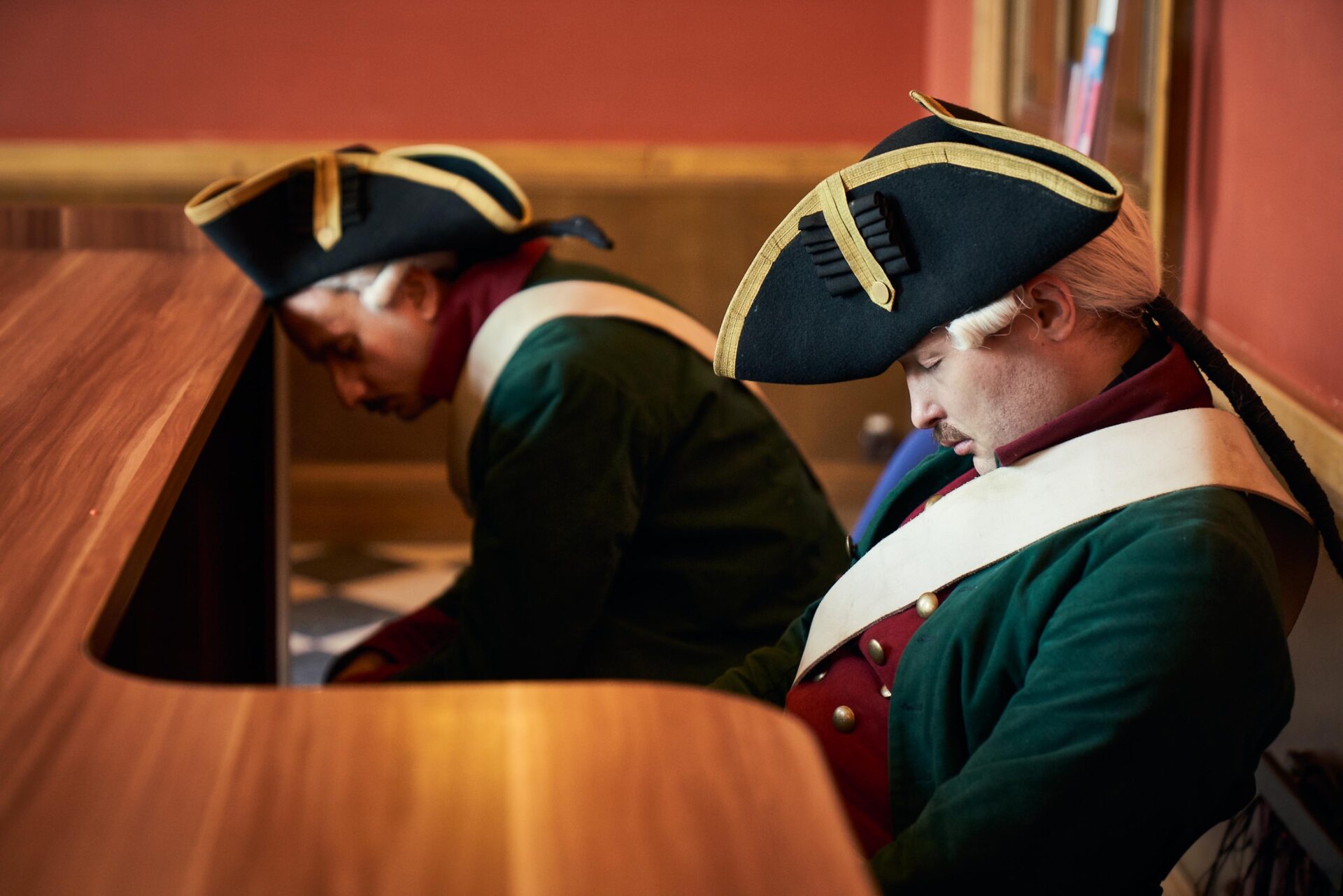
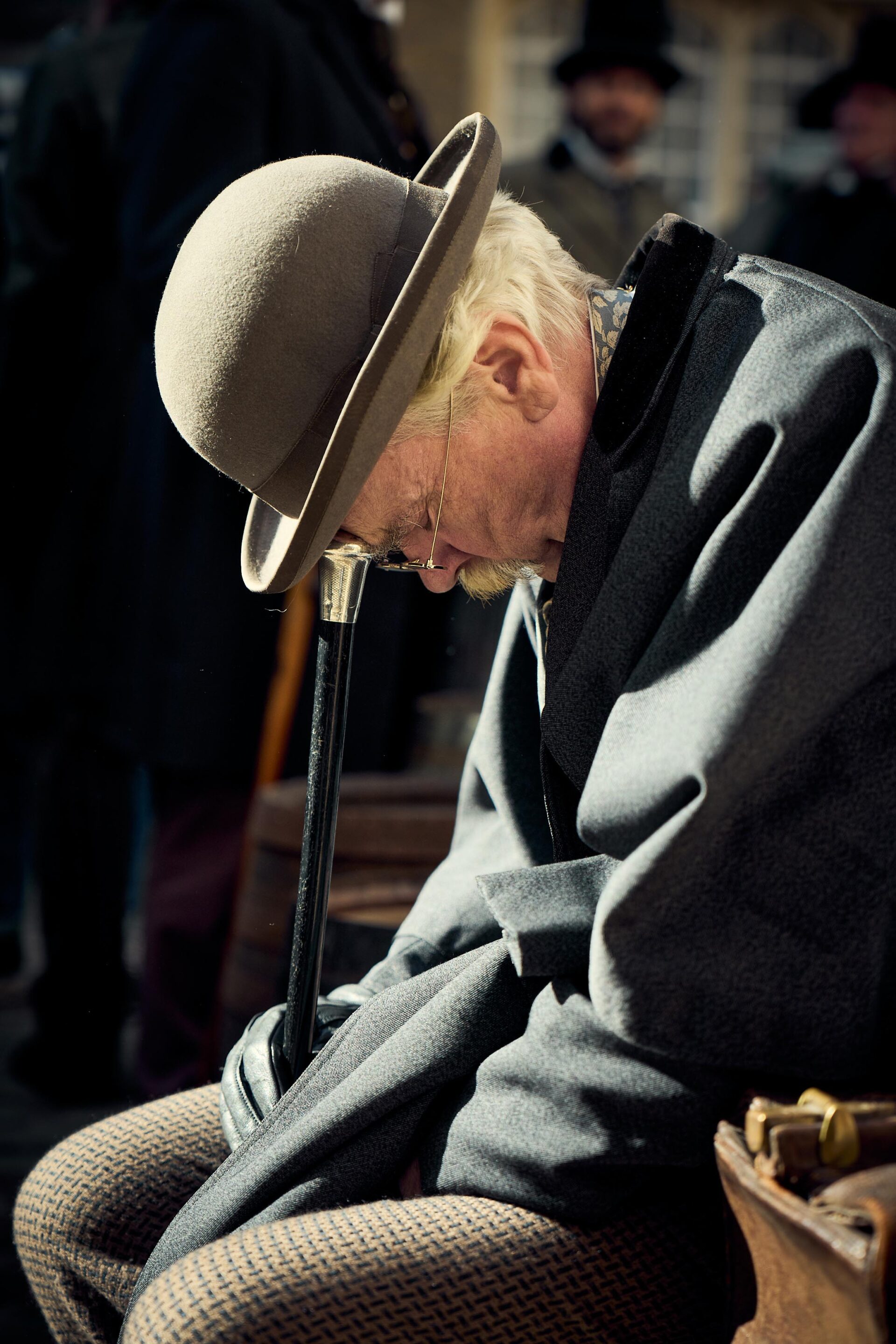
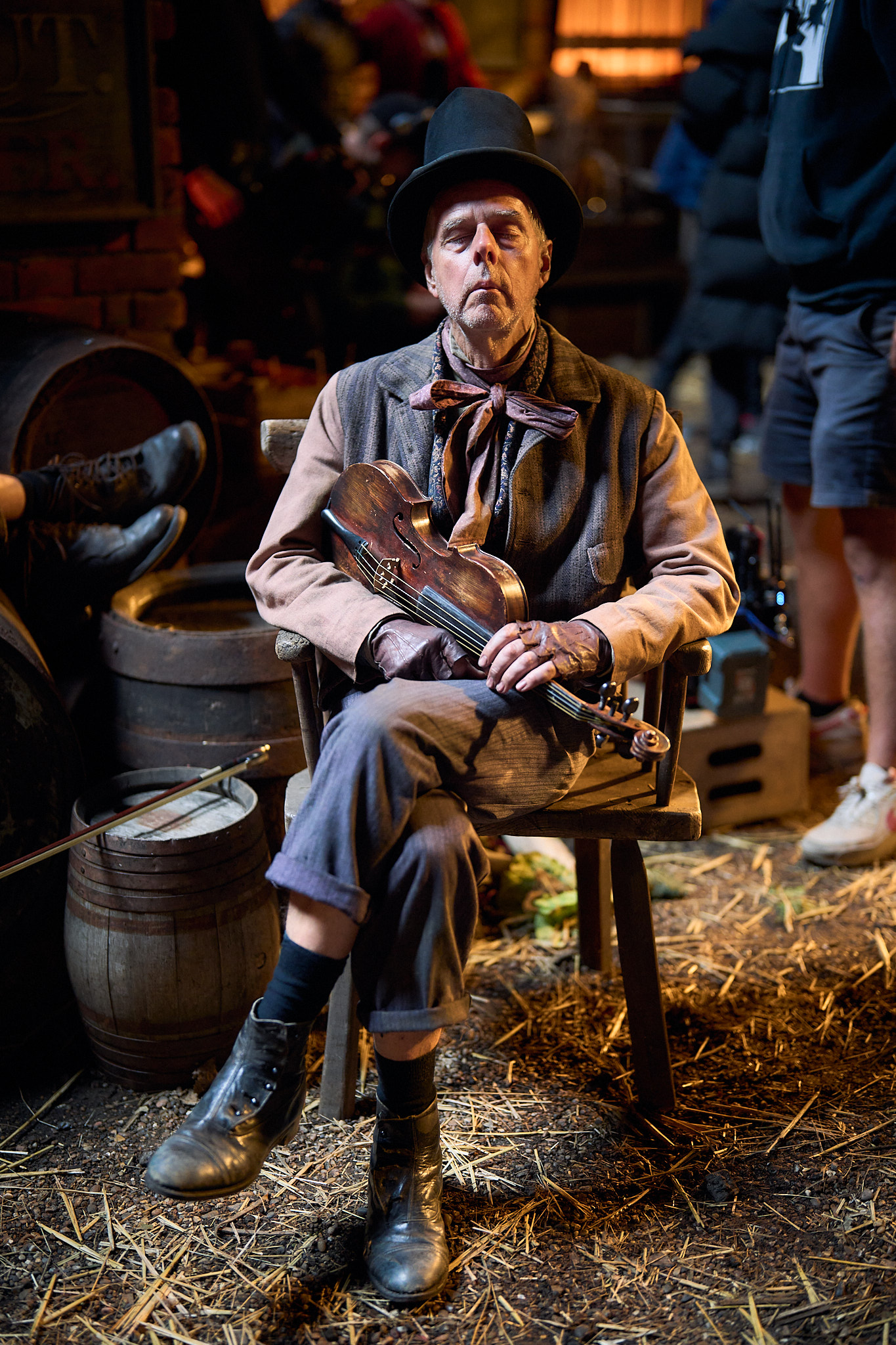
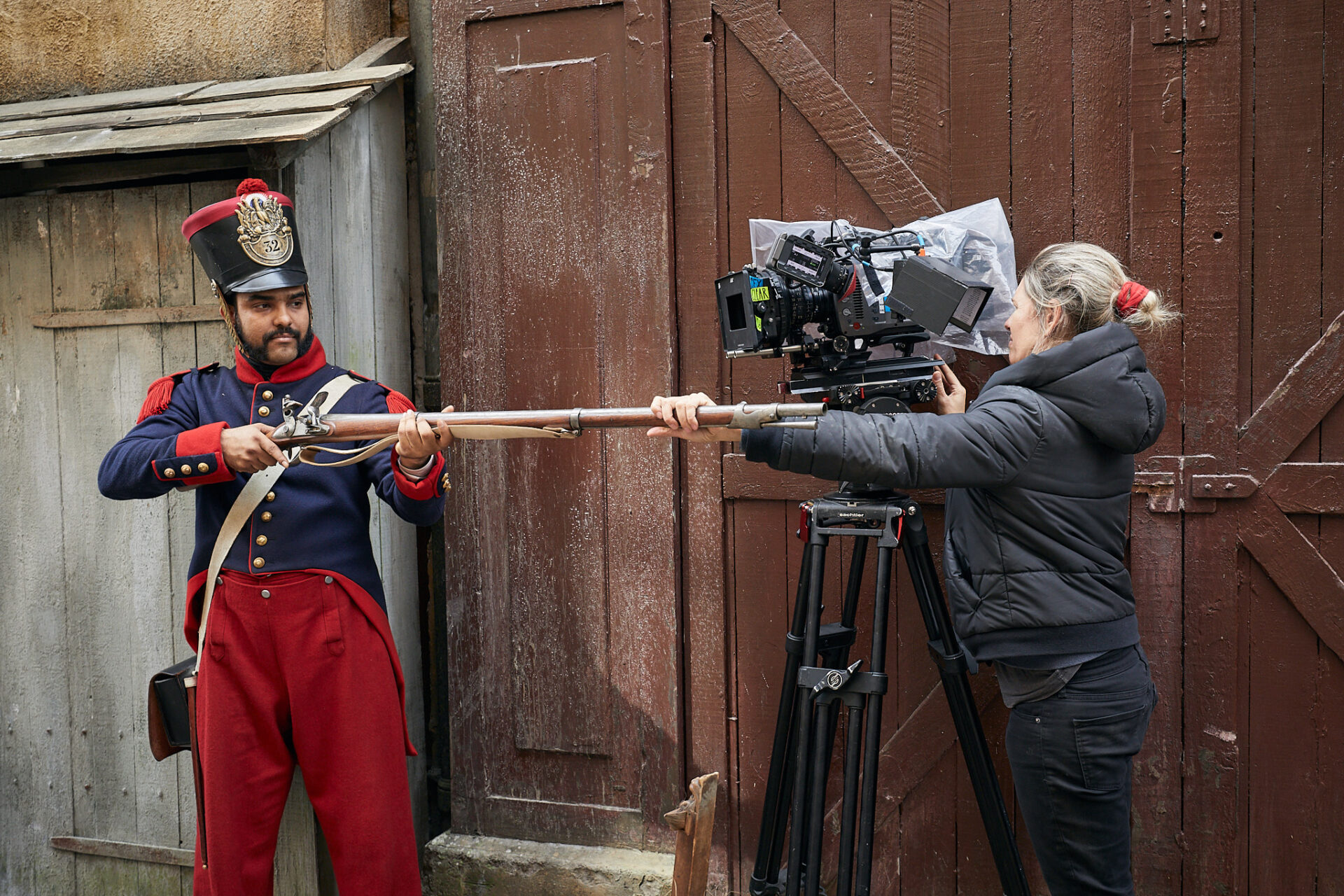
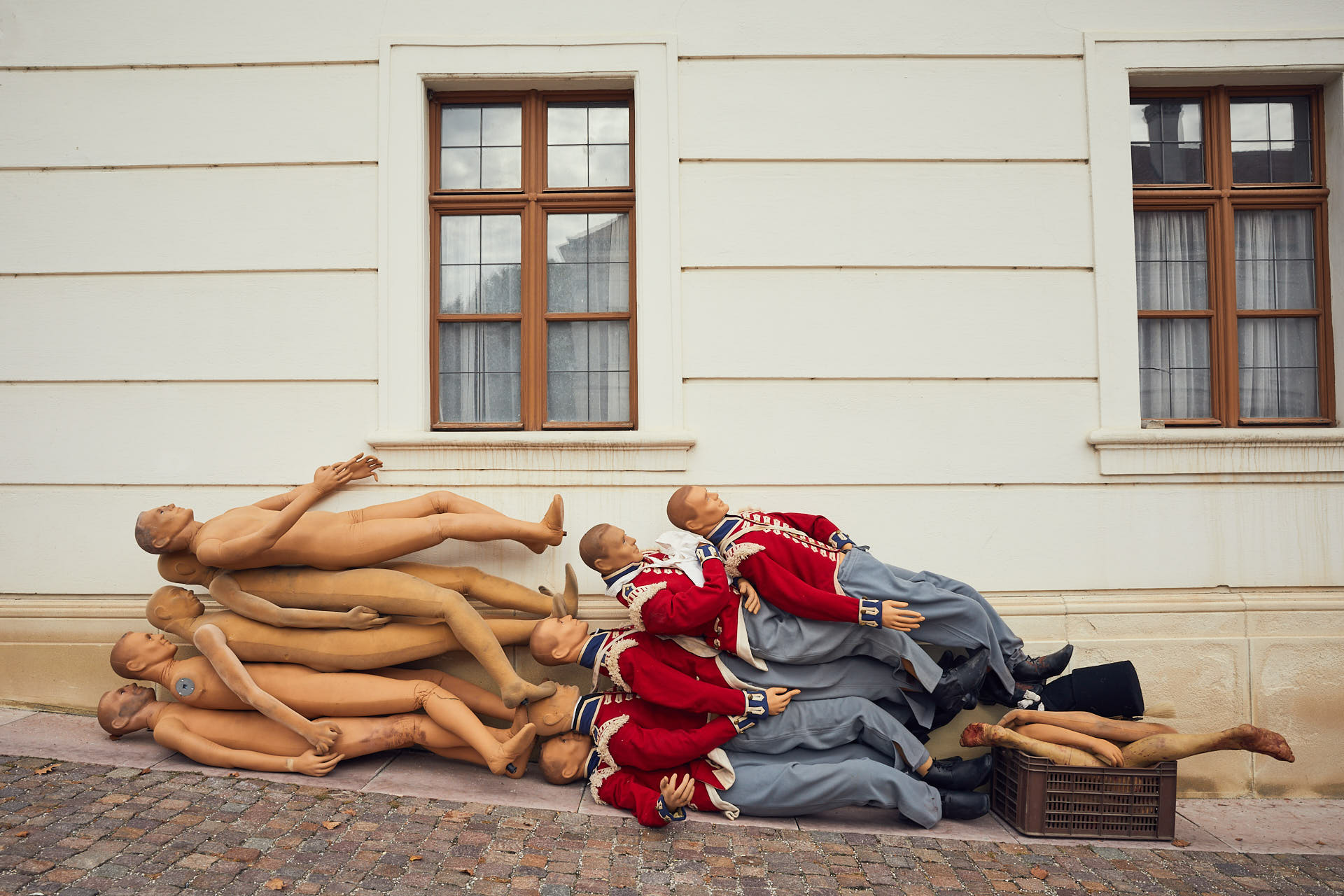
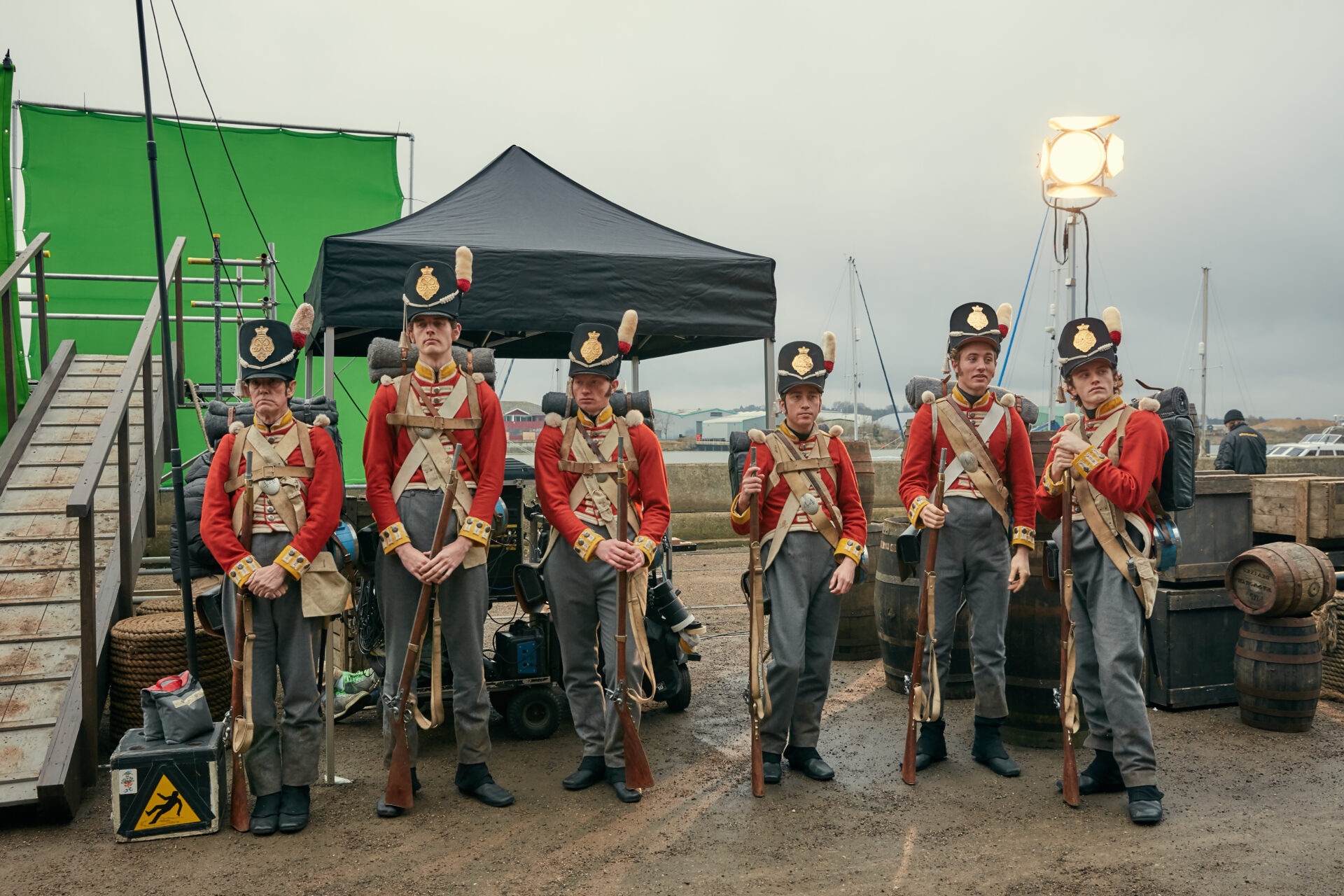
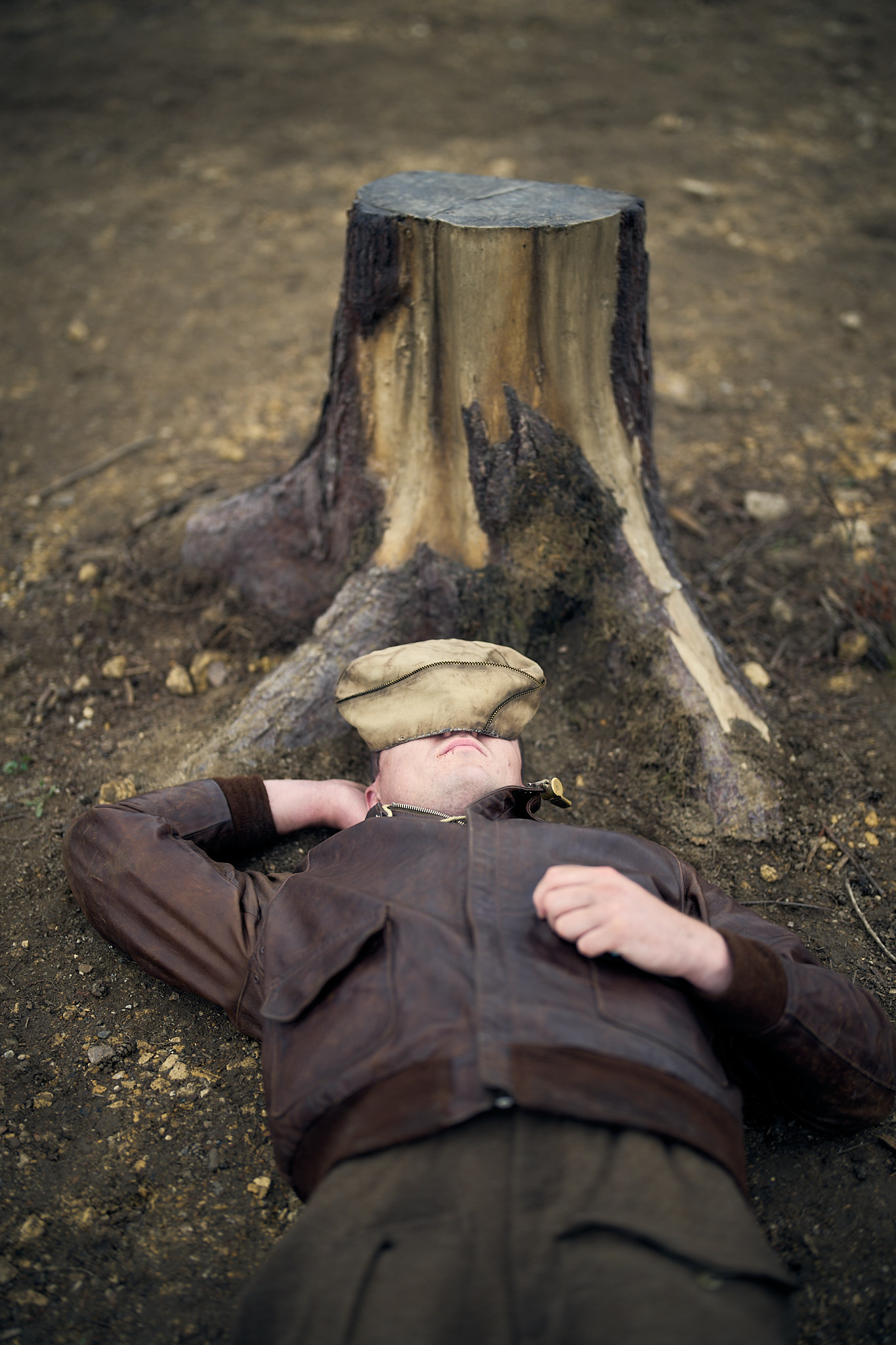
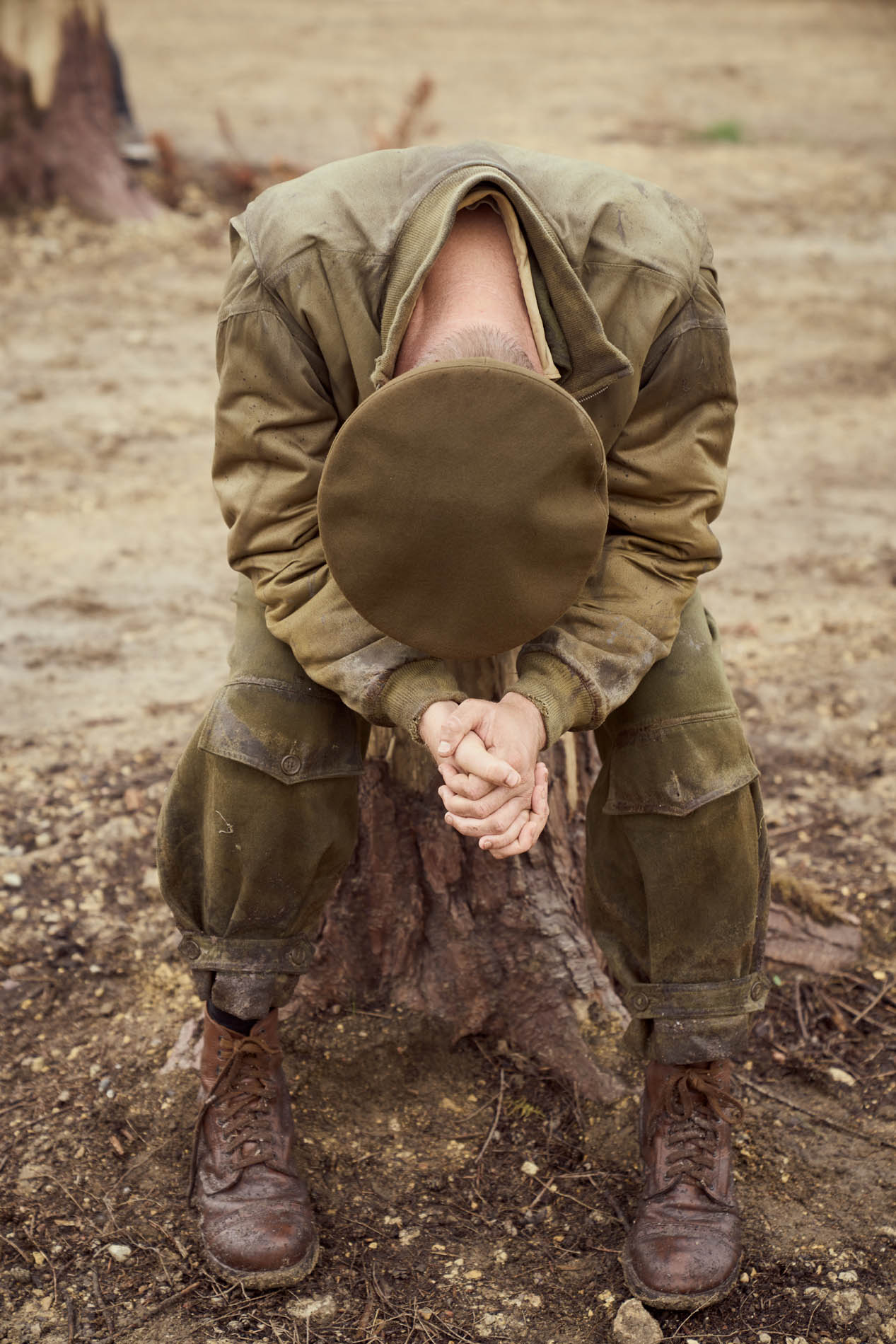
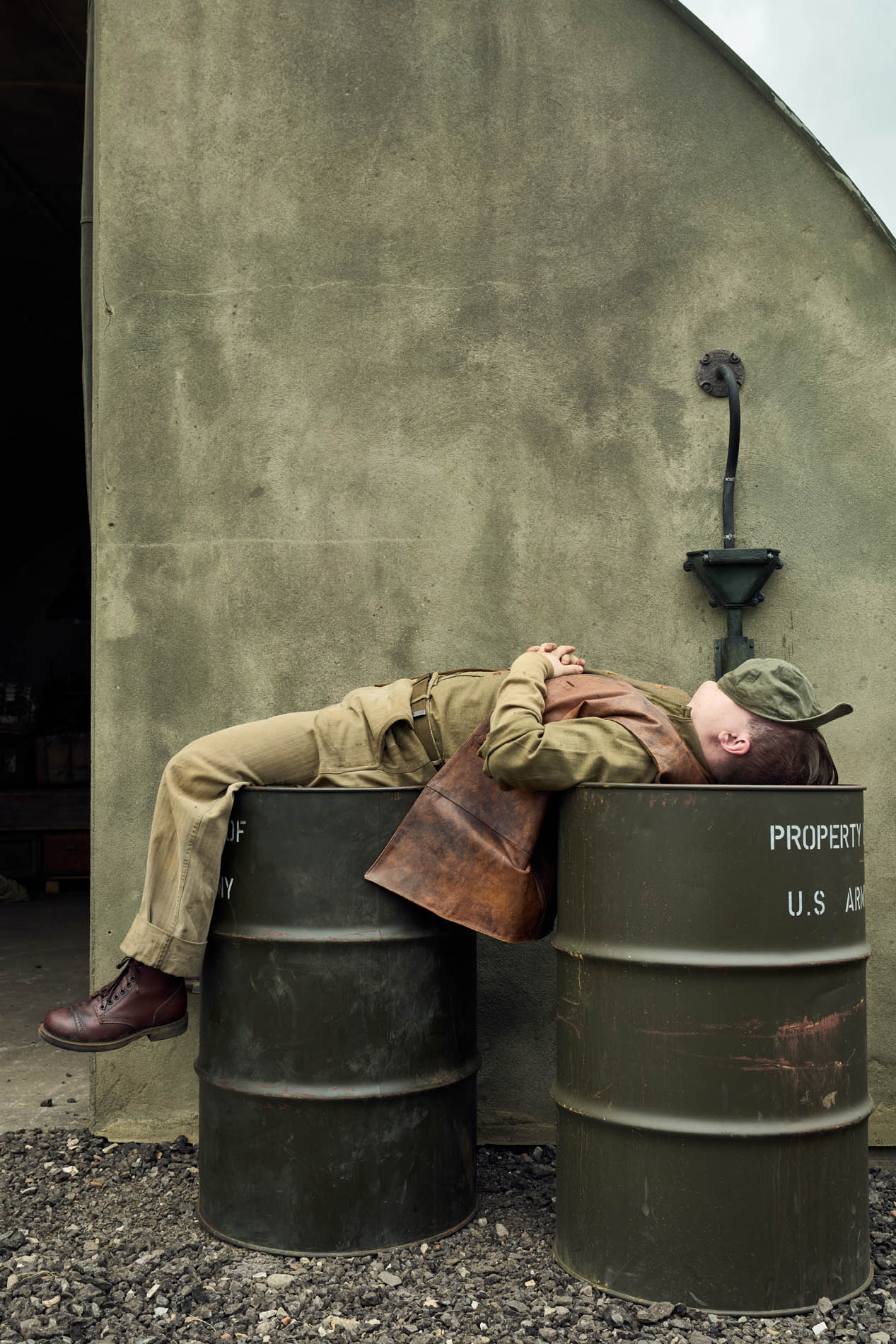
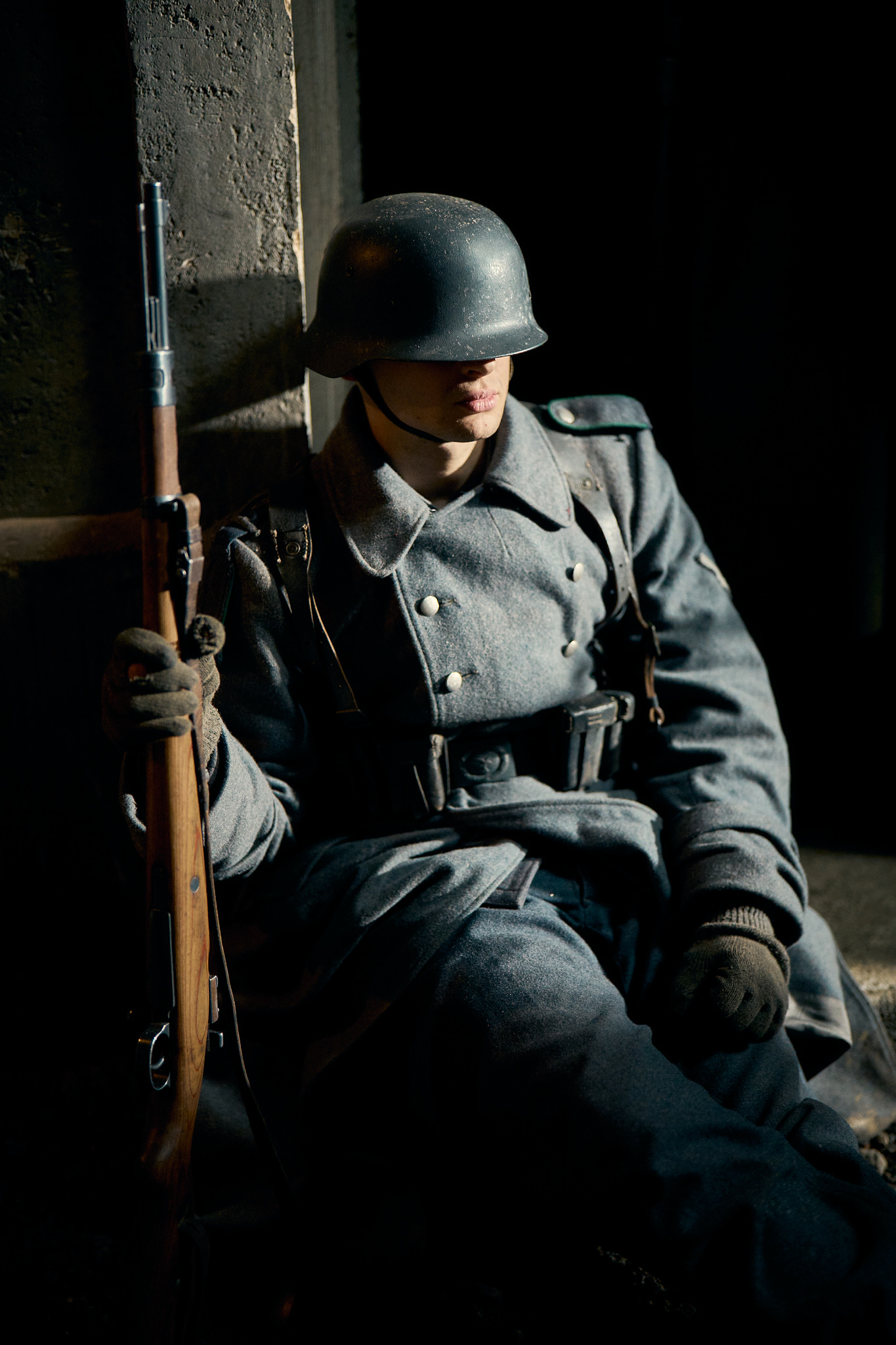
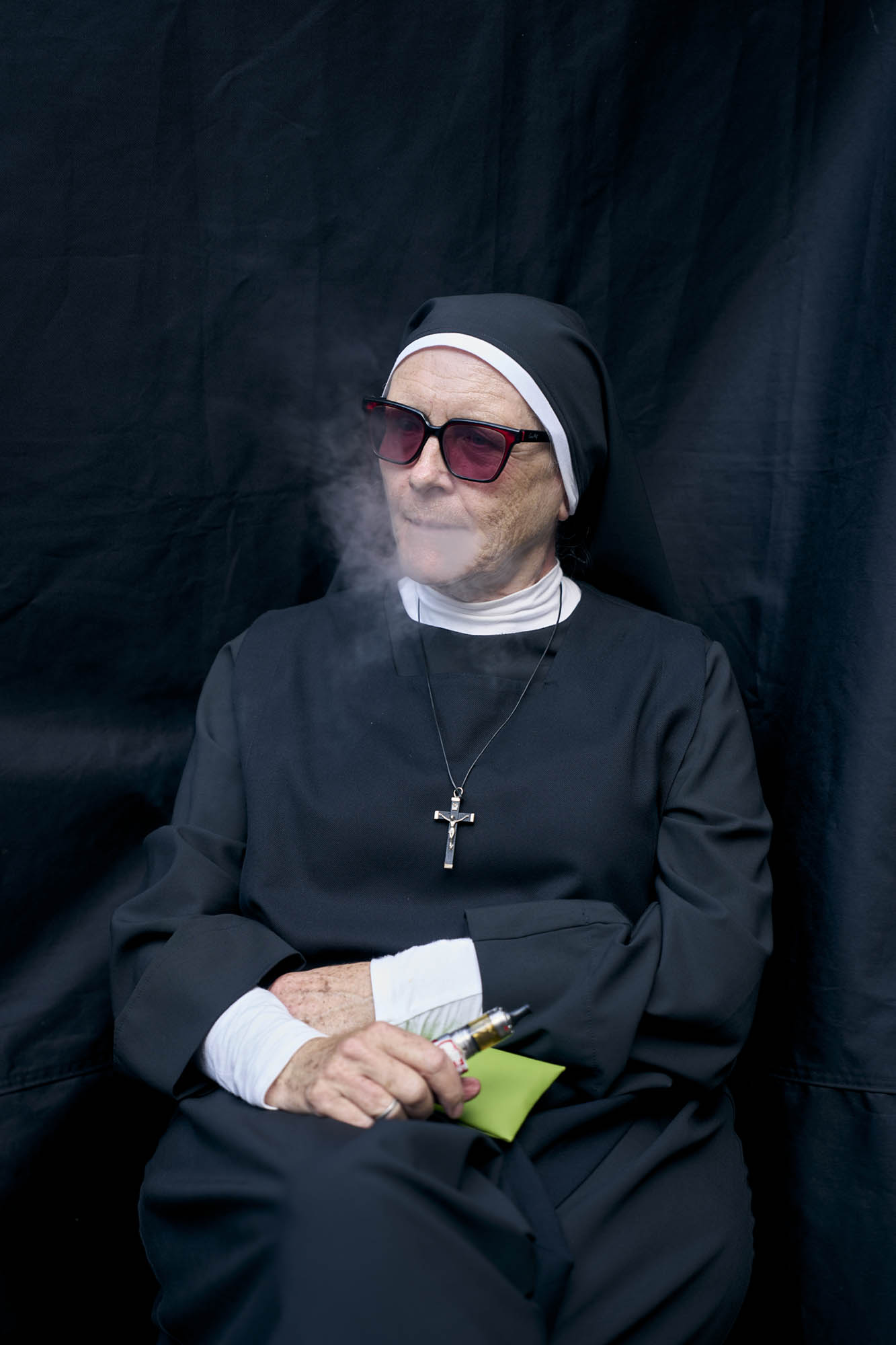
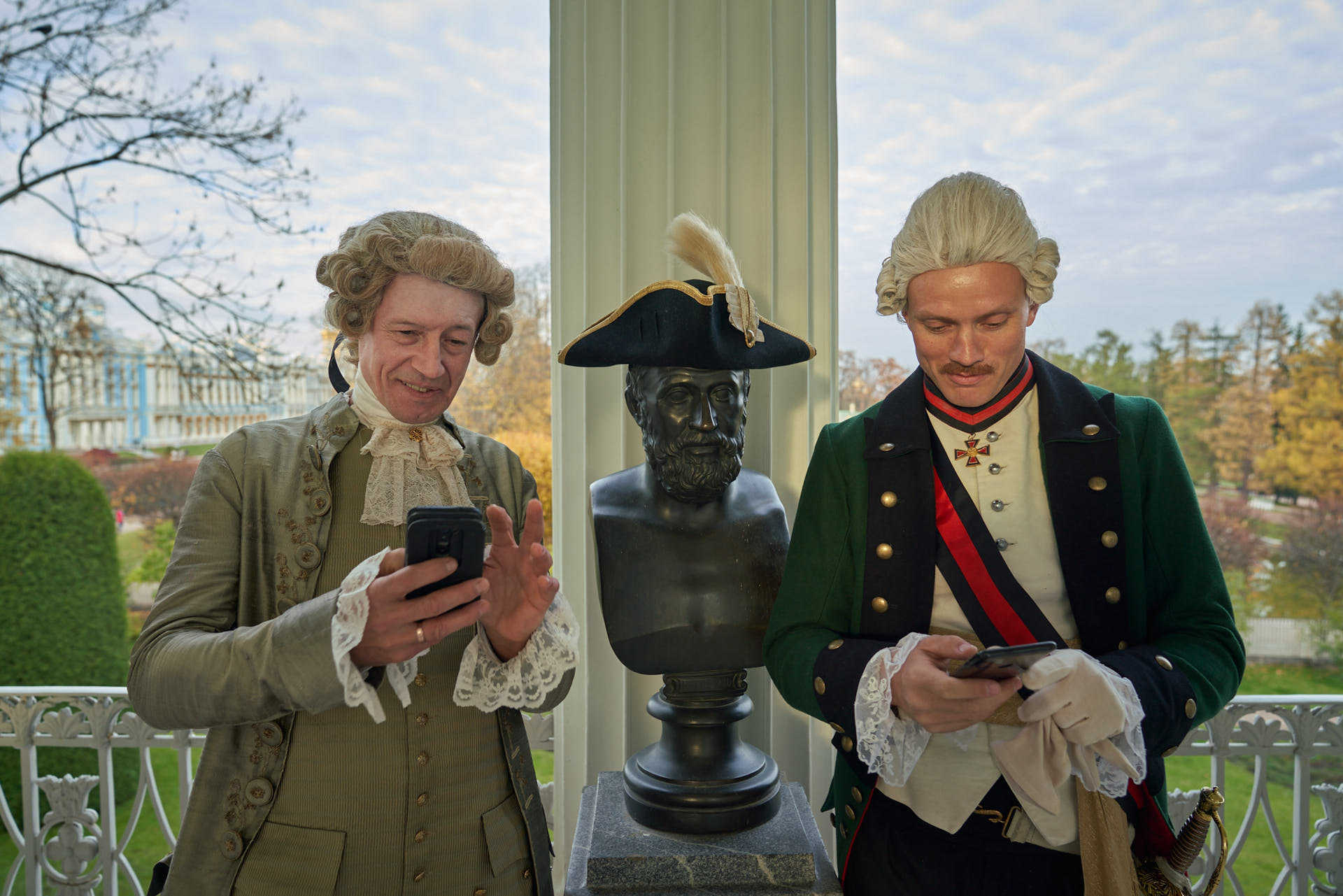
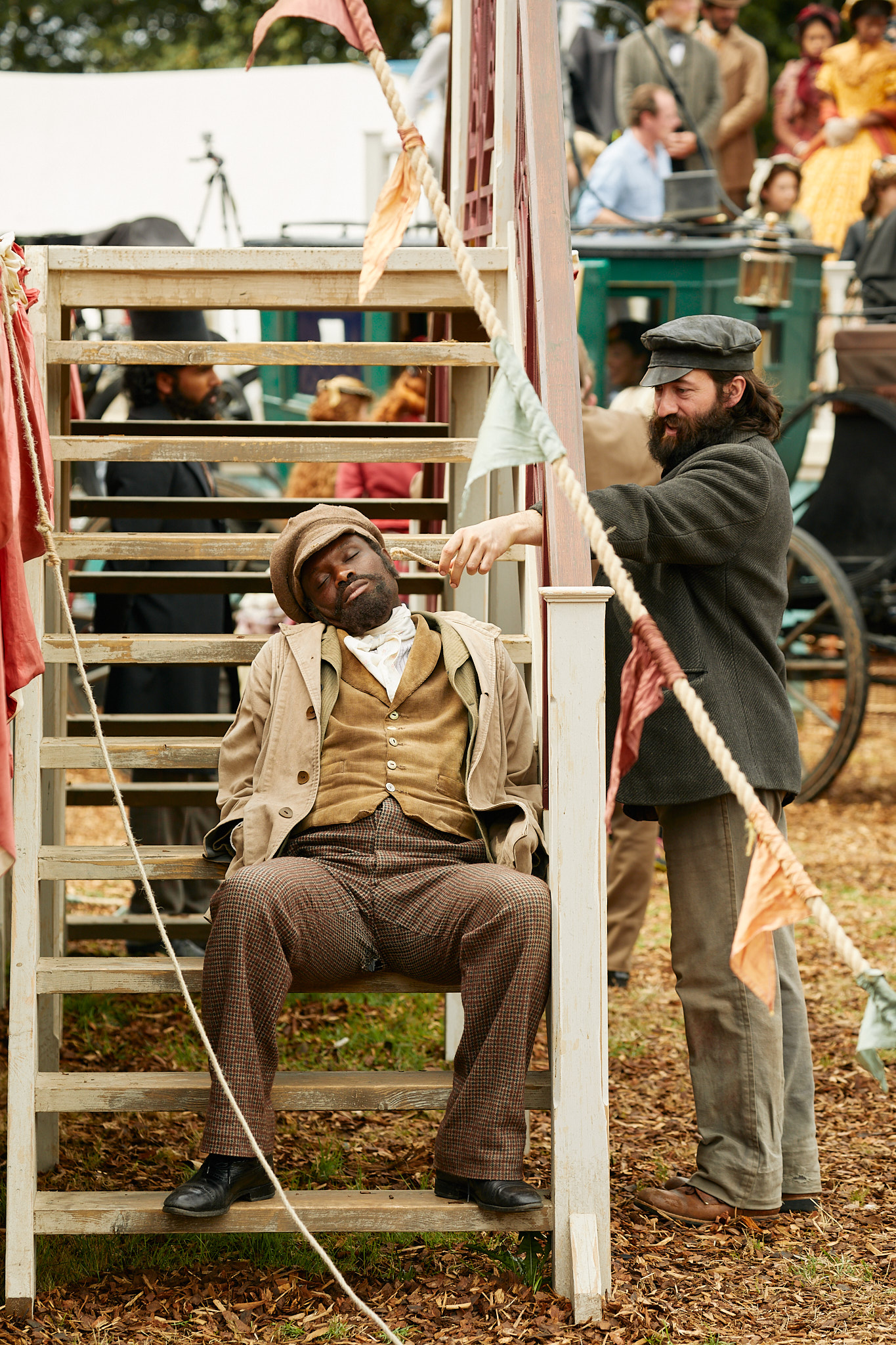
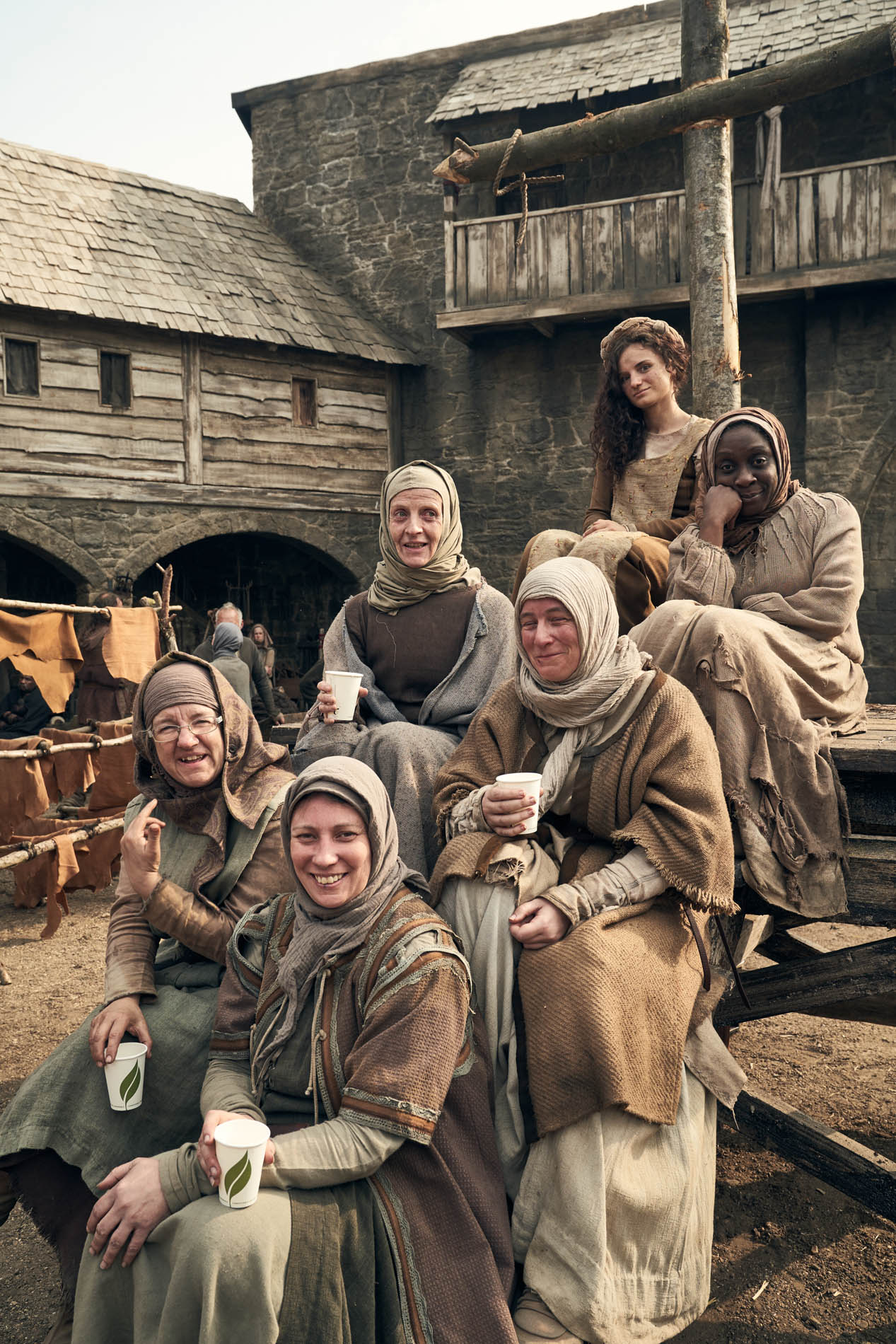
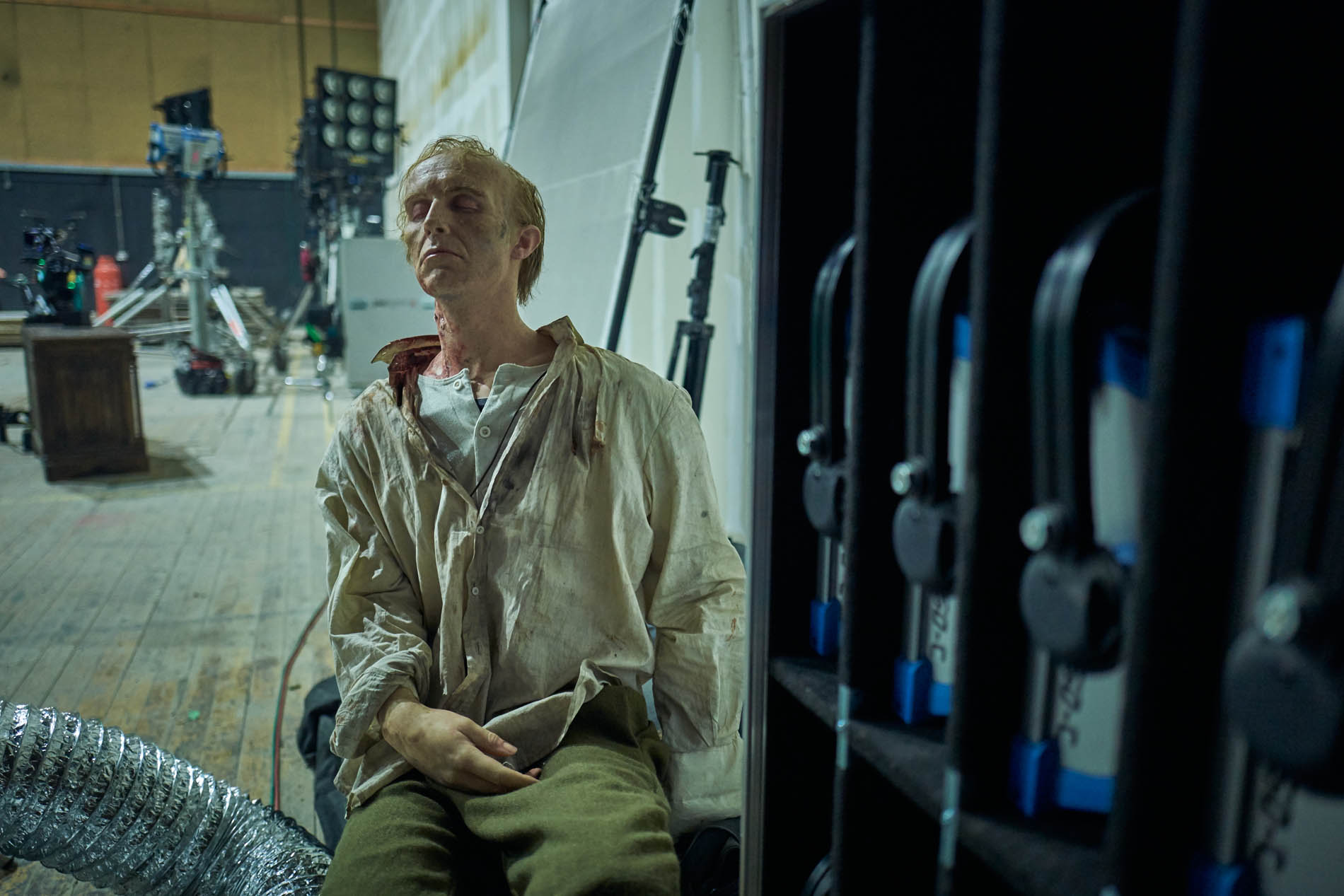
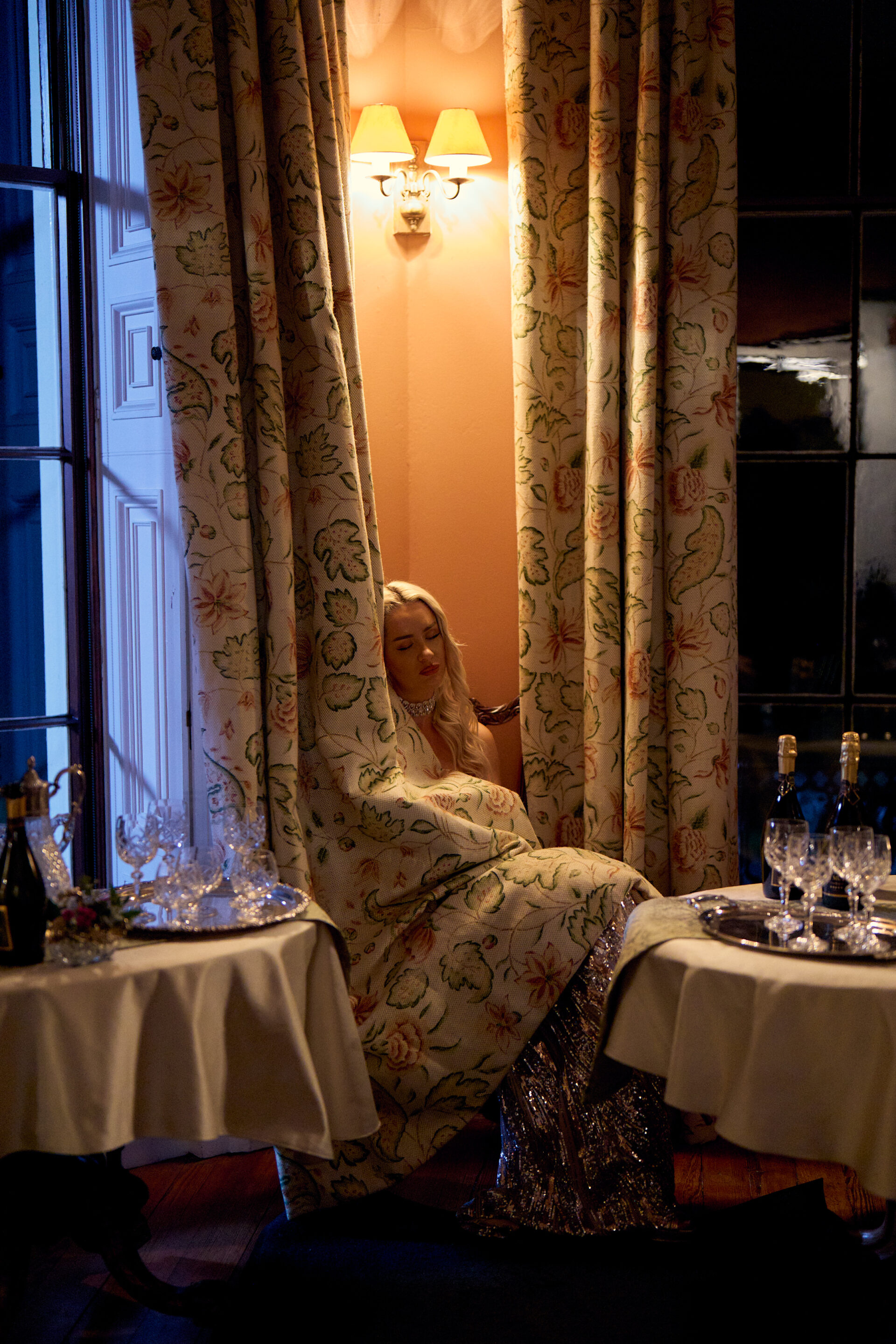
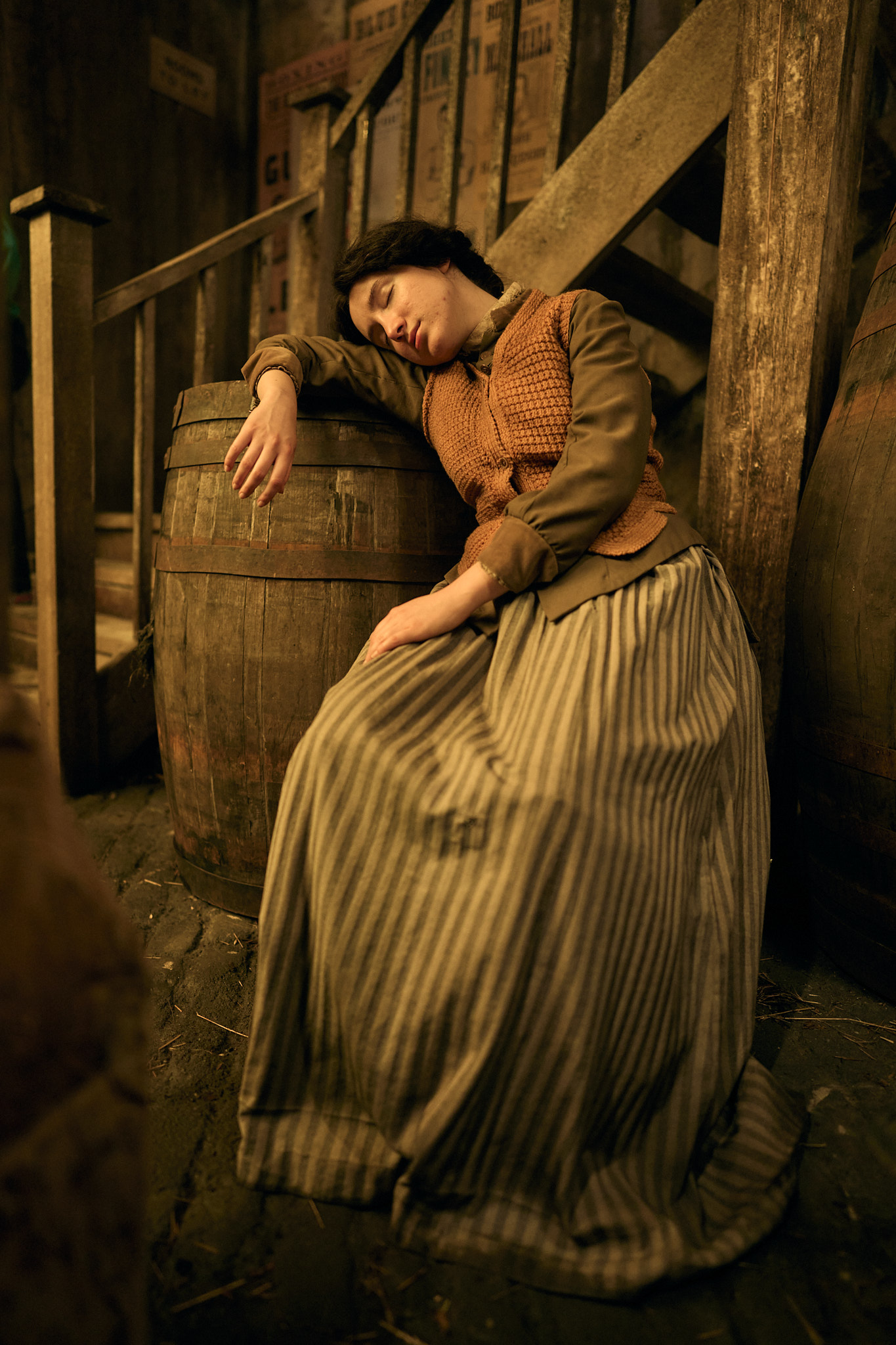
Supporting Artists (SAs) are an essential part of any film or television production.
Famously brought to public attention by Ricky Gervais’ TV series Extras, SAs play an important role in scenes, whether on location or in a studio, bringing depth and realism to every frame.
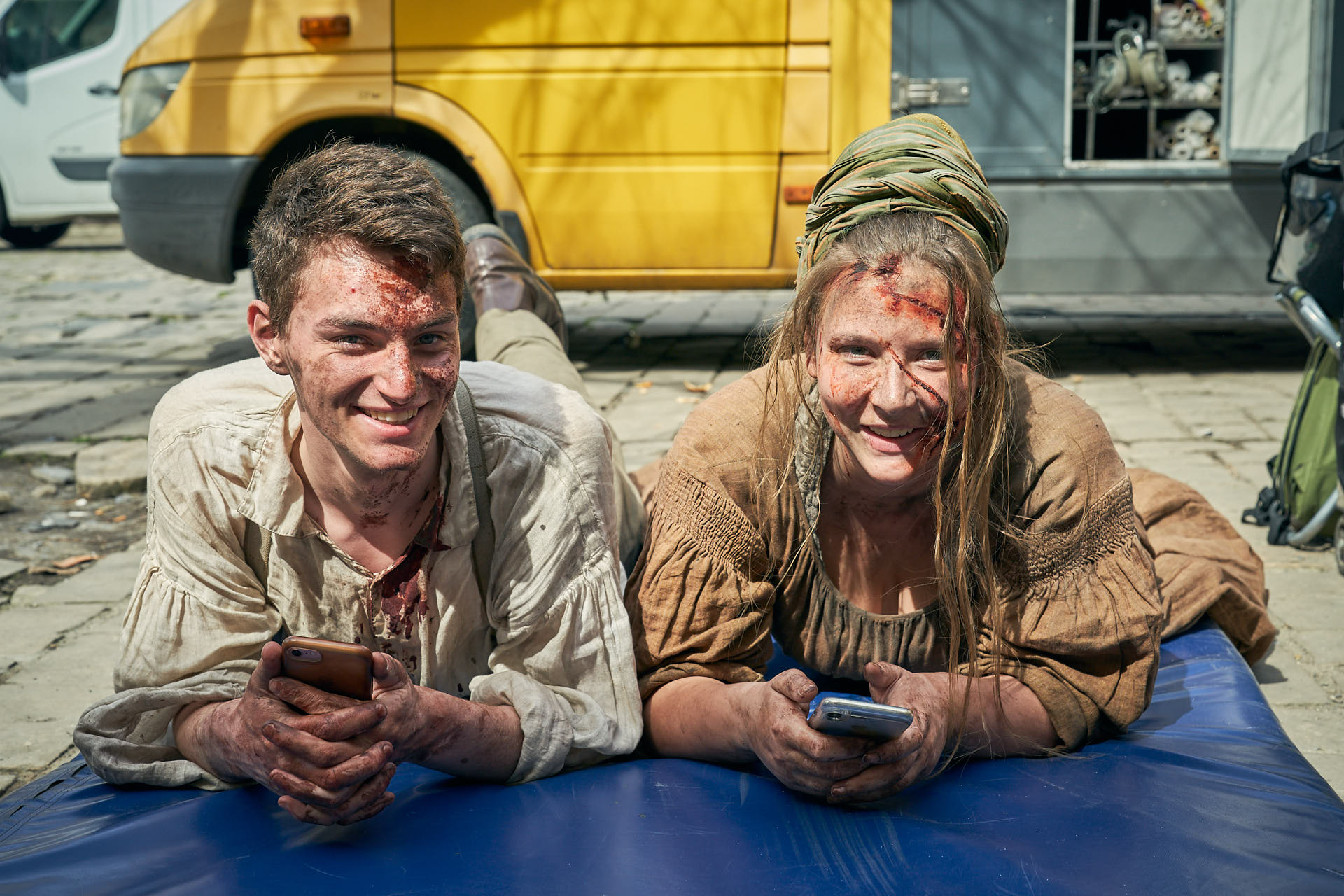
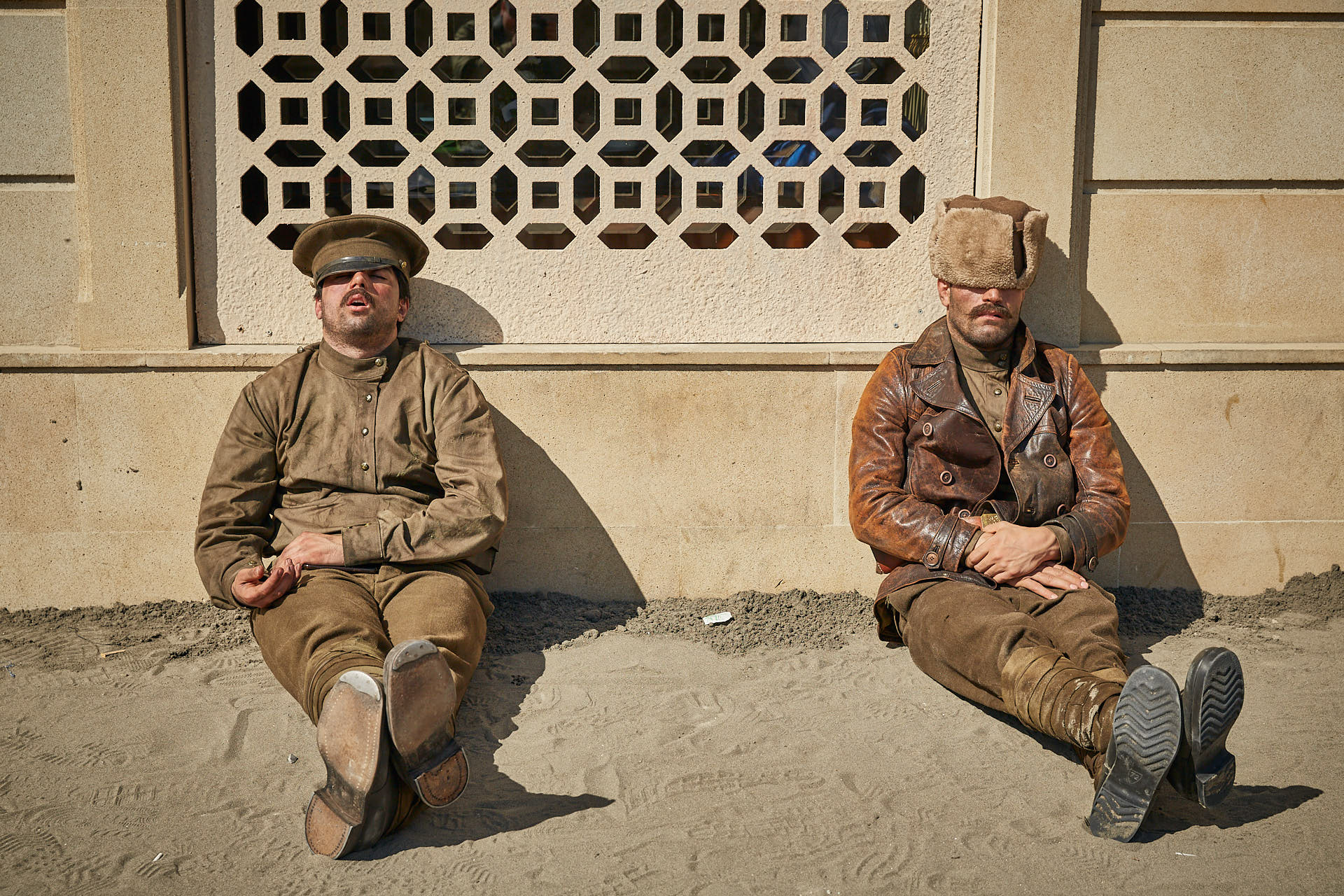
For an SA, filming days and nights can be notoriously long, with early call times for hair, make-up and costume checks, followed by hours of waiting between setups and time spent de-rigging once filming ends. Complex scenes, such as large-scale battle sequences, can require days or even weeks of ‘boot camp’ to learn military drills or weapon-handling skills.
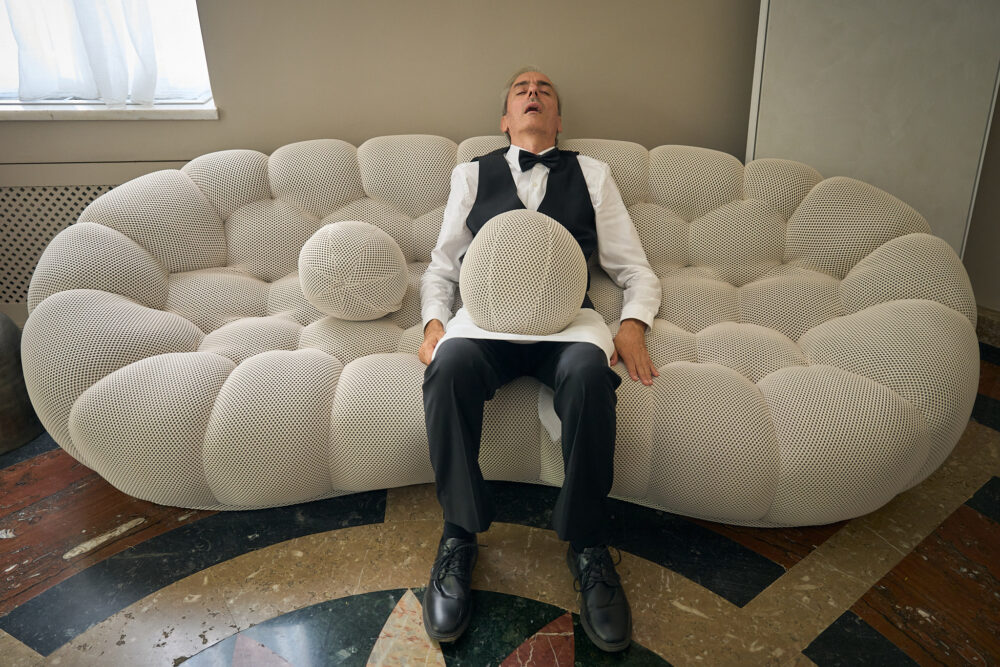
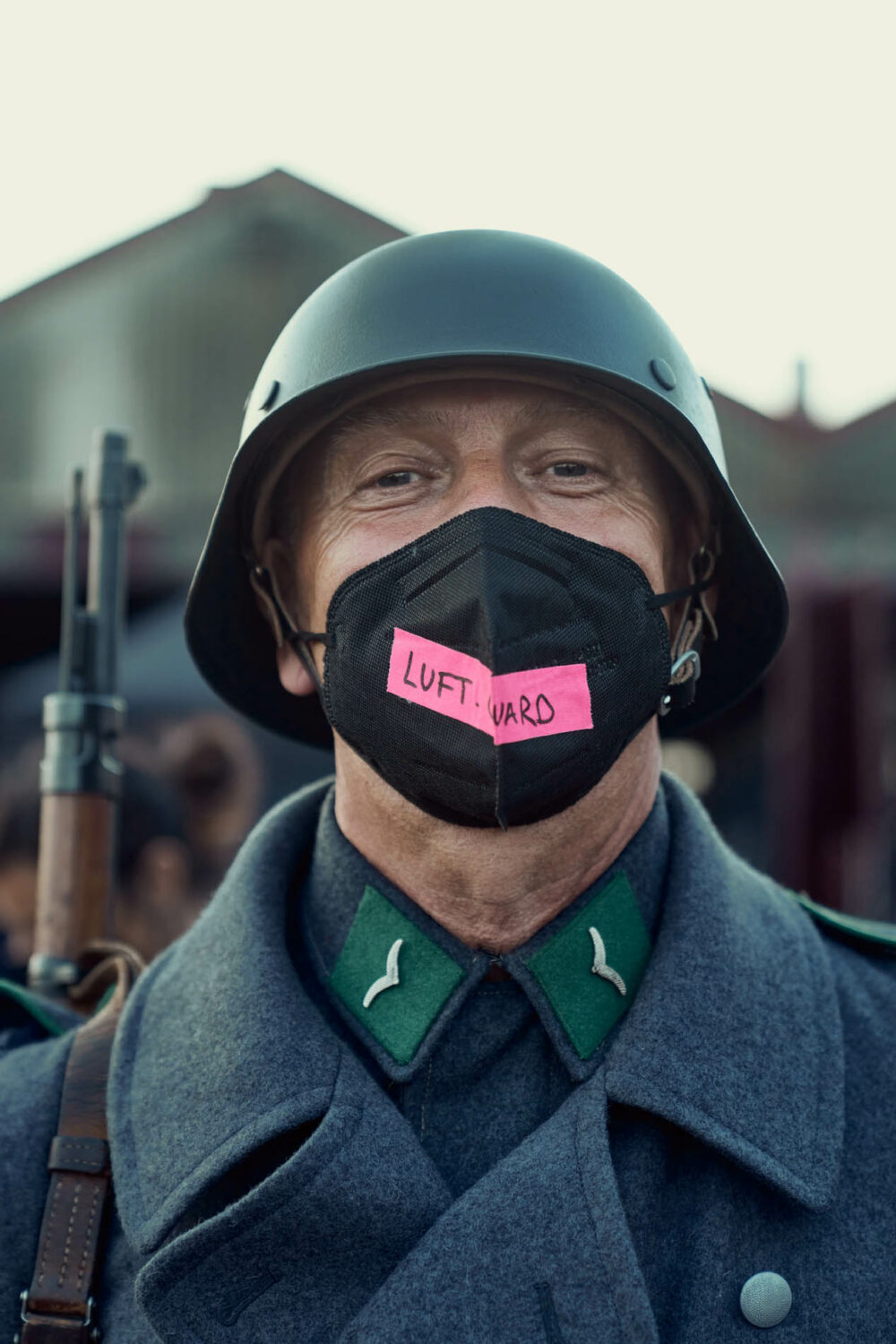
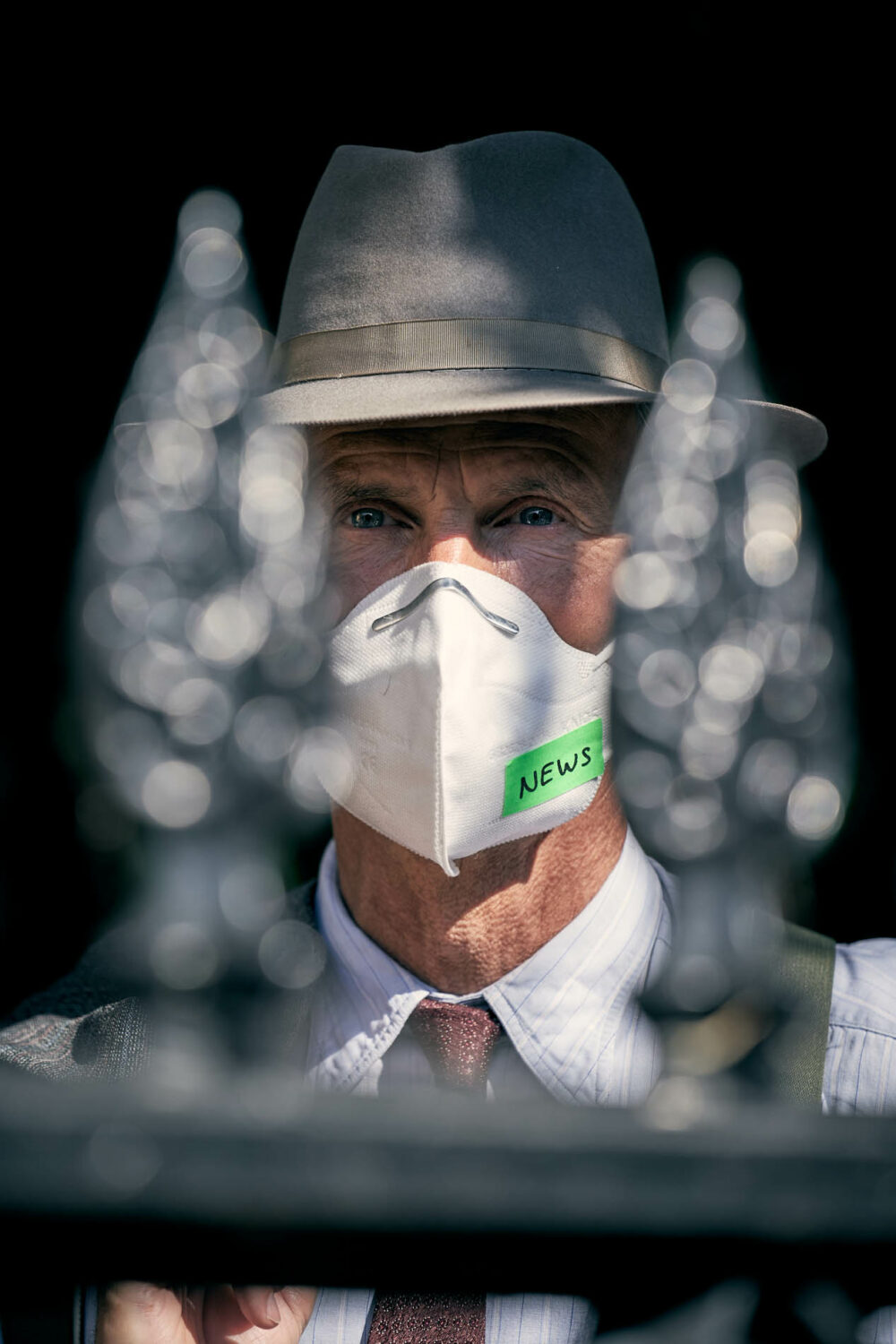
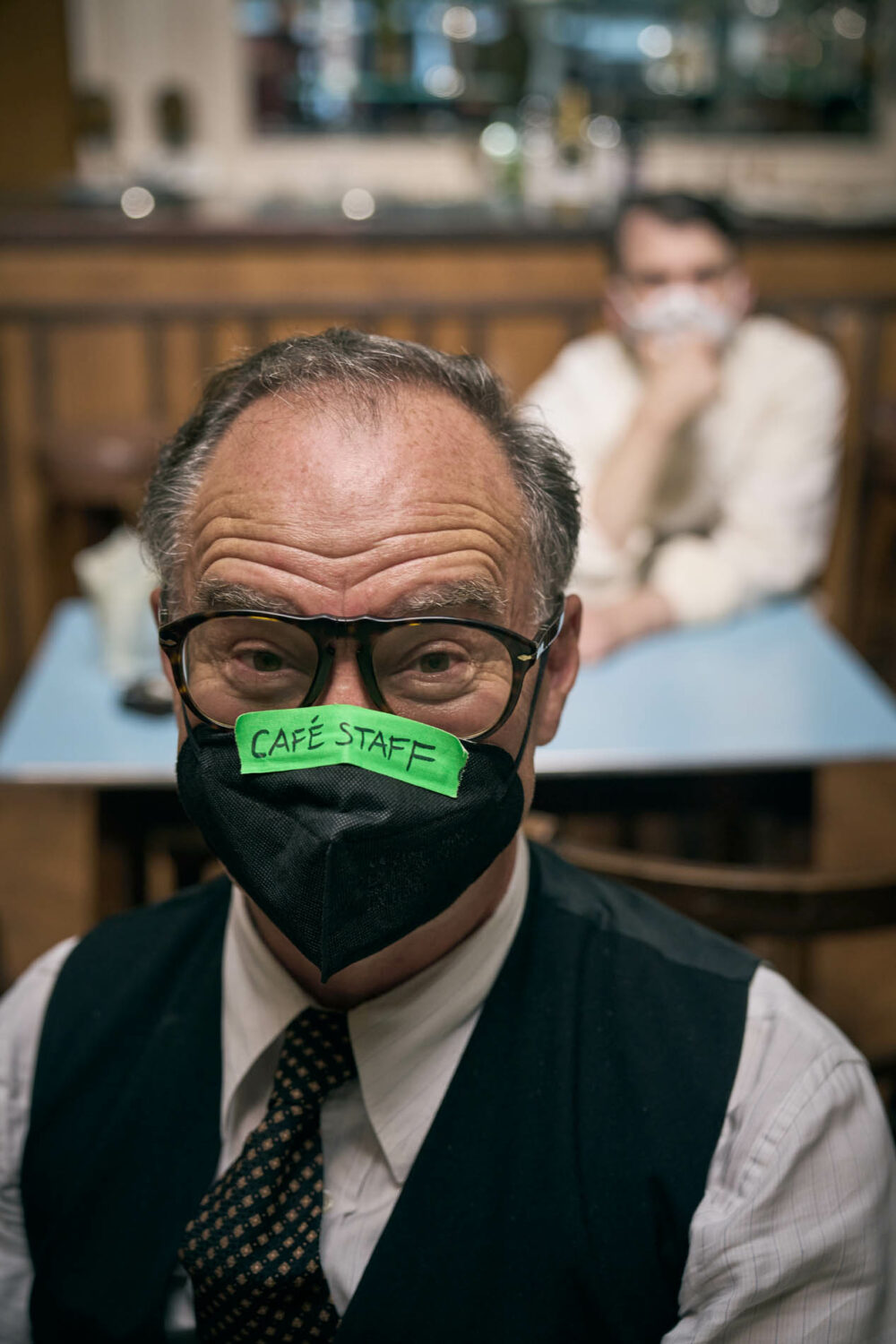
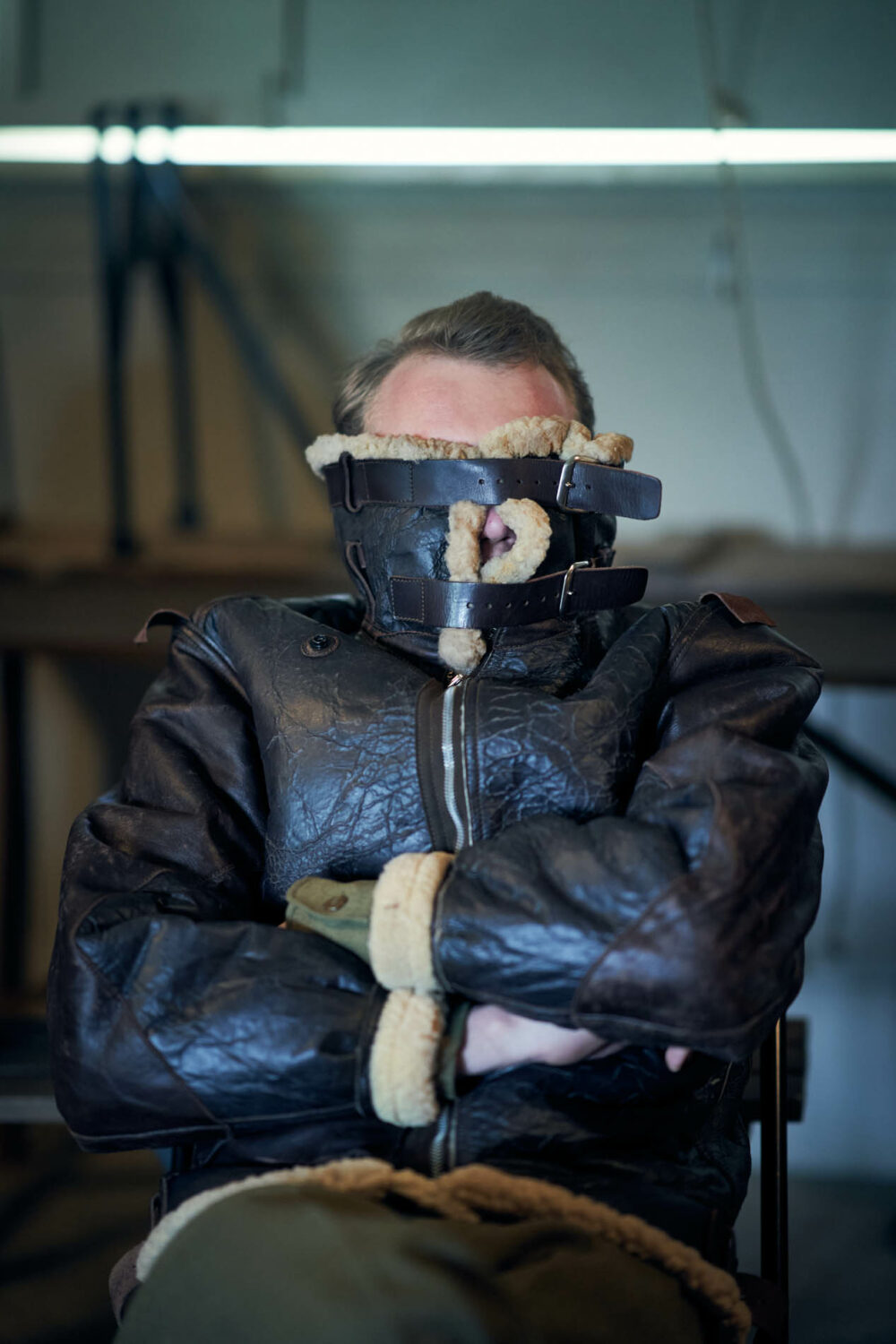
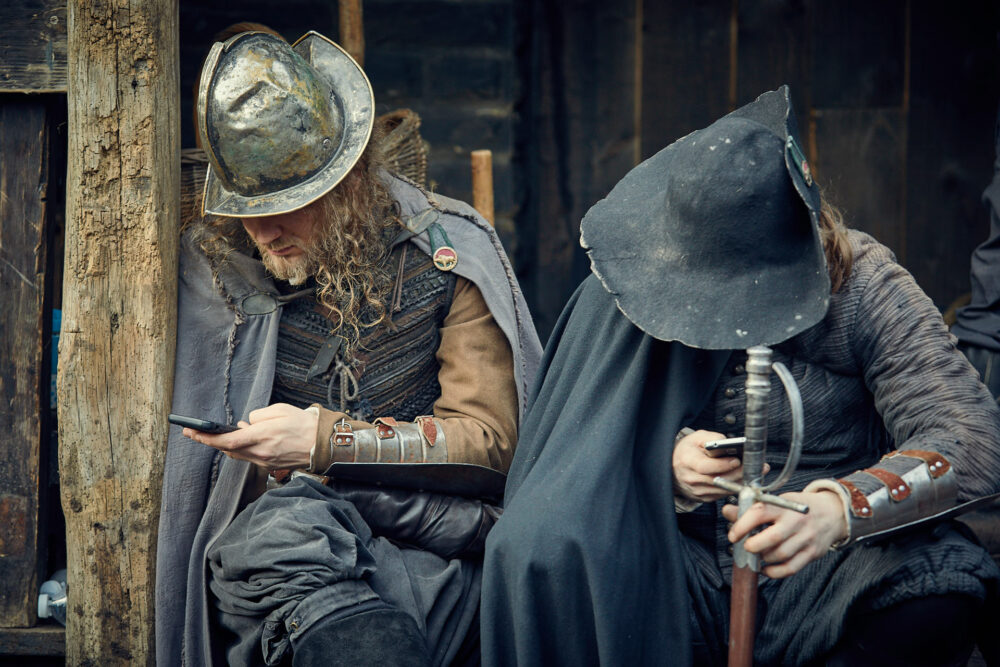
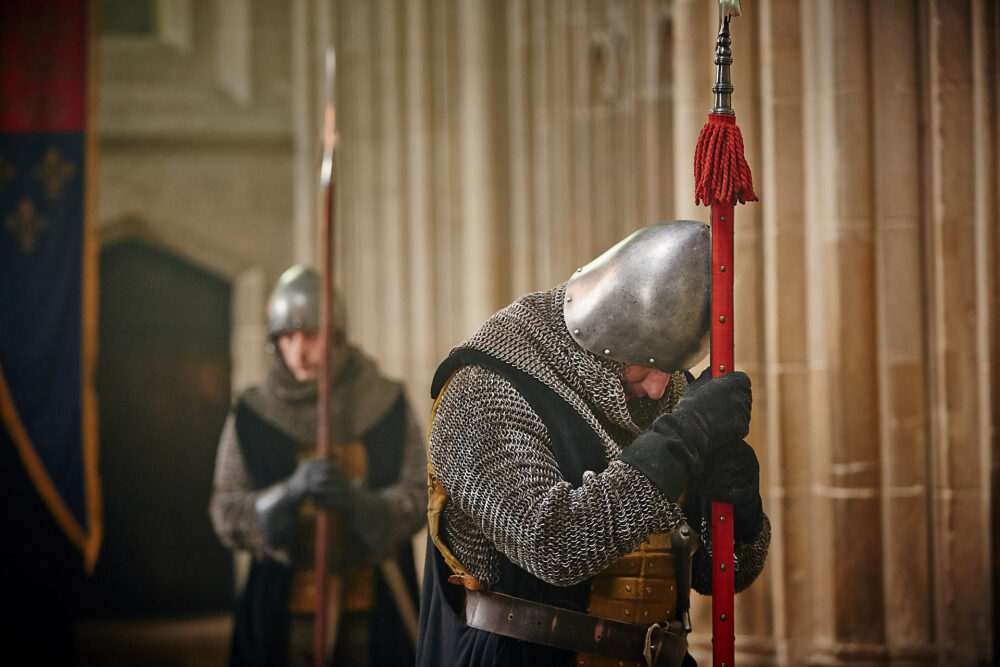
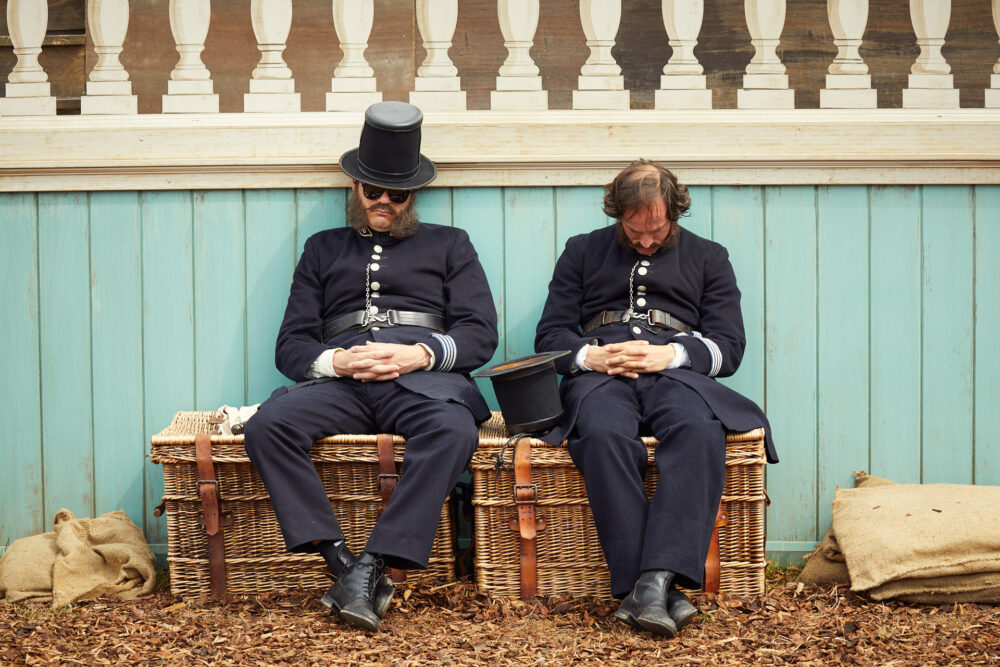
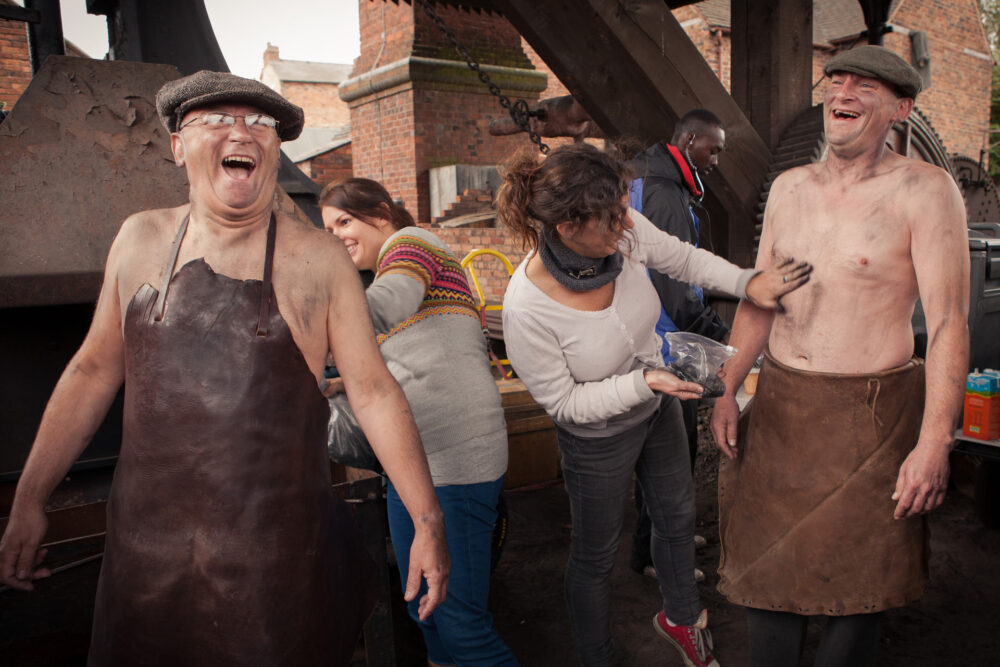
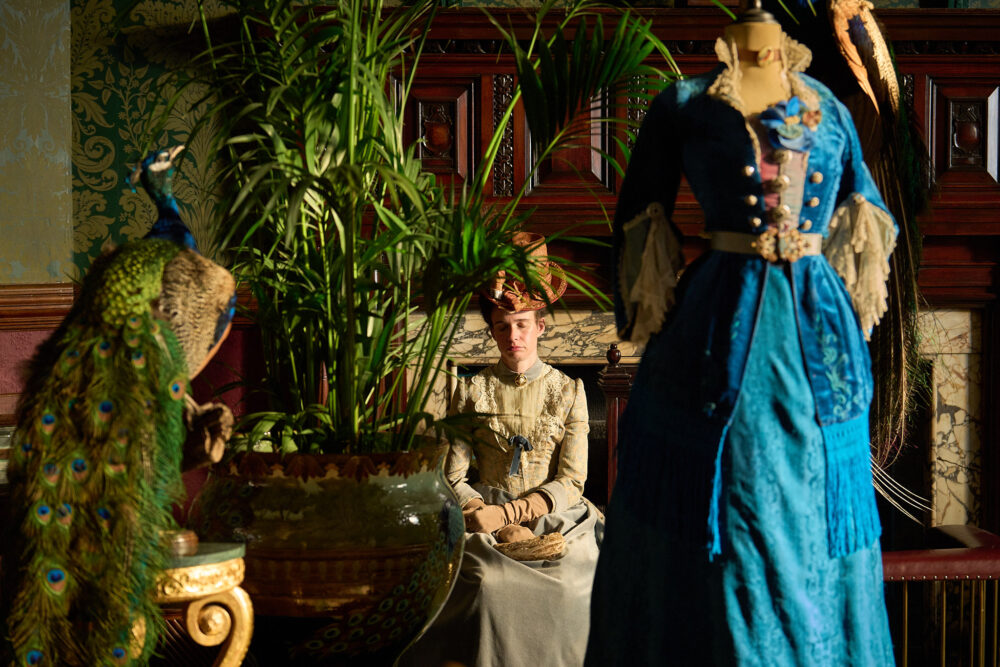
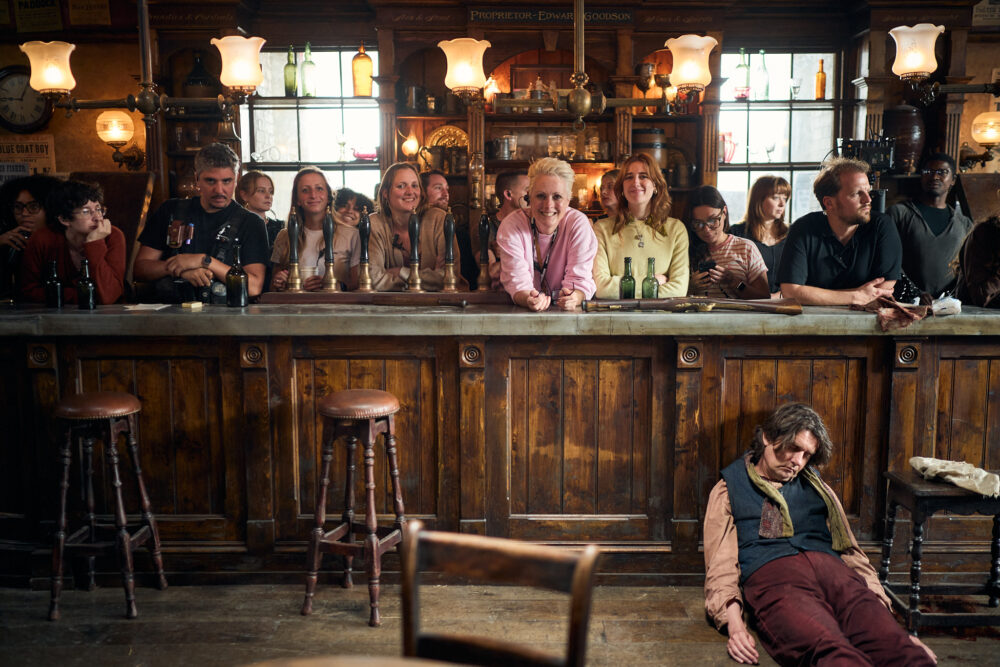
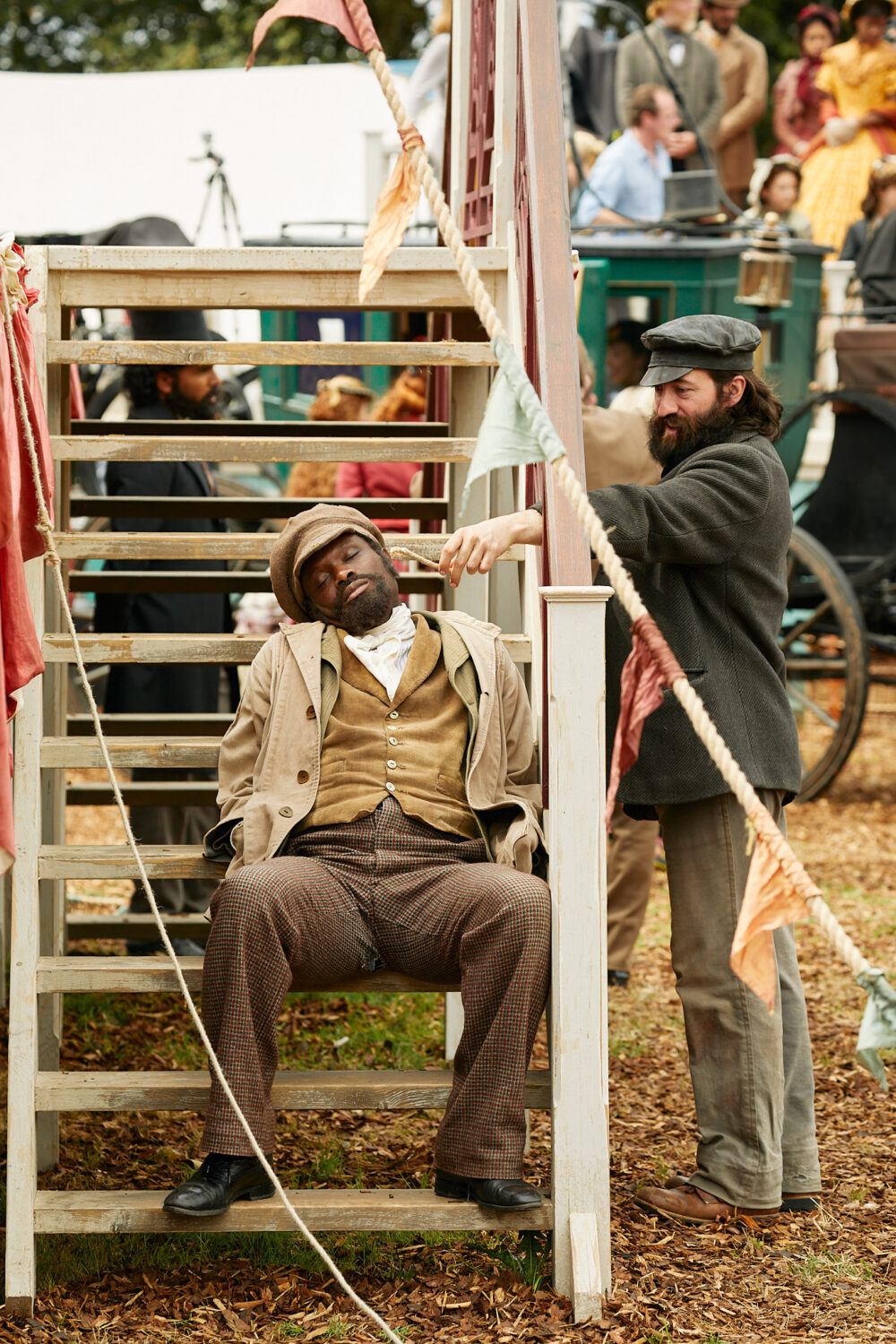
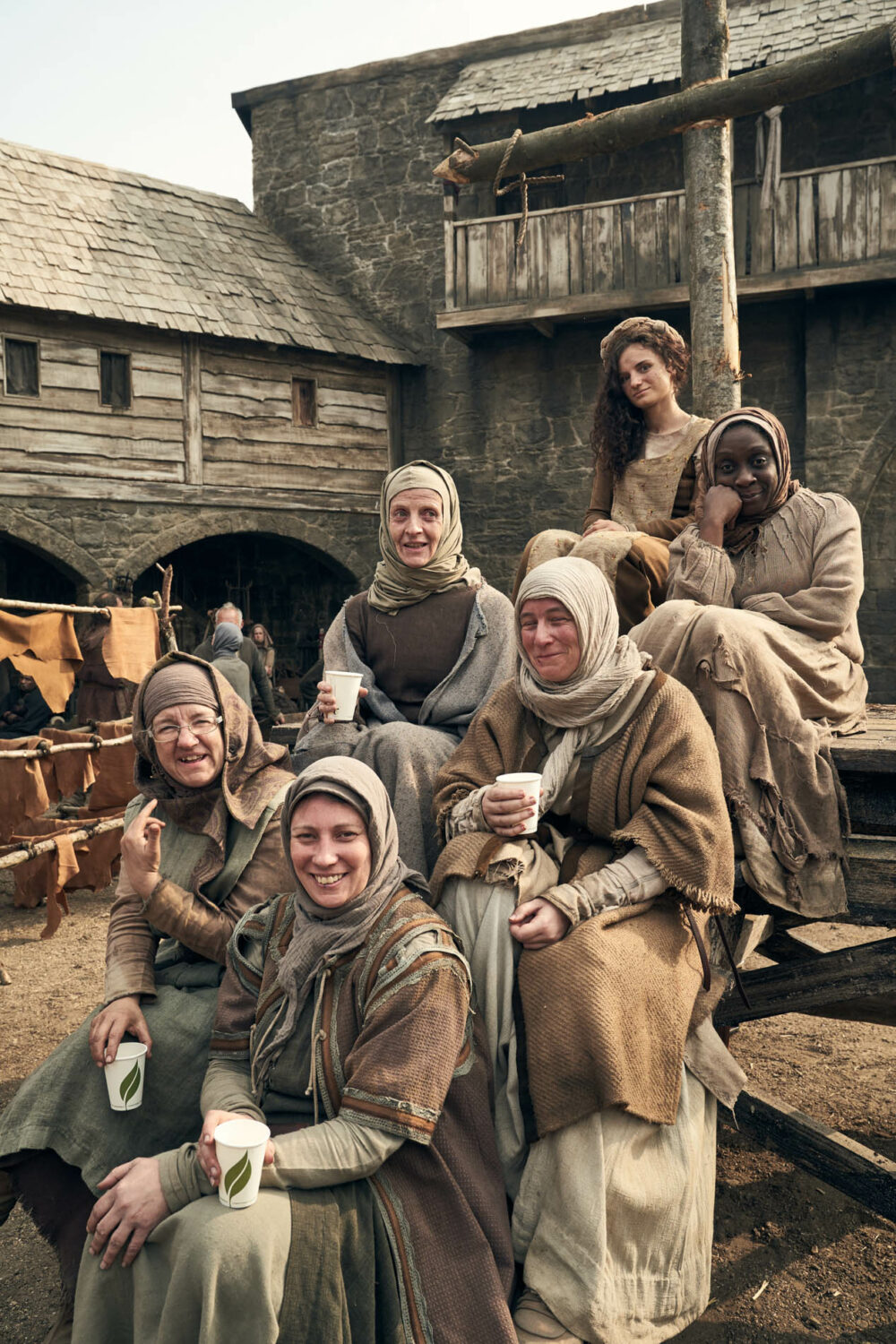
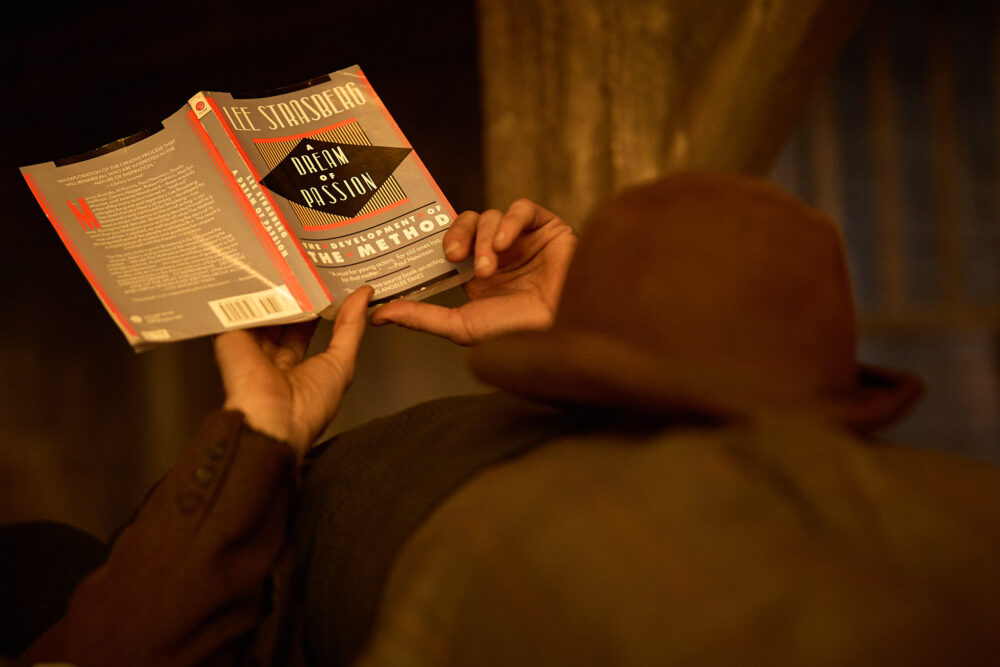
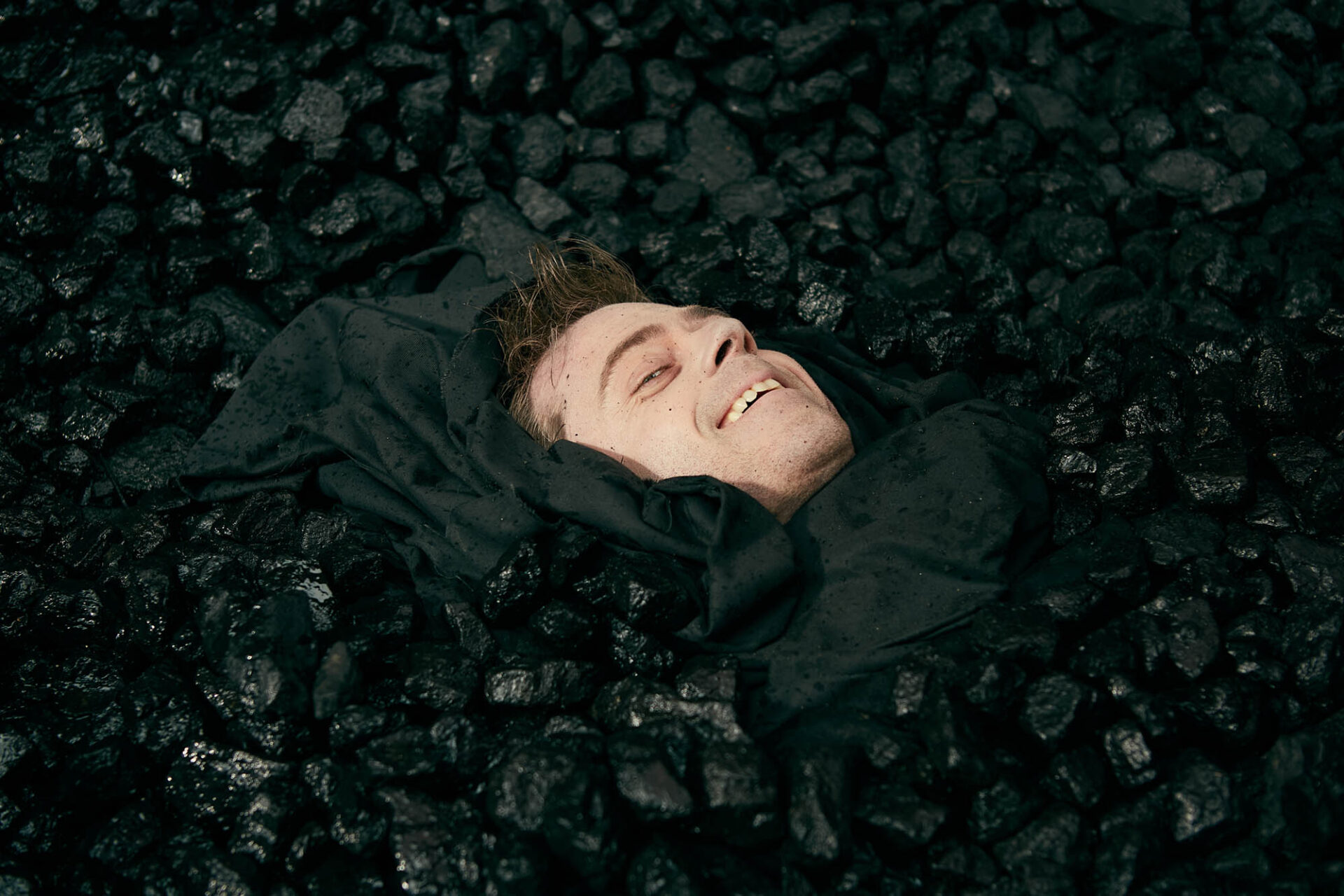
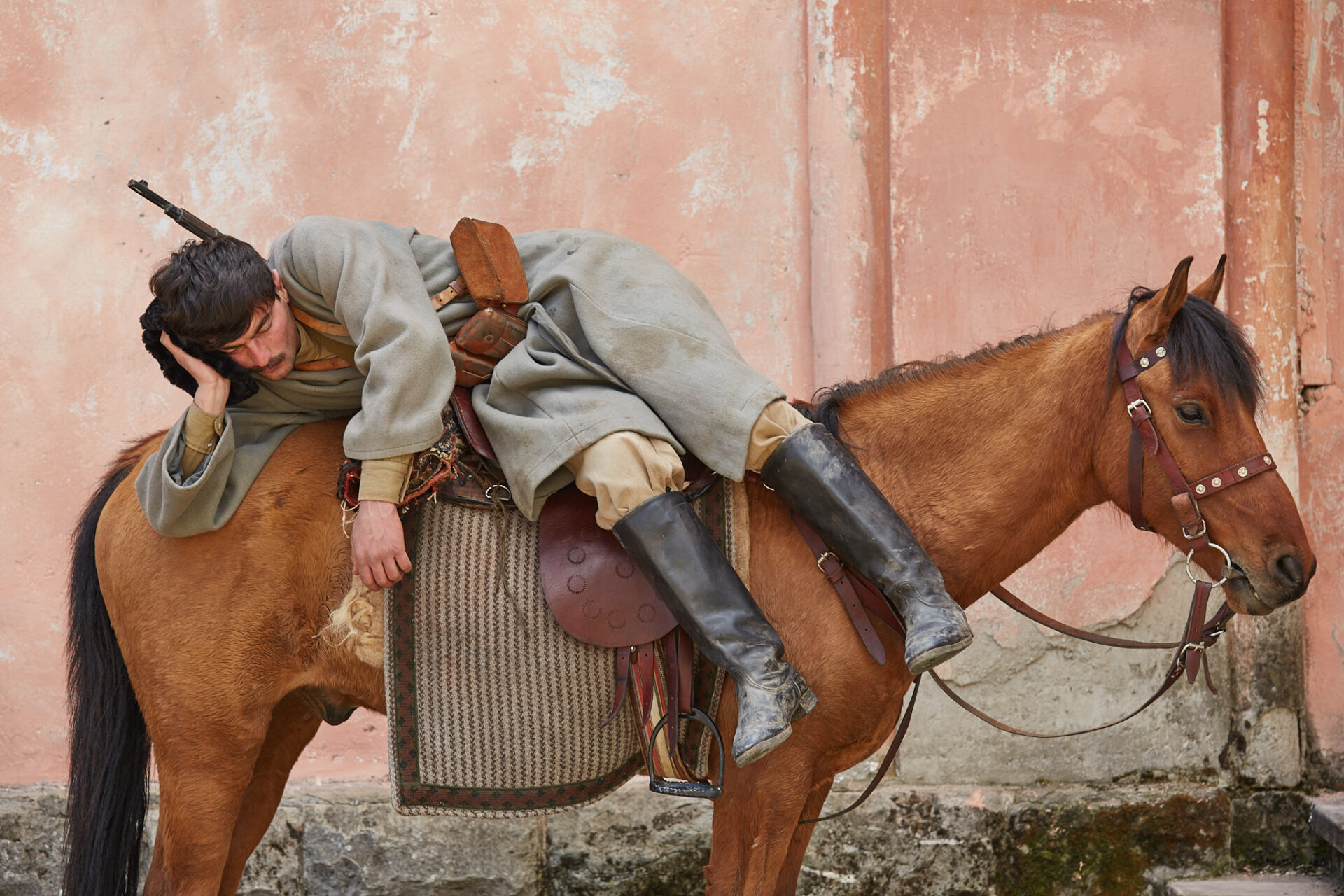
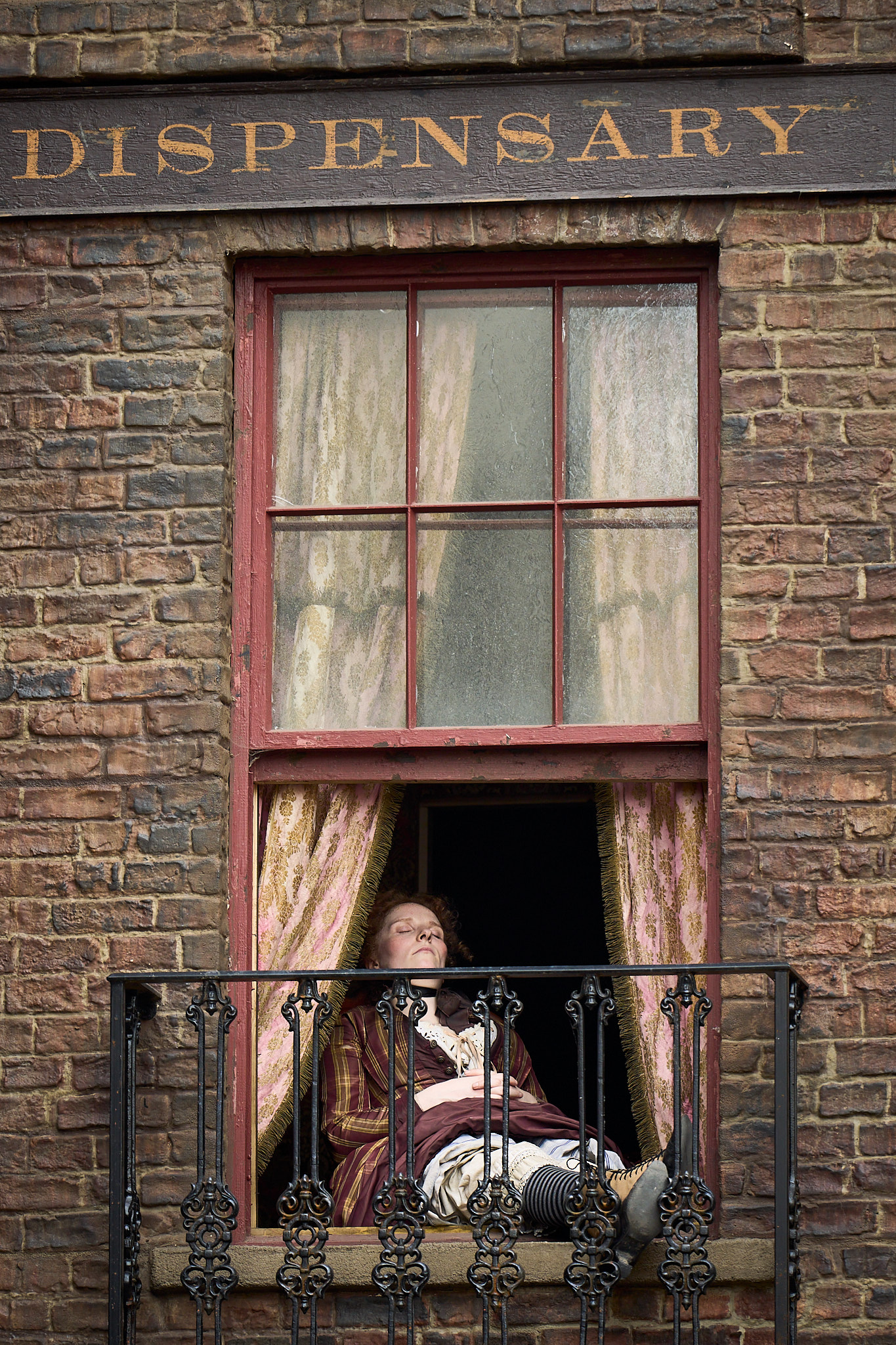
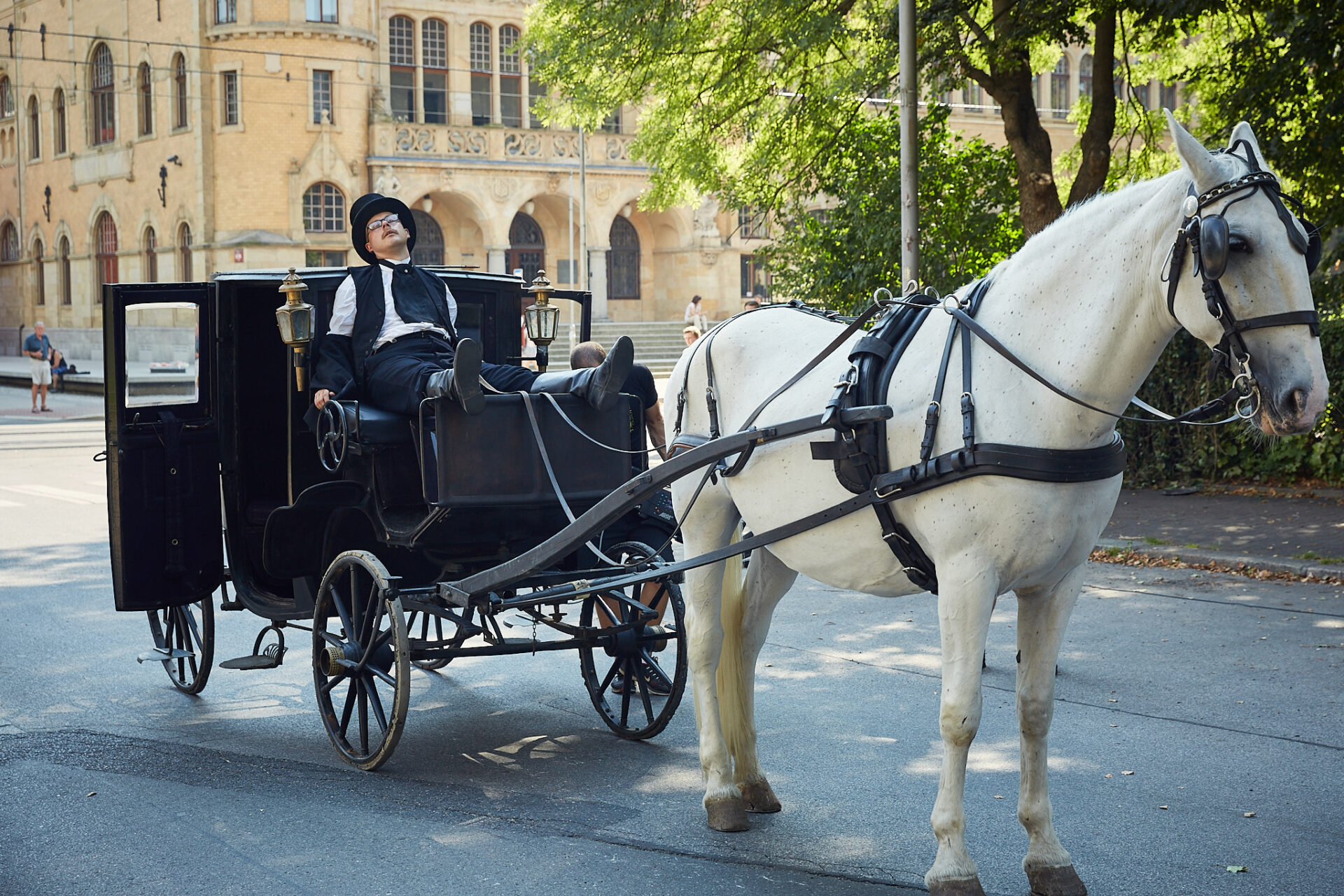
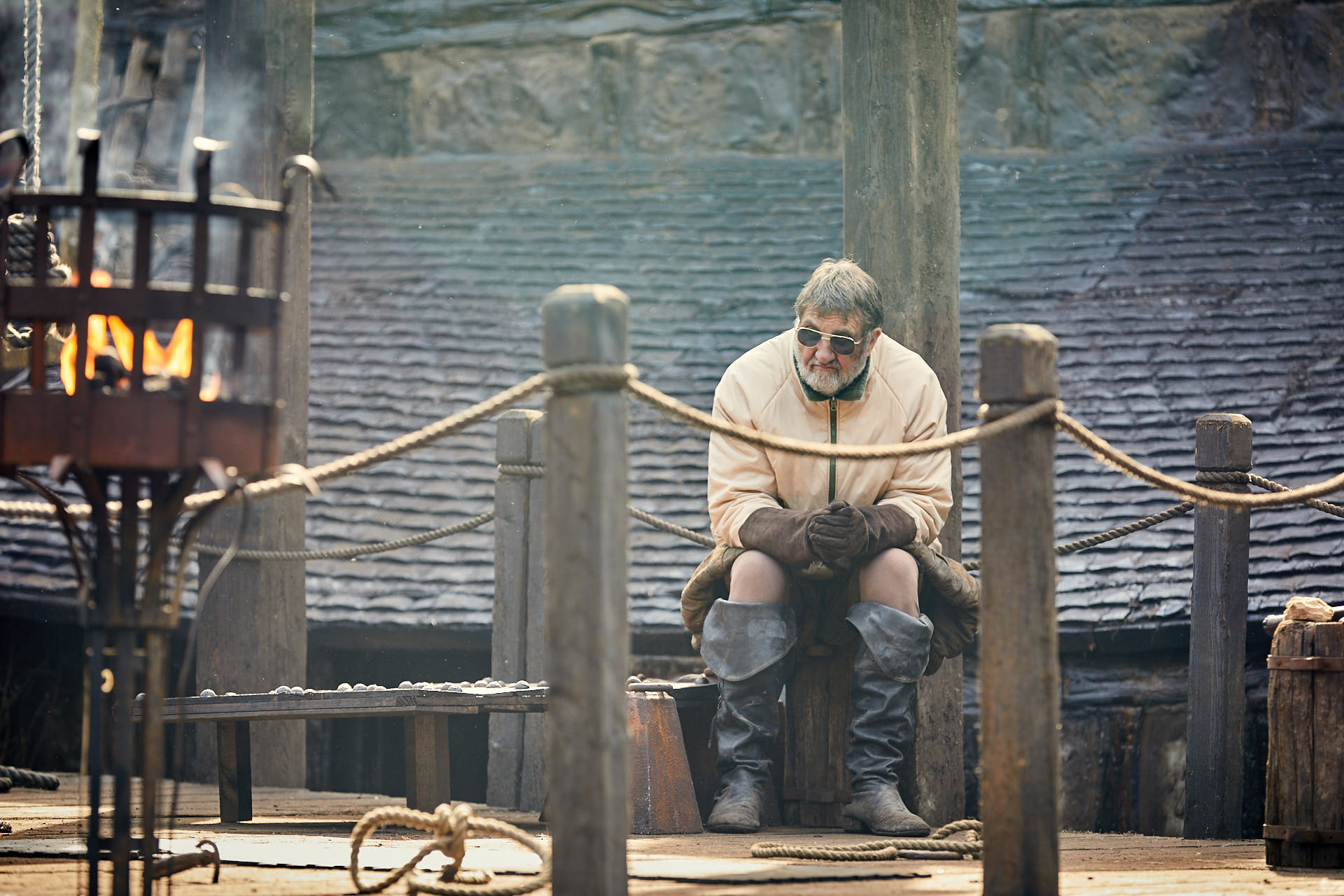
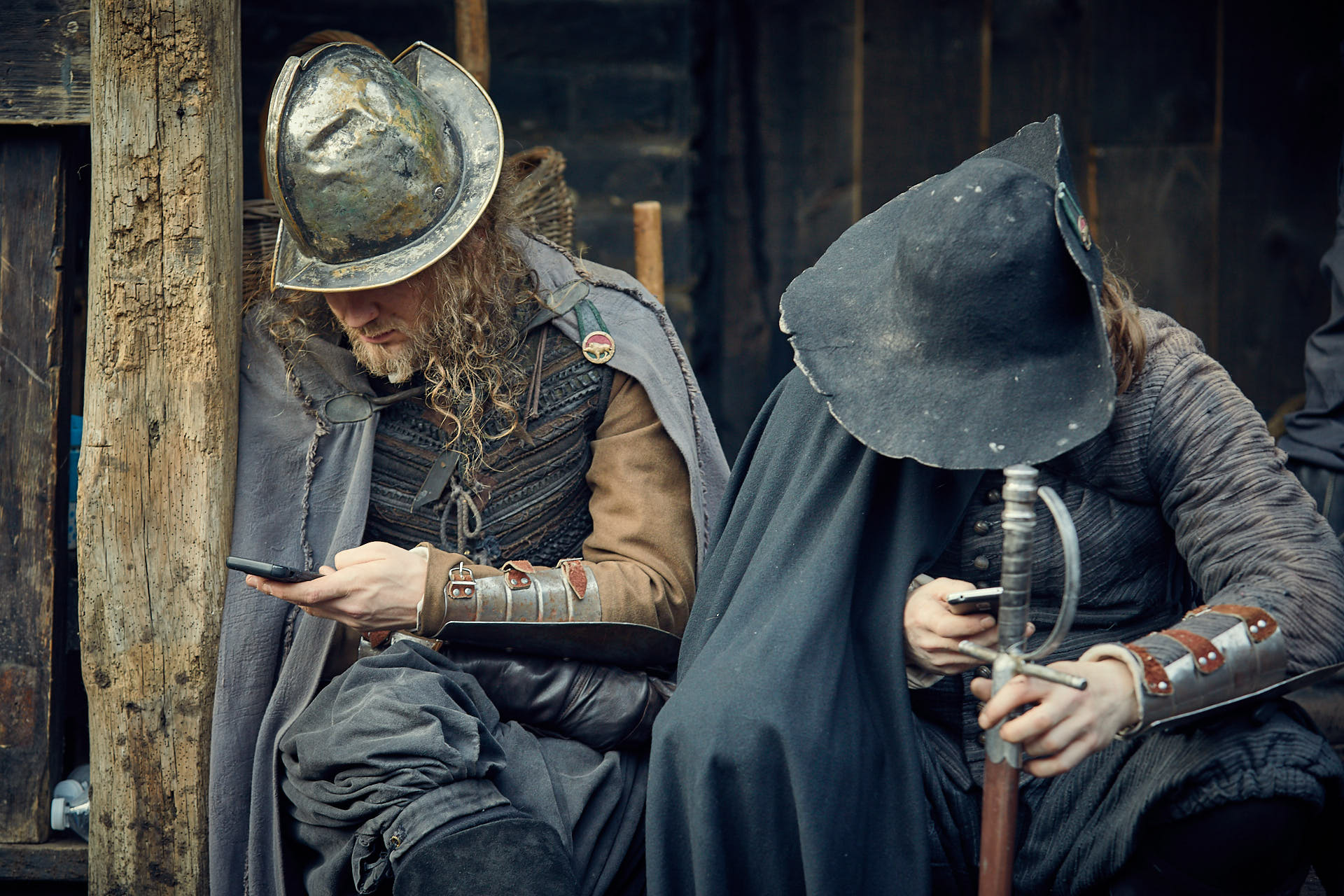
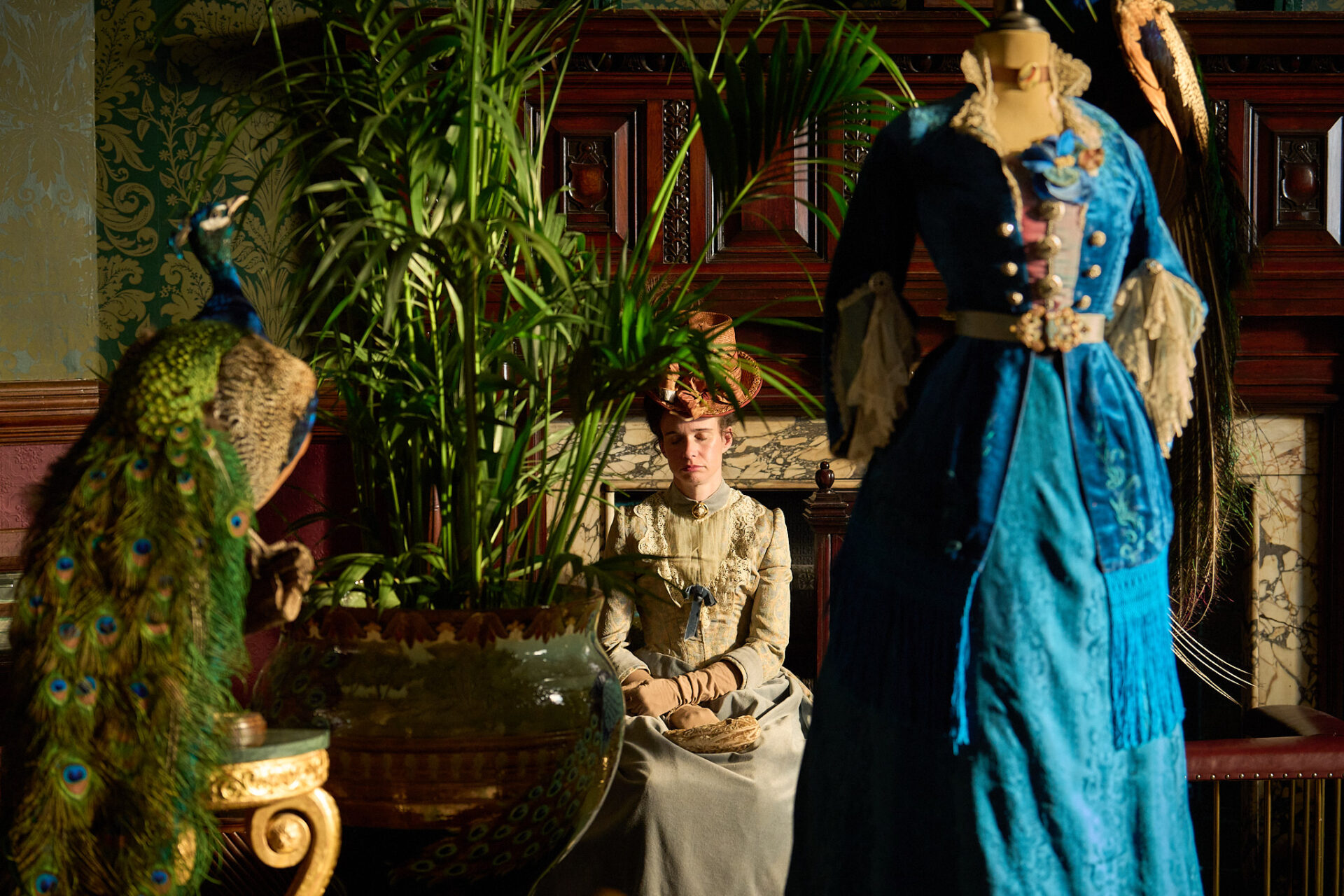
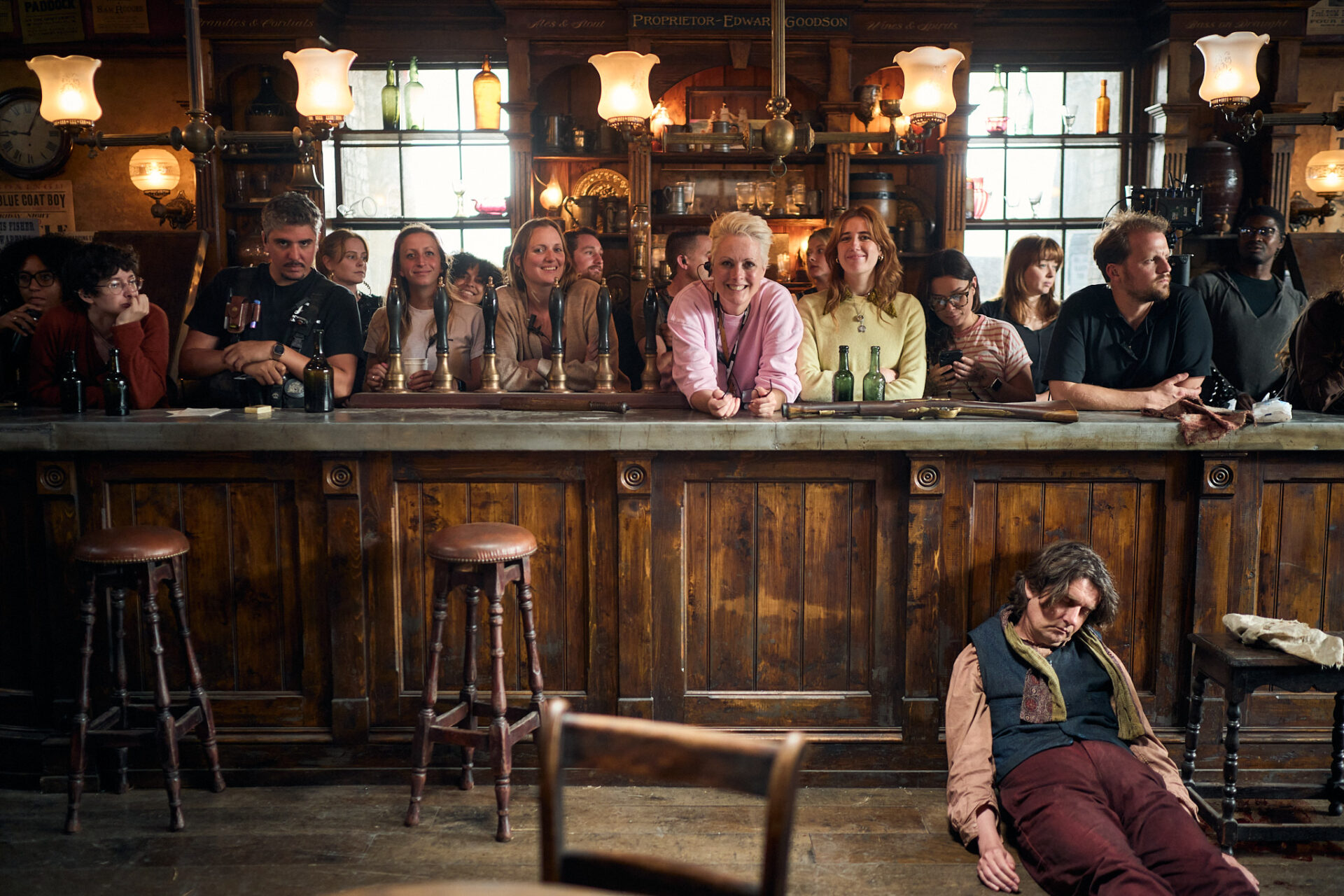
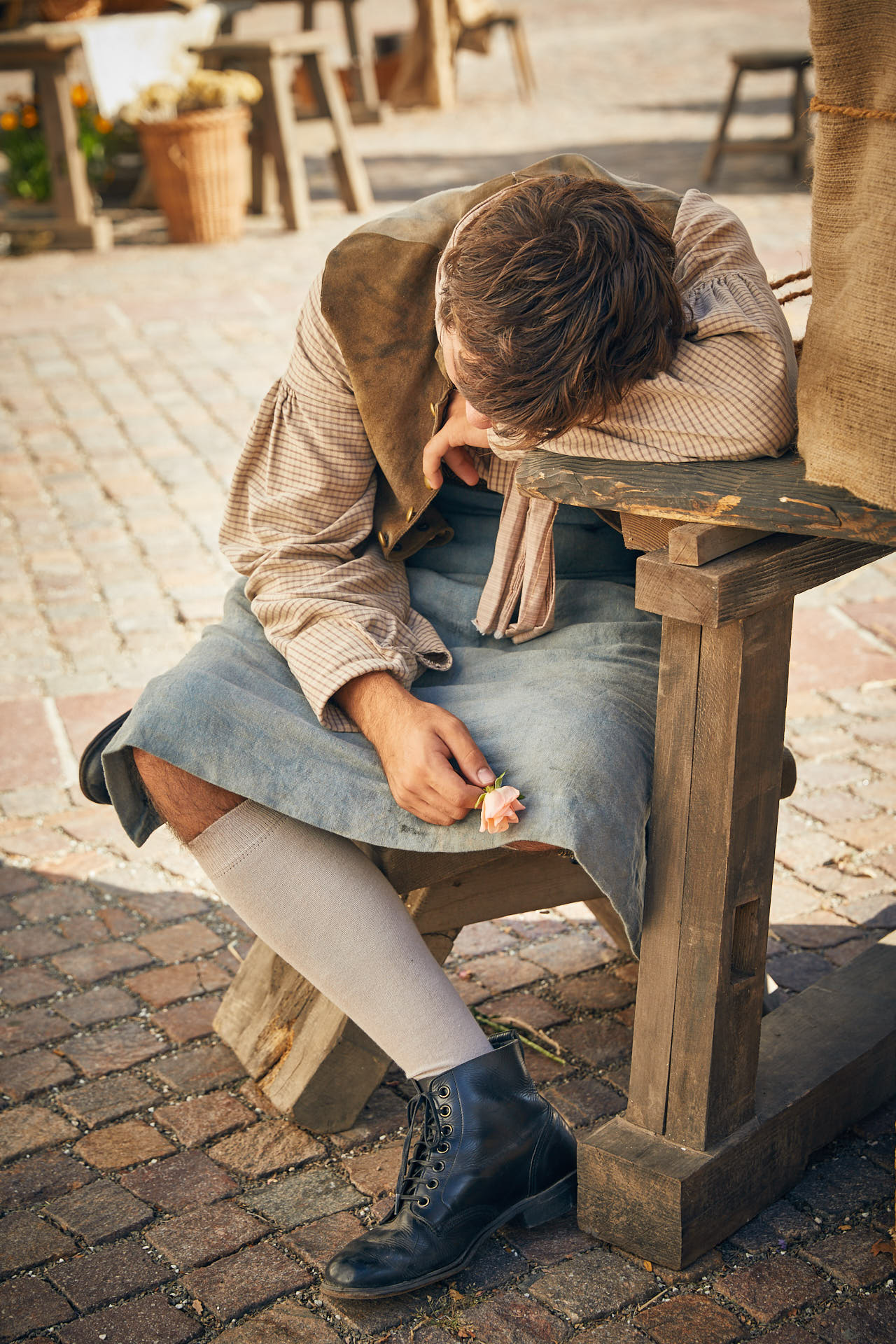
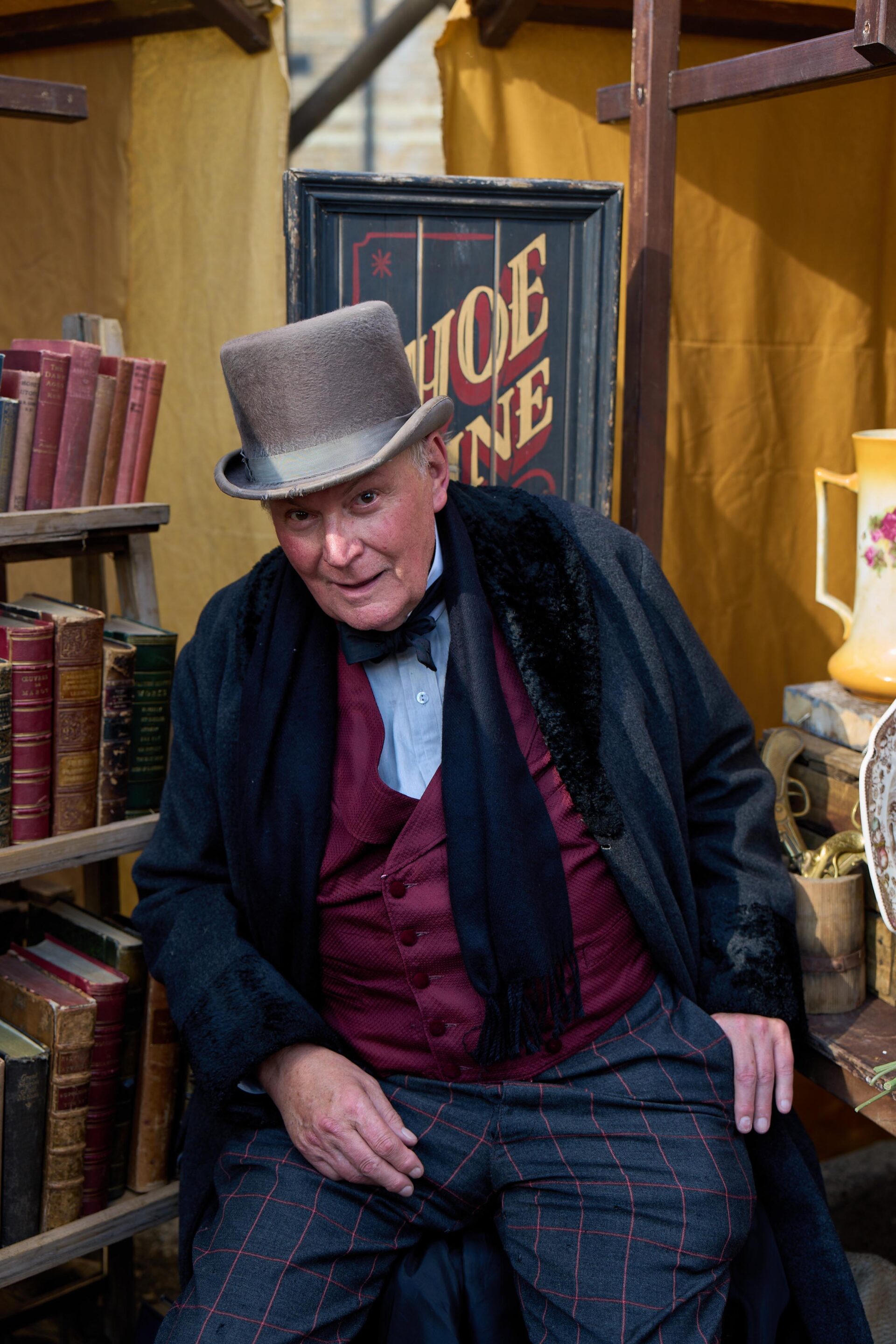
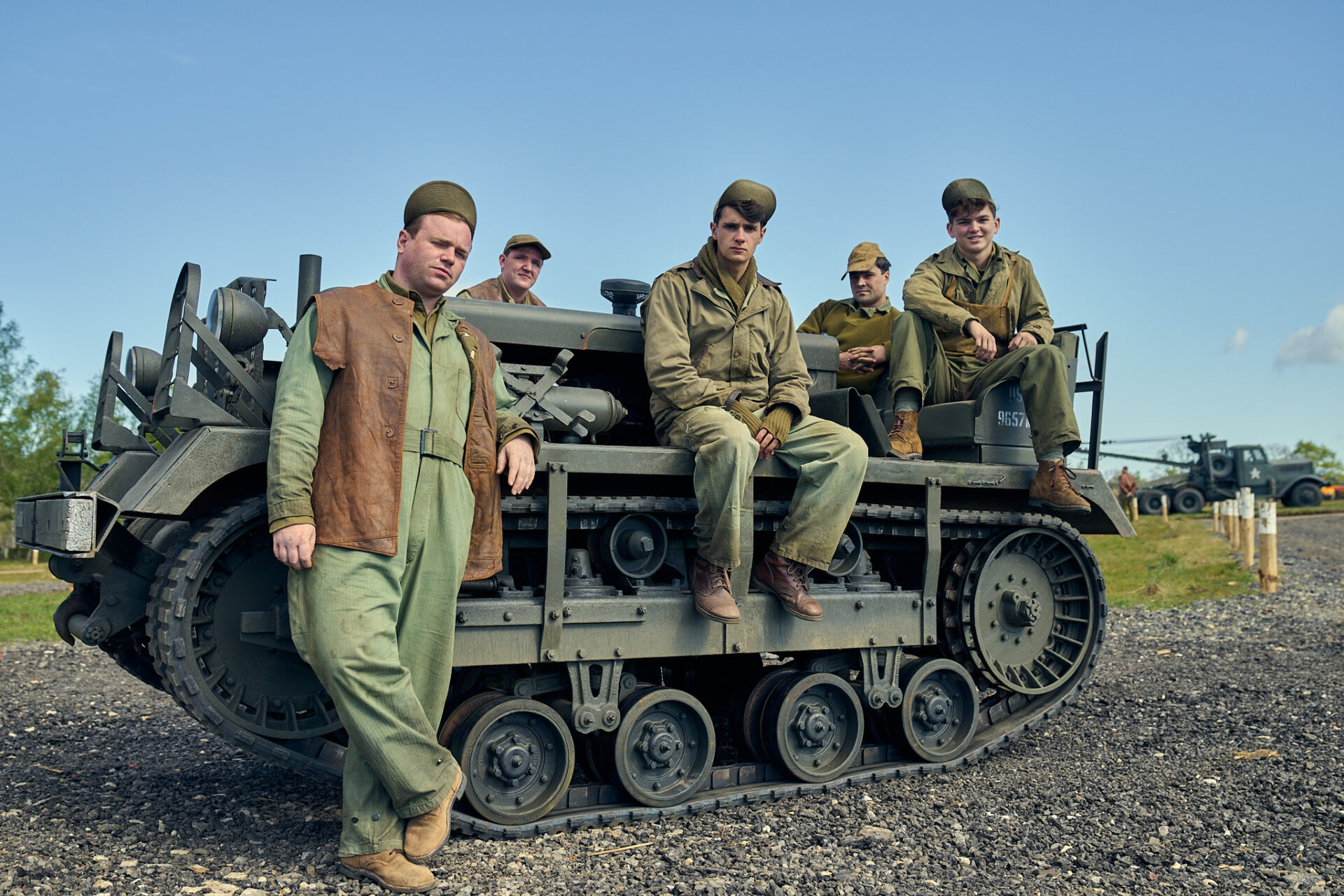
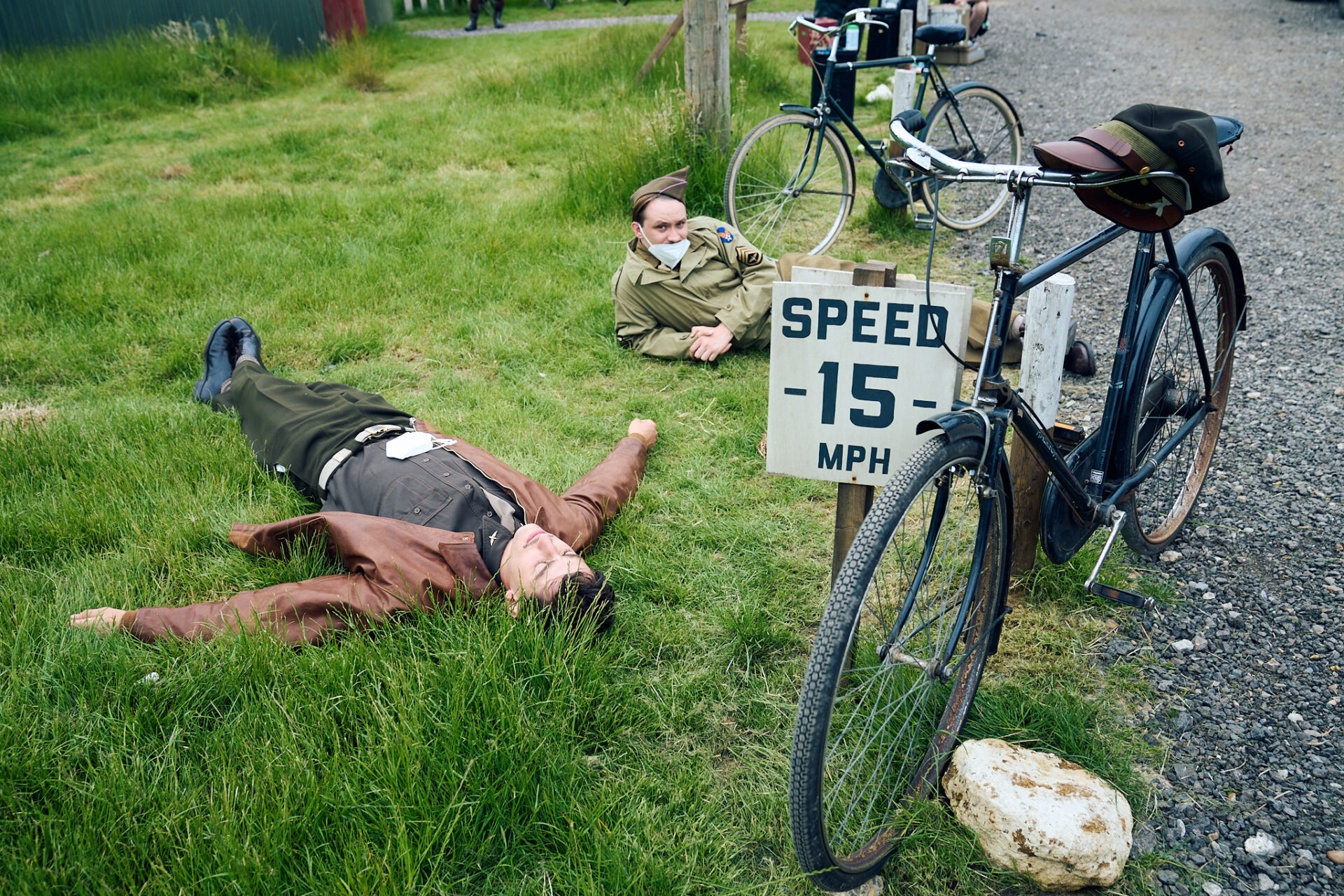
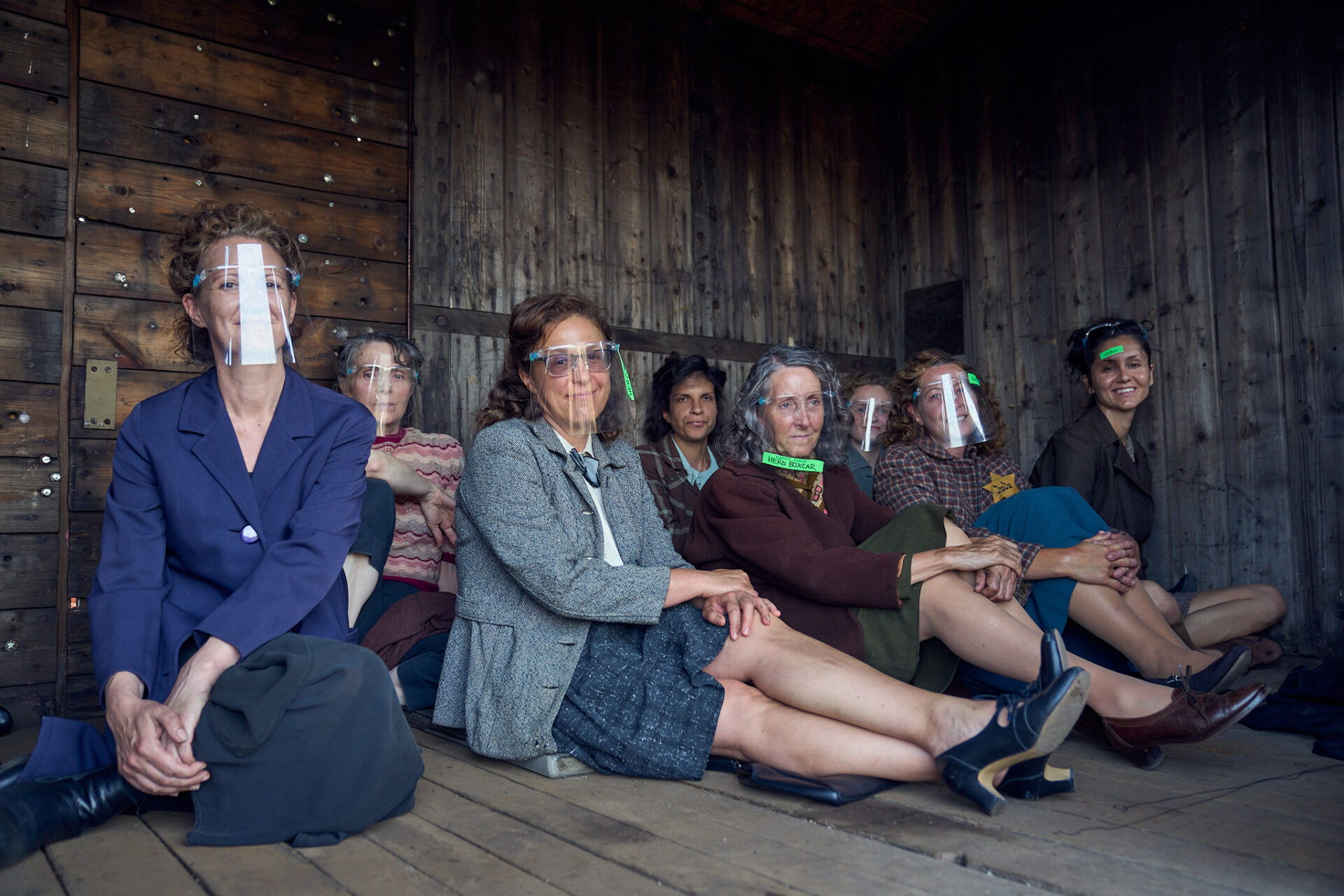
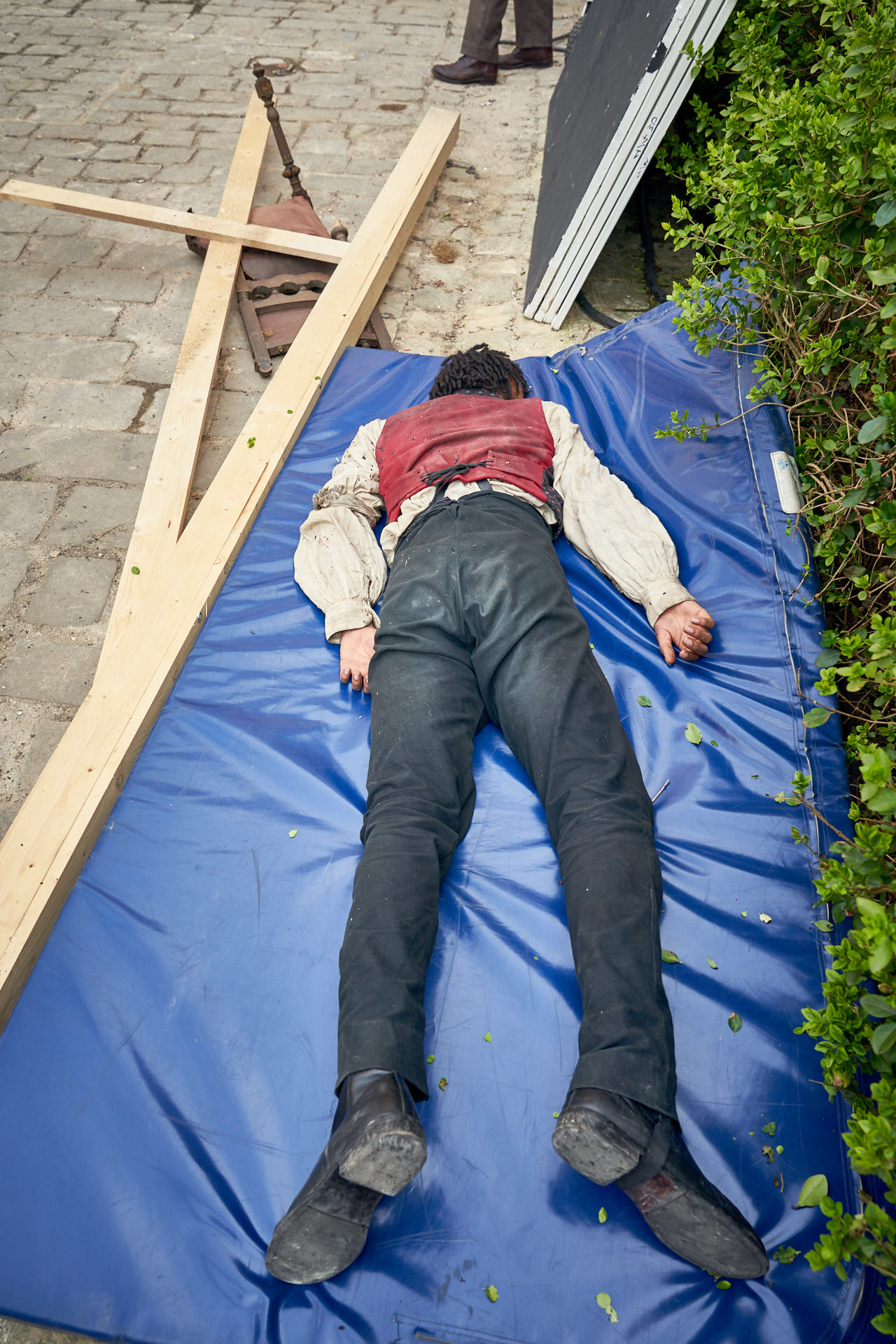
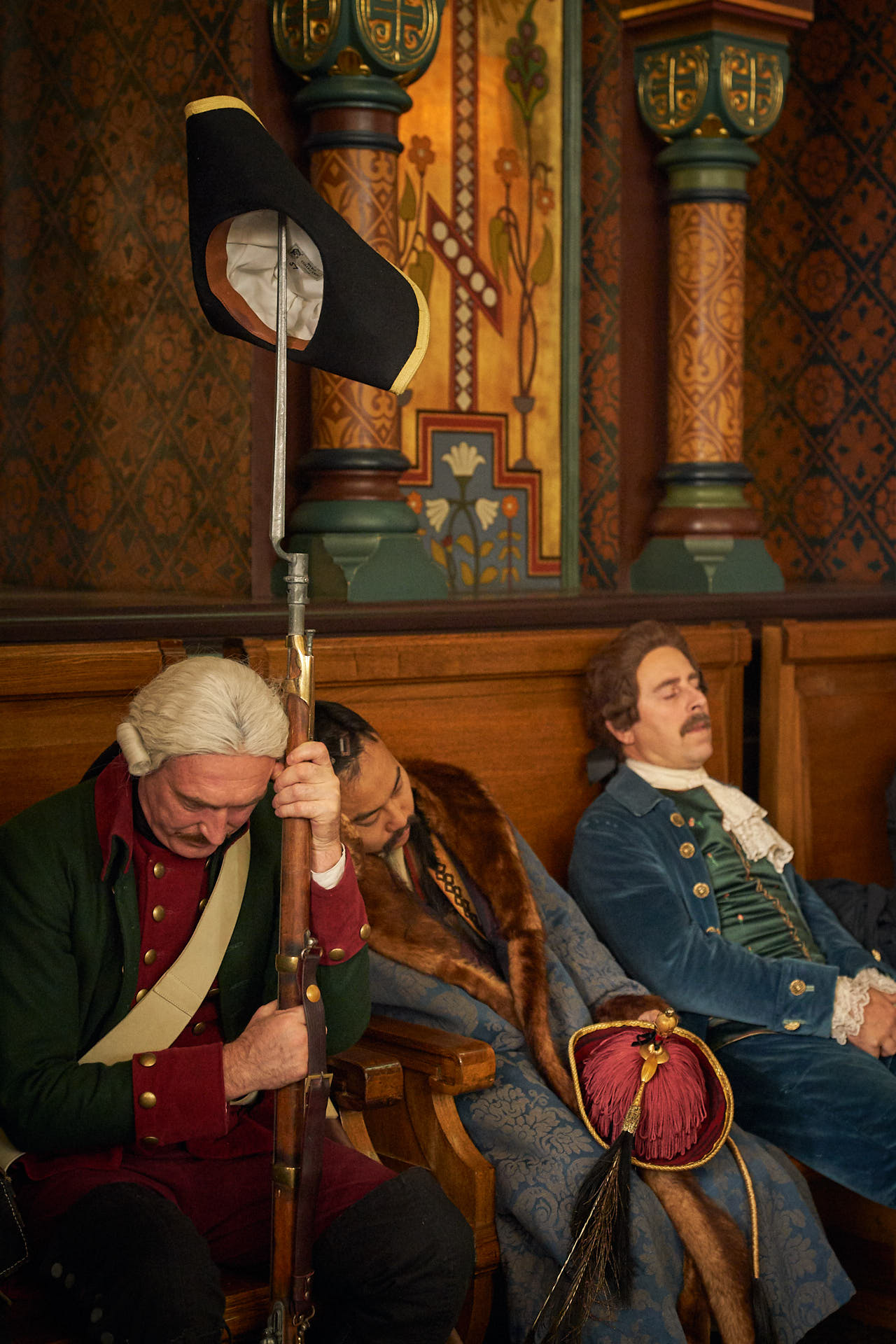
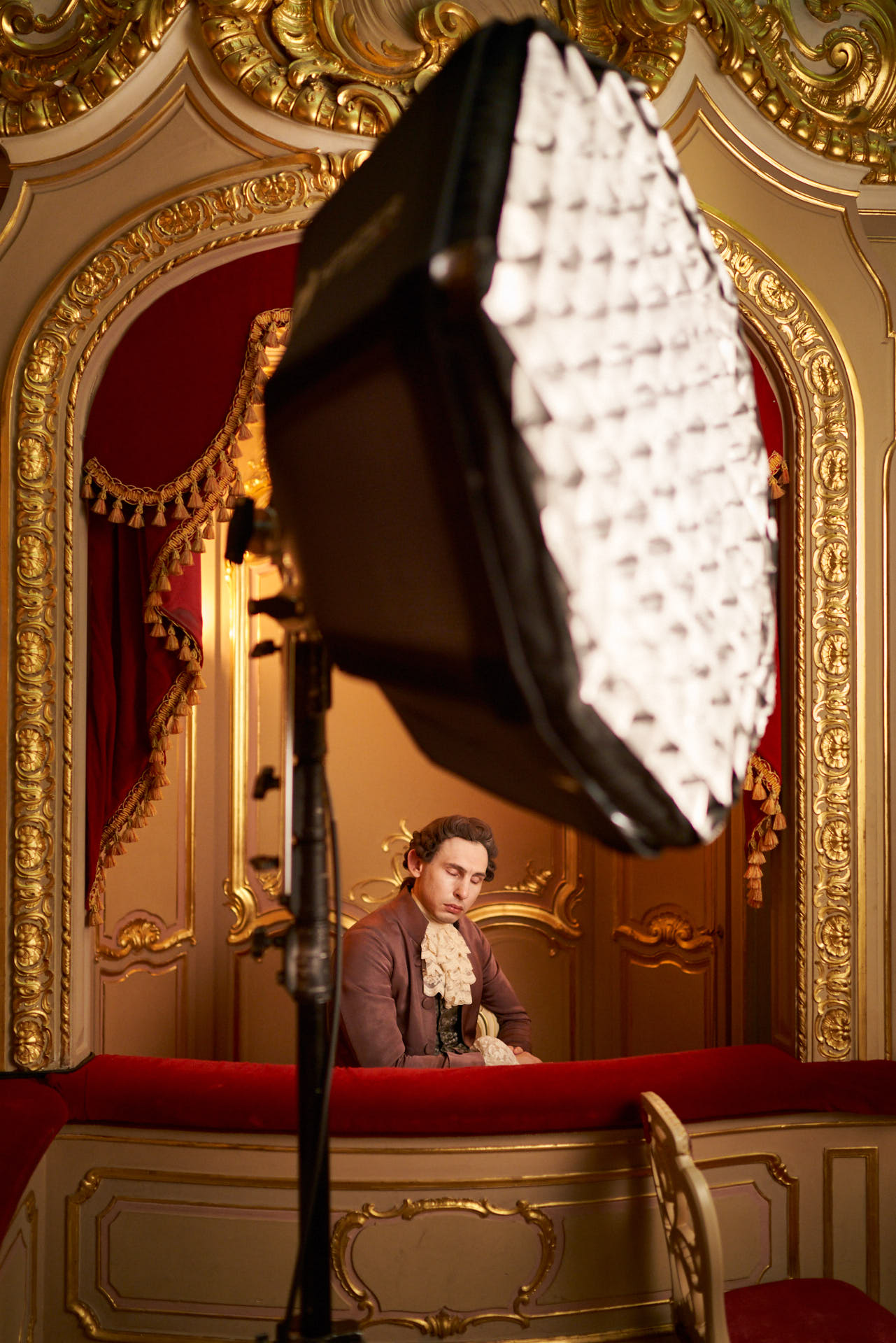
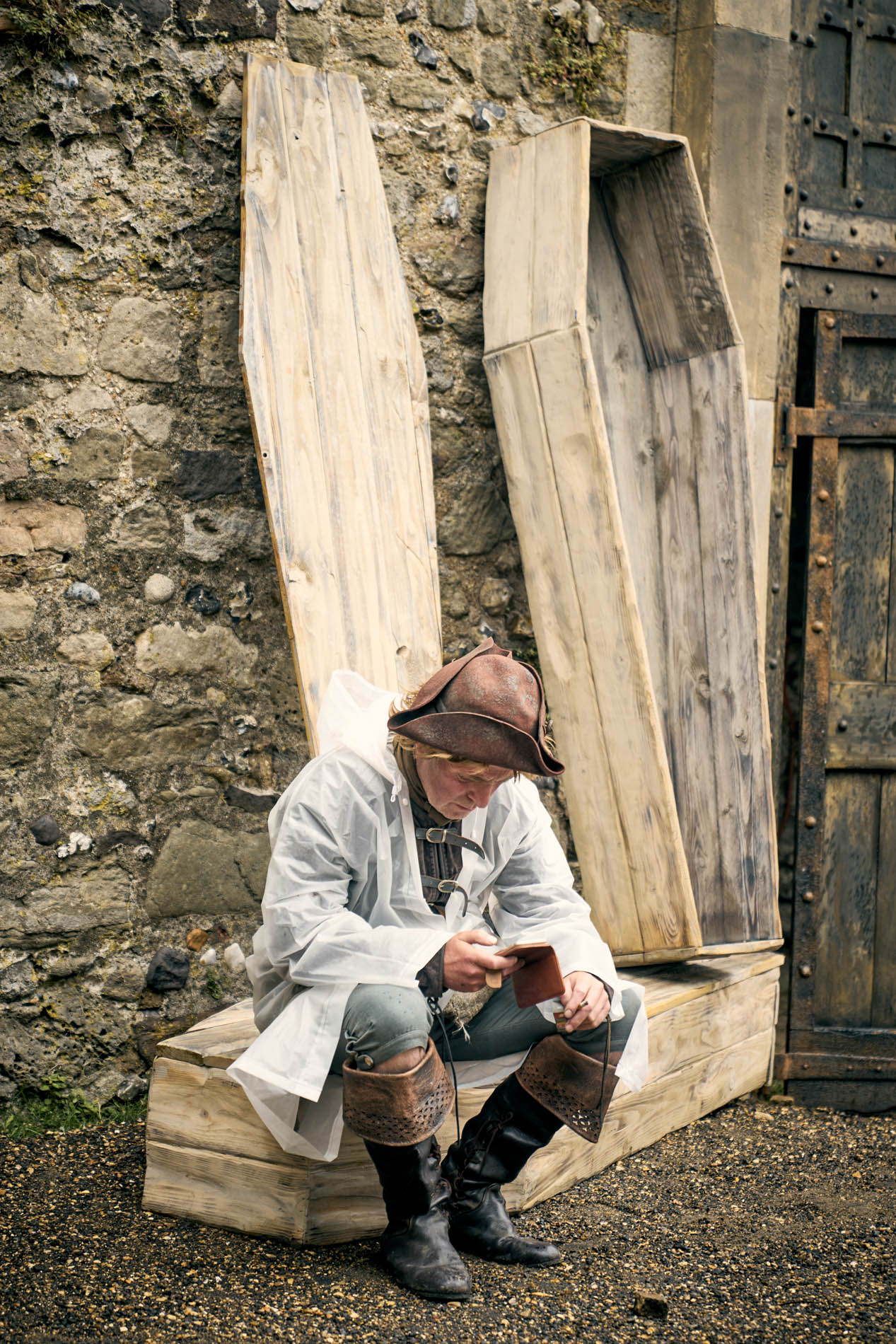
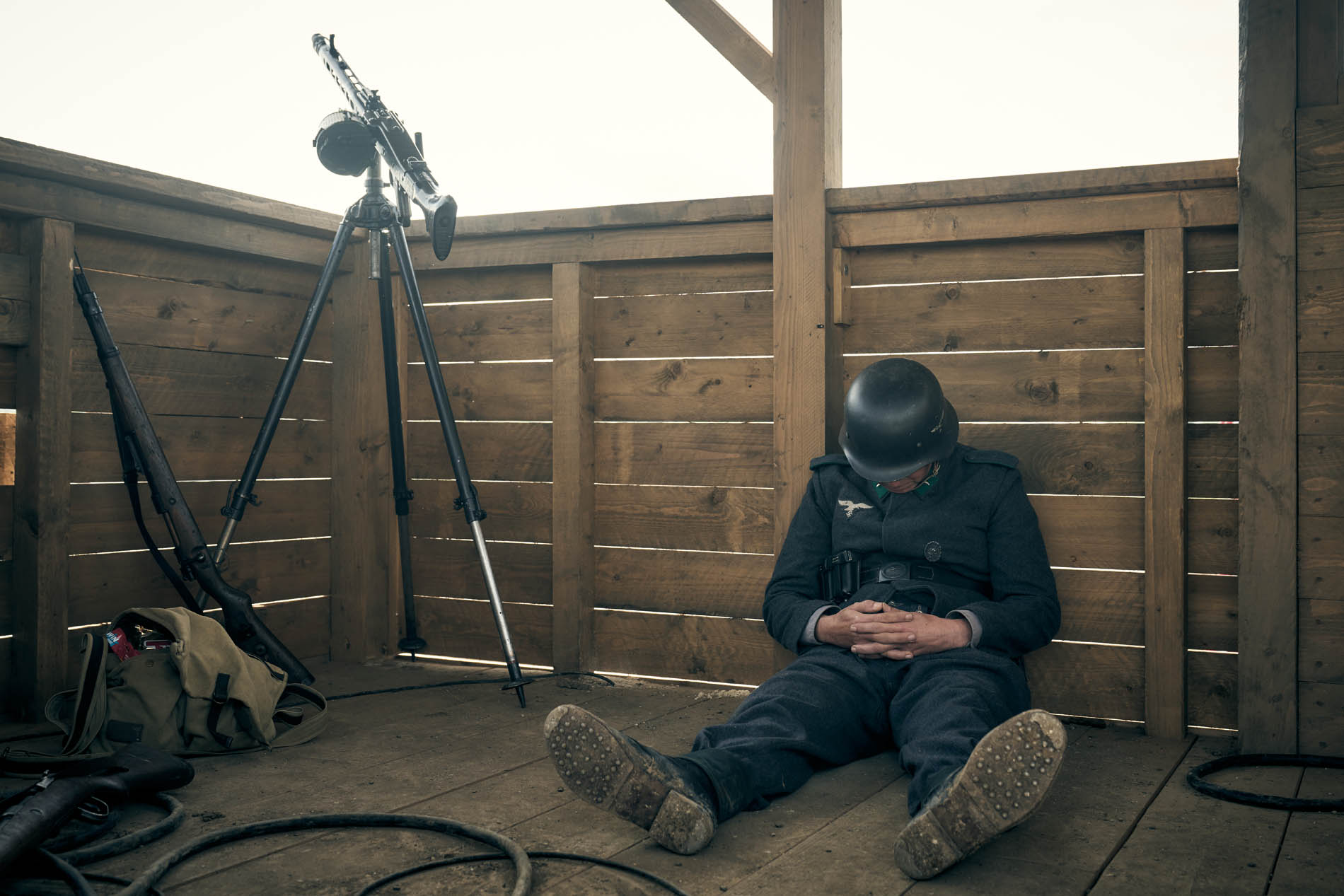
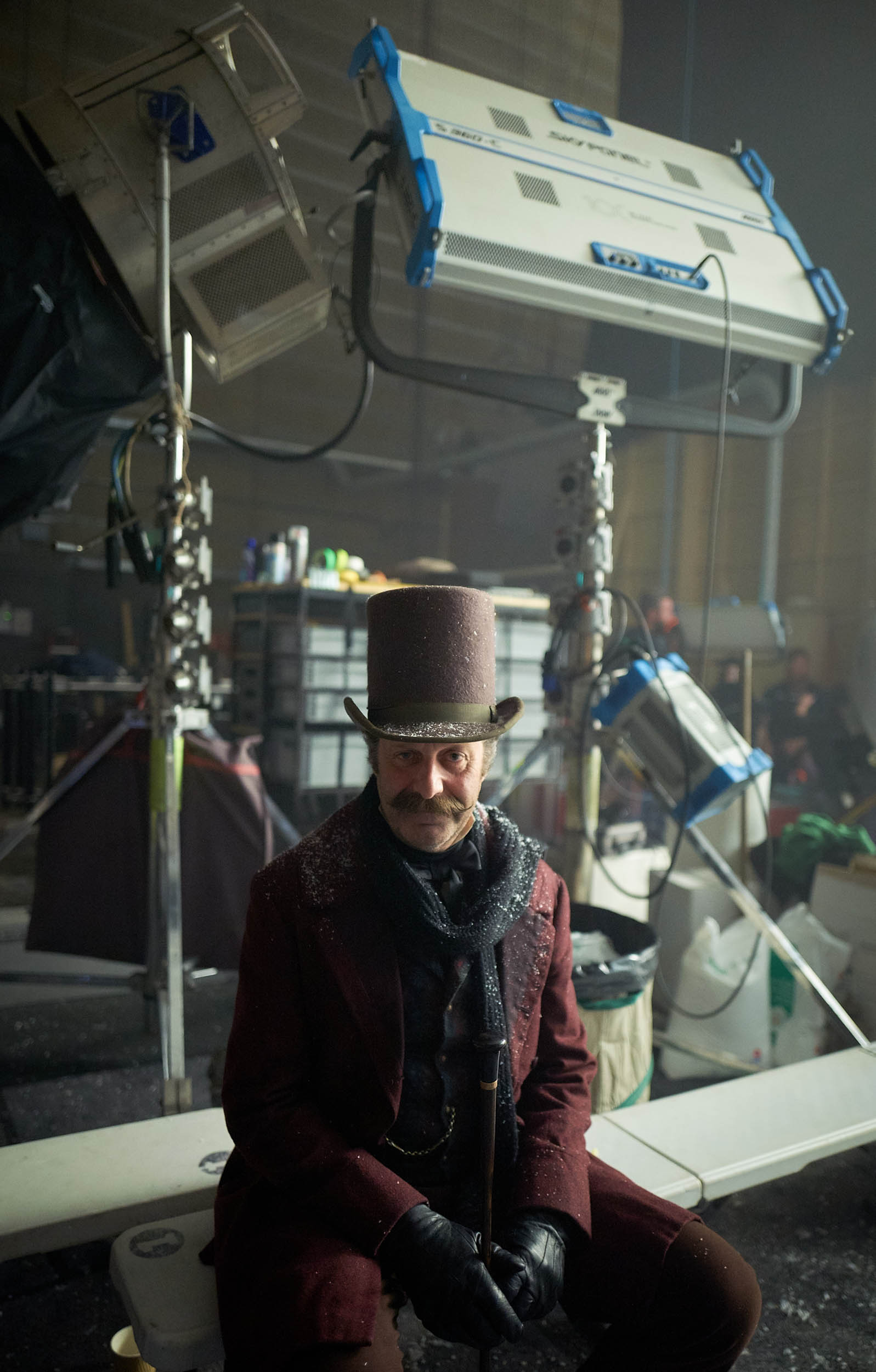
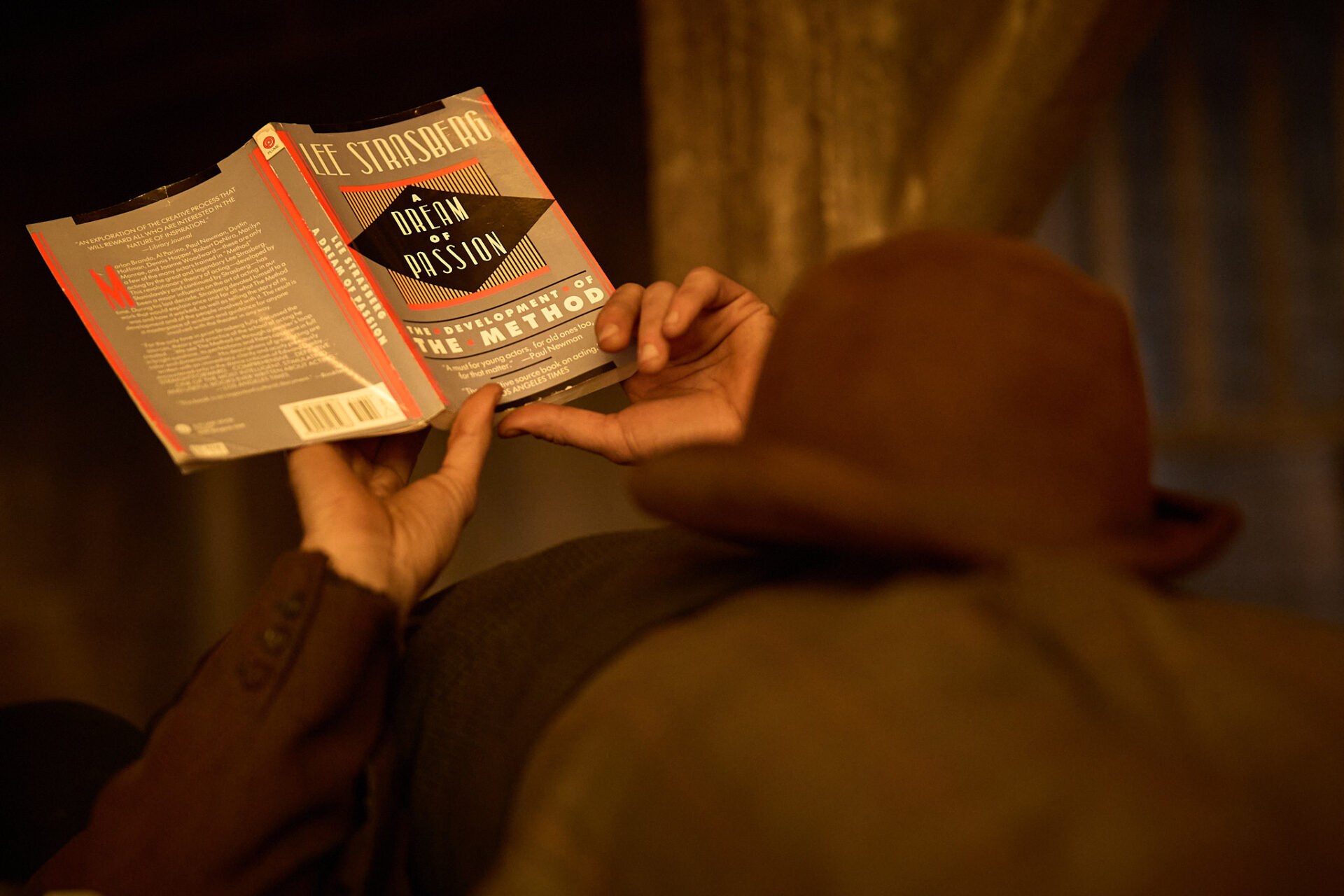
Long hours, waiting between setups, and the physical and mental demands of the set can take their toll. Yet SAs must always be ready to perform at a moment’s notice. Away from the action of filming, I am drawn to the moments in between—when SAs are waiting, resting, talking, or simply finding a few moments for themselves.
When I am not photographing principal actors, I have become fascinated by these small pockets of time—moments of rest, reflection or connection with the world beyond the set, and glimpses of humanity amid the controlled chaos of production. This is an ongoing project, and I continue to observe SAs on set, curious about the moments that unfold when they are not performing for the camera.
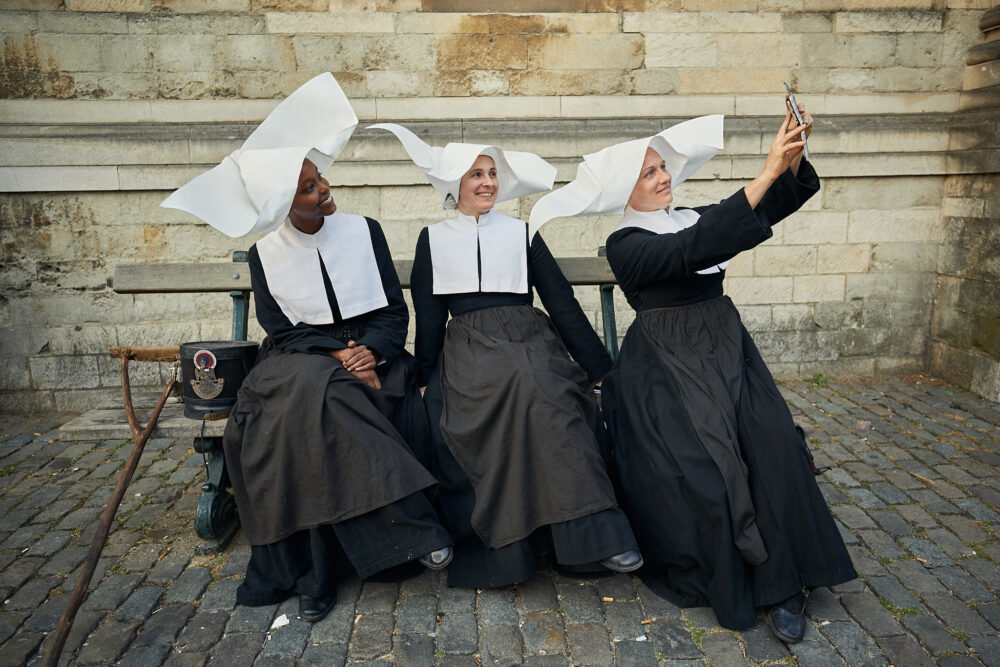
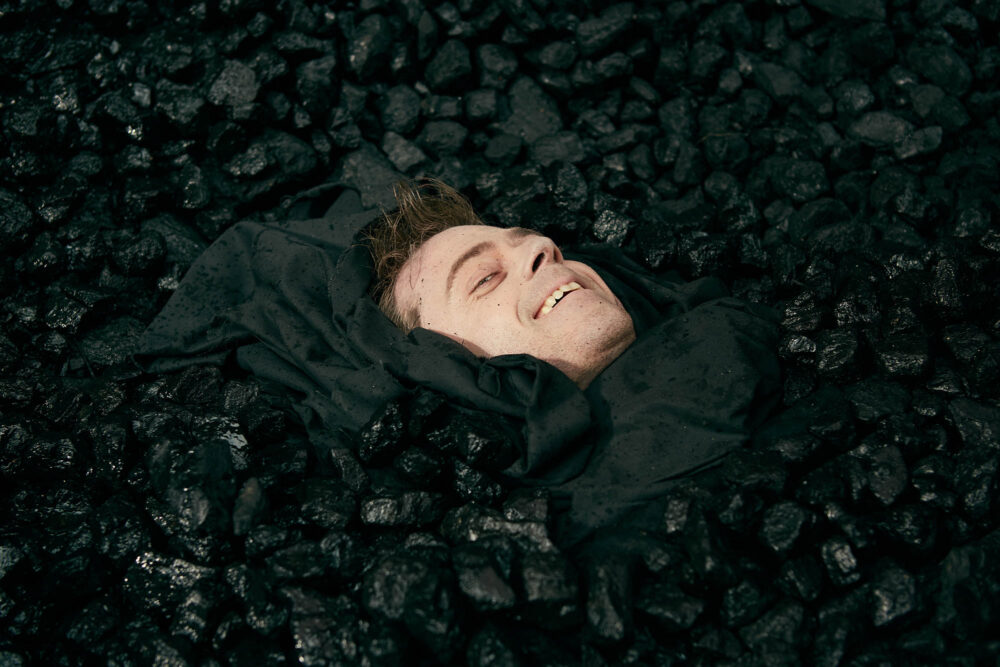
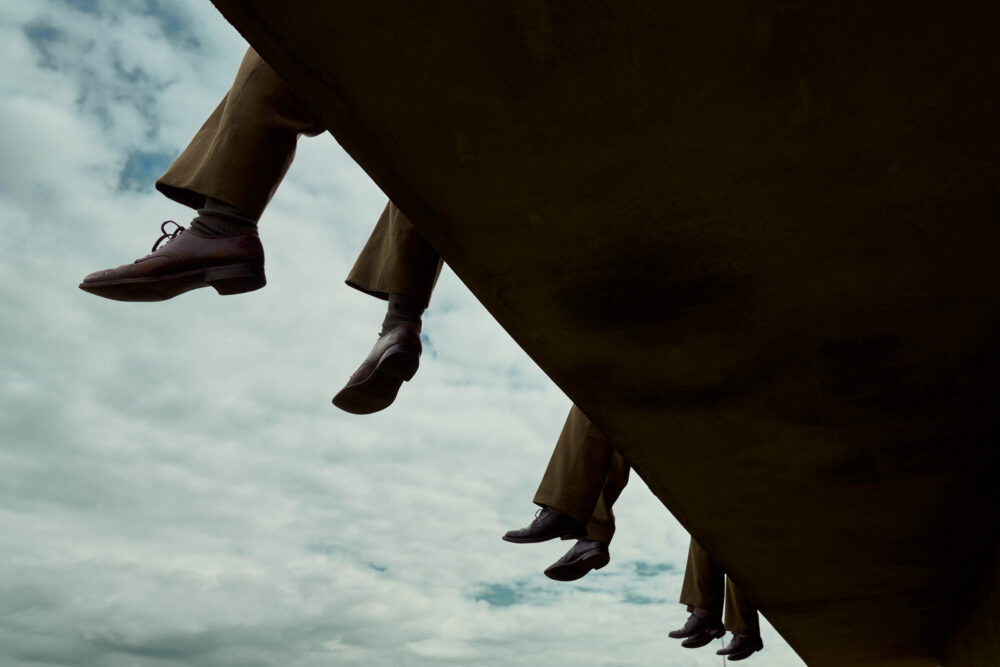
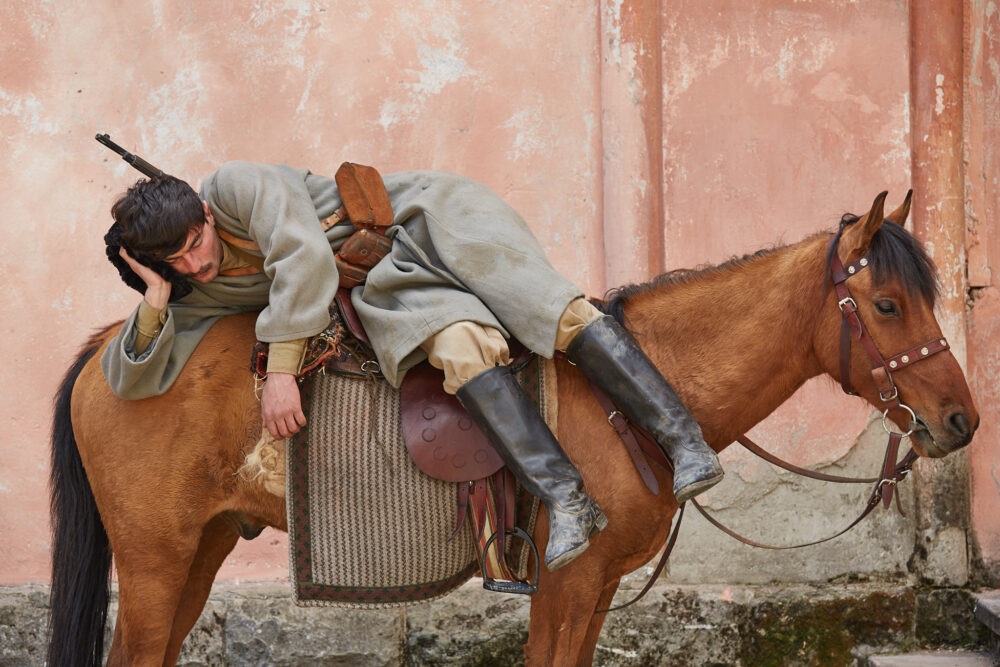
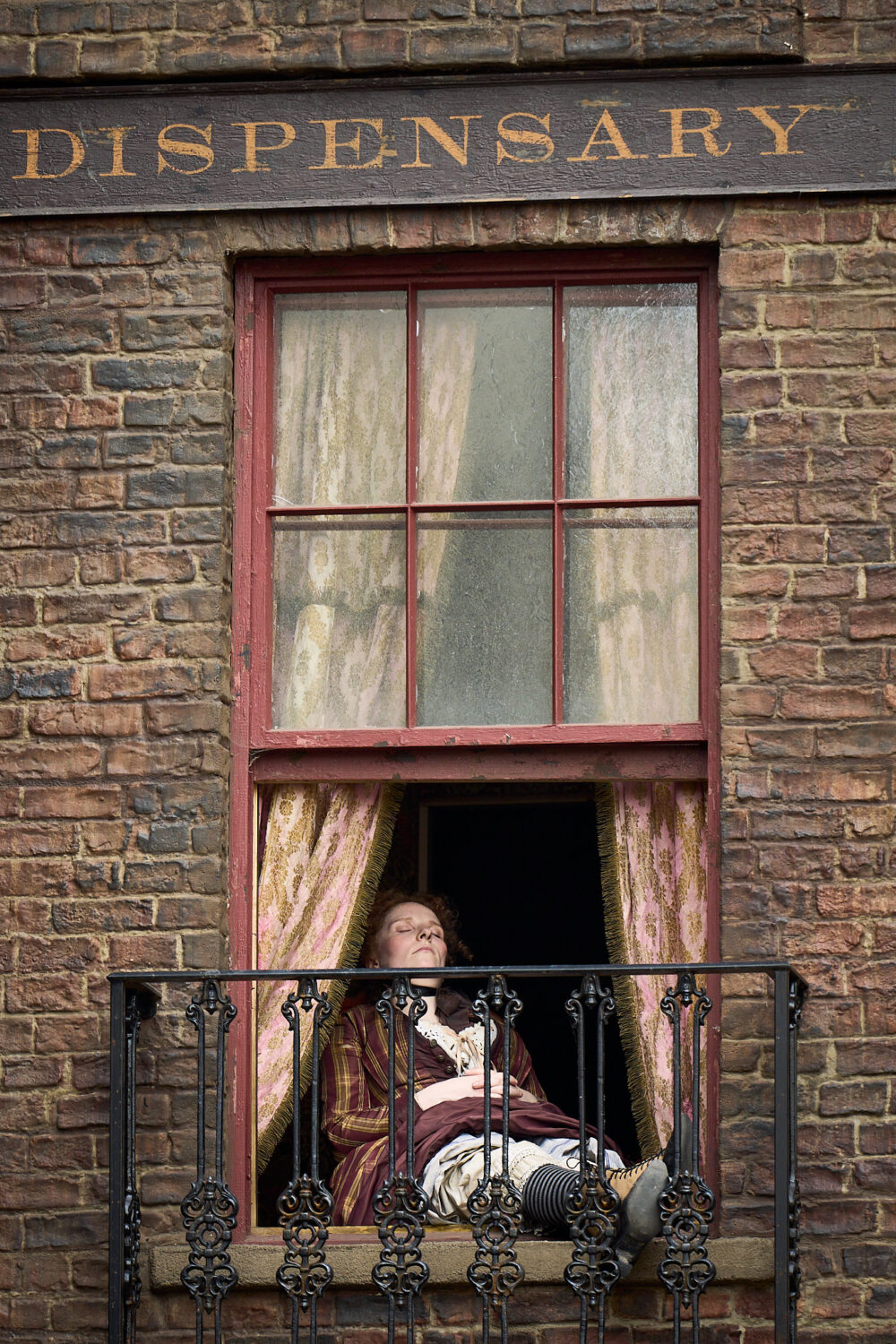
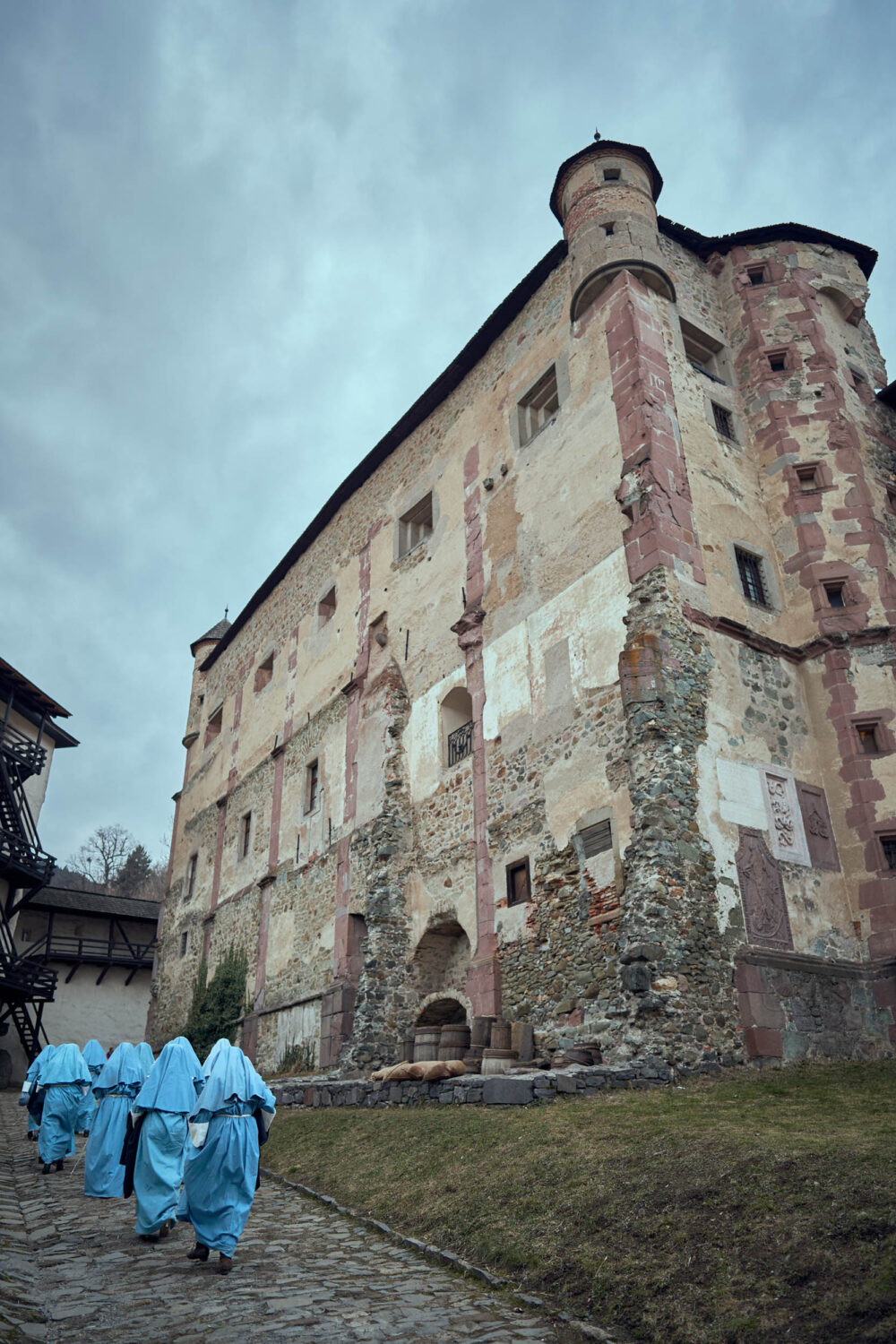
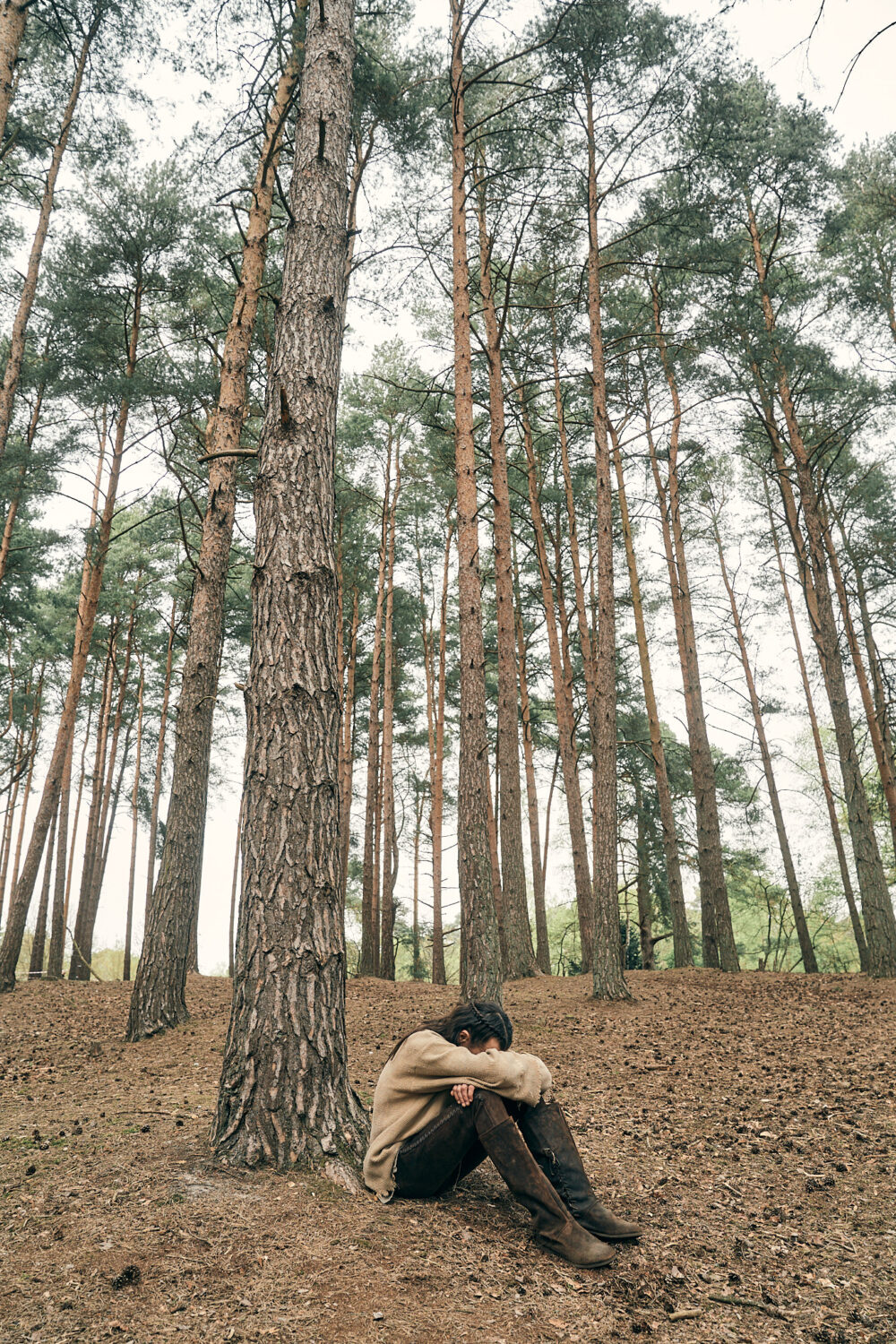
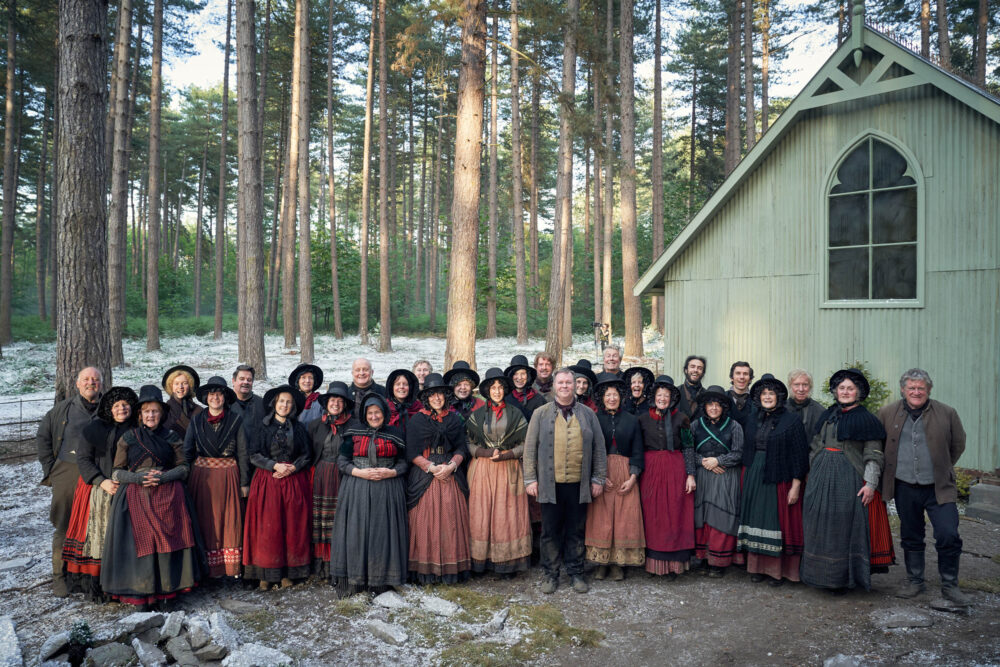
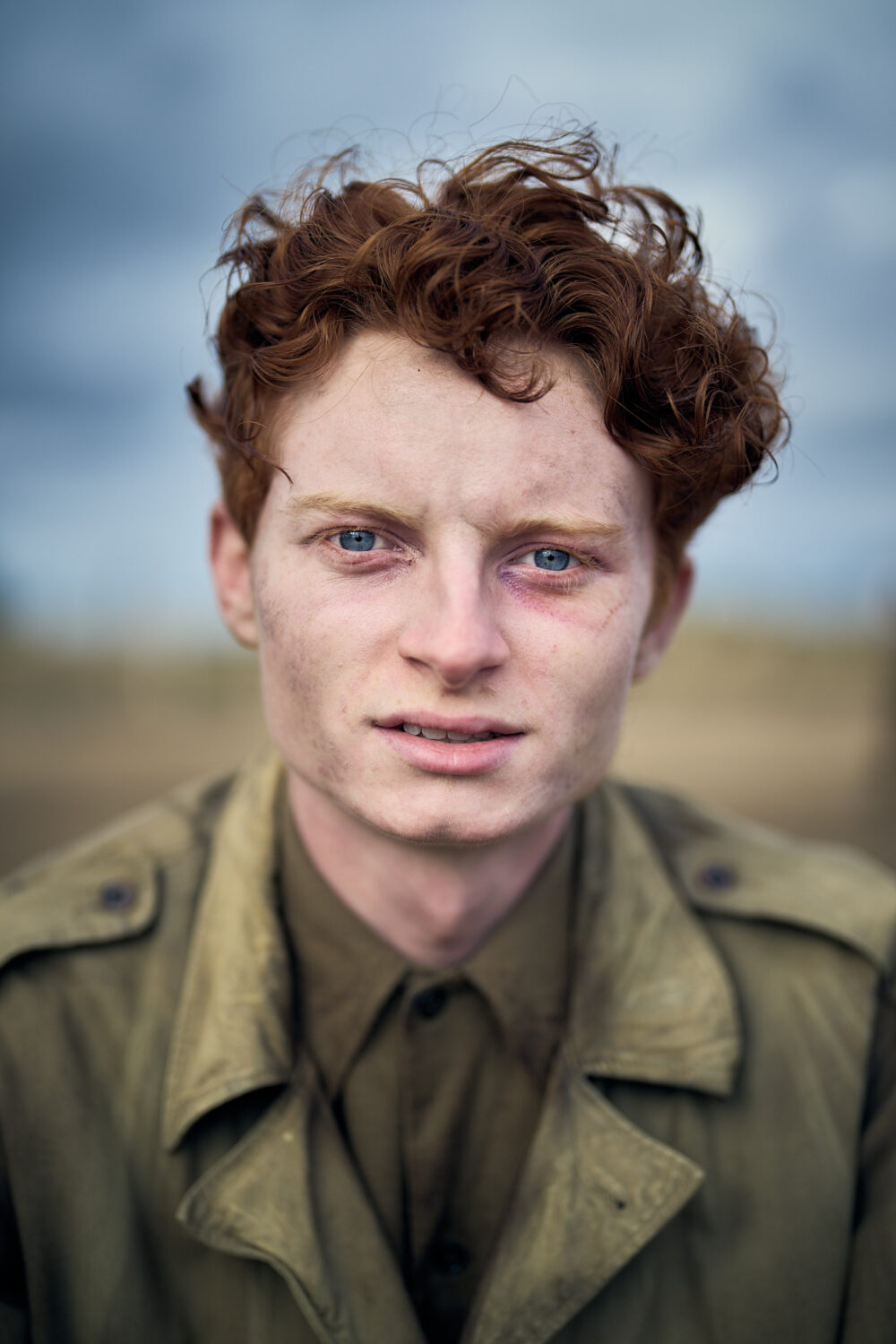
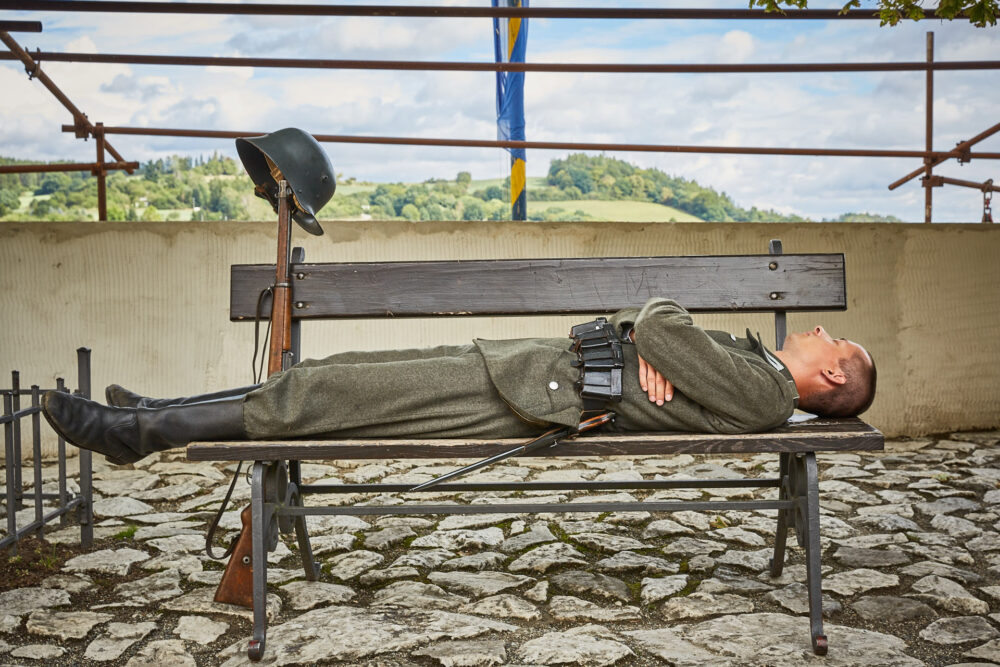
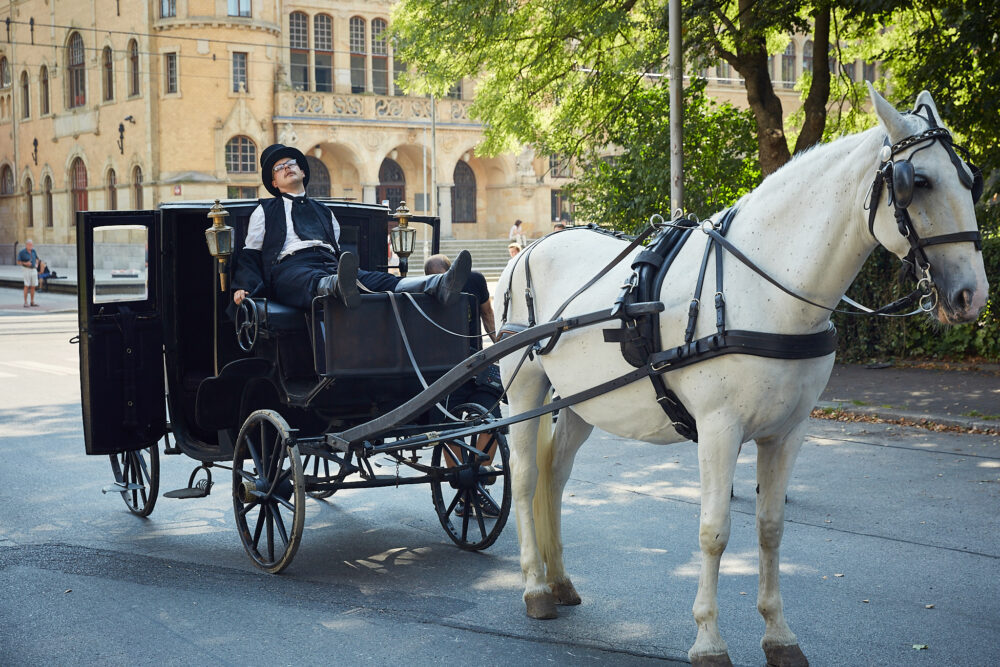
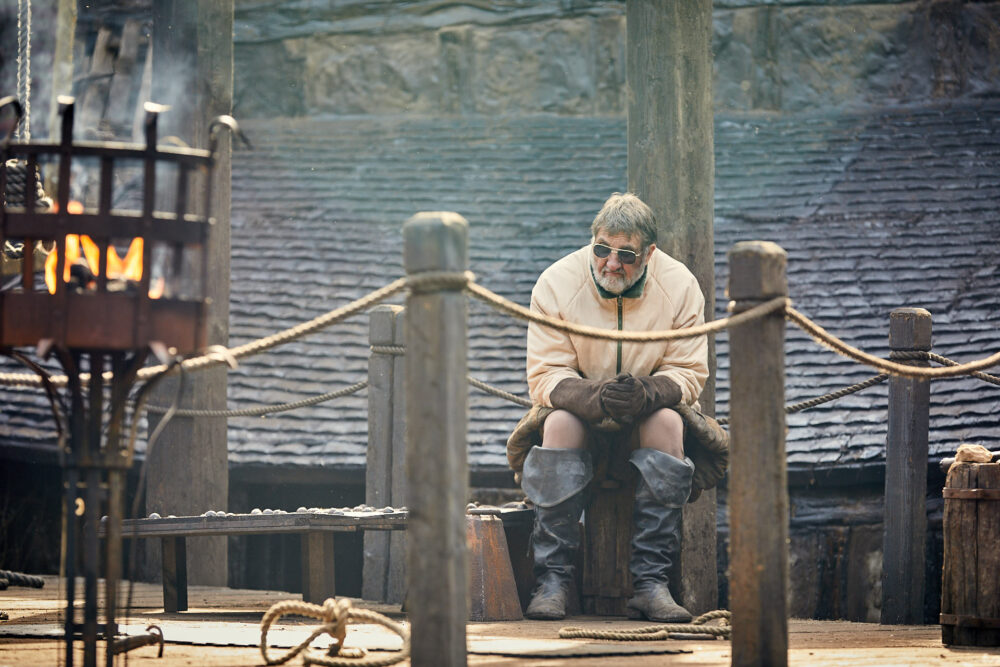
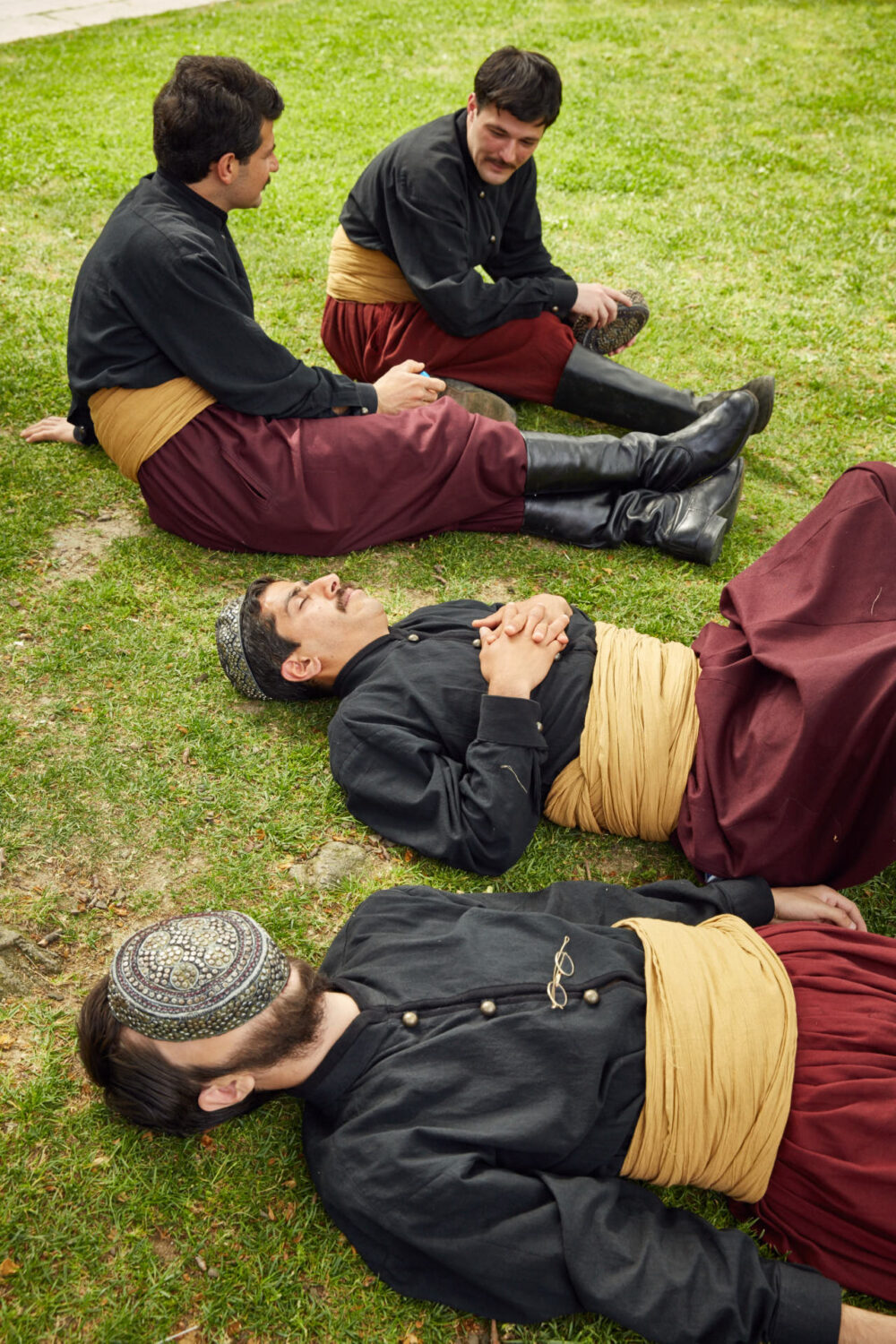
Ali and Nino, Turkey, 2015
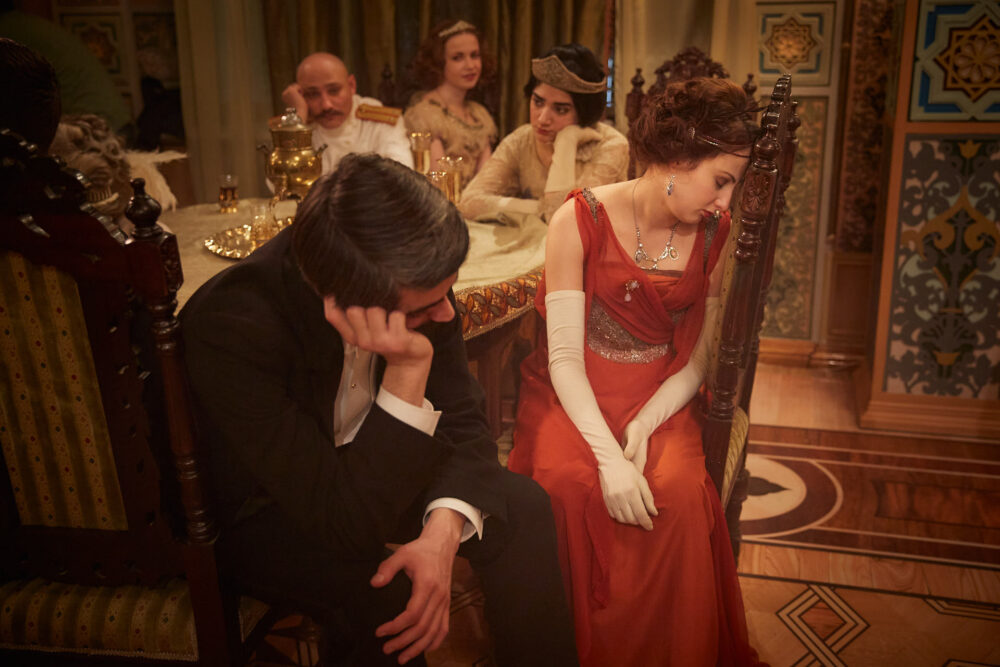
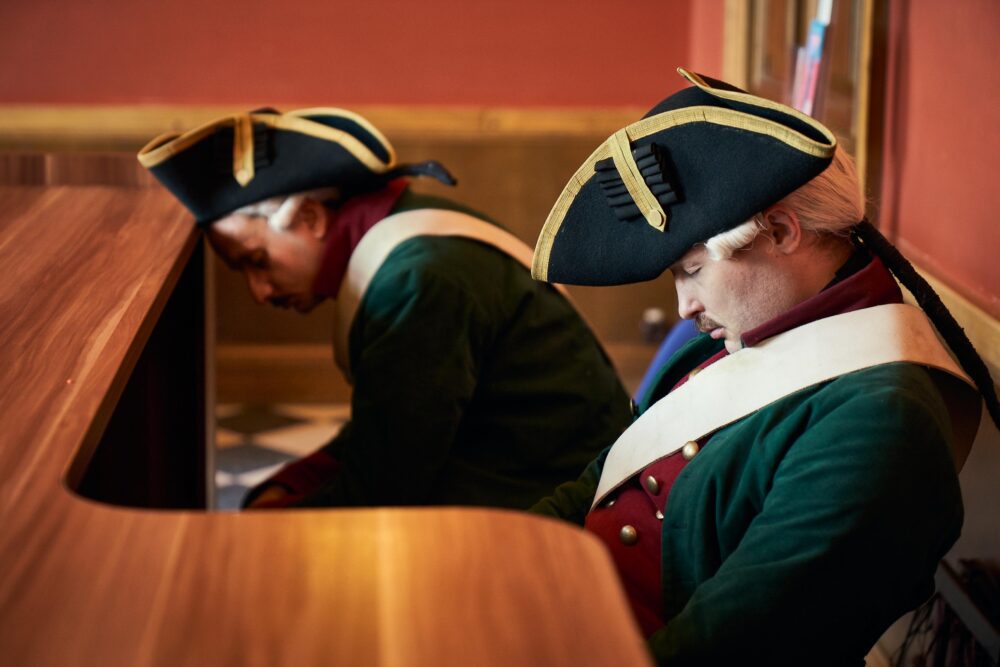
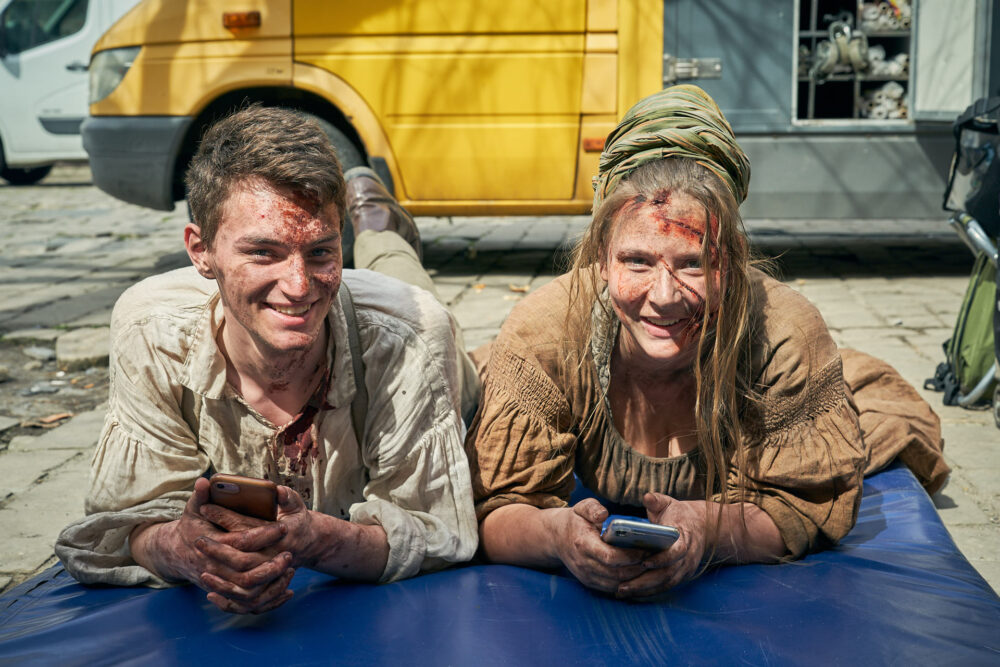
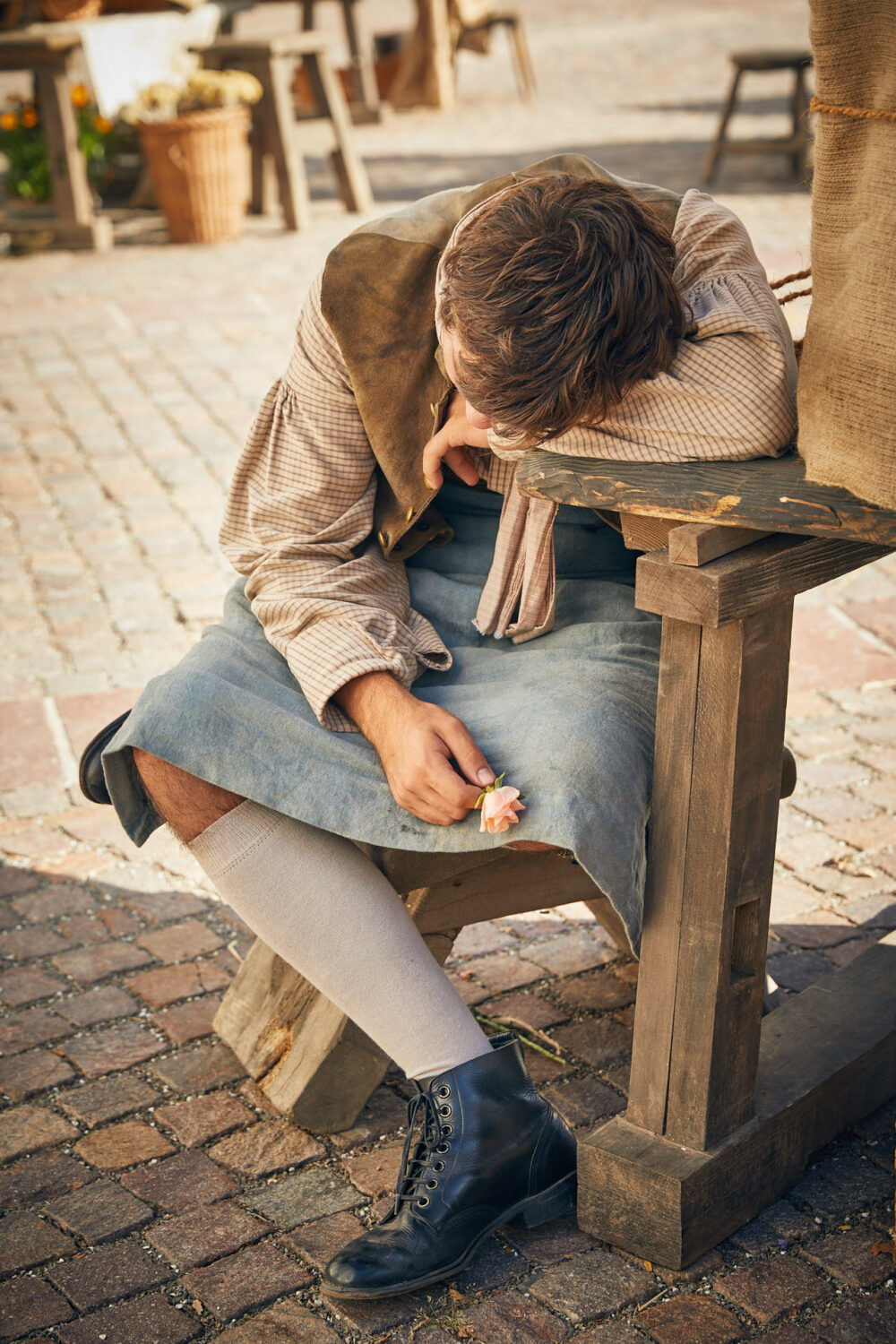
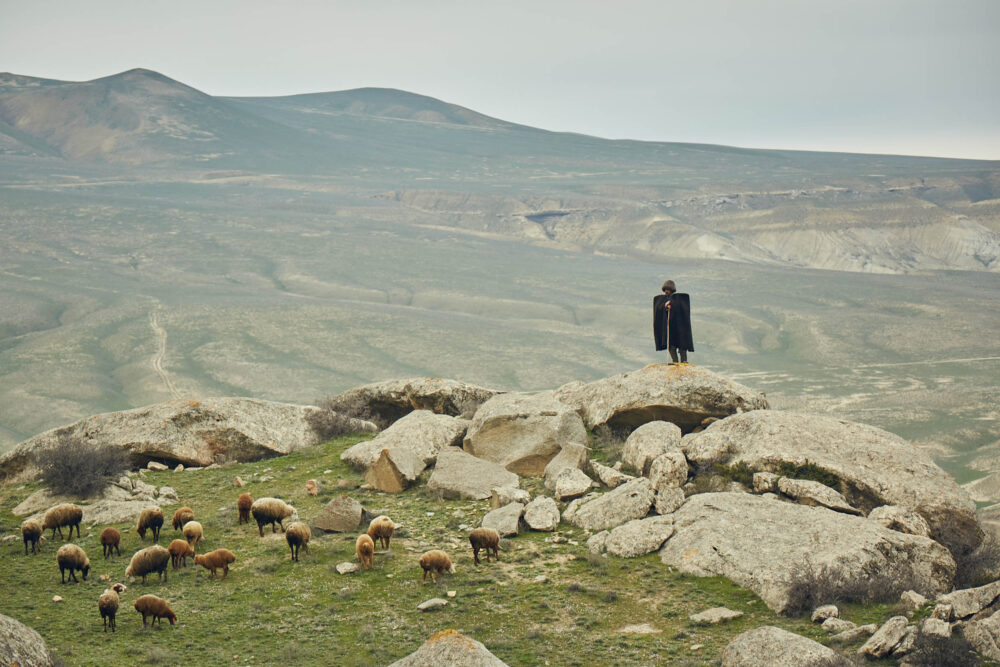
Ali and Nino, Azerbaijan, 2015
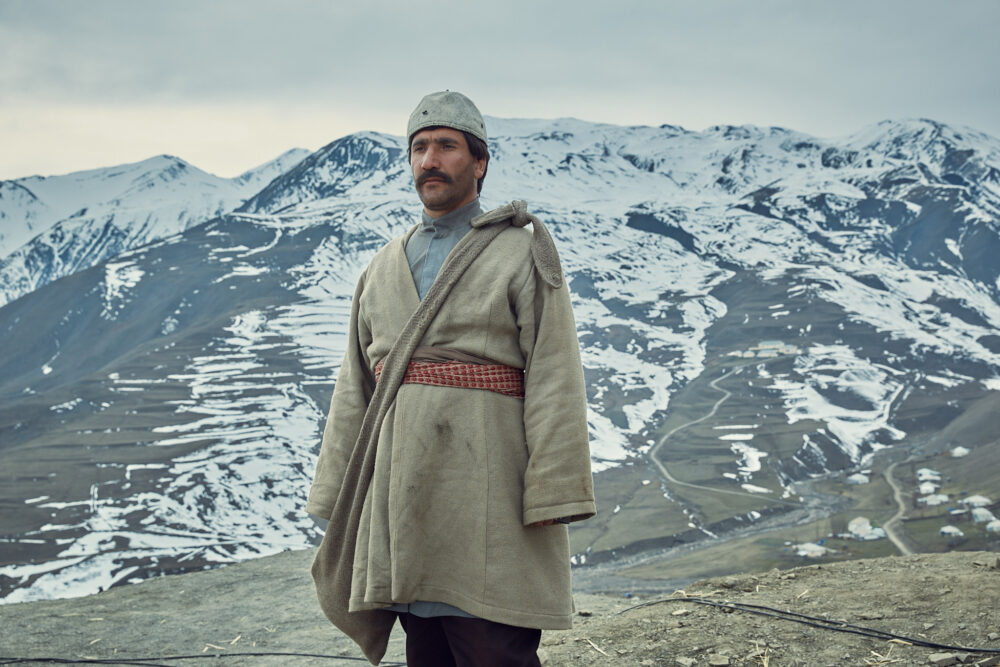
Ali and Nino, Azerbaijan, 2015
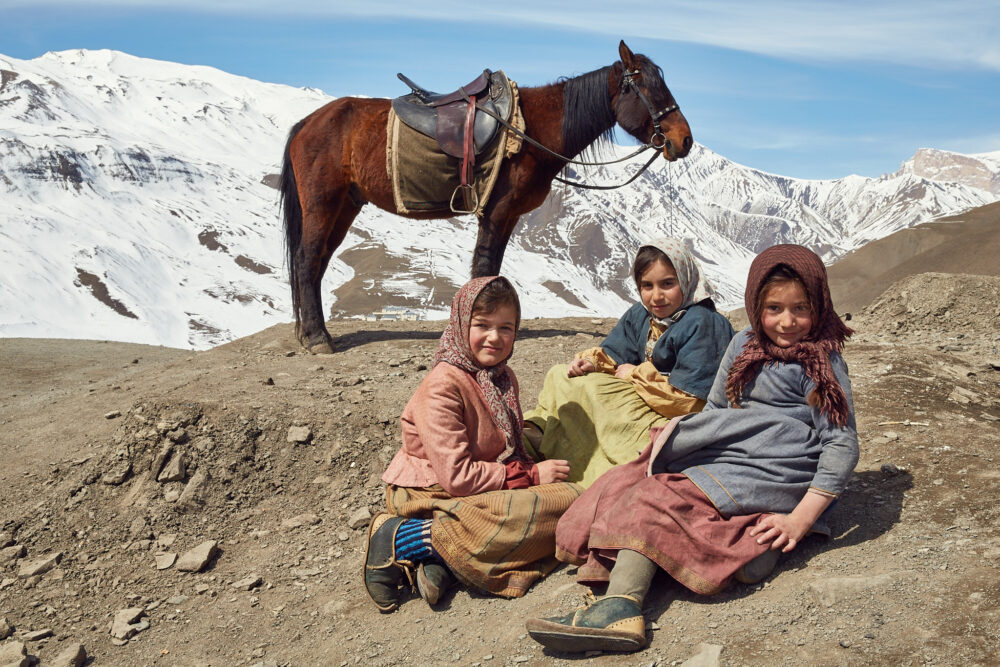
Ali and Nino, Azerbaijan, 2015
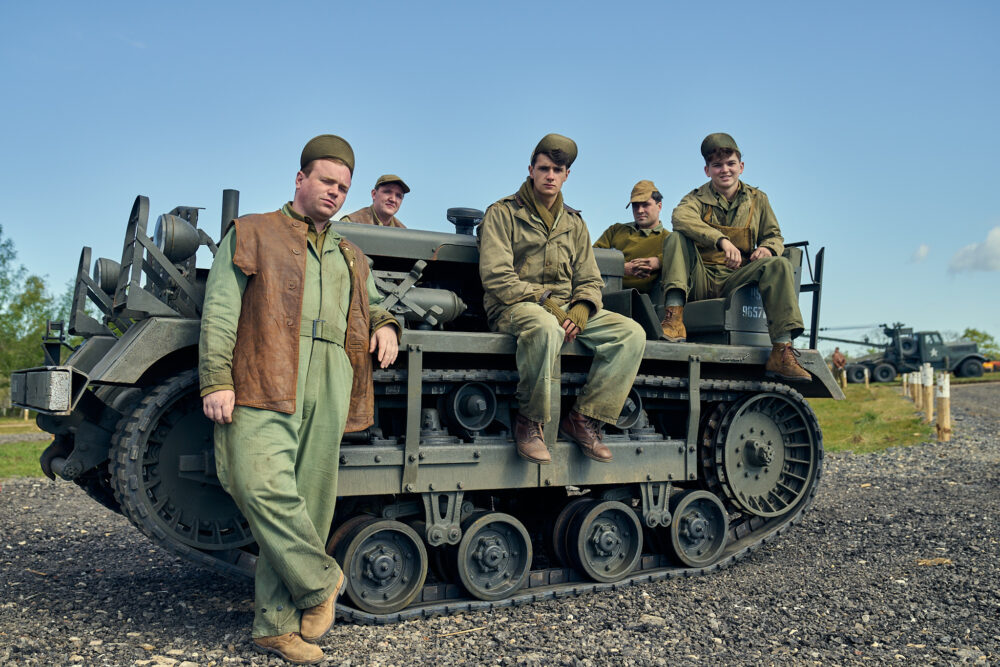
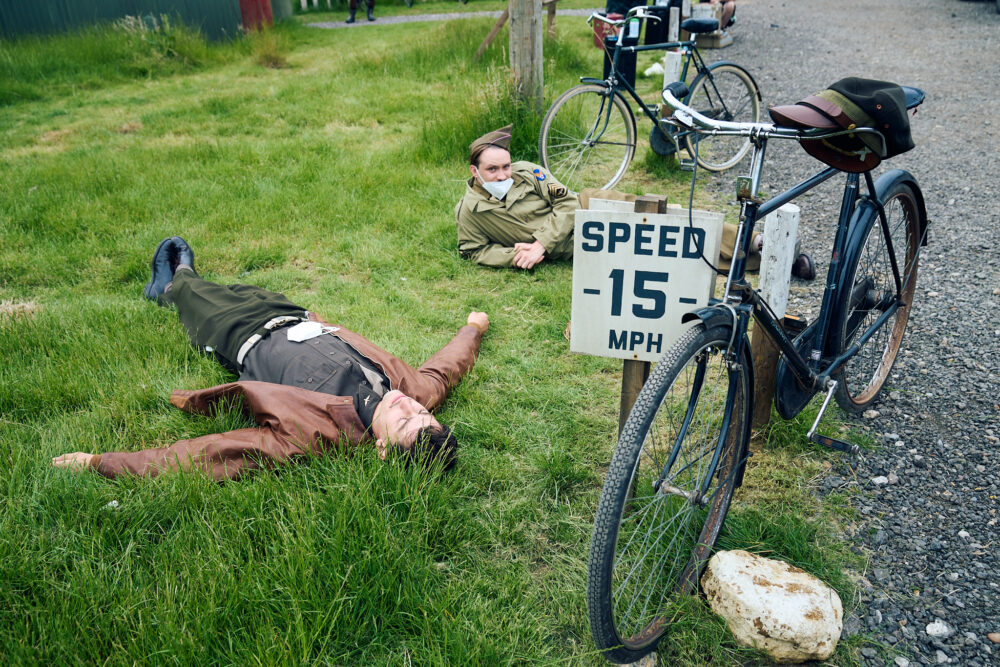
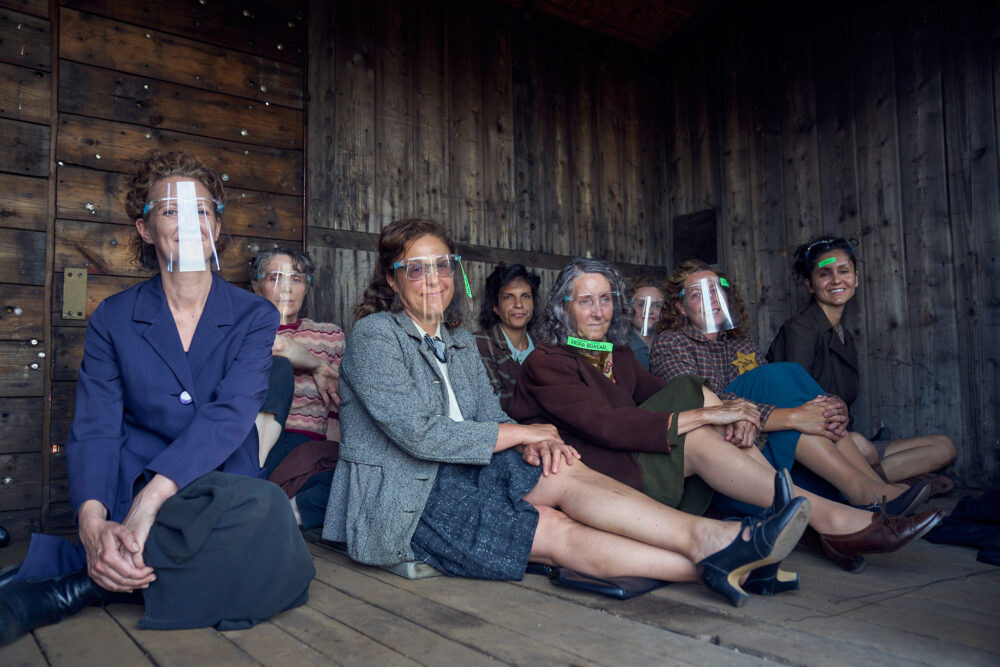

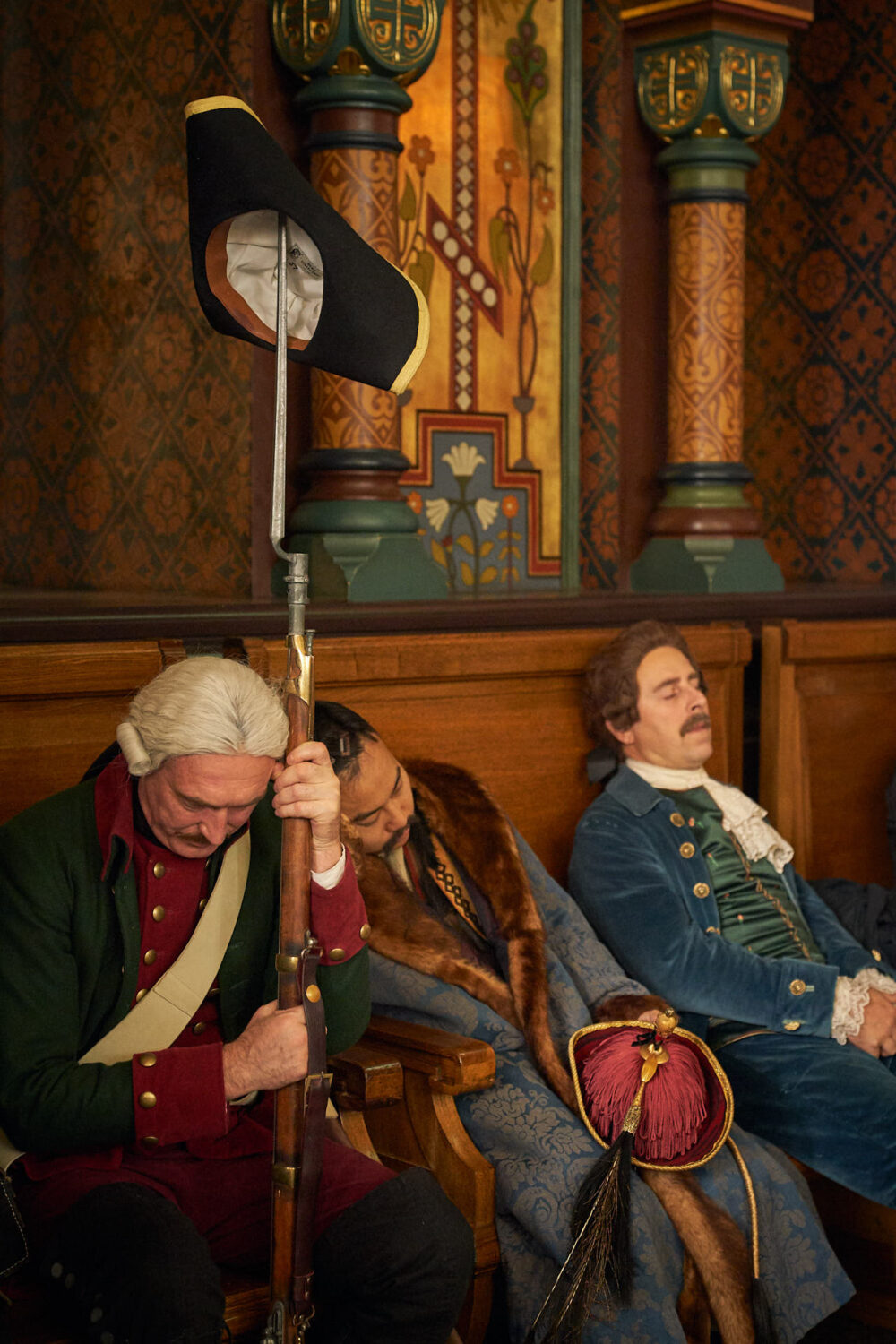
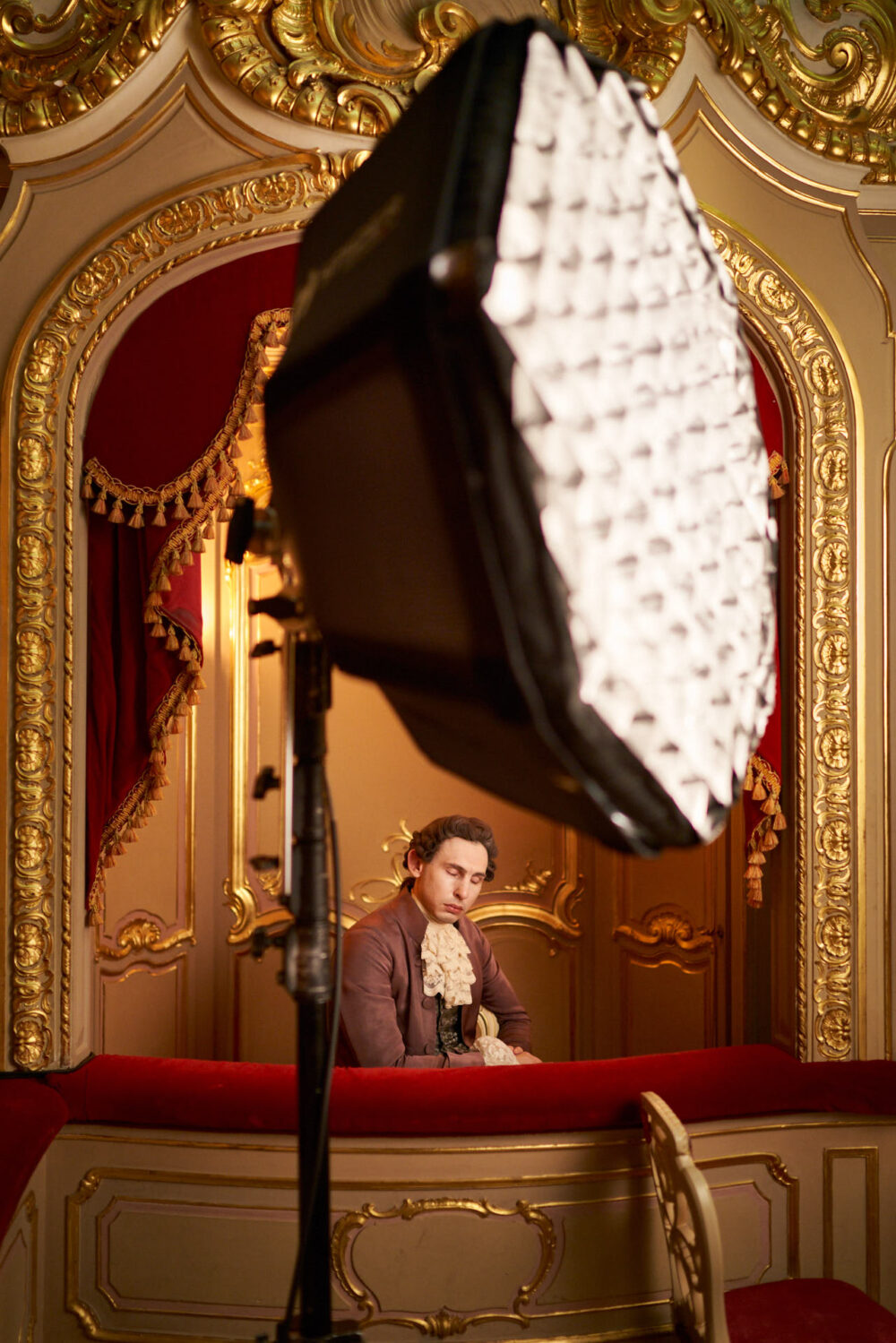
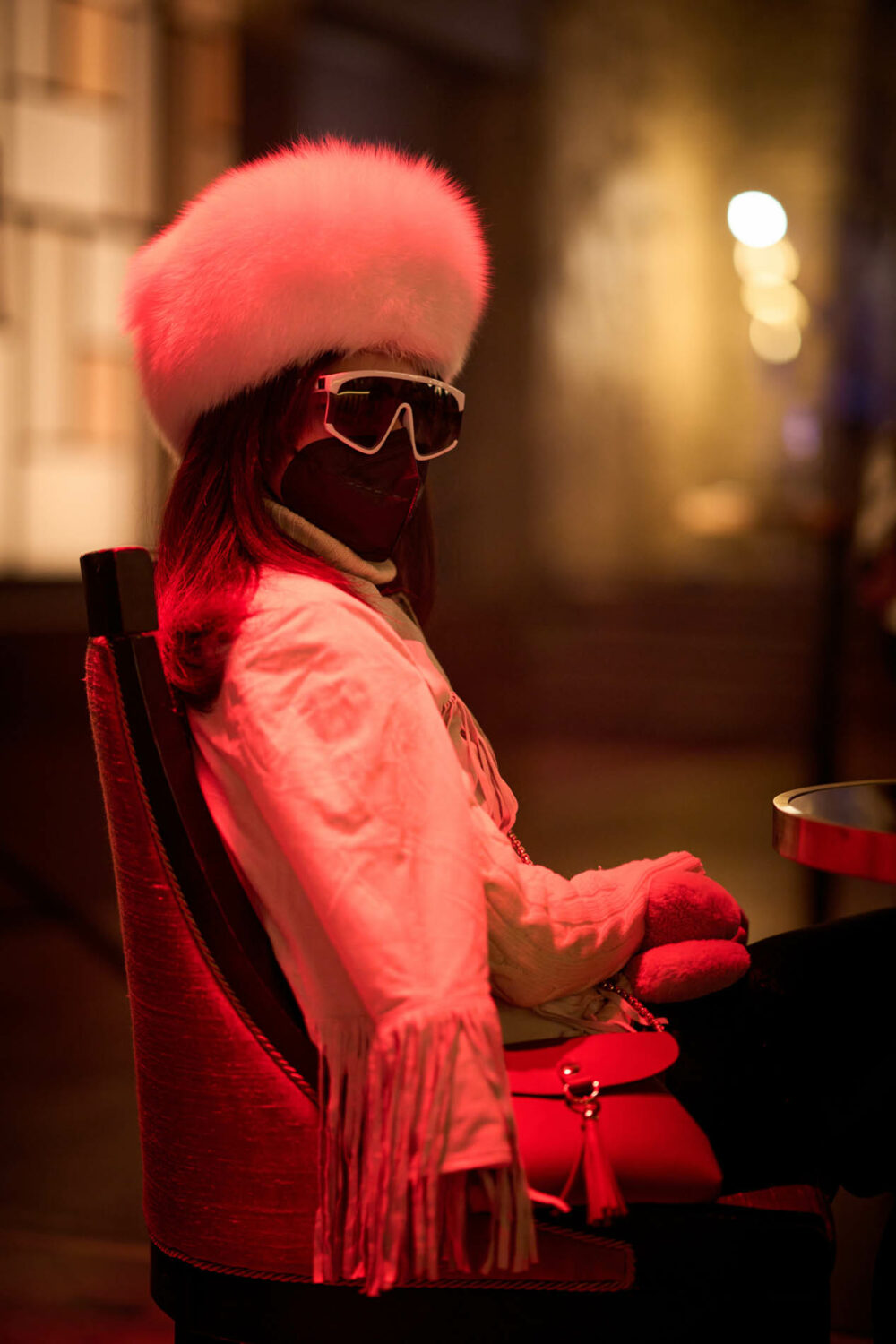
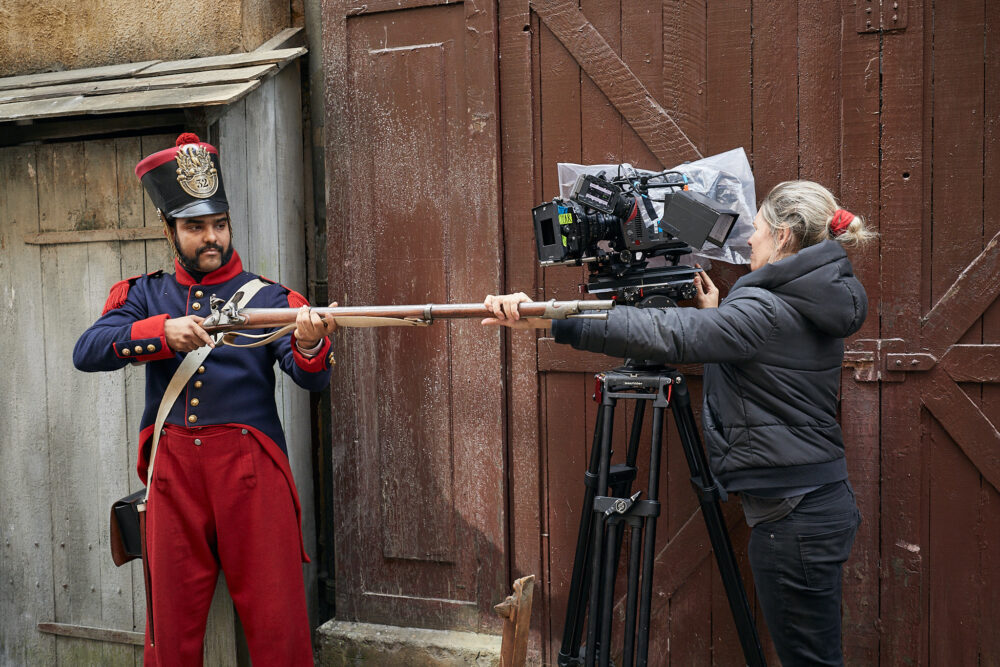
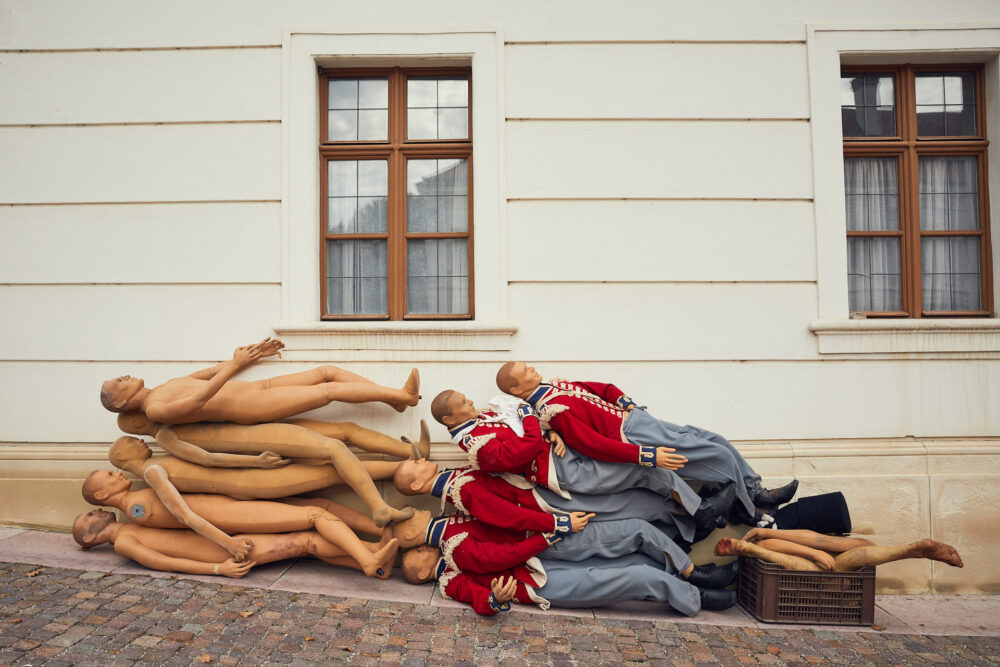
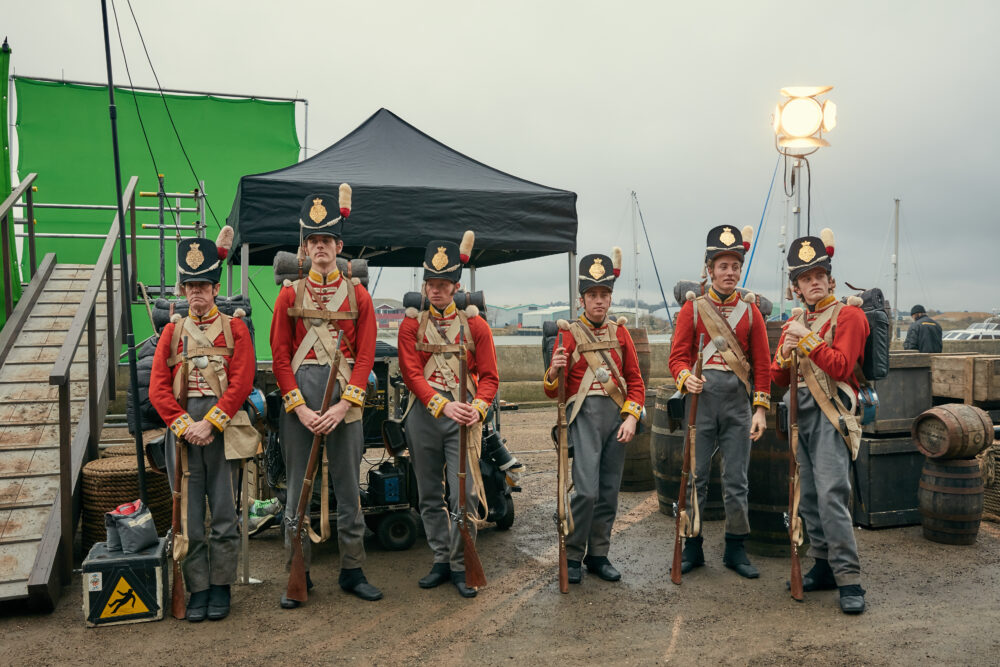
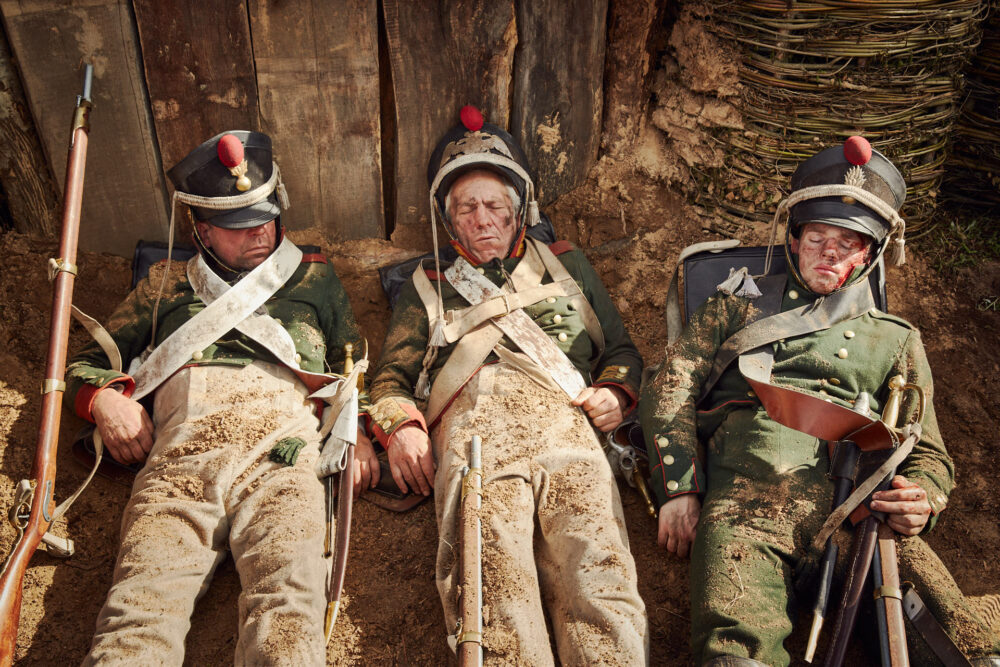
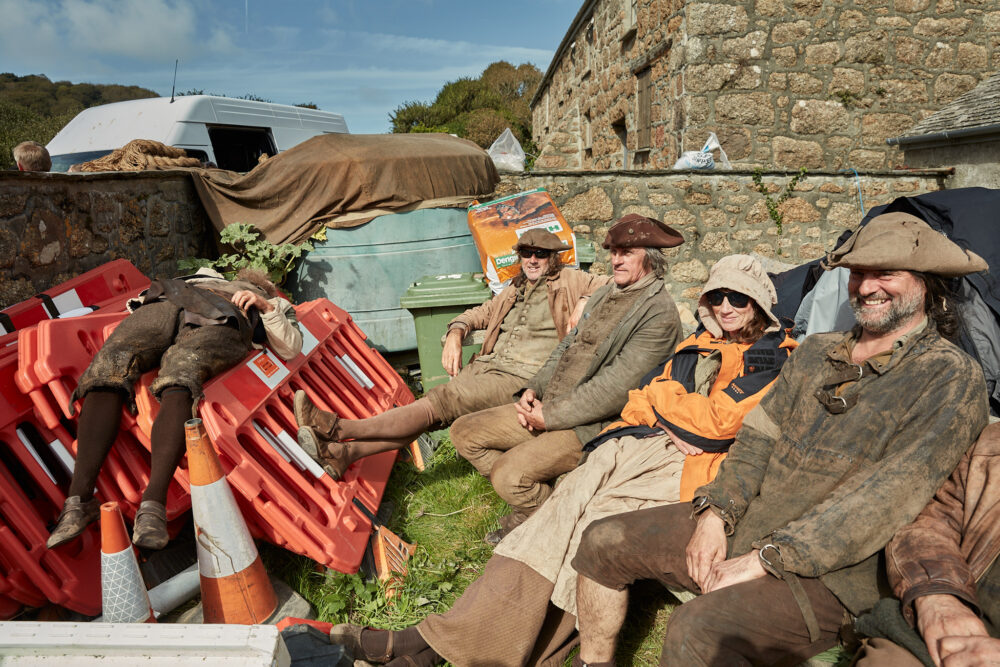
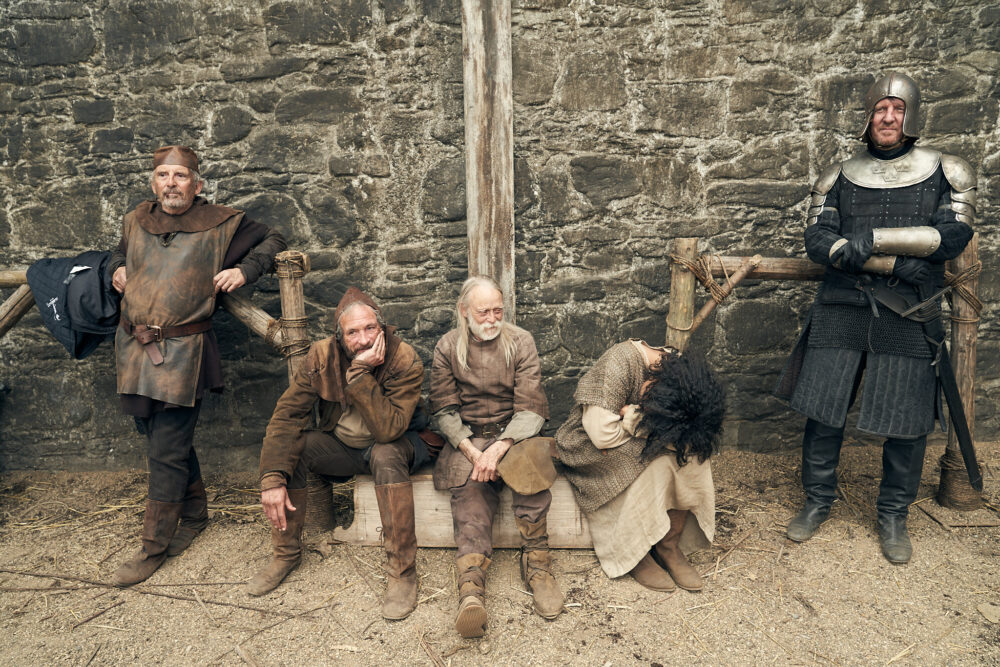
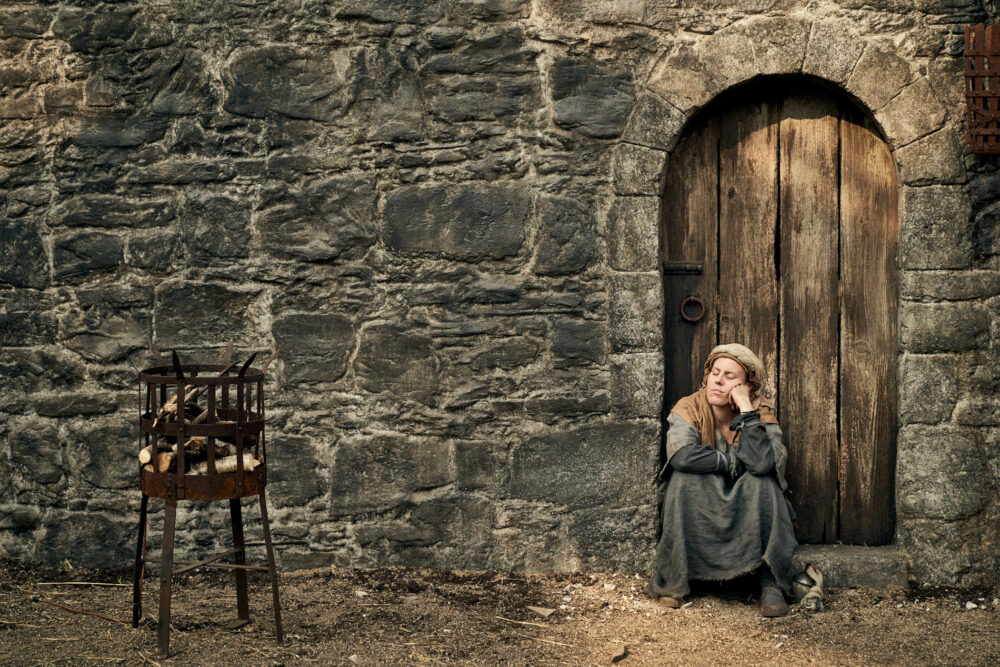


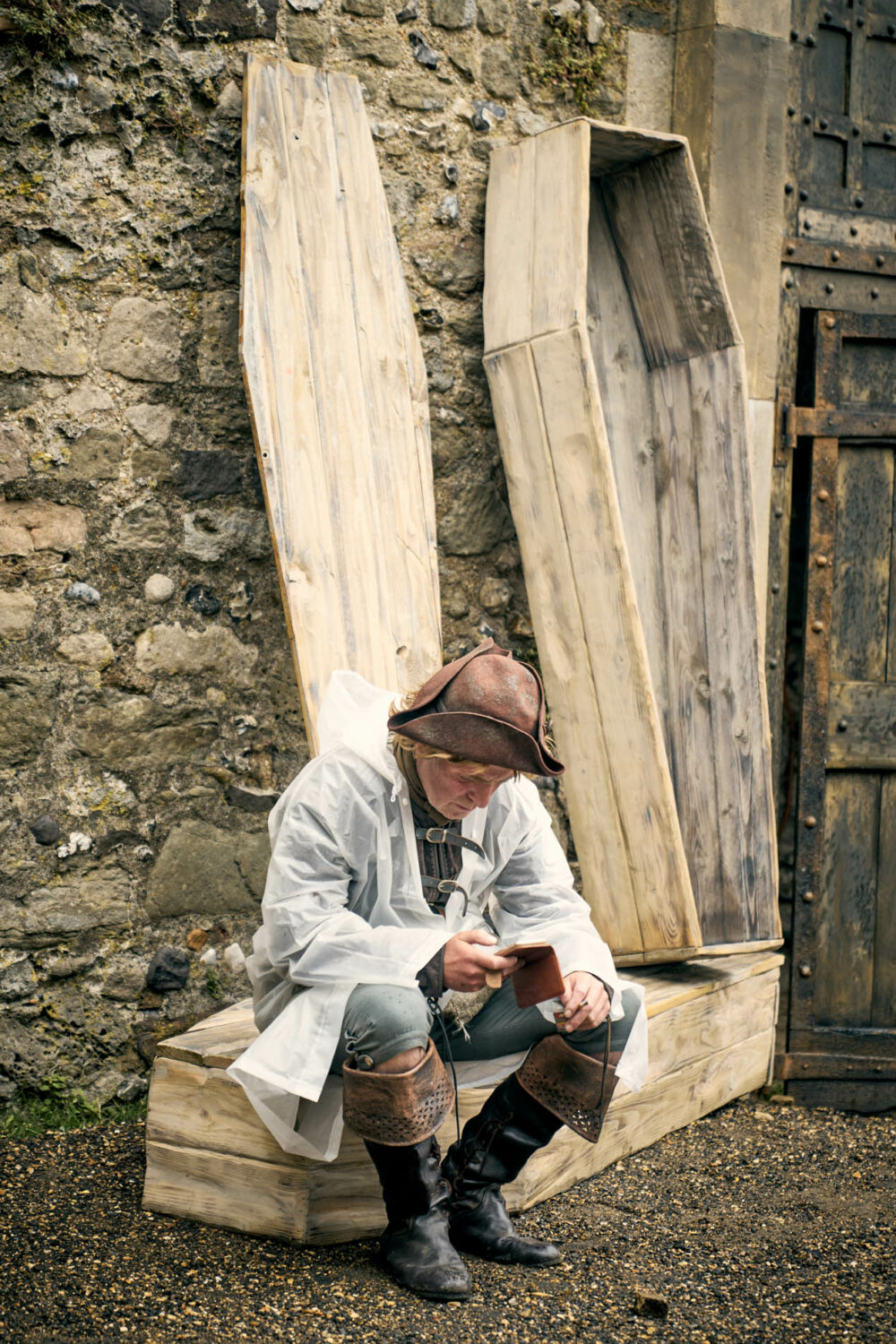
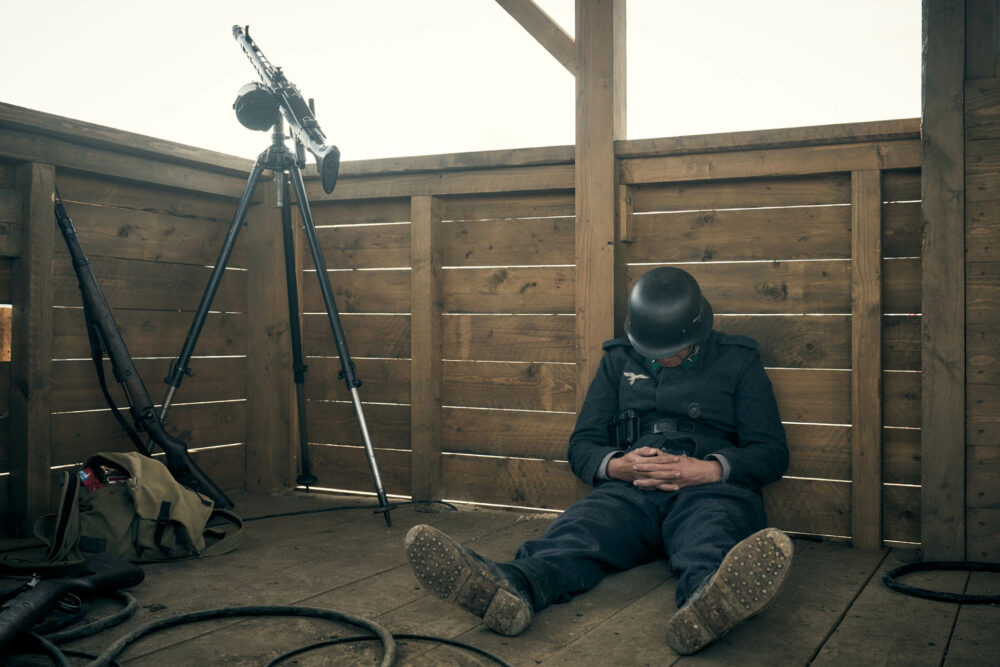
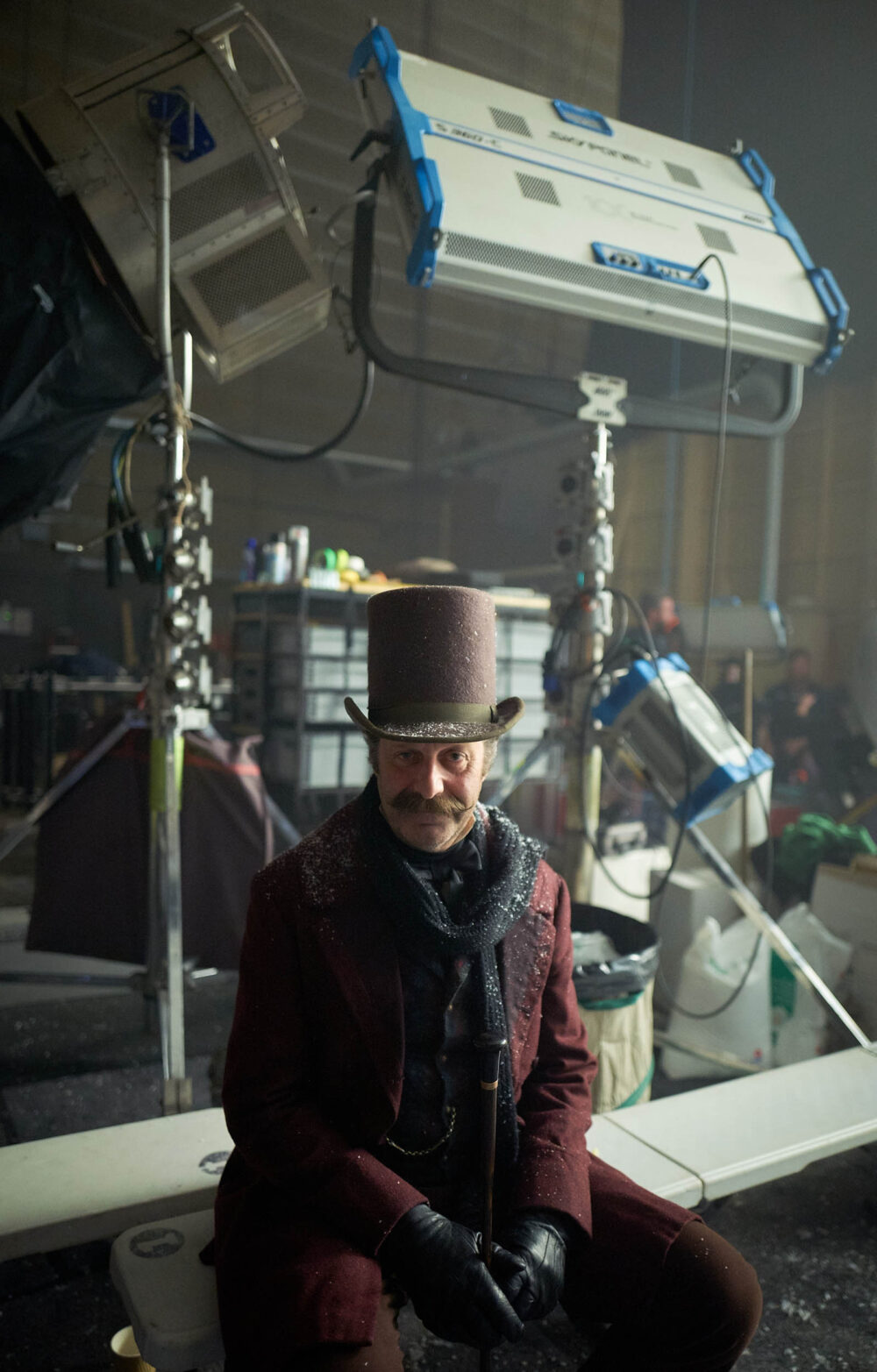
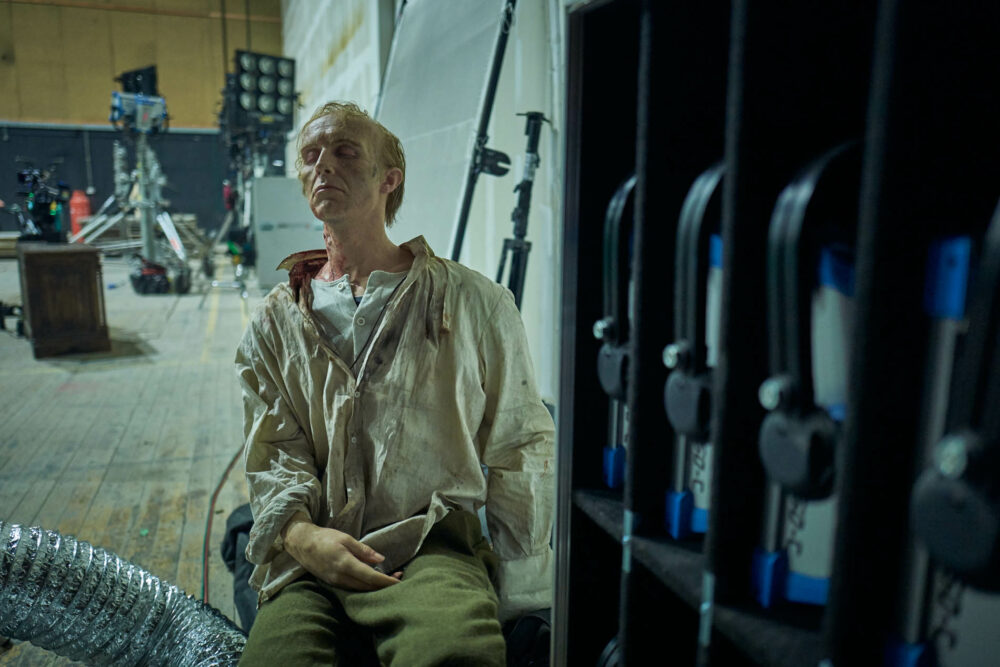
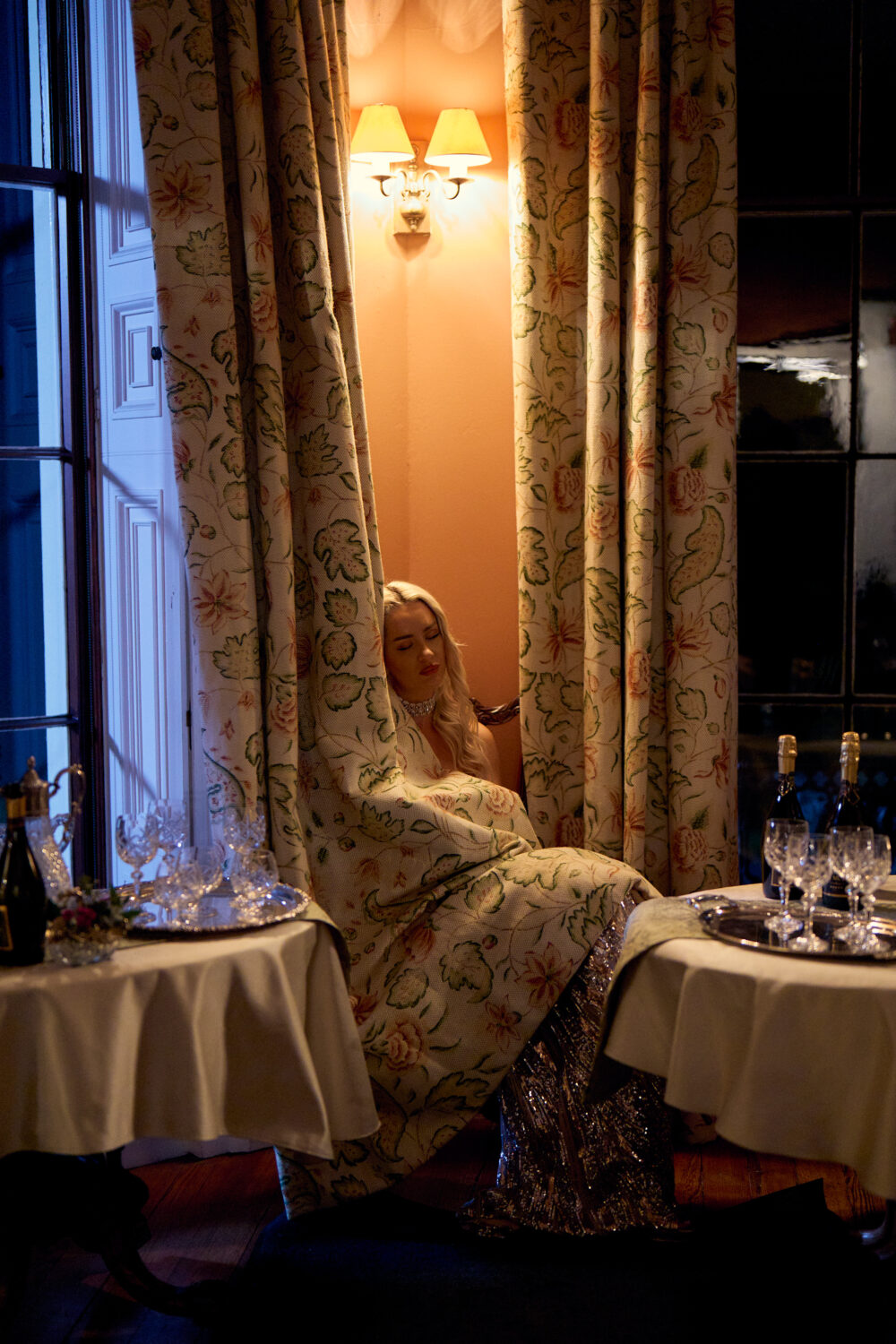
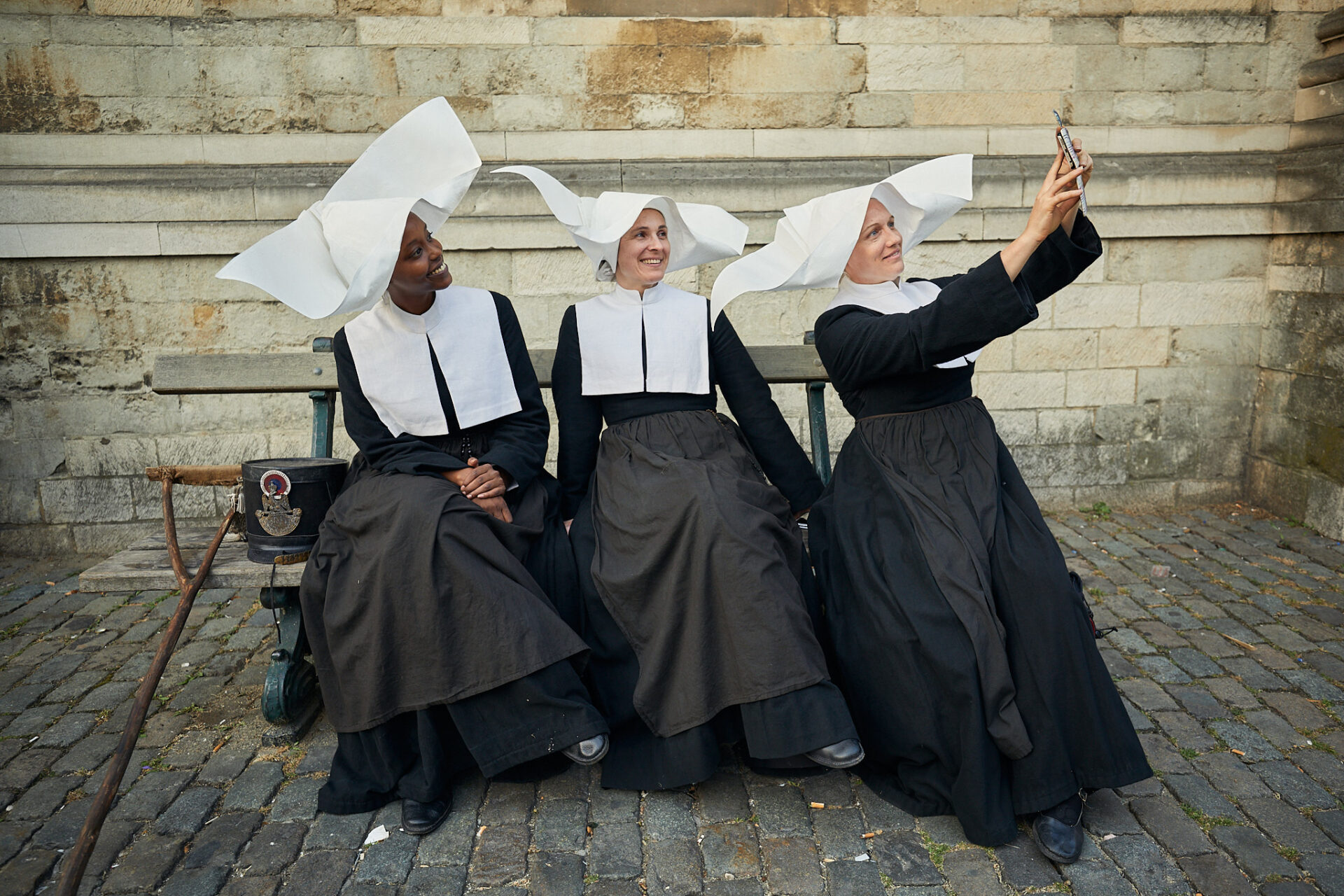
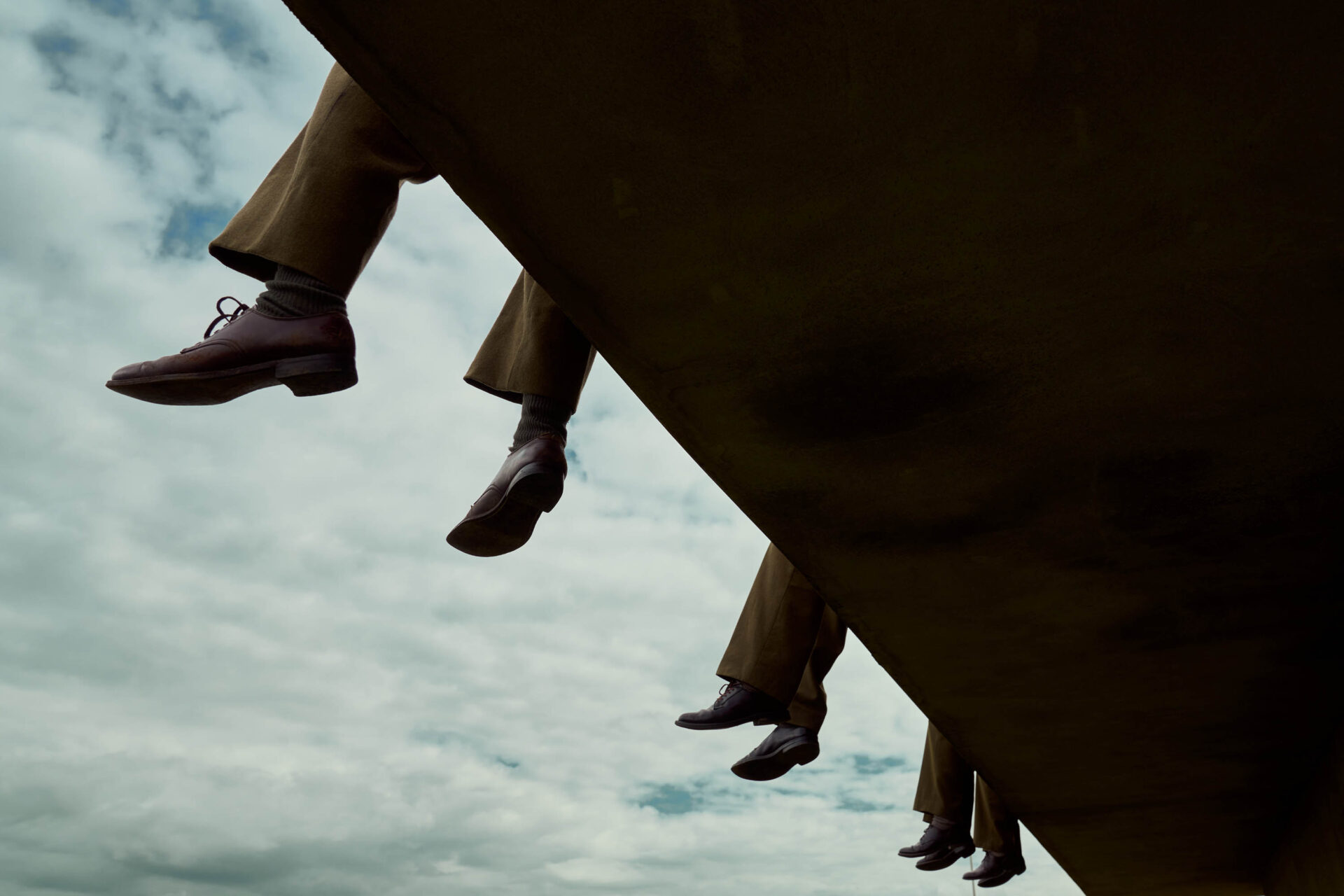
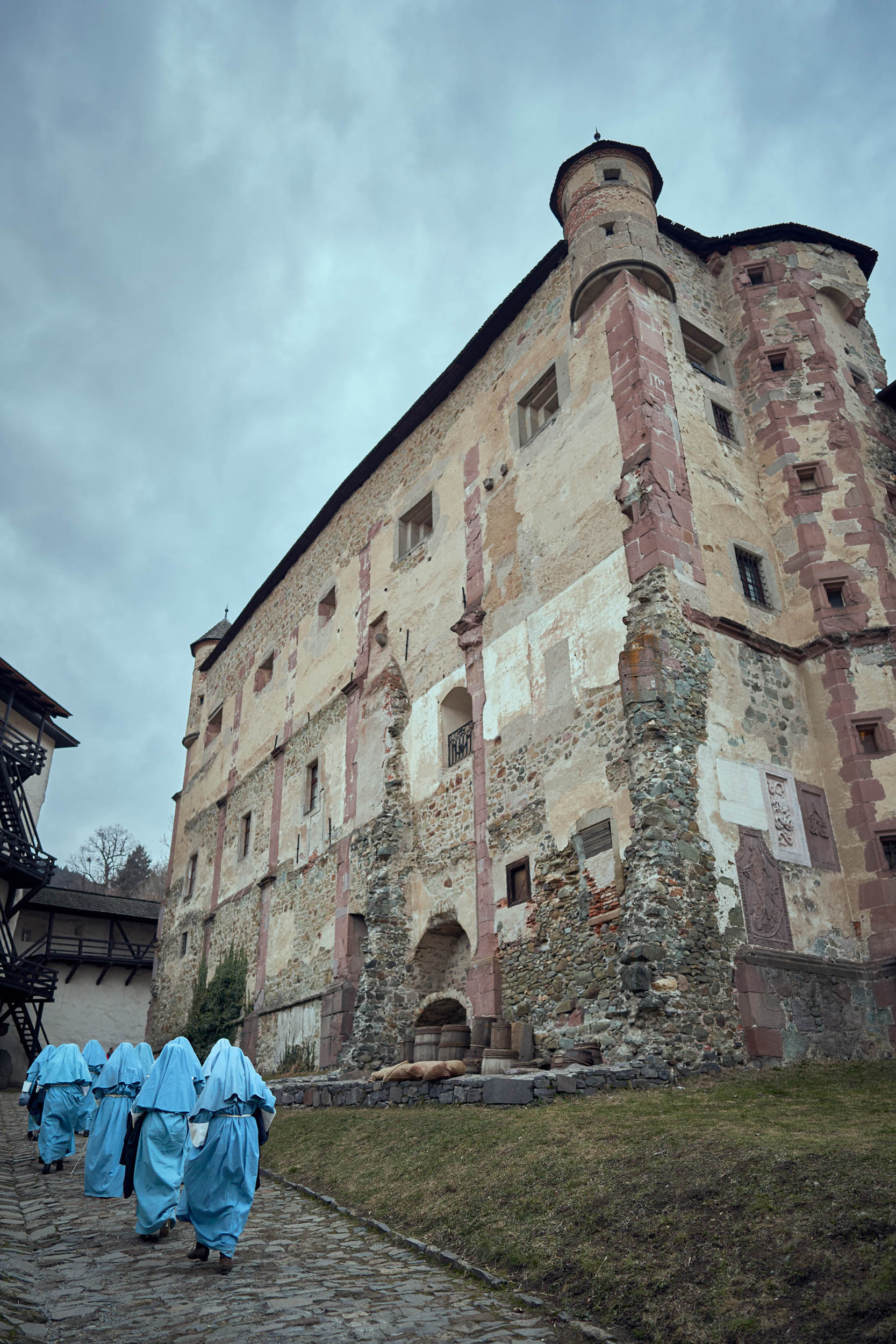
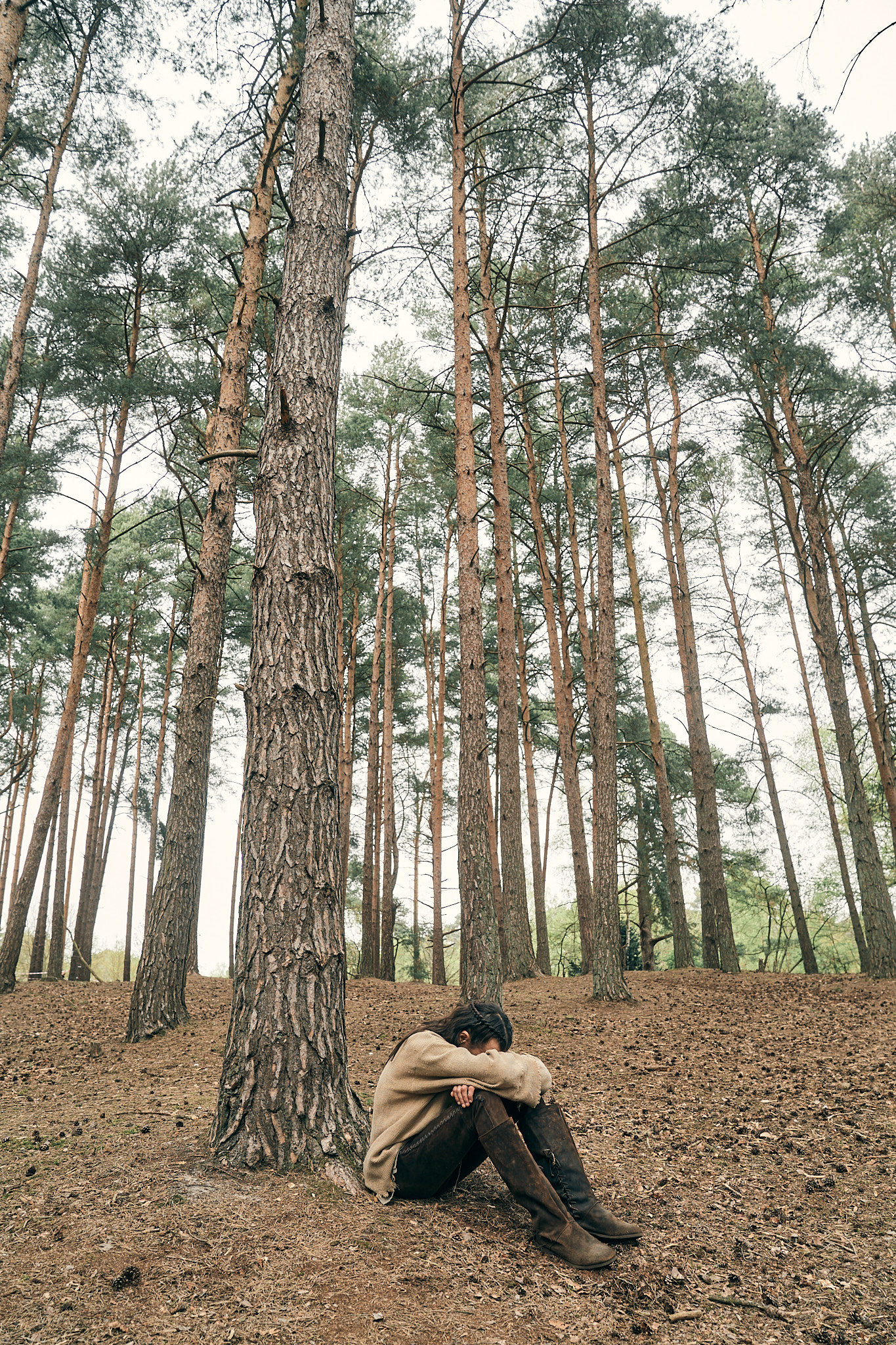
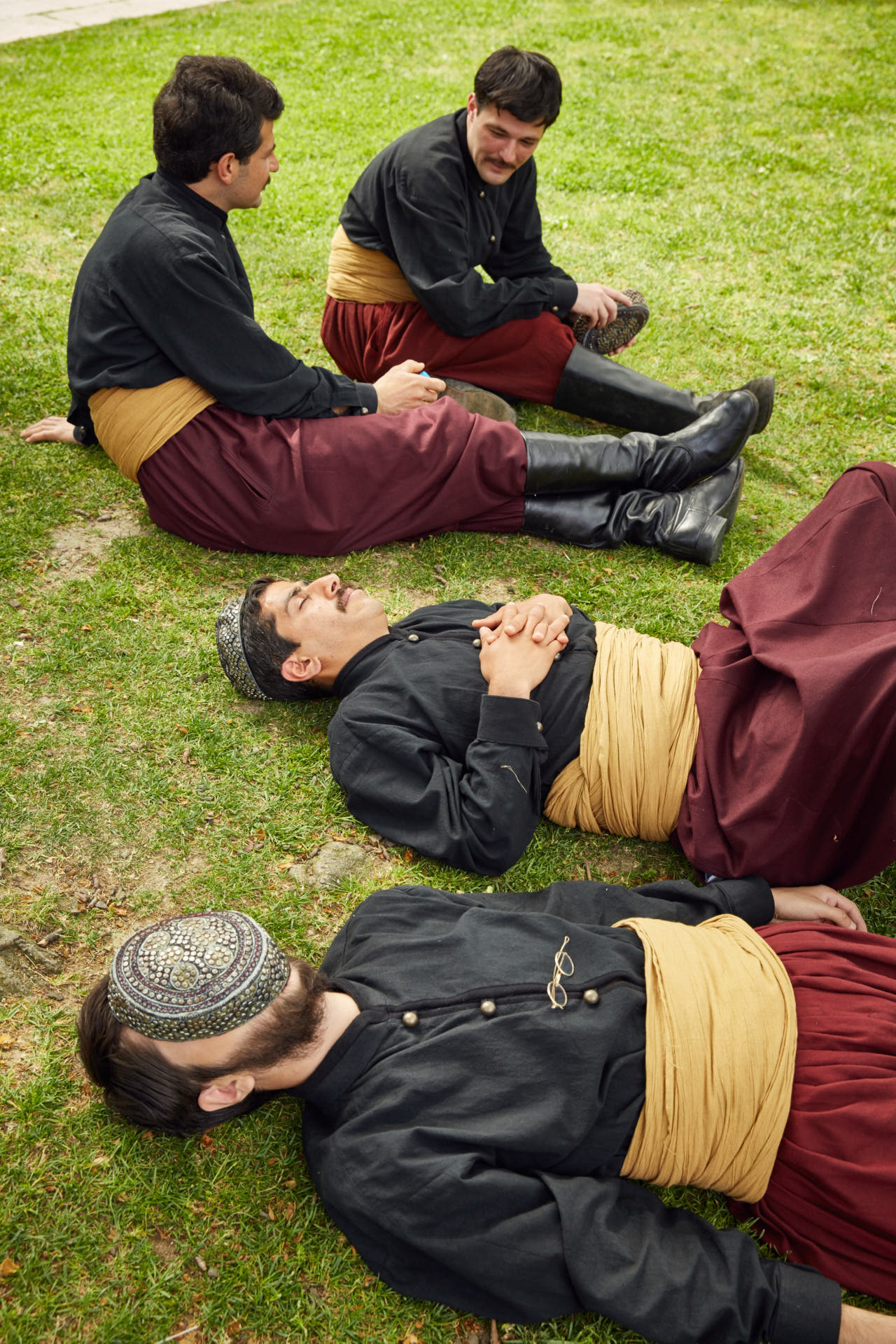
Ali and Nino, Turkey, 2015
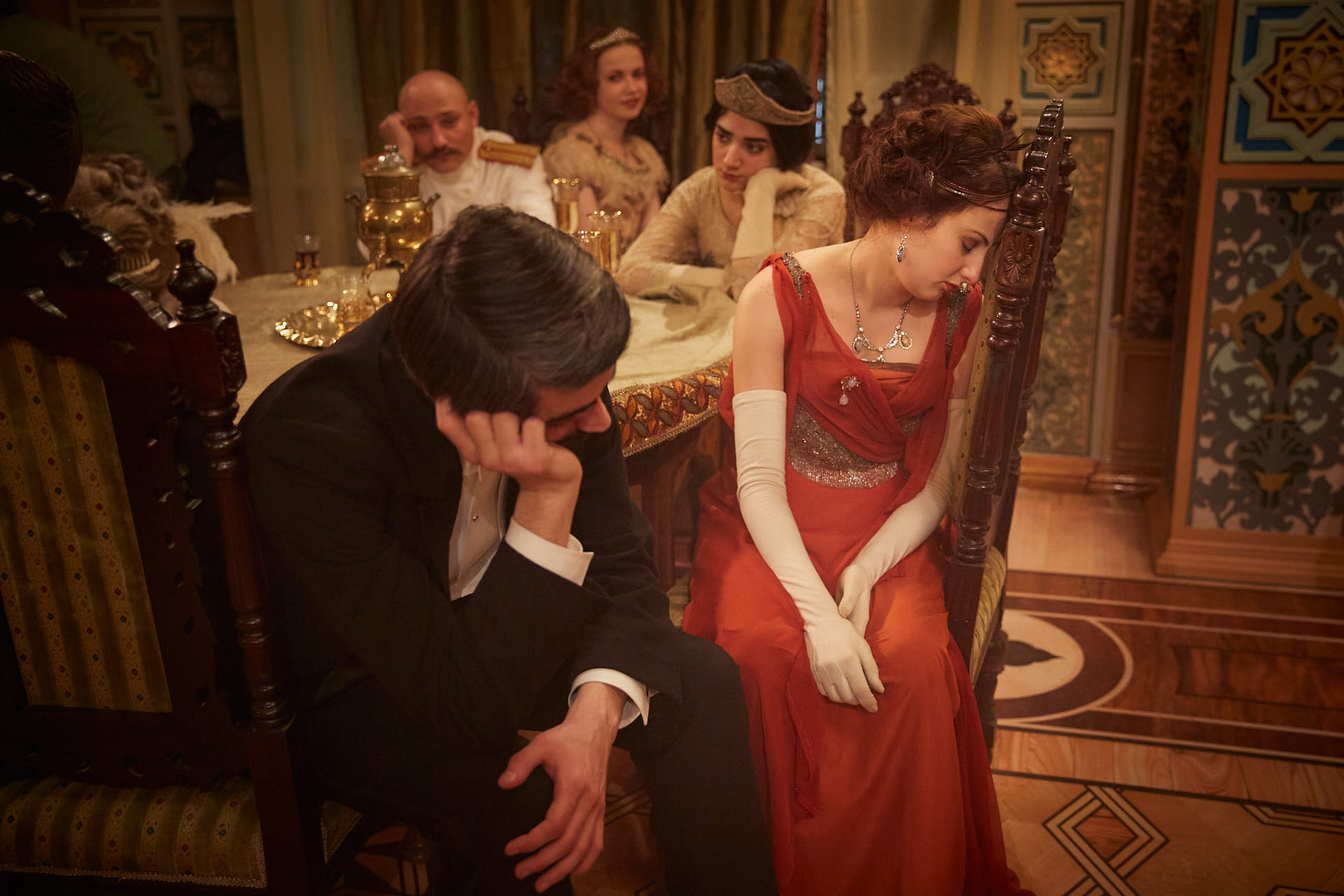
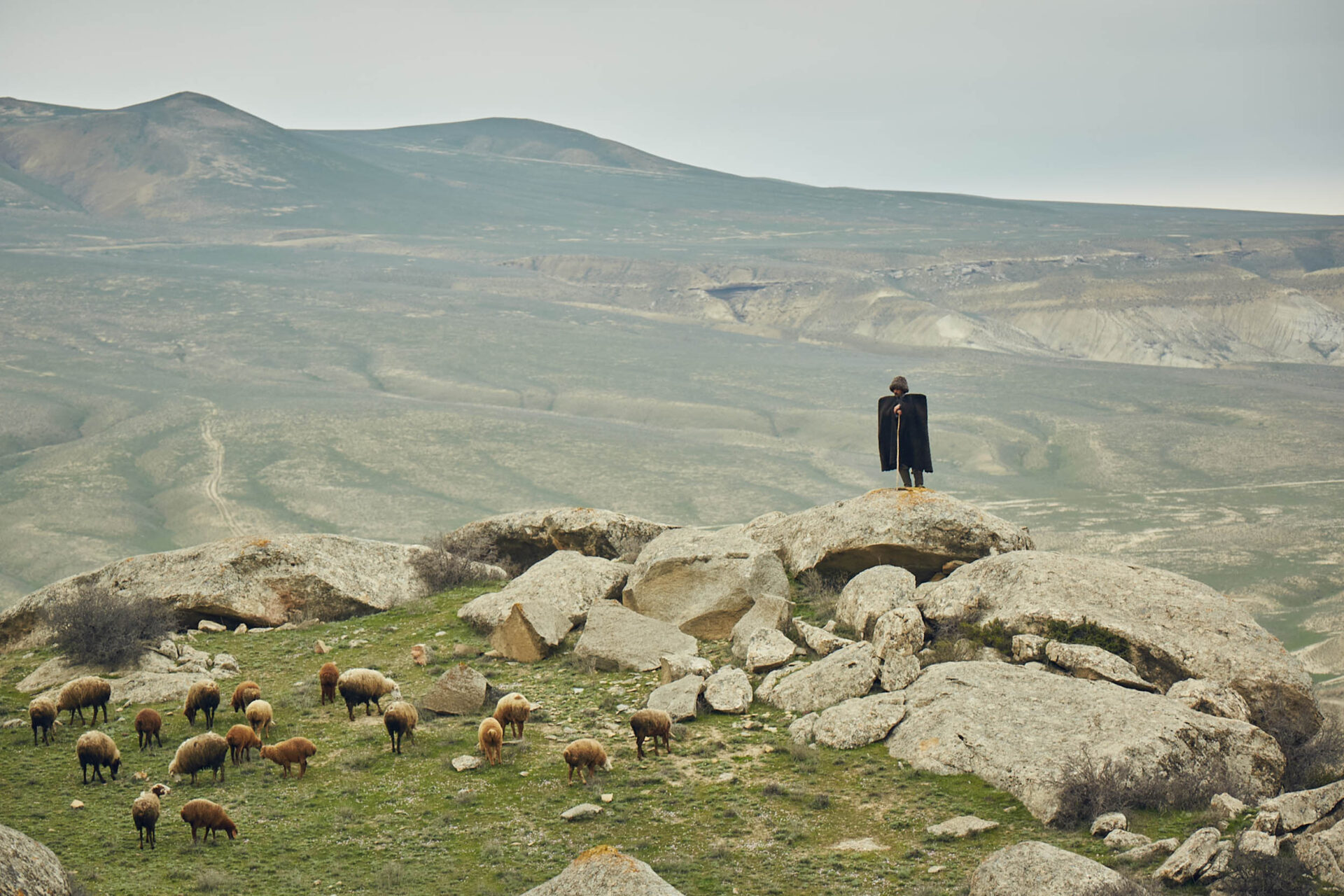
Ali and Nino, Azerbaijan, 2015
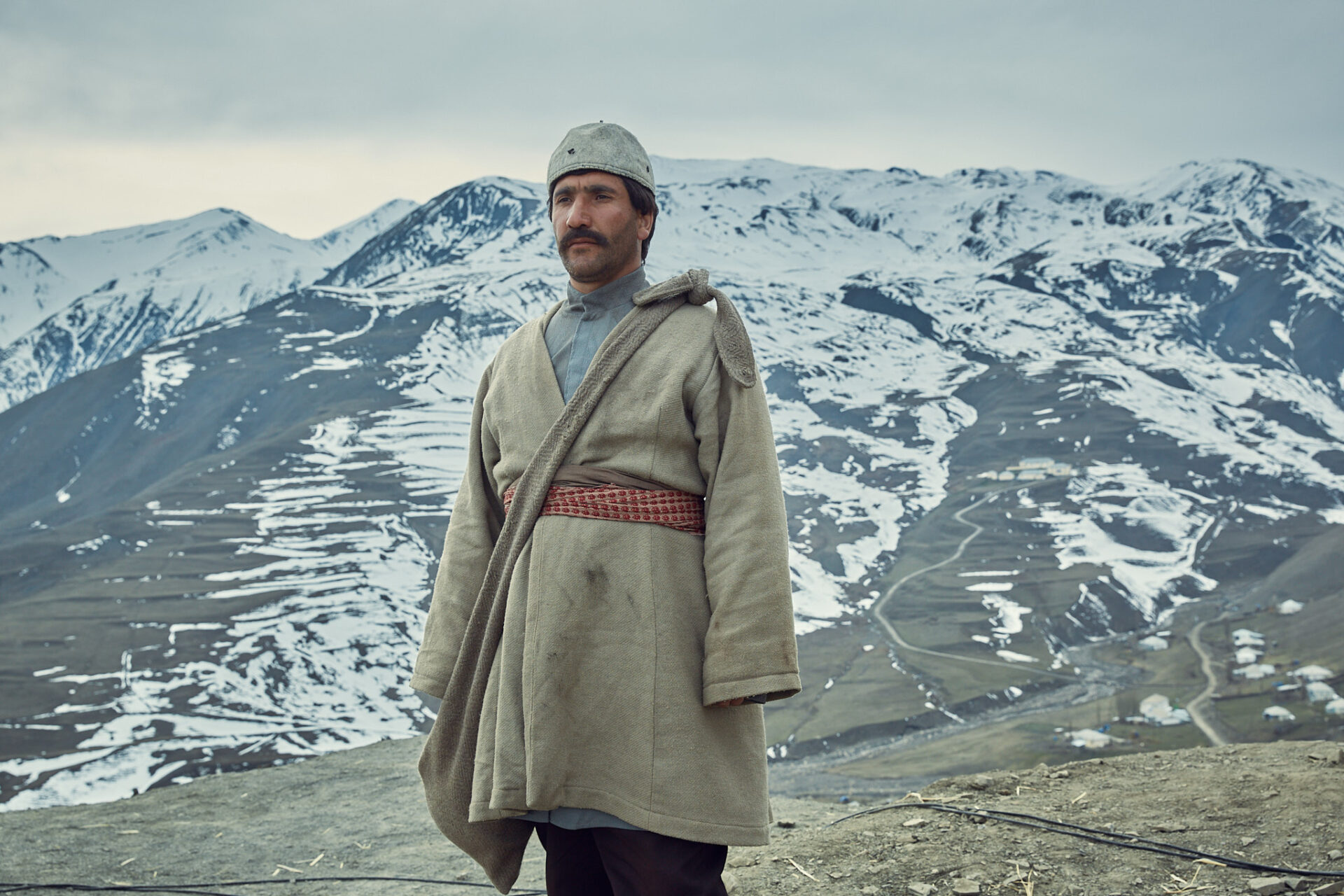
Ali and Nino, Azerbaijan, 2015
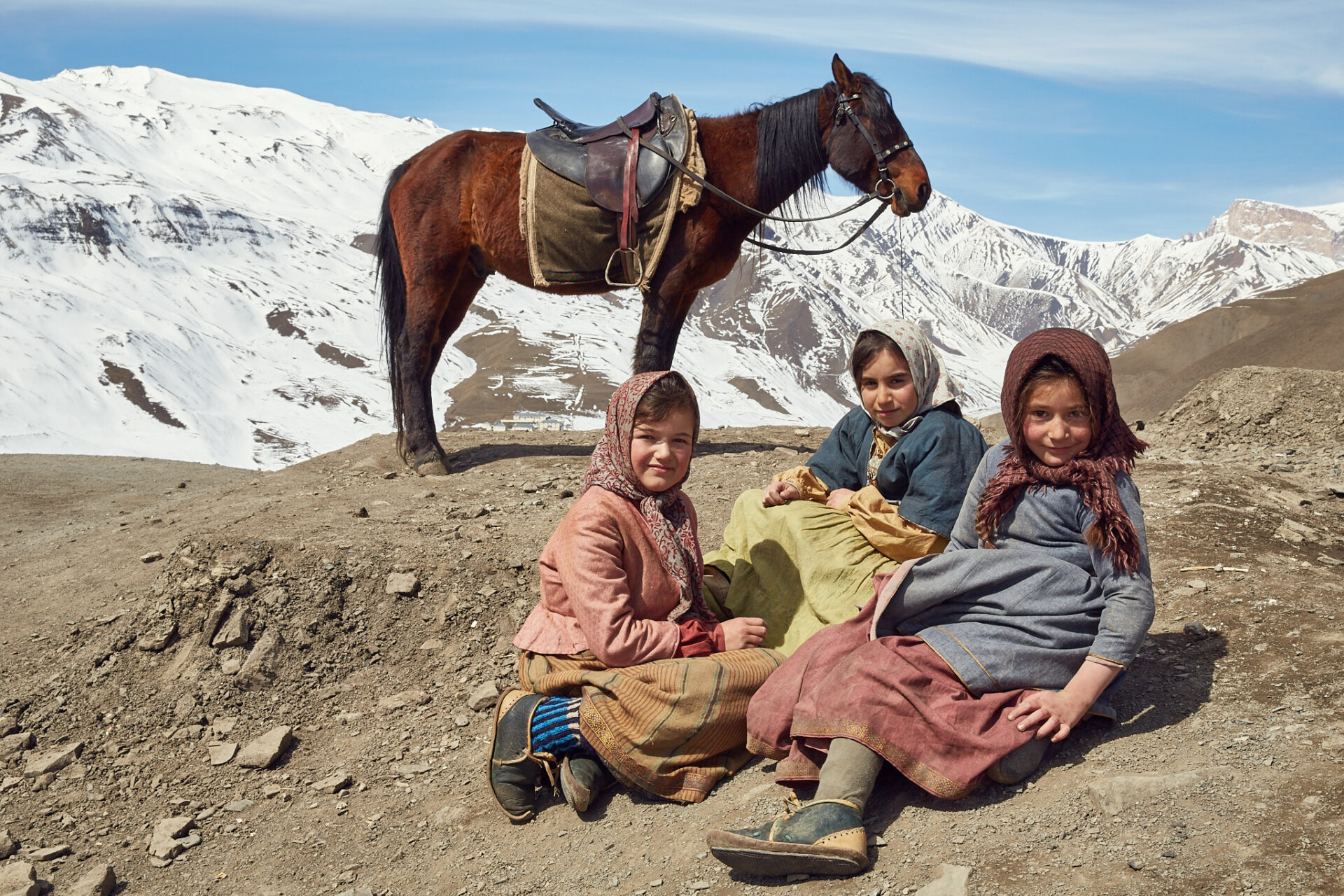
Ali and Nino, Azerbaijan, 2015
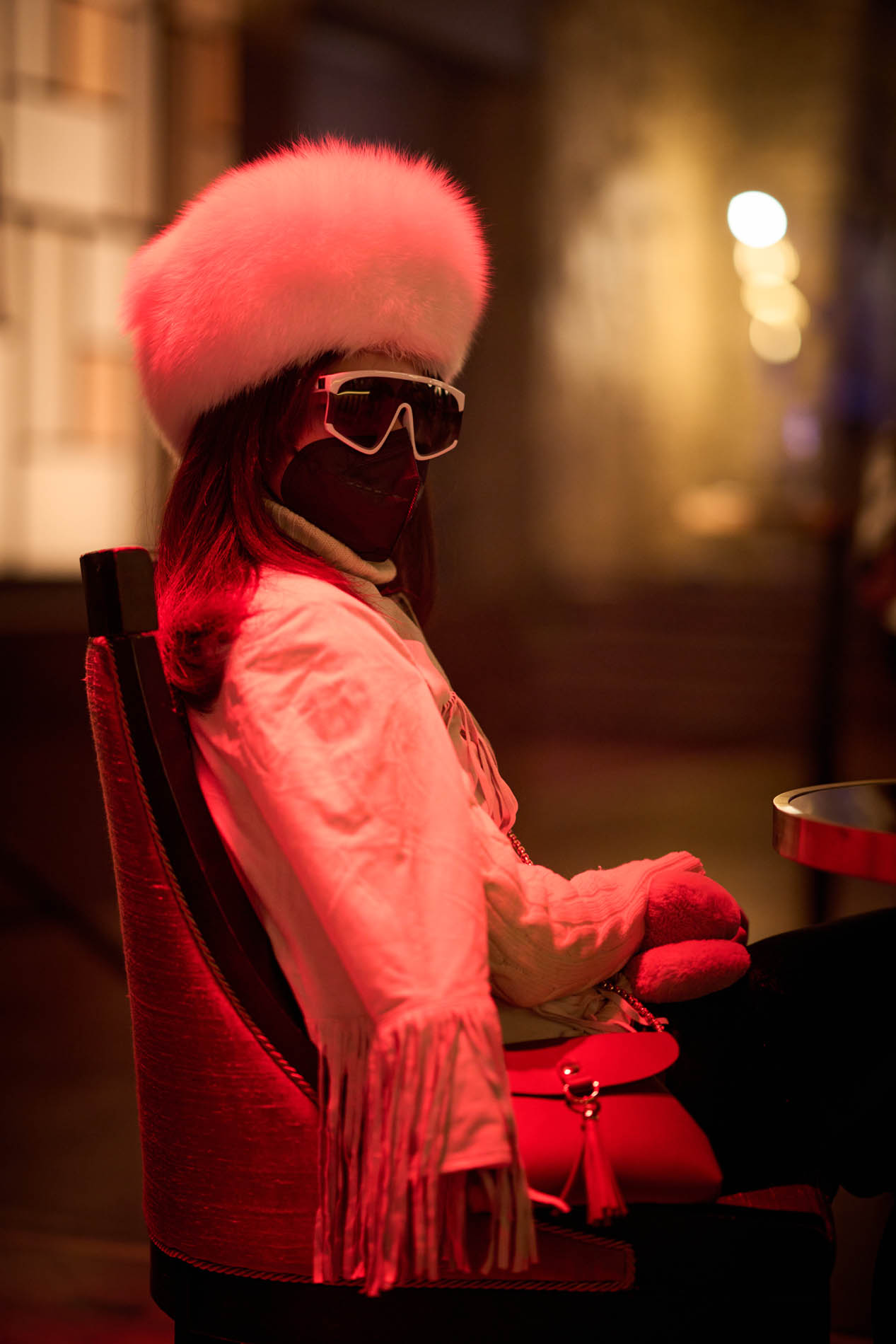
Colour Vignettes
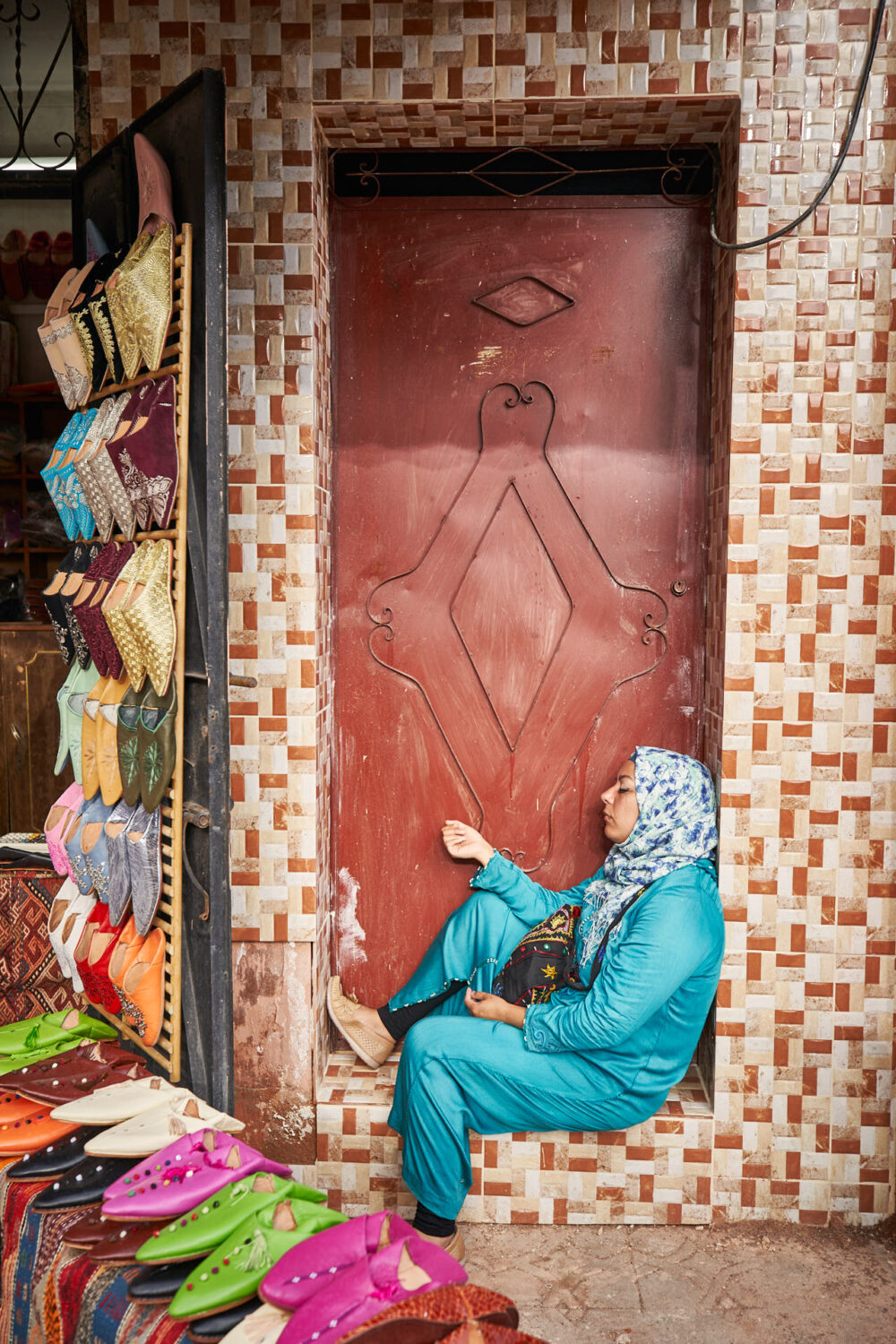
Colour Vignettes is an ongoing series of photographs made while travelling for work, during personal journeys, and quite simply whenever I come across something that catches my eye. I always carry a camera with me.
Working within the traditions of street photography, as I did in my Oxford black-and-white series, this time I am exploring the world through colour. I am drawn to the quiet rhythms of everyday life—people and their interactions, light, the interplay of colour and architecture, and the unexpected moments that reveal something about a place.
The photographs form a personal visual diary of the places, people and moments I have encountered along the way.
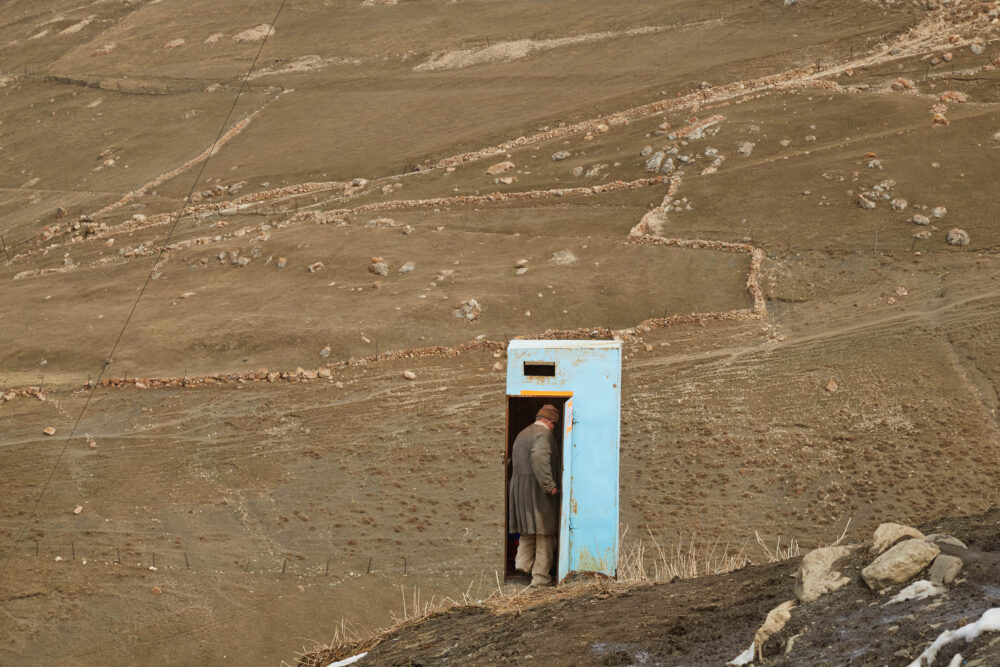
Khinalug, 2015
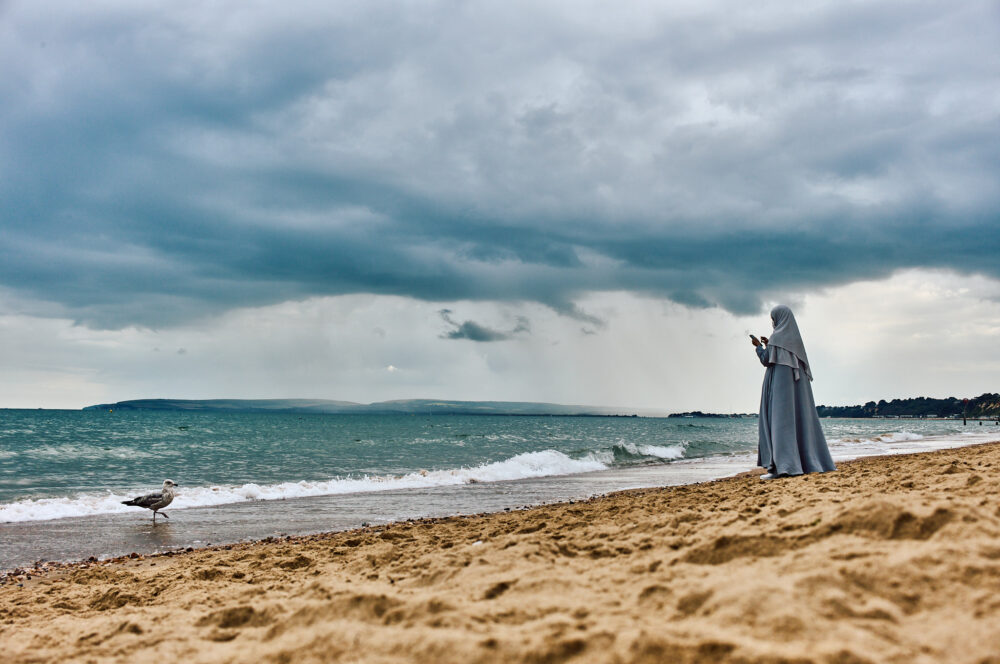
Bournemouth, United Kingdom, 2024
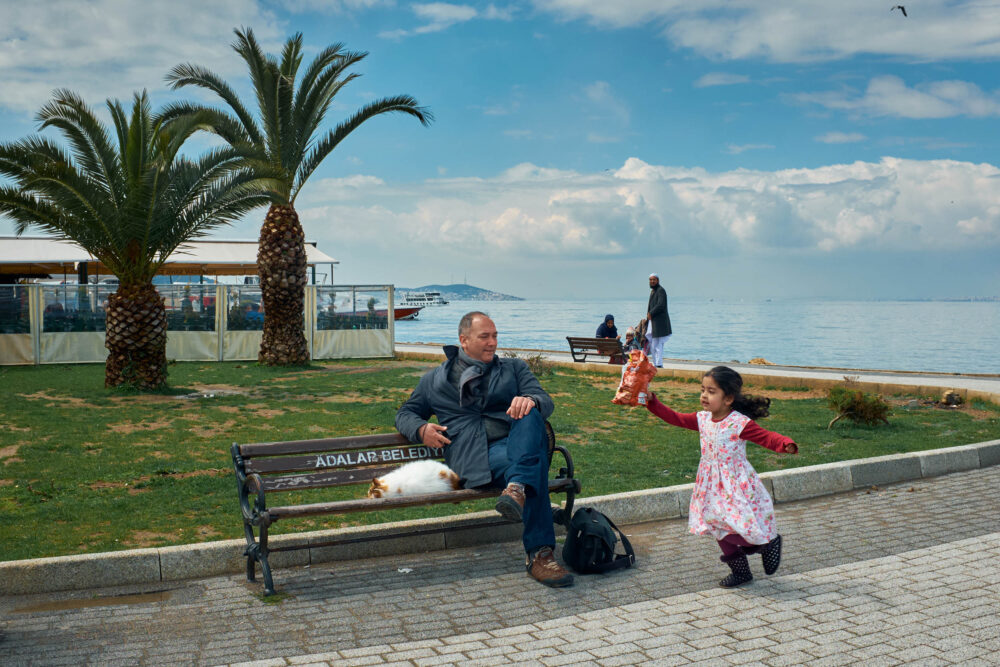
Princes’ Islands, Turkey, 2015
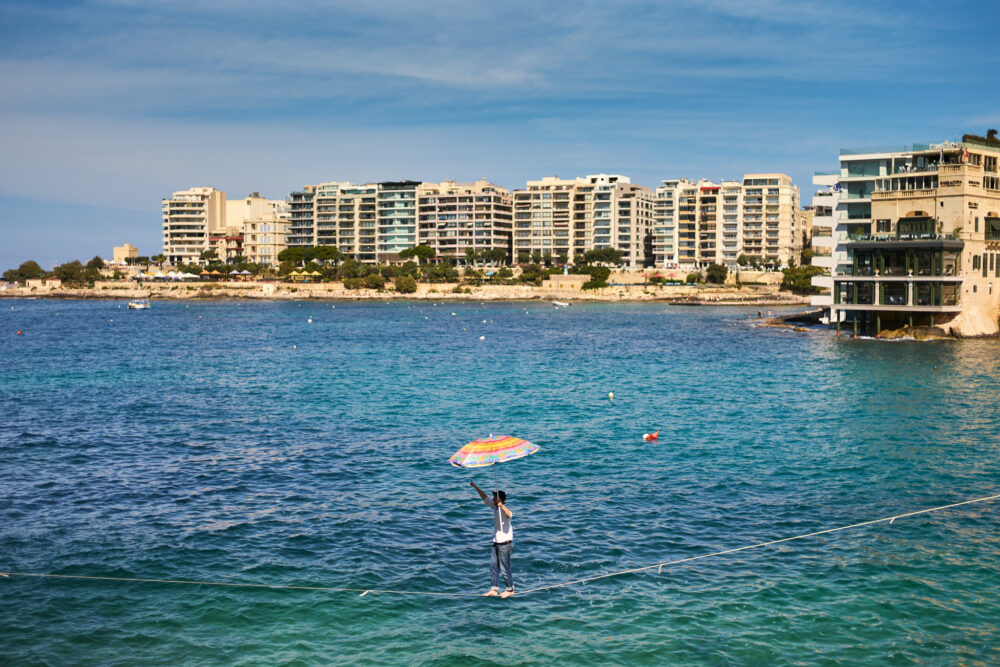
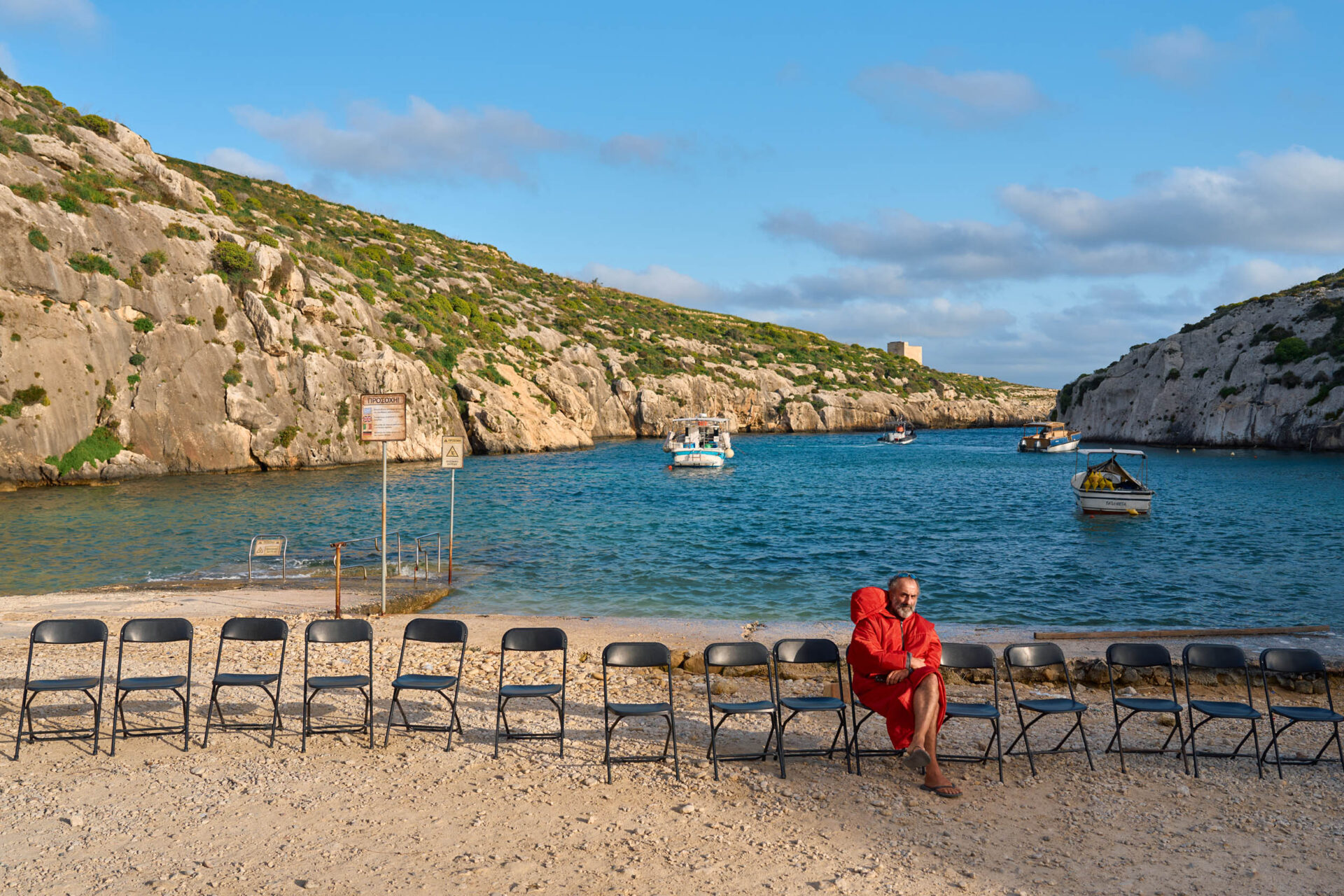
Malta, 2025
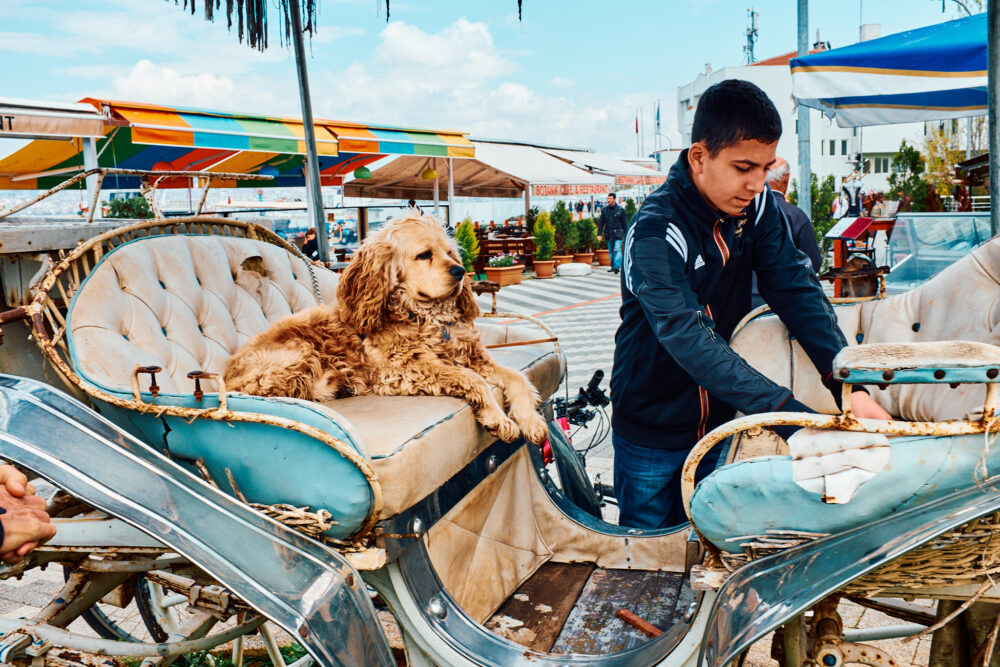
Princes’ Islands, Turkey, 2015
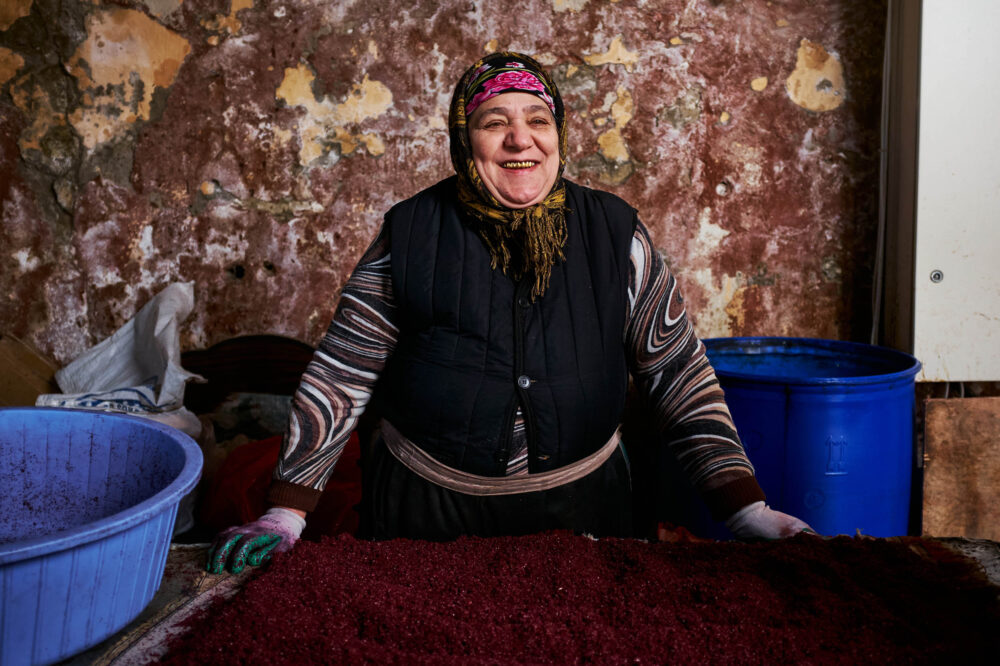
Baku, Azerbaijan, 2015
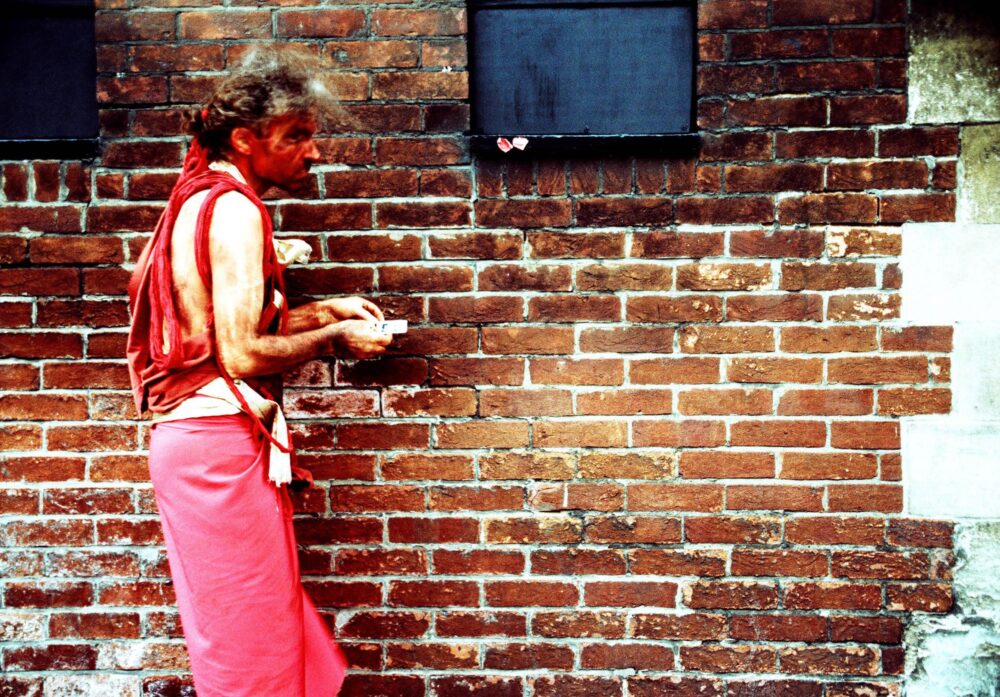
Oxford
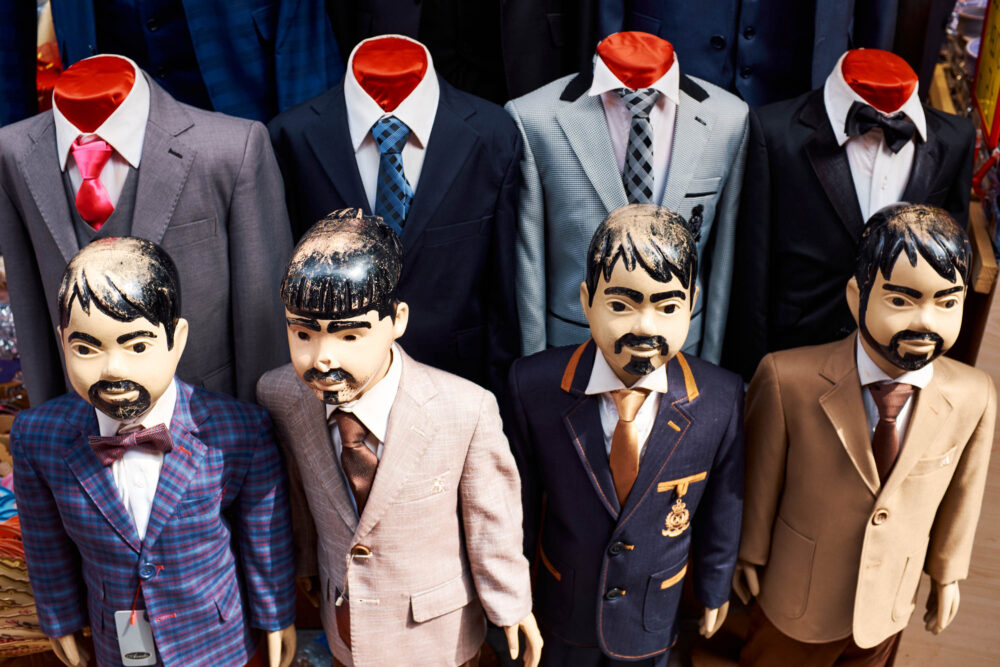
Istanbul, Turkey, 2015
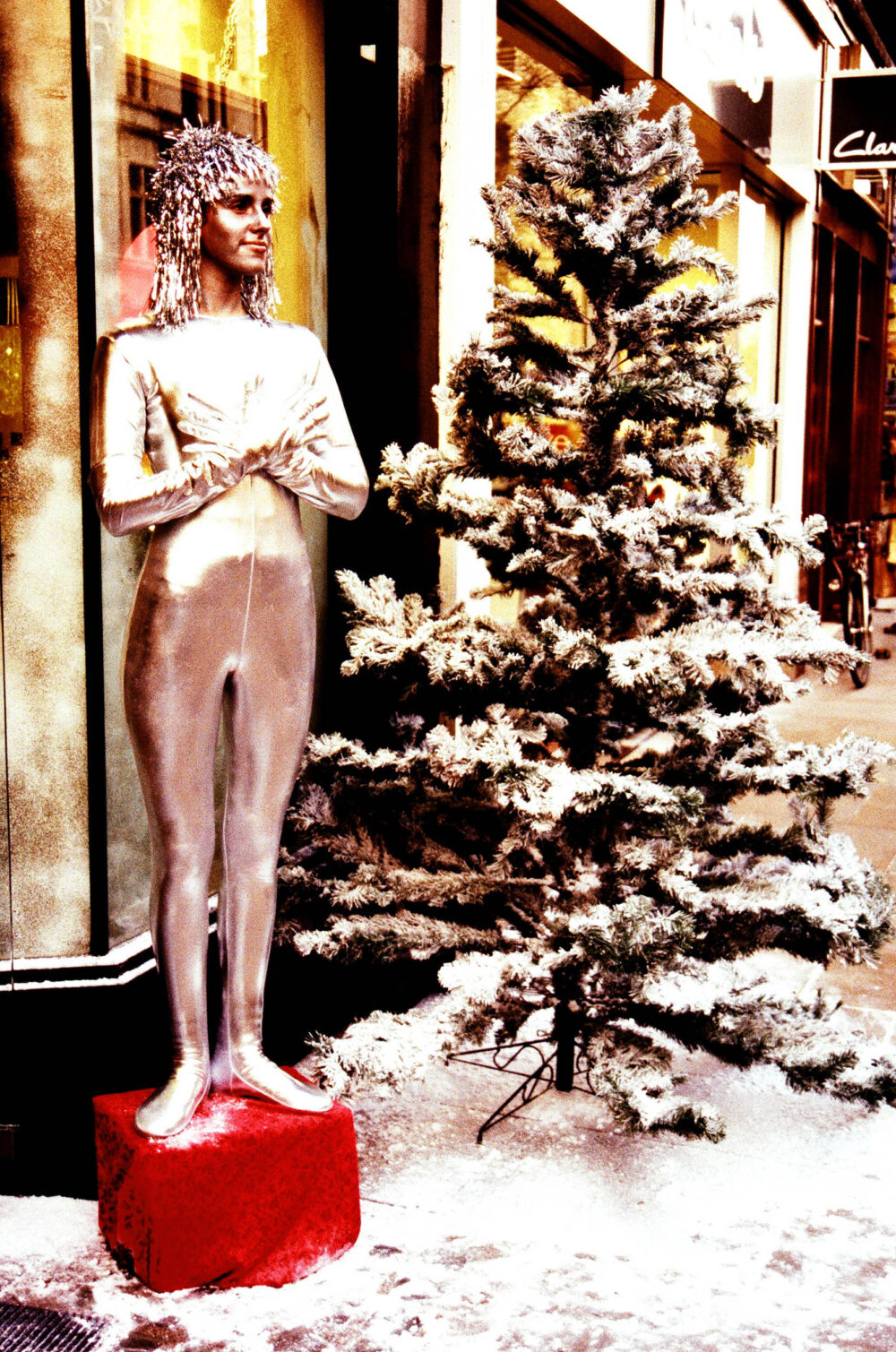
Oxford
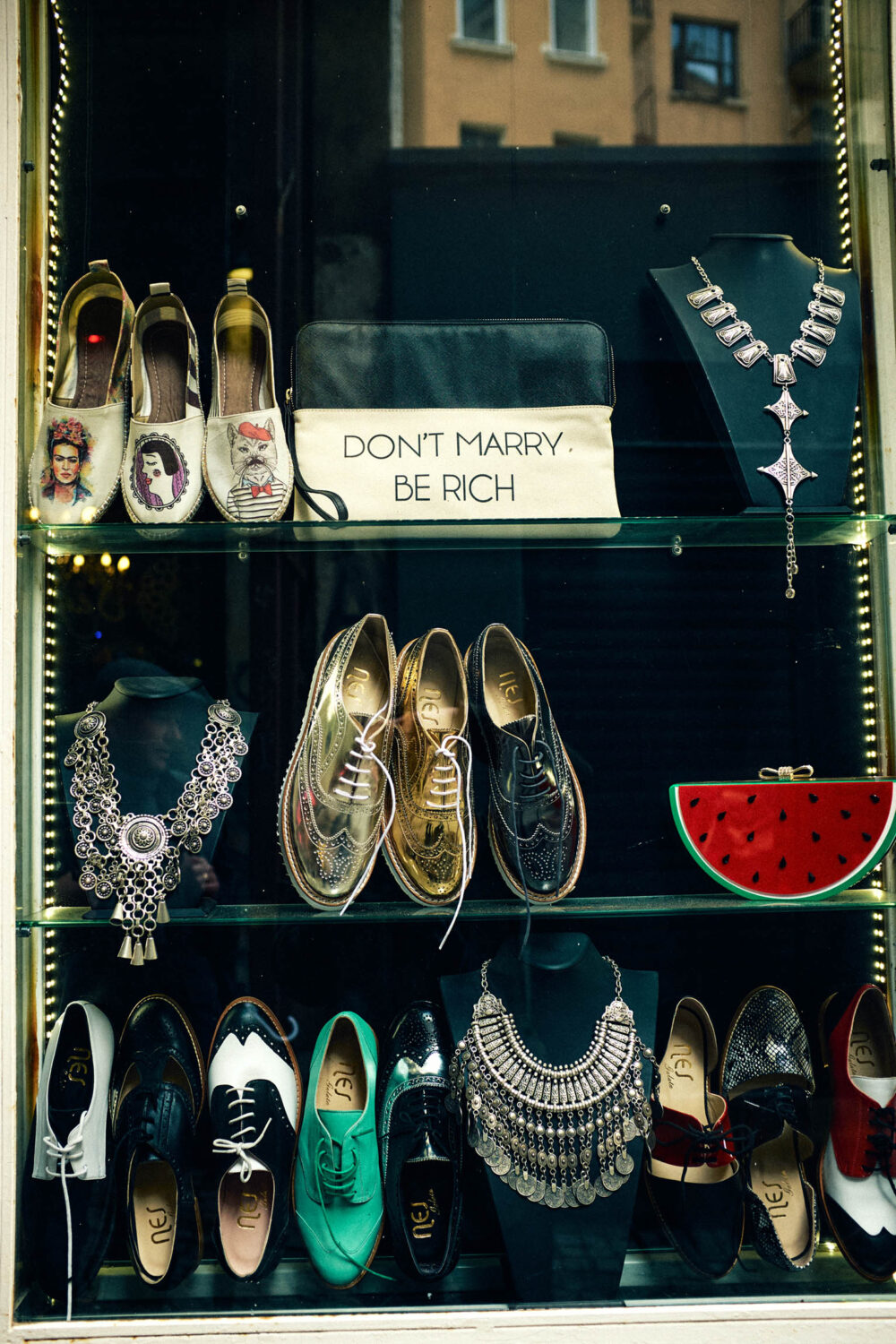
Istanbul, Turkey, 2015
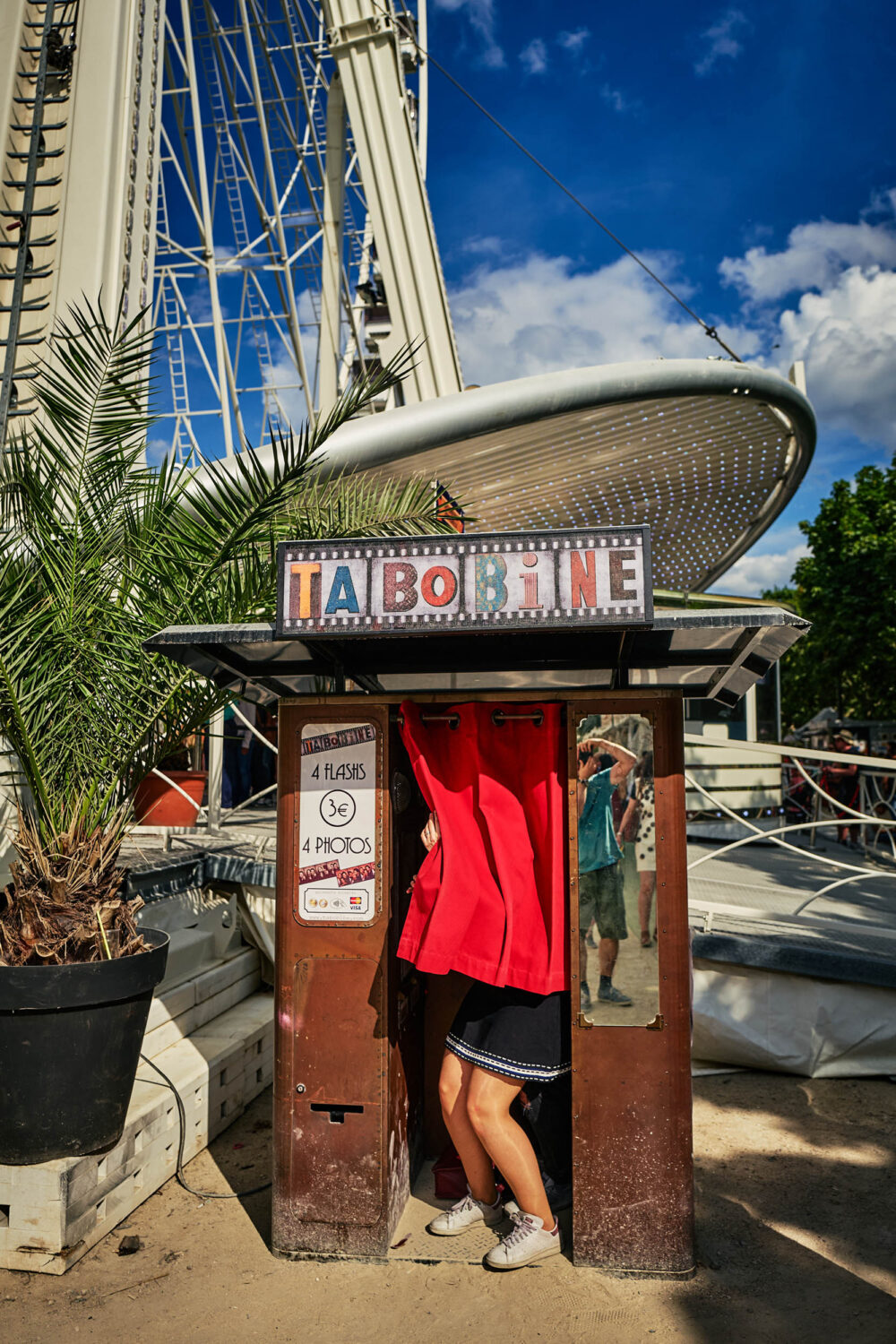
Paris, France, 2019
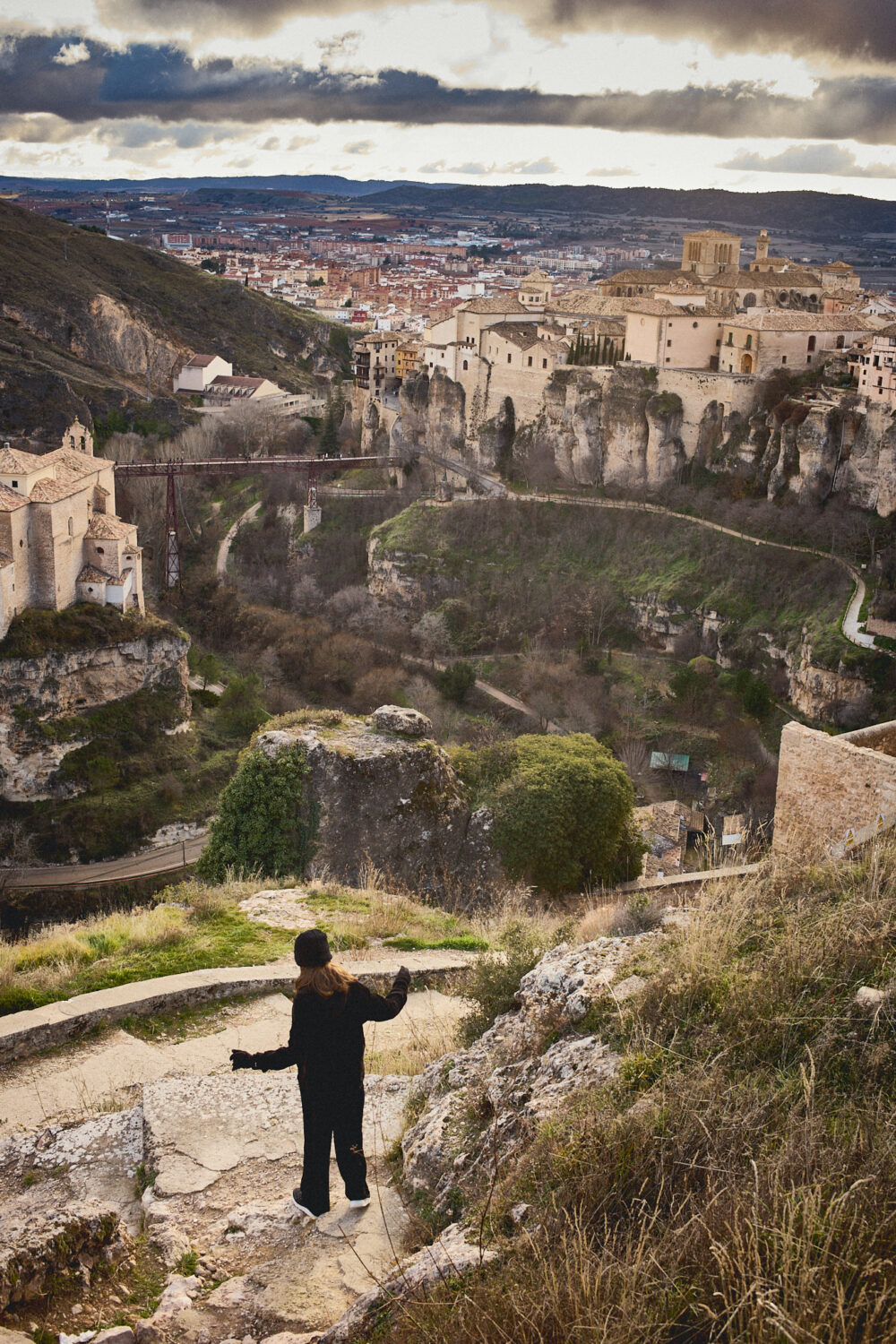
Cuenca, Spain, 2025
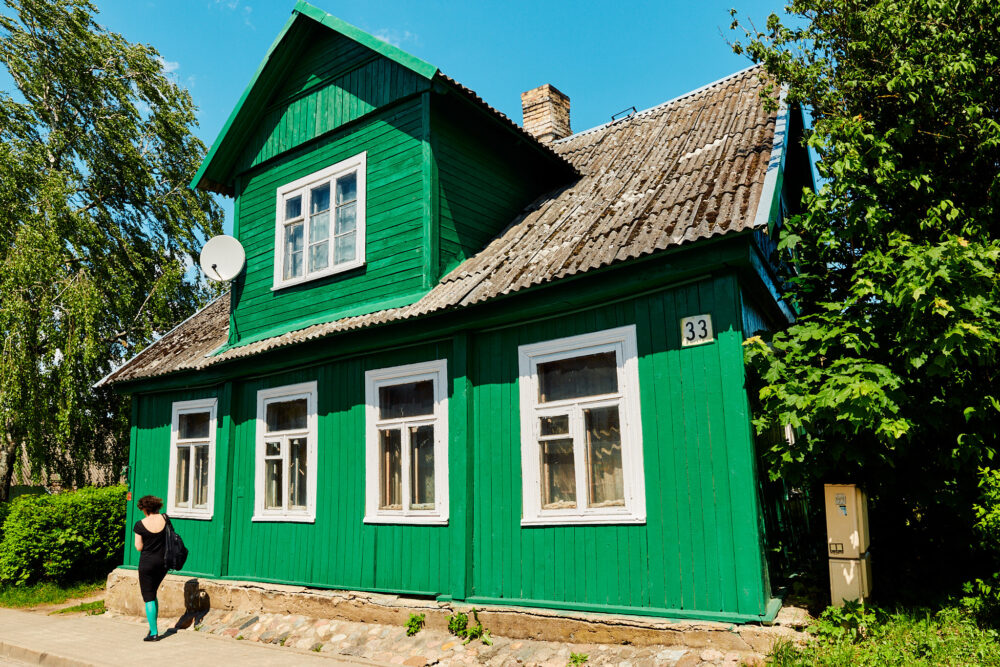
Trakai, Lithuania, 2015
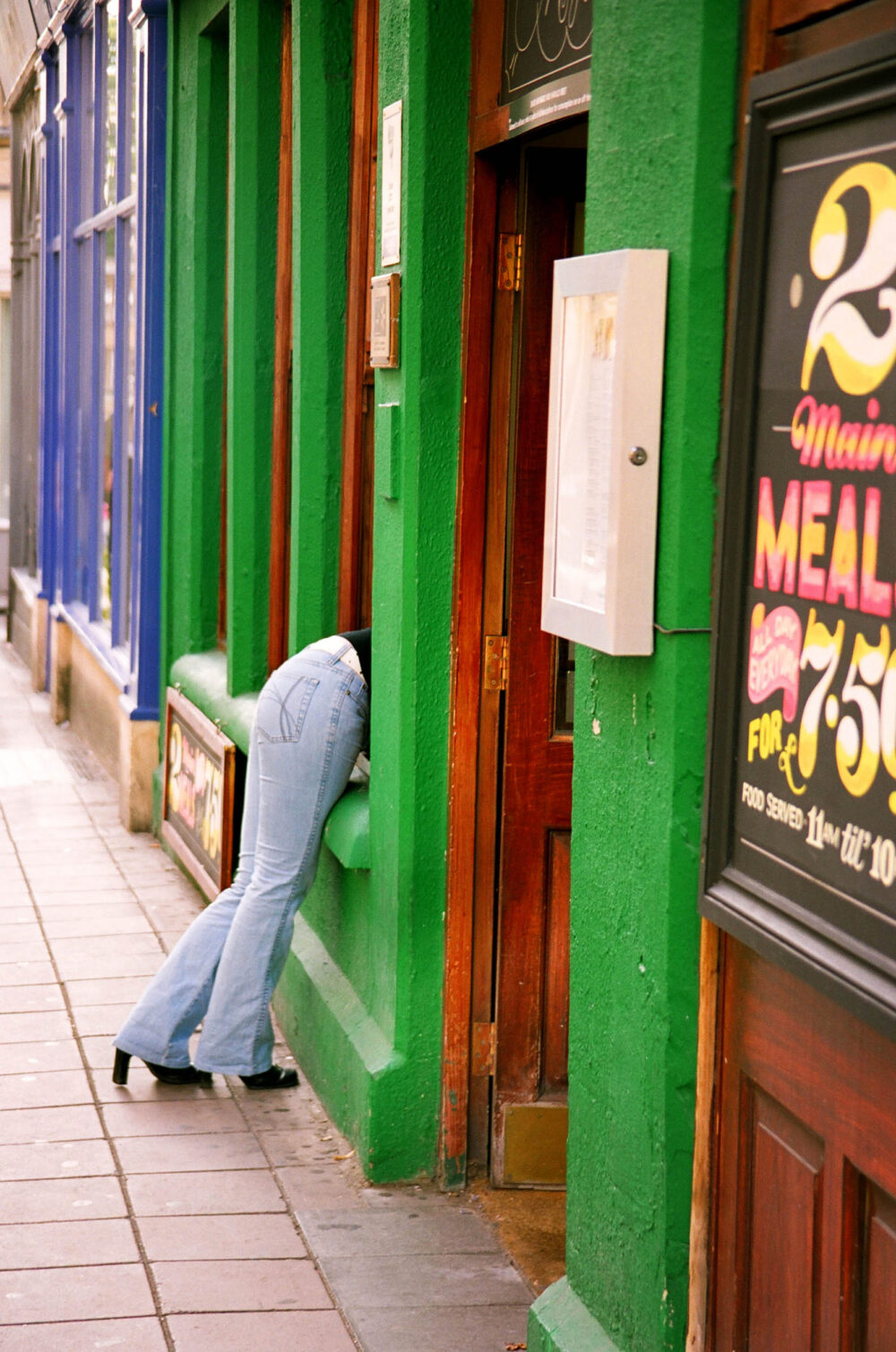
UK
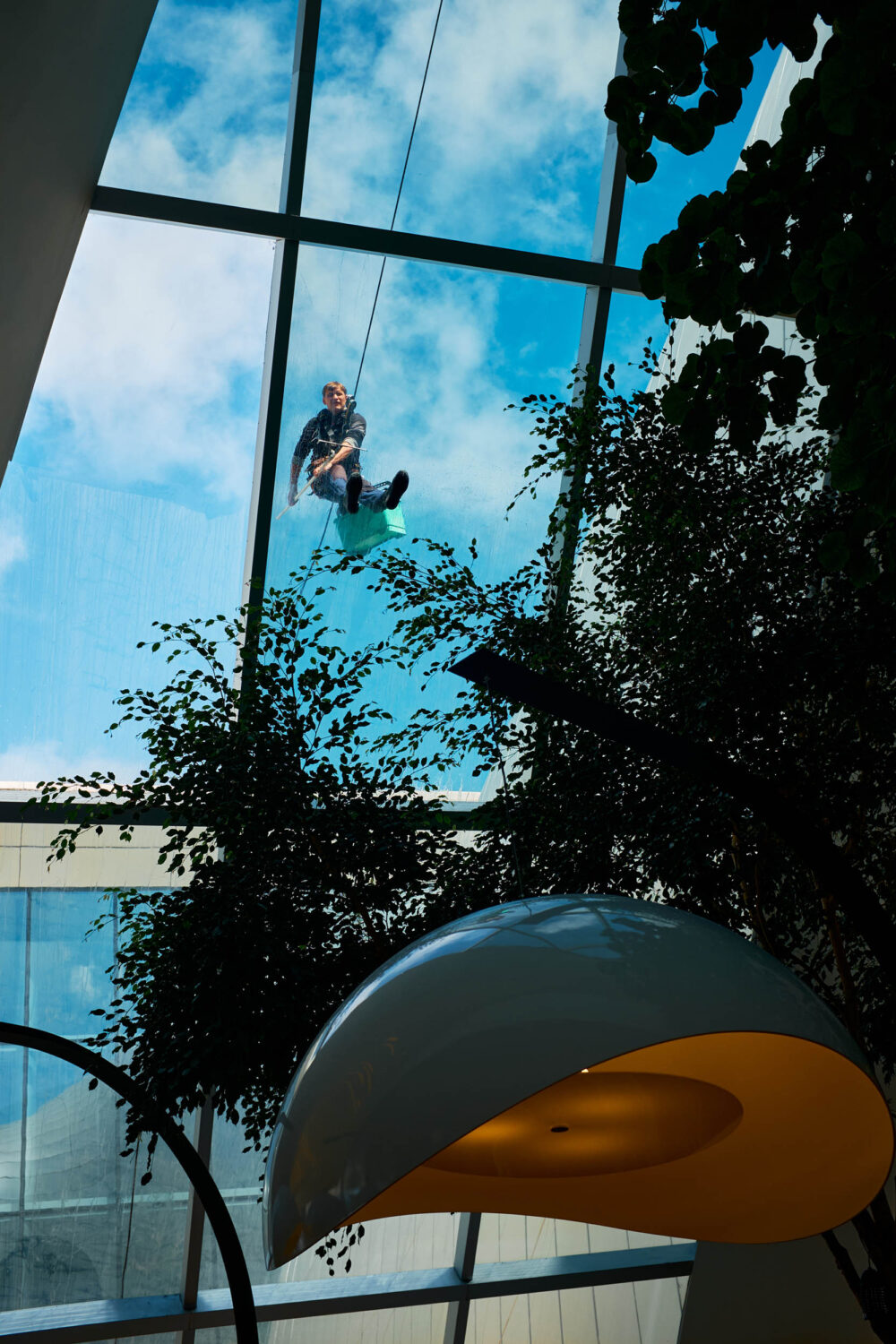
Baku, Azerbaijan, 2015
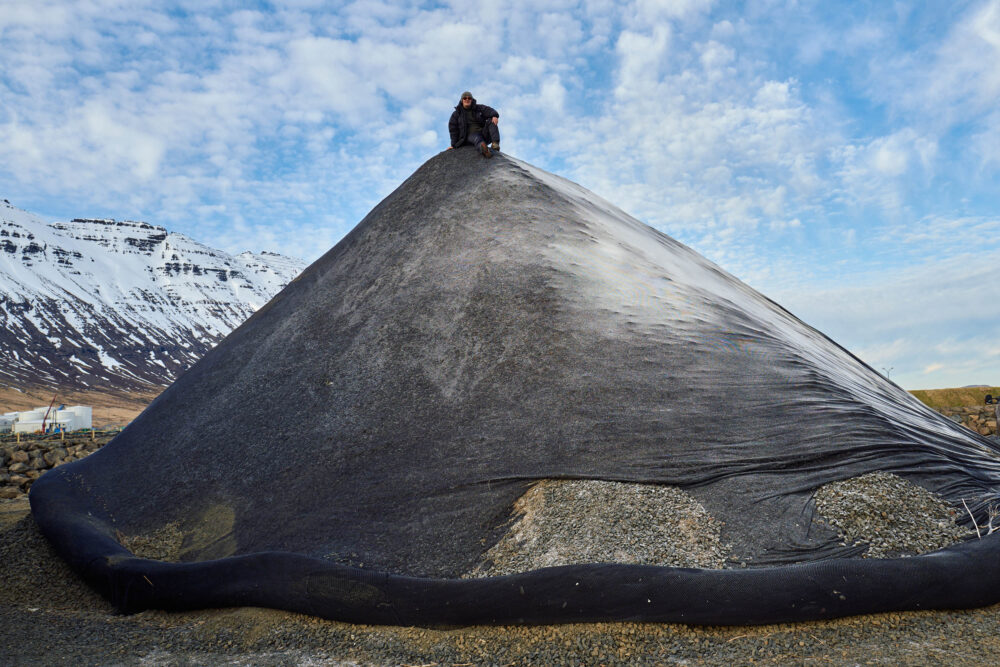
Iceland, 2016
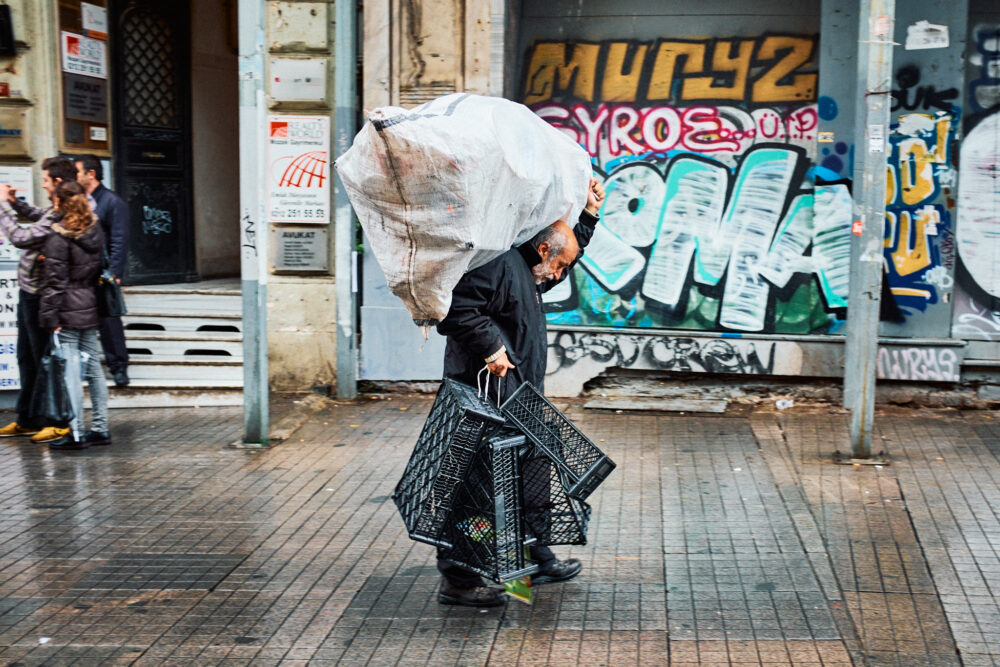
Turkey, 2015
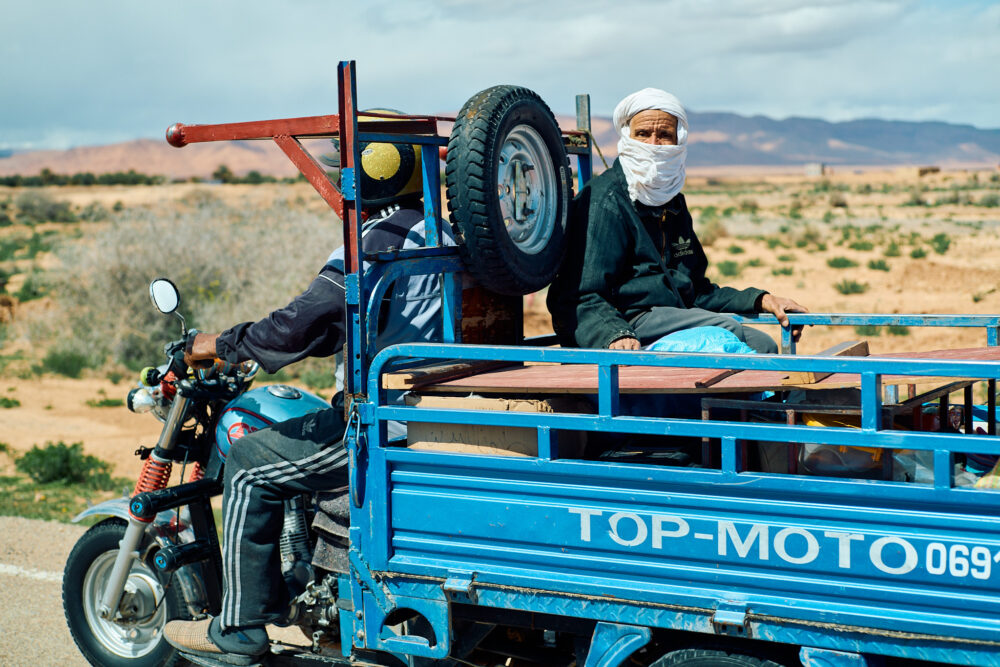
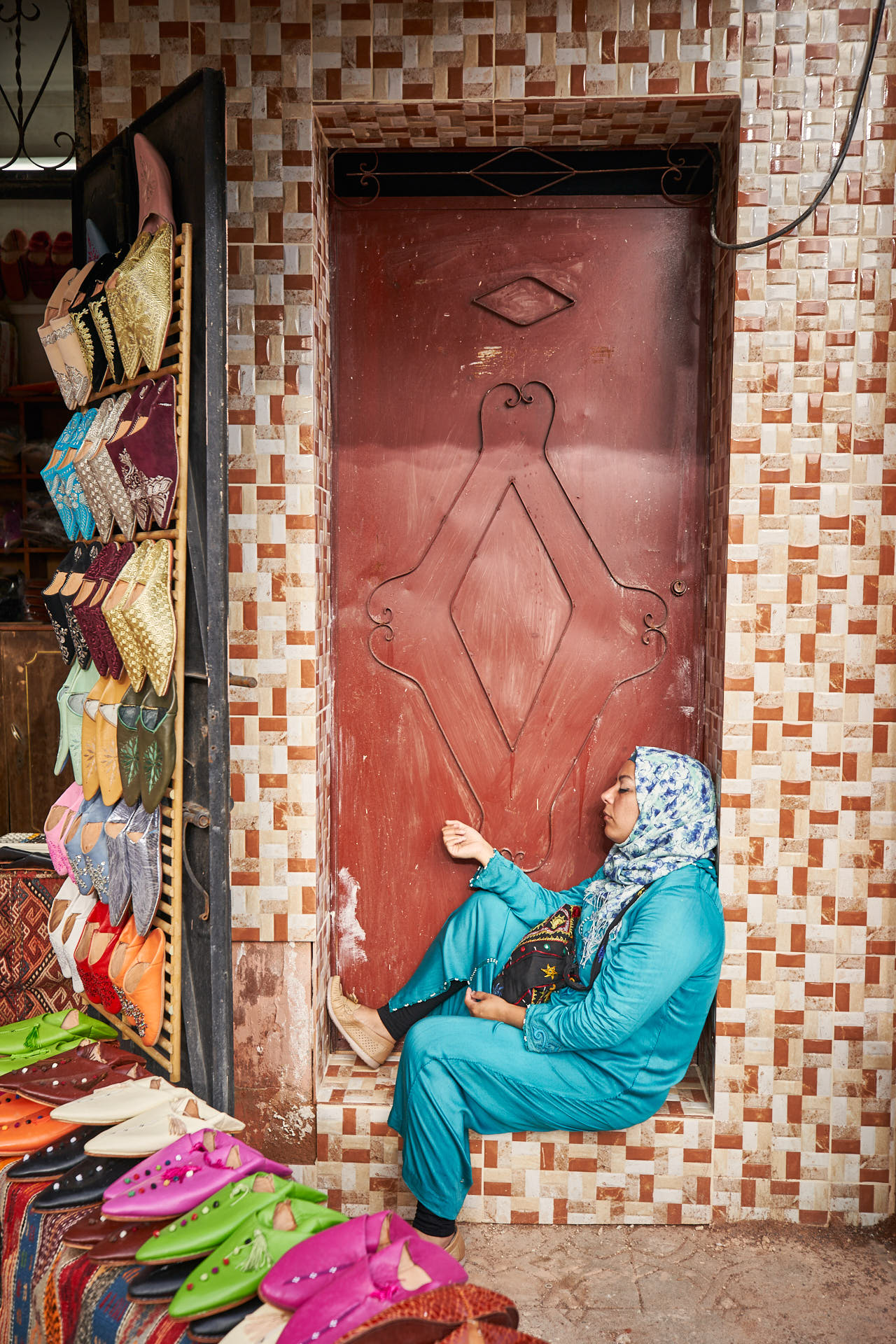
Morocco, 2022
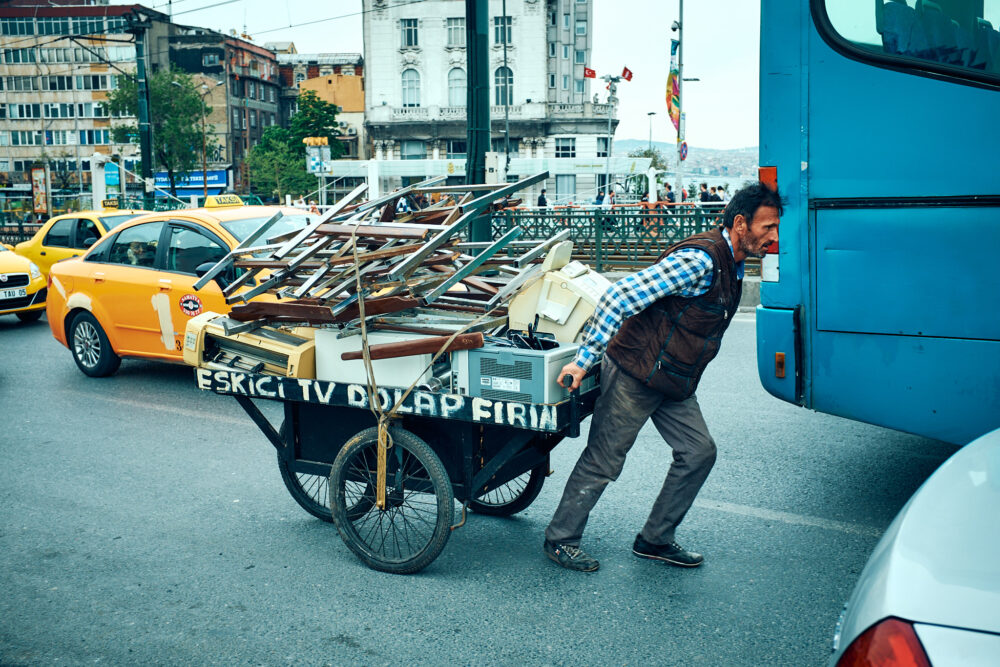
Turkey, 2015
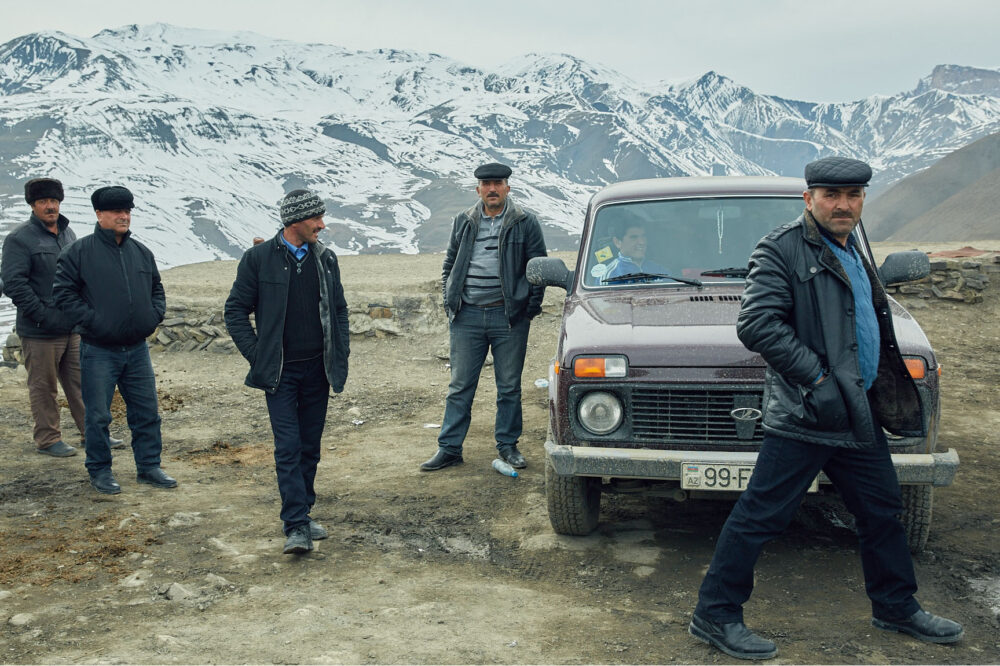
Khinalug, Azerbaijan, 2015
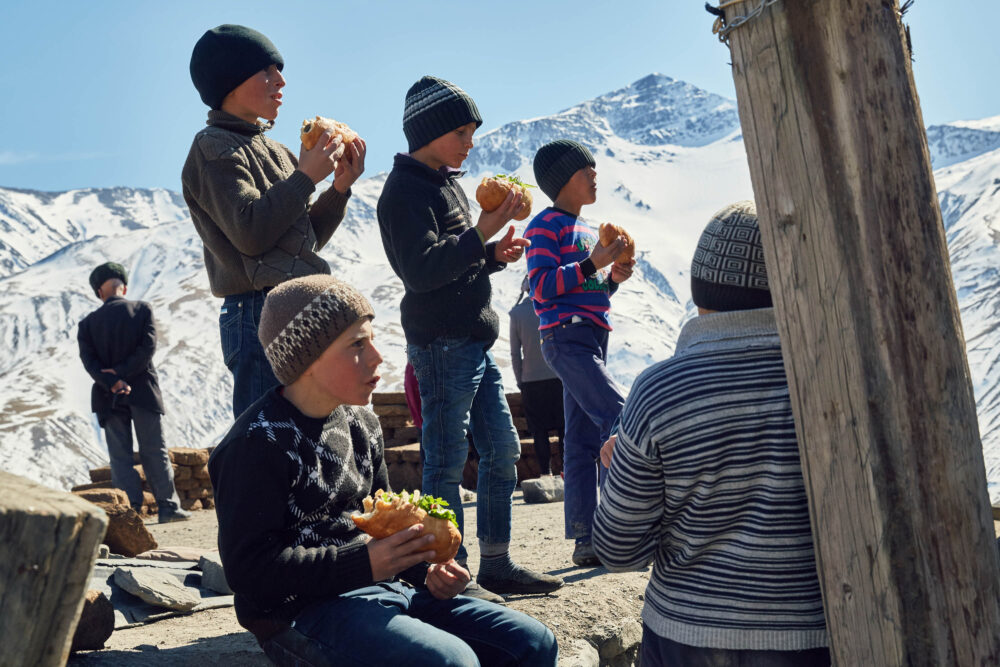
Khinalug, Azerbaijan, 2015
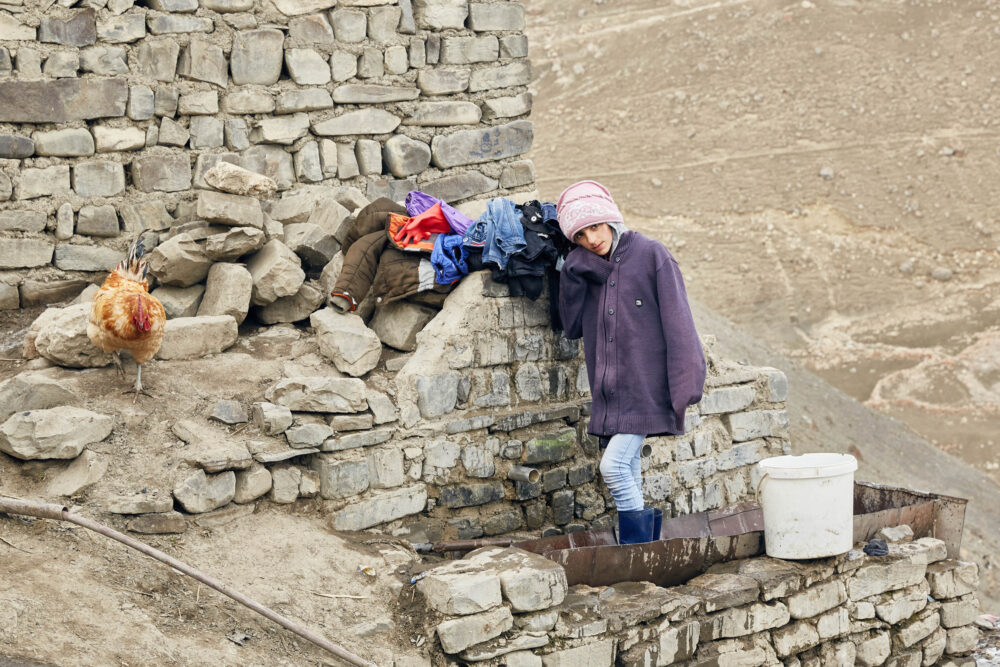
Khinalug, Azerbaijan, 2015
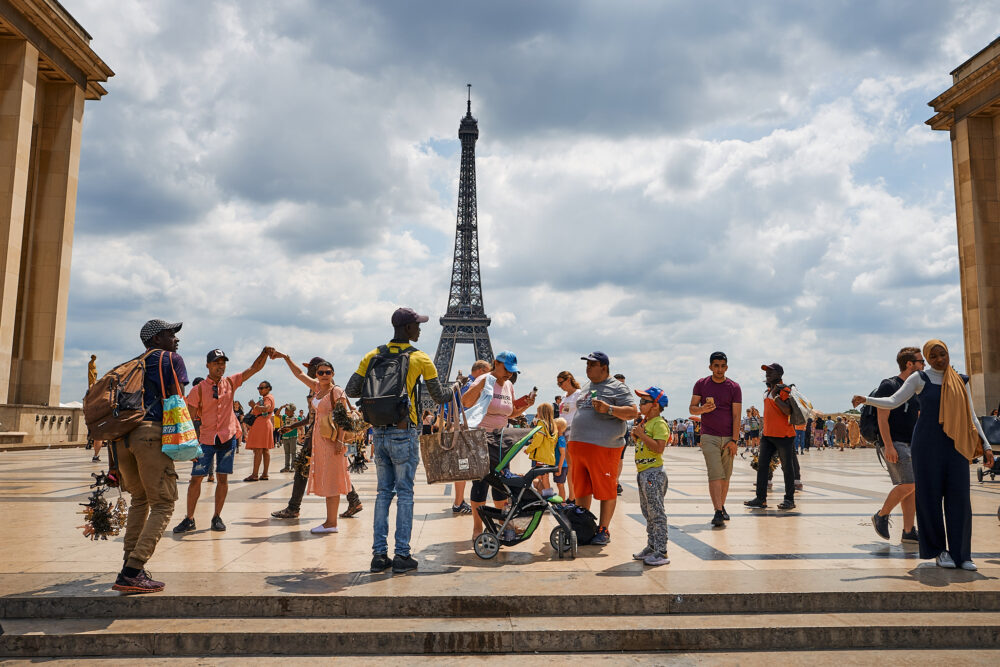
Paris, France, 2019
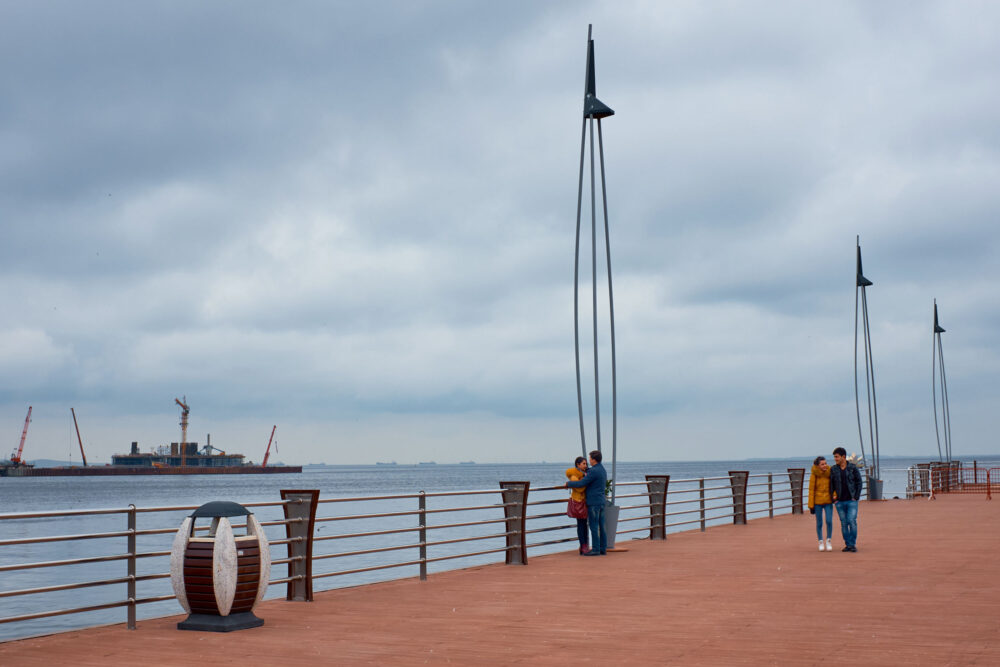
Baku, Azerbaijan, 2015
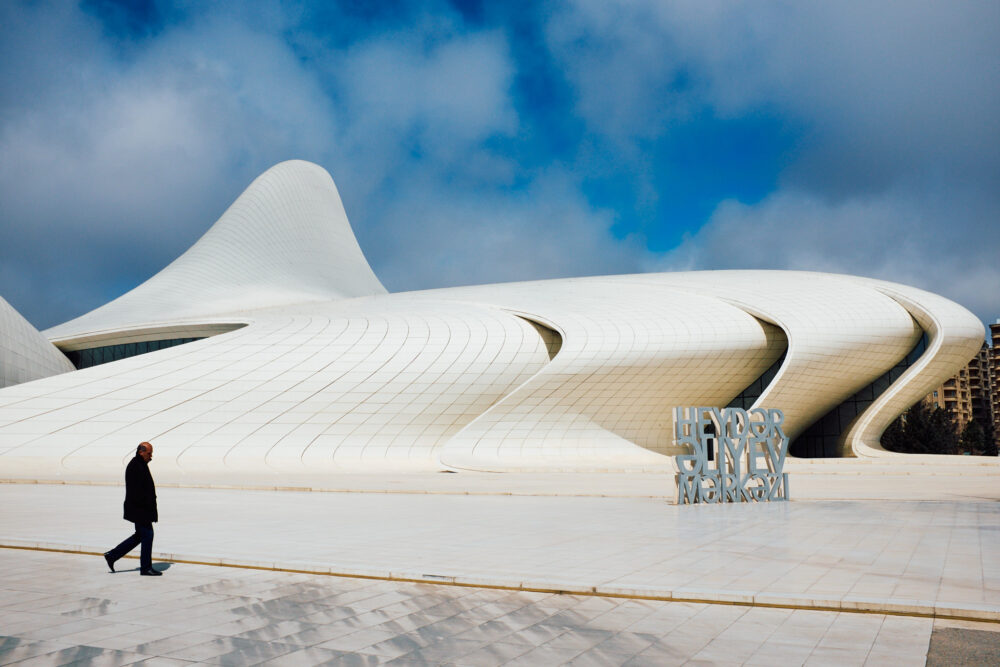
Baku, Azerbaijan, 2015
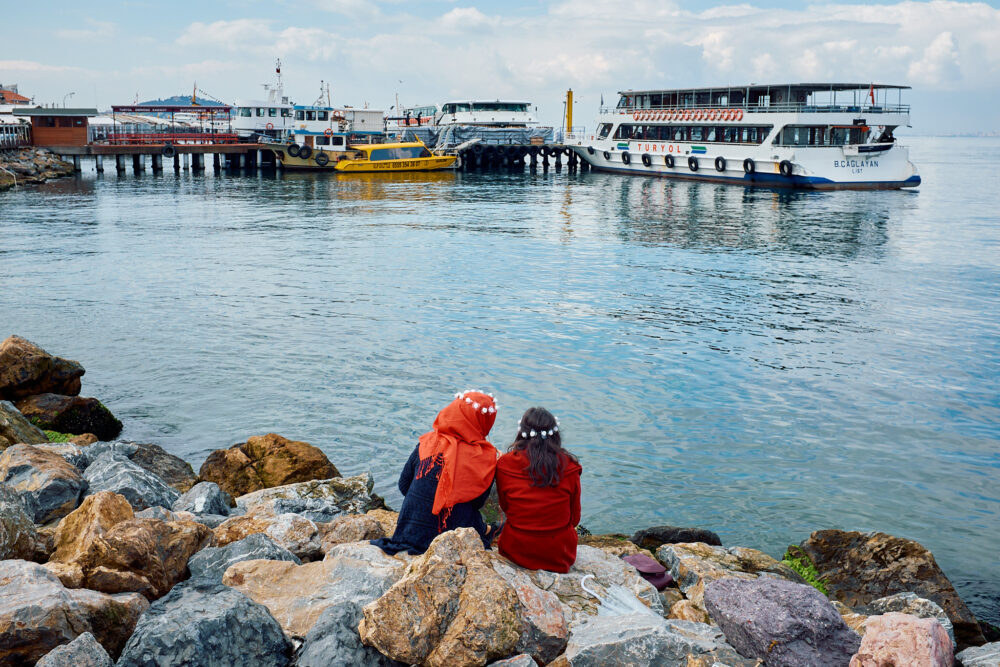
Princes’ Islands, Turkey, 2015
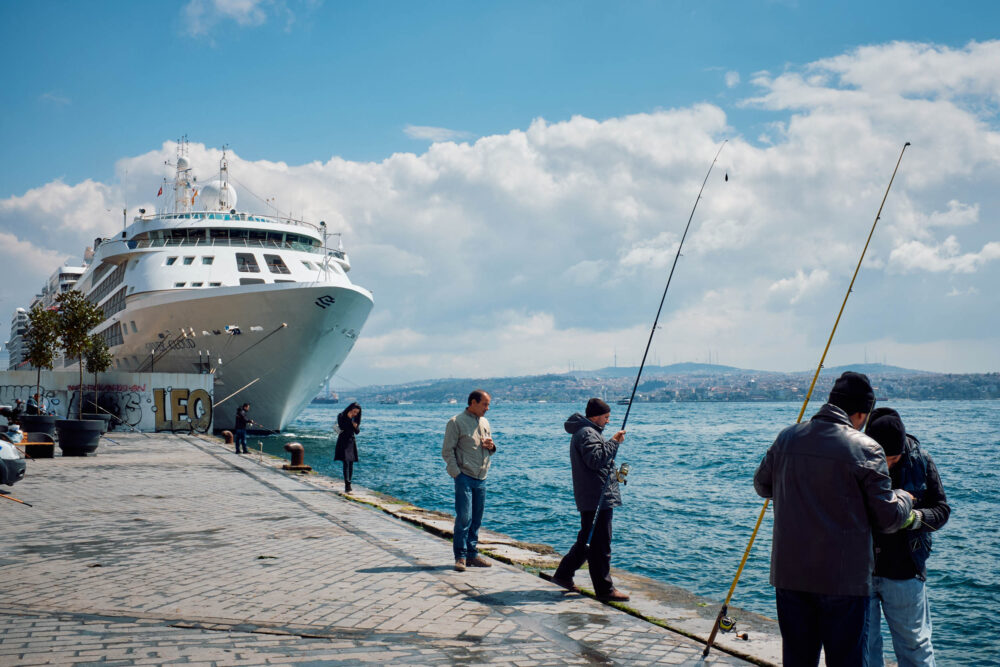
Princes’ Islands, Turkey, 2015
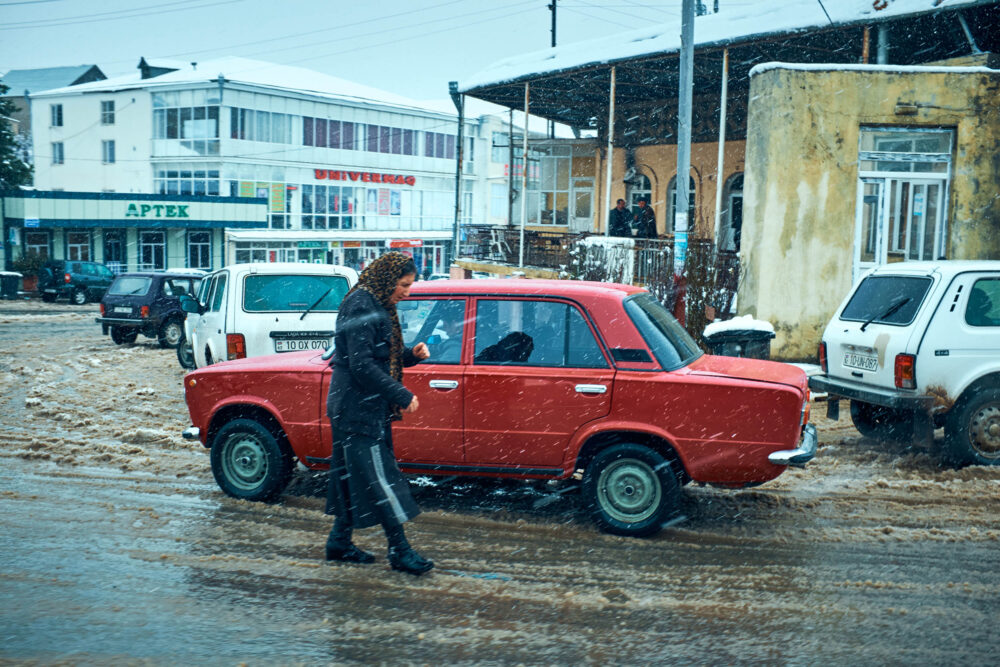
Baku, Azerbaijan, 2015
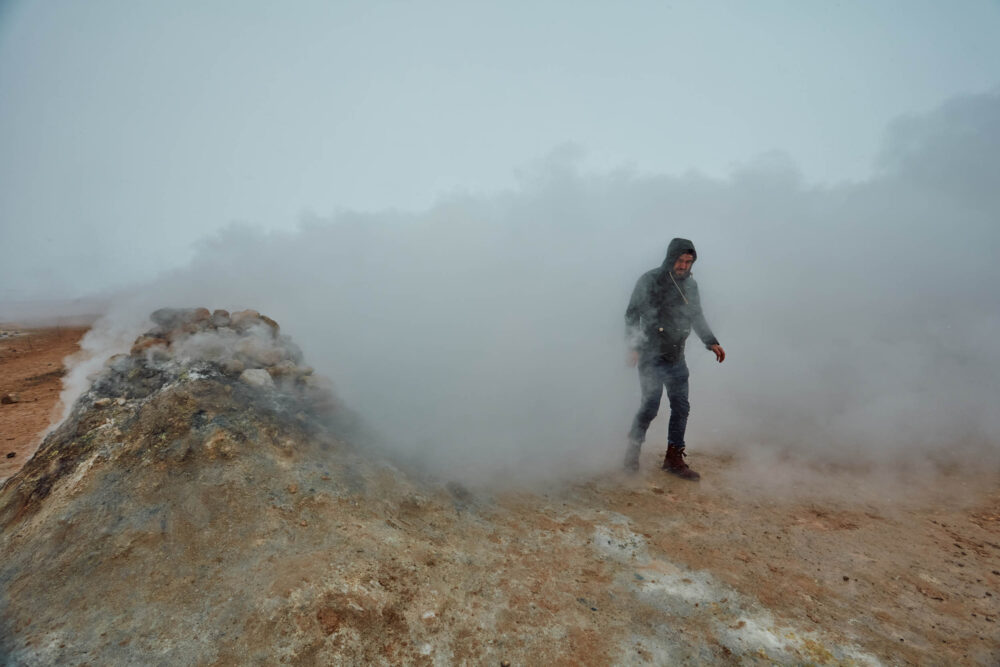
Iceland, 2016
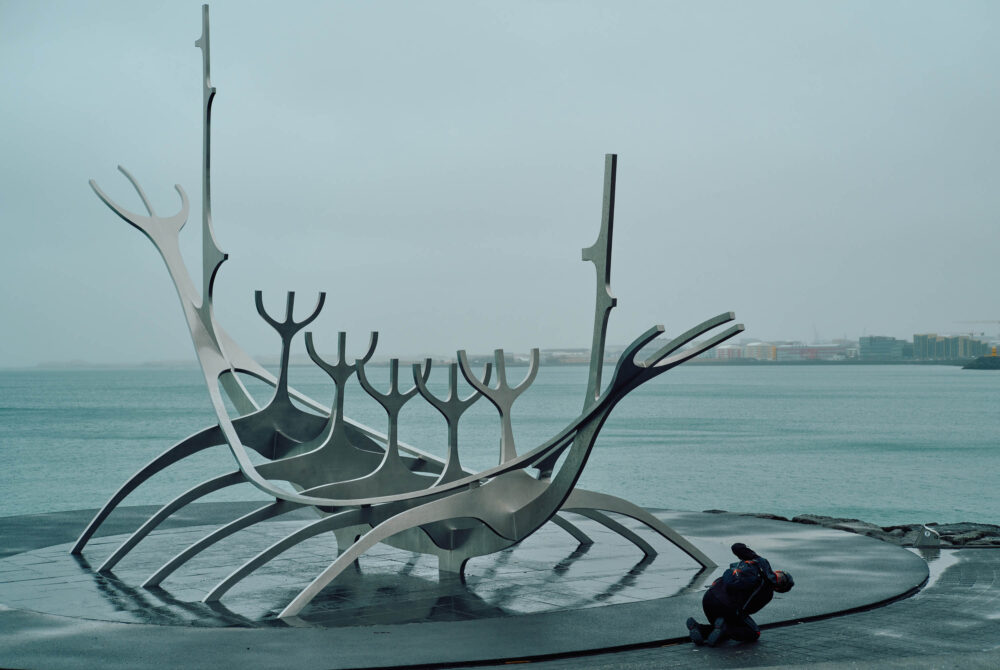
Reykjavík, Iceland, 2022
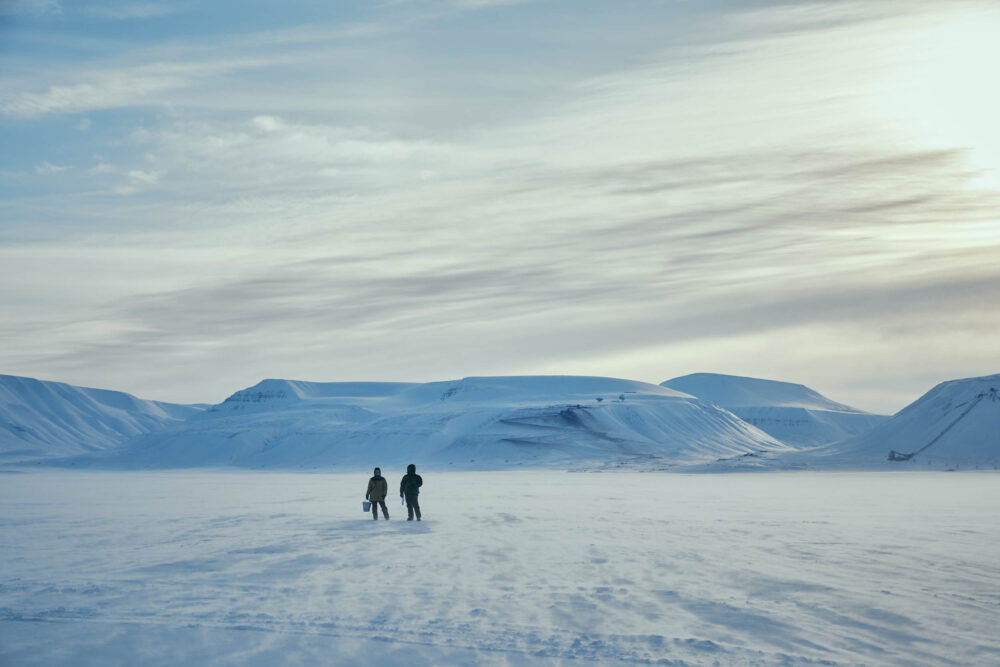
Svalbard, 2018
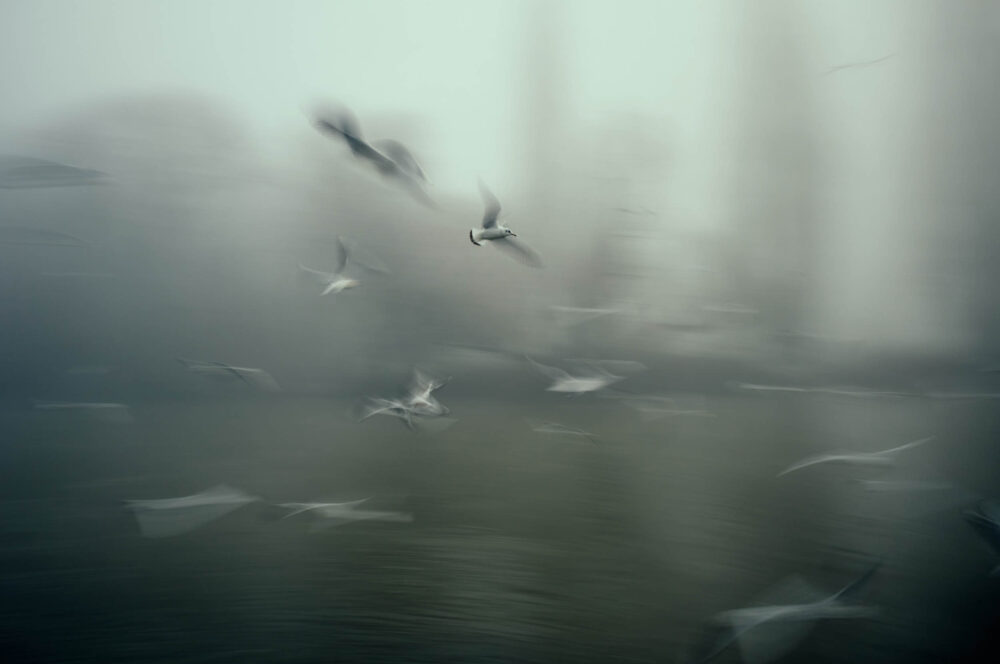
Abingdon-on-Thames, United Kingdom, 2025
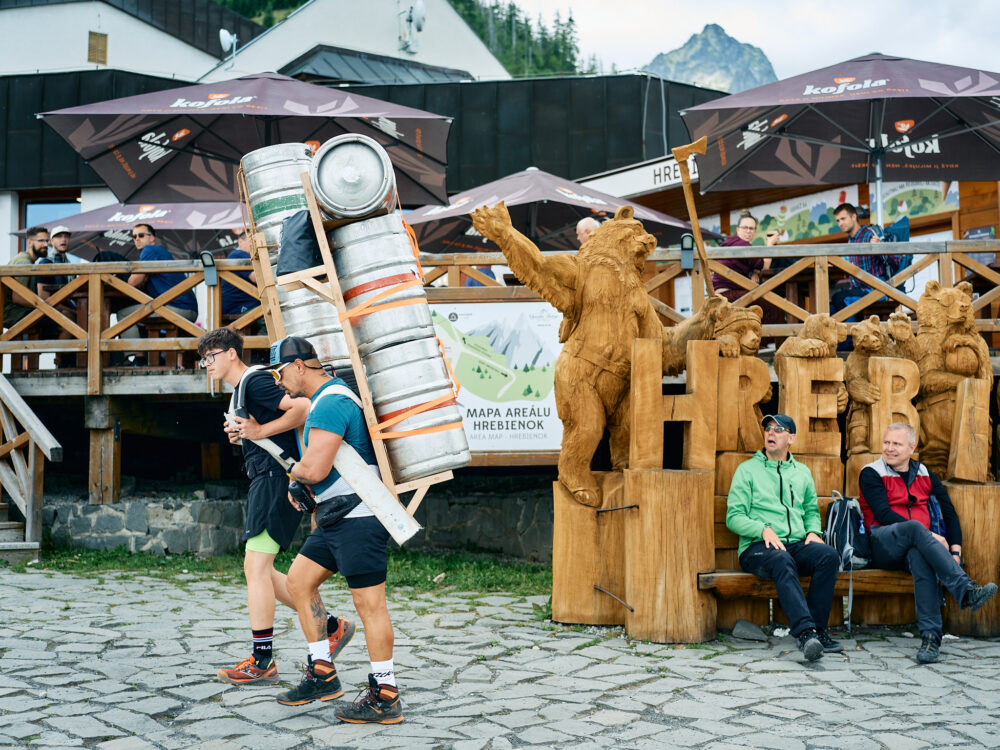
Hrebienok, High Tatras, Slovakia, 2026
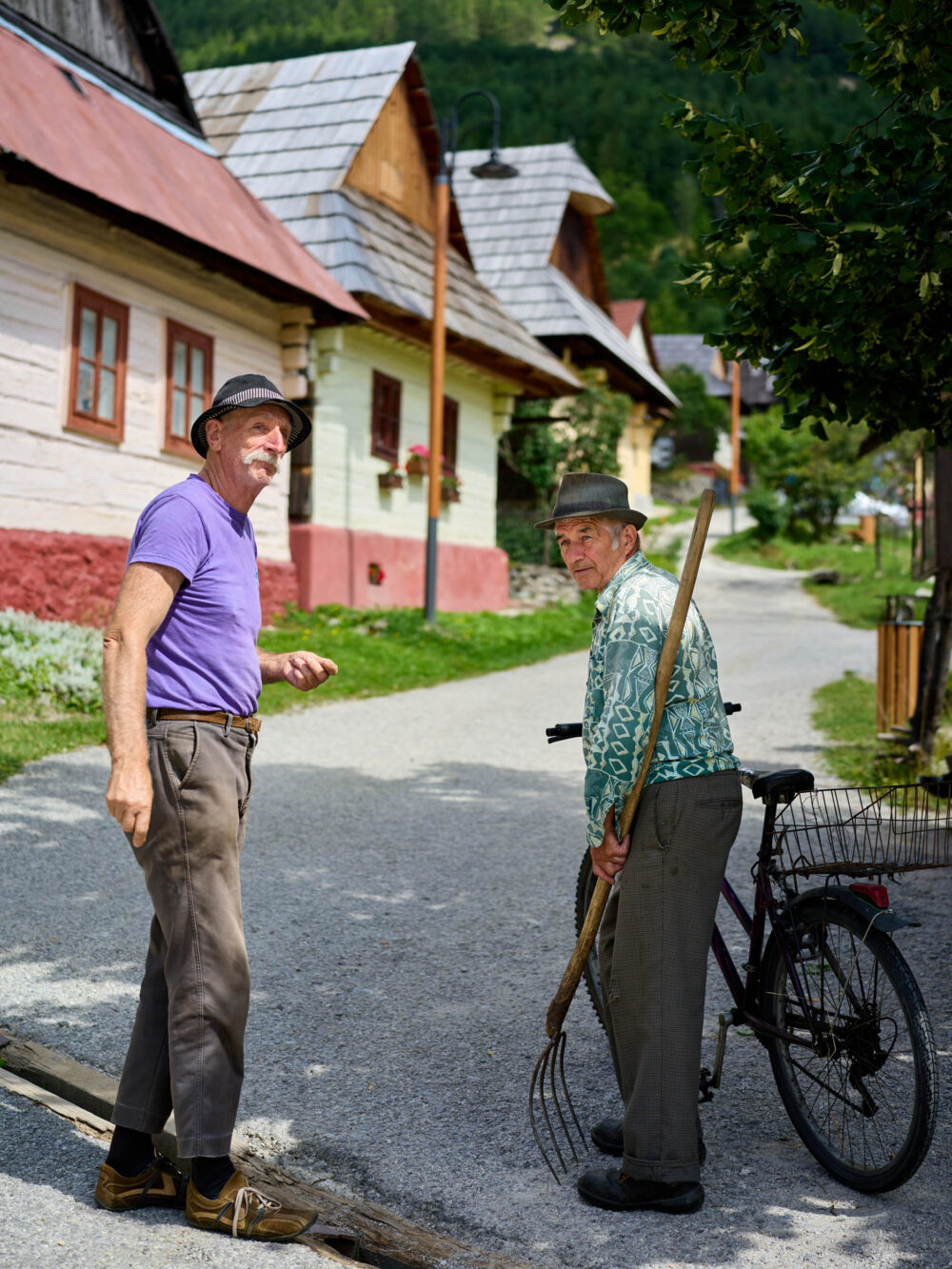
Vlkolinec, Slovakia, 2026
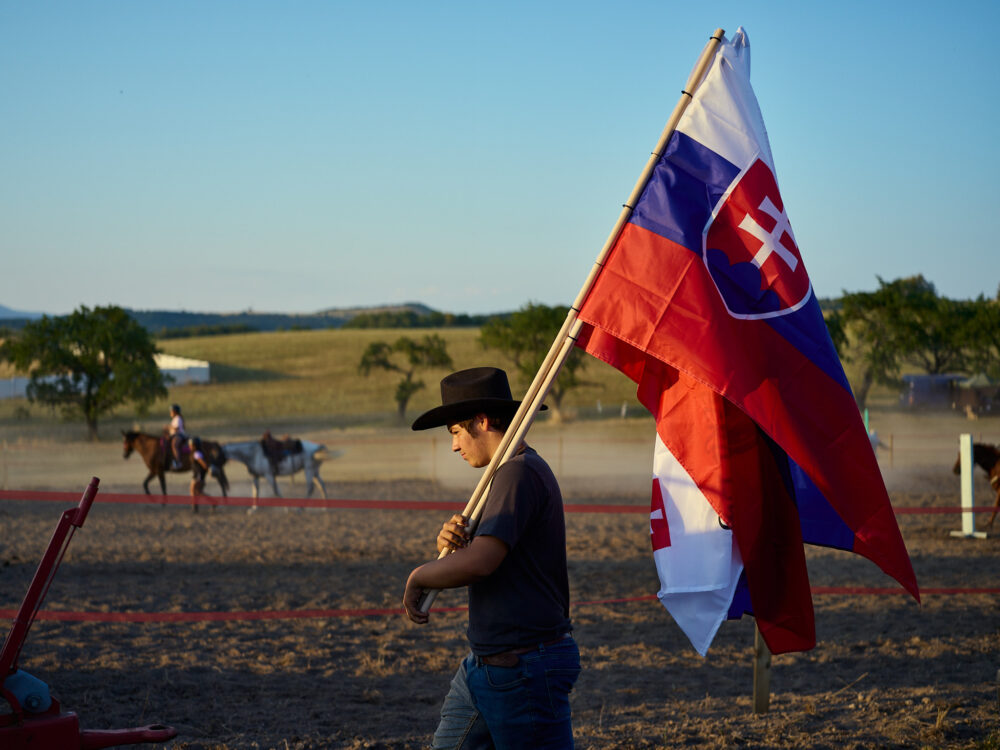
Velka Lehota, Slovakia. 2026
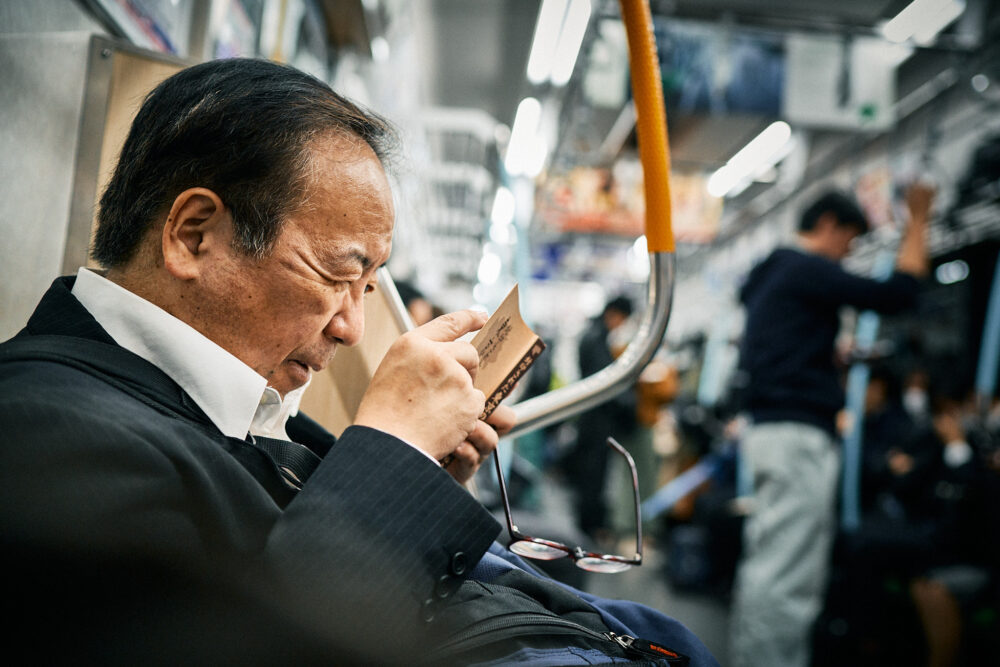
Tokyo, Japan, 2018
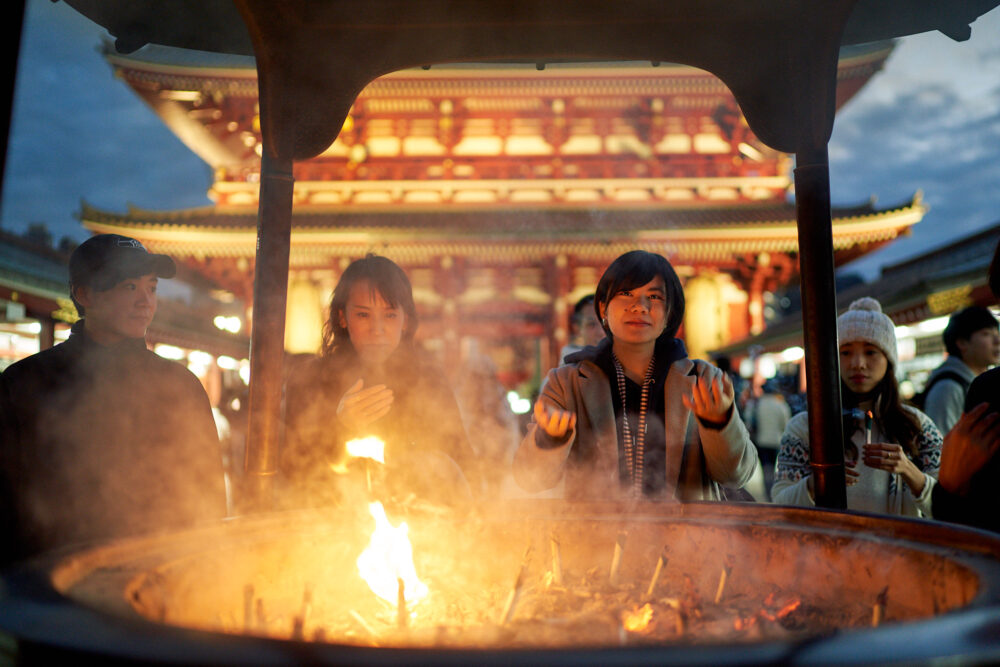
Tokyo, Japan, 2018
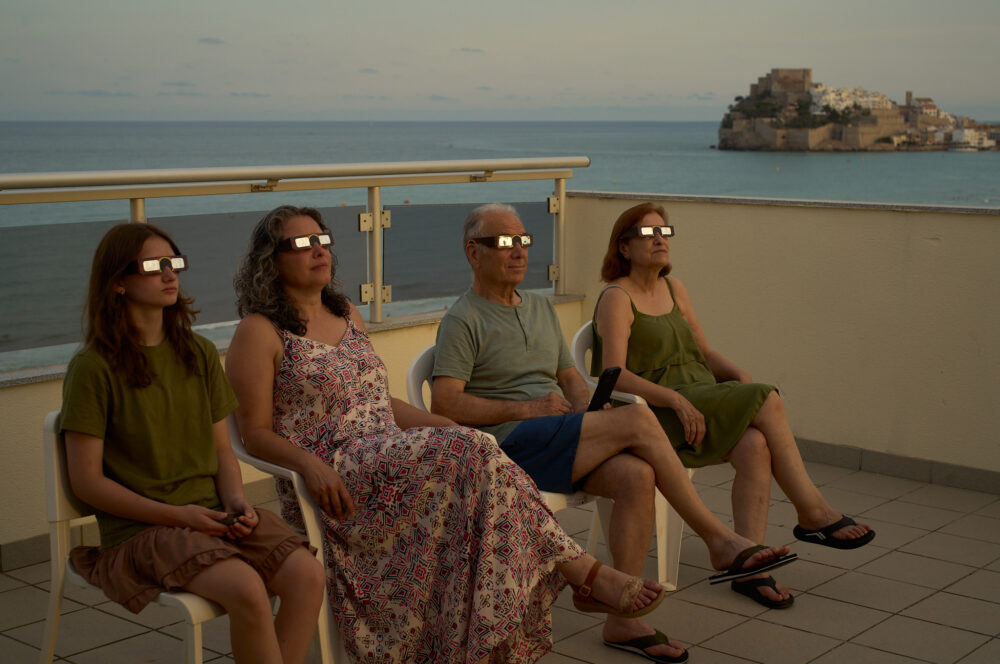
Family waiting for the total solar eclipse. Peñíscola, Spain, 2026
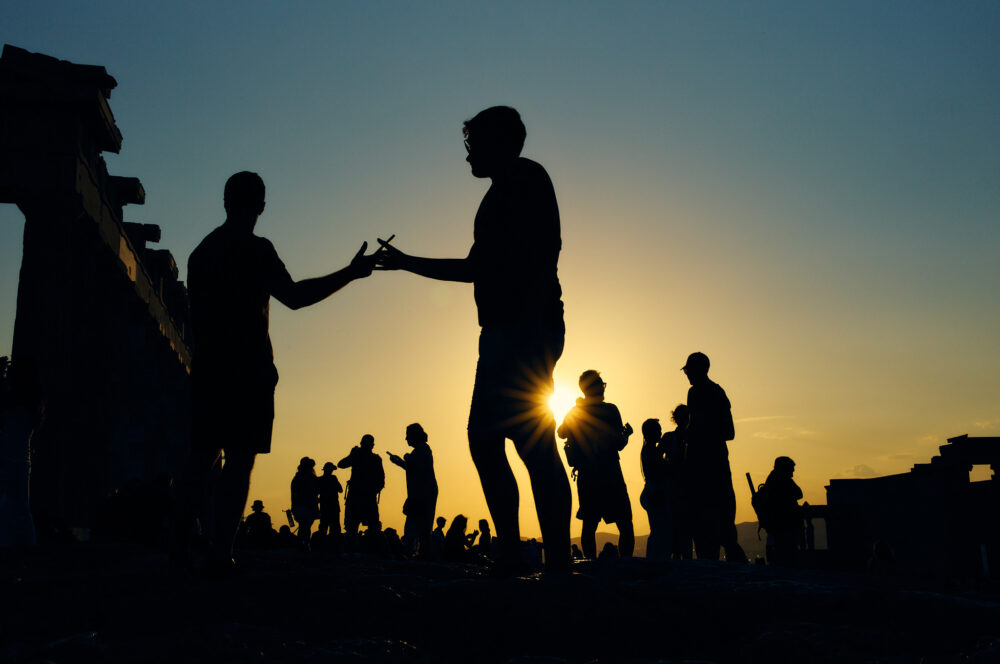
Acropolis of Athens, Greece, 2024
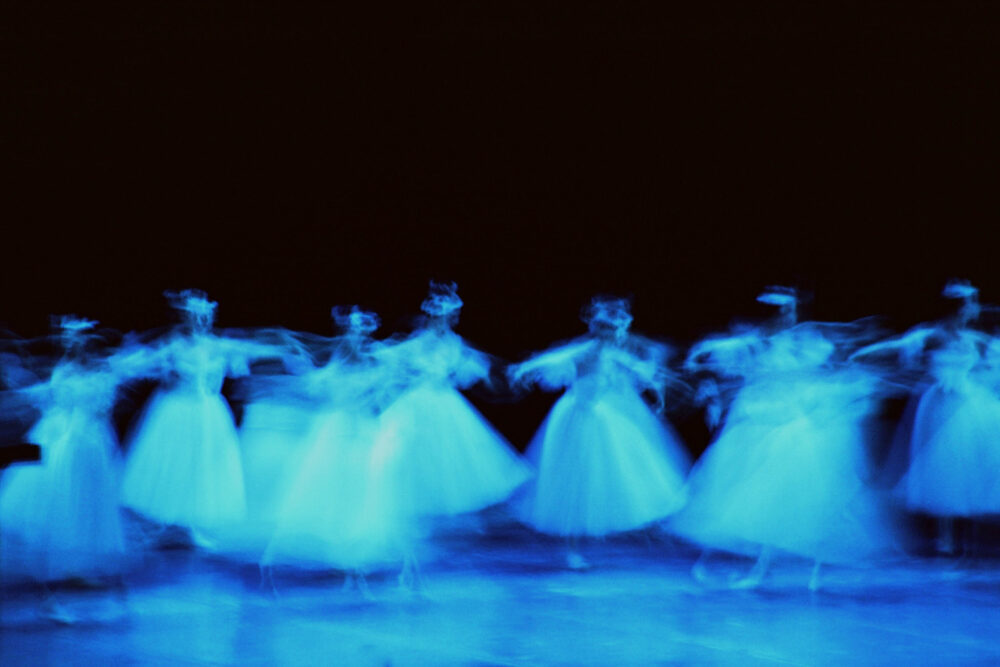
The Amphitheatre in Pula, Croatia
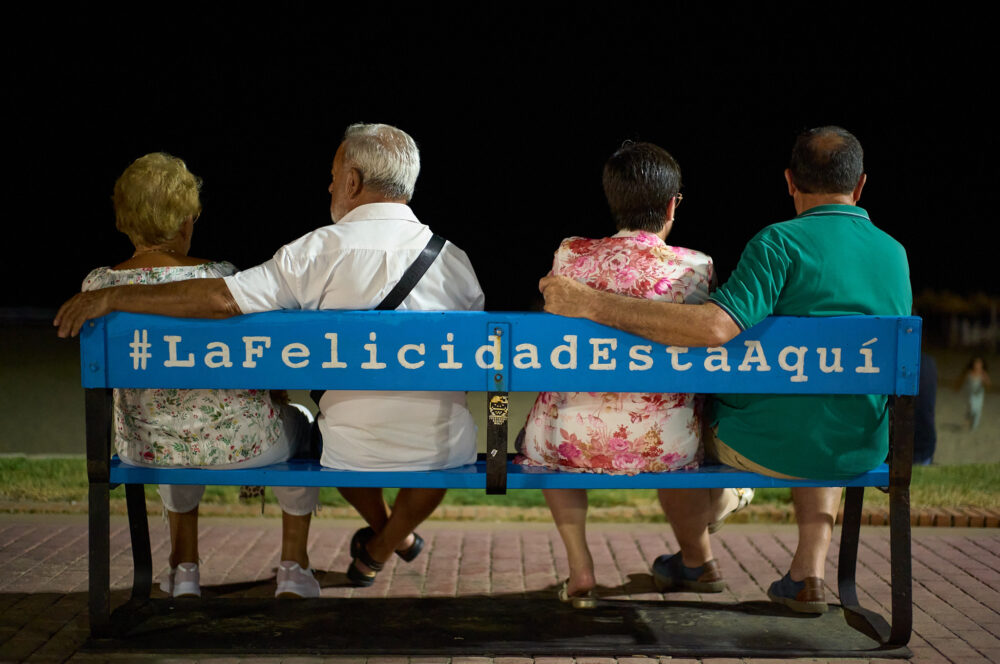
#HappinessIsHere, Peñíscola, Spain, 2026
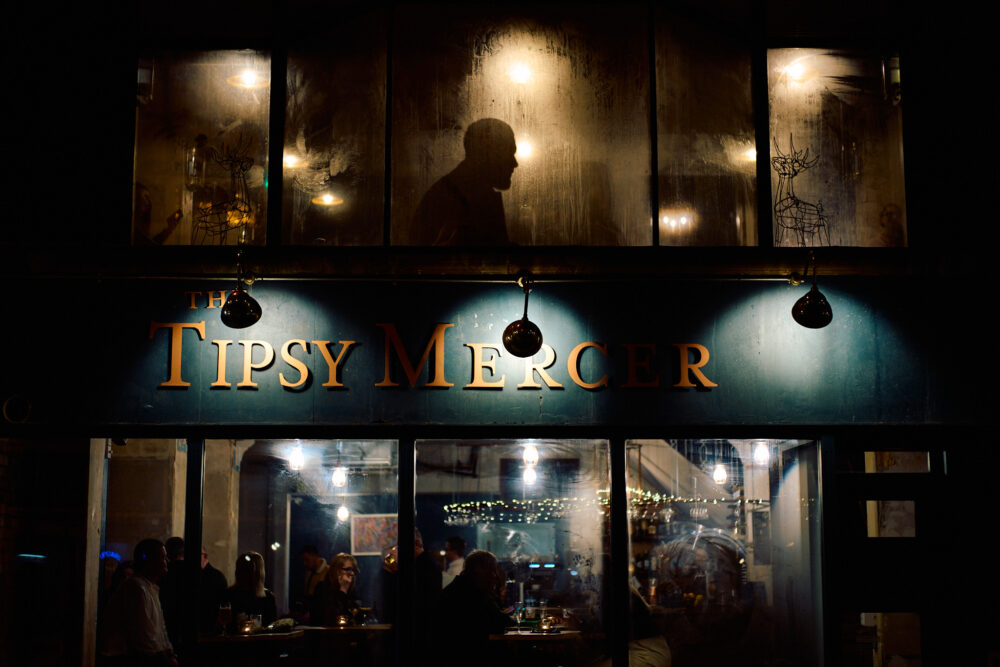
Abingdon-on-Thames, United Kingdom, 2023
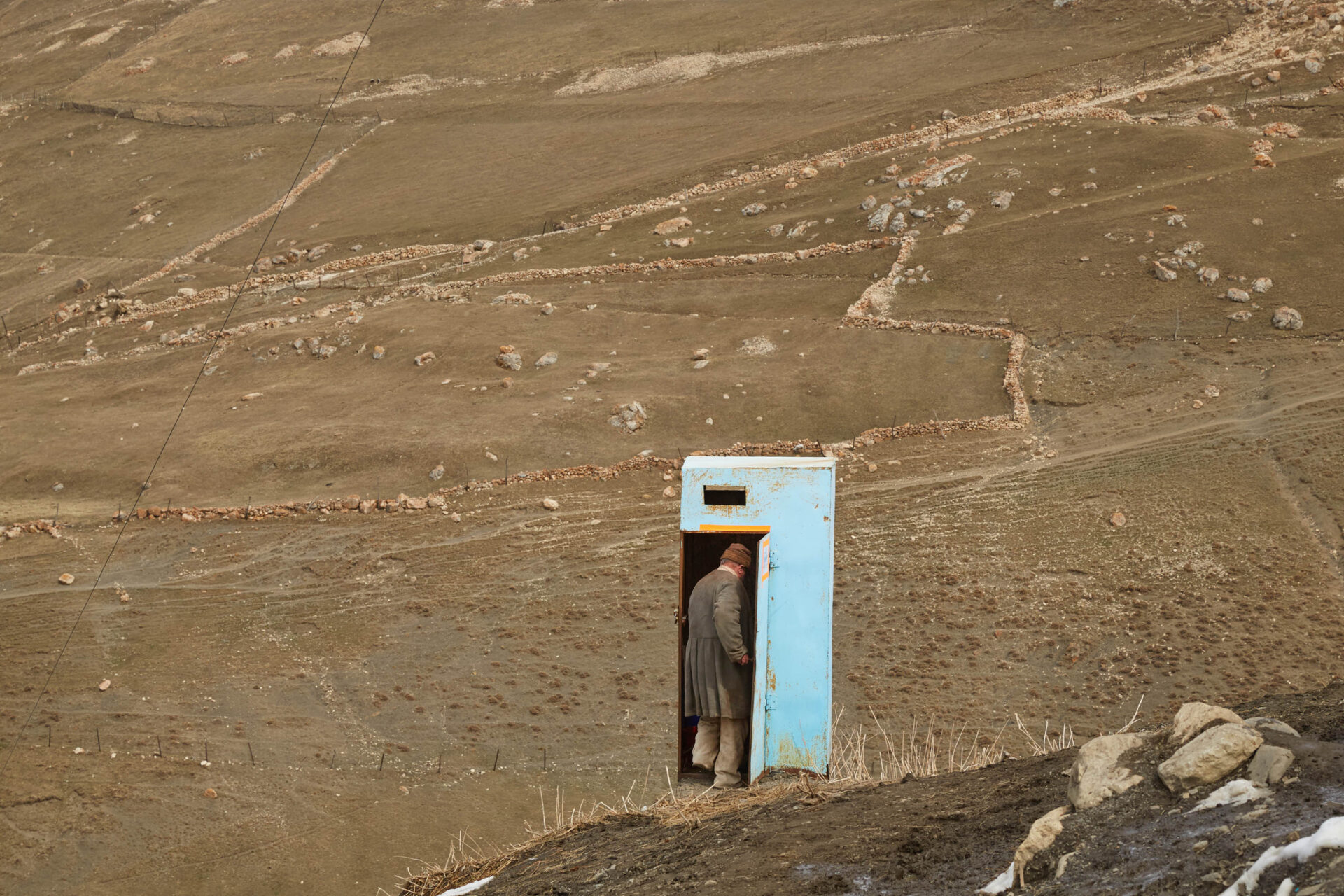
Khinalug, 2015
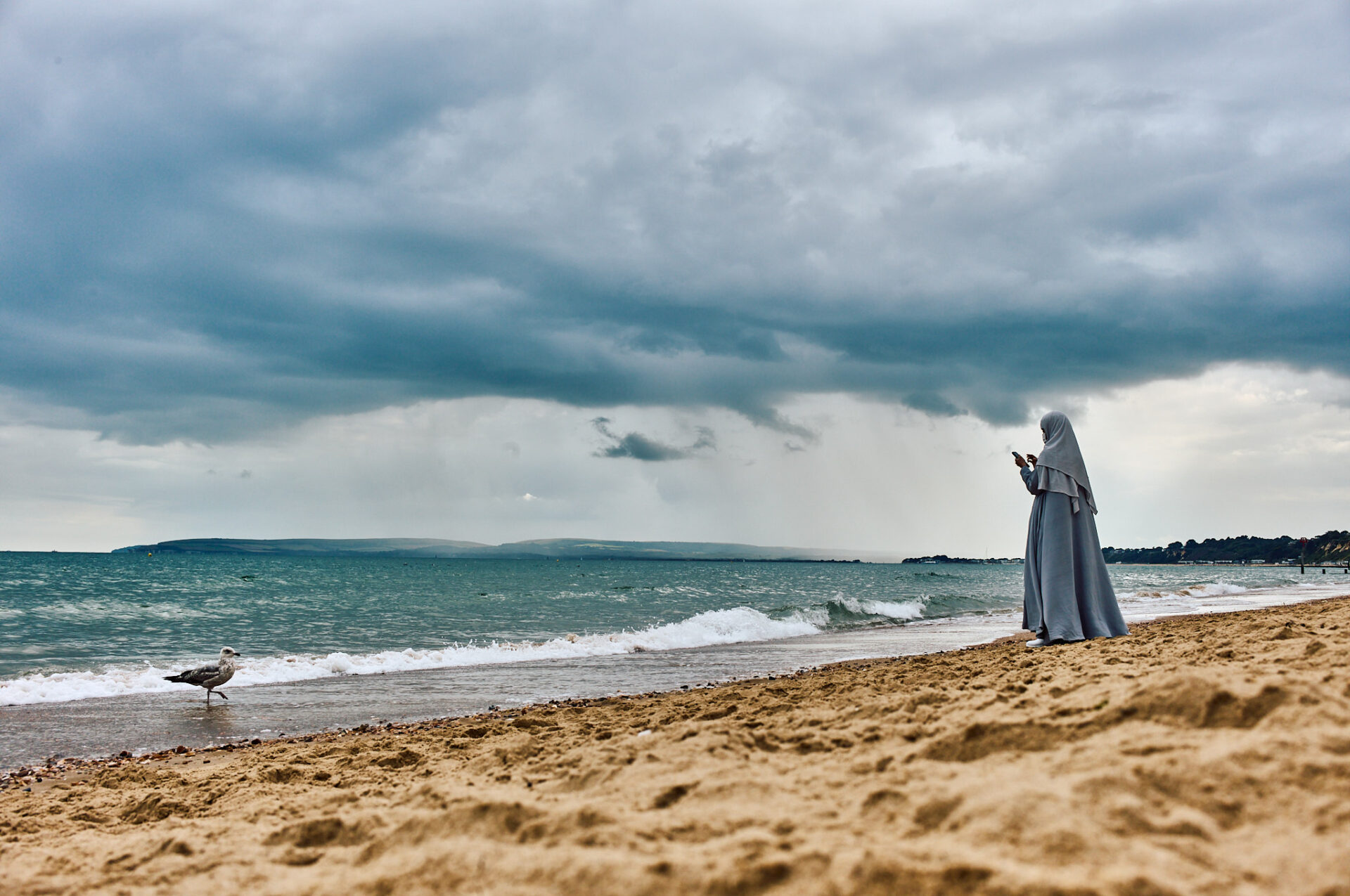
Bournemouth, United Kingdom, 2024
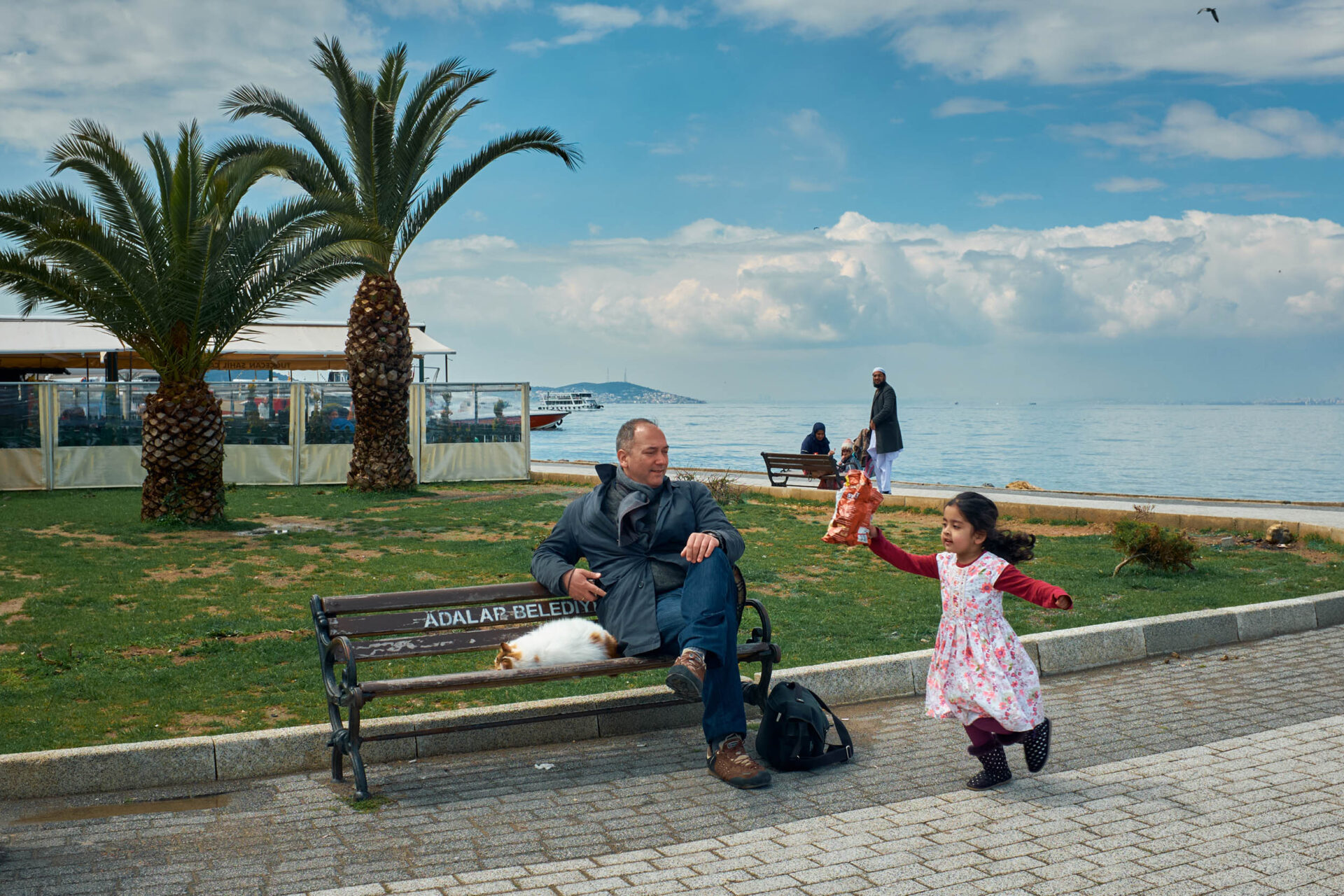
Princes’ Islands, Turkey, 2015
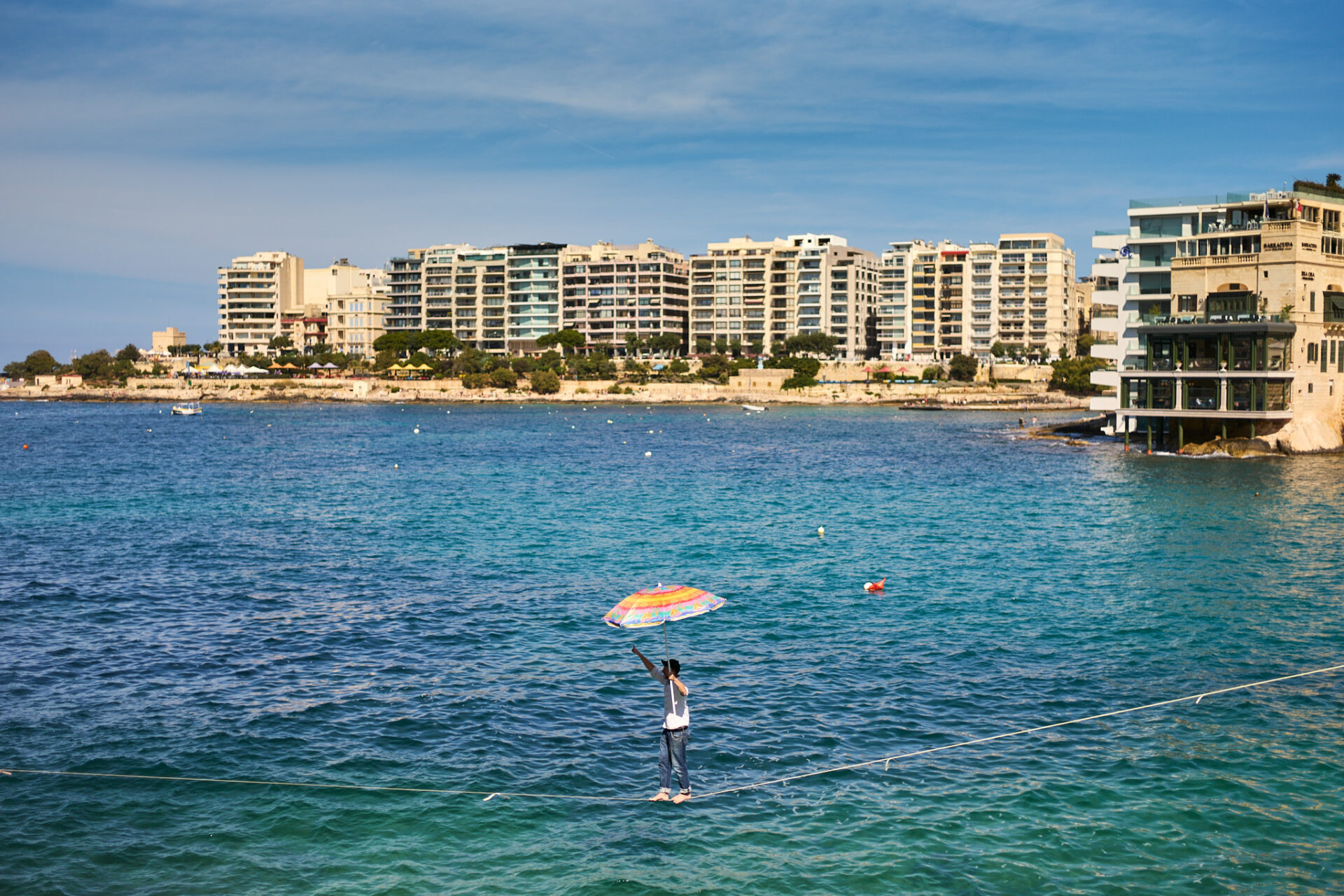
Malta, 2025
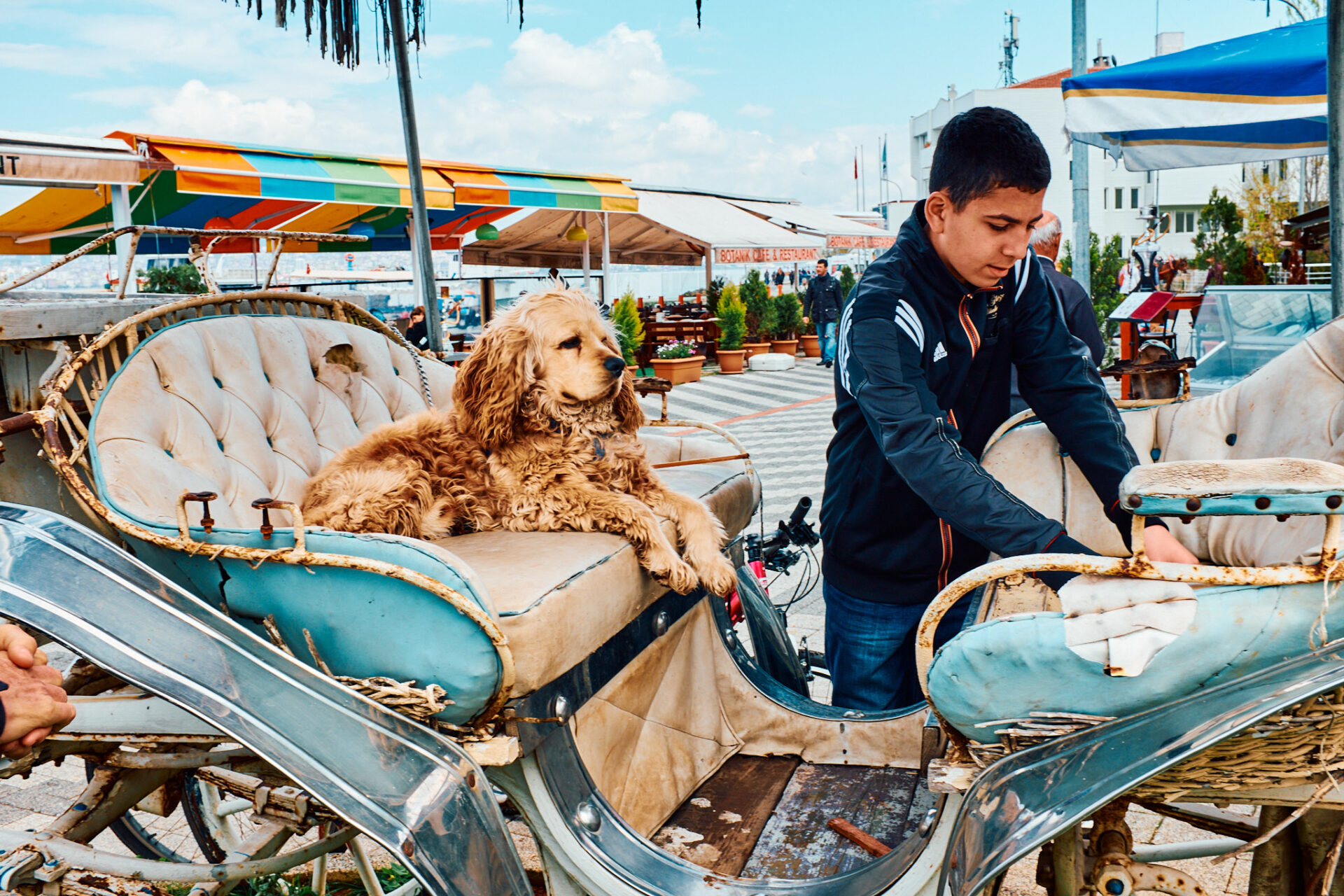
Princes’ Islands, Turkey, 2015
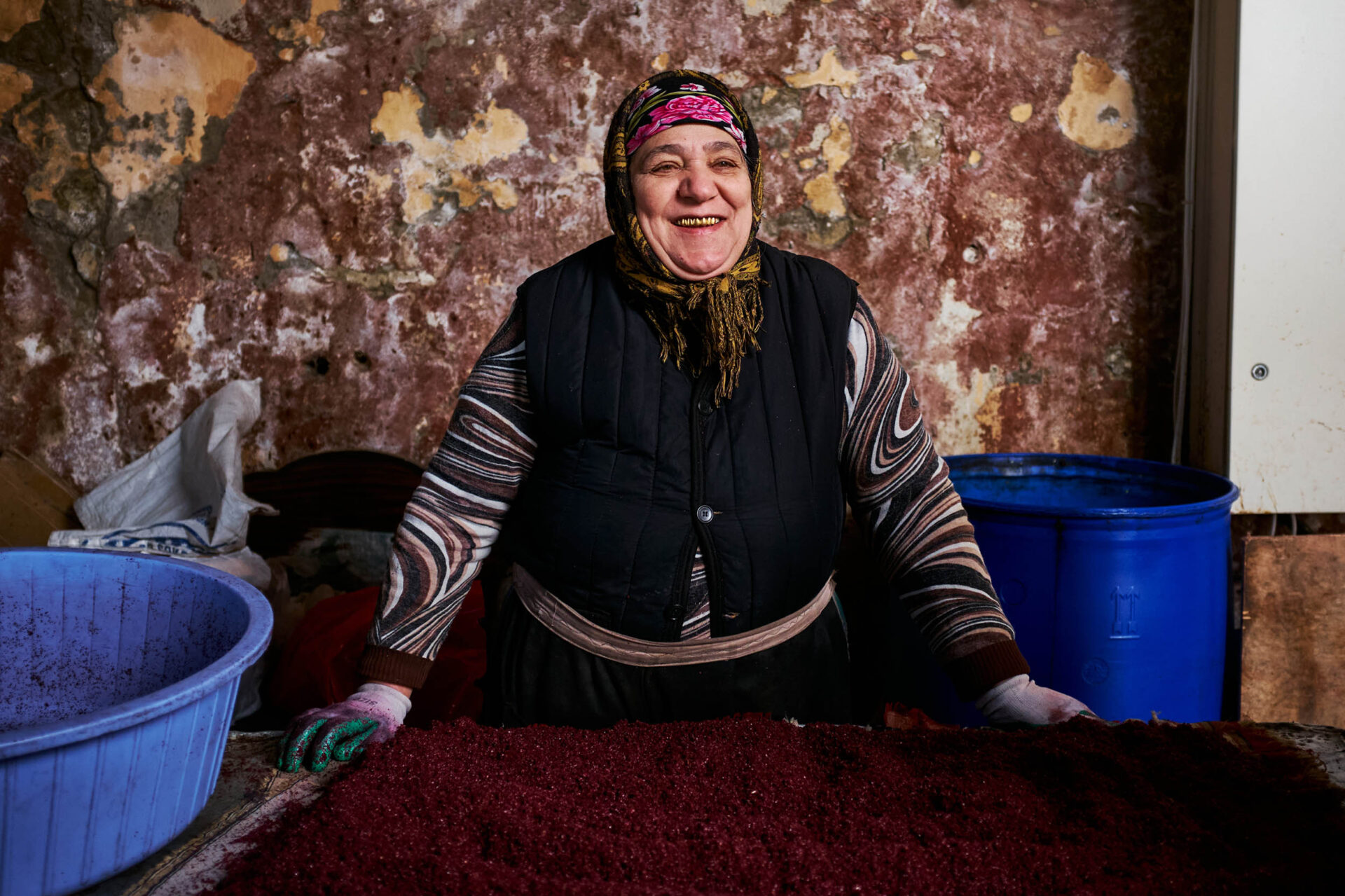
Baku, Azerbaijan, 2015
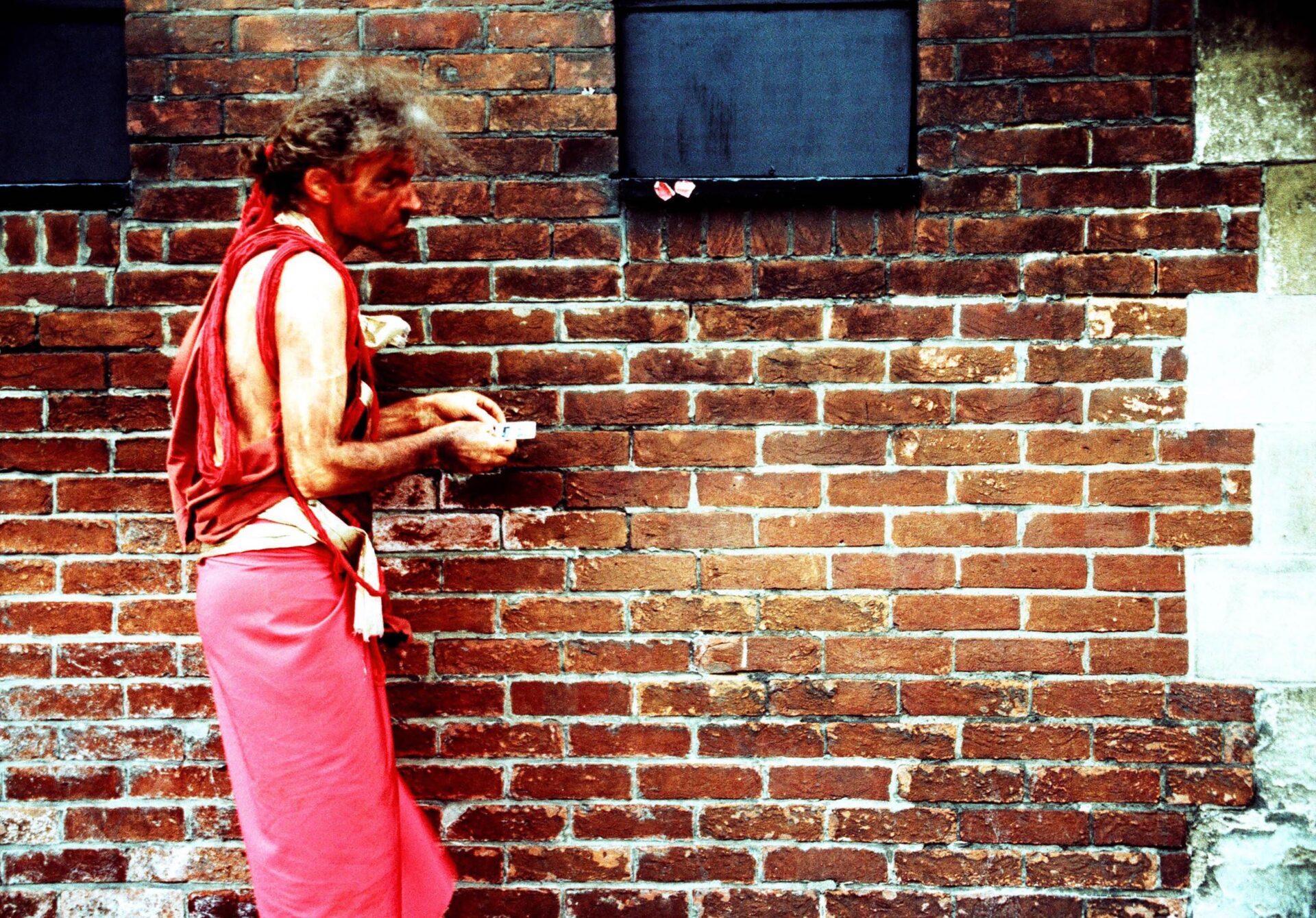
Oxford
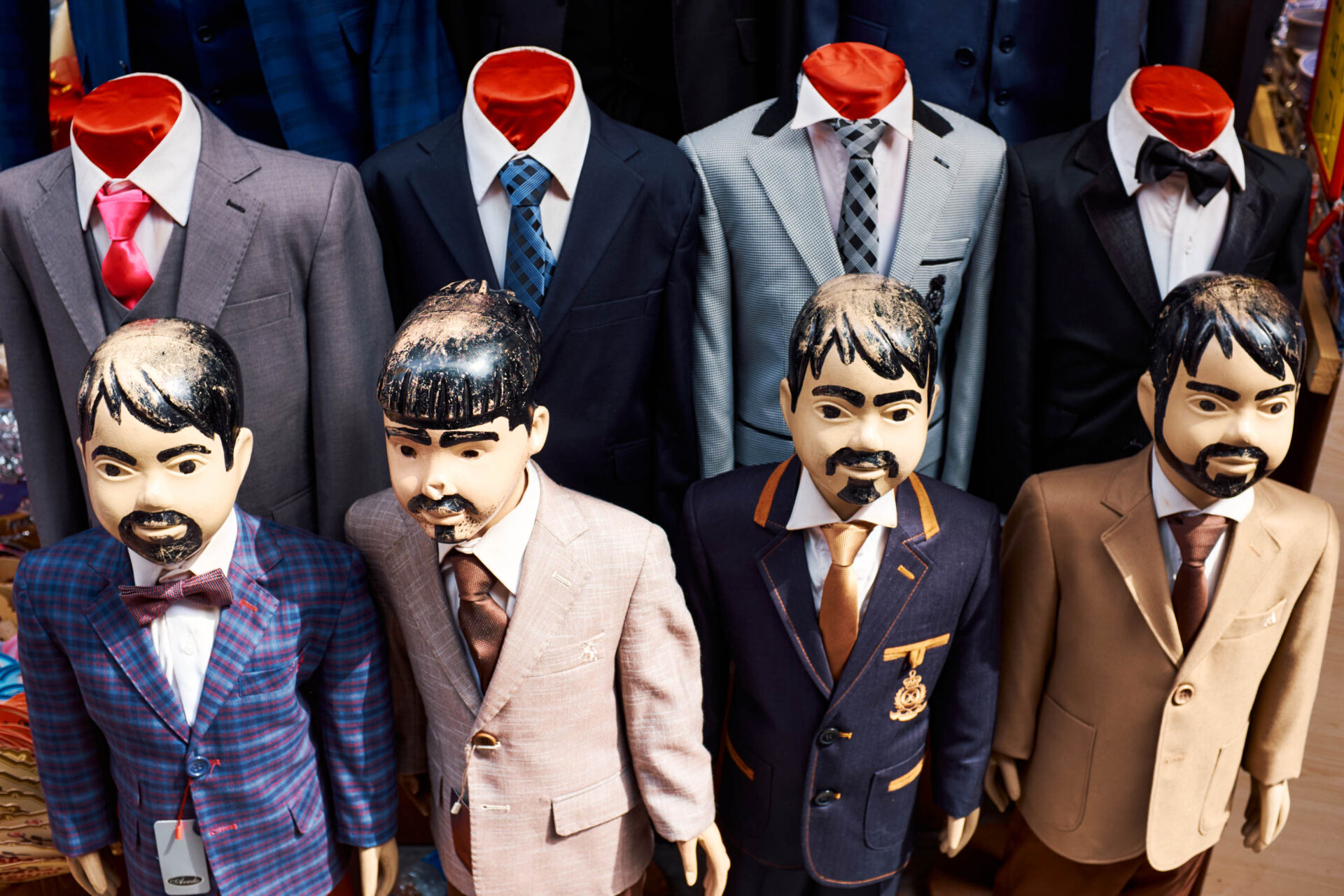
Istanbul, Turkey, 2015
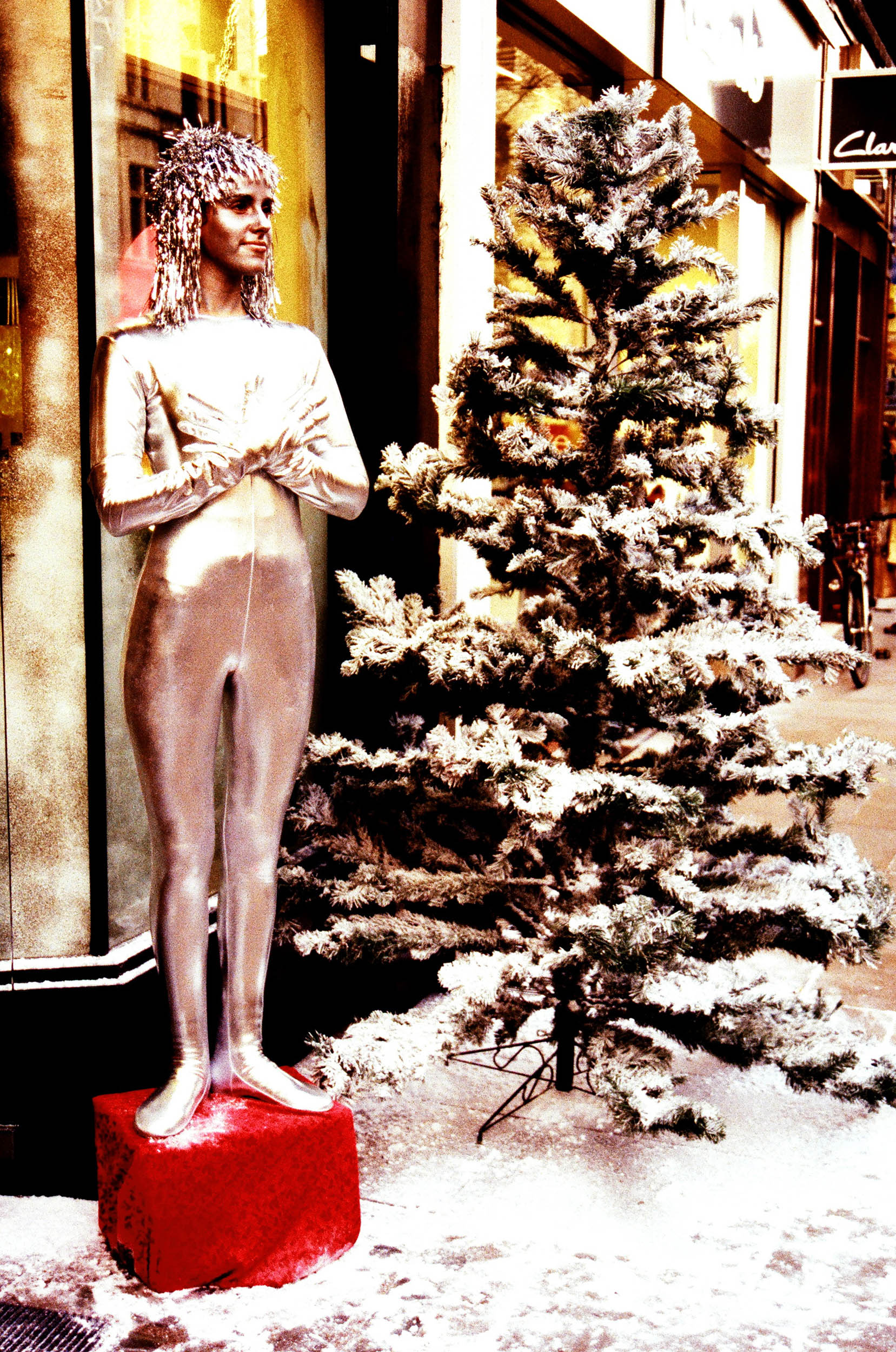
Oxford
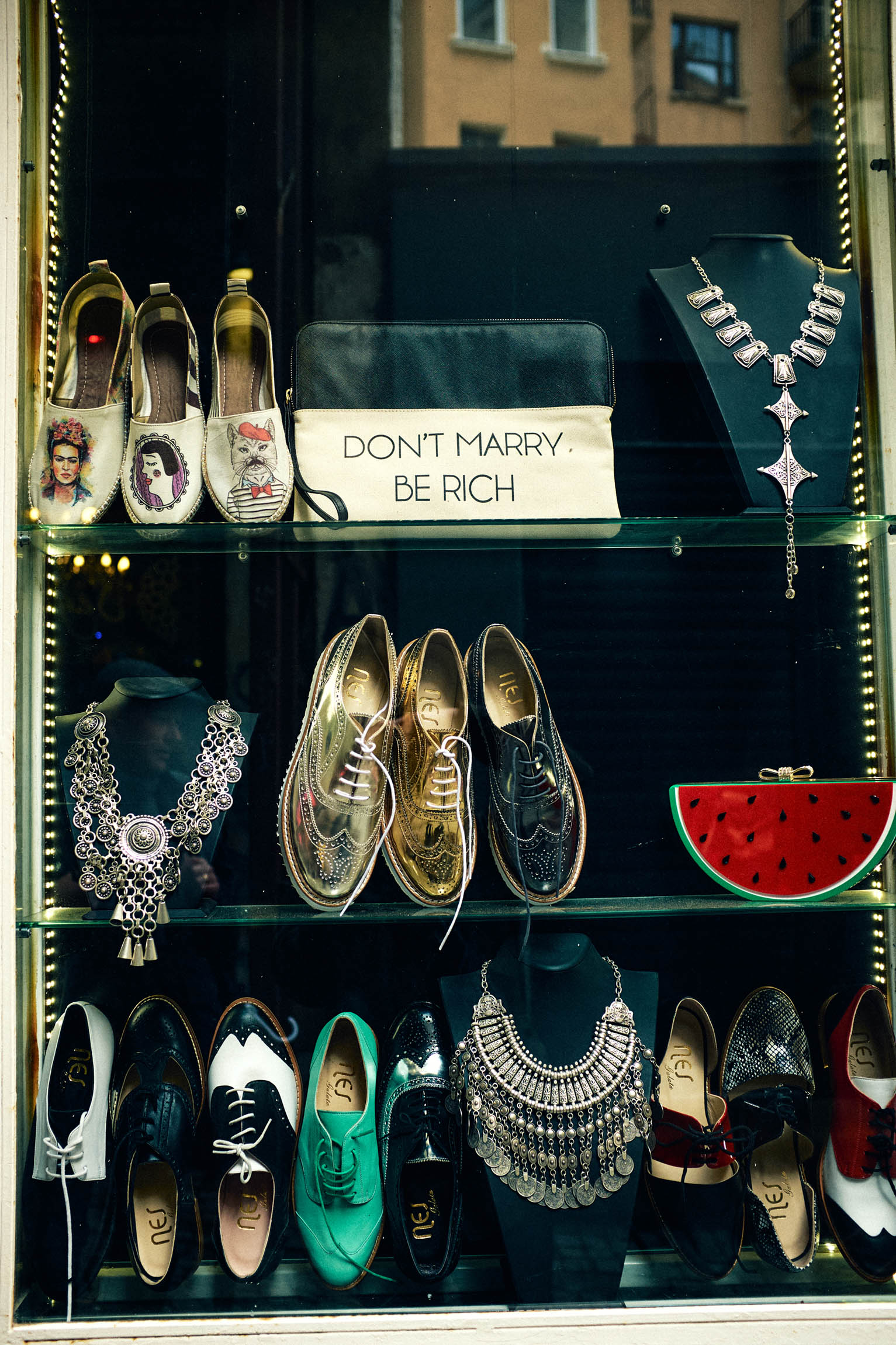
Istanbul, Turkey, 2015
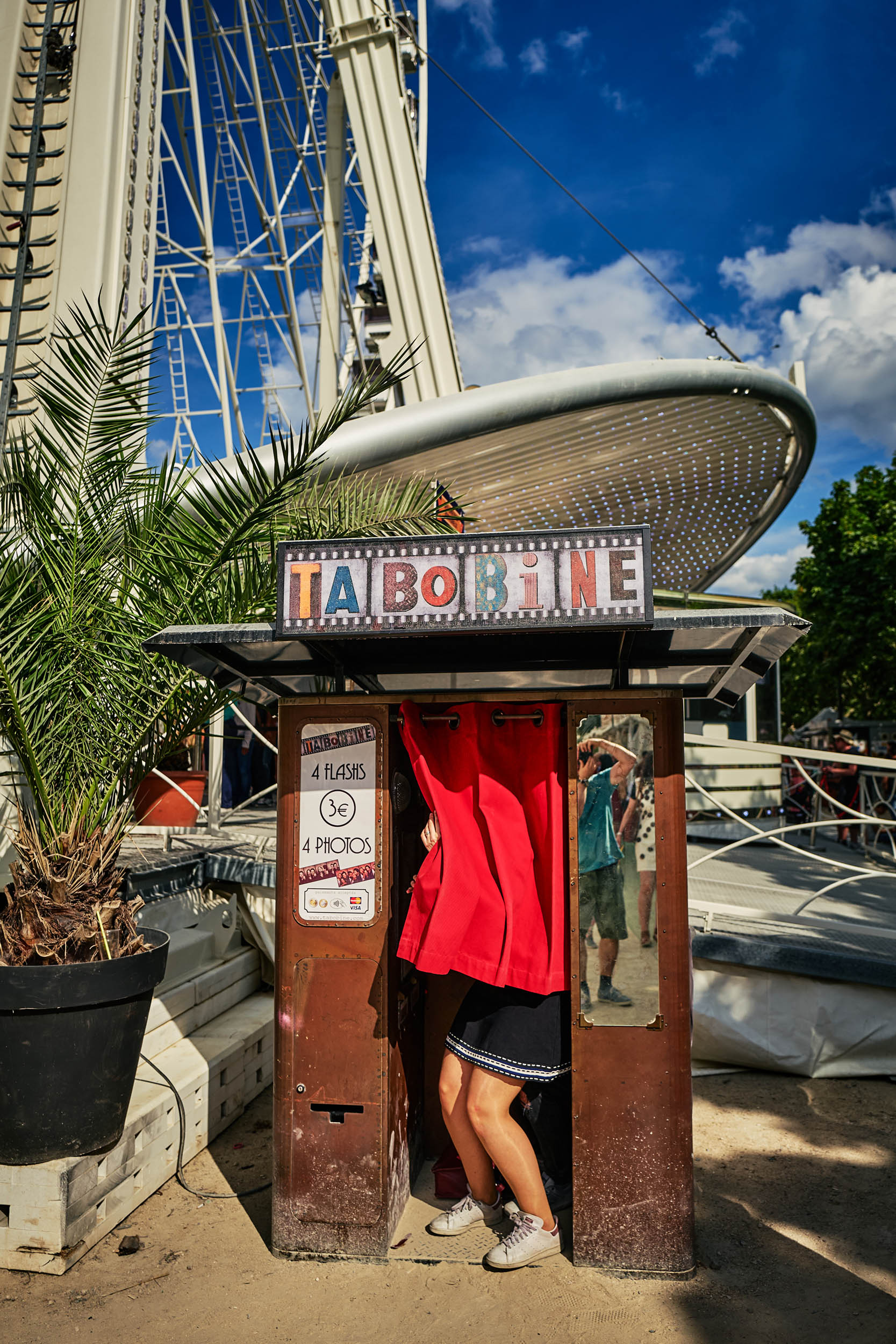
Paris, France, 2019
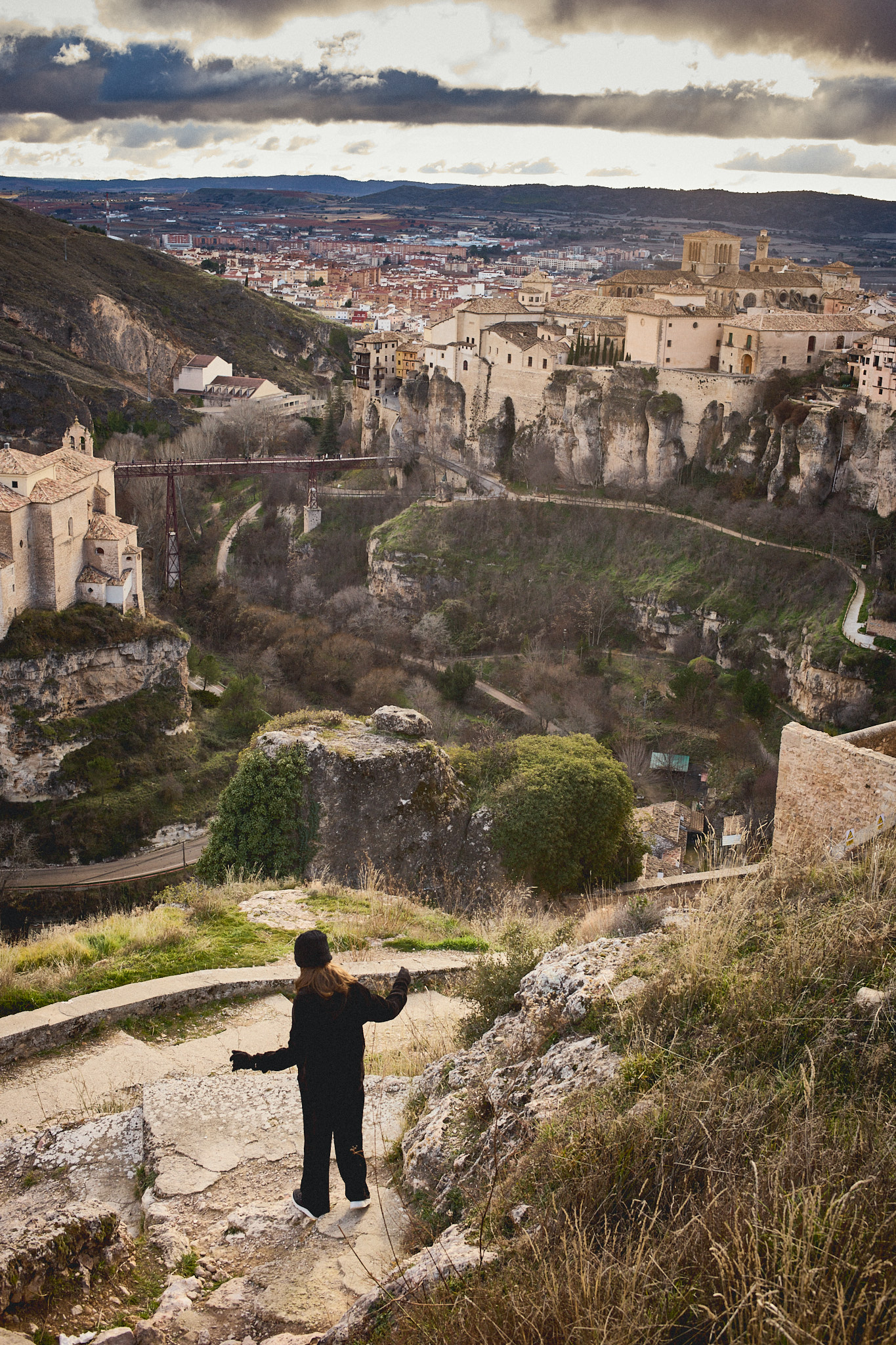
Cuenca, Spain, 2025
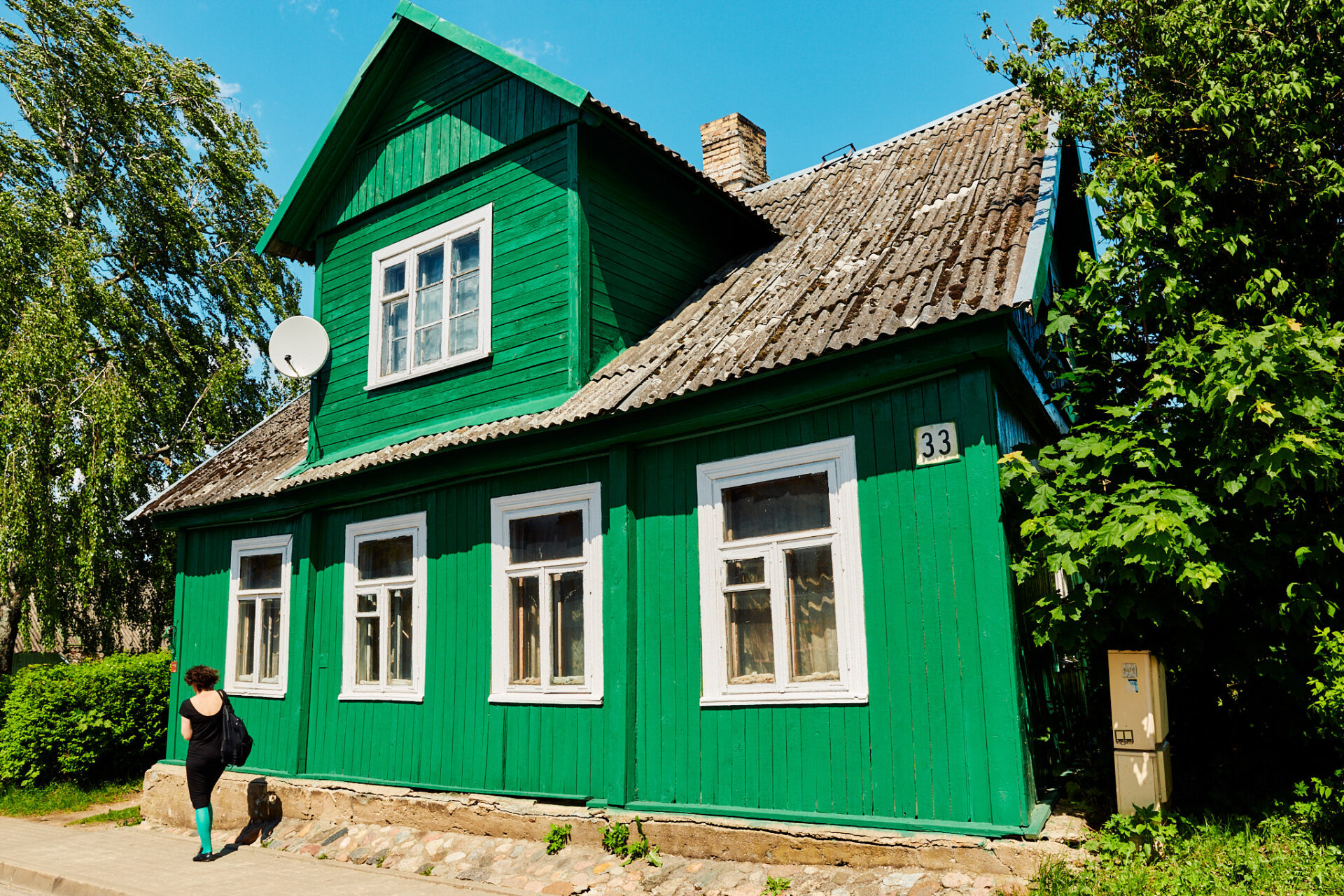
Trakai, Lithuania, 2015
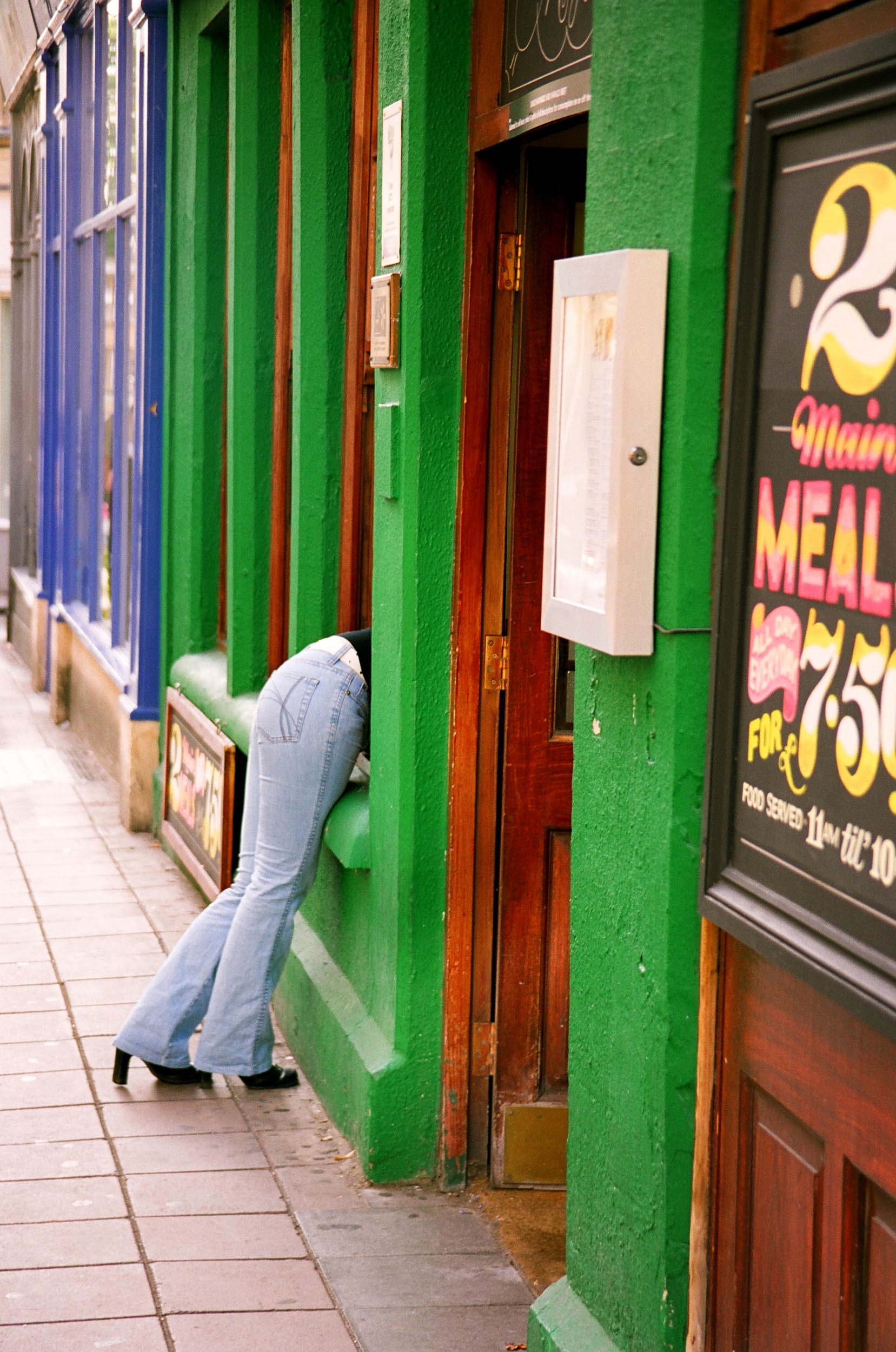
UK
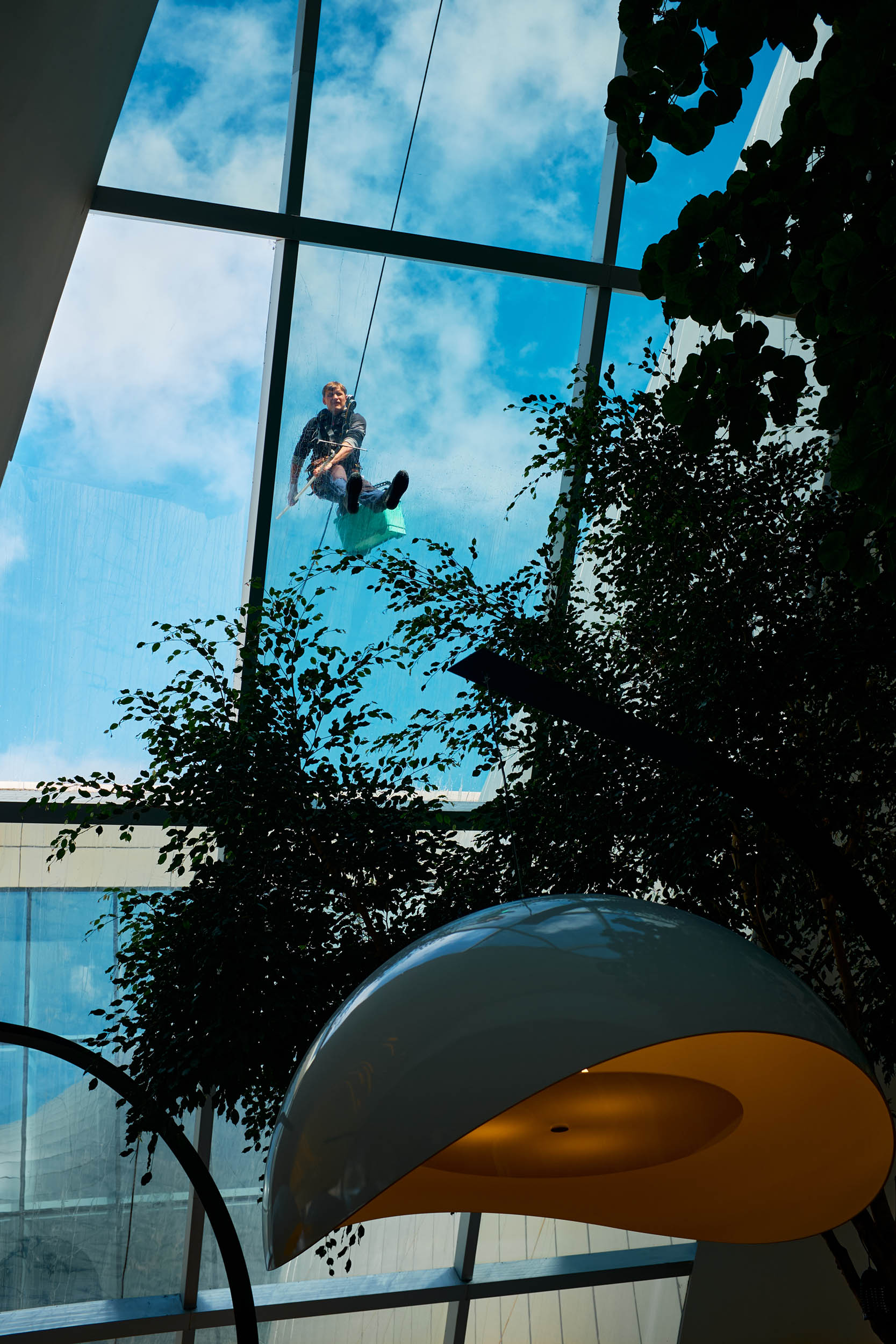
Baku, Azerbaijan, 2015
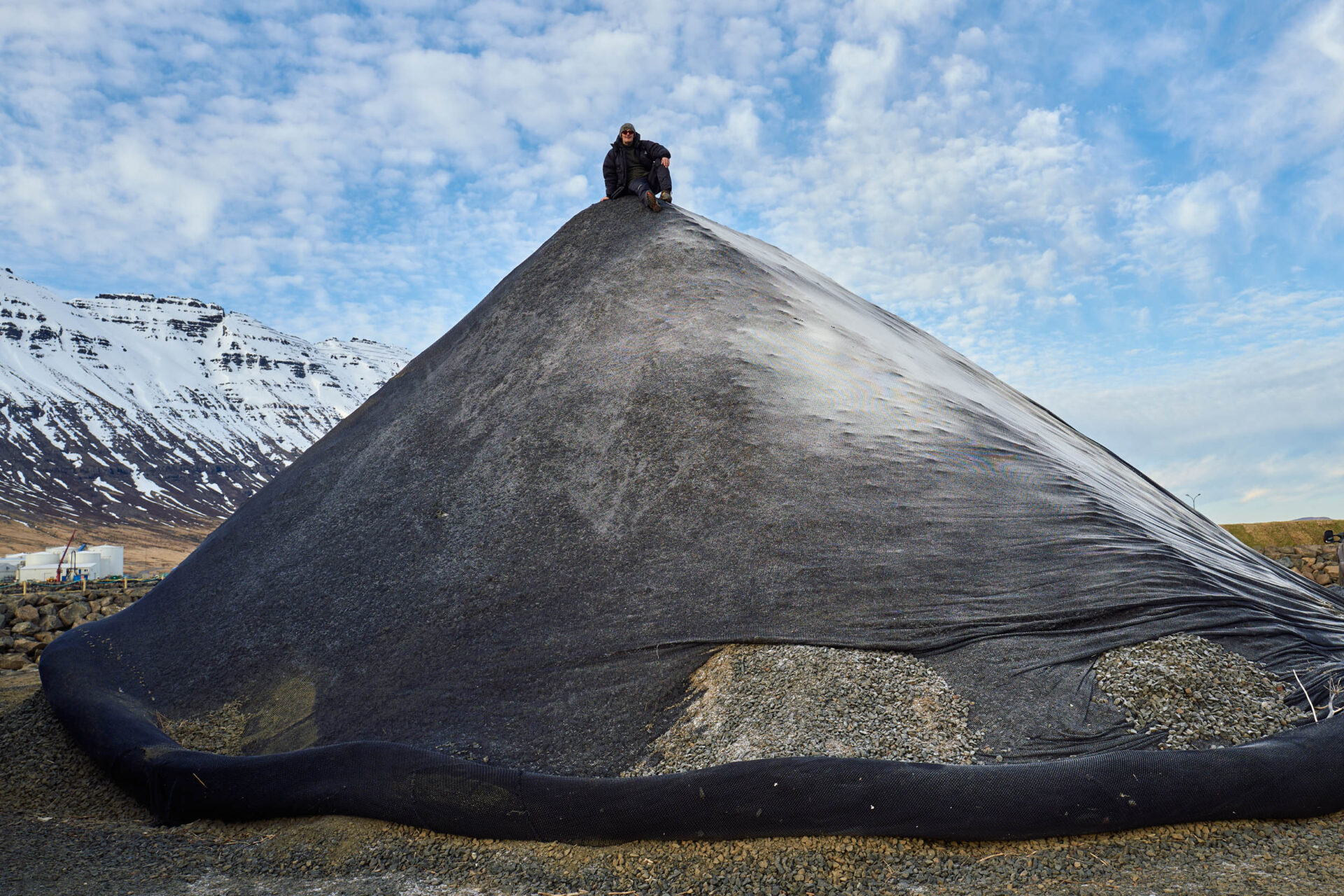
Iceland, 2016
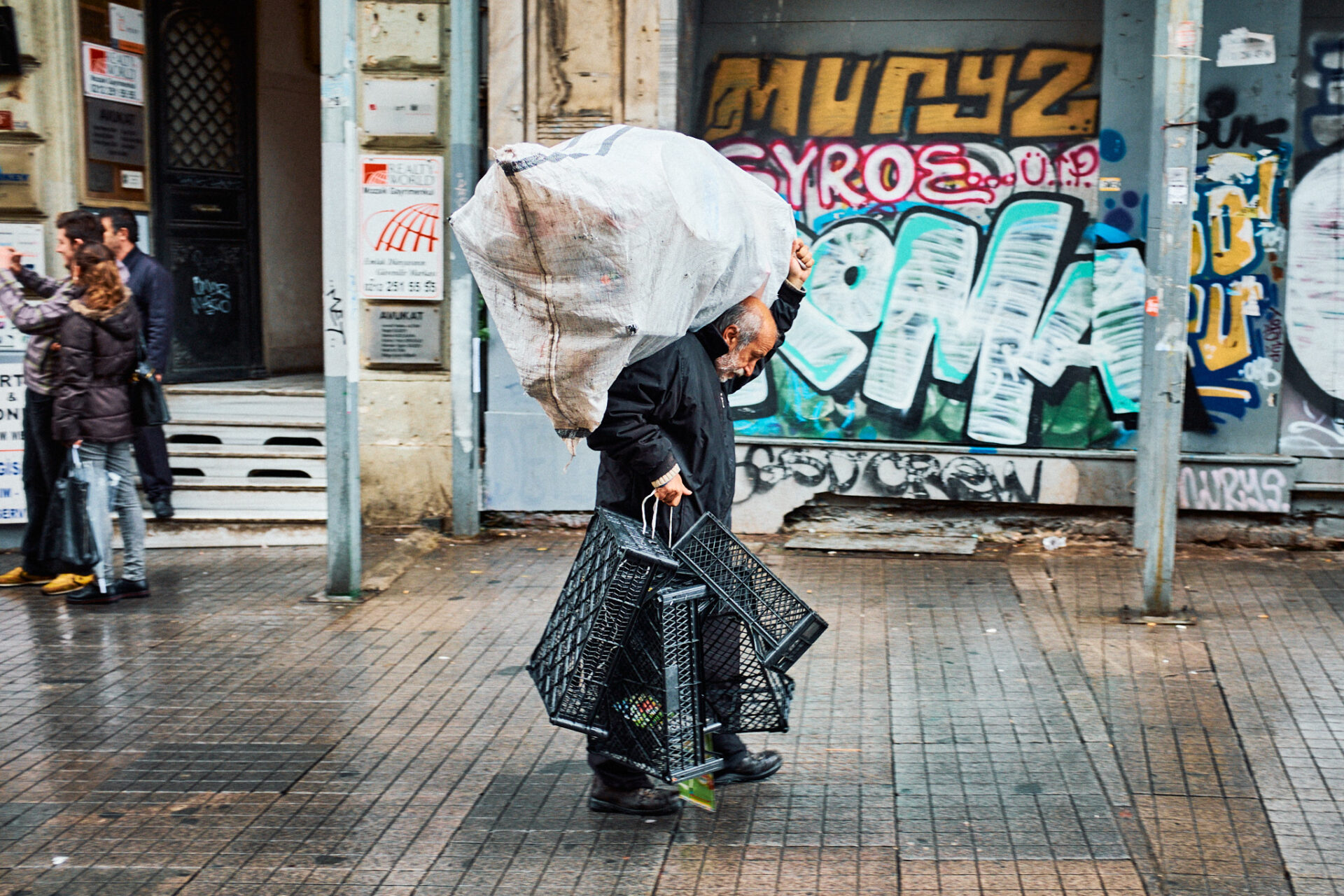
Turkey, 2015
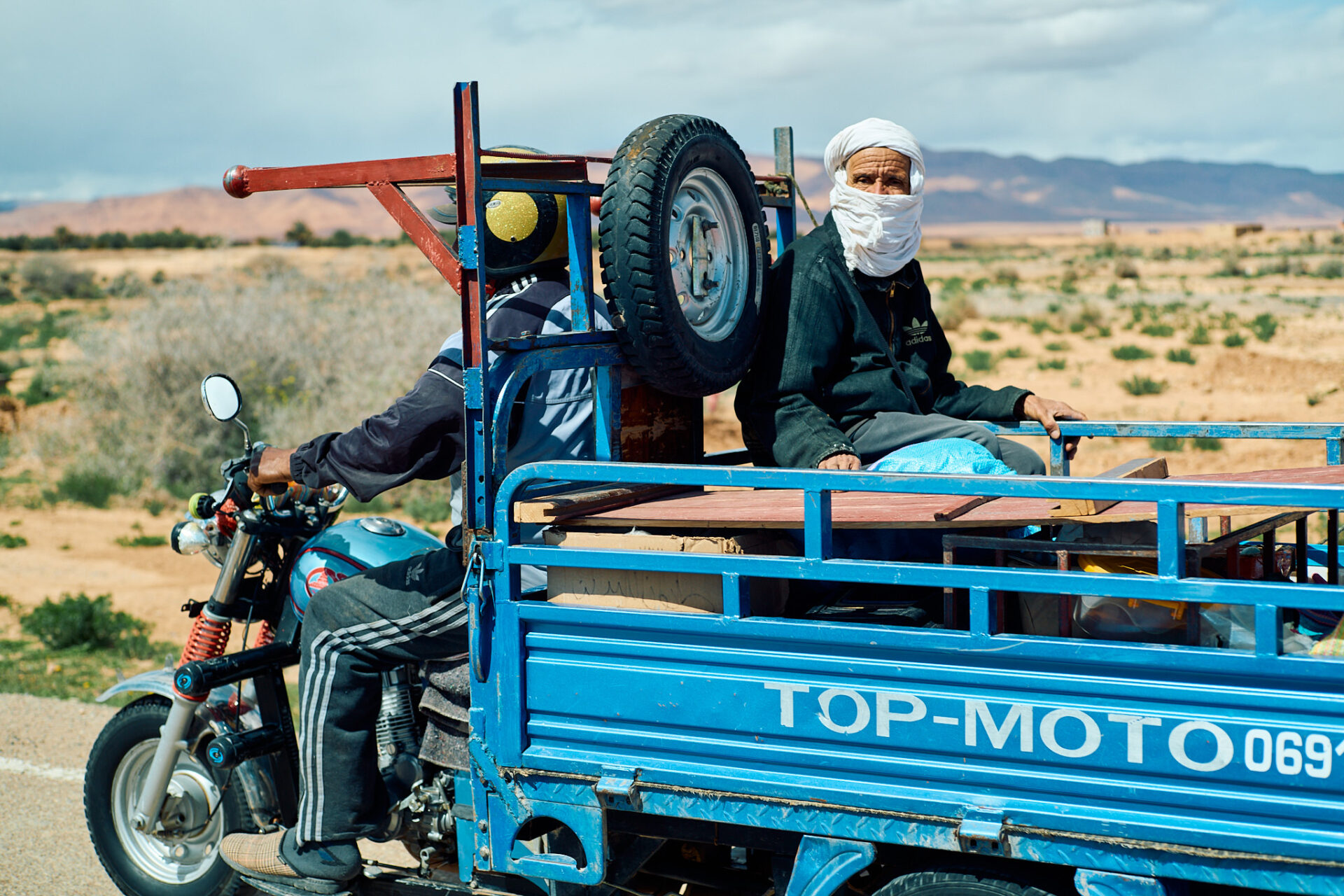
Morocco, 2022
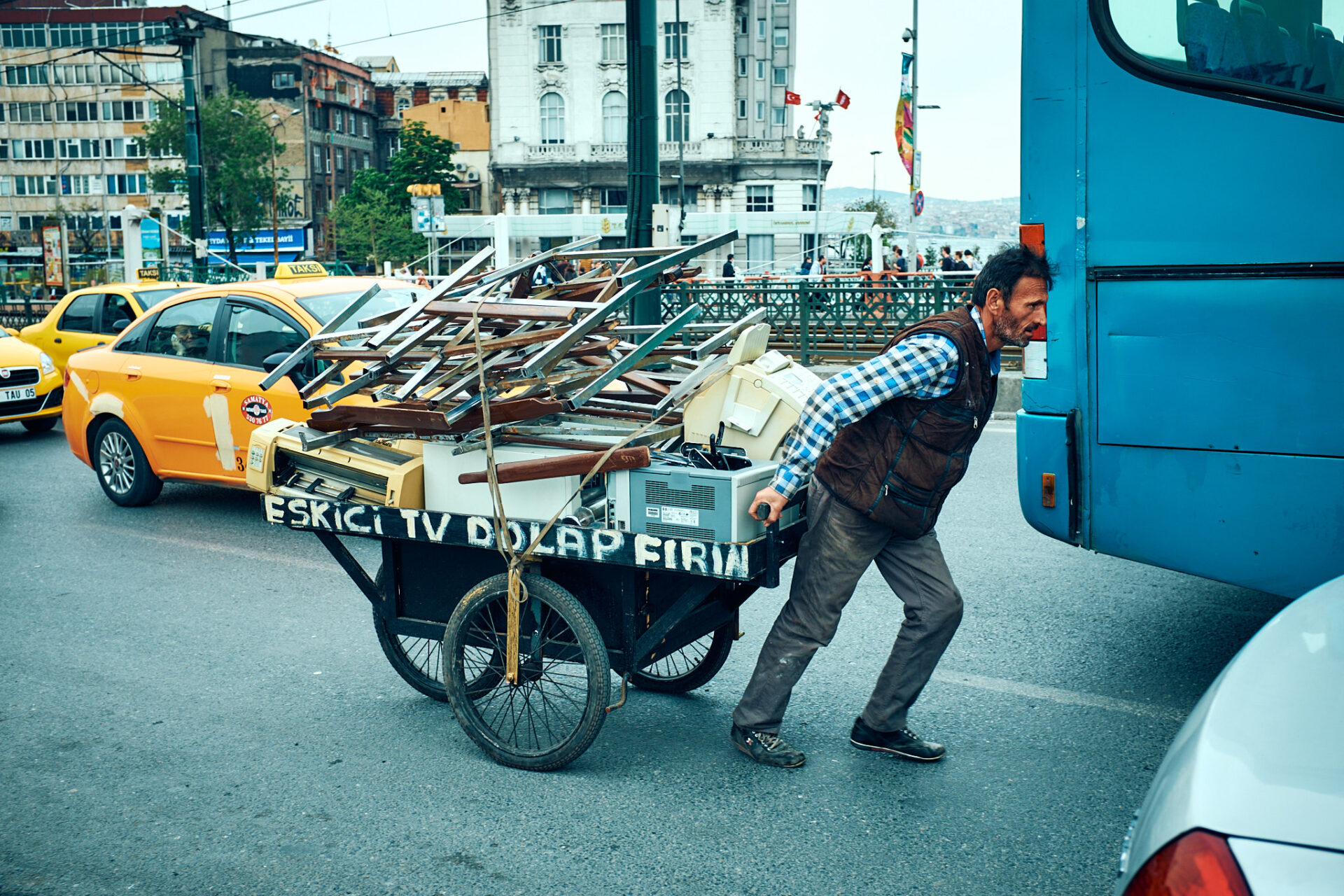
Turkey, 2015
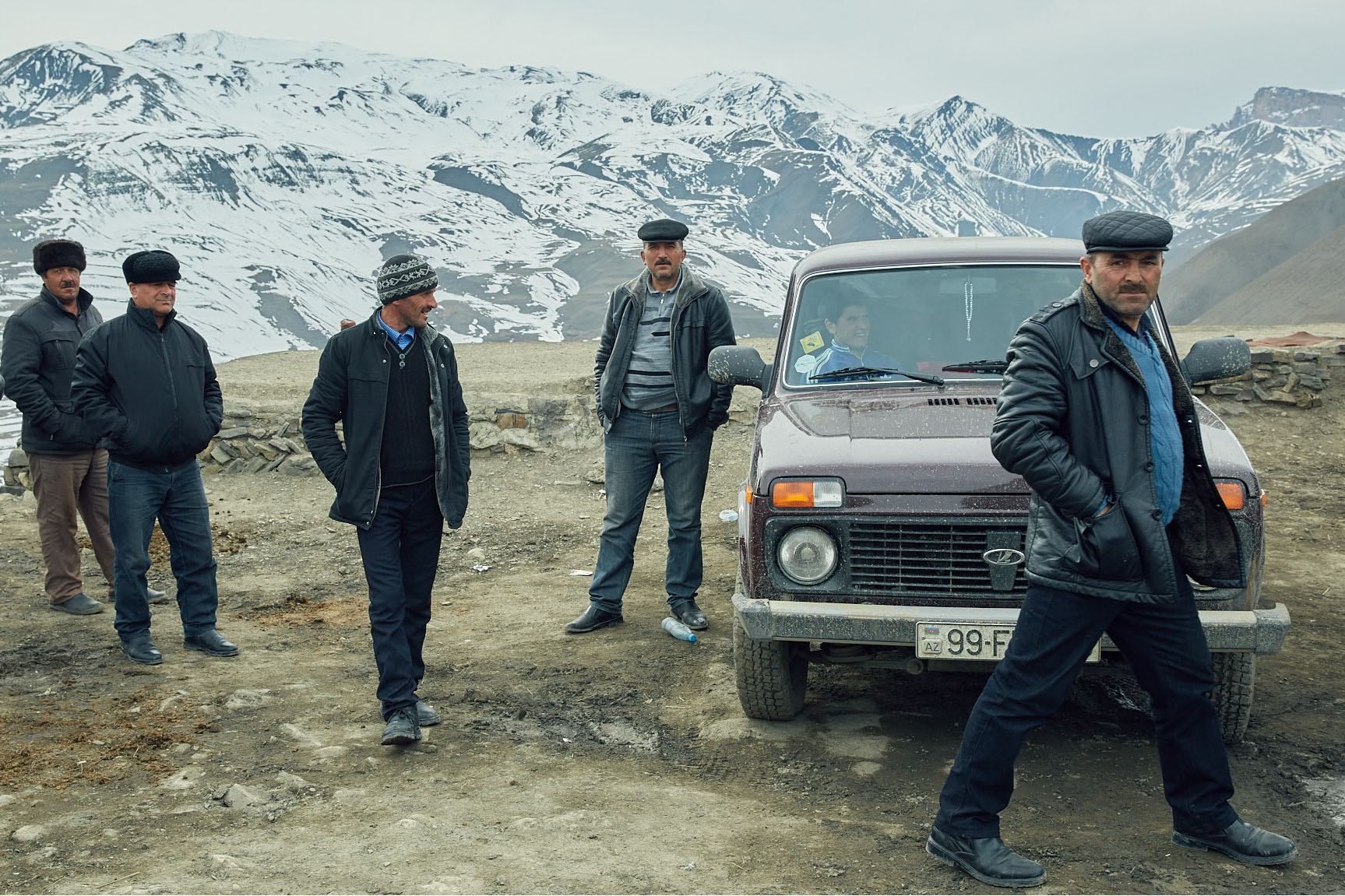
Khinalug, Azerbaijan, 2015
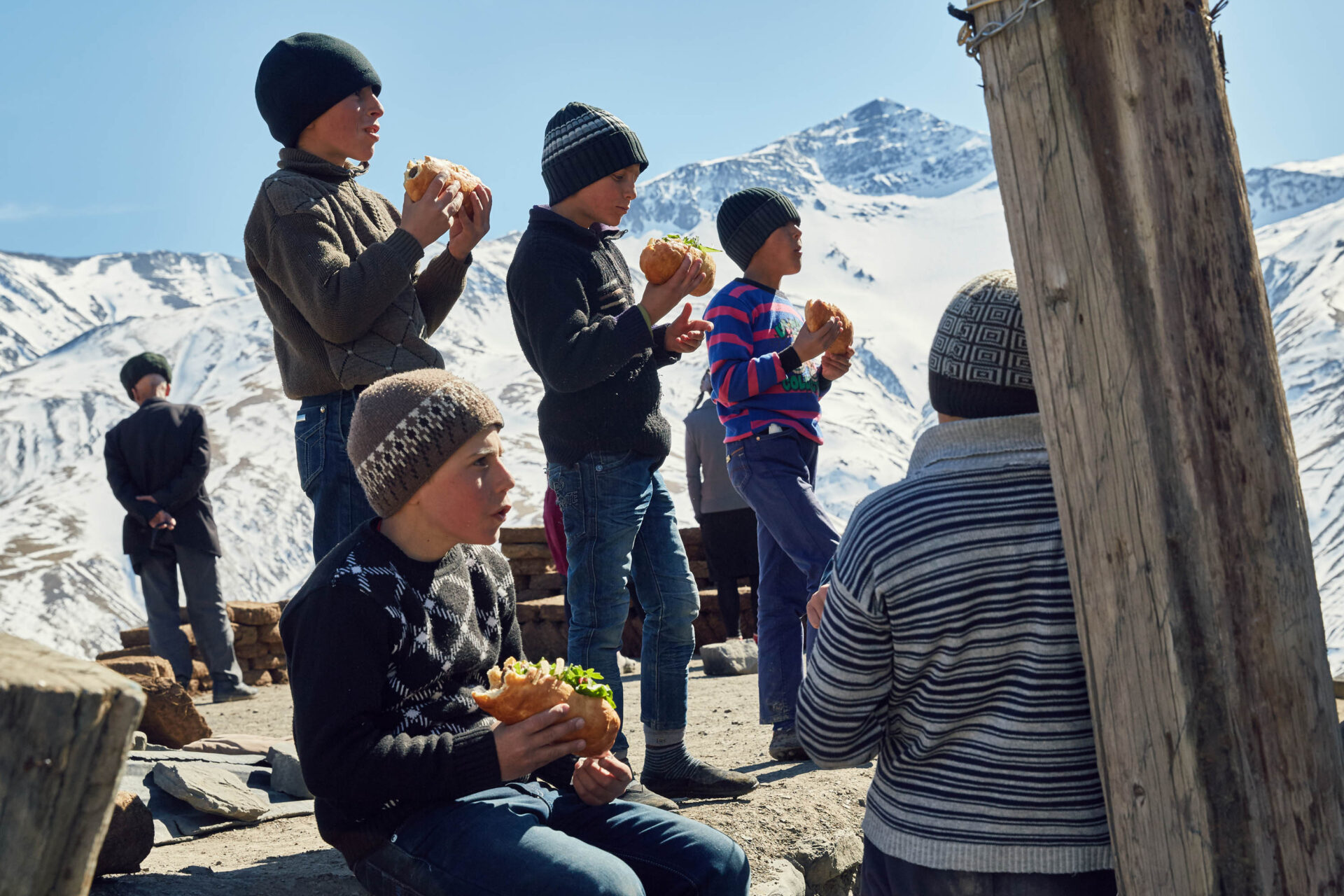
Khinalug, Azerbaijan, 2015
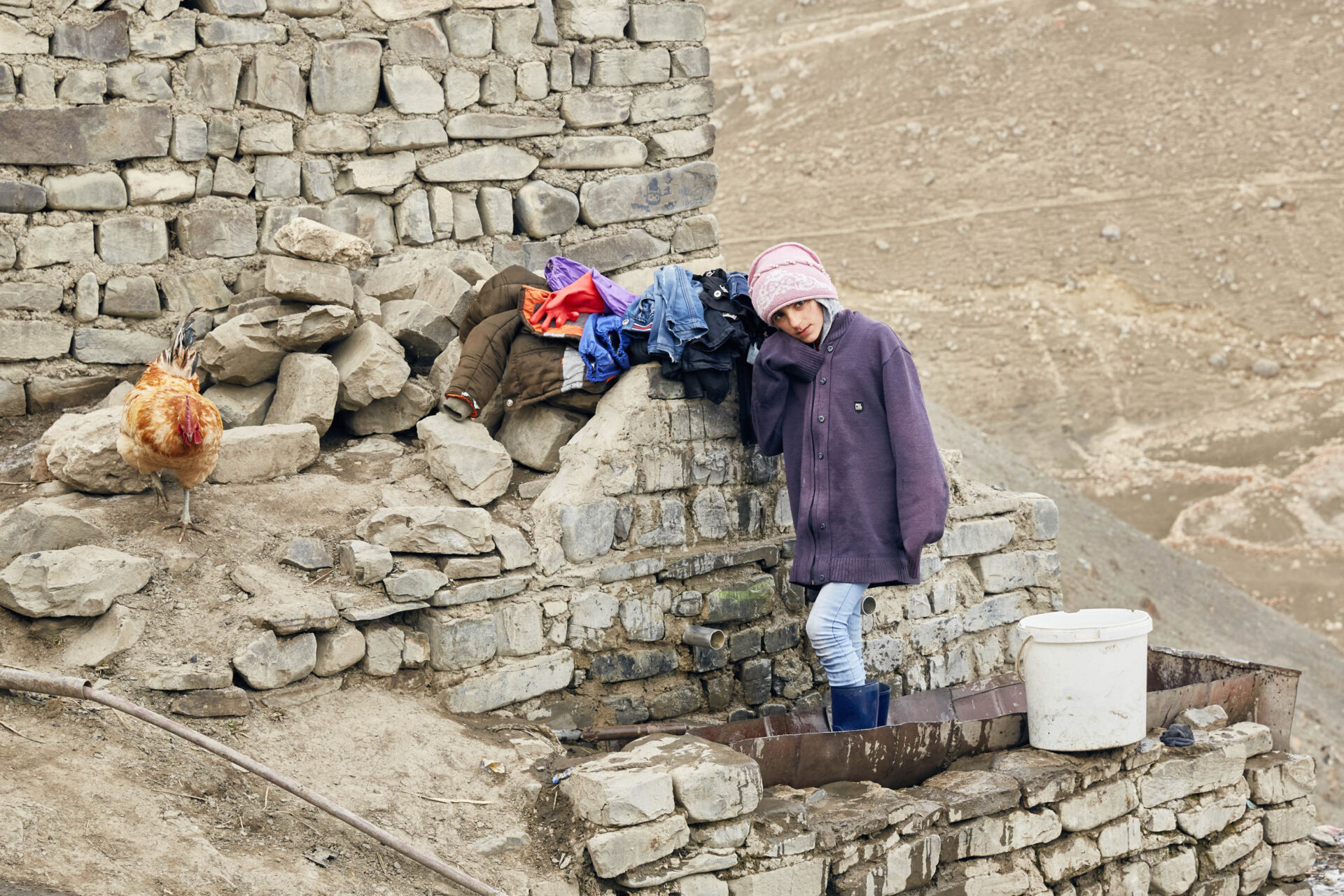
Khinalug, Azerbaijan, 2015
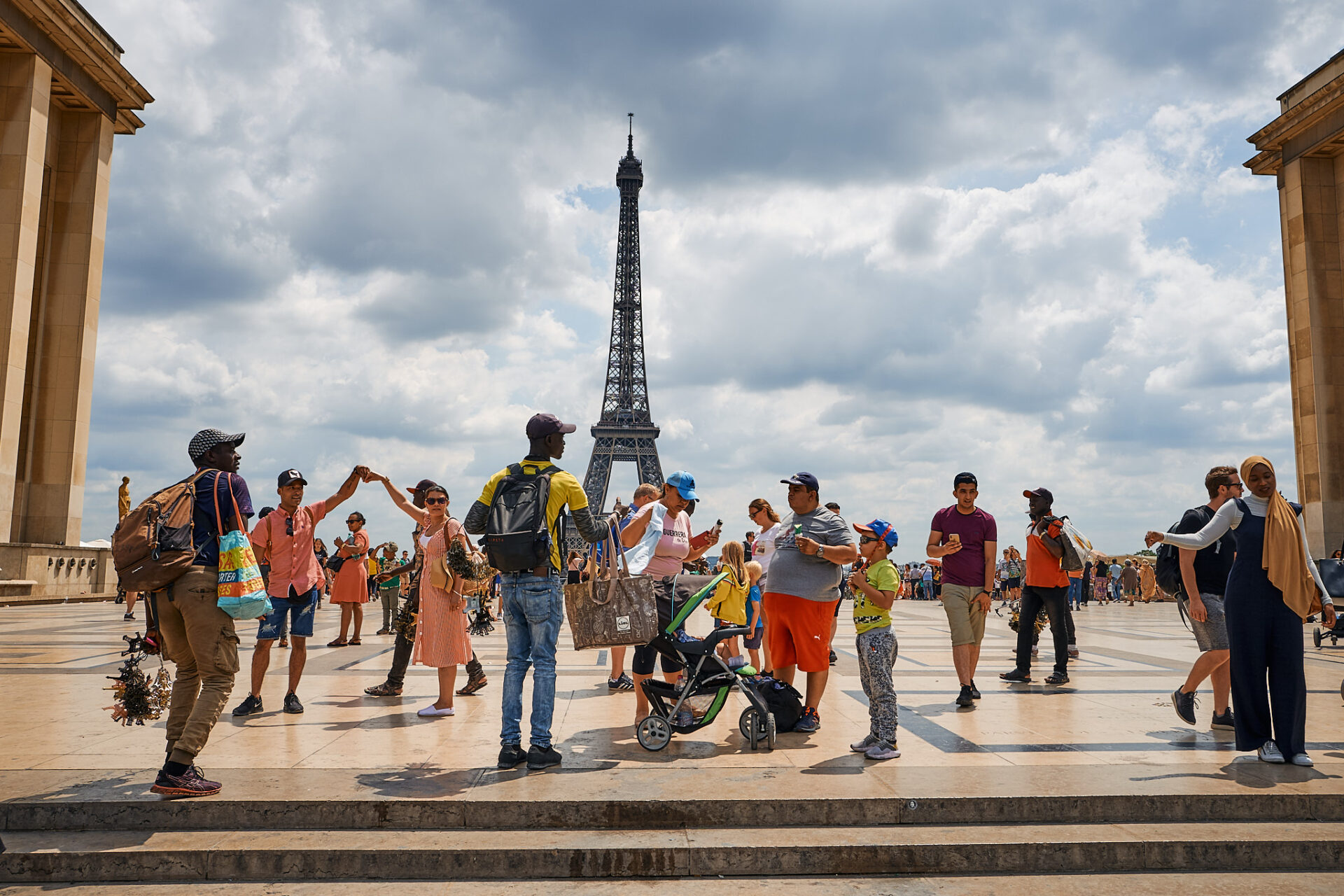
Paris, France, 2019
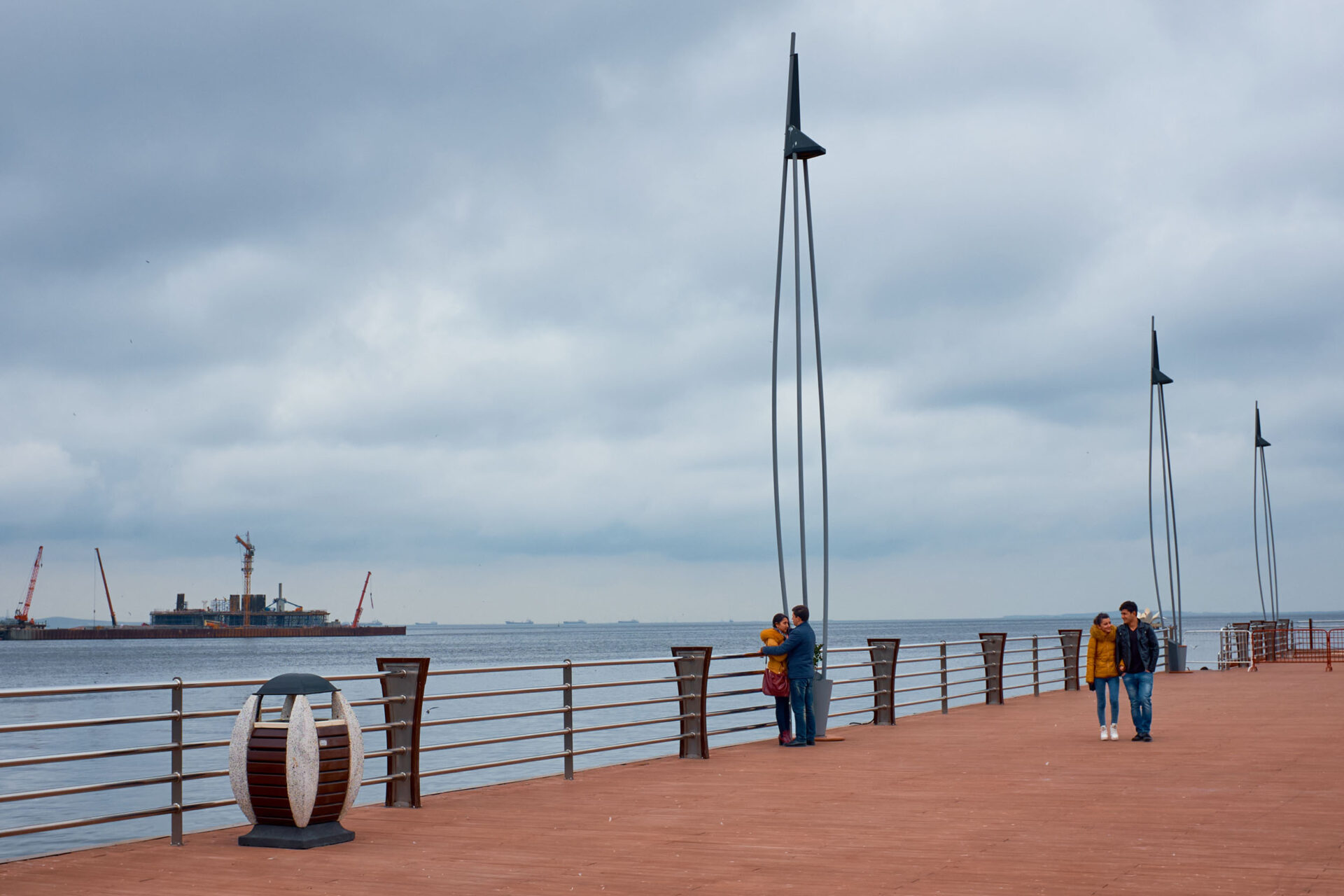
Baku, Azerbaijan, 2015
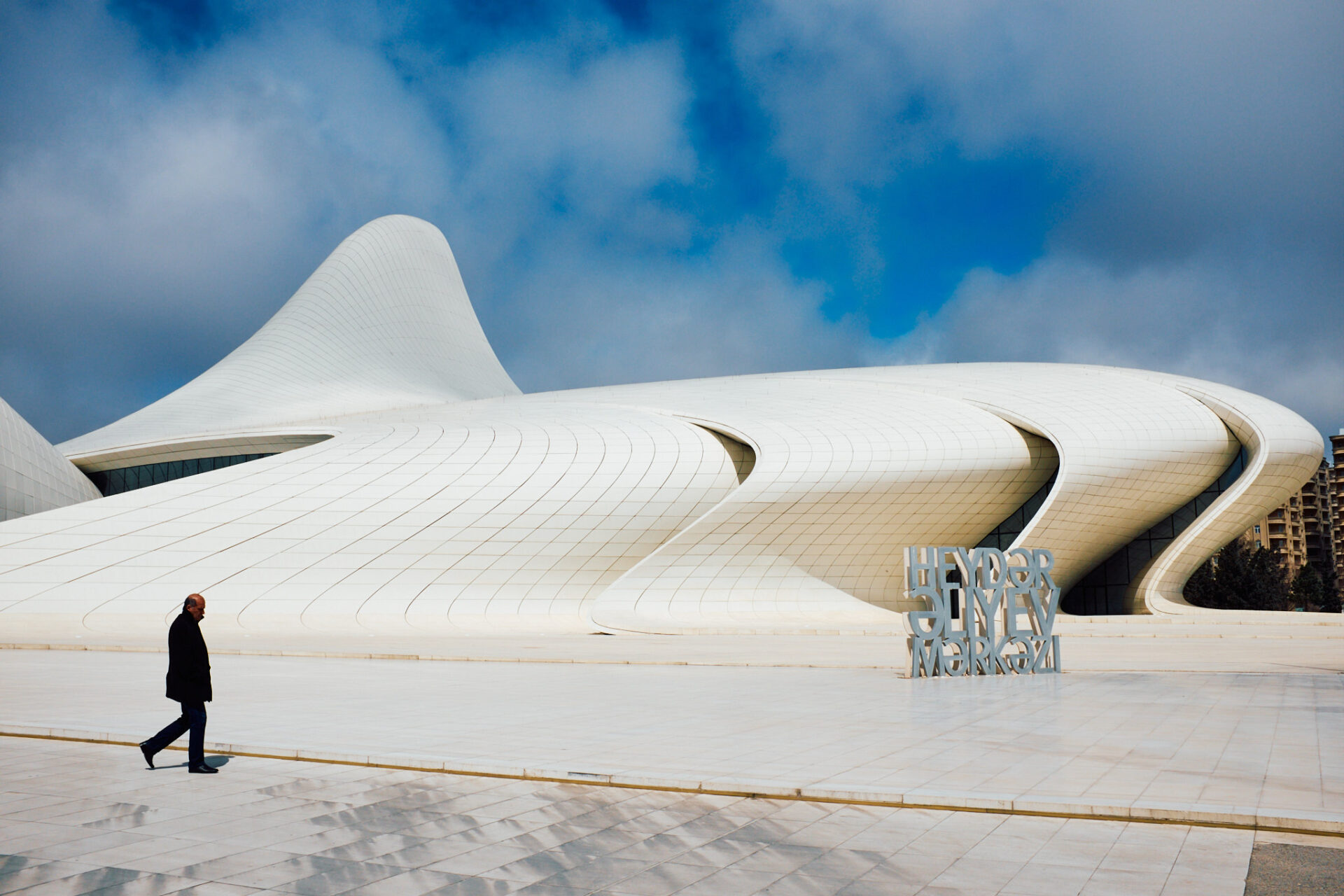
Baku, Azerbaijan, 2015
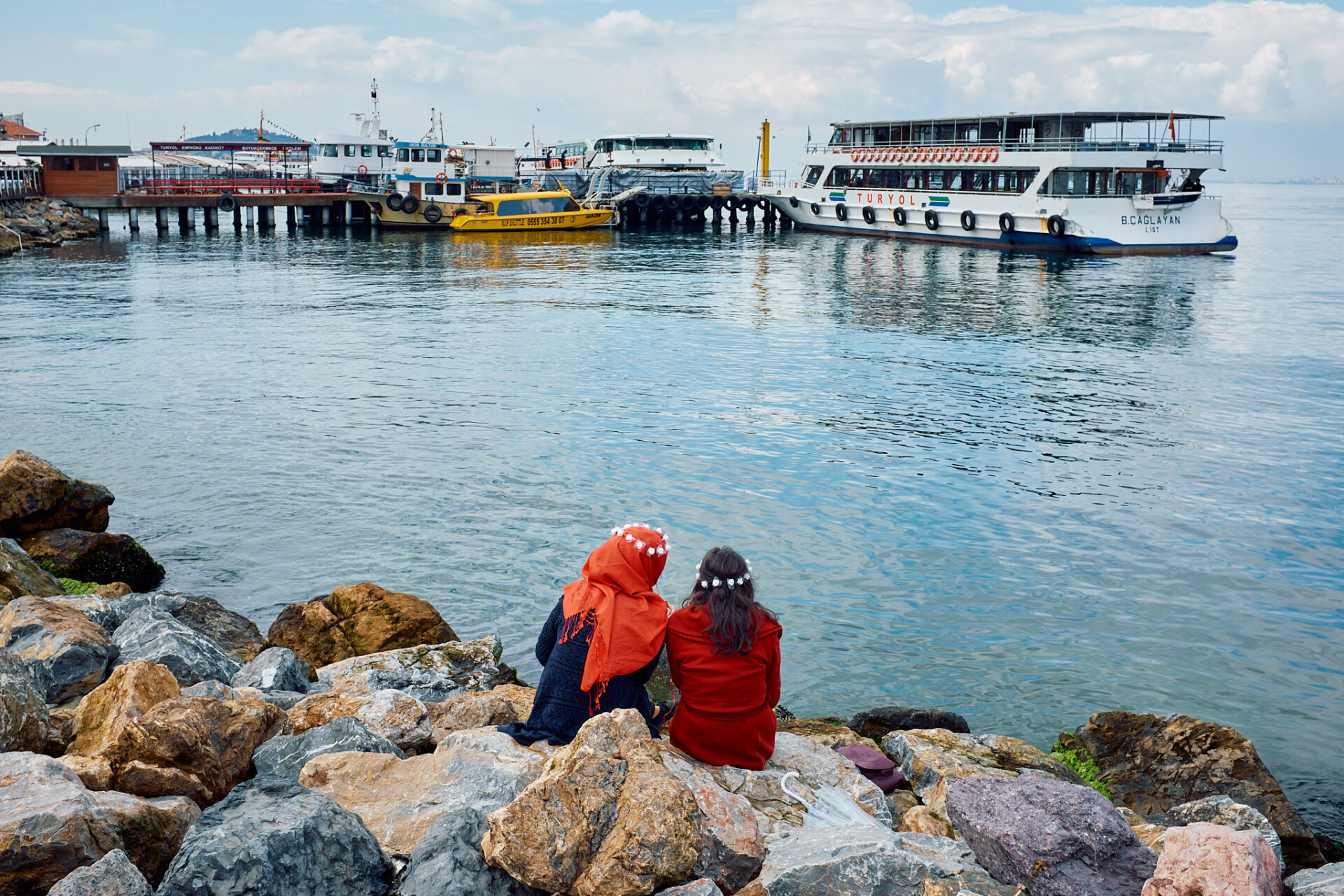
Princes’ Islands, Turkey, 2015
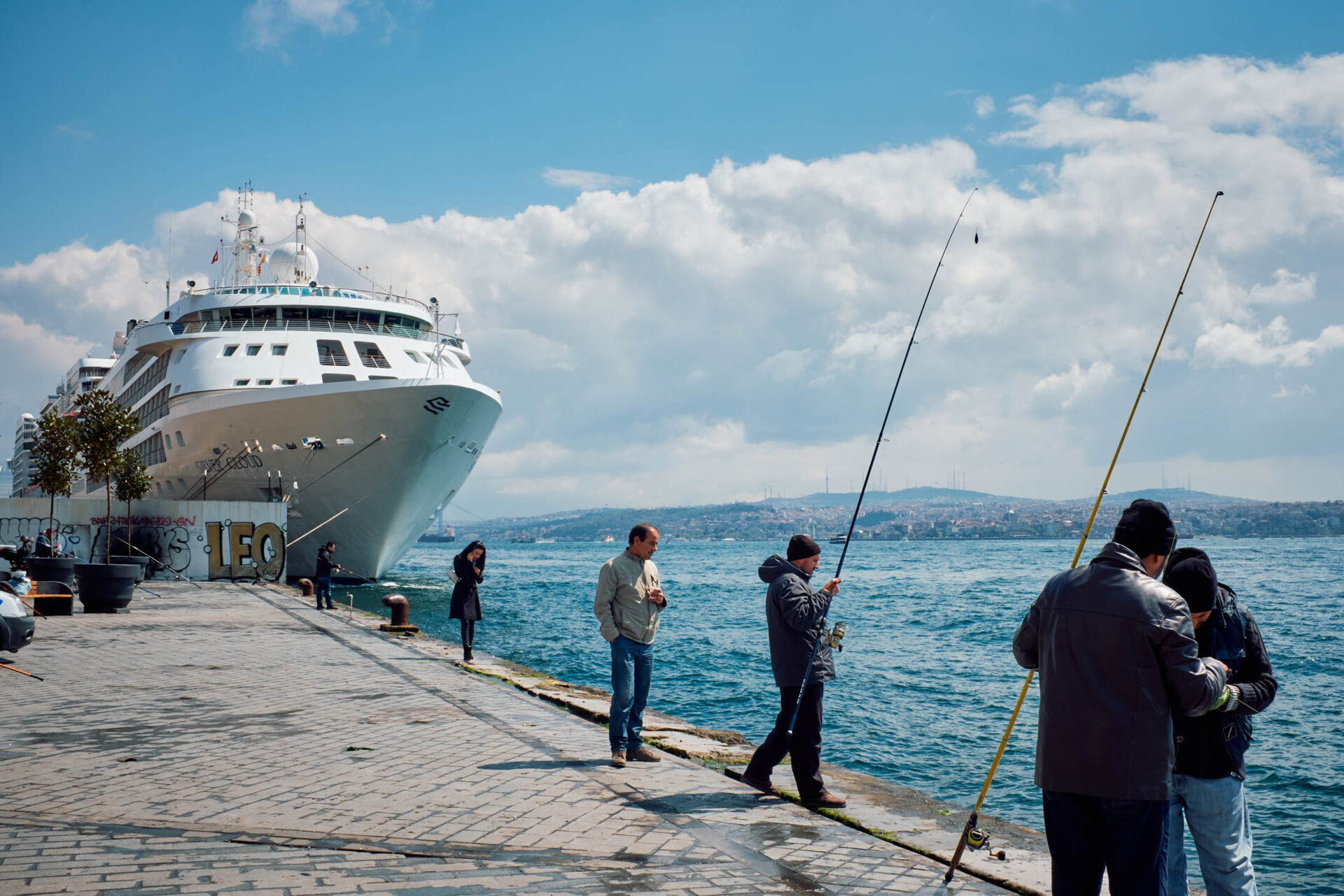
Princes’ Islands, Turkey, 2015
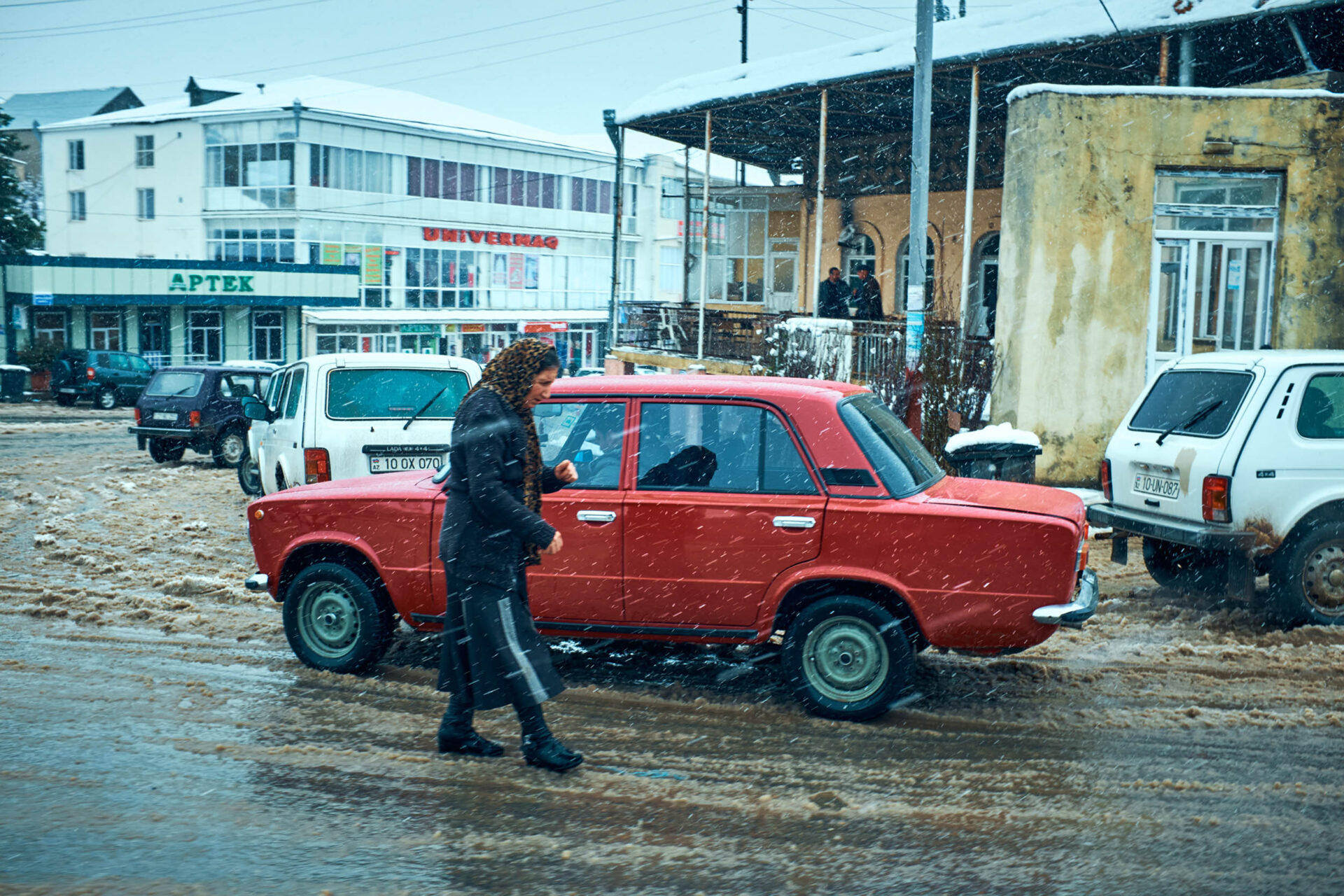
Baku, Azerbaijan, 2015
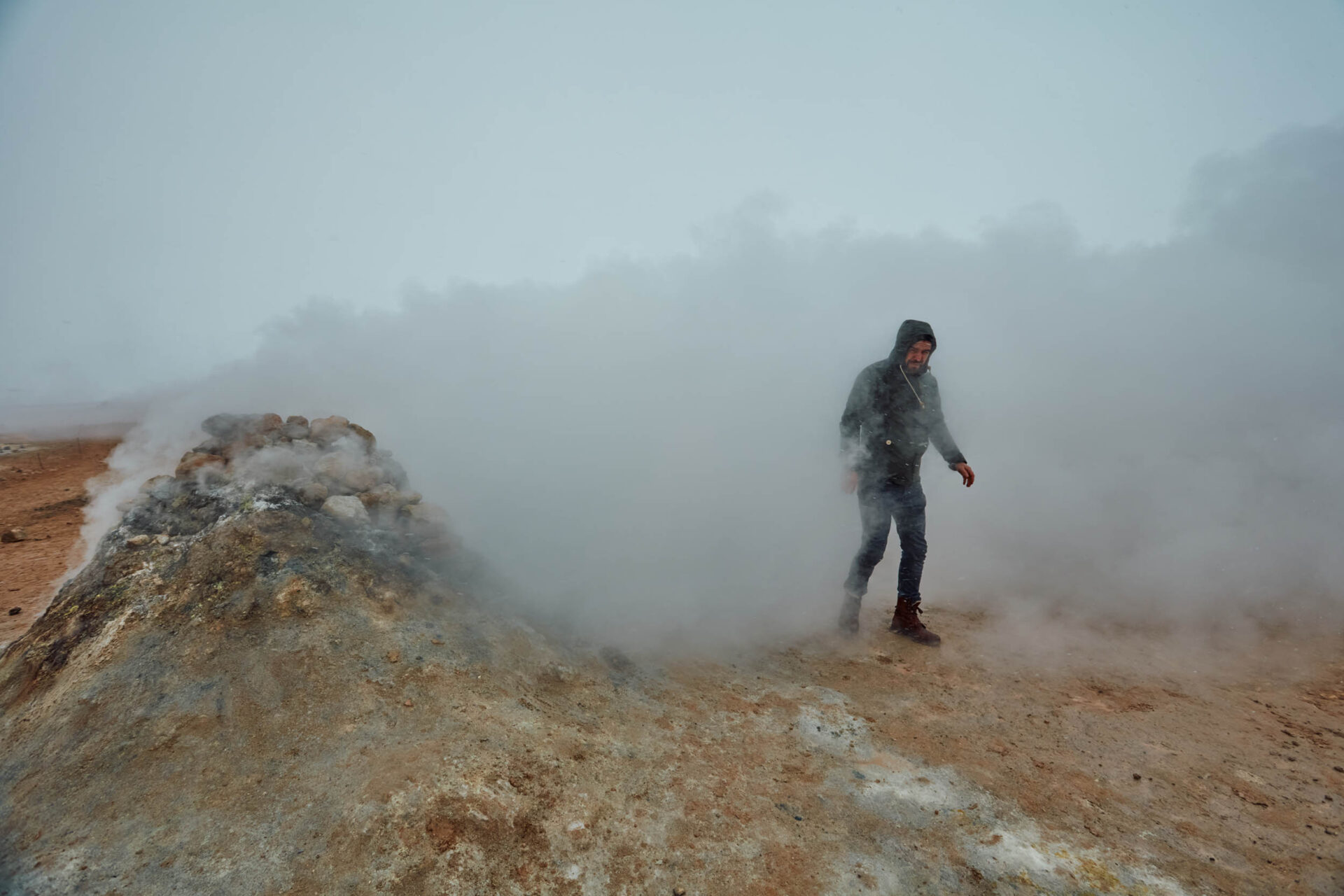
Iceland, 2016
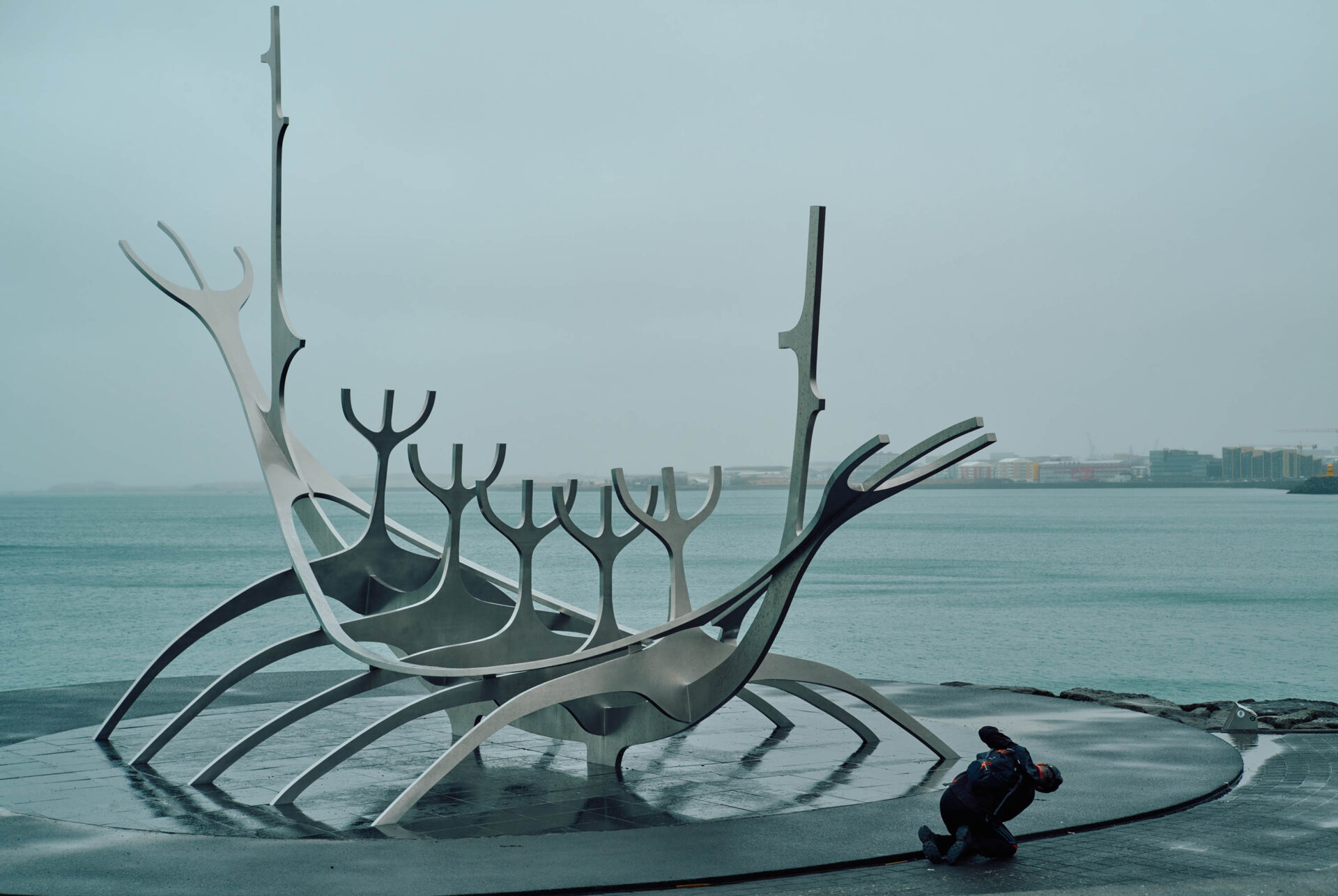
Reykjavík, Iceland, 2022
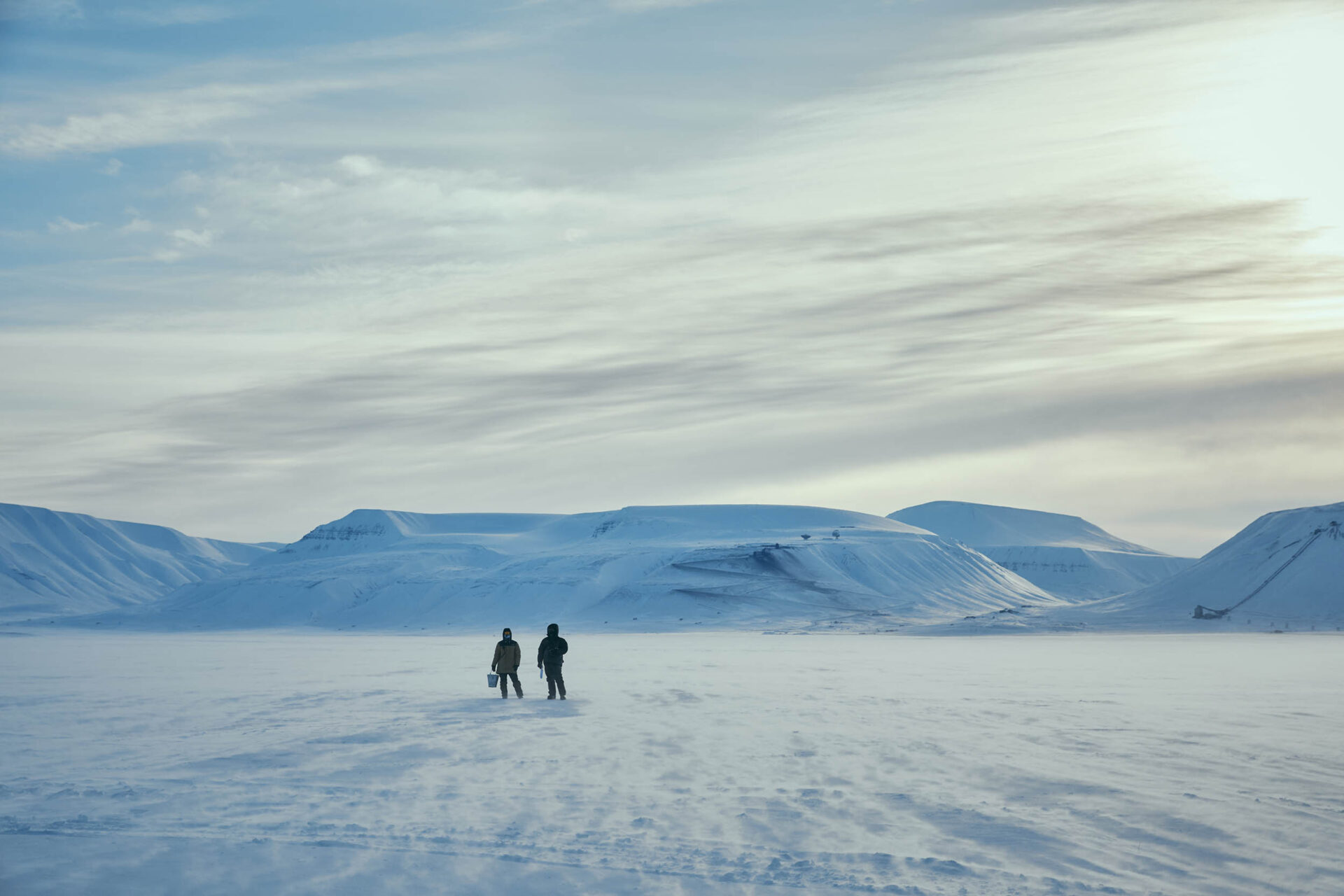
Svalbard, 2018
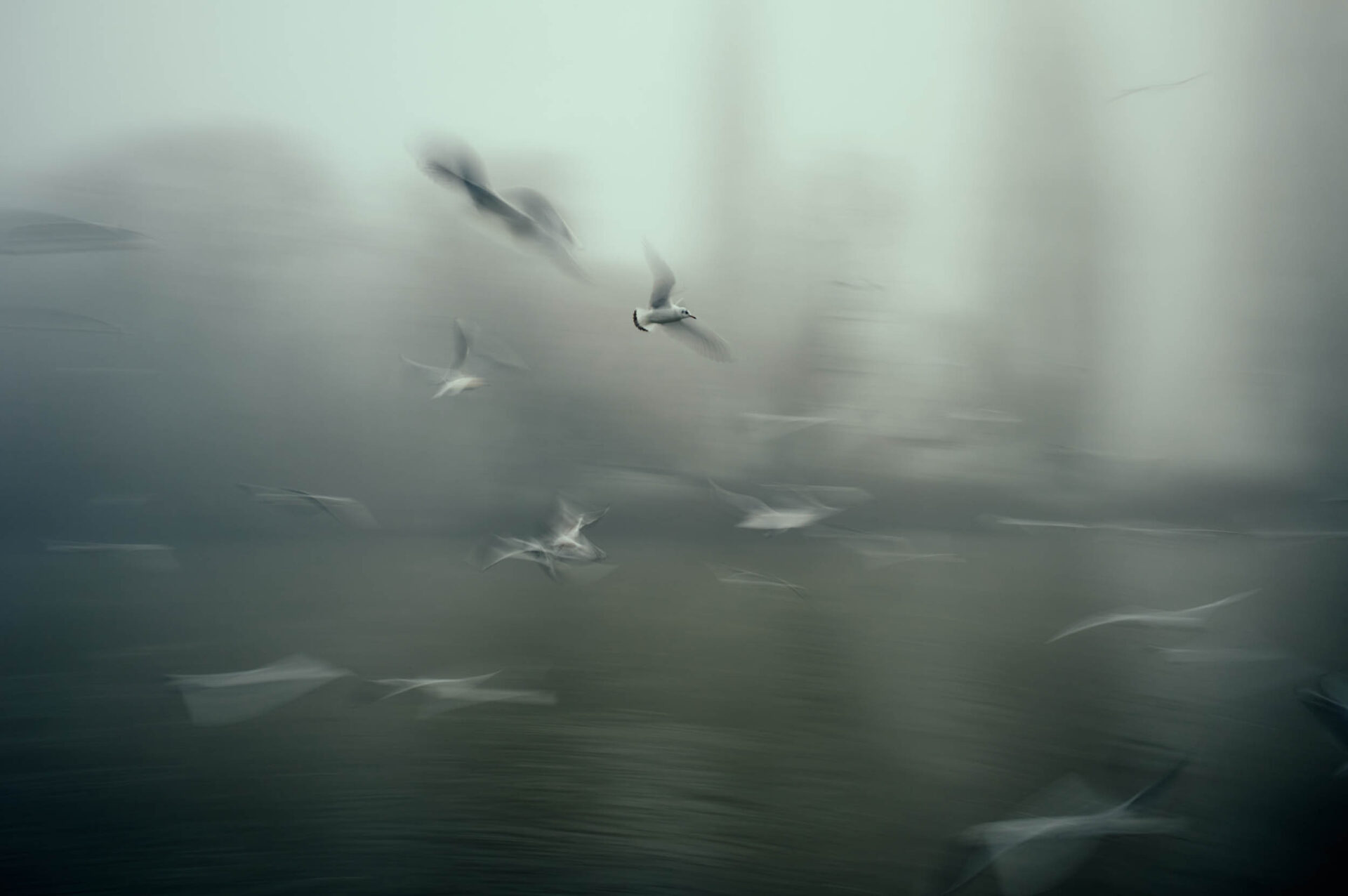
Abingdon-on-Thames, United Kingdom, 2025
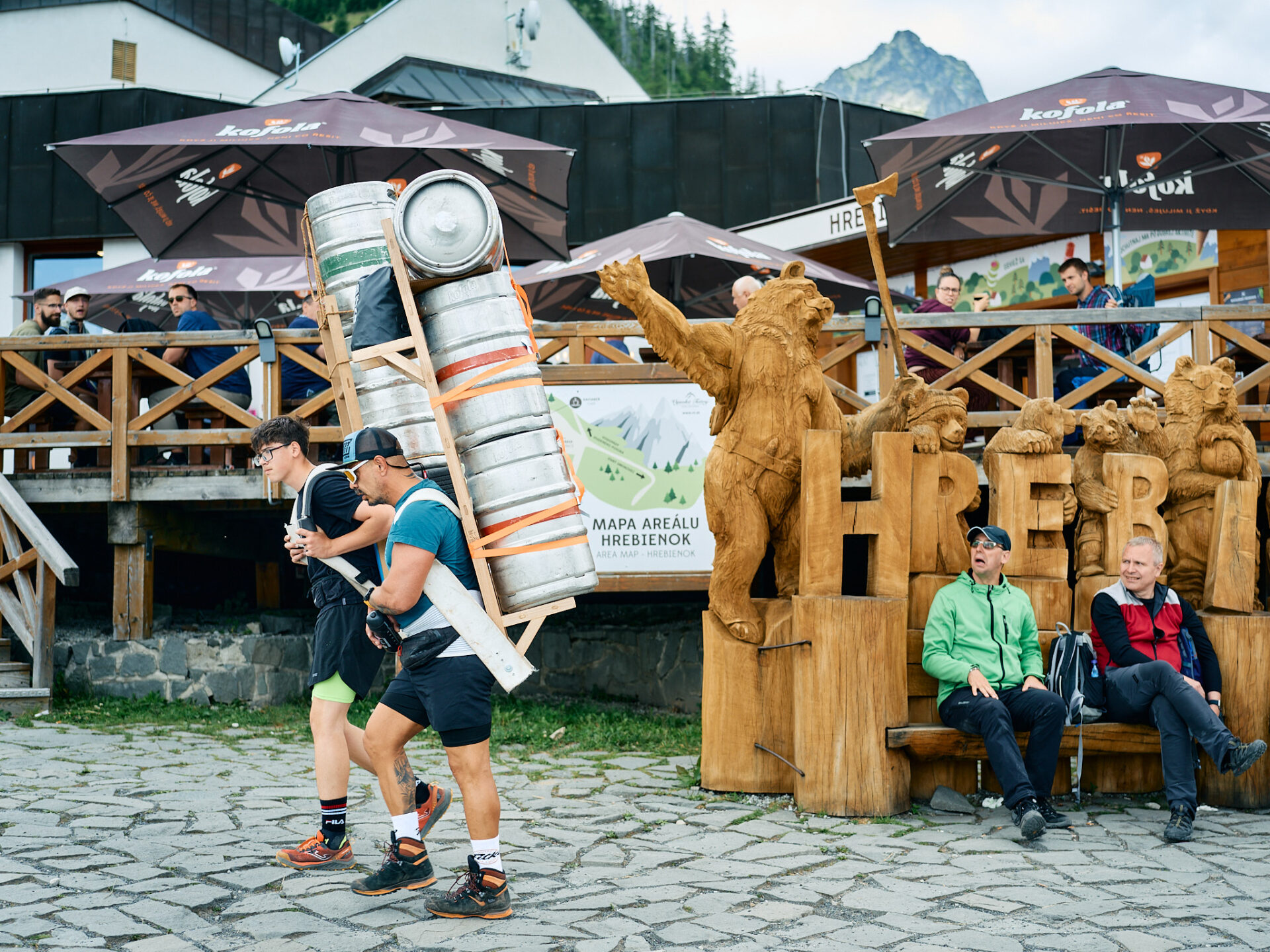
Hrebienok, High Tatras, Slovakia, 2026
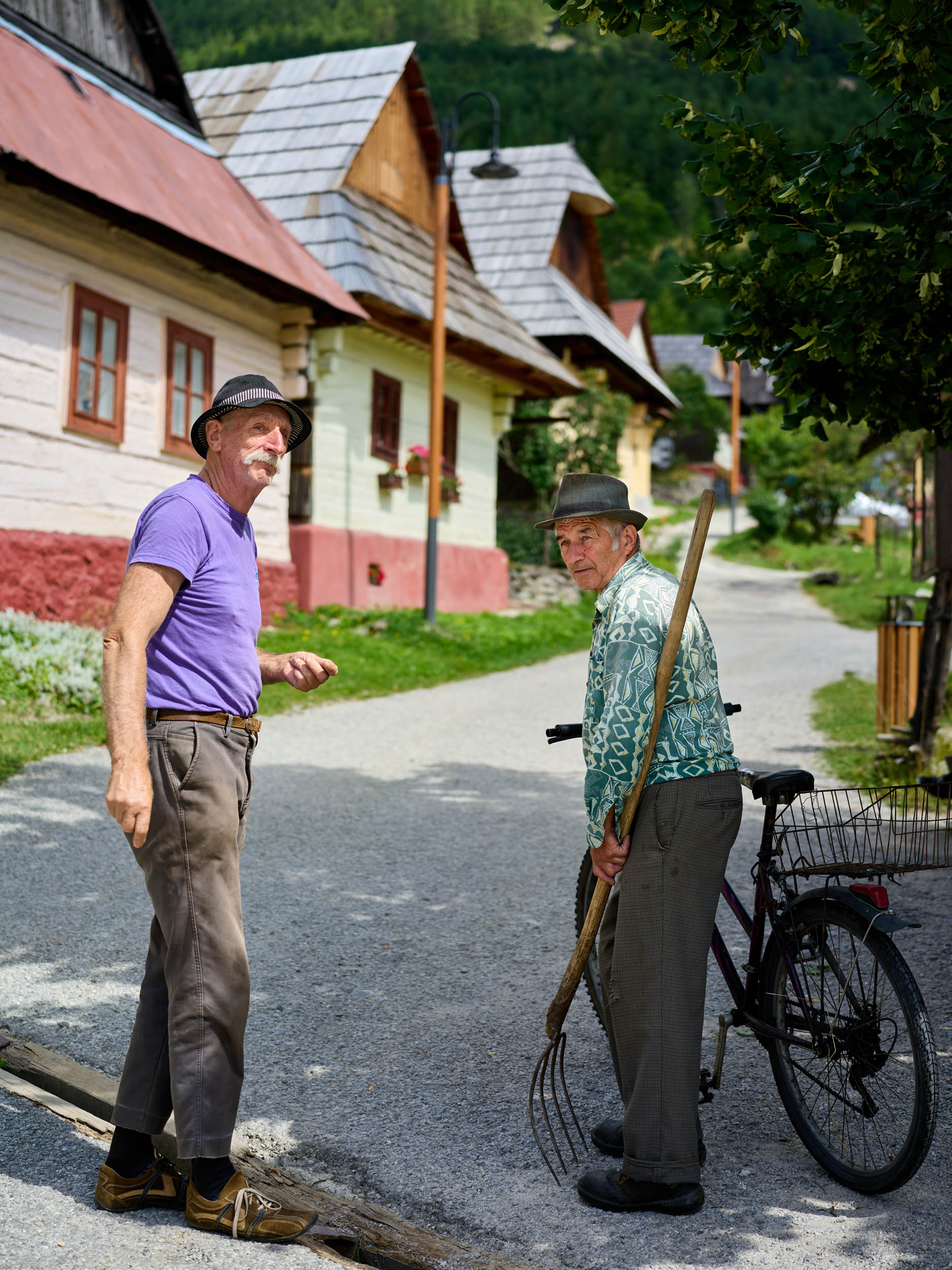
Vlkolinec, Slovakia, 2026
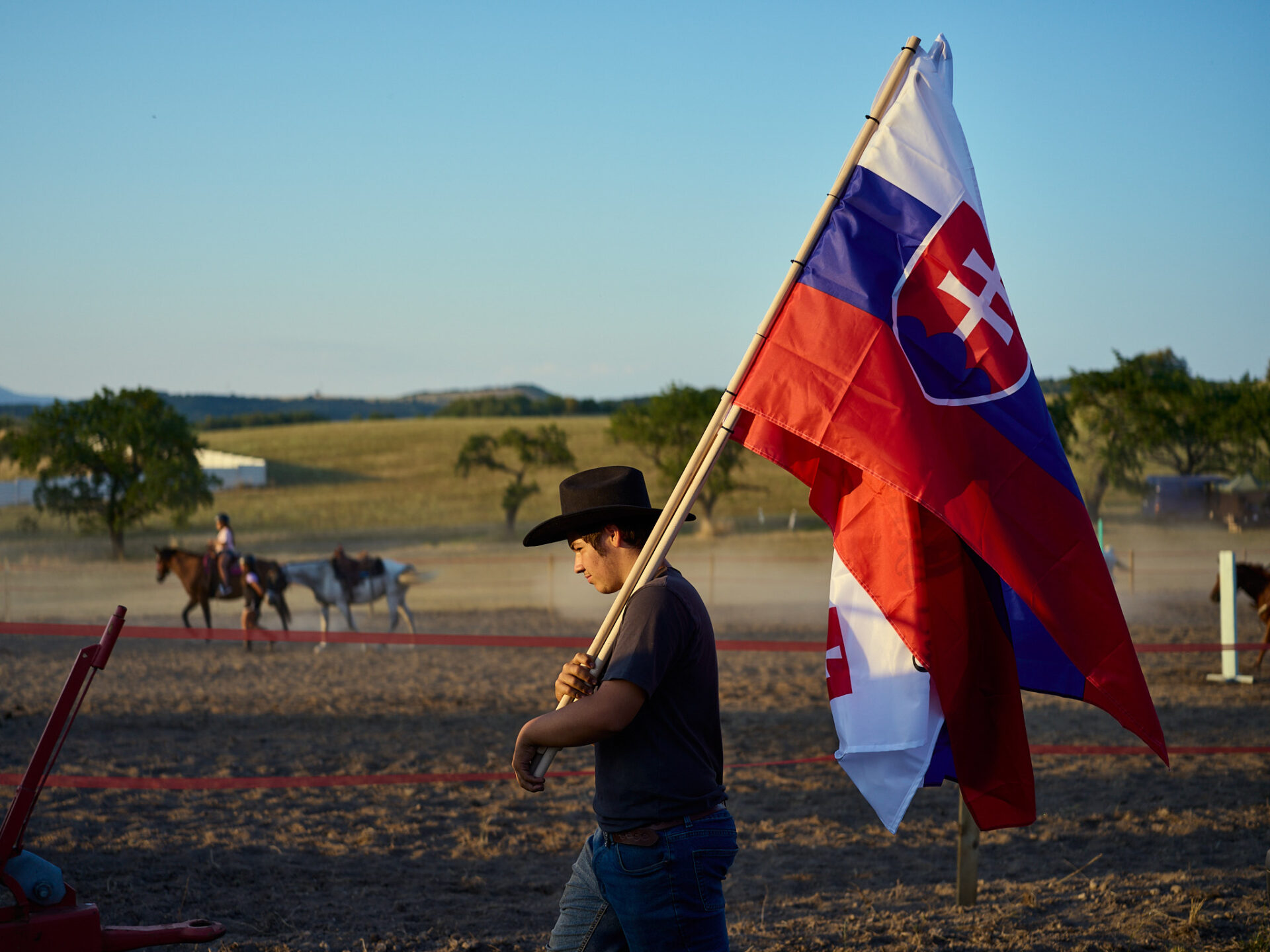
Velka Lehota, Slovakia. 2026
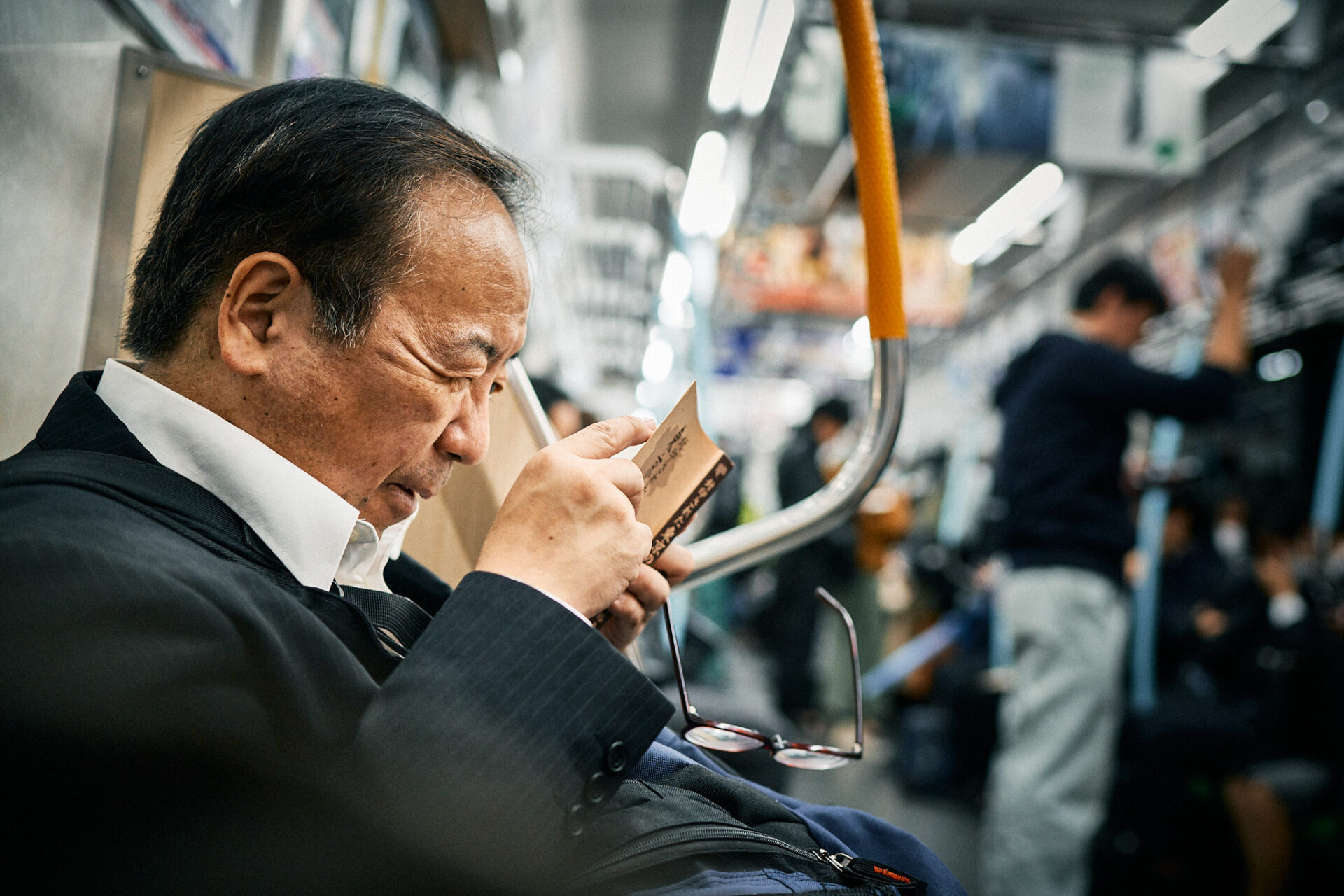
Tokyo, Japan, 2018
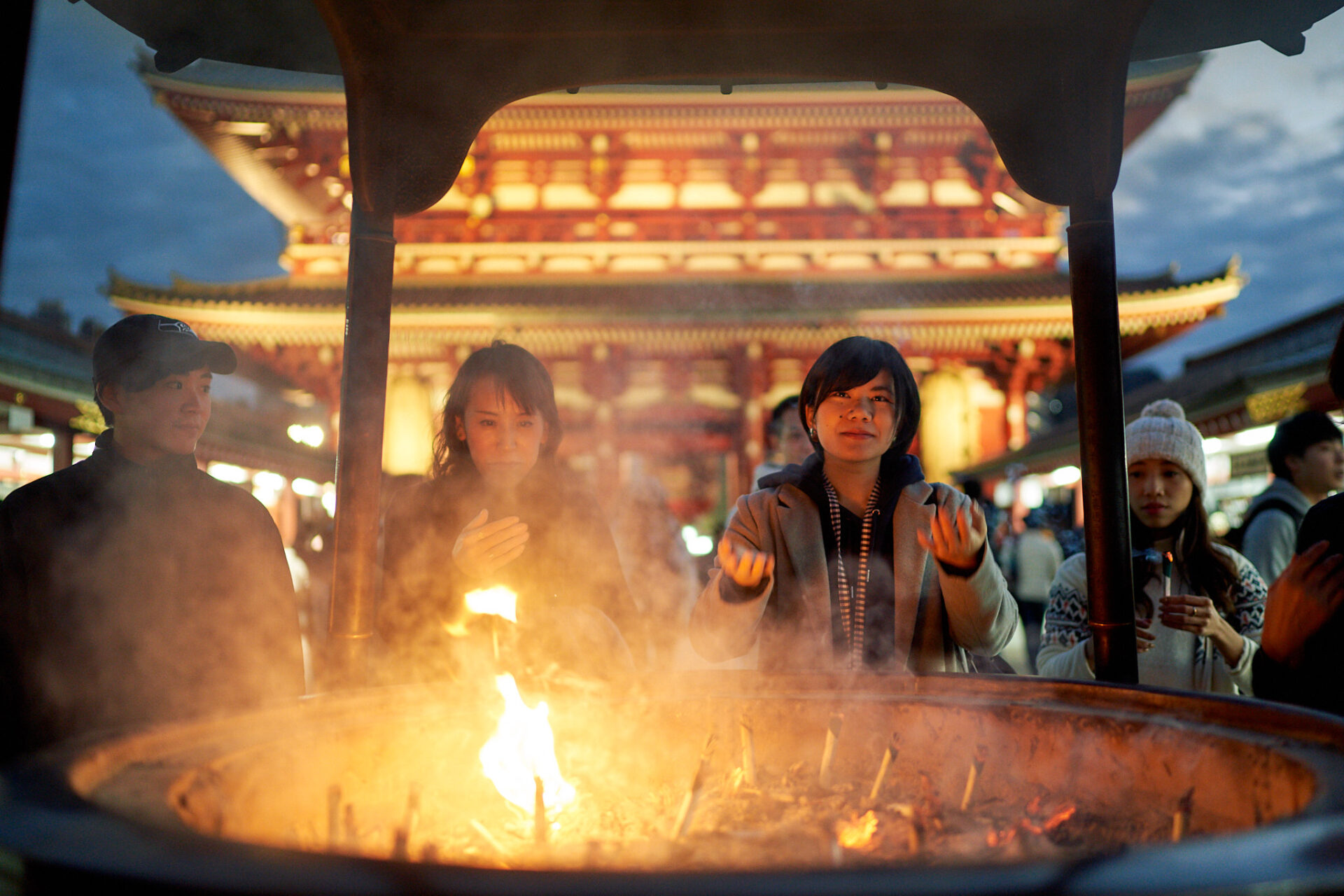
Tokyo, Japan, 2018
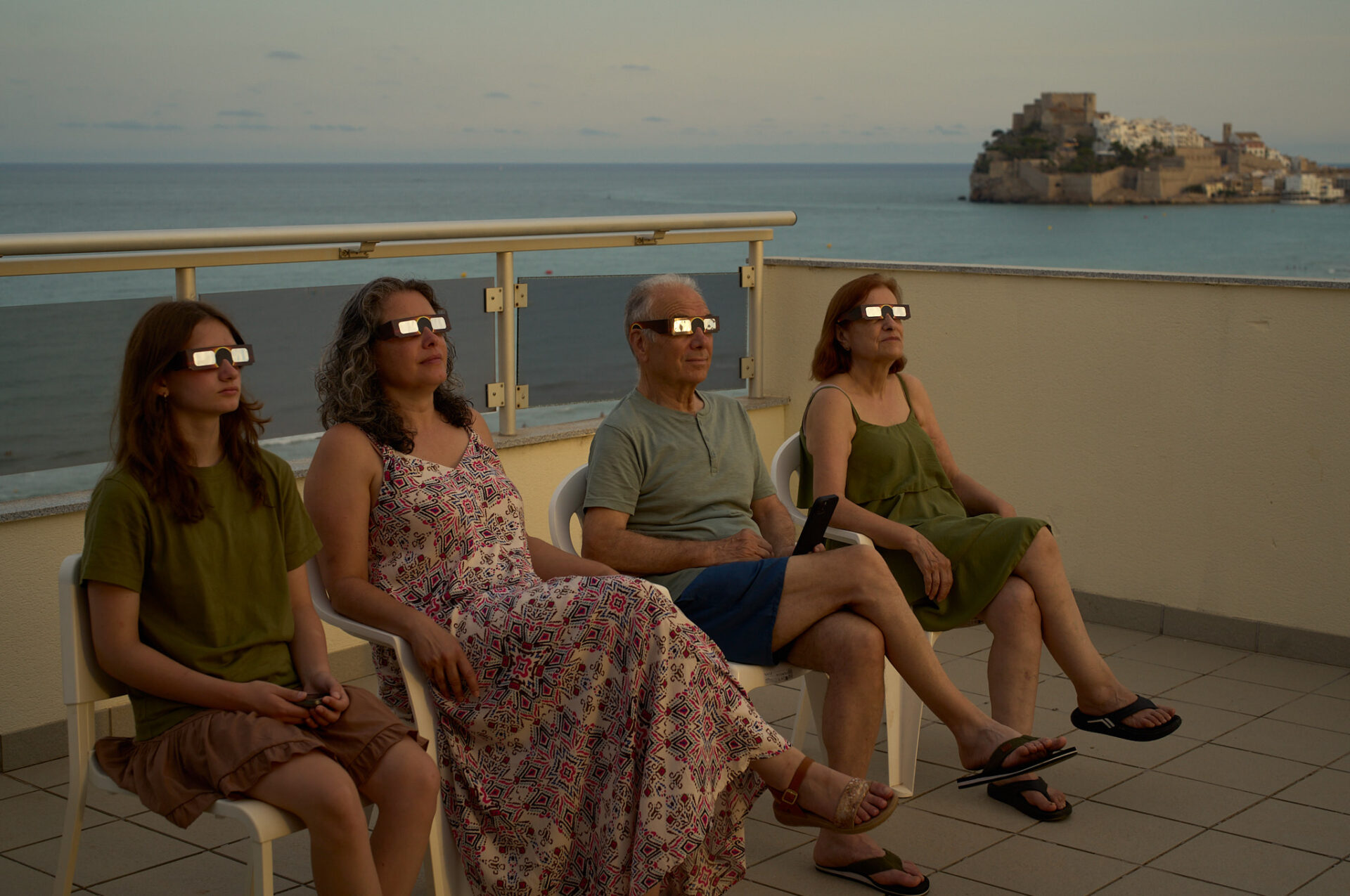
Family waiting for the total solar eclipse. Peñíscola, Spain, 2026
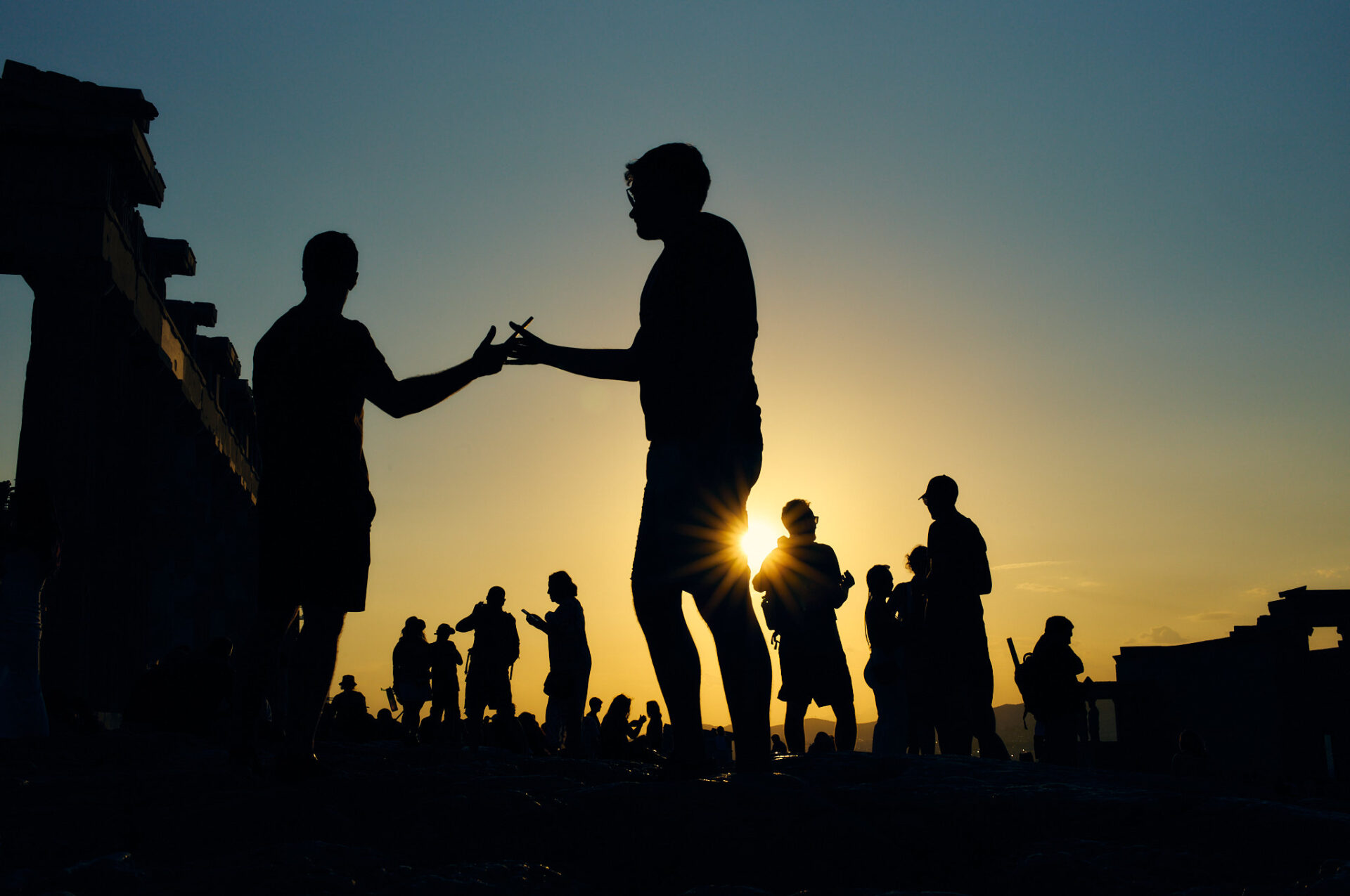
Acropolis of Athens, Greece, 2024
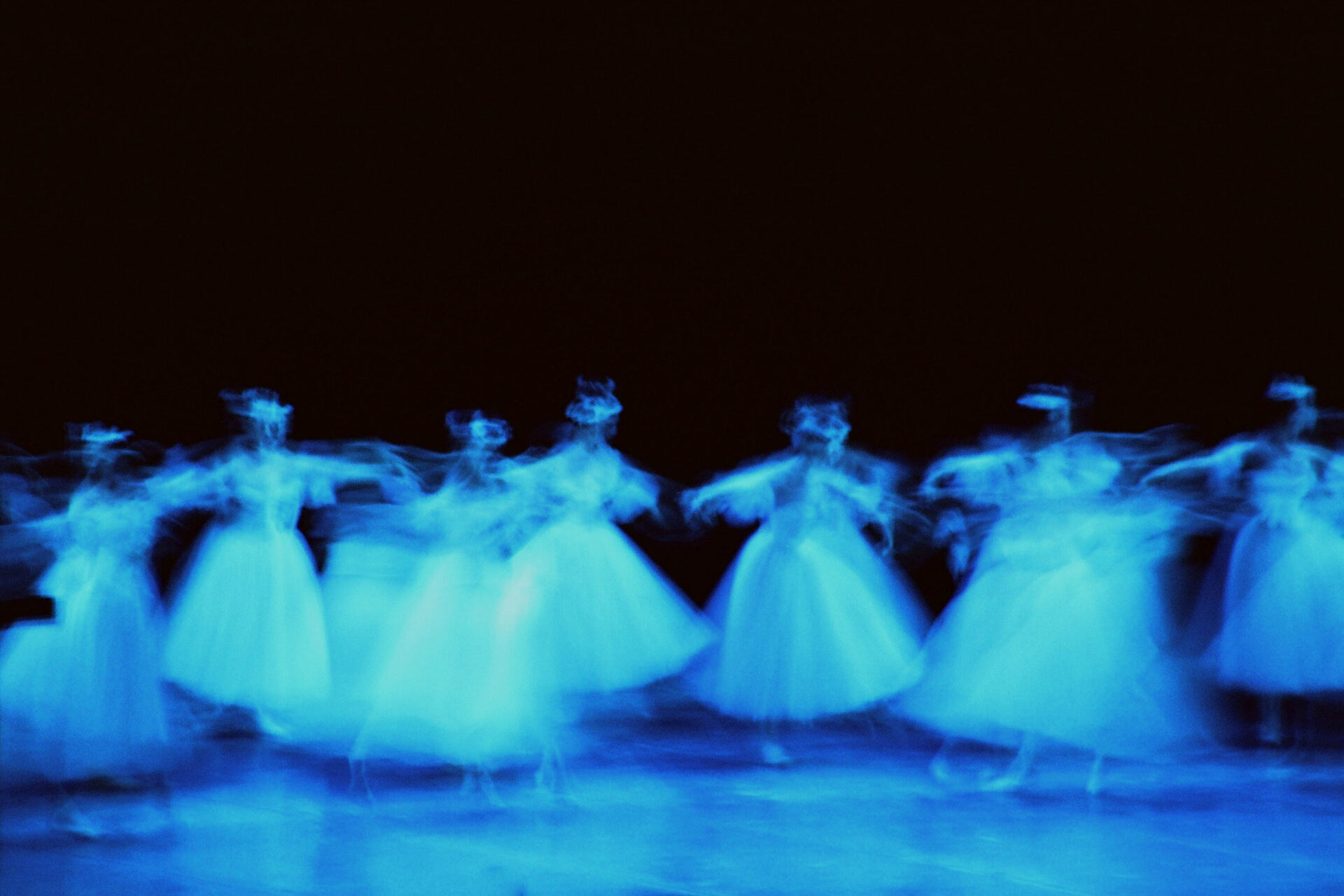
The Amphitheatre in Pula, Croatia
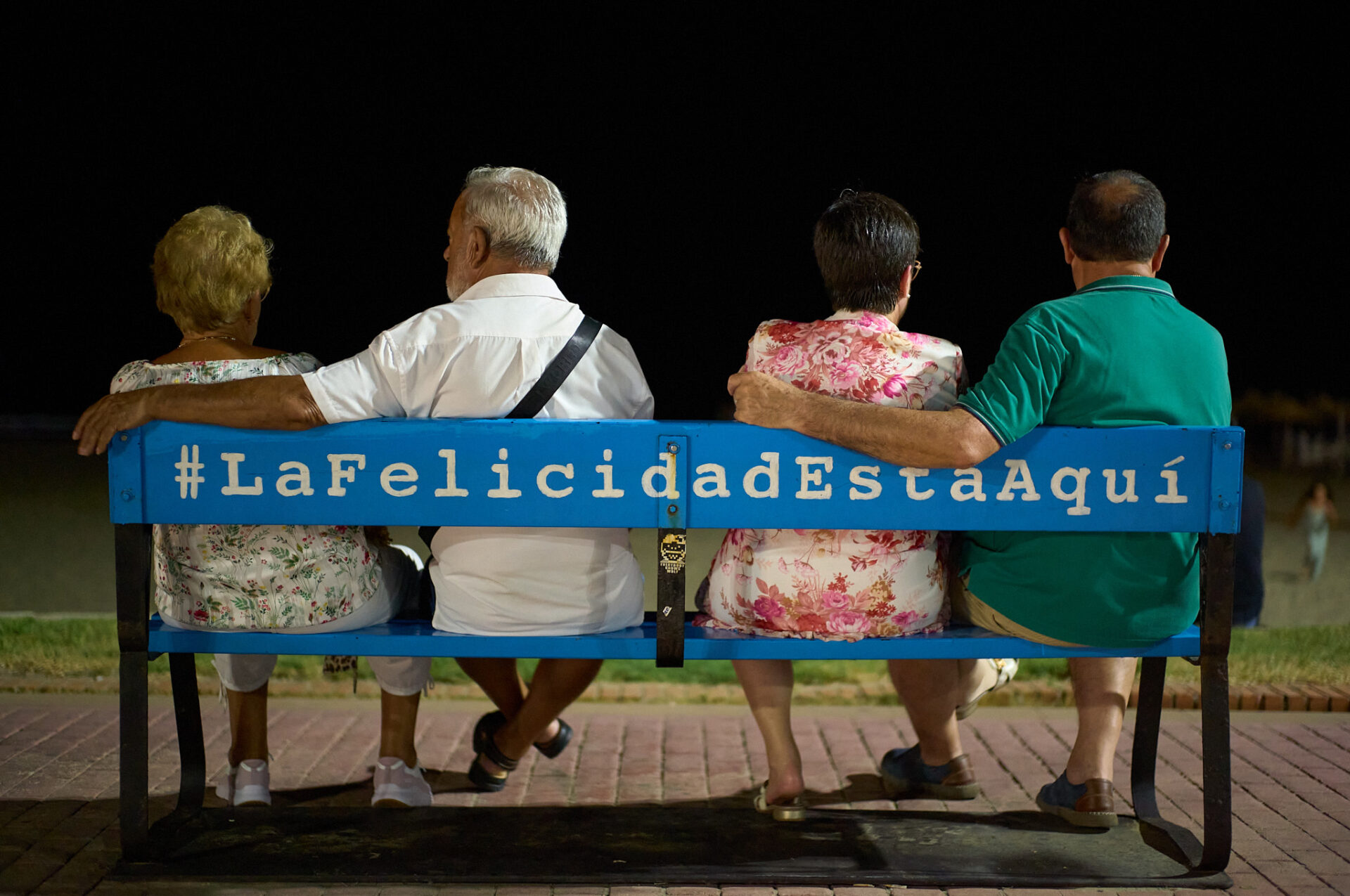
#HappinessIsHere, Peñíscola, Spain, 2026
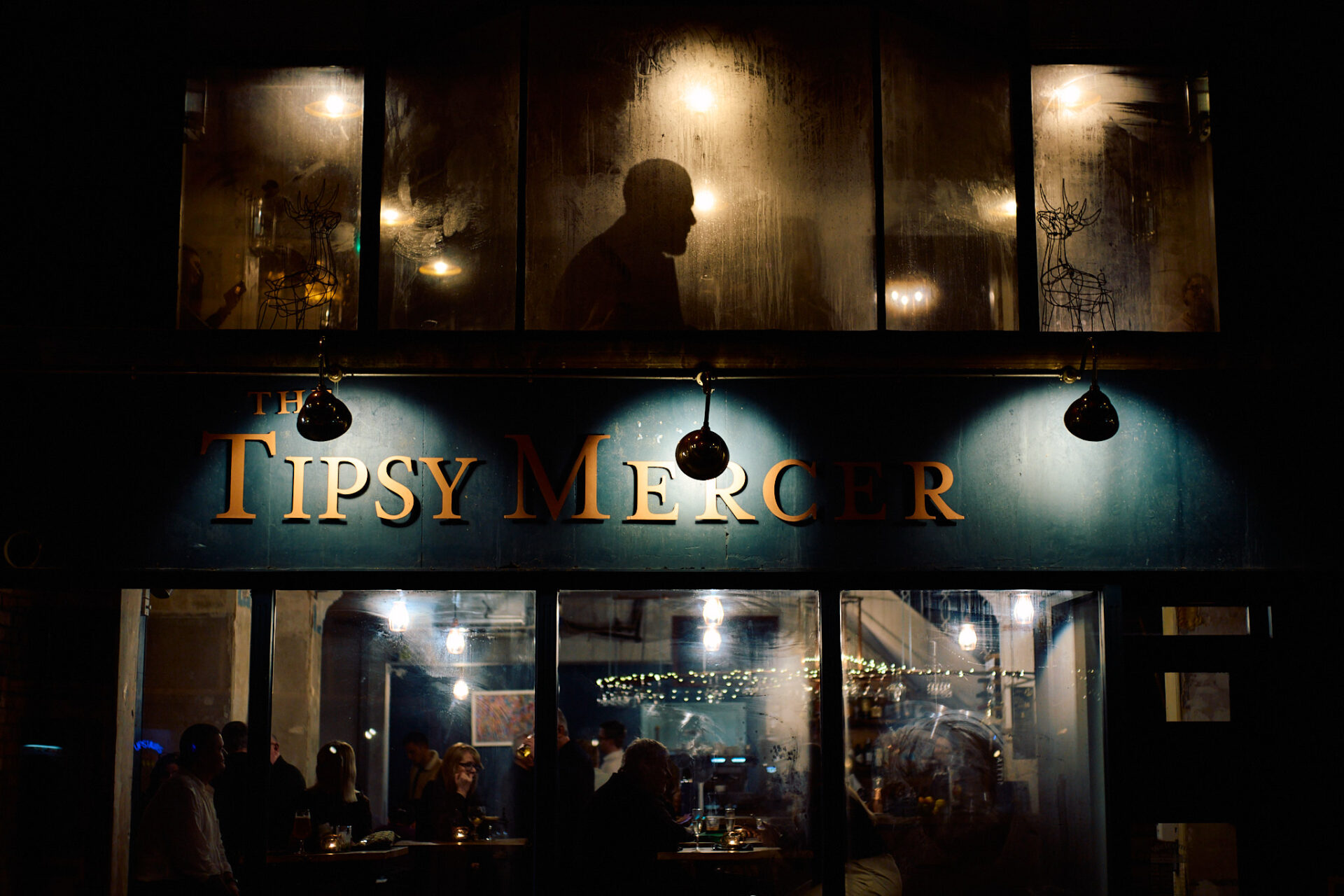
Abingdon-on-Thames, United Kingdom, 2023
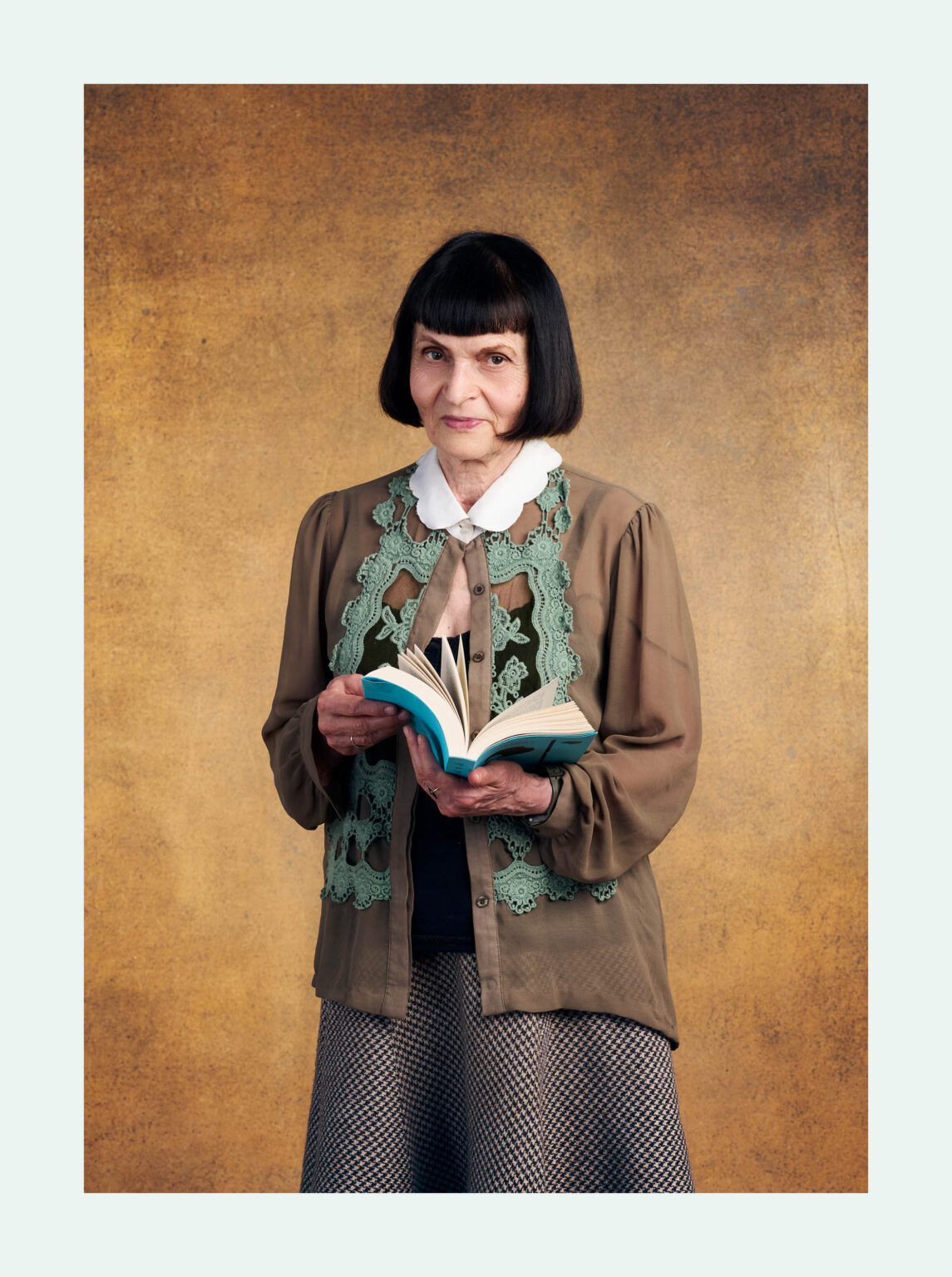
Portraits of Slovak and Czech Britain
**Portraits of Slovak and Czech Britain** is an ongoing photographic portrait series celebrating the remarkable Slovaks and Czechs who have made Britain their home.
Spanning generations—from **Pioneers** who arrived decades ago, to contemporary **Visionaries** shaping British culture, business, science and the arts, and **Descendants** carrying their heritage forward—the series explores identity, resilience and belonging through the people behind these stories.
Inspired by Zuzana Slobodova’s book *The Streets of London Are Paved with Gold*, the project was developed in collaboration with Simona Vrabcova and Rebeka Jurcackova of Slovak Theatre London.
Through Robert Viglasky’s portraits, familiar and lesser-known faces come together to form a visual record of a community whose stories are deeply intertwined with modern Britain—celebrating not only where they came from, but the mark they have made on the country they now call home.
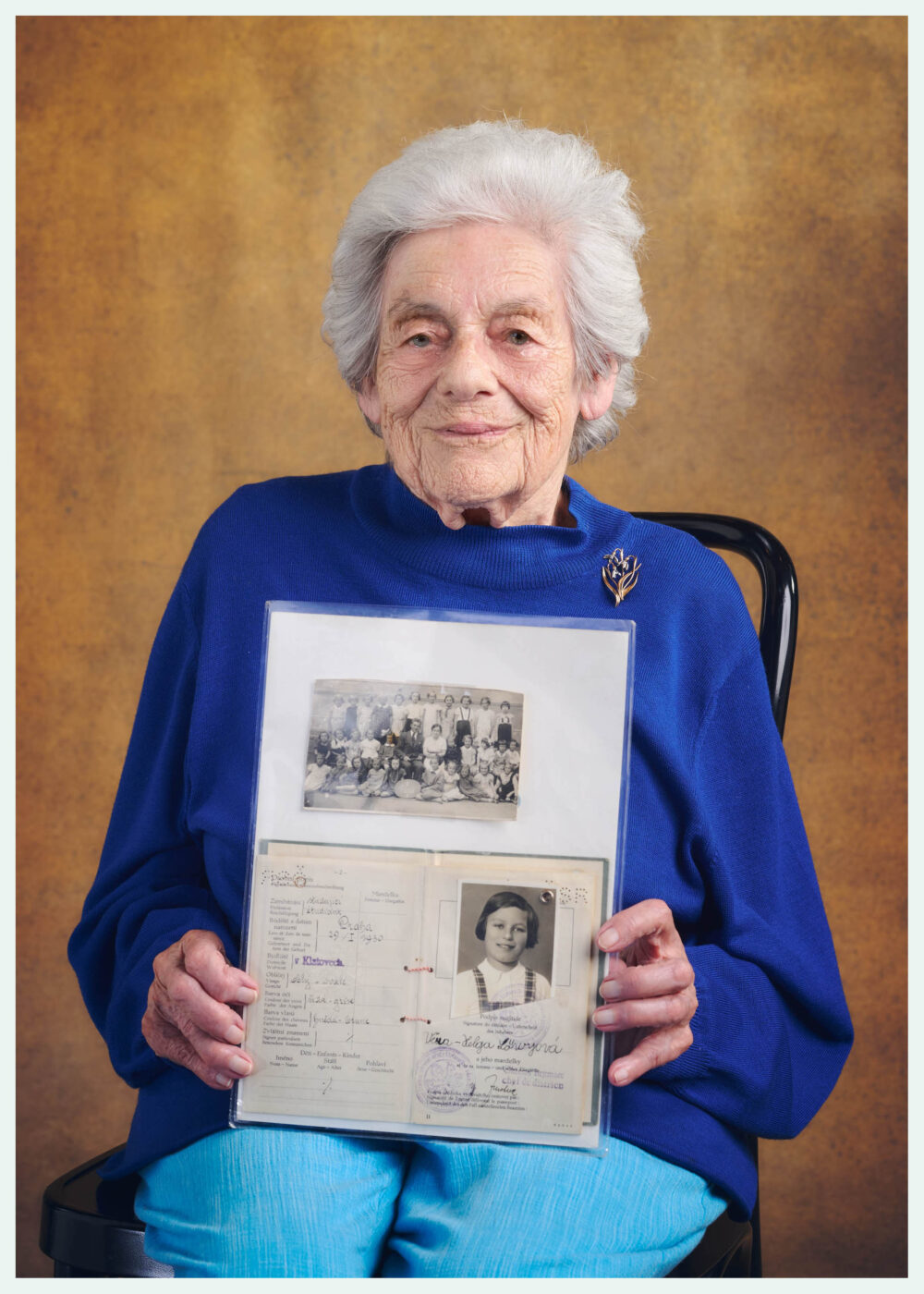
Vera Schaufeld MBE (née Věra Helga Leviová) Educator & Kindertransport Survivor. “It is vital to help children who arrive from other countries, often after terrible times, to feel welcome in school. Teachers and classmates must make sure they are not made to feel like outsiders.”
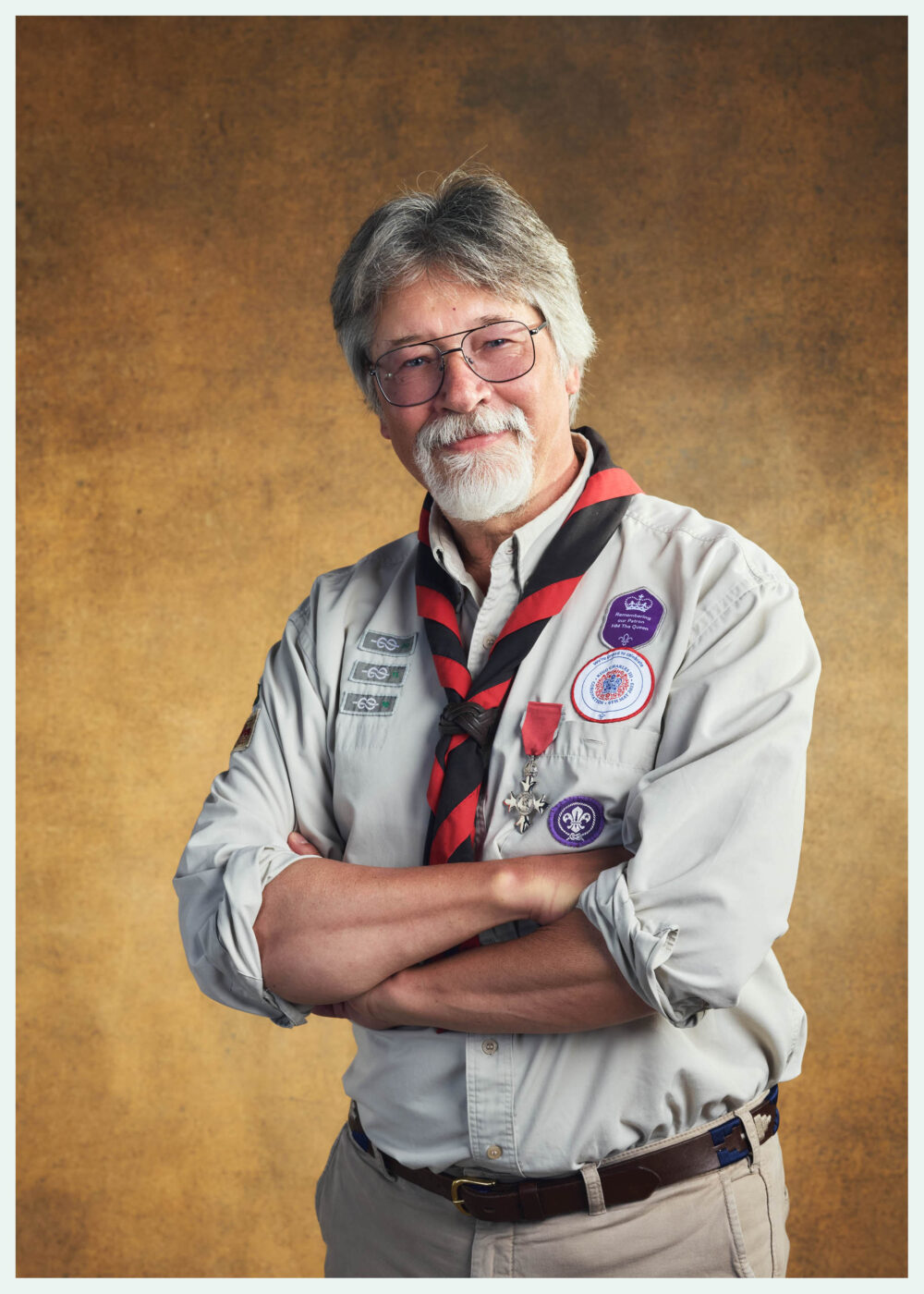
Alex Brychta MBE Illustrator. "I would like to tell Czechs and Slovaks living here, or working here, to be proud that they are Czechs and Slovaks. I am proud of it myself."
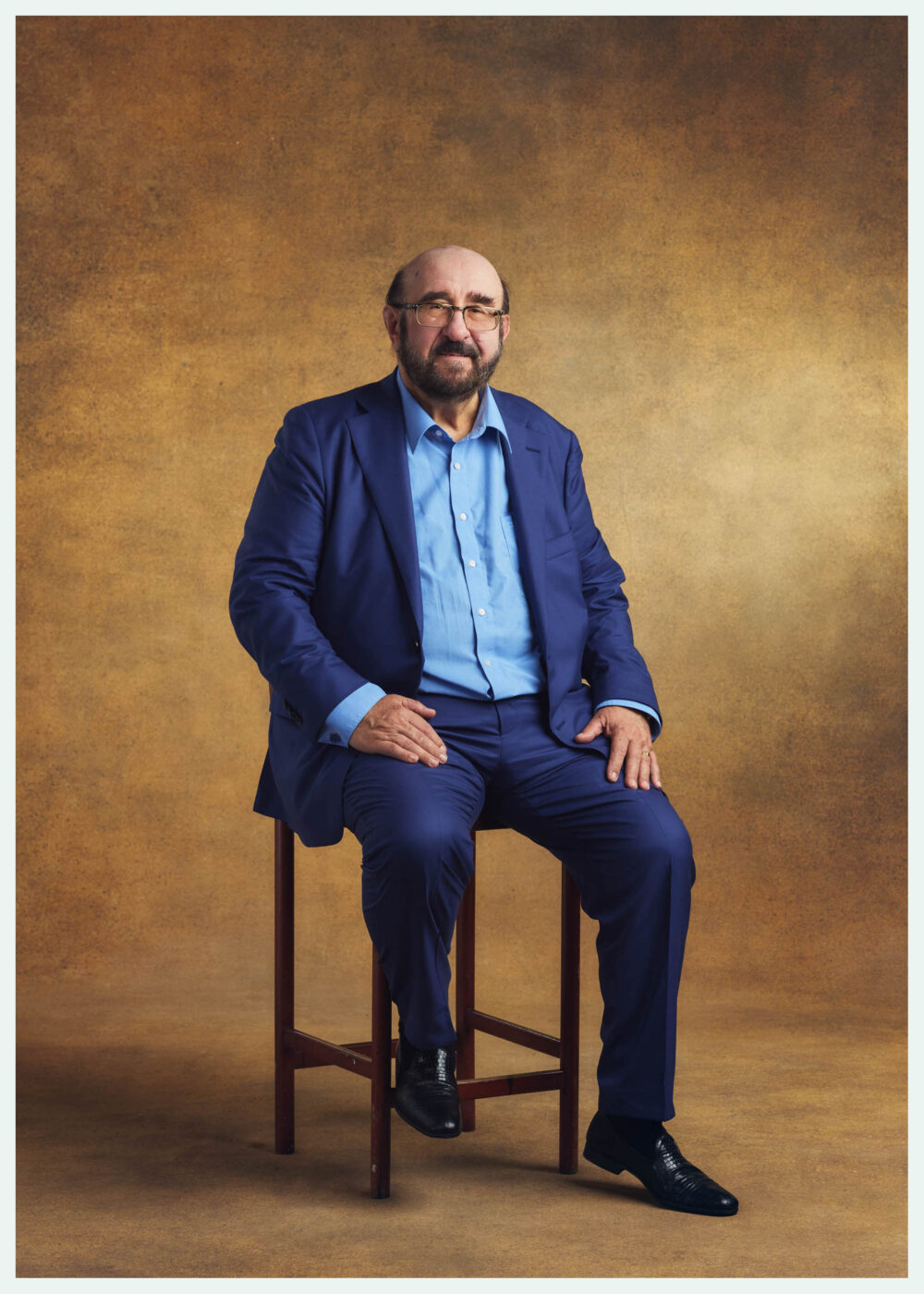
Dr Jan Telensky Entrepreneur, Philanthropist & Visionary. "Never forget where you came from. Go abroad, learn, but then return home and use your knowledge for your own country."
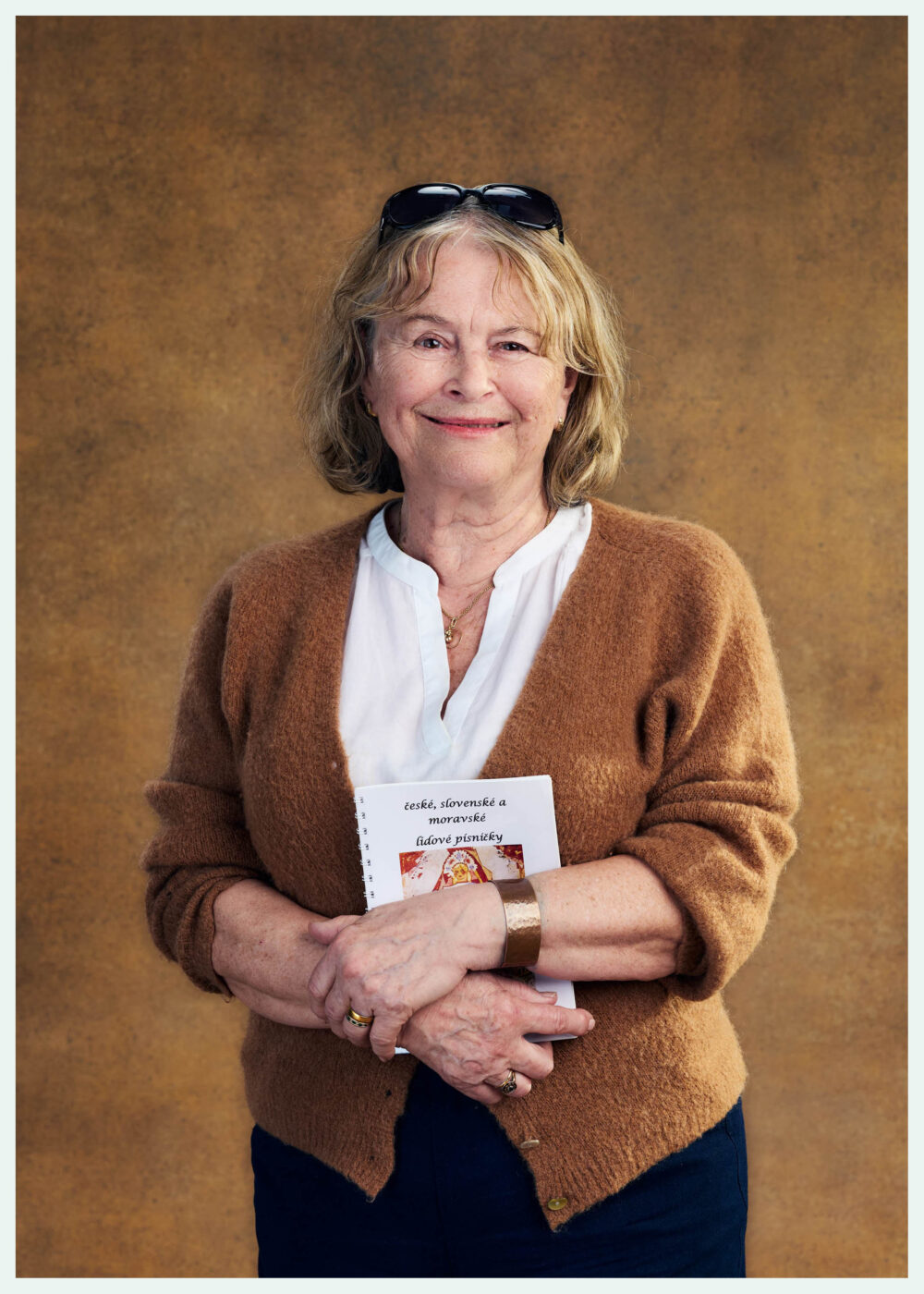
Mirka Mondry Trustee of Velehrad London, Former Teacher. “I always say I am a true Czechoslovak, sometimes I feel more Moravian, sometimes more Slovak, it depends on who I am speaking with. But I love both.”
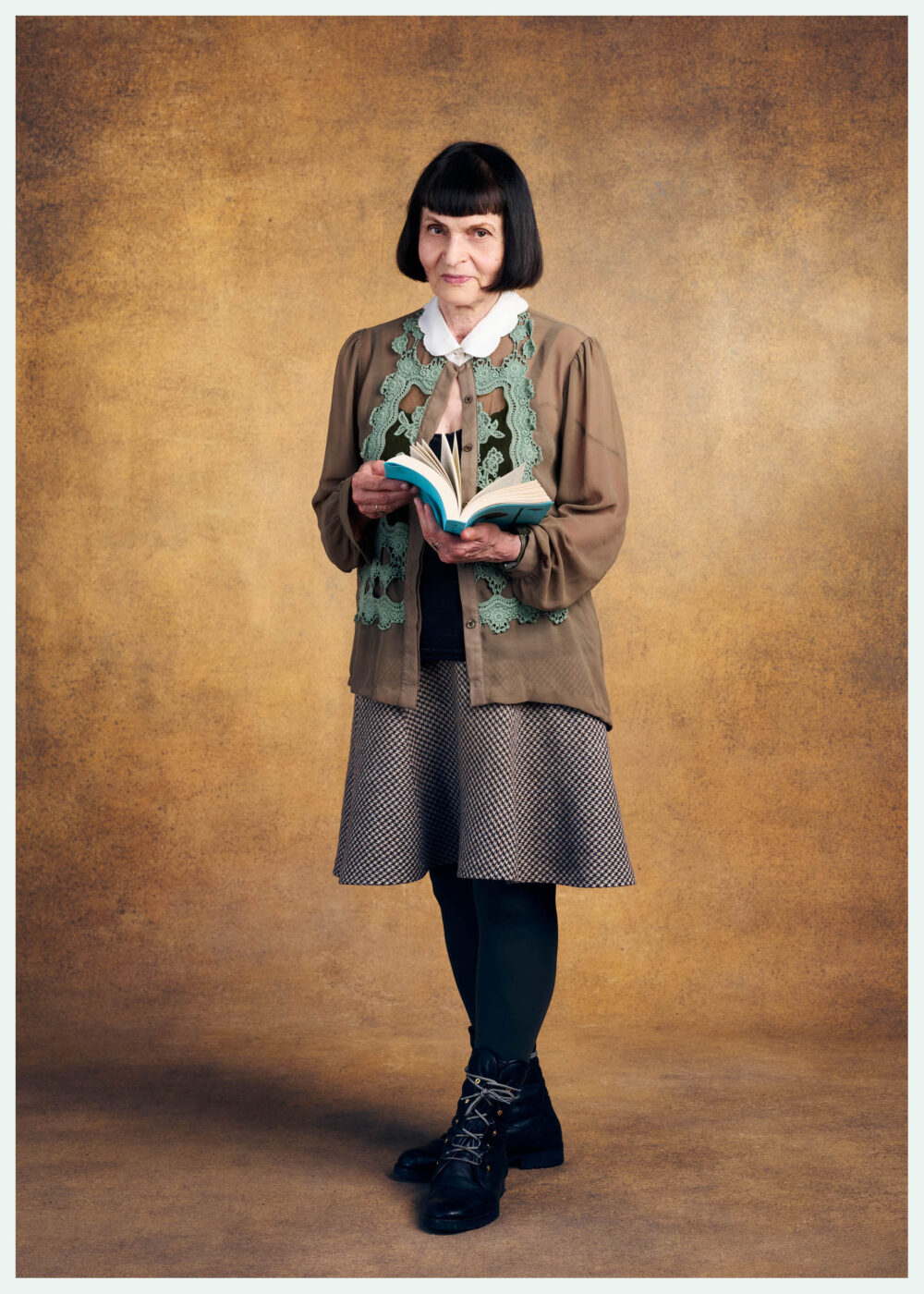
Zuzana Slobodová Author & Former BBC Broadcaster. “To be born a second time, without language, without knowledge, almost as helpless as a newborn. But unlike a child, you don’t have the loving circle of people around you. That is what it means to change country.”
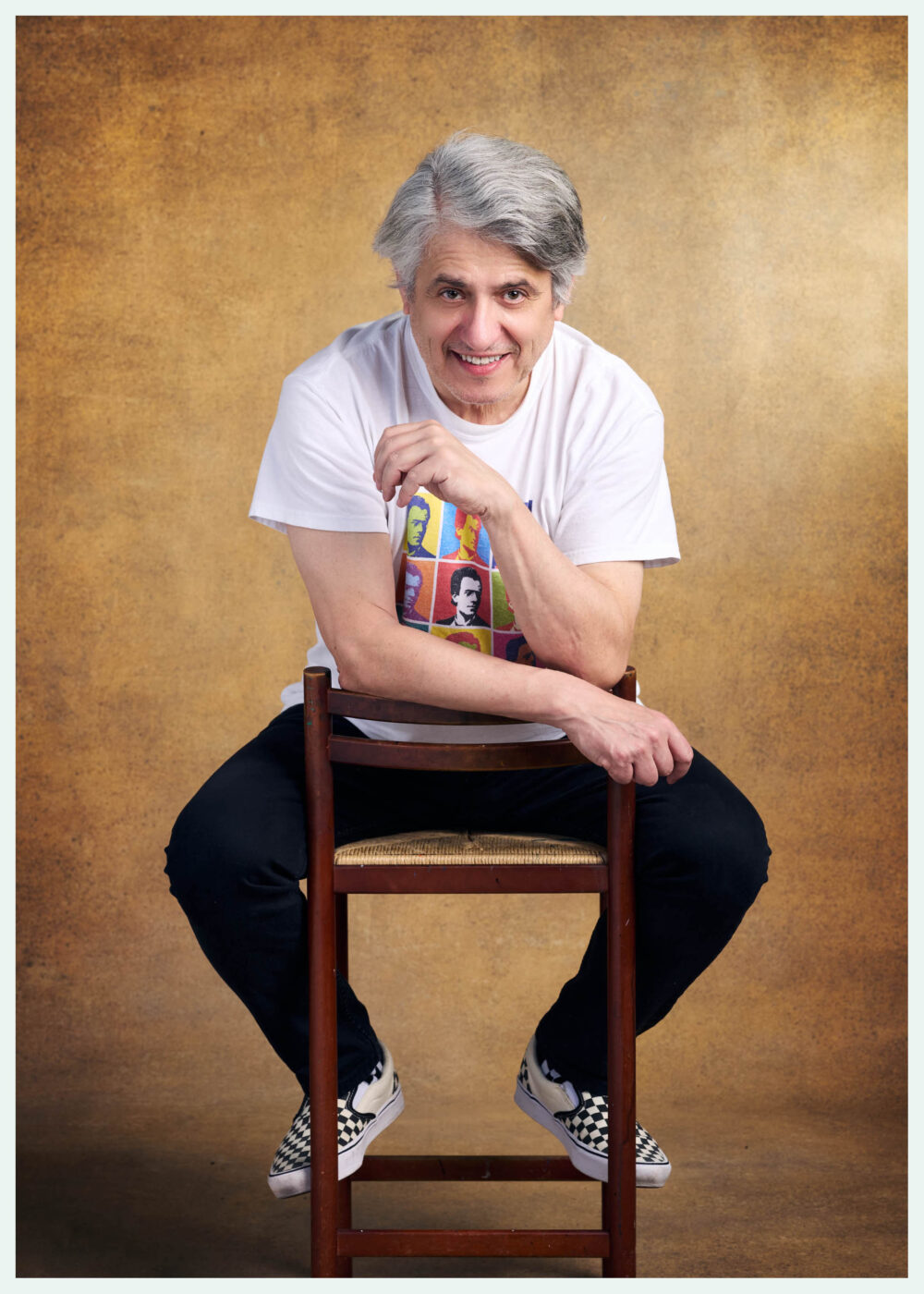
Peter Breiner Conductor, Composer & Pianist. “I have the great privilege that my profession is also my hobby, my passion.”
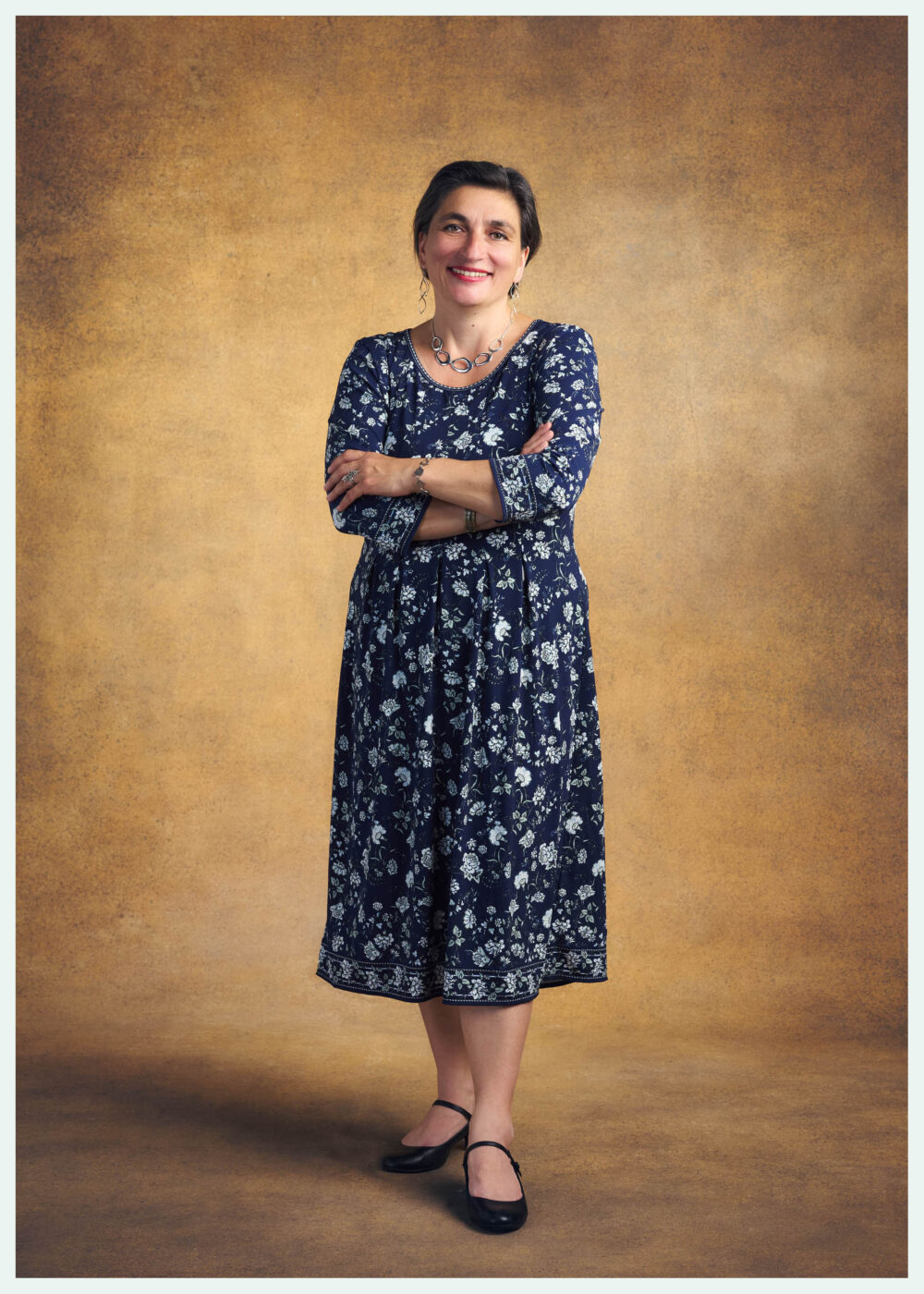
Jana Nahodilová, Chair of Czech and Slovak school Okénko and British Czech and Slovak Association, Educator and Community Leader. "If you can, try to preserve your language and pass it on to your children. It is a gift they will never regret."
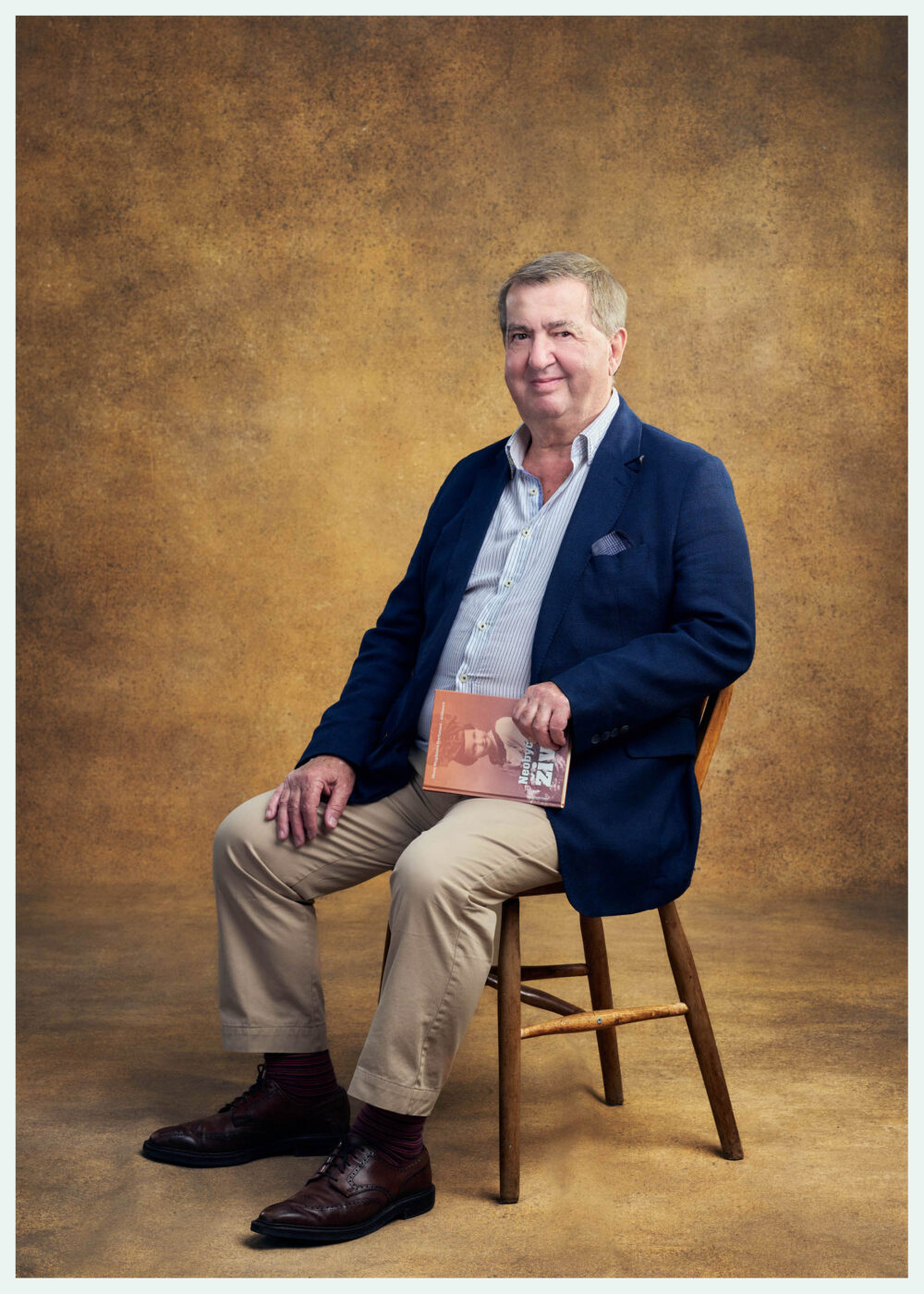
Ladislav Horňan Certified Chartered Accountant, President of the BCSA and Co-Founder and President of the CBCC. "One of the things to do is to recognise opportunities and take them. Don't hesitate, be brave, take opportunities because they don't come like trains every half an hour, there is one in a long time."
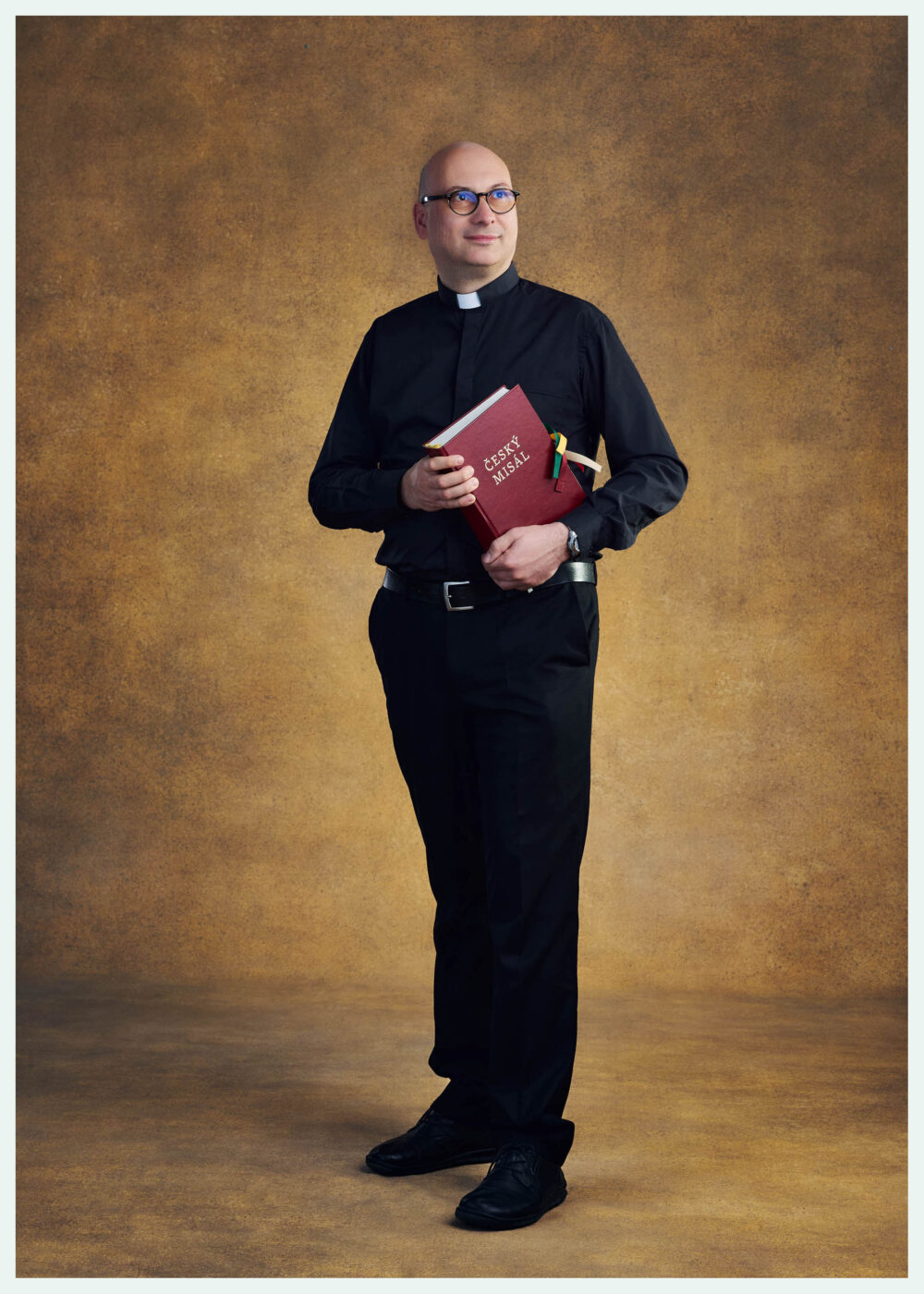
Father Tomáš Roule Roman Catholic Priest & Spiritual Director. "He is deeply convinced that God loves every person, and he carries inside a burning desire to share this with others. It is a core conviction of his being a priest.“
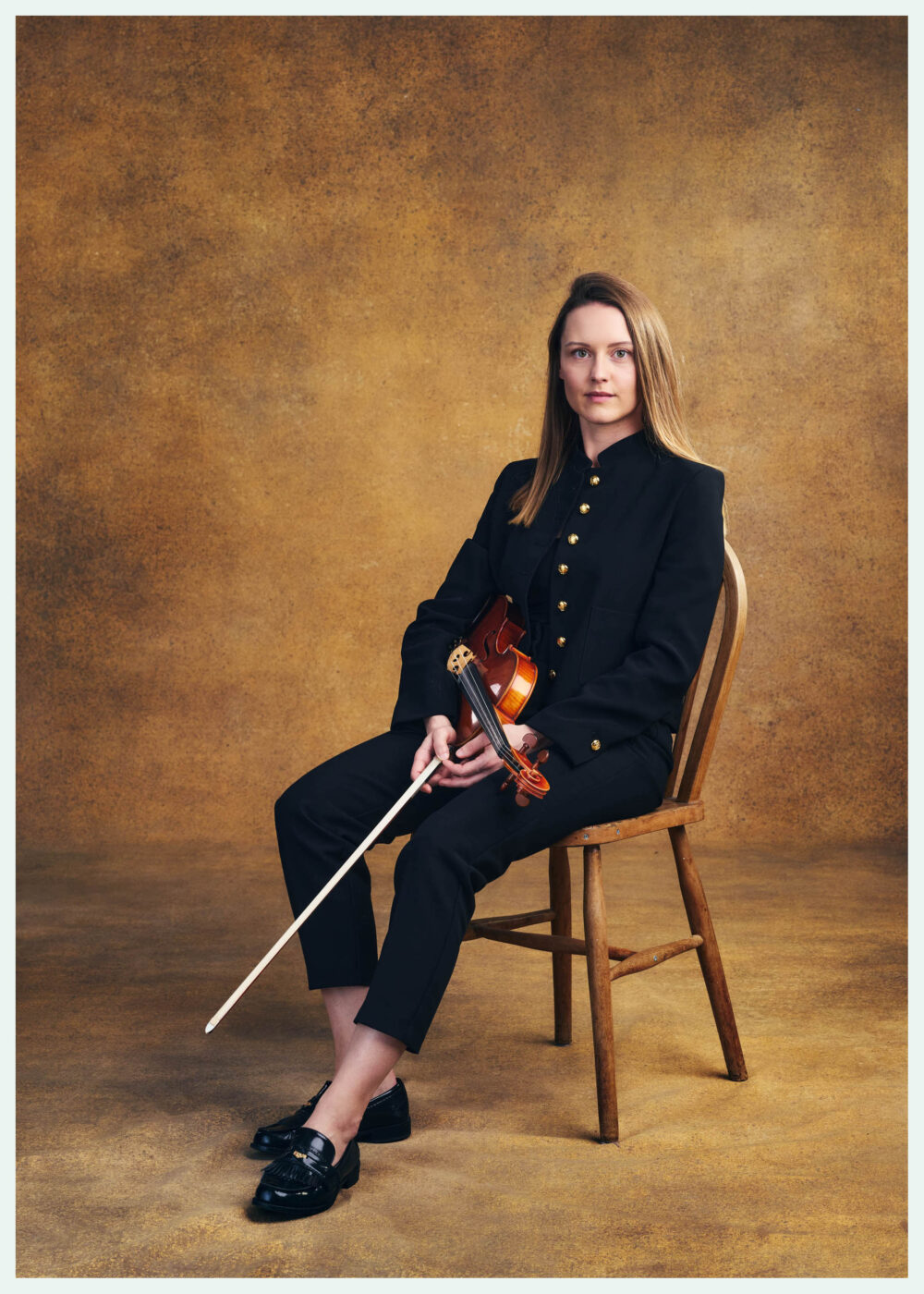
Leona Gogolicynová Violinist. “Music has the ability to express what is most human in us, remind us of what is worth cherishing. When we remember what is worth cherishing, we remain hopeful.”
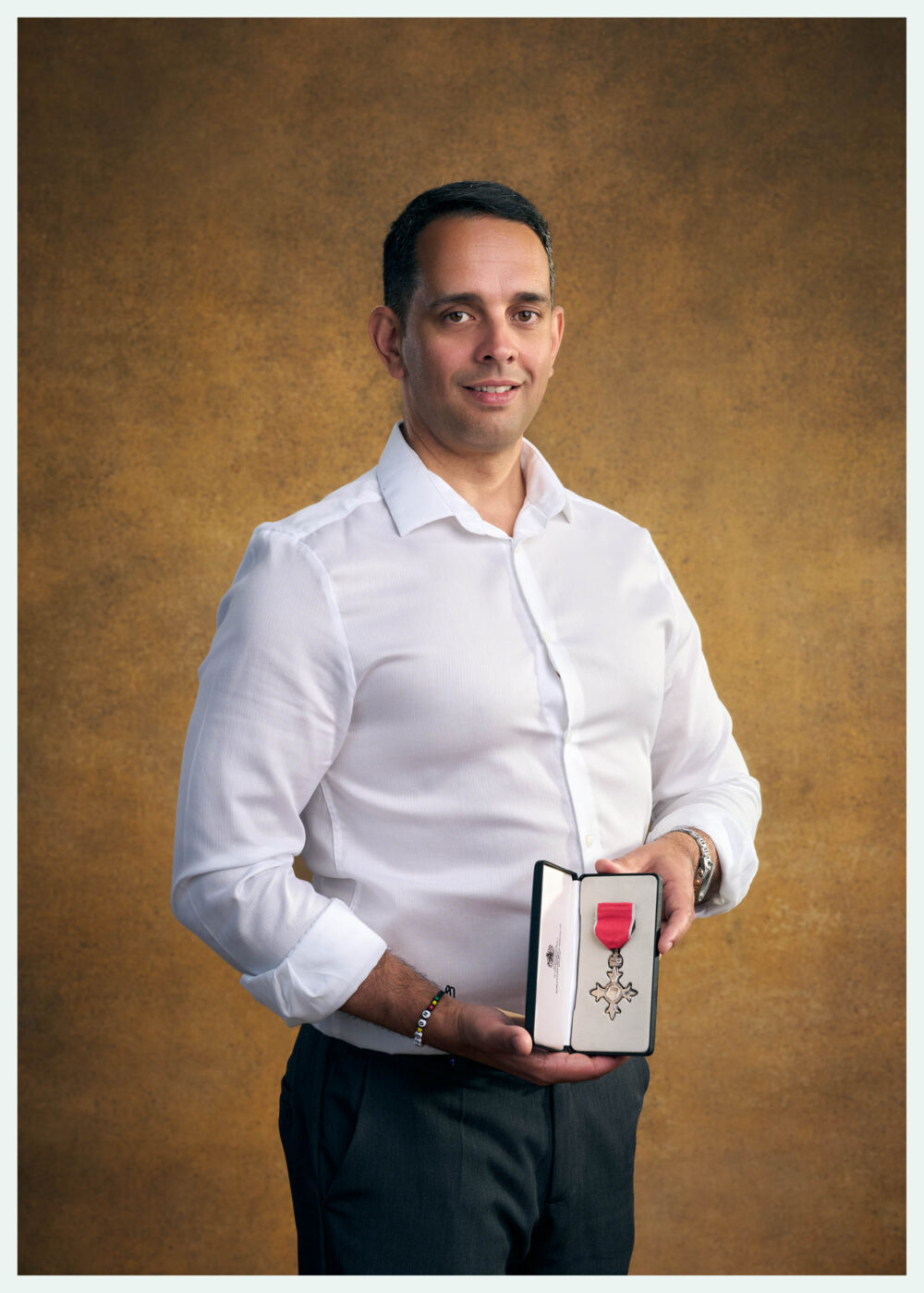
Petr Torák MBE Founder, Compass Charity, Honorary Consul & Former Police Officer. “My message to everyone, whether Czech, Slovak, Roma, or anyone else, is to see the individual in front of you as a unique person, without judging or assuming what to expect.”
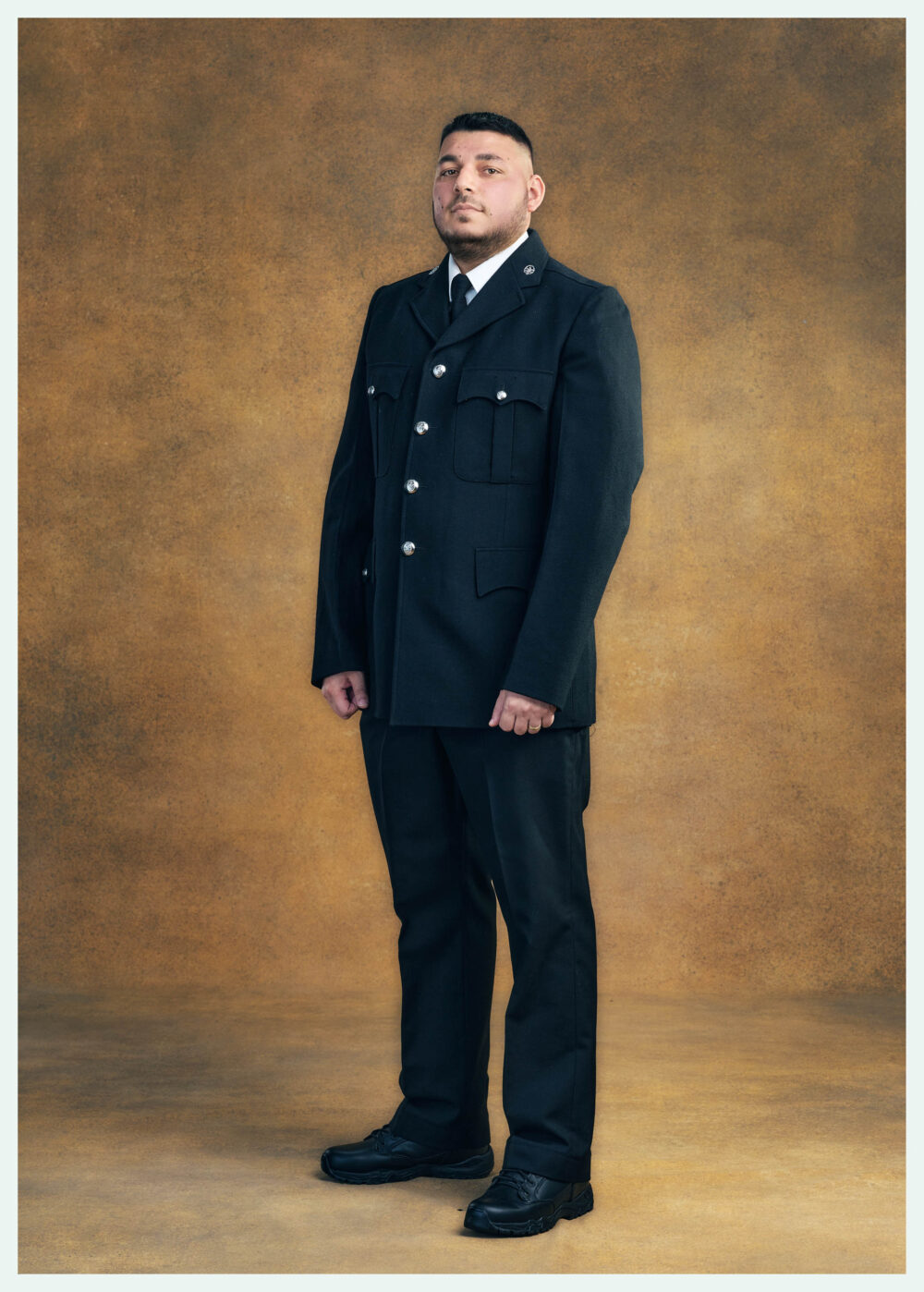
Peter Kotlár, Police Officer. “I am a very ambitious person. I set goals for myself, and that is my motivation. Everything is possible, but only through hard work.”
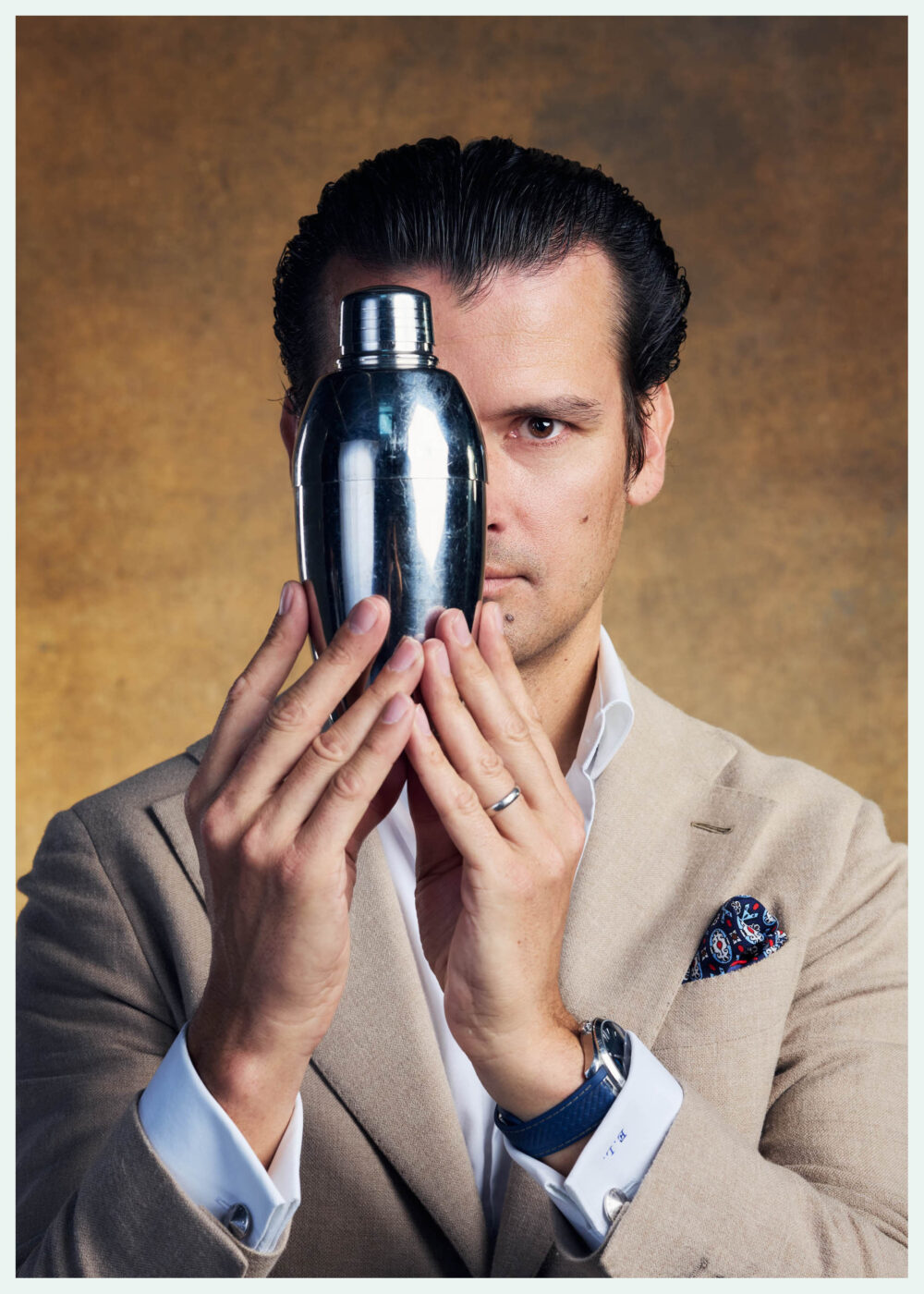
Erik Lorincz, World-Renowned Mixologist & Founder of Kwānt Mayfair, London. "Hard work was always what my parents taught me; nothing is given for free, but the harder you work, the further you can go."
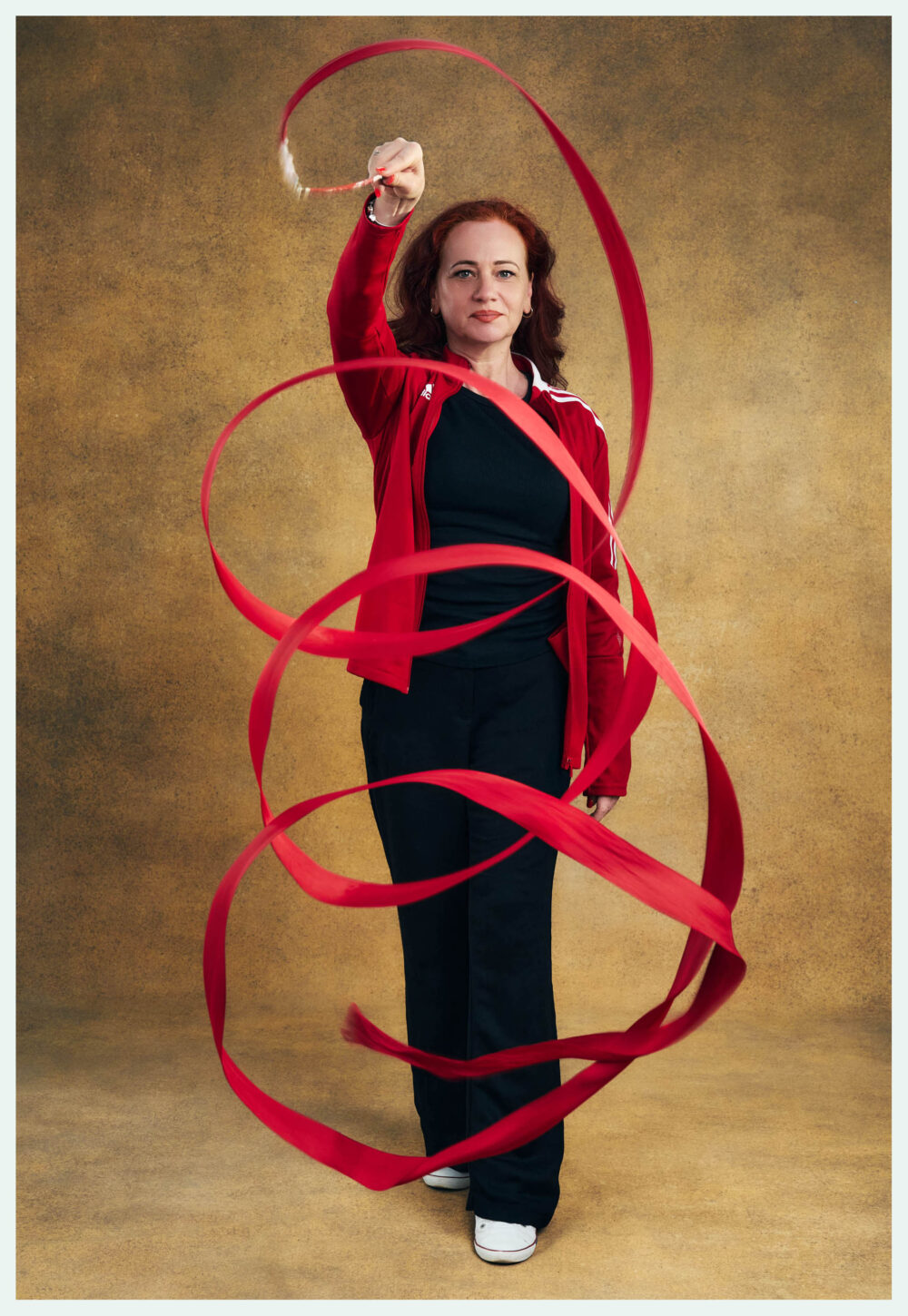
Zuzana Gergelová Coach, Founder of Oxford Rhythmic Gymnastics Club. “As I stayed here, doors kept opening. I saw new opportunities, and I was already familiar with the culture. So from the four months I had planned, it became much longer... I am proud that we created a space for so many children, that we can keep teaching this sport I love, and that rhythmic gymnastics has become more widely known.”
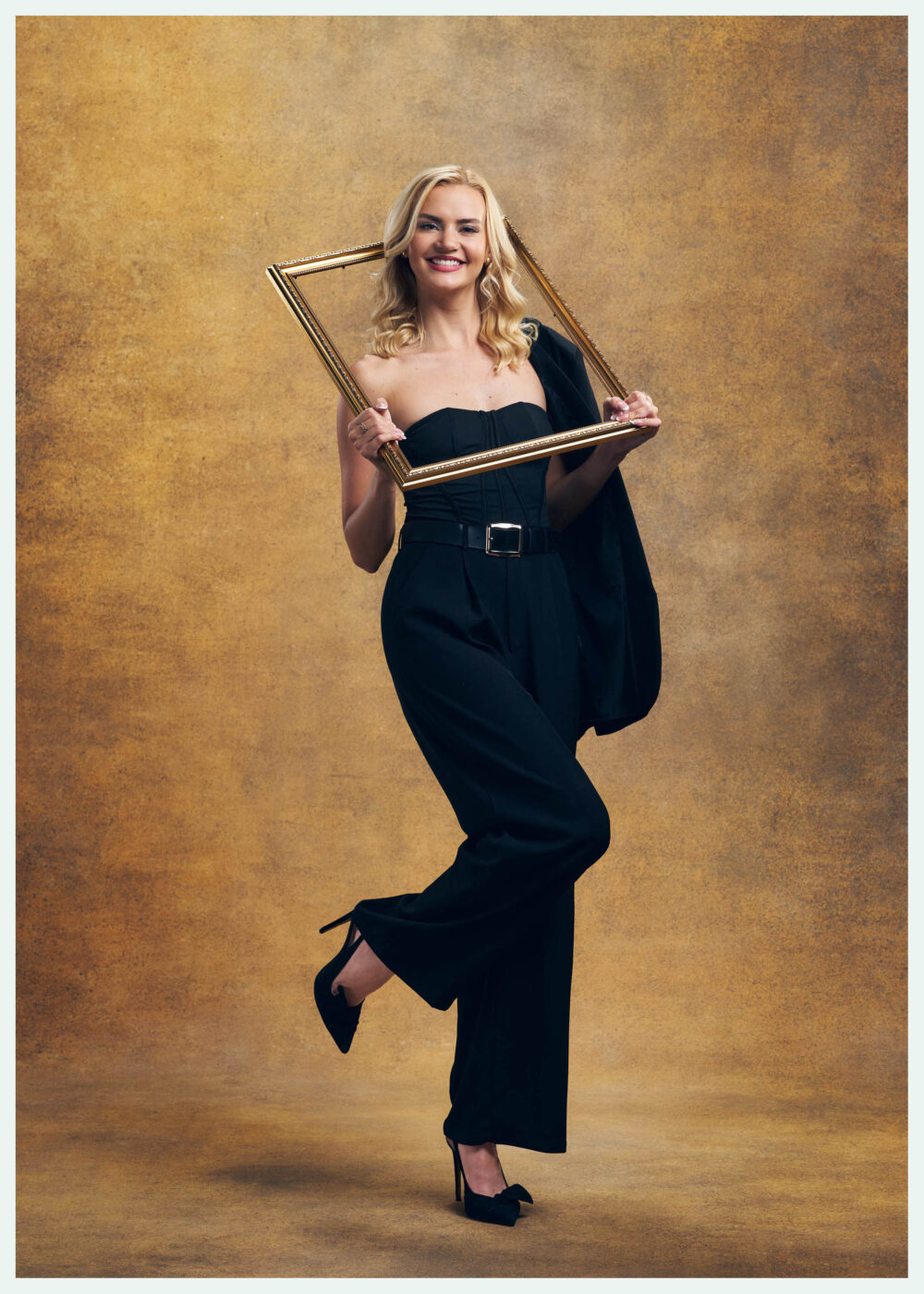
Simona Vrabcová Director & Actress of Slovak Theatre London, Cultural Manager, Academic. “I left Slovakia frustrated, certain I never wanted to have anything to do with Slovaks again. Yet life abroad brought me back to my roots, and today almost everything I do is about Slovakia.”
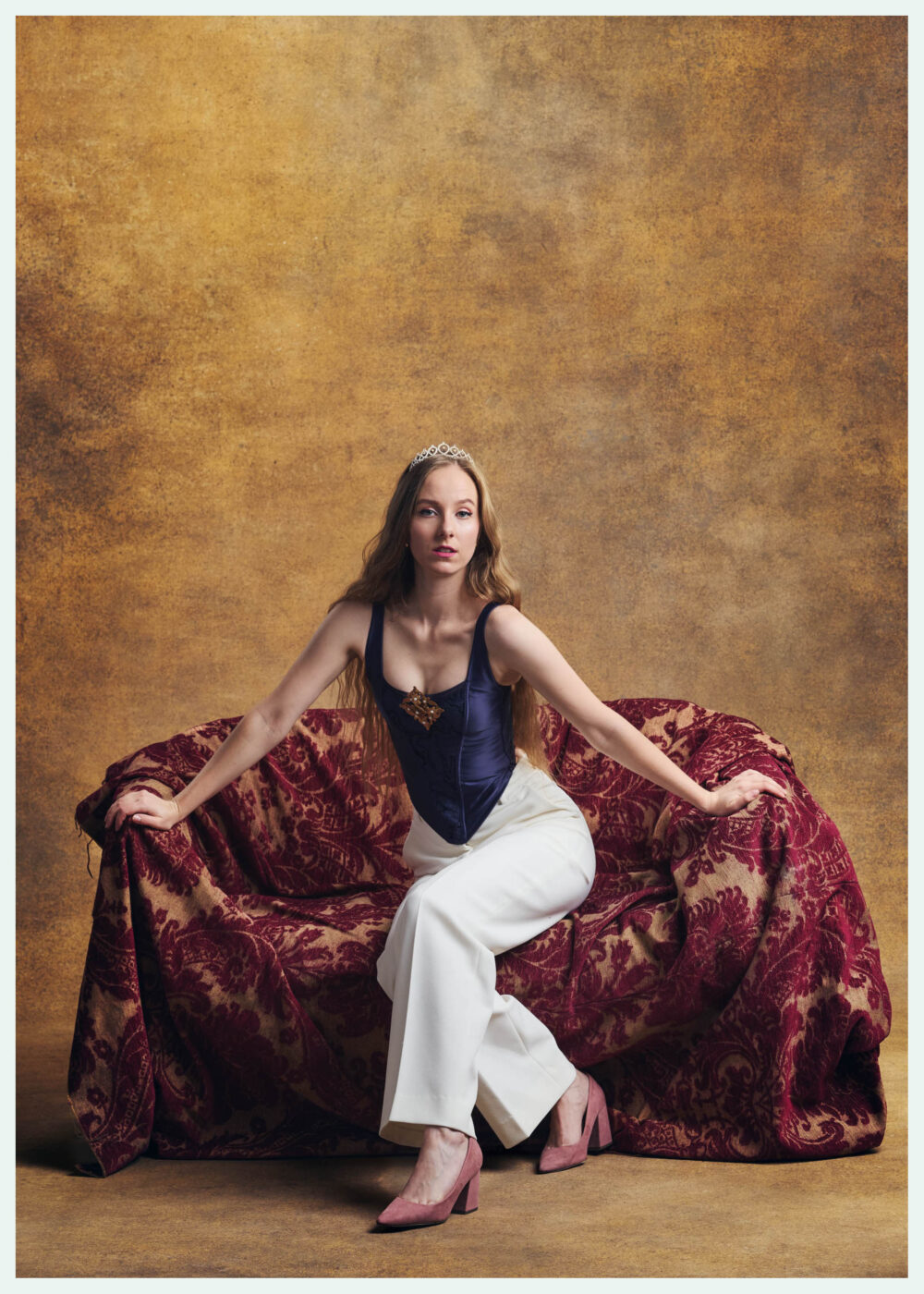
Rebeka Jurčacková, Manager & Actress of Slovak Theatre London, Multidisciplinary Artist & Designer, Slovak Cultural Coach. “I wish Slovaks could care for one another more, unite, and be less critical of themselves and each other. The most beautiful projects are born when we come together.”
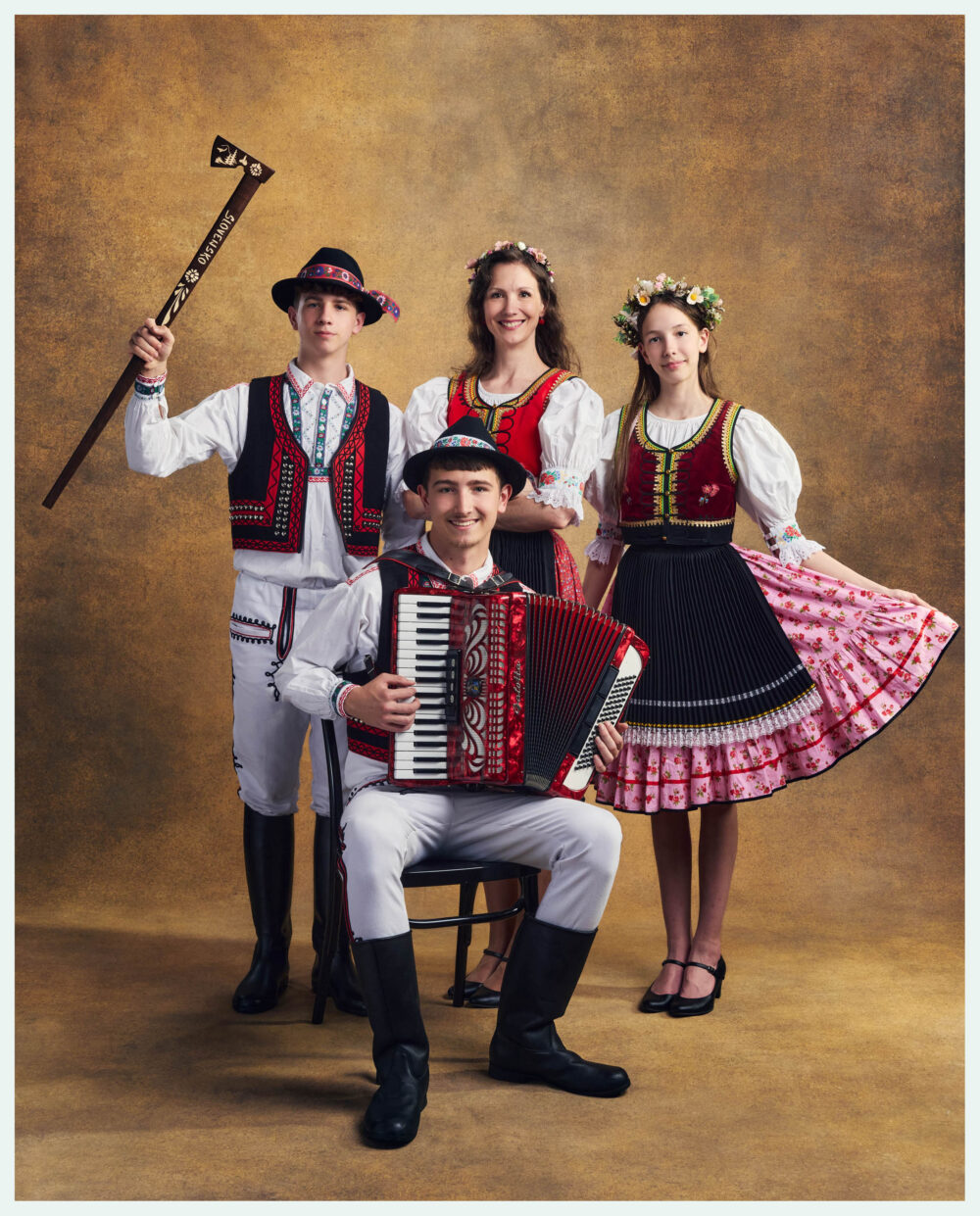
Dana Klampárová & Children Daniel, Dalia, Elliot. Founder of the ASSC UK, Leader of FS Breza & DFS Brezička.
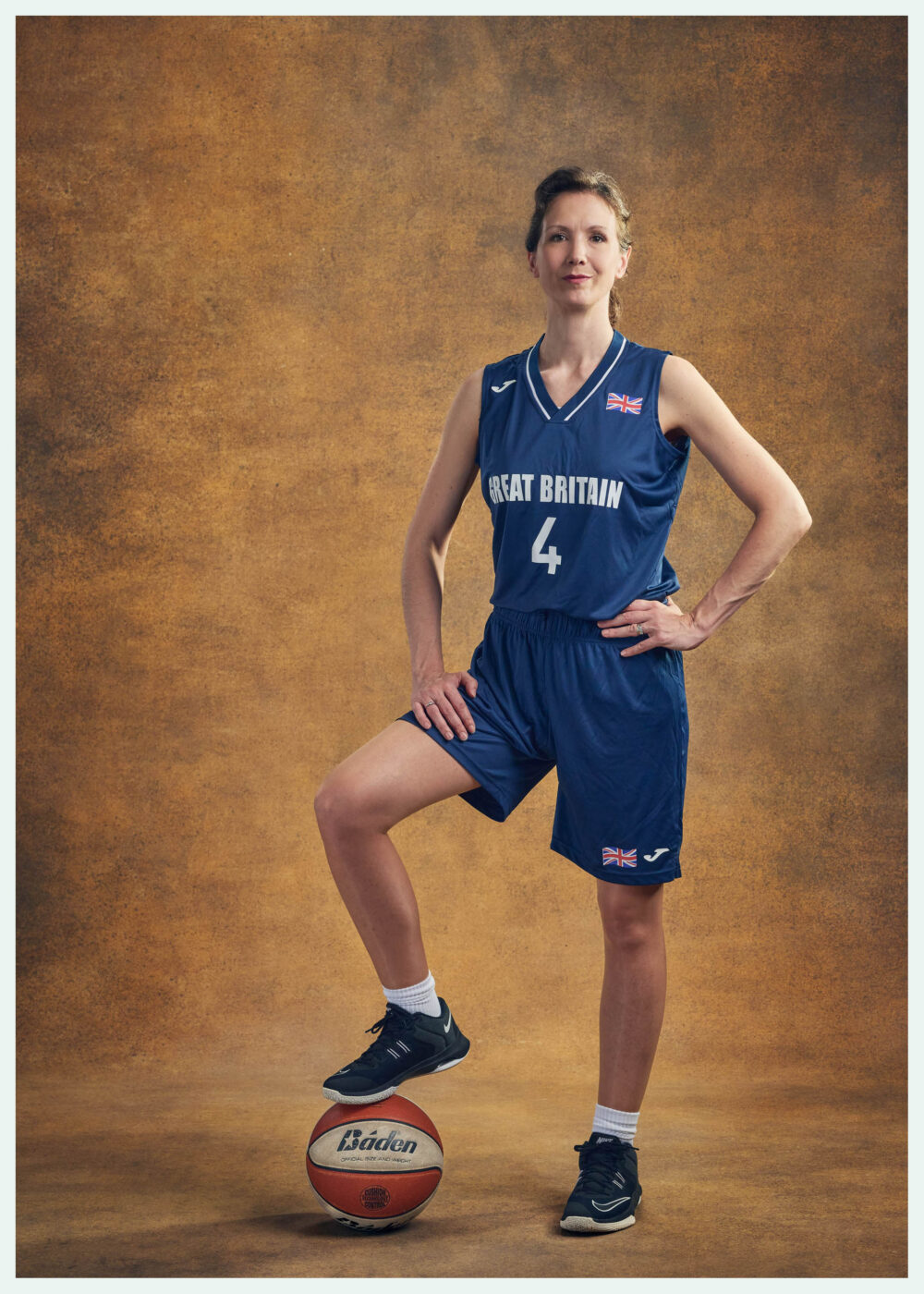
Dana Klampárová Community Leader, Nurse, Founder of the ASSC UK. "To all Slovaks and Czechs – stick together. In unity, there is strength, and together we have a greater chance of achieving something. We are a wonderful nation."
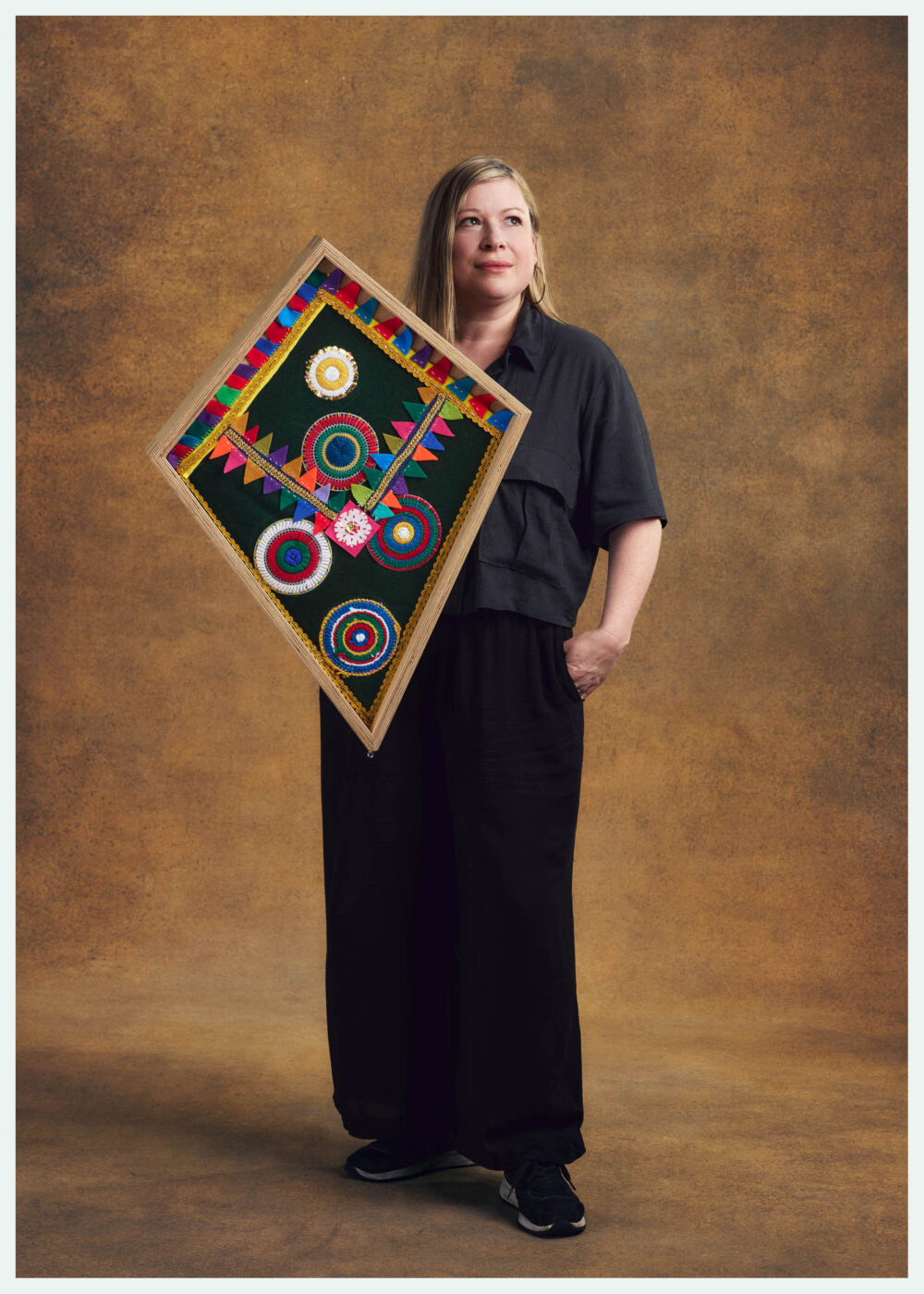
Tereza Bušková, Multidisciplinary Artist & Art Educator. “I see folklore as constantly evolving and alive. By reinterpreting traditions and creating new ones, we keep them relevant for a 21st-century audience.”
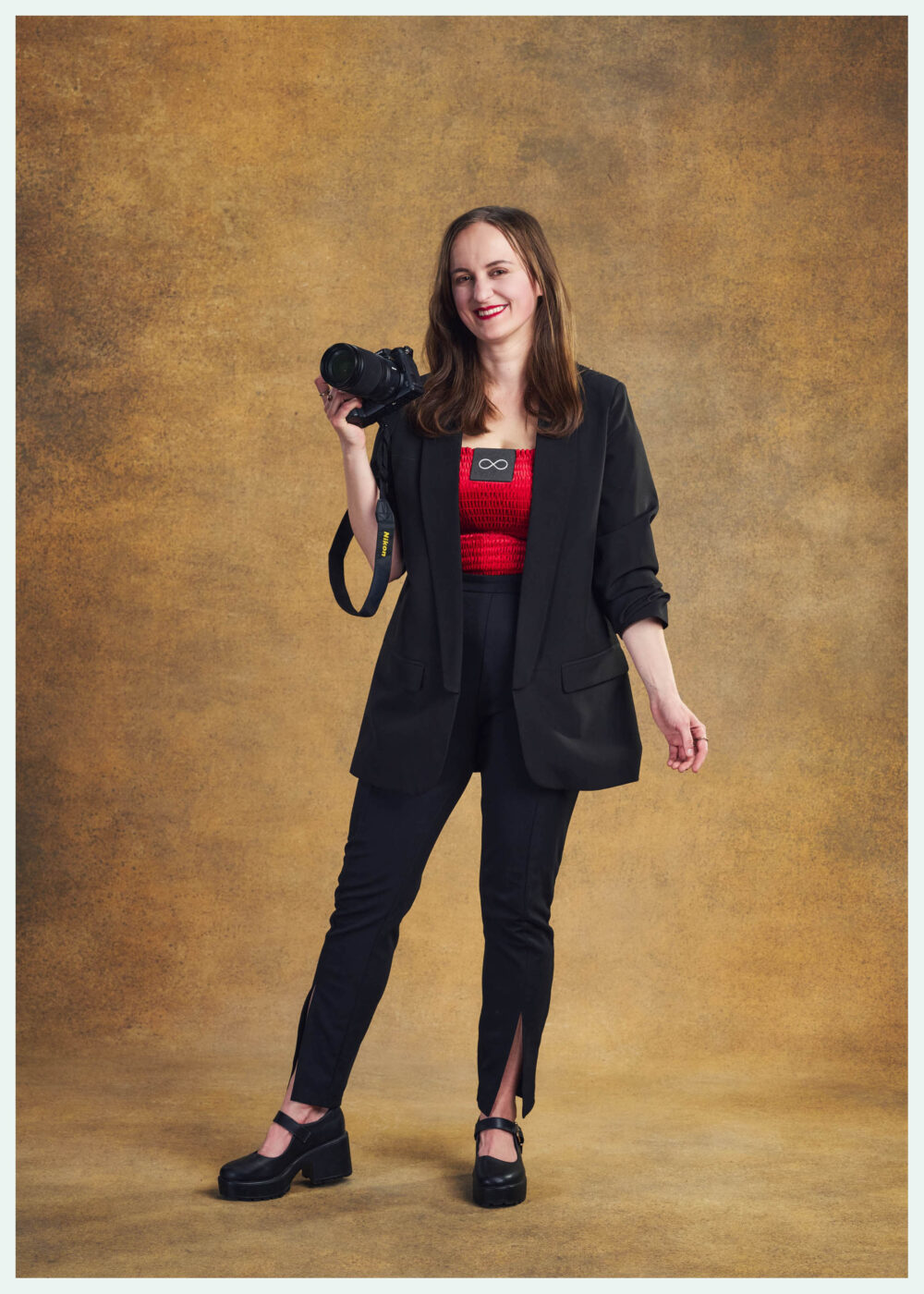
Hermine Patch (aka Patrícia Bandžuchová). Photographer & Visual Artist. “I am most proud of the direction my work is taking. I feel I am slowly creating a style of my own, and that is a great gift for any artist.”
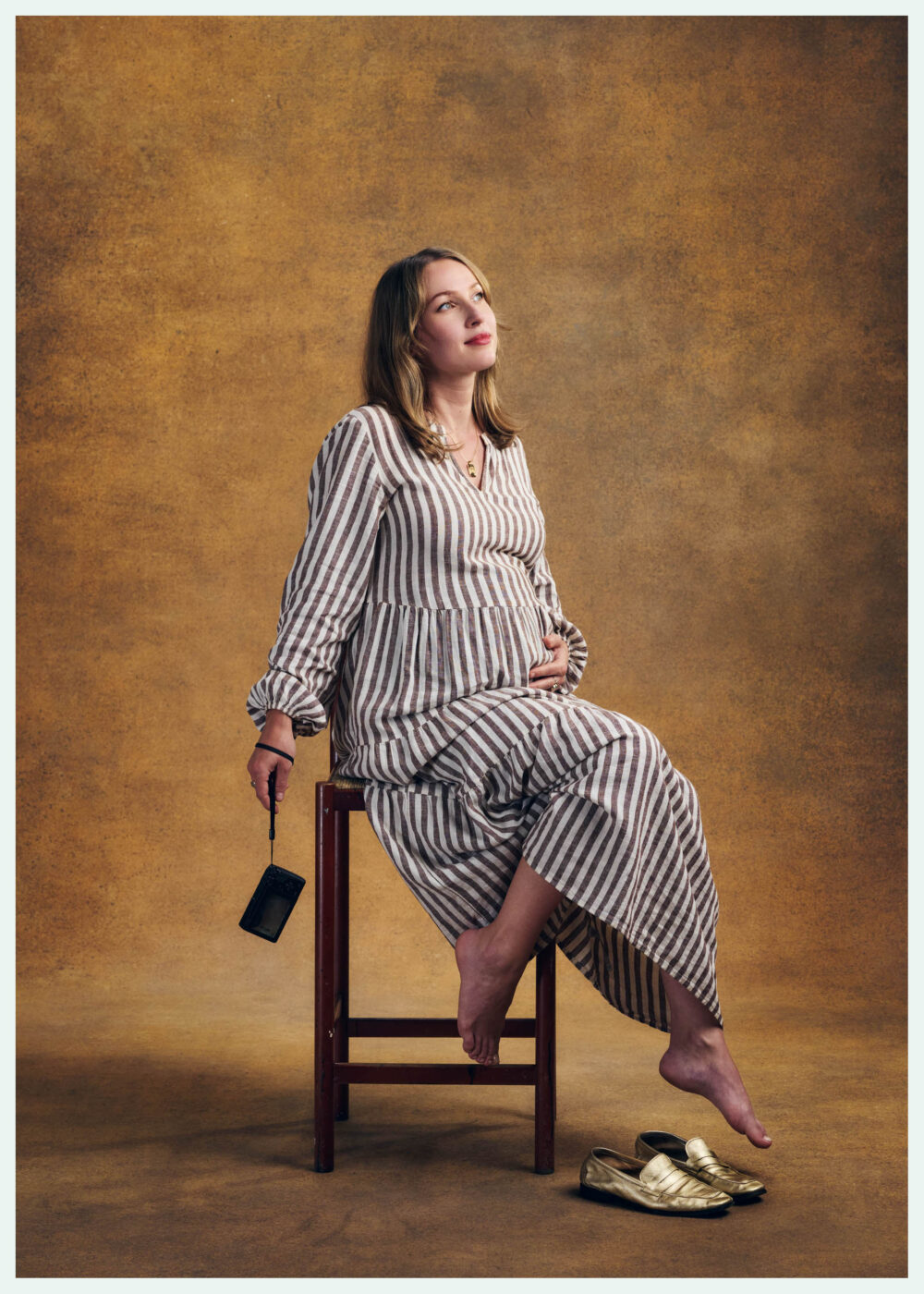
Radka Dolinská, Photographer. “The way I express myself is through pictures.”
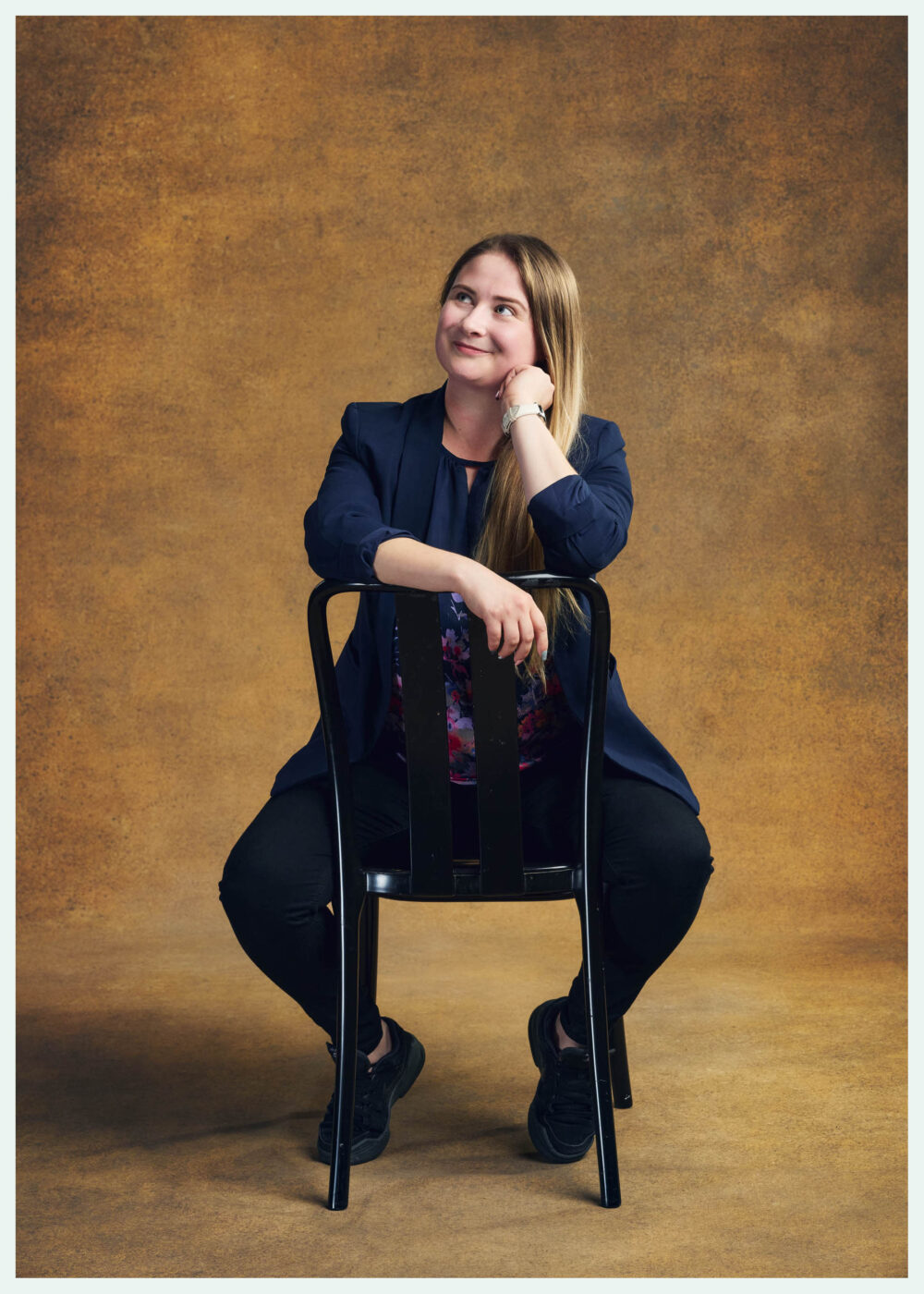
Tatiana Janišová, Singer & Actress. "Music has been my journey since childhood, a path that continues to inspire me every day."
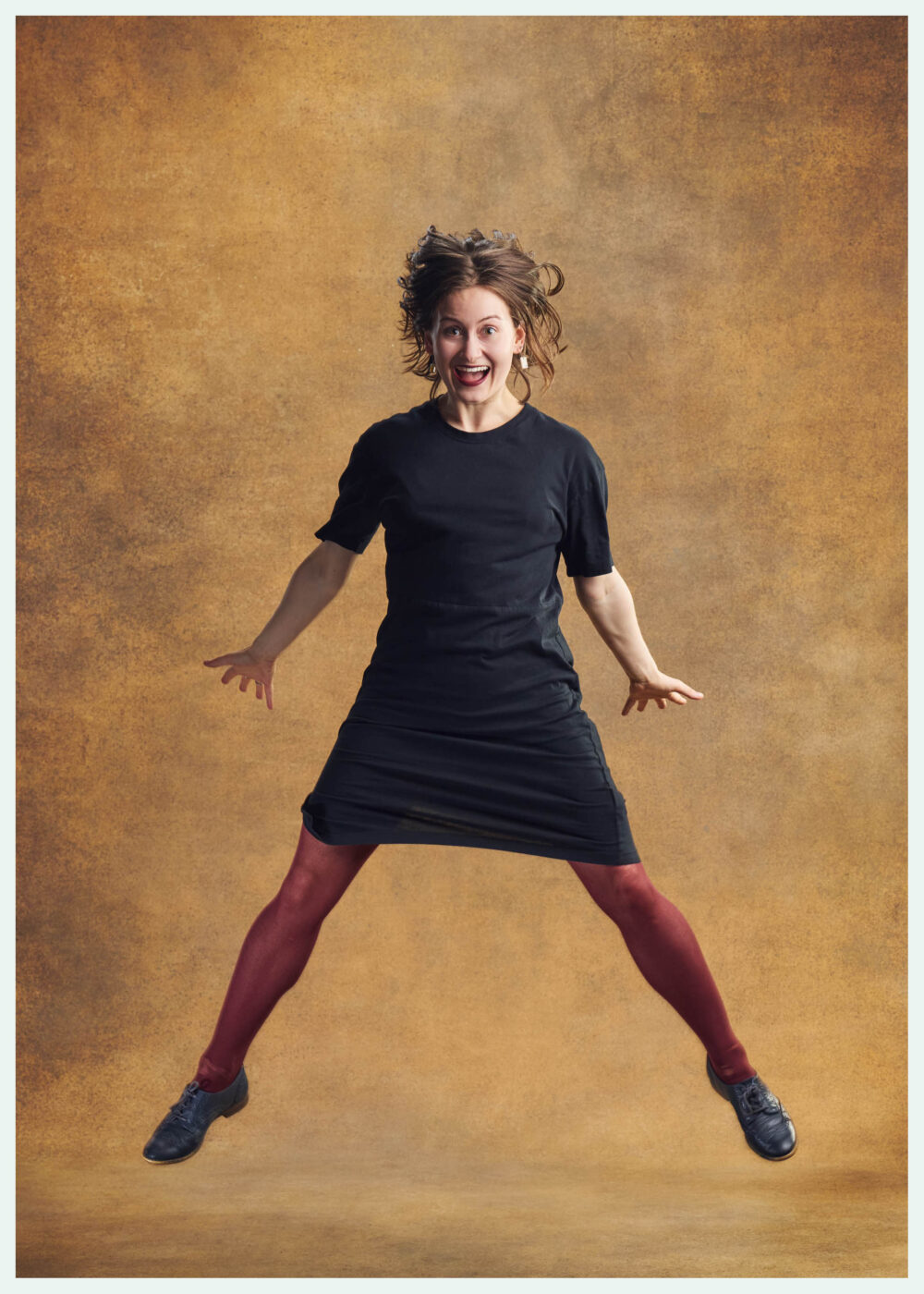
Kristýna Havelková, Actress. "Exploring new places and new roles is what inspires me most."
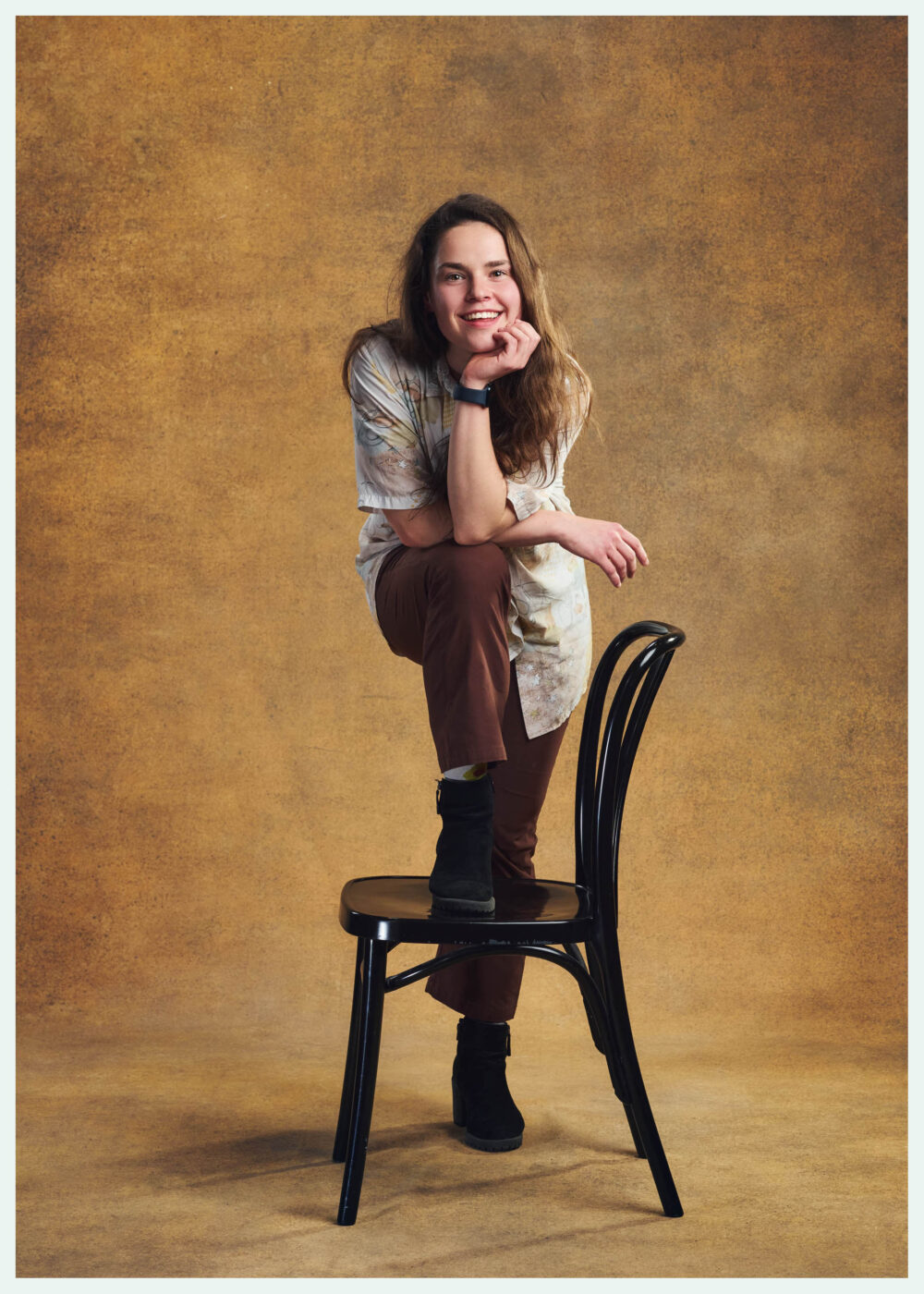
Eliska Elley (Eliška Jurčíková). Actress, Musician, Model, Creative. 'Owning our story can be hard, but not nearly as difficult as spending our lives running from it'
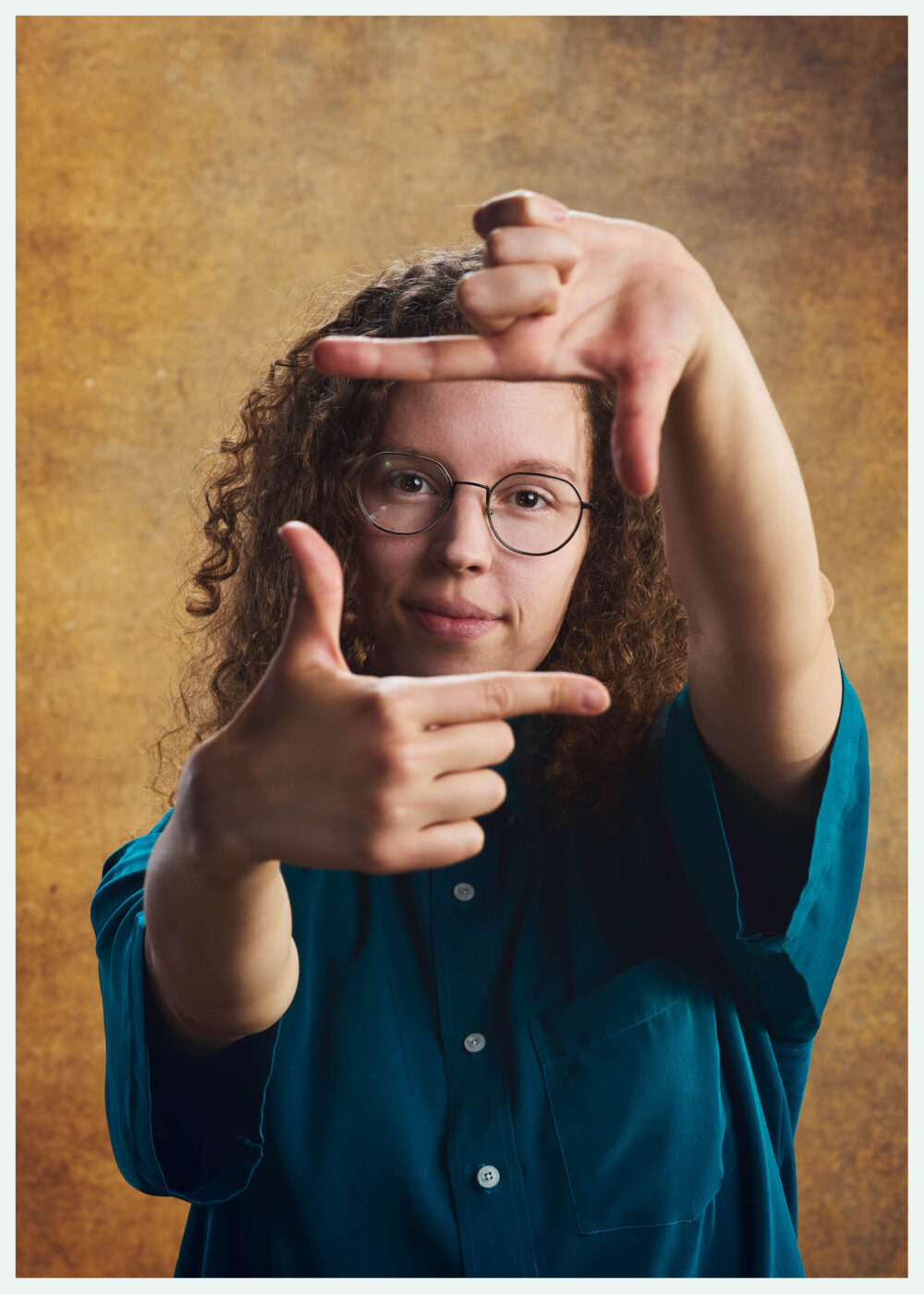
Isabel Morales-Detková, Director & Cinematographer. "I linked my surnames so that people can't remove either. I'm both Spanish and Slovak. One likes to say I am only the other, but I don't need permission to be both."
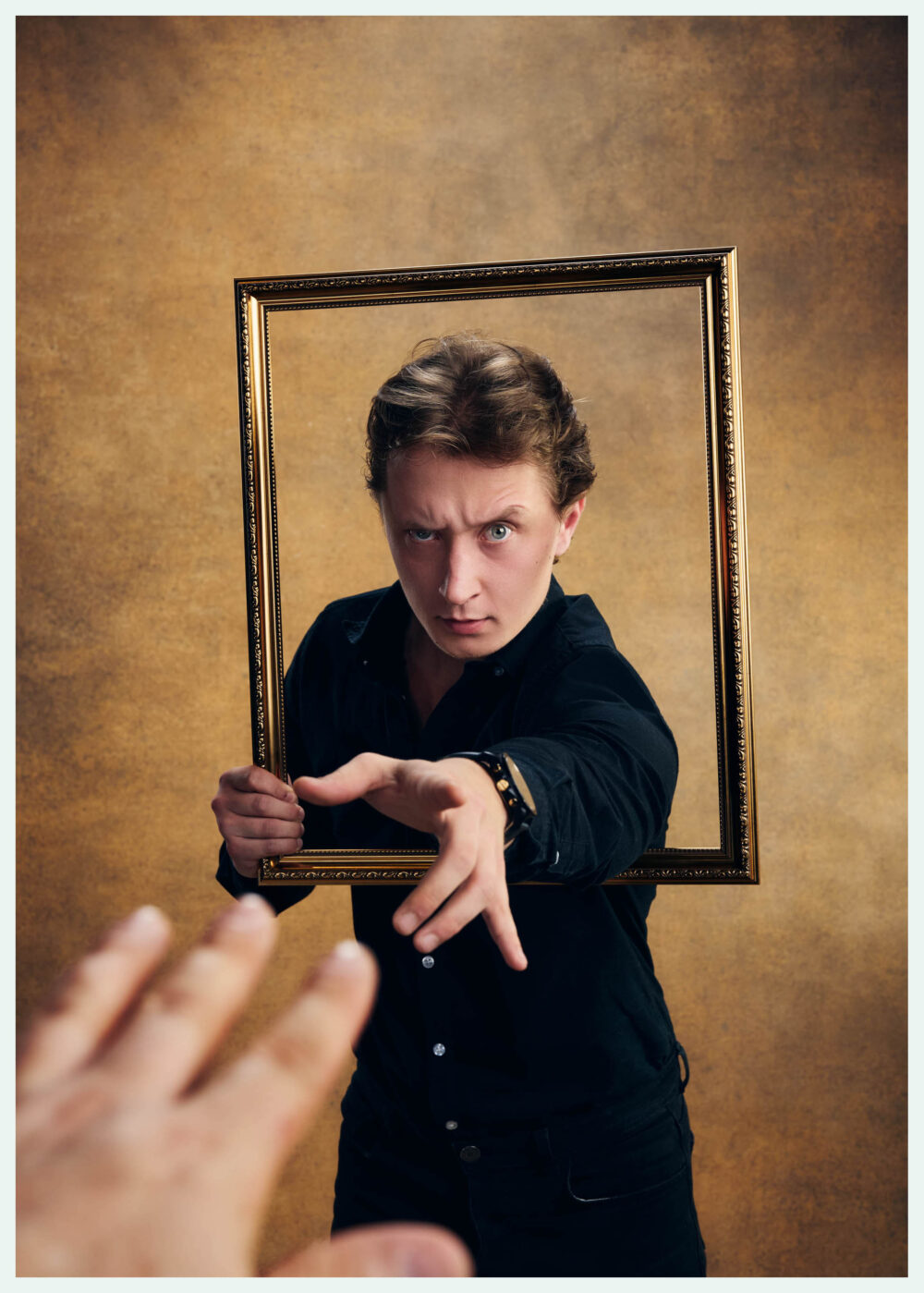
Adam Hašák, Actor, Writer, Director. "I find brotherly love, relief and truth to be the most inspiring themes for my creative endeavours."
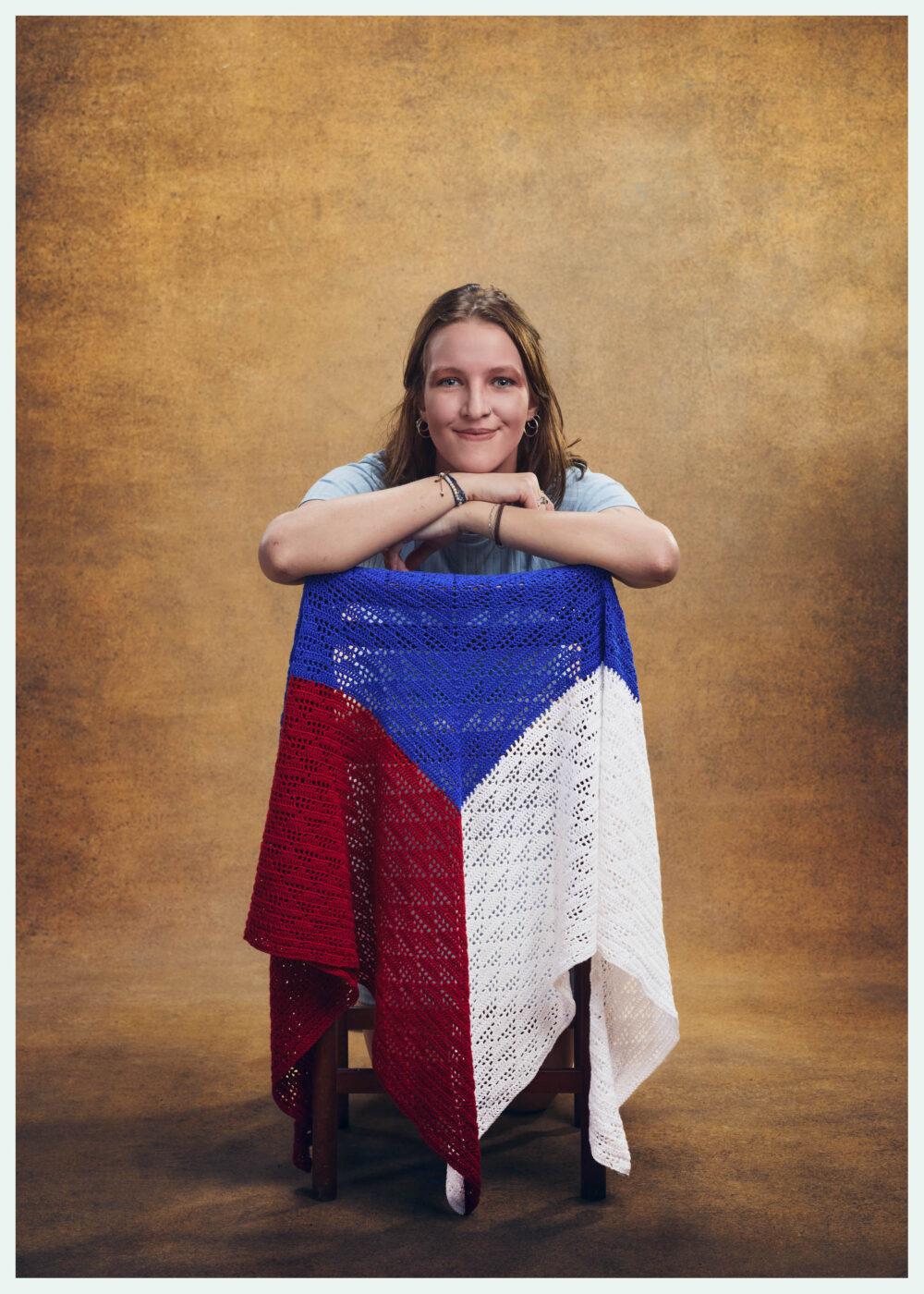
Katie Cecil (Kateřina Čečilová) Filmmaker. "I was always fascinated by the moving images and the creative process behind them. I still can't believe I get to live my childhood dream, life moves so fast, so take every opportunity that comes to your life, you never know where it will take you, but believe it will take you somewhere beautiful!"
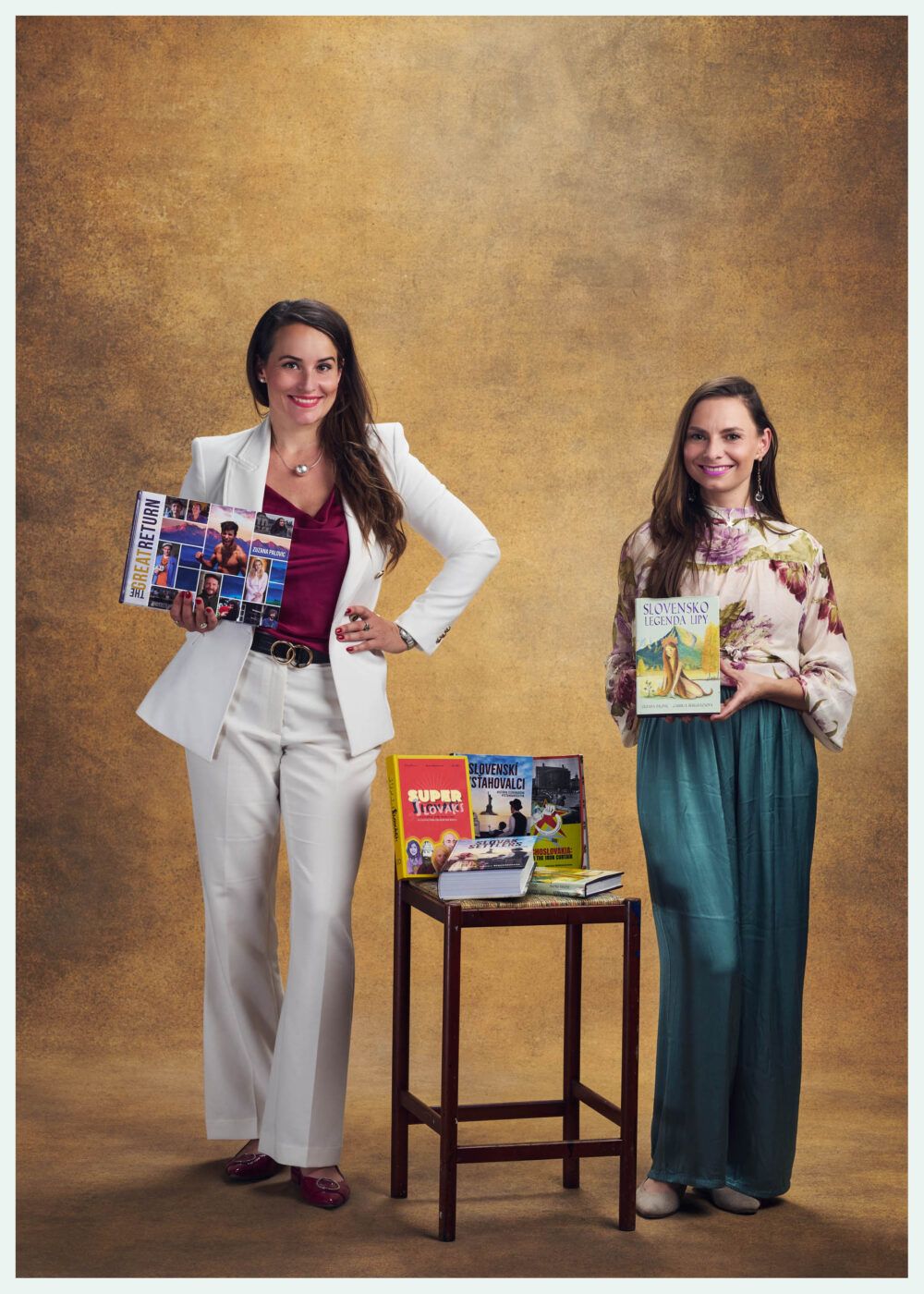
Dr Zuzana Palovič & Dr Gabriela Beregházyová. Authors, Founders of Global Slovakia. “Be proud to be Slovak. We are a young country but an old nation with an incredible story, history, and people. Who will be proud of us if not we ourselves?”
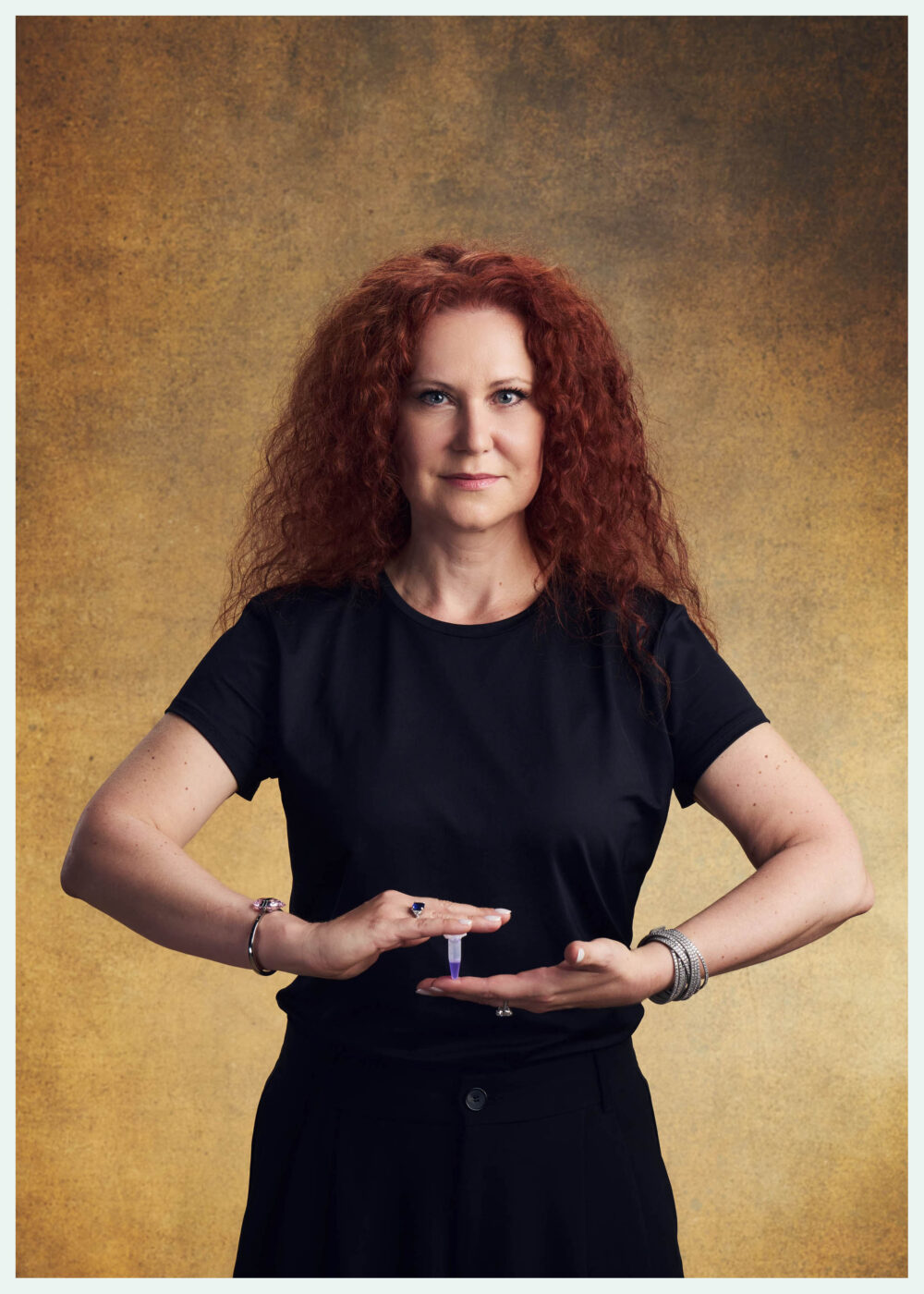
Monika Gullerová Professor of Molecular Medicine, University of Oxford. “My heart is in Slovakia, my brain is here, and true success comes not from shortcuts but from hard work, sacrifice, and ambition.”
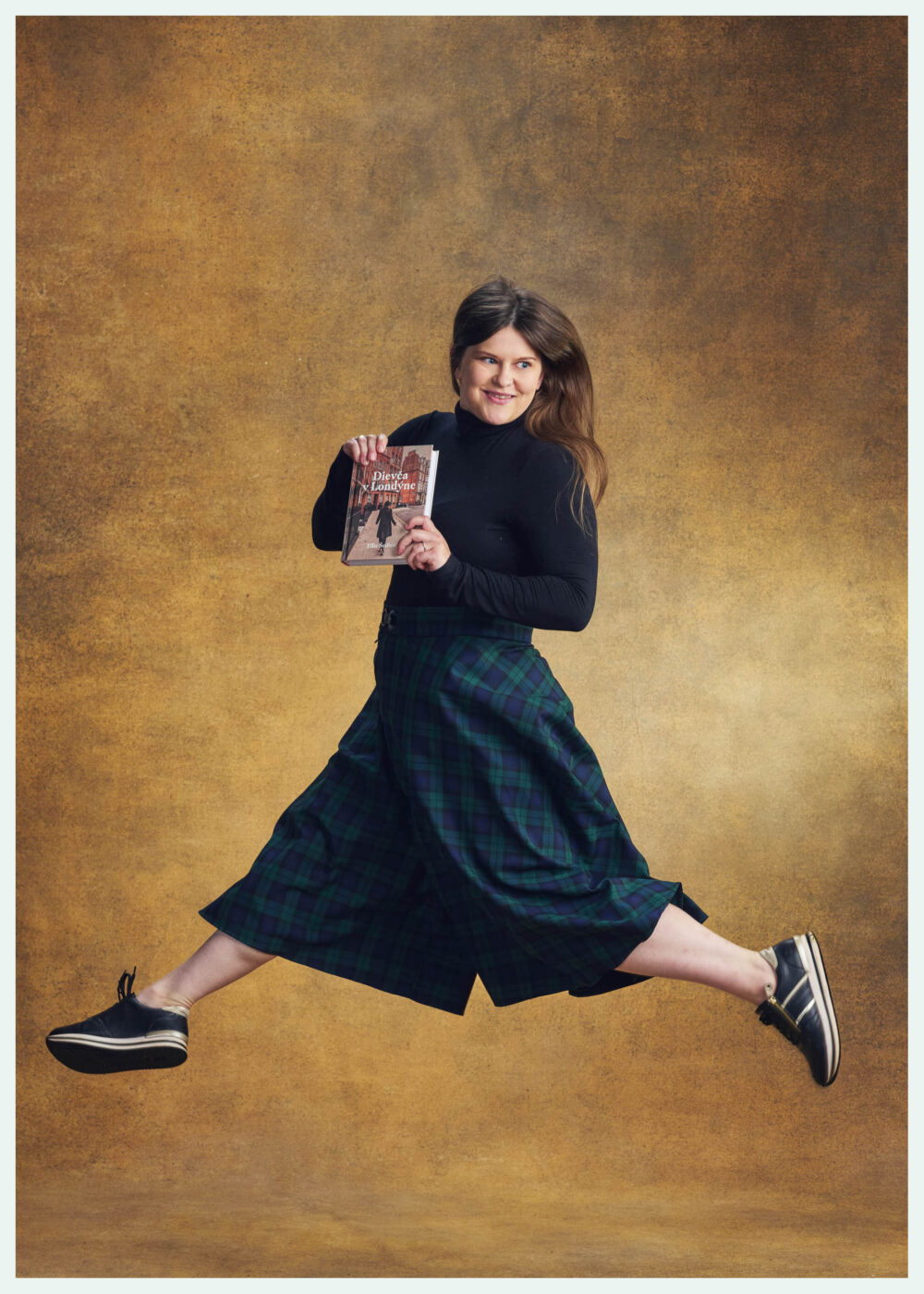
Lenka “Ellie” Šedivá. Writer, Blogger, Author of Dievča v Londýne (The Girl in London). "I came to England because I wanted to fulfil my dream of living abroad, especially in a big city. I wanted to experience what it is like to be one of a million people, living anonymously and at the same time having to work very hard to achieve something."
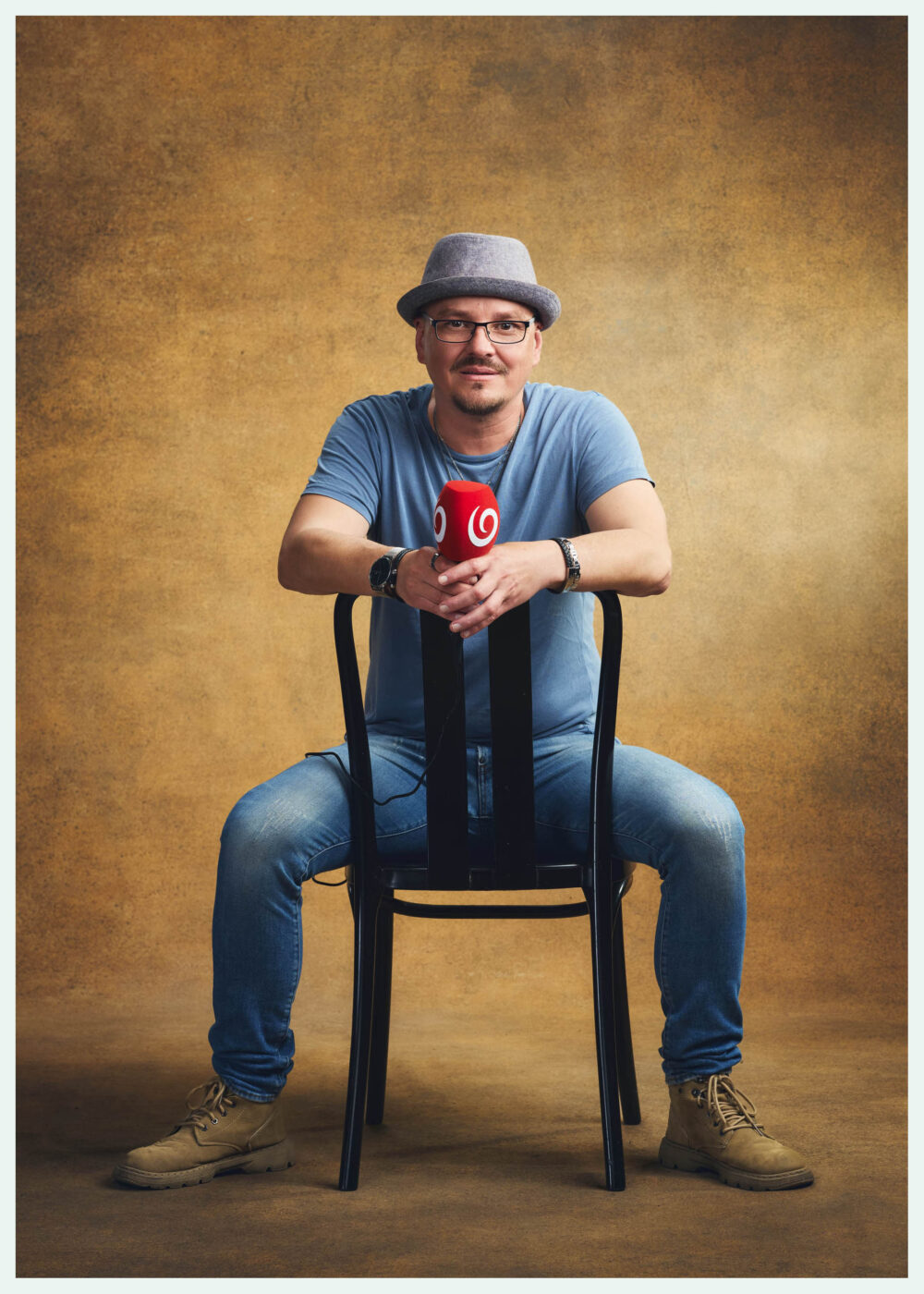
Peter Mikitič. Journalist. “I try to present our country here in Britain, and Britain back home in Slovakia.”
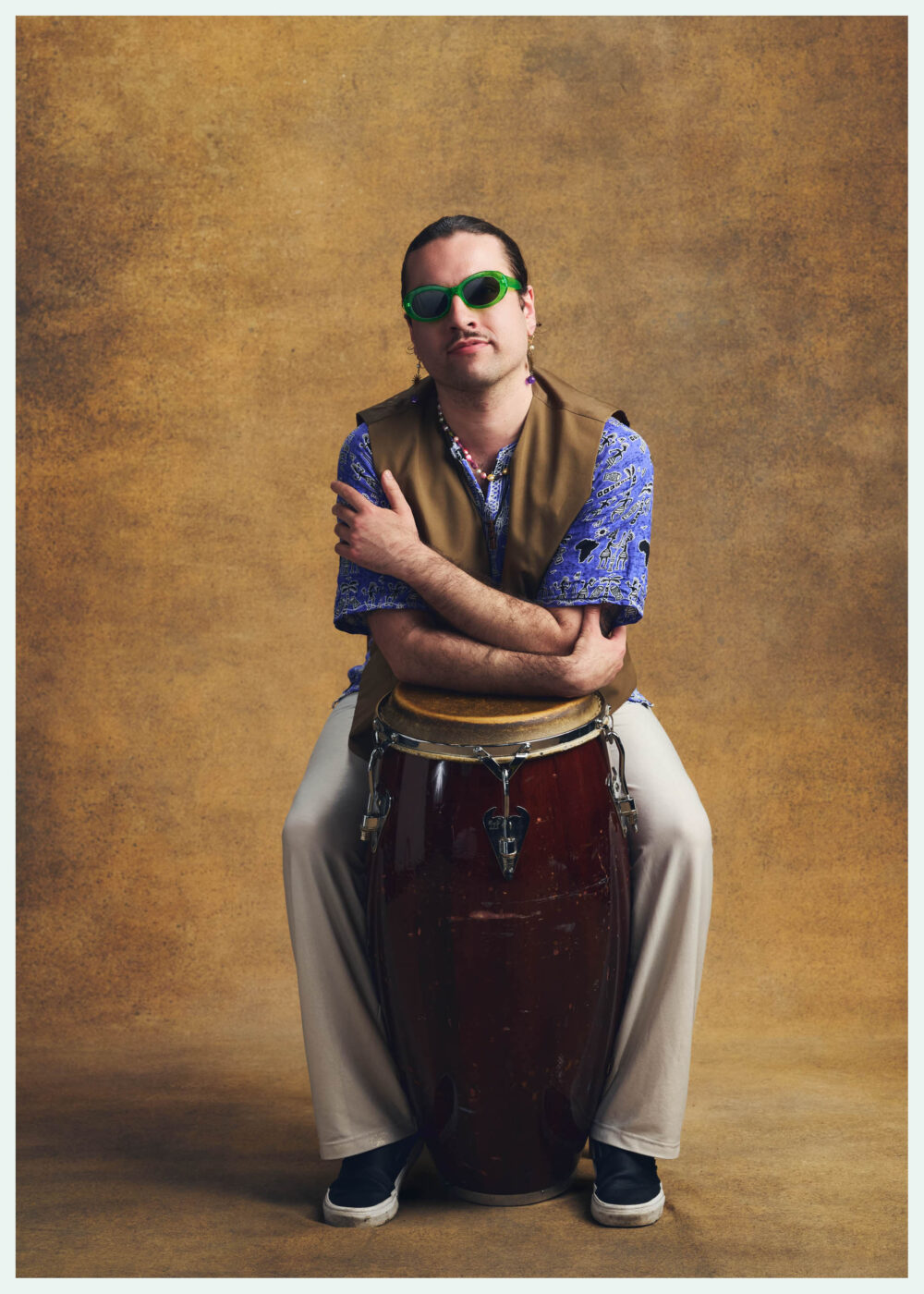
Radushko (aka Radovan Brtko) Multi-instrumentalist, DJ, Music Producer. “Solving problems can often be fun and creative, and it doesn’t all have to be black and white or doom and gloom. Simply by being and doing what we do from the heart, we often change more than we can imagine.”
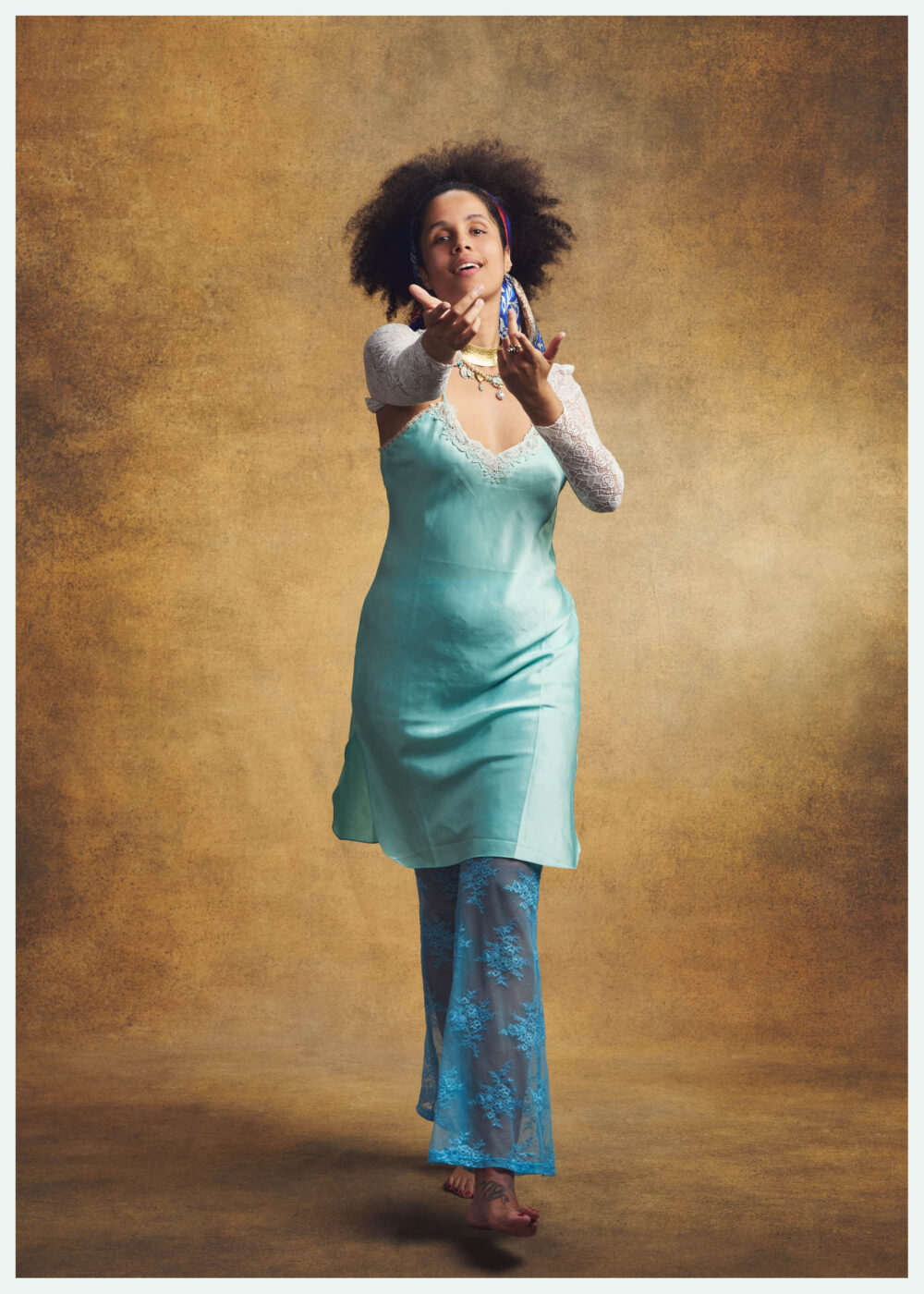
Shivone Dominguez-Blaščíková, Multidisciplinary Artist, Actress & Singer. “For me, Slovakia is childhood, summers on Liptov, Christmas with family, fairy tales and songs in my mother’s language.”
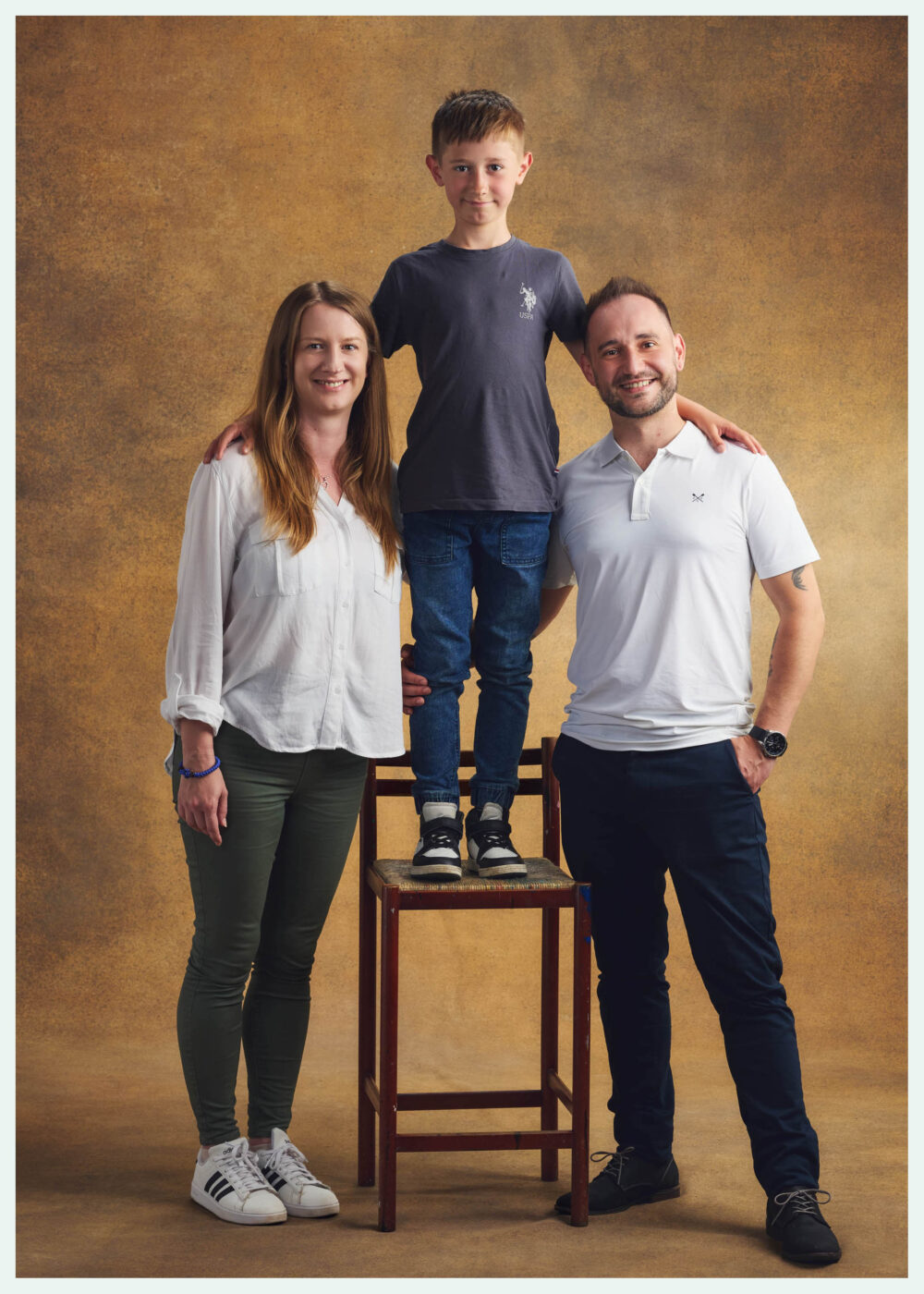
Jaroslav Lipták & Family. Entrepreneur, Festival Organiser & Sustainability Advocate . "Music, good food and culture bring people together. They help us forget the difficult times."
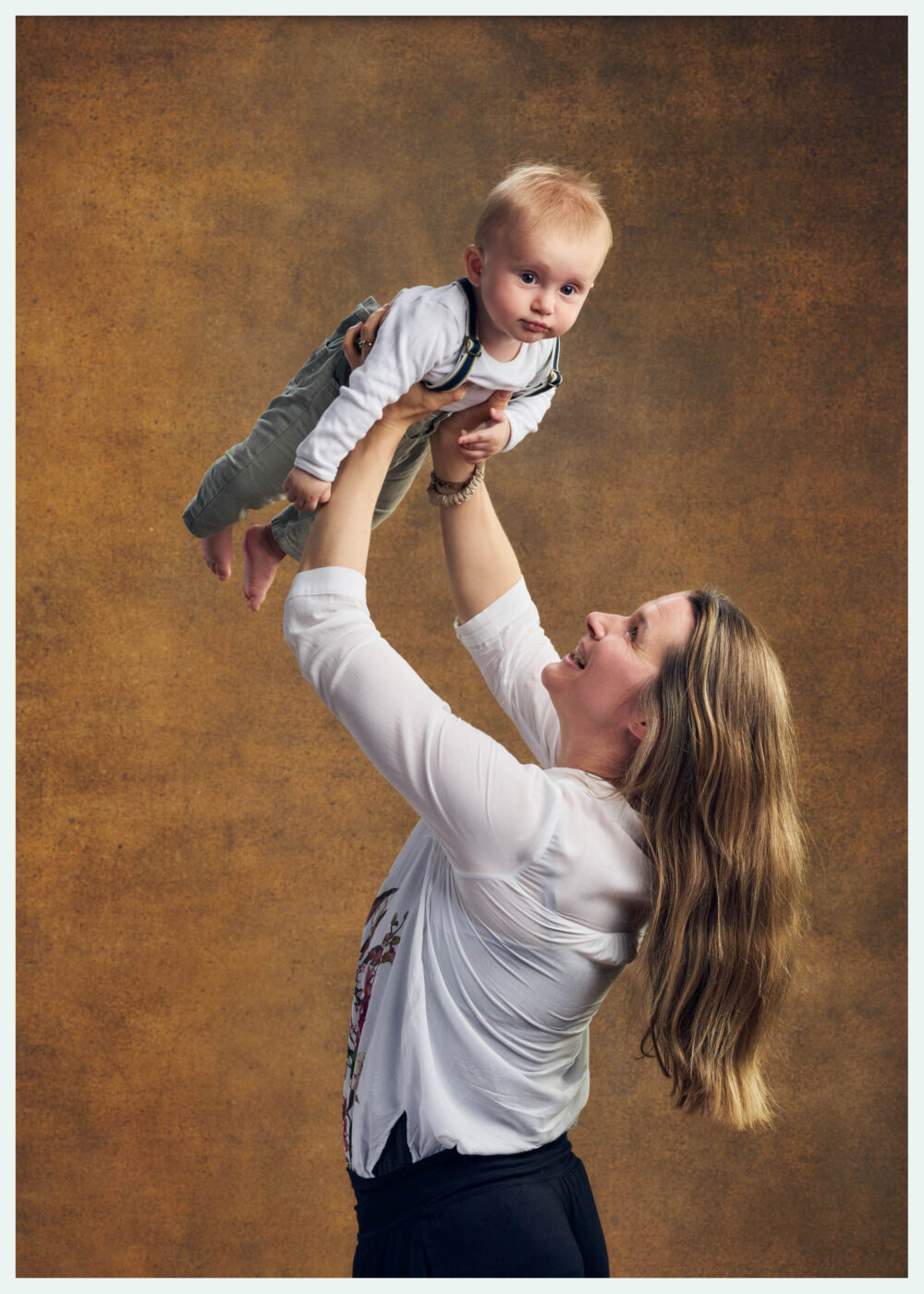
Jana Zordan & Son Natan. Movement Director & Clinical Pilates Instructor. "I am proud to be Slovak, but I also feel that people abroad do not know much about us. Every chance to present Slovakia matters."
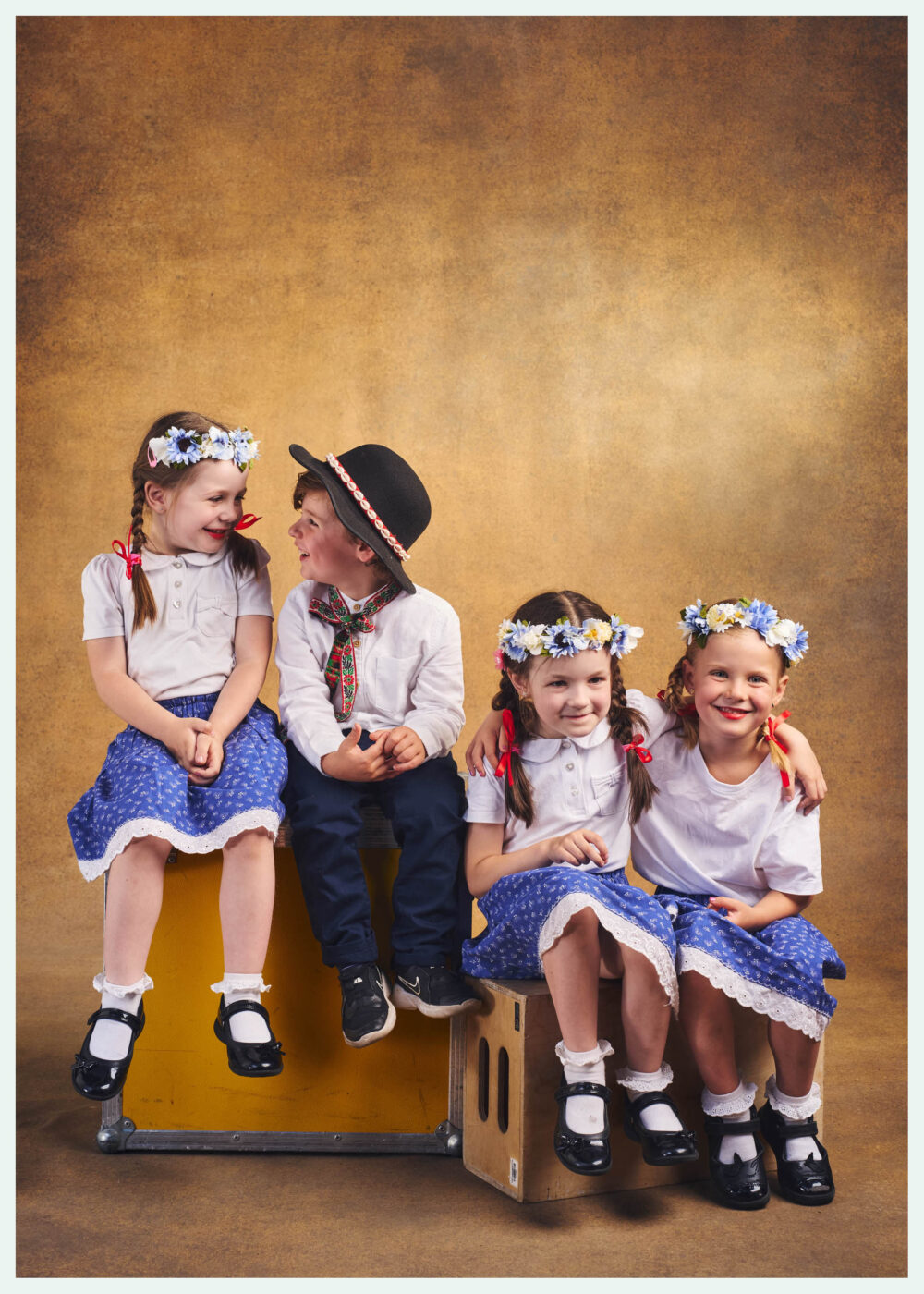
Slovak School & Community Manchester & Slováčik
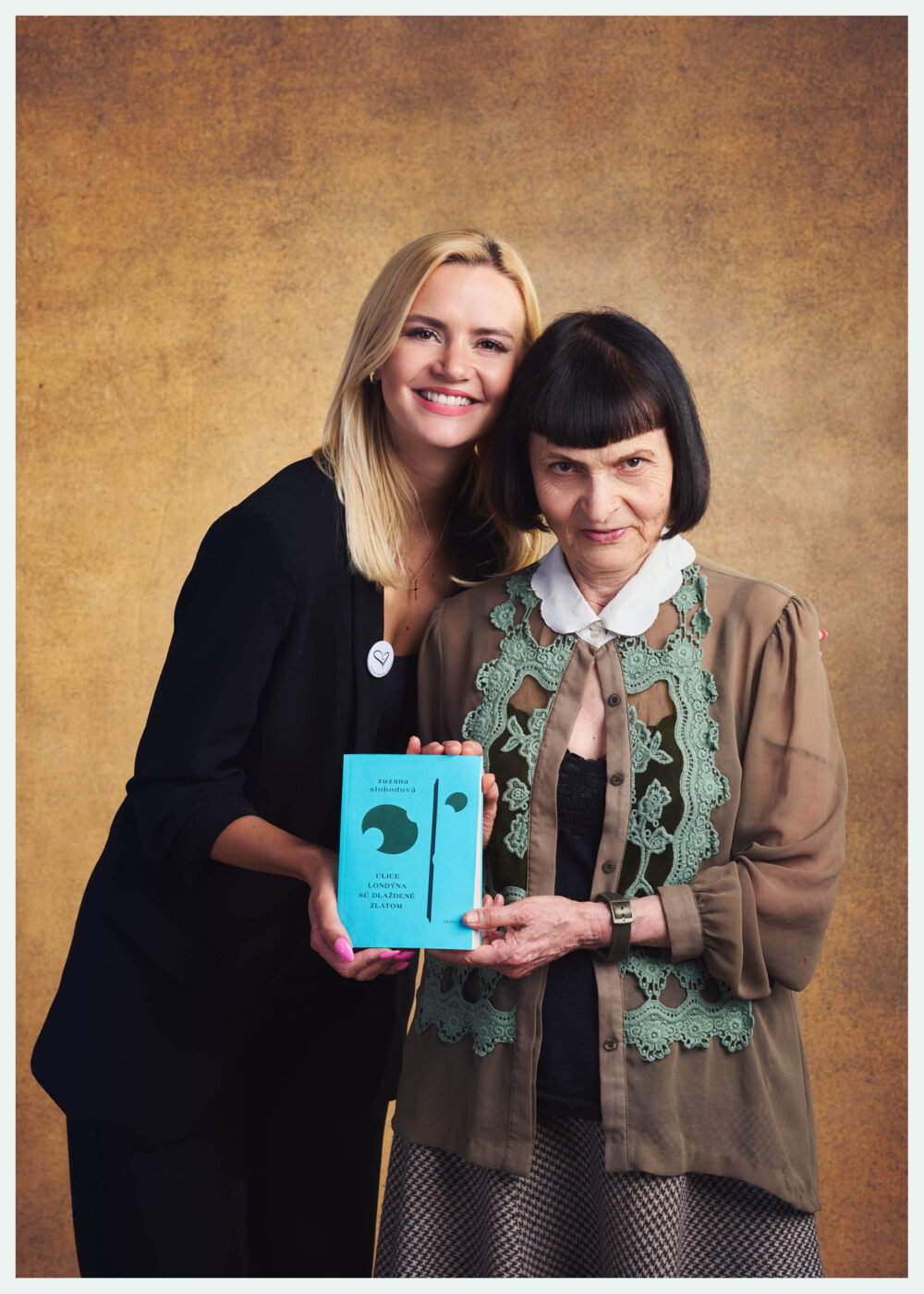
Simona Vrabcová & Zuzana Slobodová.
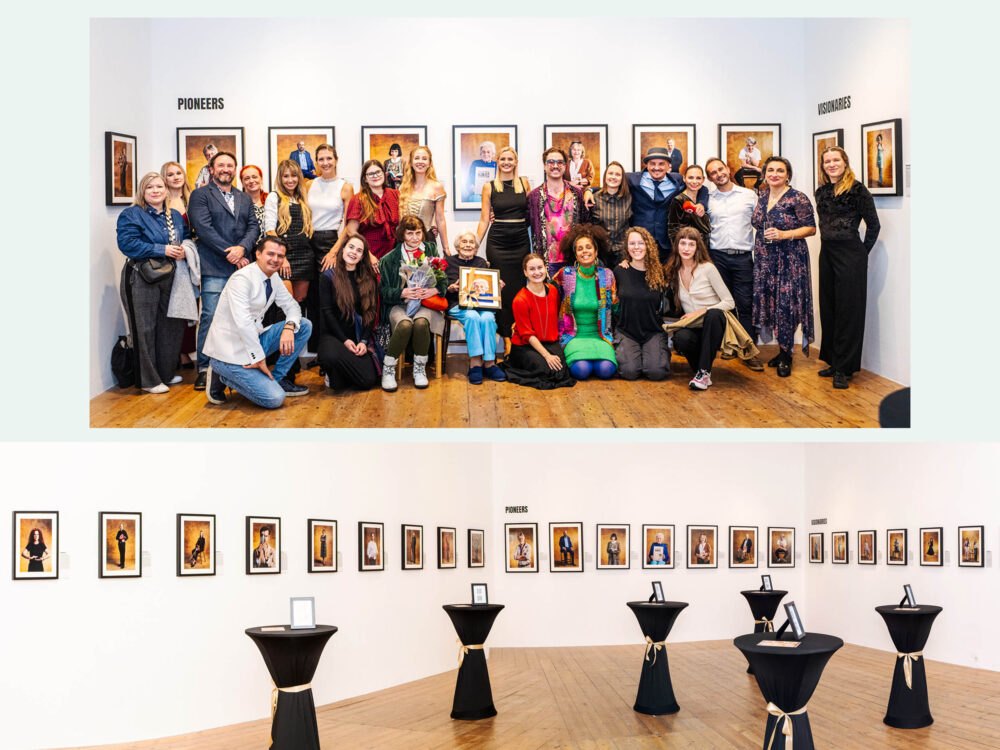
Portraits of Slovak and Czech Britain Exhibition at the Nunnery Gallery, London. Photos by Hermine Patch.
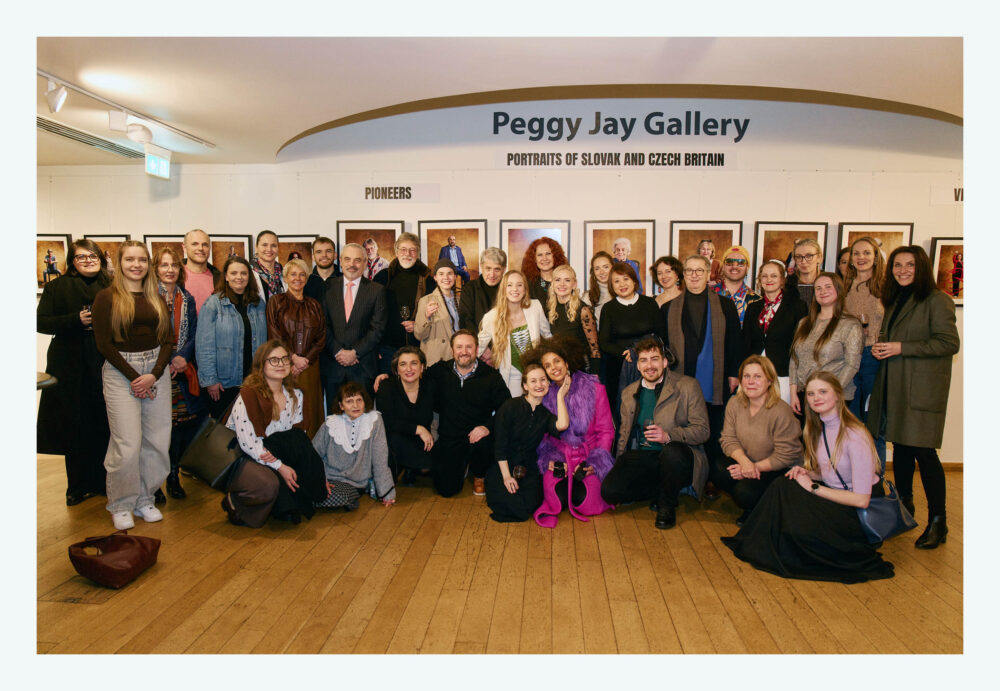
Portraits of Slovak and Czech Britain Exhibition at the Peggy Jay Gallery, London.
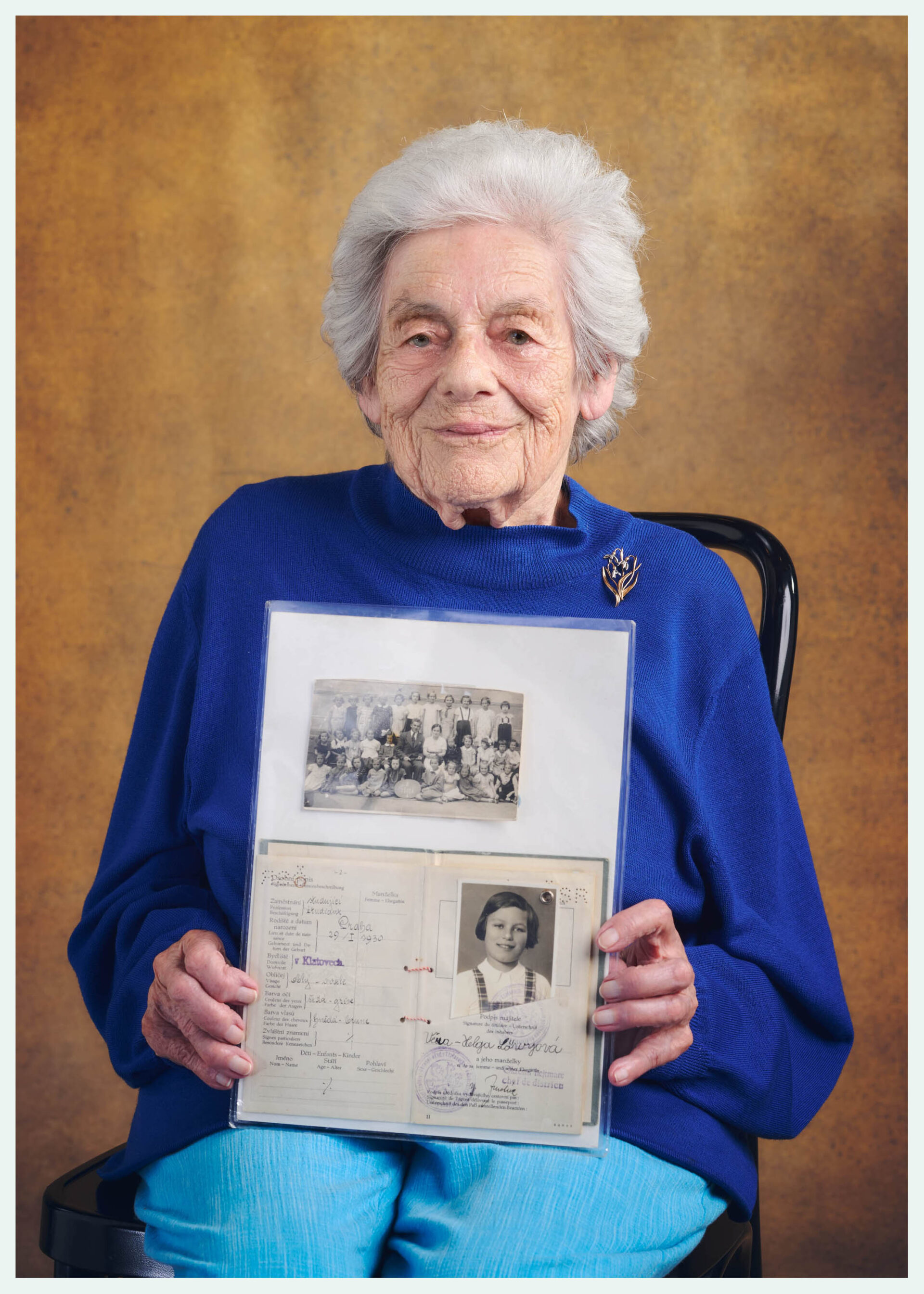
Vera Schaufeld MBE (née Věra Helga Leviová) Educator & Kindertransport Survivor. “It is vital to help children who arrive from other countries, often after terrible times, to feel welcome in school. Teachers and classmates must make sure they are not made to feel like outsiders.”
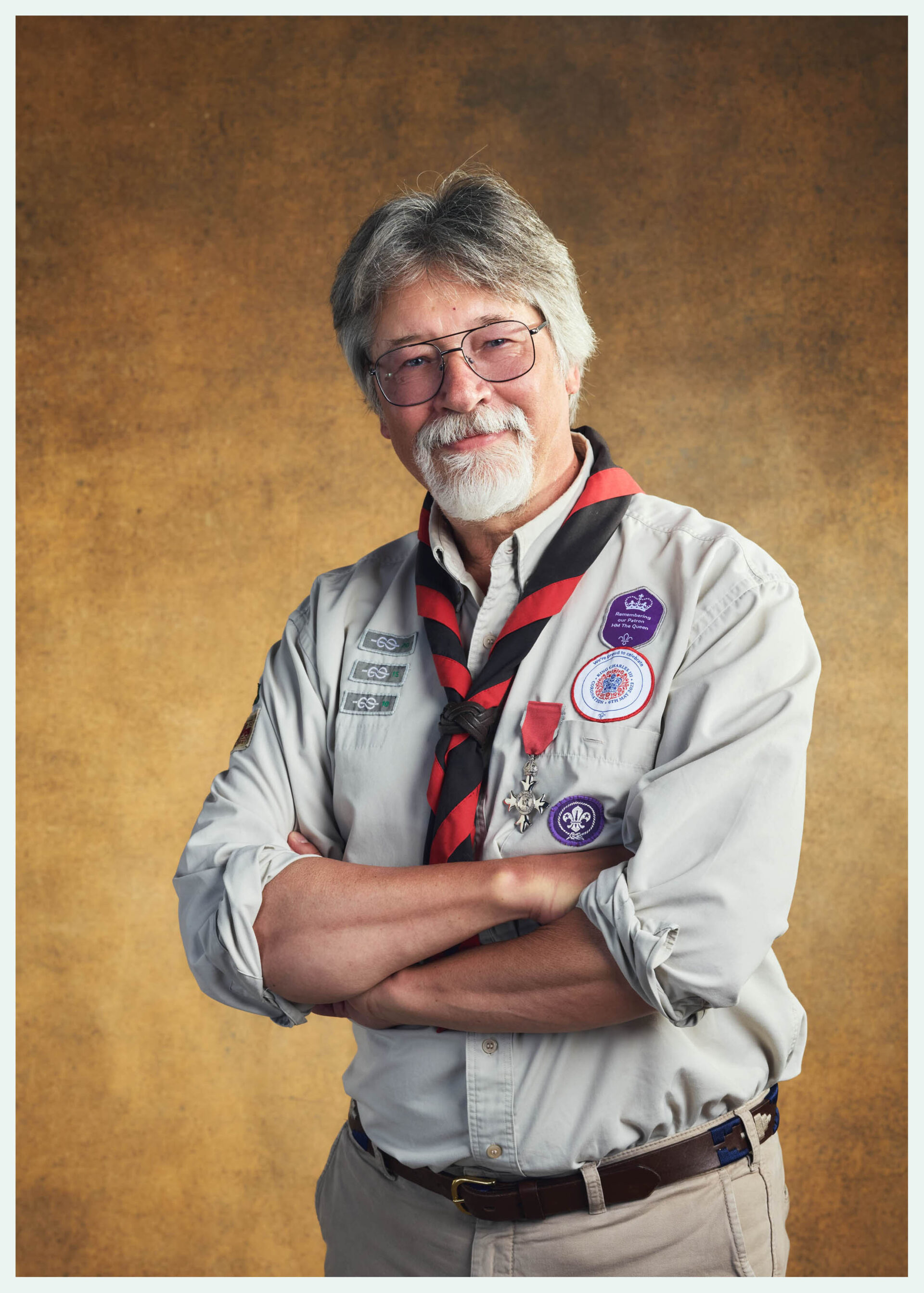
Alex Brychta MBE Illustrator. "I would like to tell Czechs and Slovaks living here, or working here, to be proud that they are Czechs and Slovaks. I am proud of it myself."
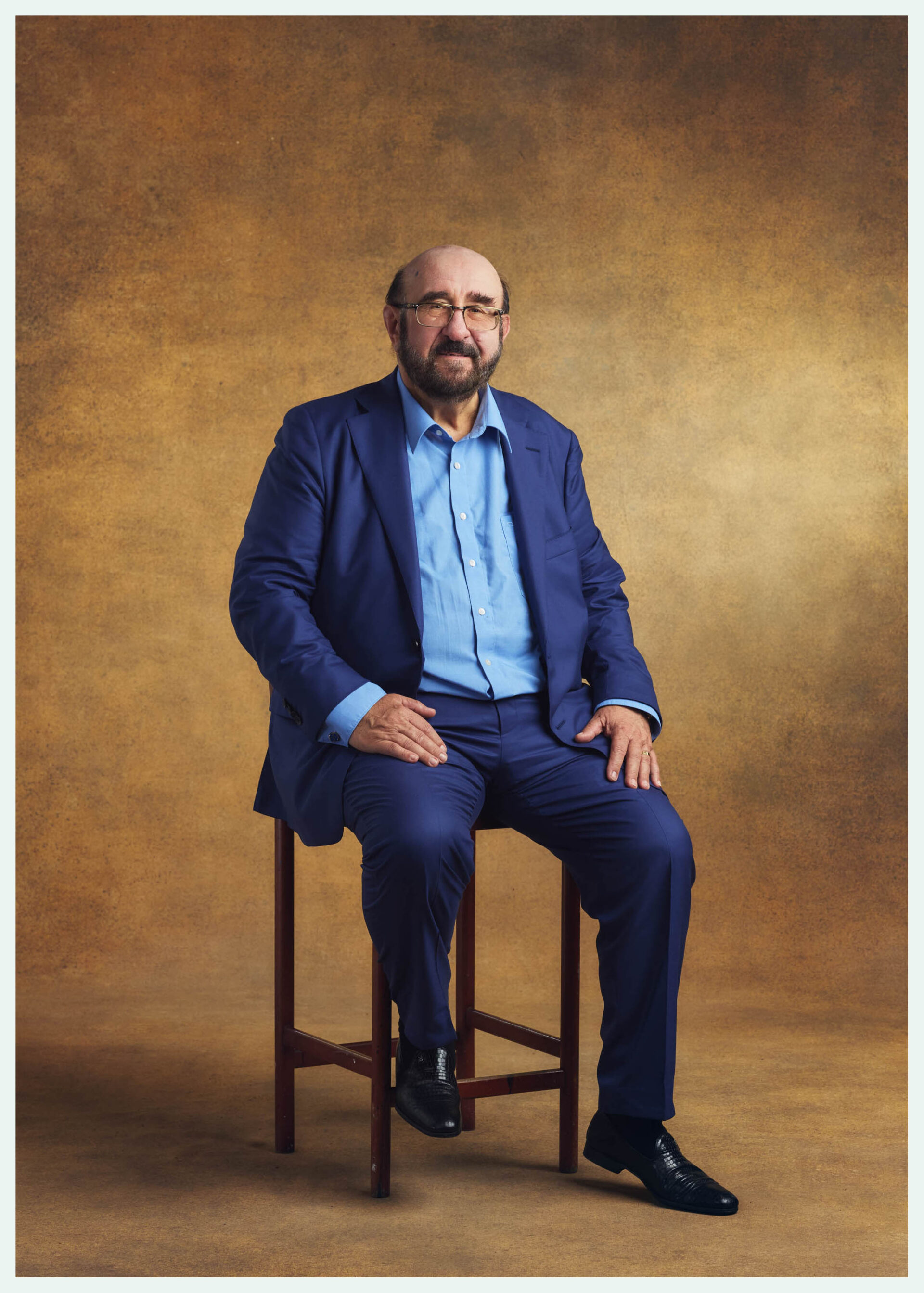
Dr Jan Telensky Entrepreneur, Philanthropist & Visionary. "Never forget where you came from. Go abroad, learn, but then return home and use your knowledge for your own country."
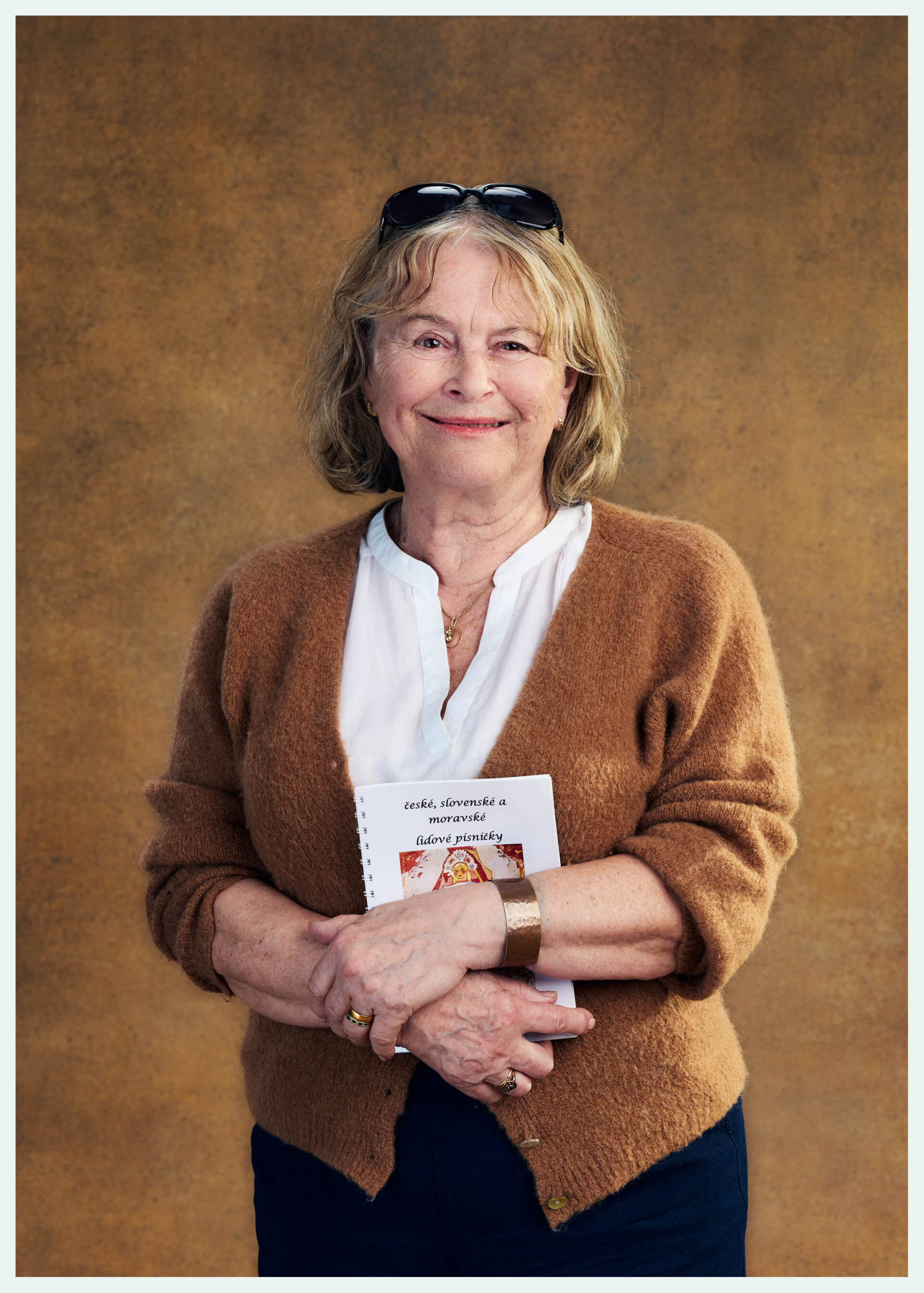
Mirka Mondry Trustee of Velehrad London, Former Teacher. “I always say I am a true Czechoslovak, sometimes I feel more Moravian, sometimes more Slovak, it depends on who I am speaking with. But I love both.”
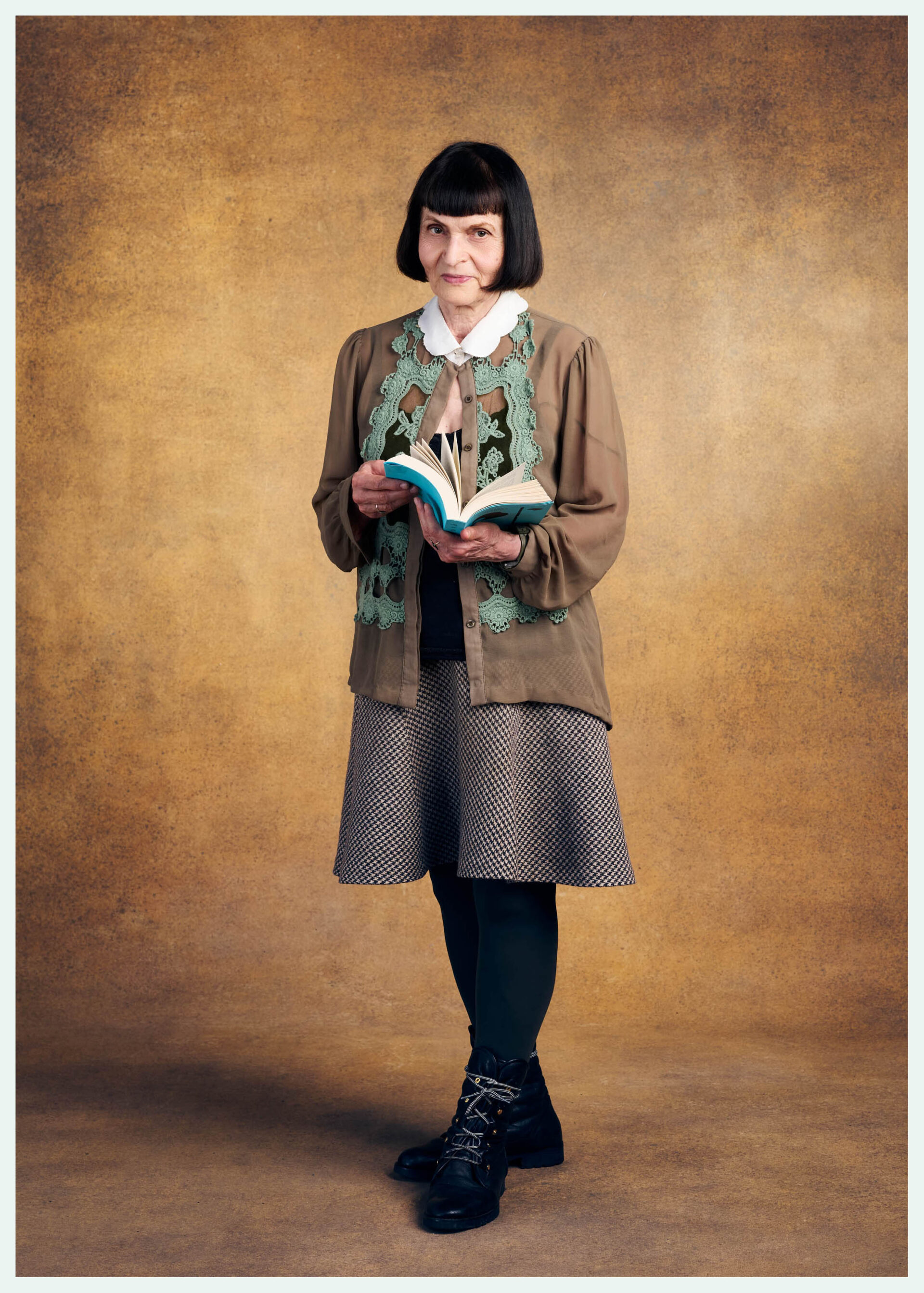
Zuzana Slobodová Author & Former BBC Broadcaster. “To be born a second time, without language, without knowledge, almost as helpless as a newborn. But unlike a child, you don’t have the loving circle of people around you. That is what it means to change country.”
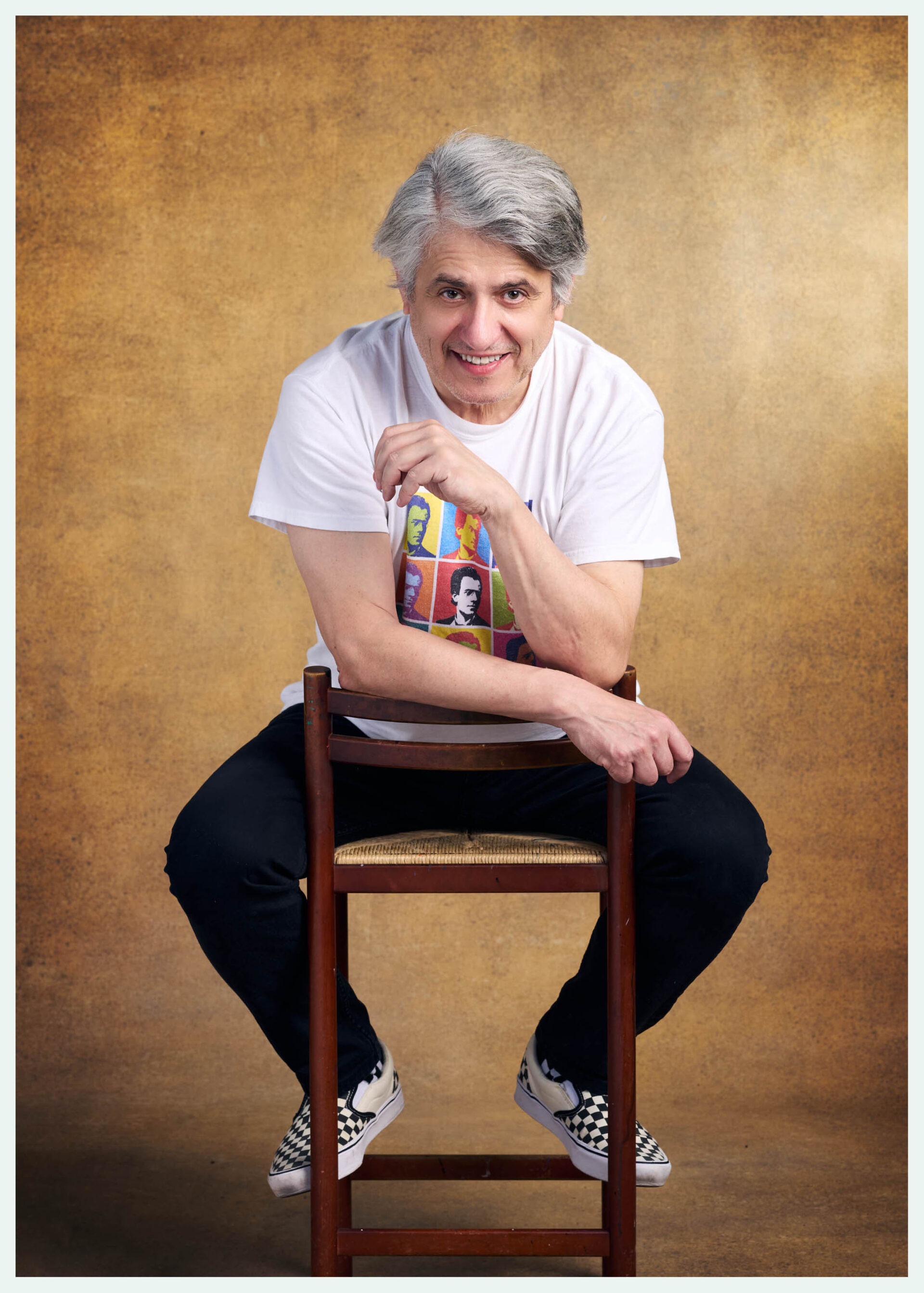
Peter Breiner Conductor, Composer & Pianist. “I have the great privilege that my profession is also my hobby, my passion.”
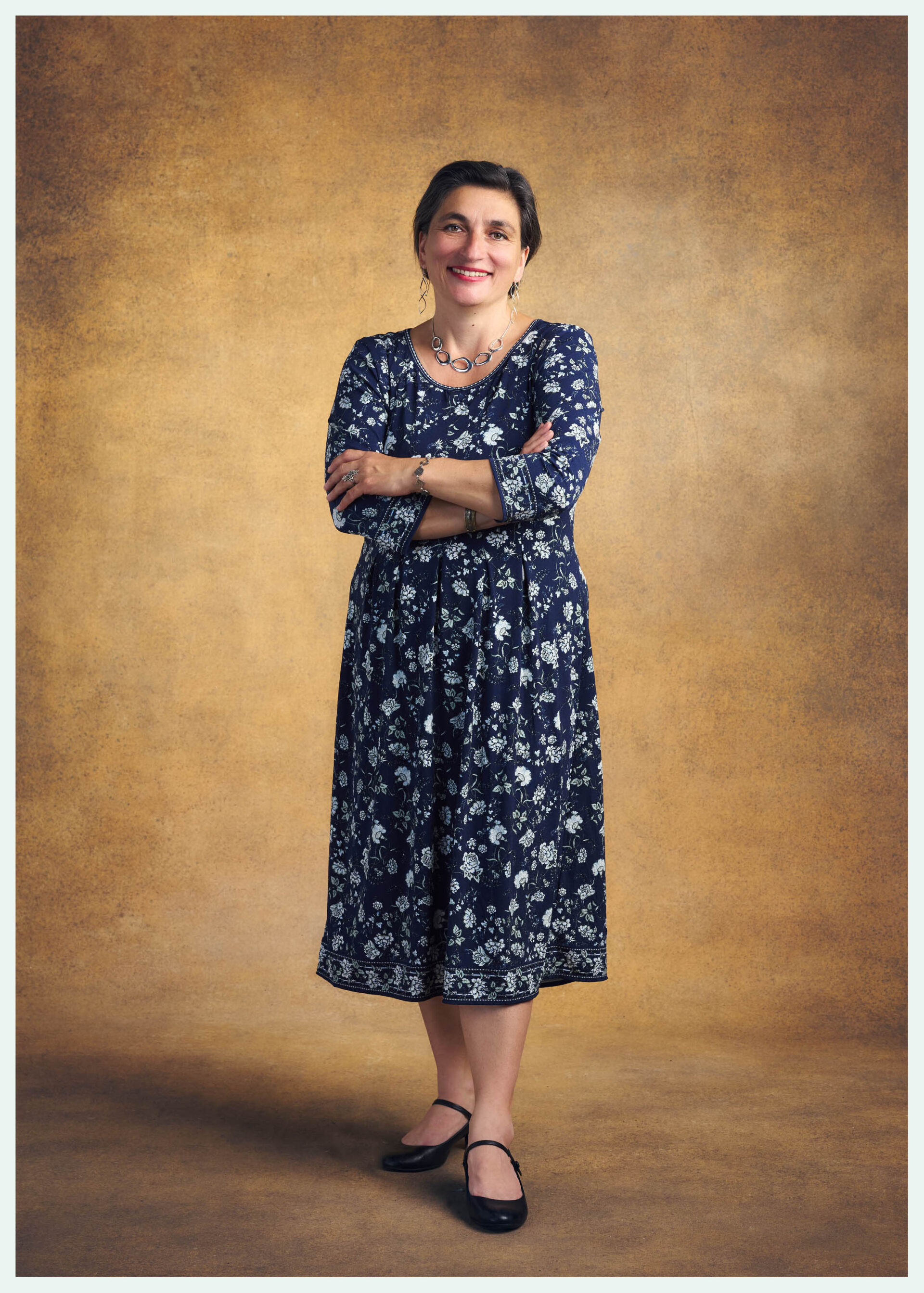
Jana Nahodilová, Chair of Czech and Slovak school Okénko and British Czech and Slovak Association, Educator and Community Leader. "If you can, try to preserve your language and pass it on to your children. It is a gift they will never regret."
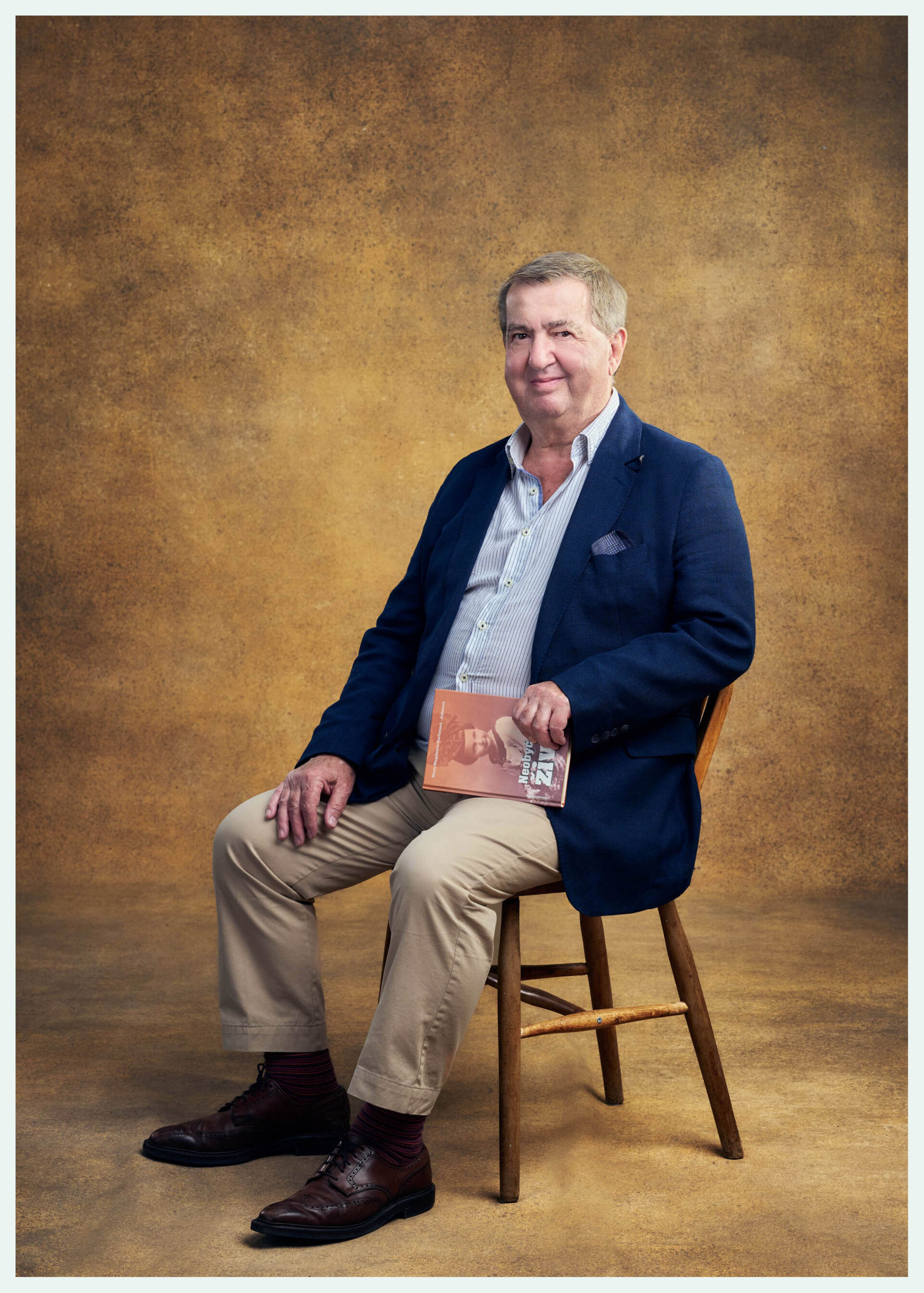
Ladislav Horňan Certified Chartered Accountant, President of the BCSA and Co-Founder and President of the CBCC. "One of the things to do is to recognise opportunities and take them. Don't hesitate, be brave, take opportunities because they don't come like trains every half an hour, there is one in a long time."
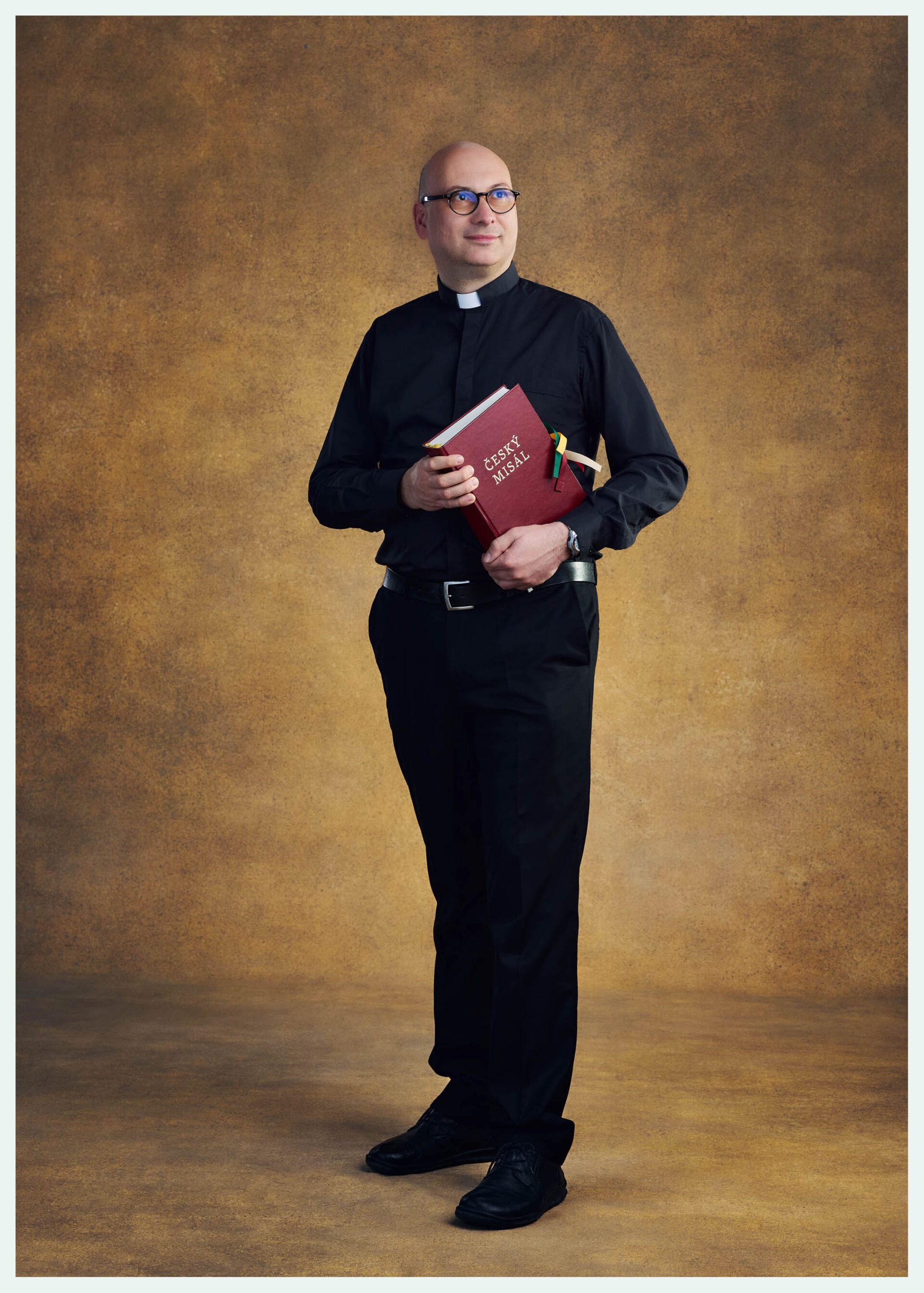
Father Tomáš Roule Roman Catholic Priest & Spiritual Director. "He is deeply convinced that God loves every person, and he carries inside a burning desire to share this with others. It is a core conviction of his being a priest.“
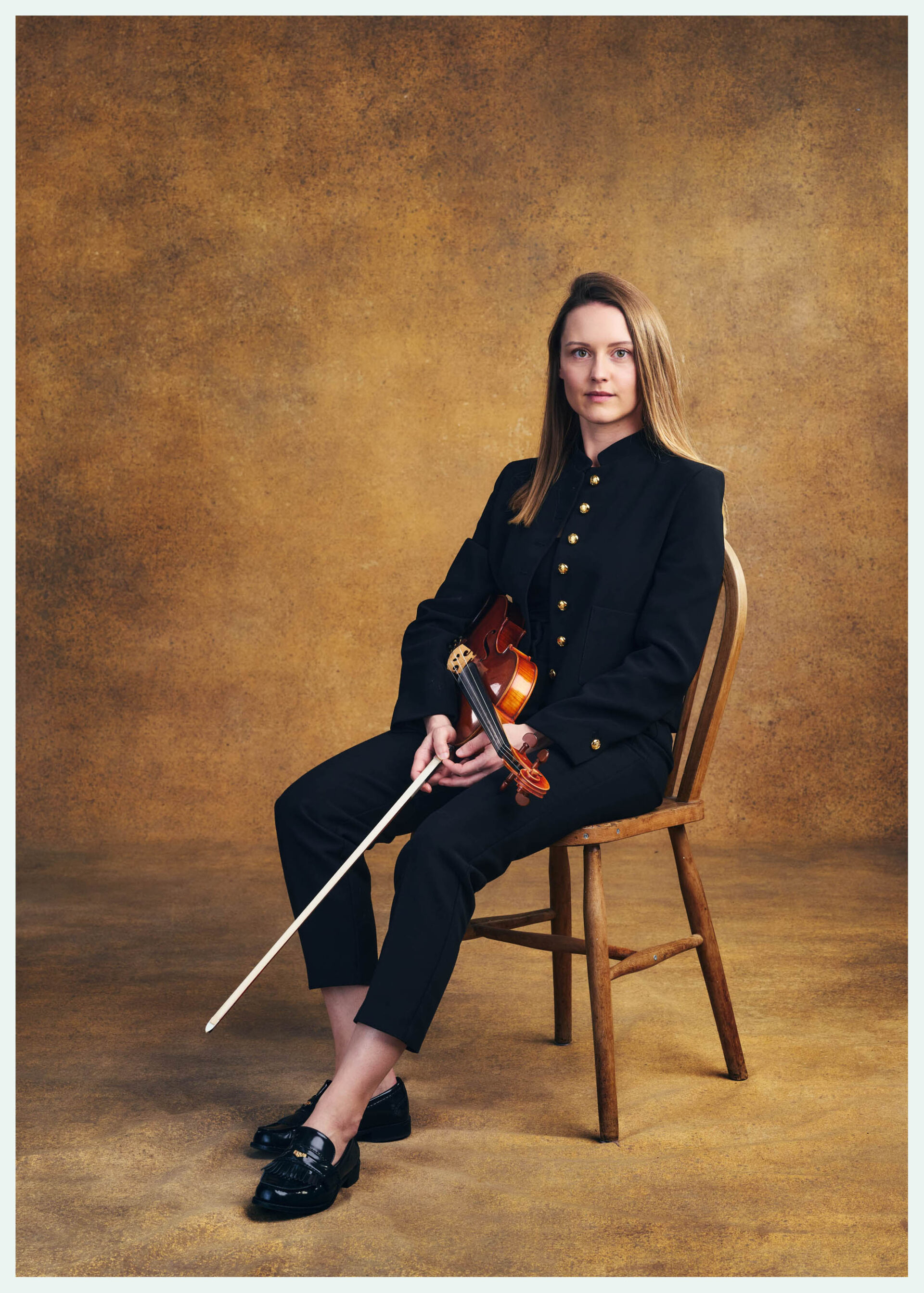
Leona Gogolicynová Violinist. “Music has the ability to express what is most human in us, remind us of what is worth cherishing. When we remember what is worth cherishing, we remain hopeful.”
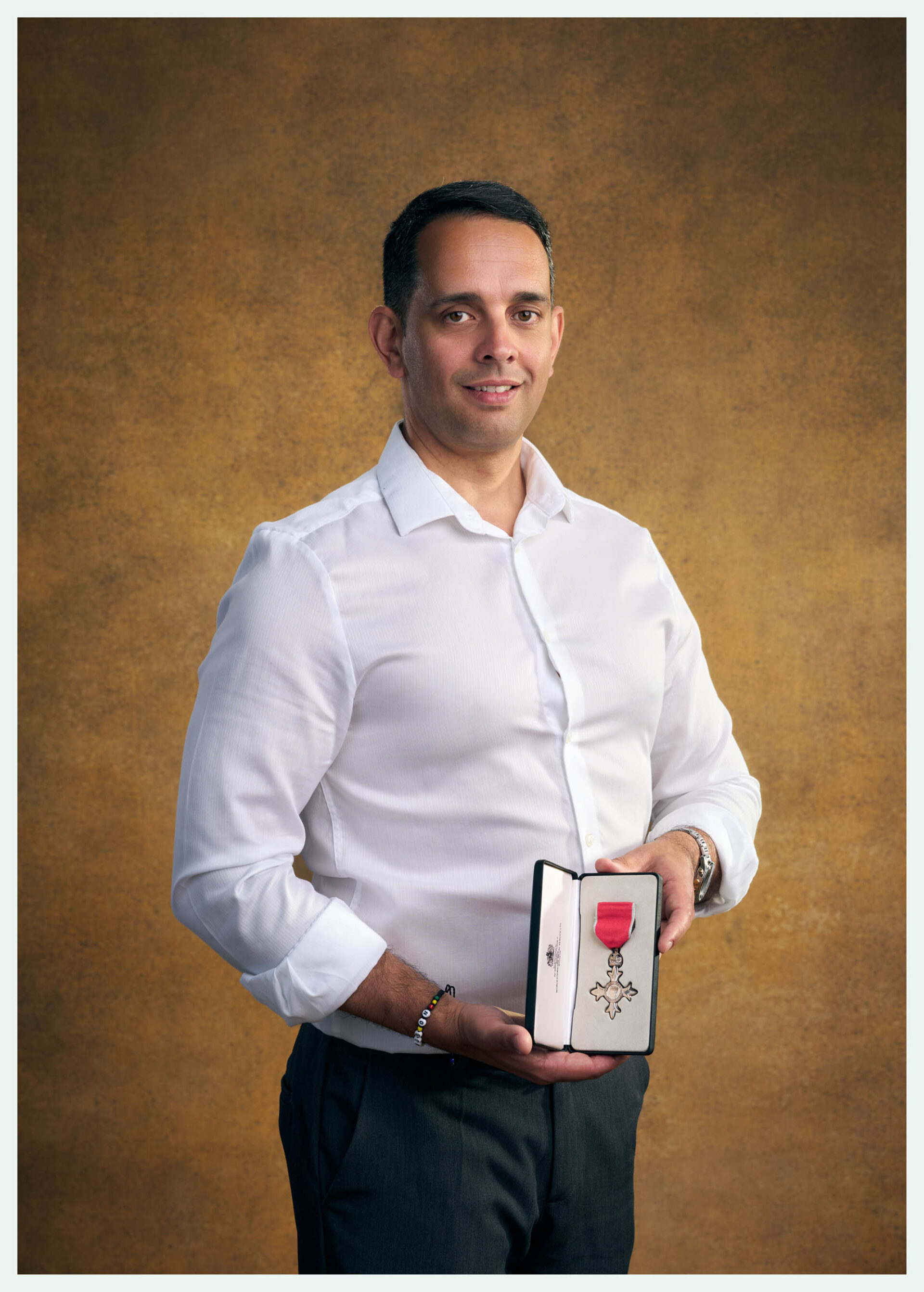
Petr Torák MBE Founder, Compass Charity, Honorary Consul & Former Police Officer. “My message to everyone, whether Czech, Slovak, Roma, or anyone else, is to see the individual in front of you as a unique person, without judging or assuming what to expect.”
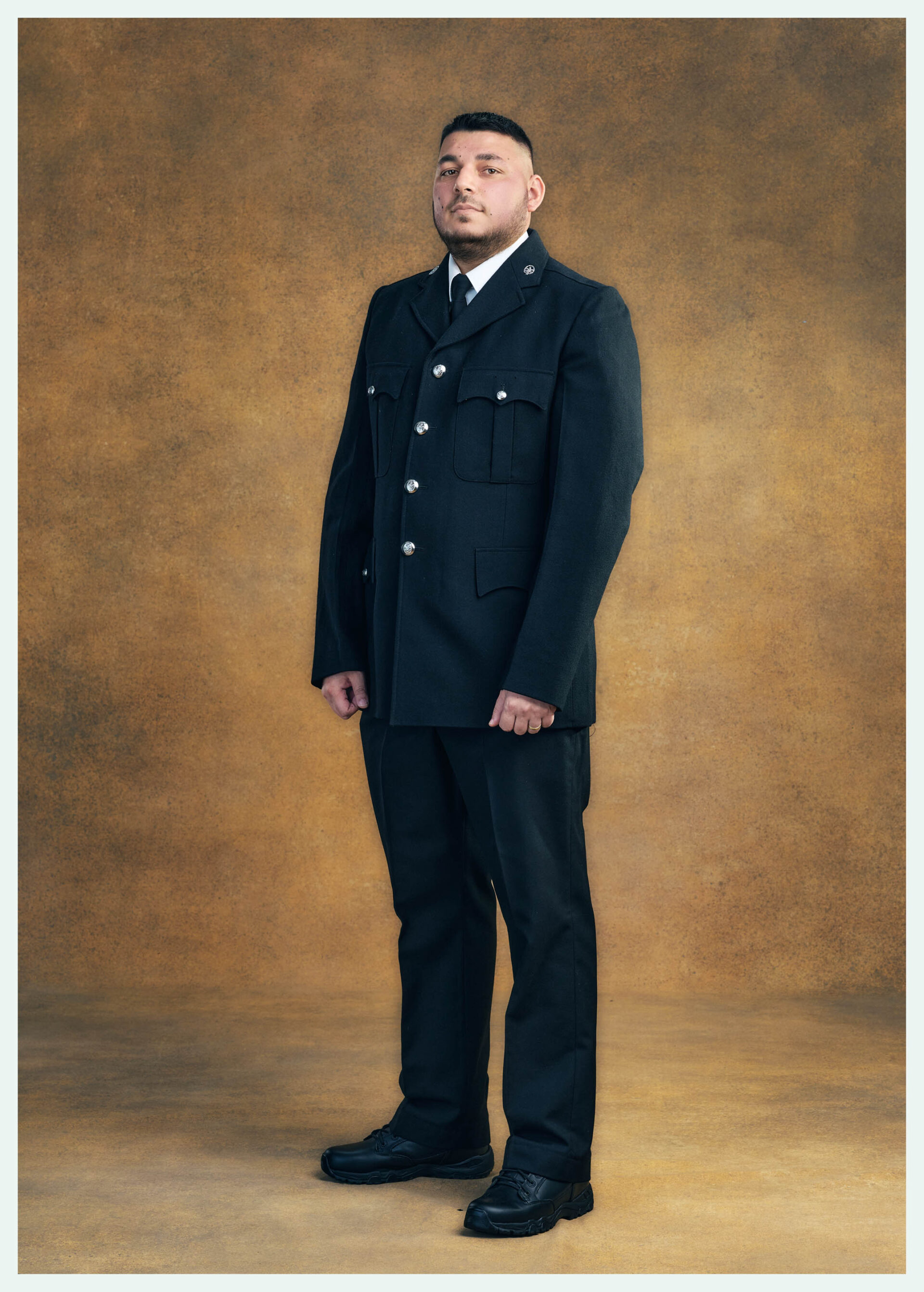
Peter Kotlár, Police Officer. “I am a very ambitious person. I set goals for myself, and that is my motivation. Everything is possible, but only through hard work.”
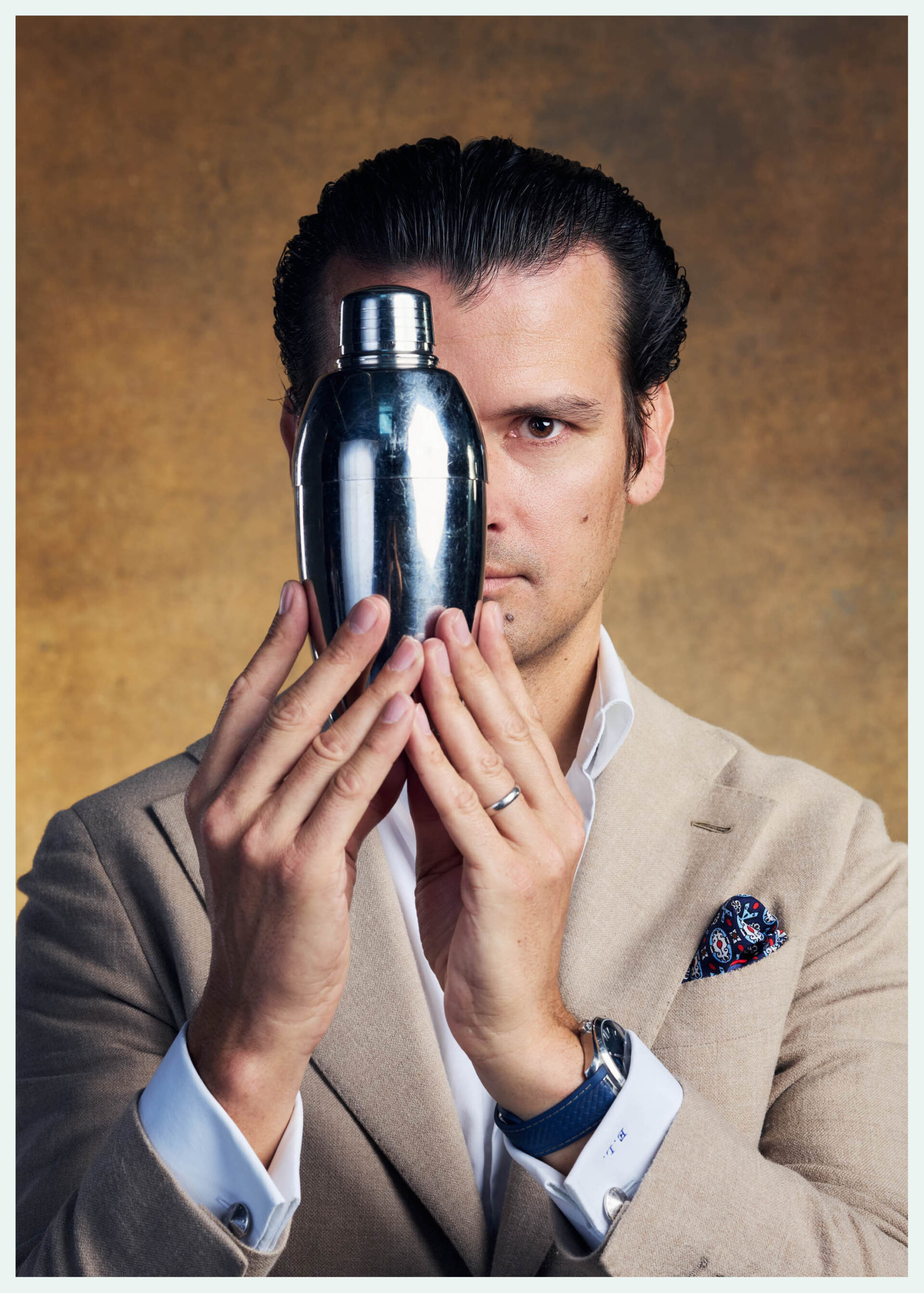
Erik Lorincz, World-Renowned Mixologist & Founder of Kwānt Mayfair, London. "Hard work was always what my parents taught me; nothing is given for free, but the harder you work, the further you can go."
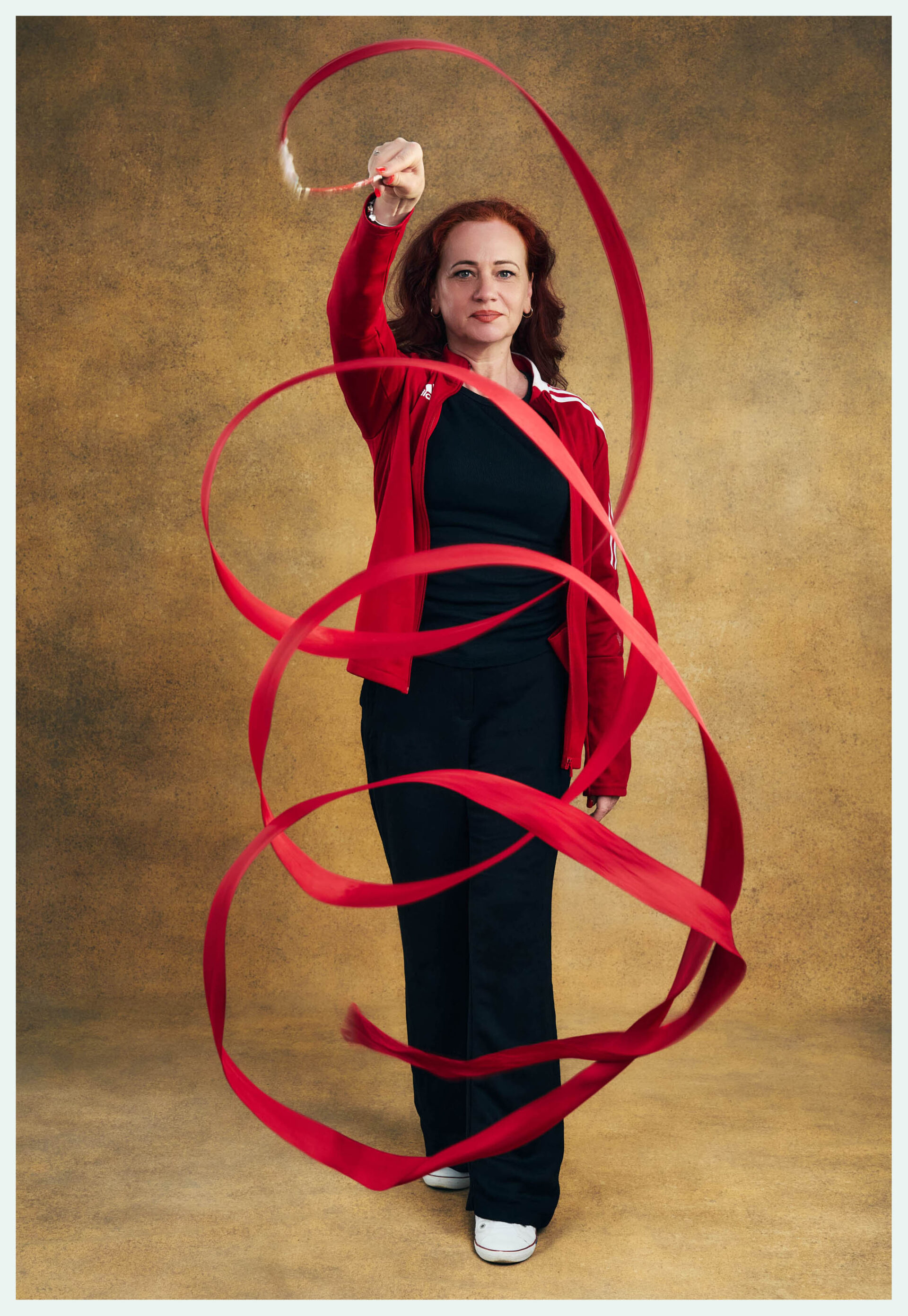
Zuzana Gergelová Coach, Founder of Oxford Rhythmic Gymnastics Club. “As I stayed here, doors kept opening. I saw new opportunities, and I was already familiar with the culture. So from the four months I had planned, it became much longer... I am proud that we created a space for so many children, that we can keep teaching this sport I love, and that rhythmic gymnastics has become more widely known.”
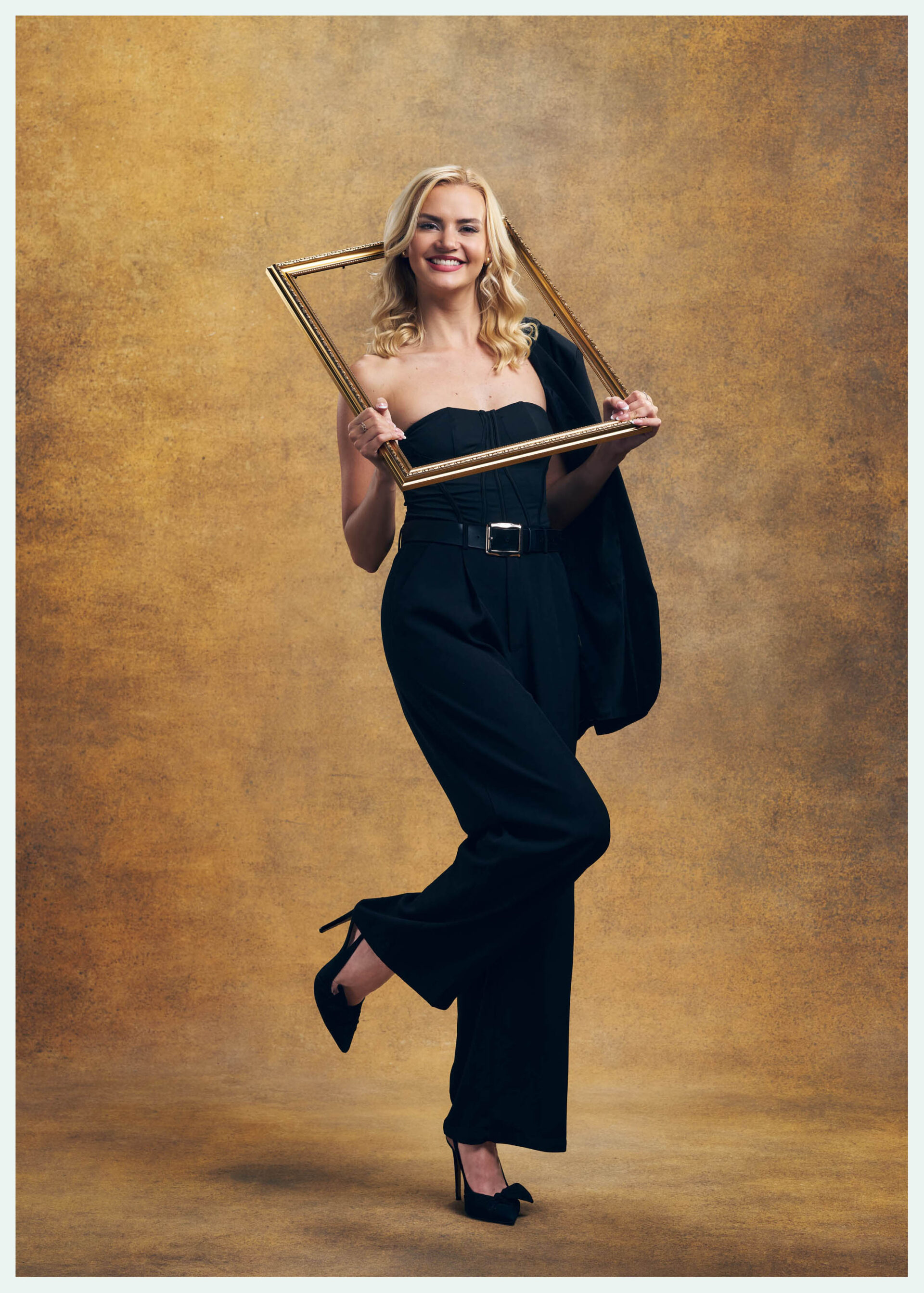
Simona Vrabcová Director & Actress of Slovak Theatre London, Cultural Manager, Academic. “I left Slovakia frustrated, certain I never wanted to have anything to do with Slovaks again. Yet life abroad brought me back to my roots, and today almost everything I do is about Slovakia.”
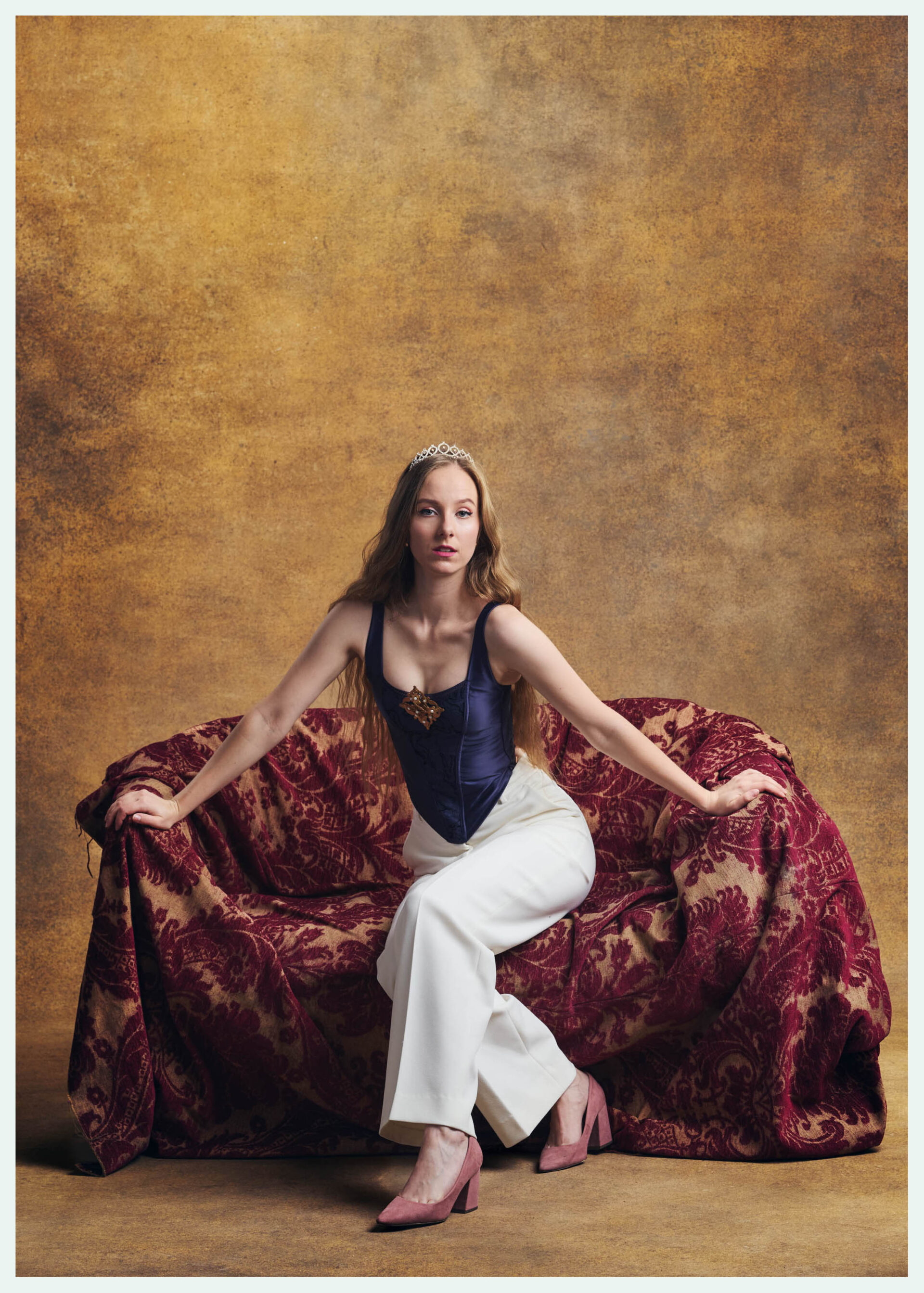
Rebeka Jurčacková, Manager & Actress of Slovak Theatre London, Multidisciplinary Artist & Designer, Slovak Cultural Coach. “I wish Slovaks could care for one another more, unite, and be less critical of themselves and each other. The most beautiful projects are born when we come together.”
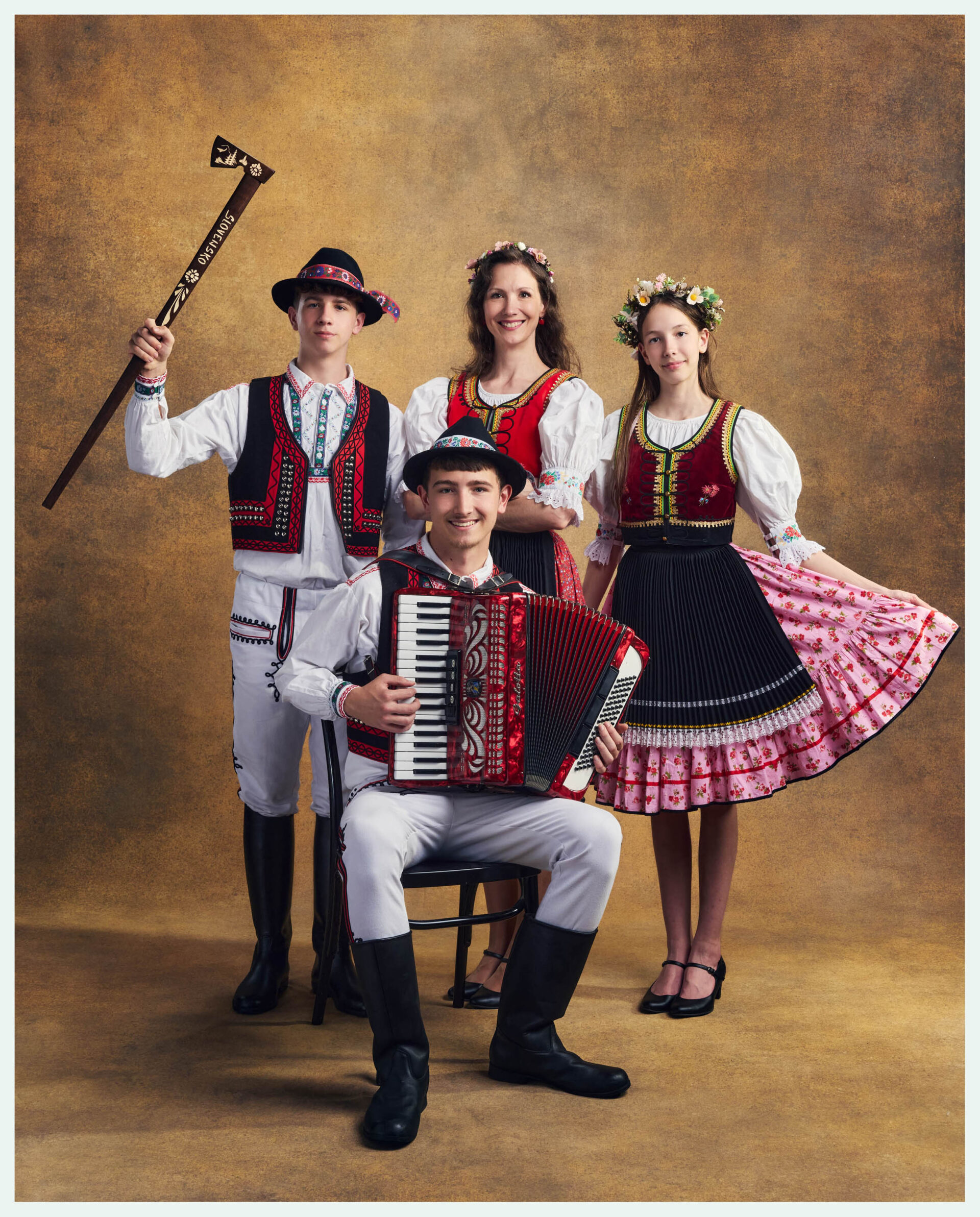
Dana Klampárová & Children Daniel, Dalia, Elliot. Founder of the ASSC UK, Leader of FS Breza & DFS Brezička.
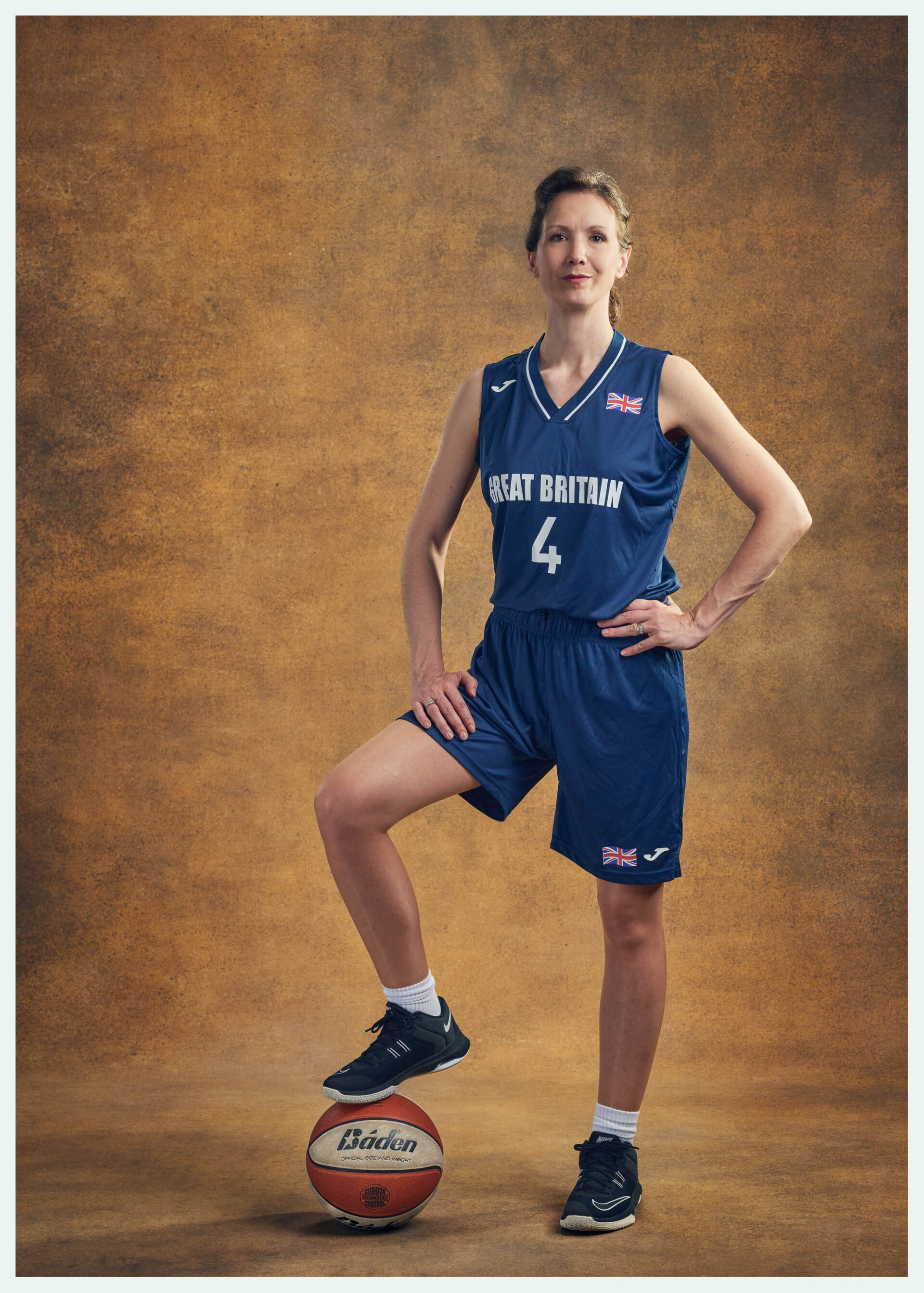
Dana Klampárová Community Leader, Nurse, Founder of the ASSC UK. "To all Slovaks and Czechs – stick together. In unity, there is strength, and together we have a greater chance of achieving something. We are a wonderful nation."
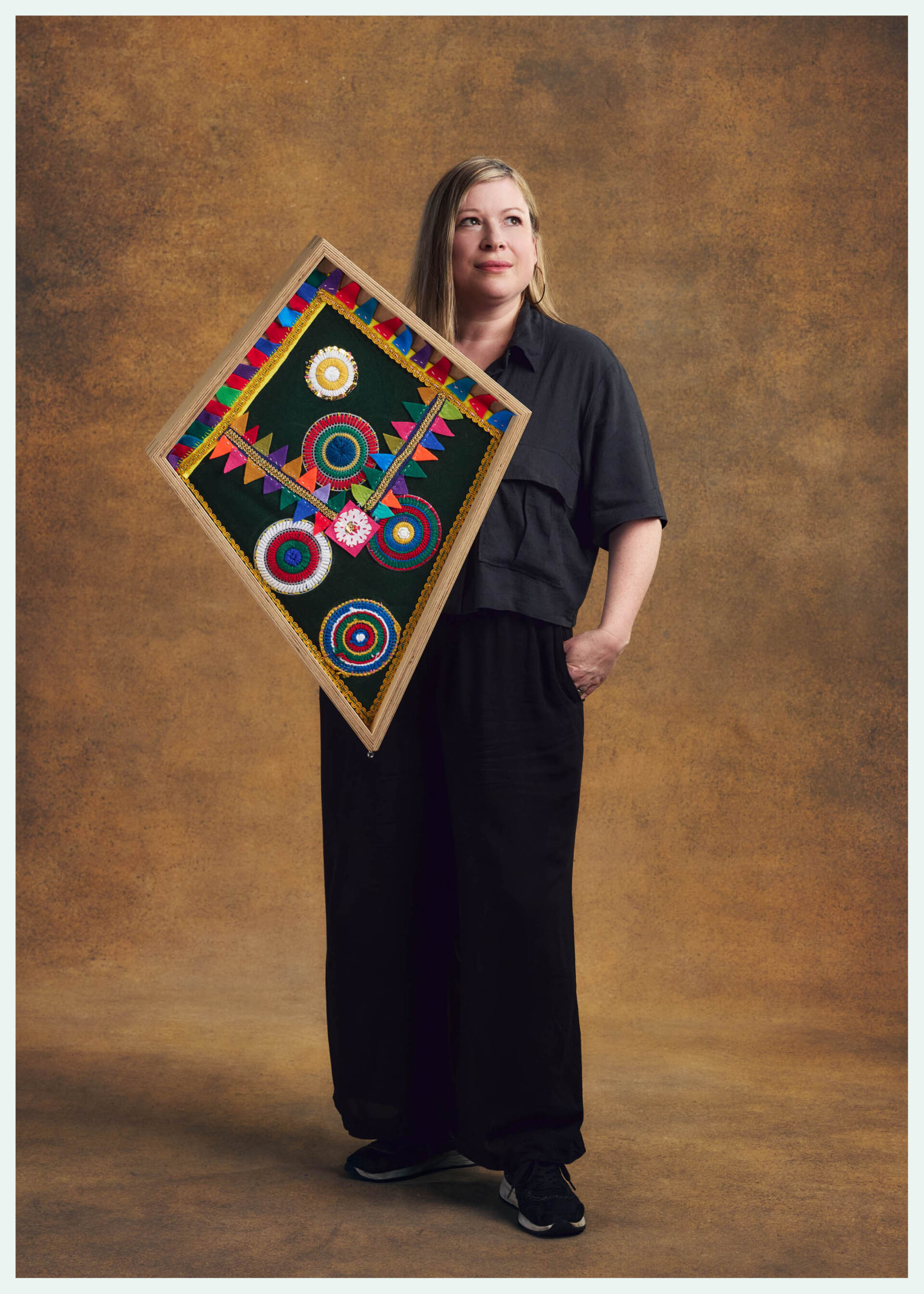
Tereza Bušková, Multidisciplinary Artist & Art Educator. “I see folklore as constantly evolving and alive. By reinterpreting traditions and creating new ones, we keep them relevant for a 21st-century audience.”
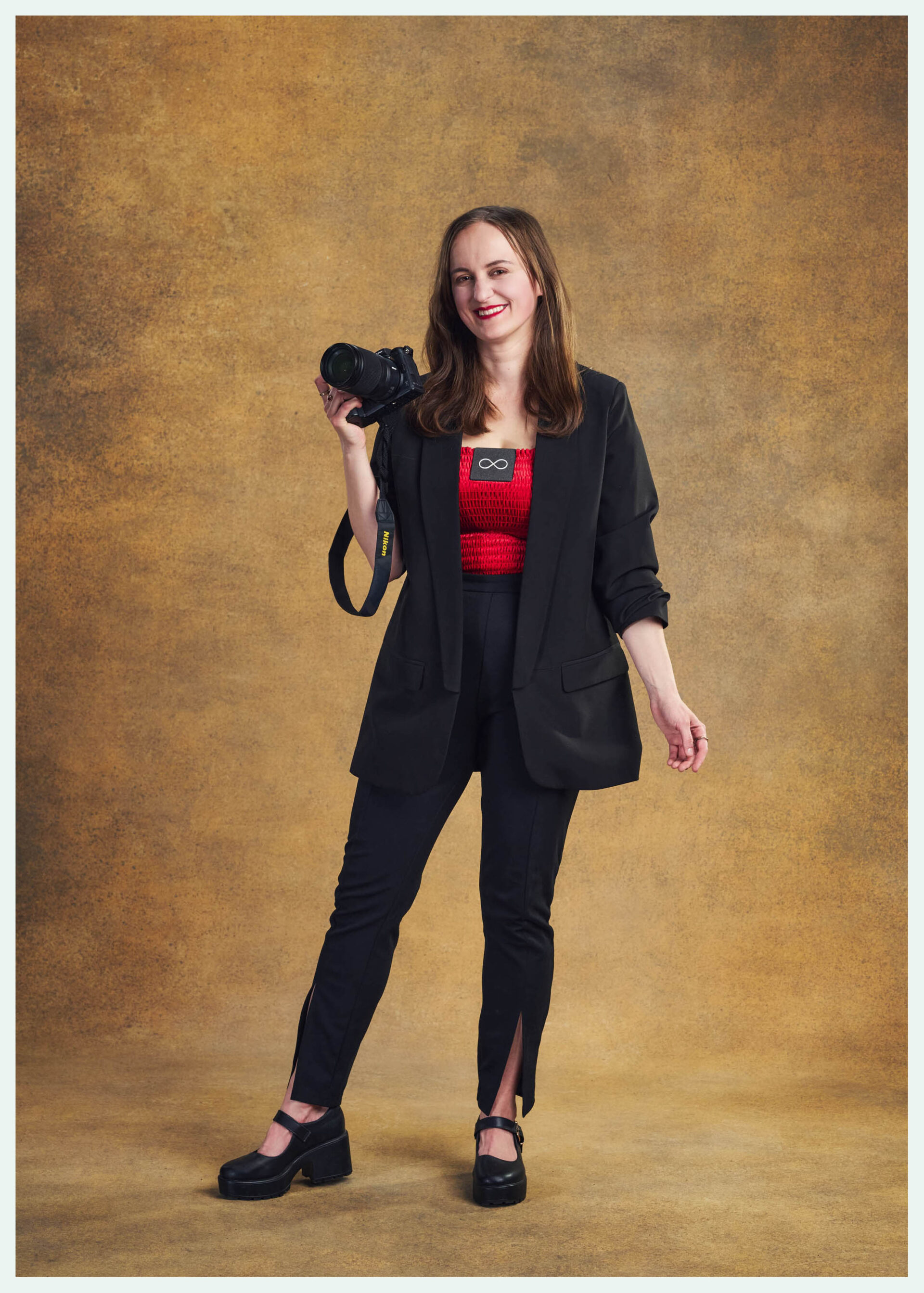
Hermine Patch (aka Patrícia Bandžuchová). Photographer & Visual Artist. “I am most proud of the direction my work is taking. I feel I am slowly creating a style of my own, and that is a great gift for any artist.”
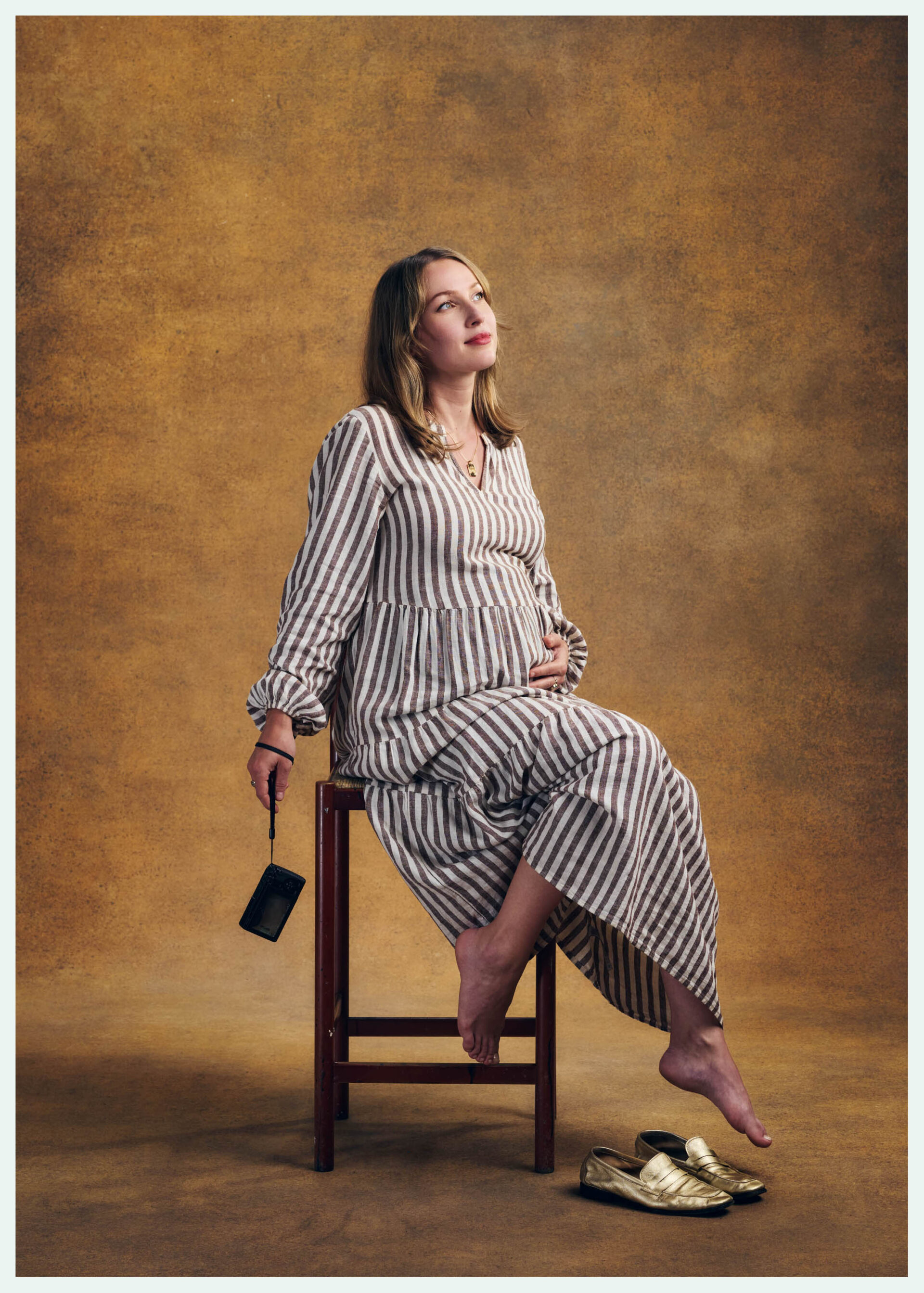
Radka Dolinská, Photographer. “The way I express myself is through pictures.”
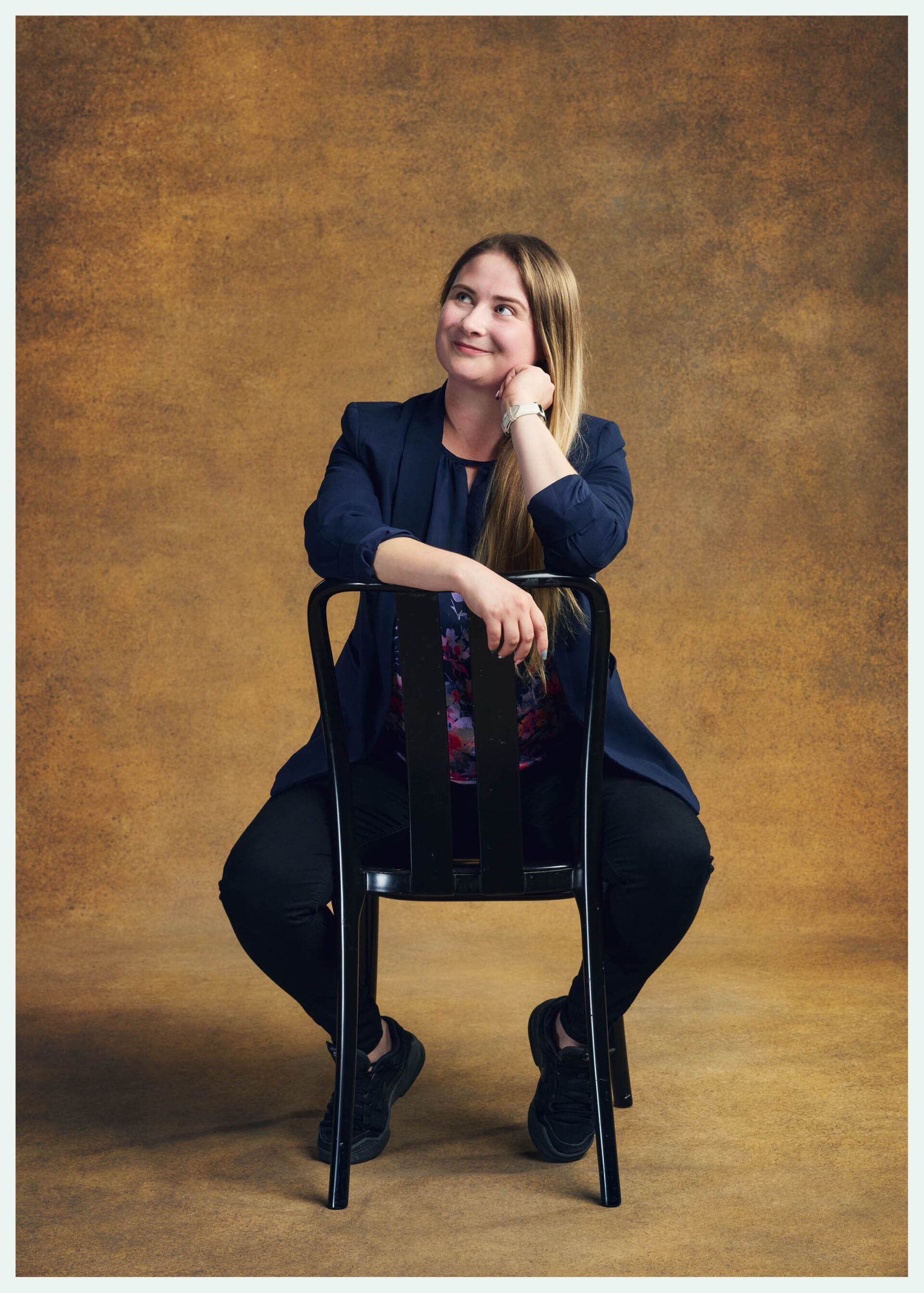
Tatiana Janišová, Singer & Actress. "Music has been my journey since childhood, a path that continues to inspire me every day."
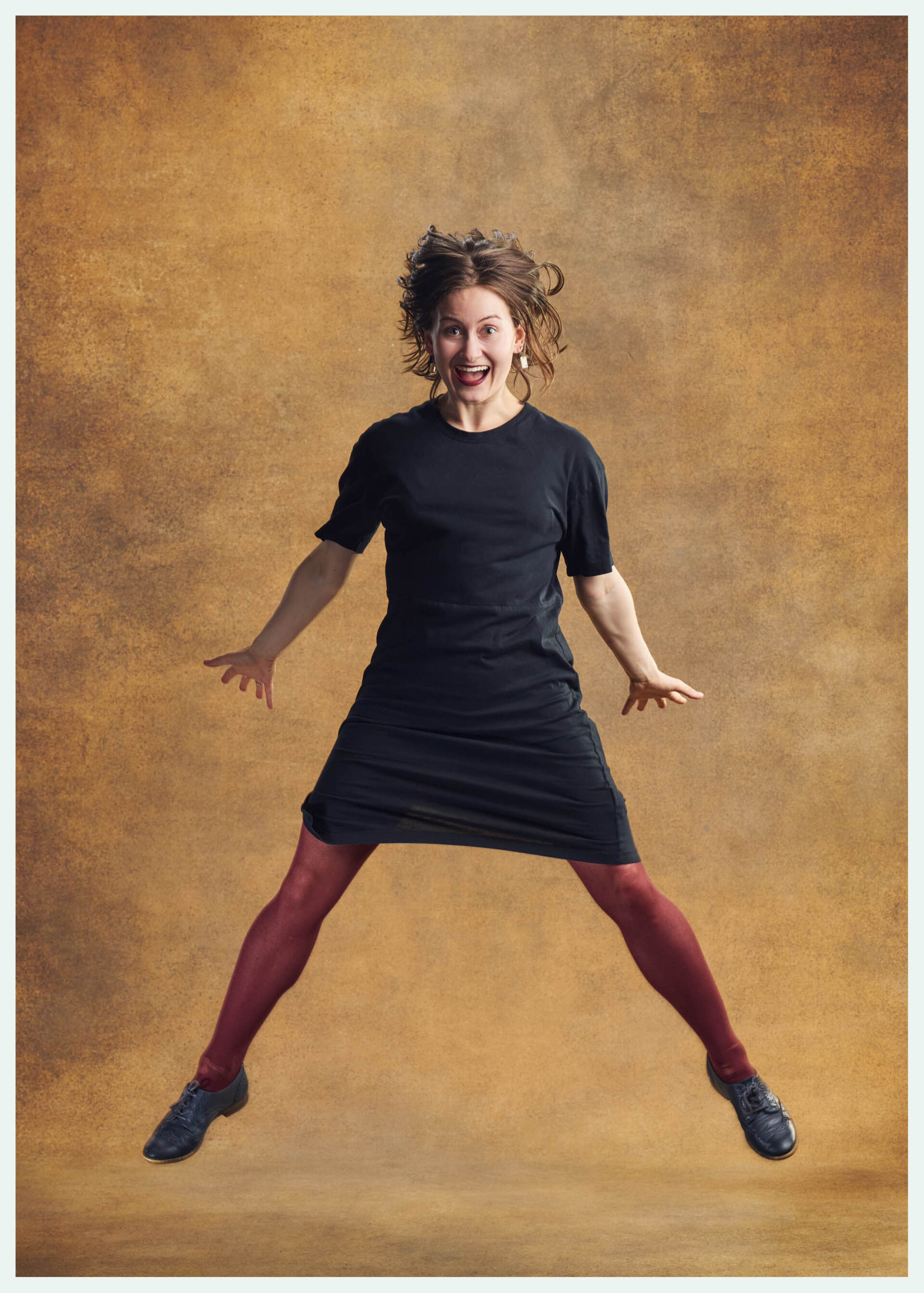
Kristýna Havelková, Actress. "Exploring new places and new roles is what inspires me most."
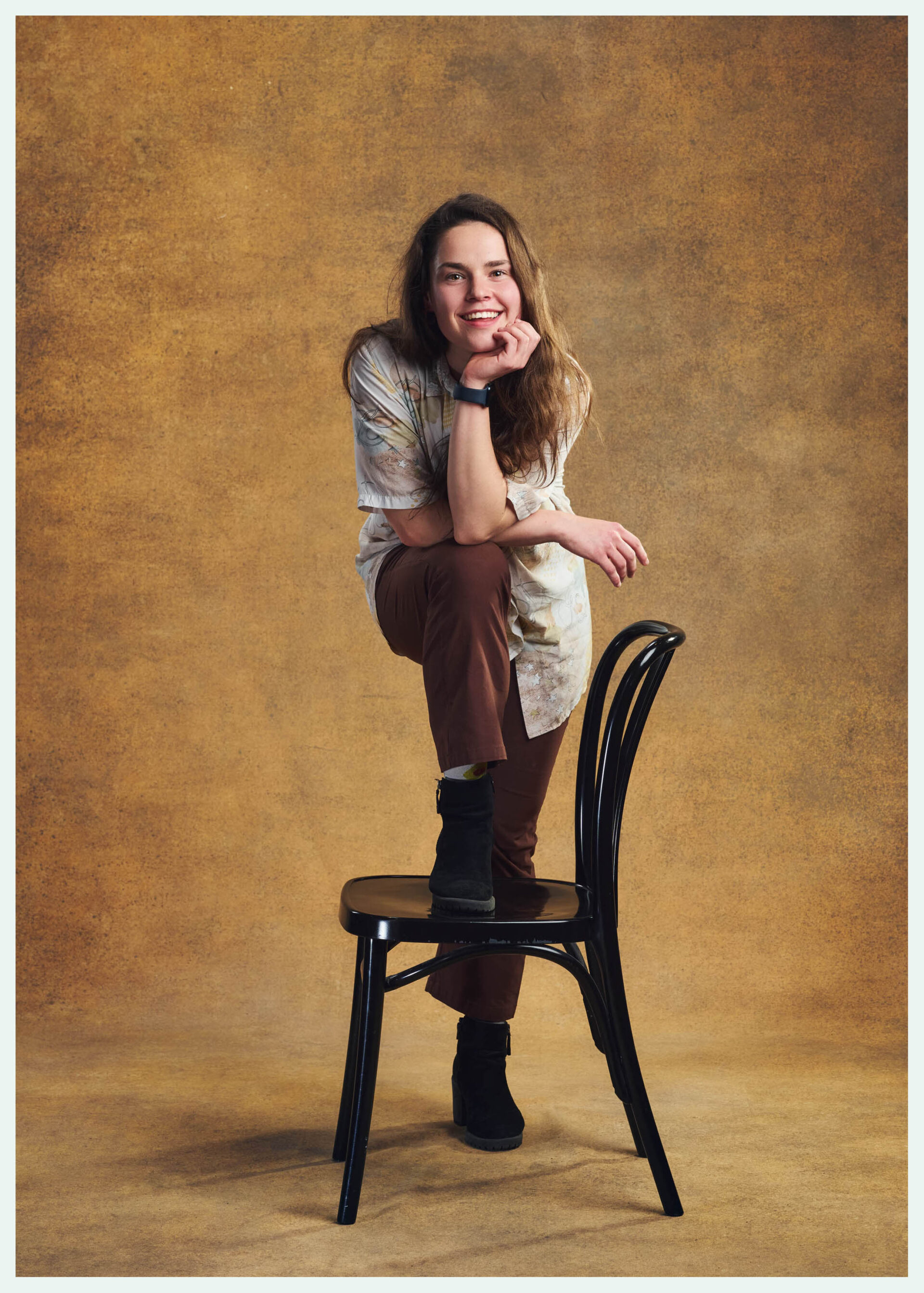
Eliska Elley (Eliška Jurčíková). Actress, Musician, Model, Creative. 'Owning our story can be hard, but not nearly as difficult as spending our lives running from it'
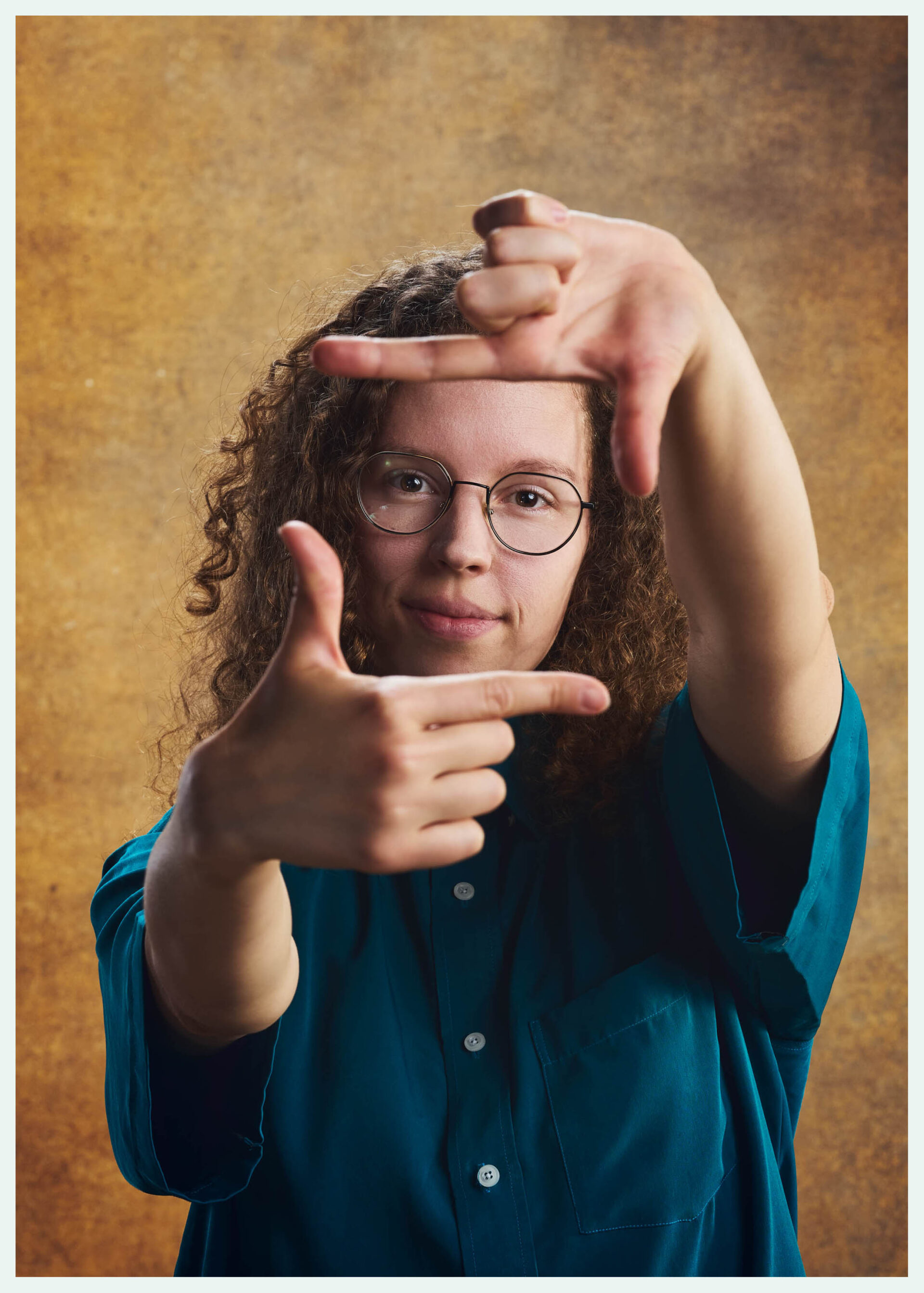
Isabel Morales-Detková, Director & Cinematographer. "I linked my surnames so that people can't remove either. I'm both Spanish and Slovak. One likes to say I am only the other, but I don't need permission to be both."
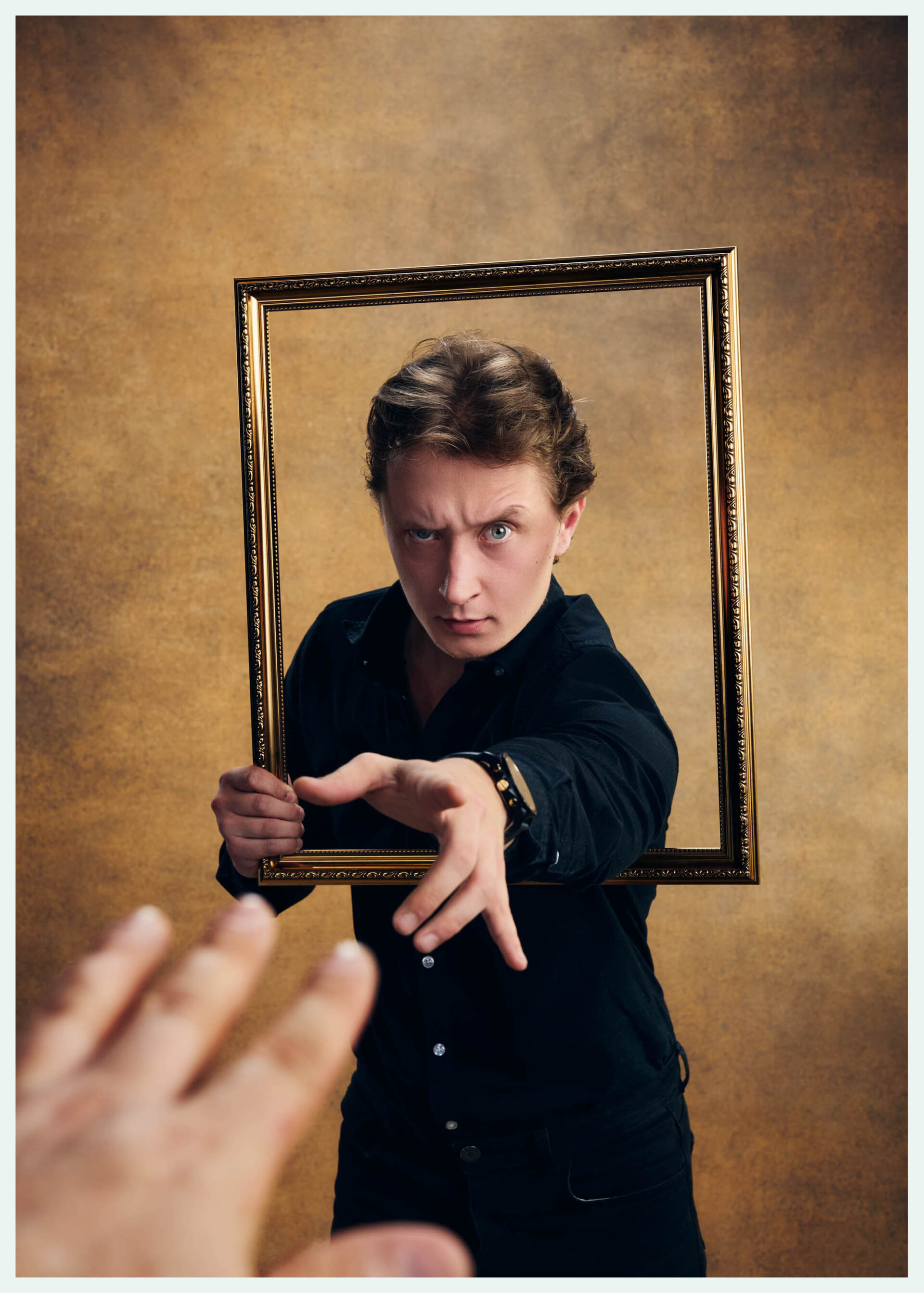
Adam Hašák, Actor, Writer, Director. "I find brotherly love, relief and truth to be the most inspiring themes for my creative endeavours."
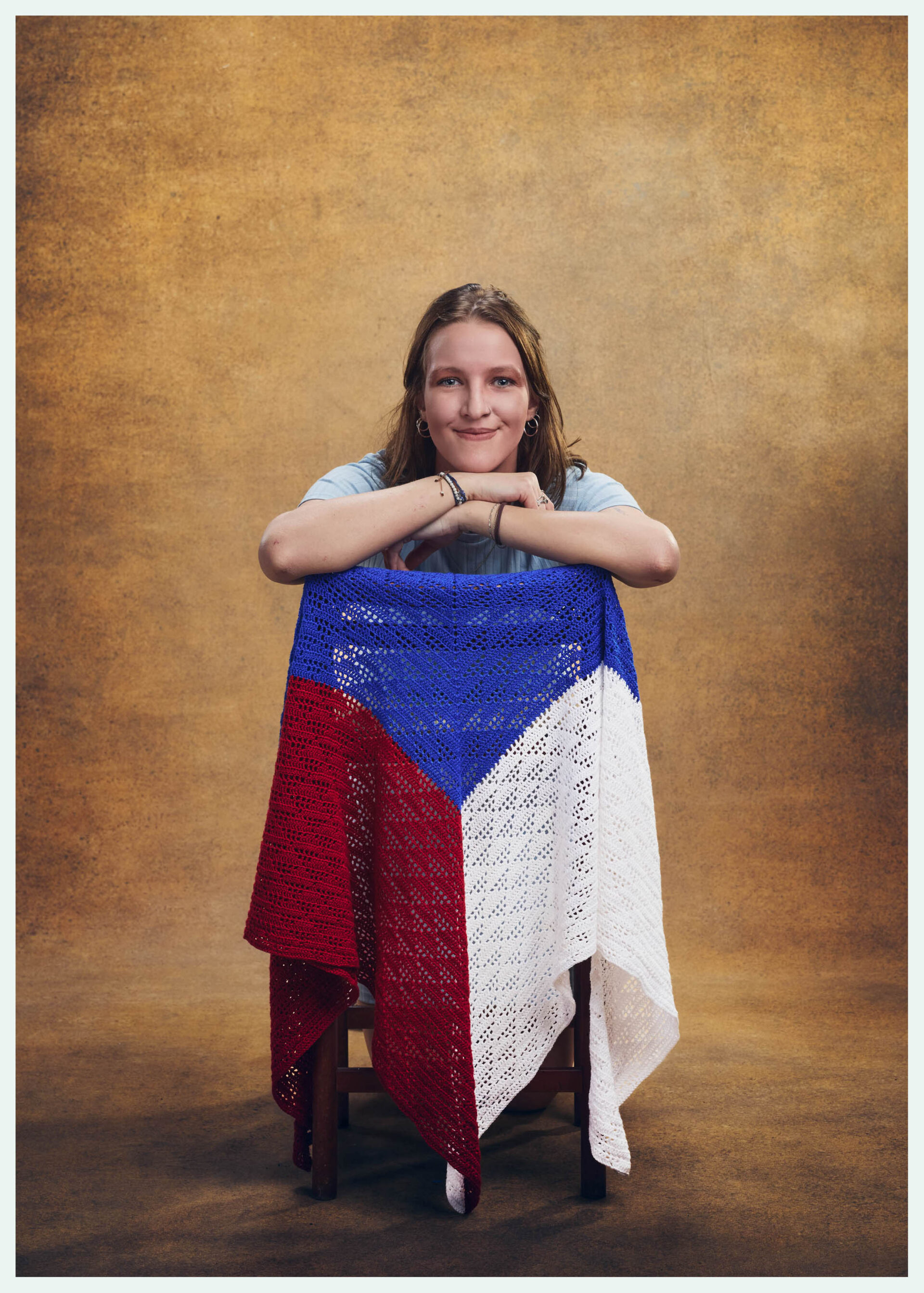
Katie Cecil (Kateřina Čečilová) Filmmaker. "I was always fascinated by the moving images and the creative process behind them. I still can't believe I get to live my childhood dream, life moves so fast, so take every opportunity that comes to your life, you never know where it will take you, but believe it will take you somewhere beautiful!"
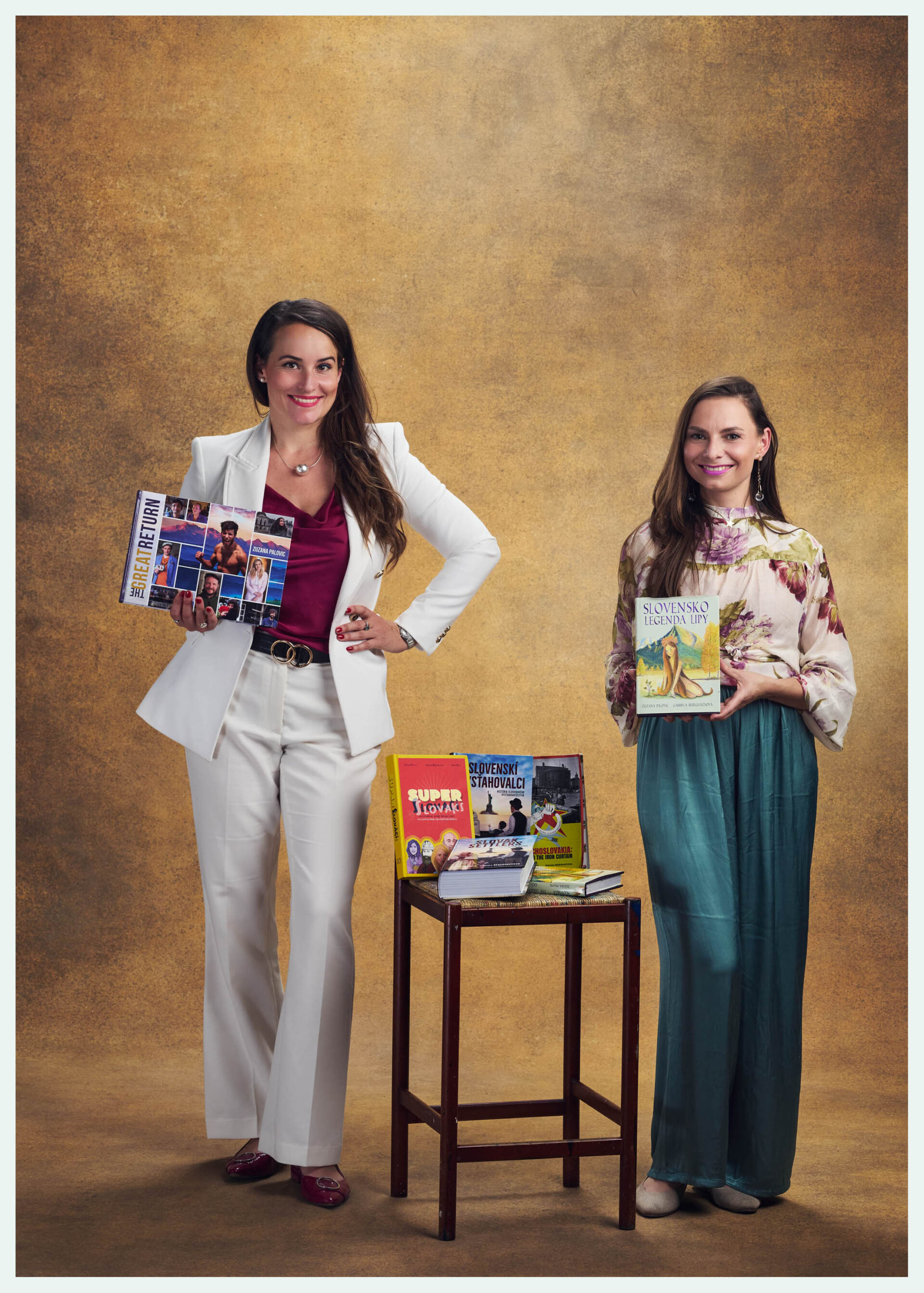
Dr Zuzana Palovič & Dr Gabriela Beregházyová. Authors, Founders of Global Slovakia. “Be proud to be Slovak. We are a young country but an old nation with an incredible story, history, and people. Who will be proud of us if not we ourselves?”
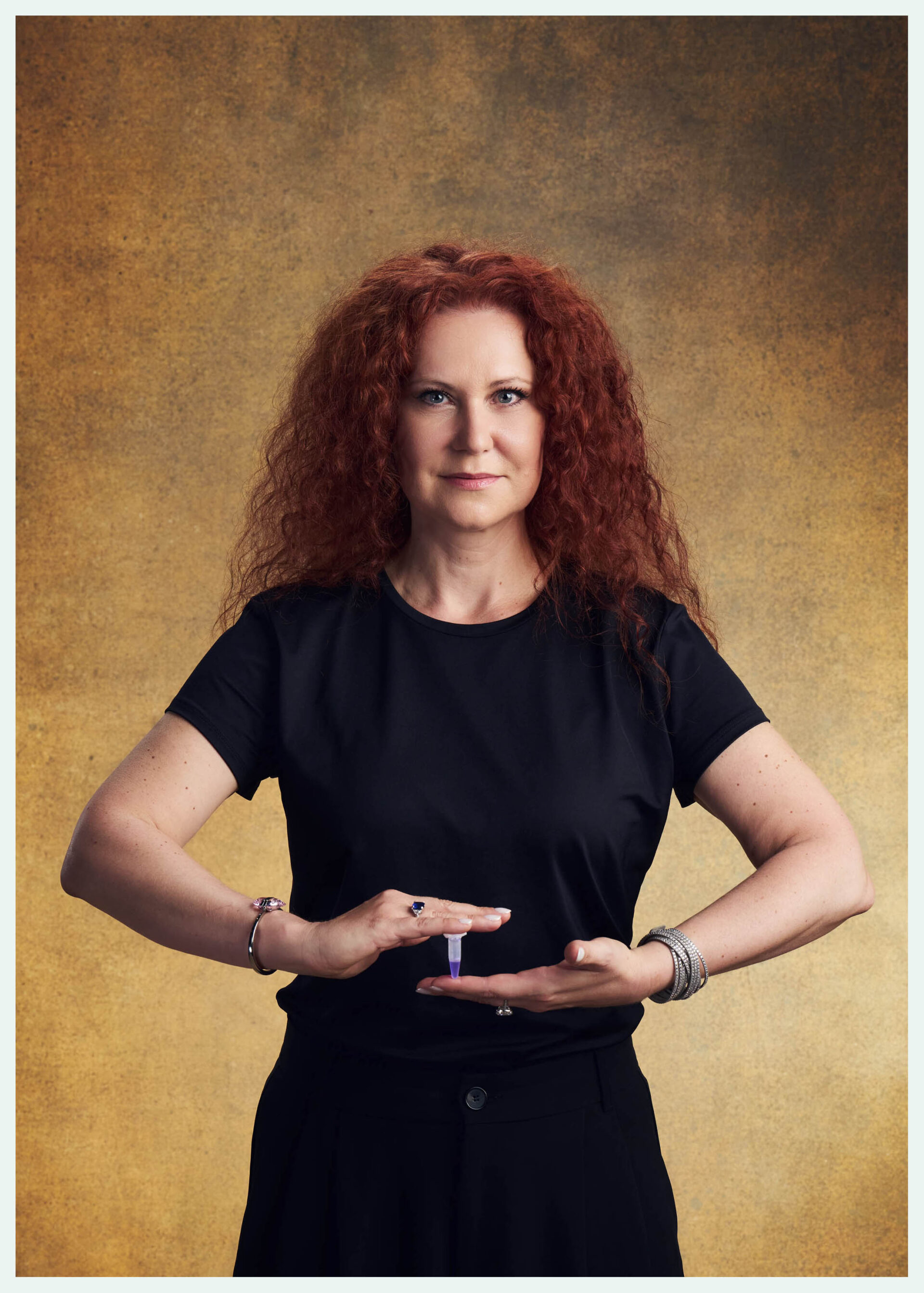
Monika Gullerová Professor of Molecular Medicine, University of Oxford. “My heart is in Slovakia, my brain is here, and true success comes not from shortcuts but from hard work, sacrifice, and ambition.”
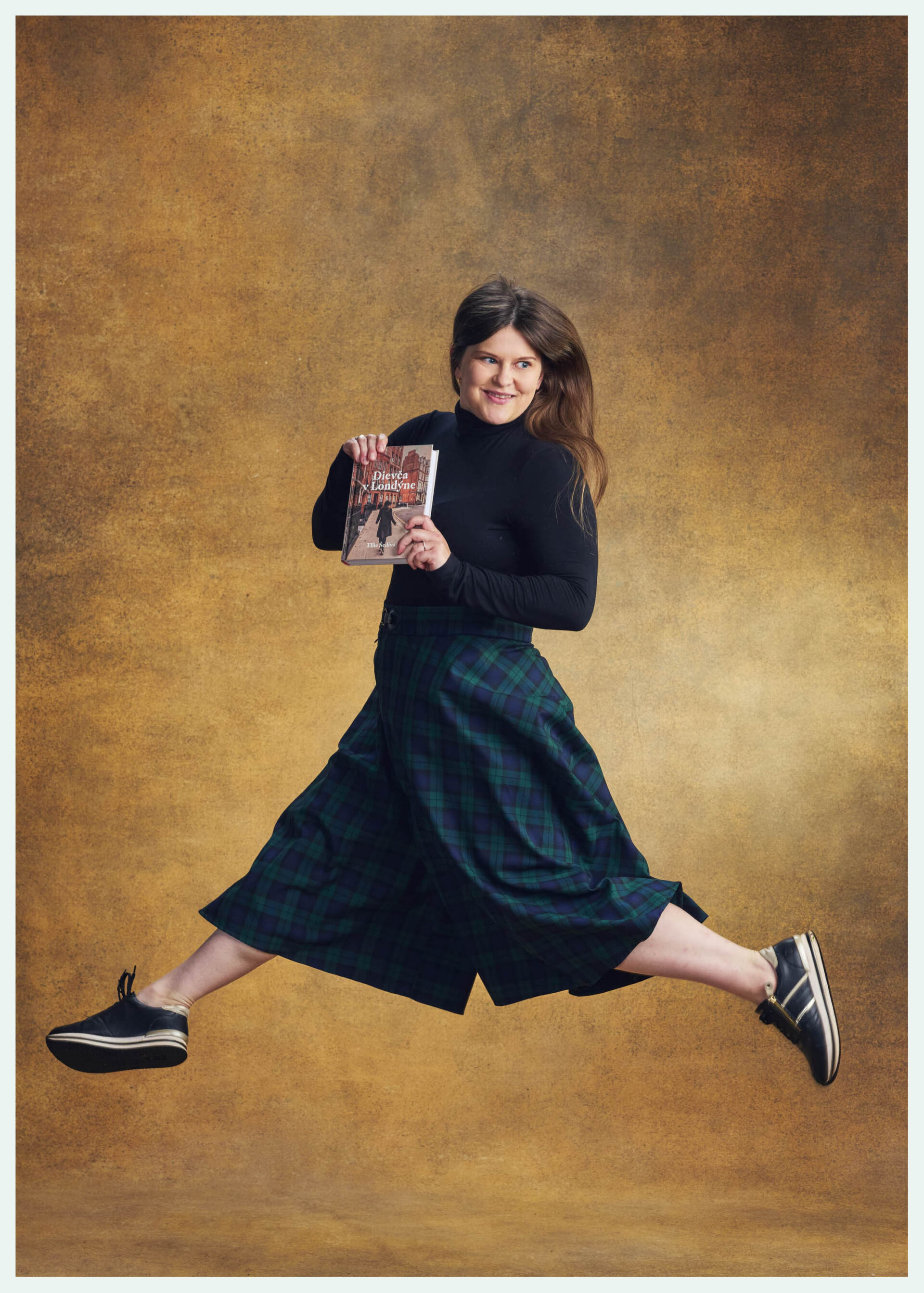
Lenka “Ellie” Šedivá. Writer, Blogger, Author of Dievča v Londýne (The Girl in London). "I came to England because I wanted to fulfil my dream of living abroad, especially in a big city. I wanted to experience what it is like to be one of a million people, living anonymously and at the same time having to work very hard to achieve something."
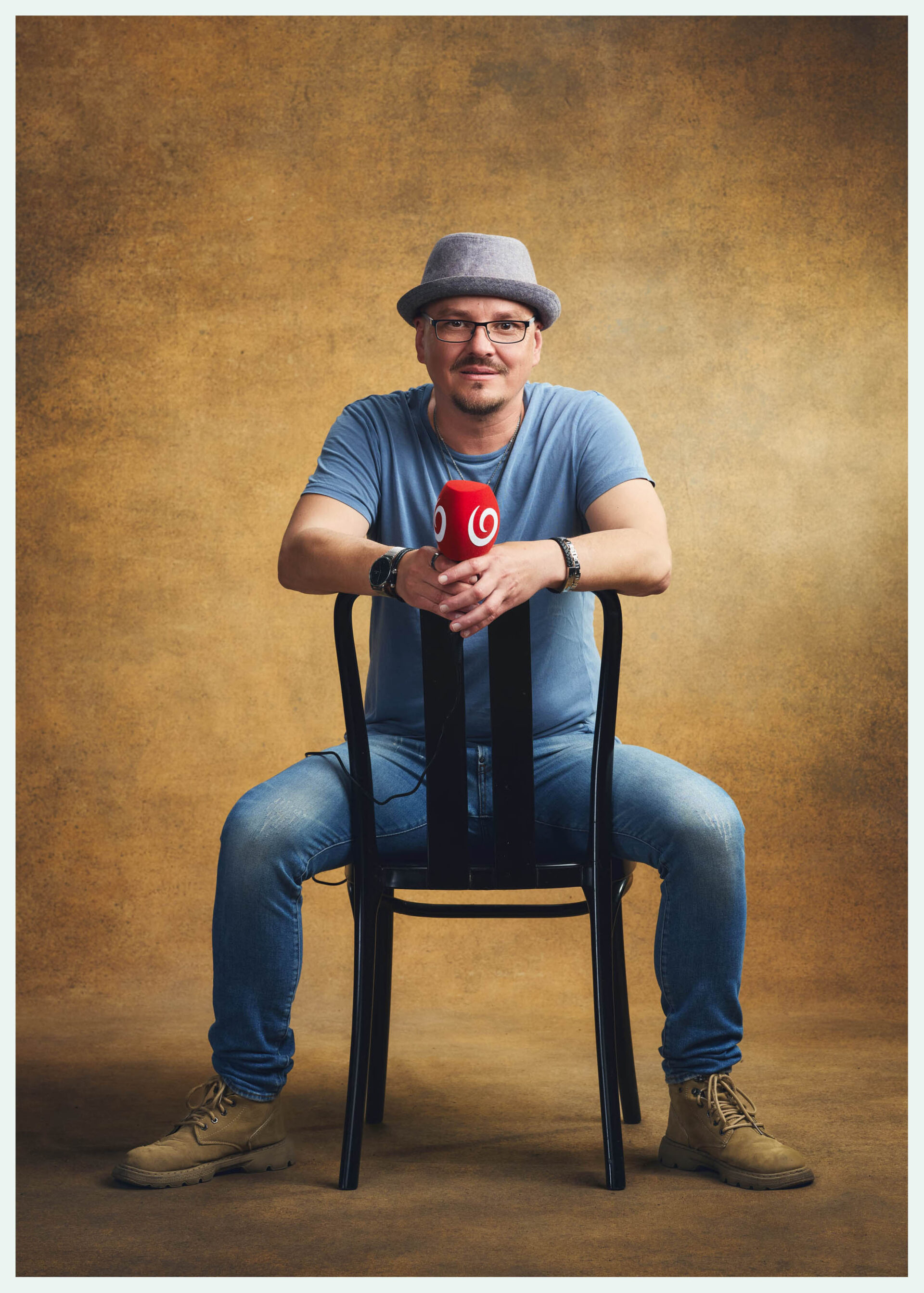
Peter Mikitič. Journalist. “I try to present our country here in Britain, and Britain back home in Slovakia.”
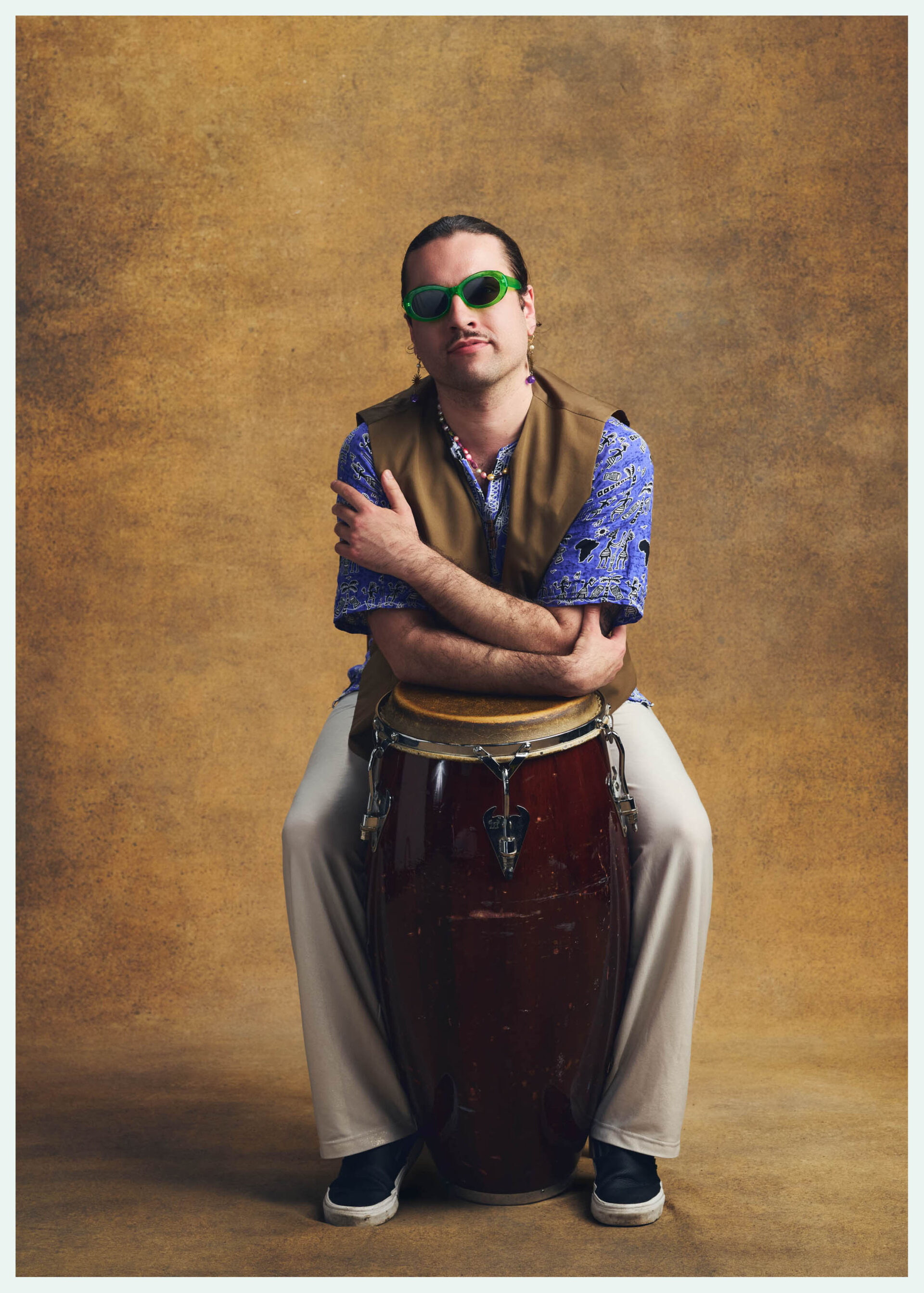
Radushko (aka Radovan Brtko) Multi-instrumentalist, DJ, Music Producer. “Solving problems can often be fun and creative, and it doesn’t all have to be black and white or doom and gloom. Simply by being and doing what we do from the heart, we often change more than we can imagine.”
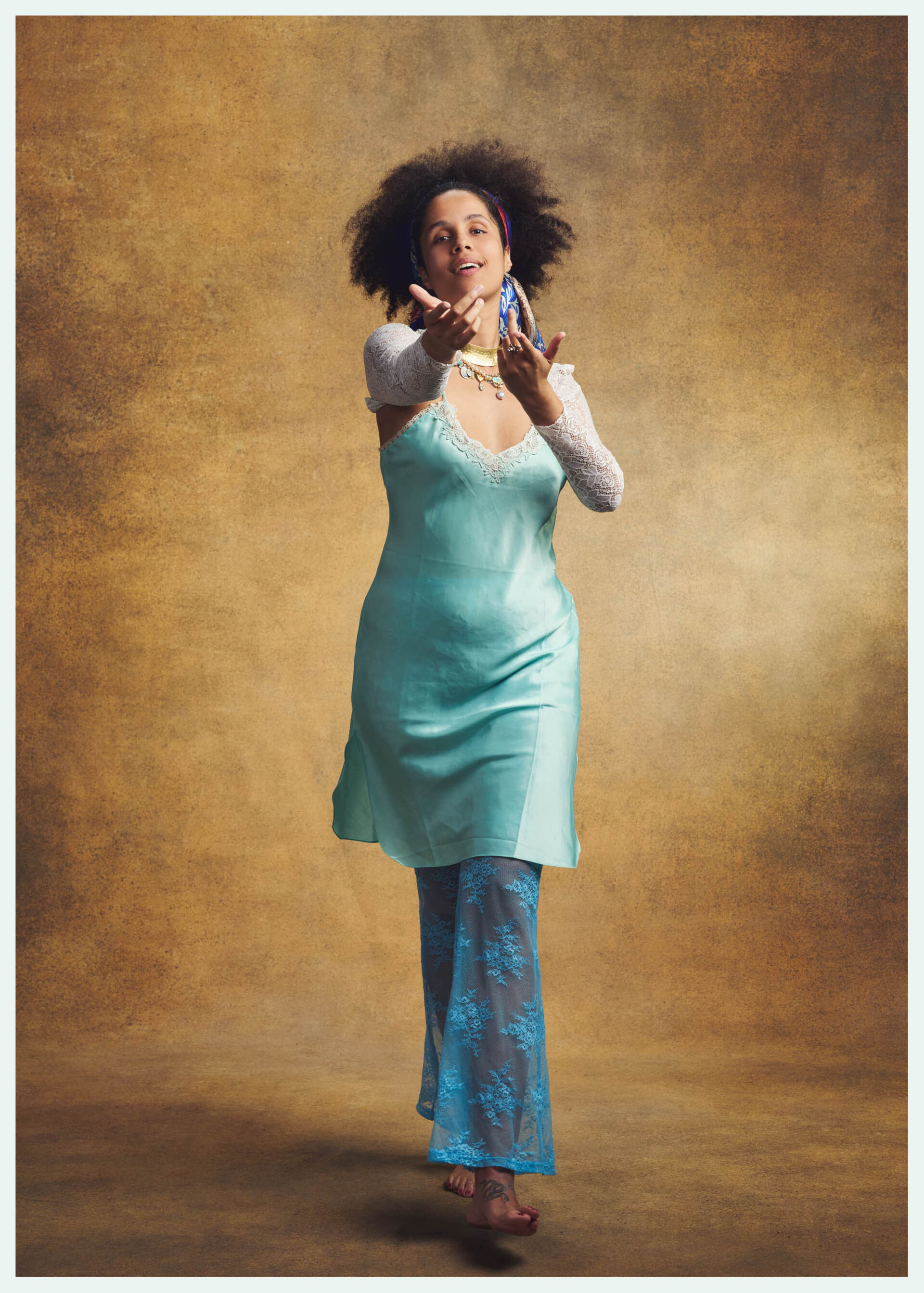
Shivone Dominguez-Blaščíková, Multidisciplinary Artist, Actress & Singer. “For me, Slovakia is childhood, summers on Liptov, Christmas with family, fairy tales and songs in my mother’s language.”
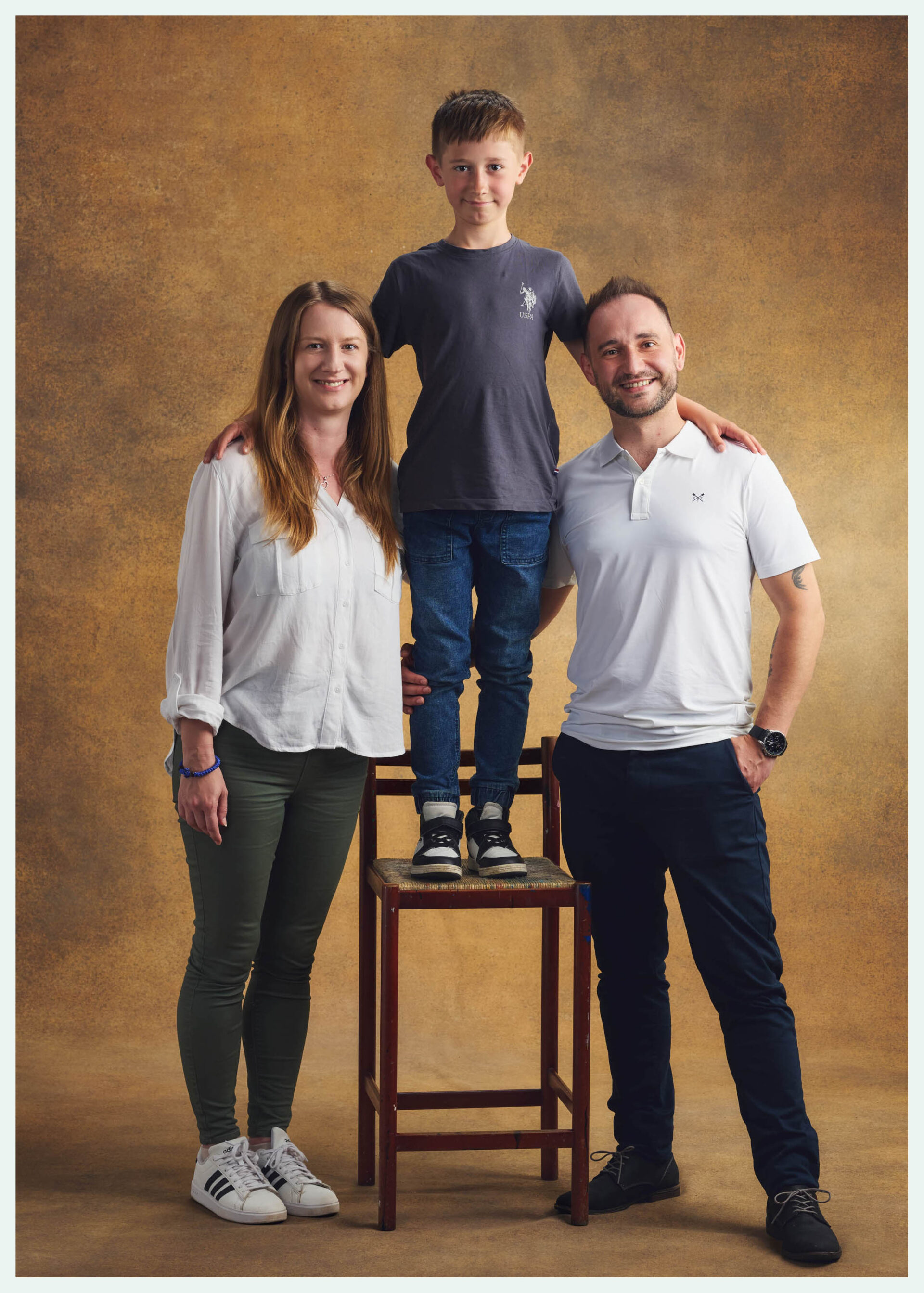
Jaroslav Lipták & Family. Entrepreneur, Festival Organiser & Sustainability Advocate . "Music, good food and culture bring people together. They help us forget the difficult times."
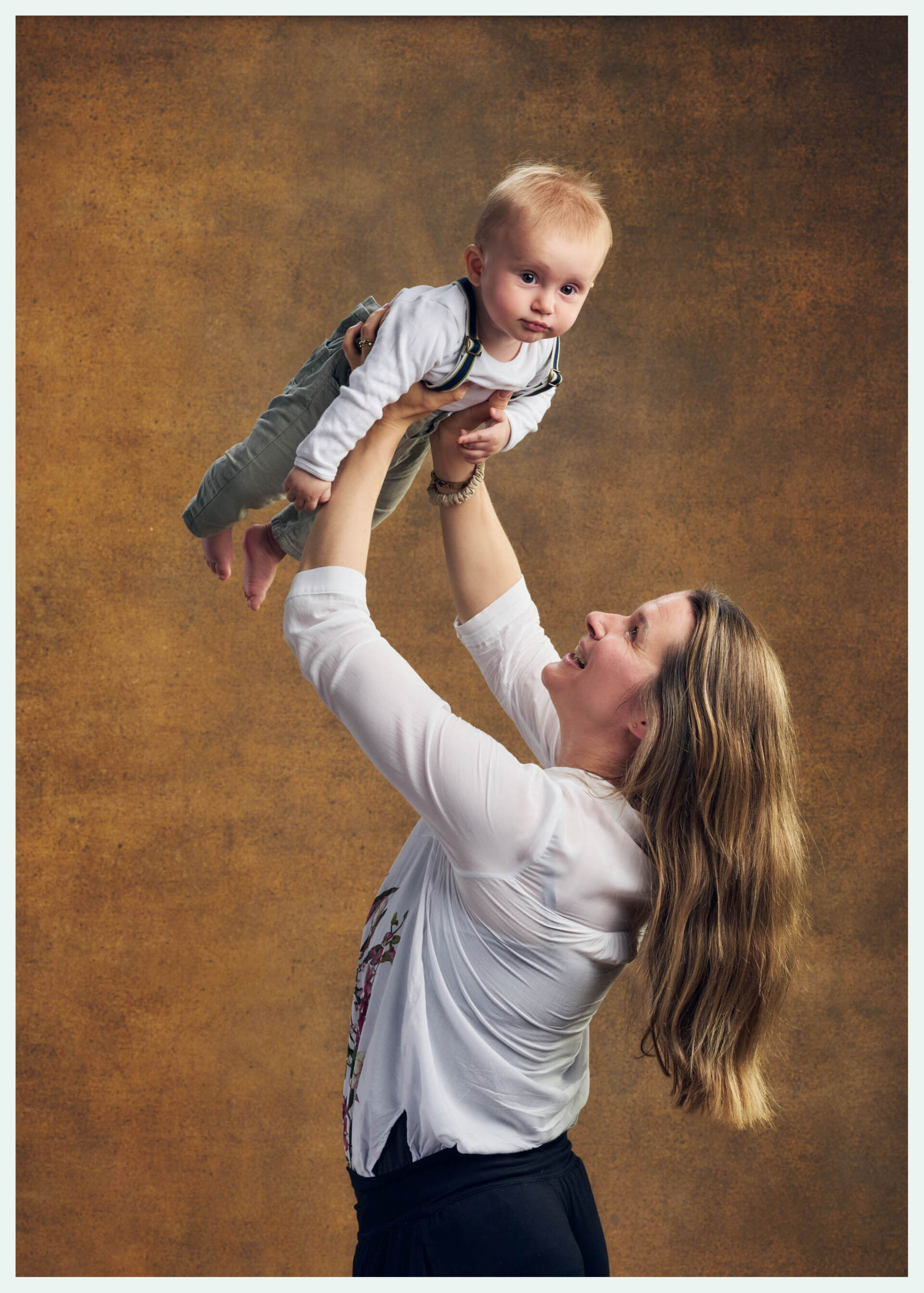
Jana Zordan & Son Natan. Movement Director & Clinical Pilates Instructor. "I am proud to be Slovak, but I also feel that people abroad do not know much about us. Every chance to present Slovakia matters."
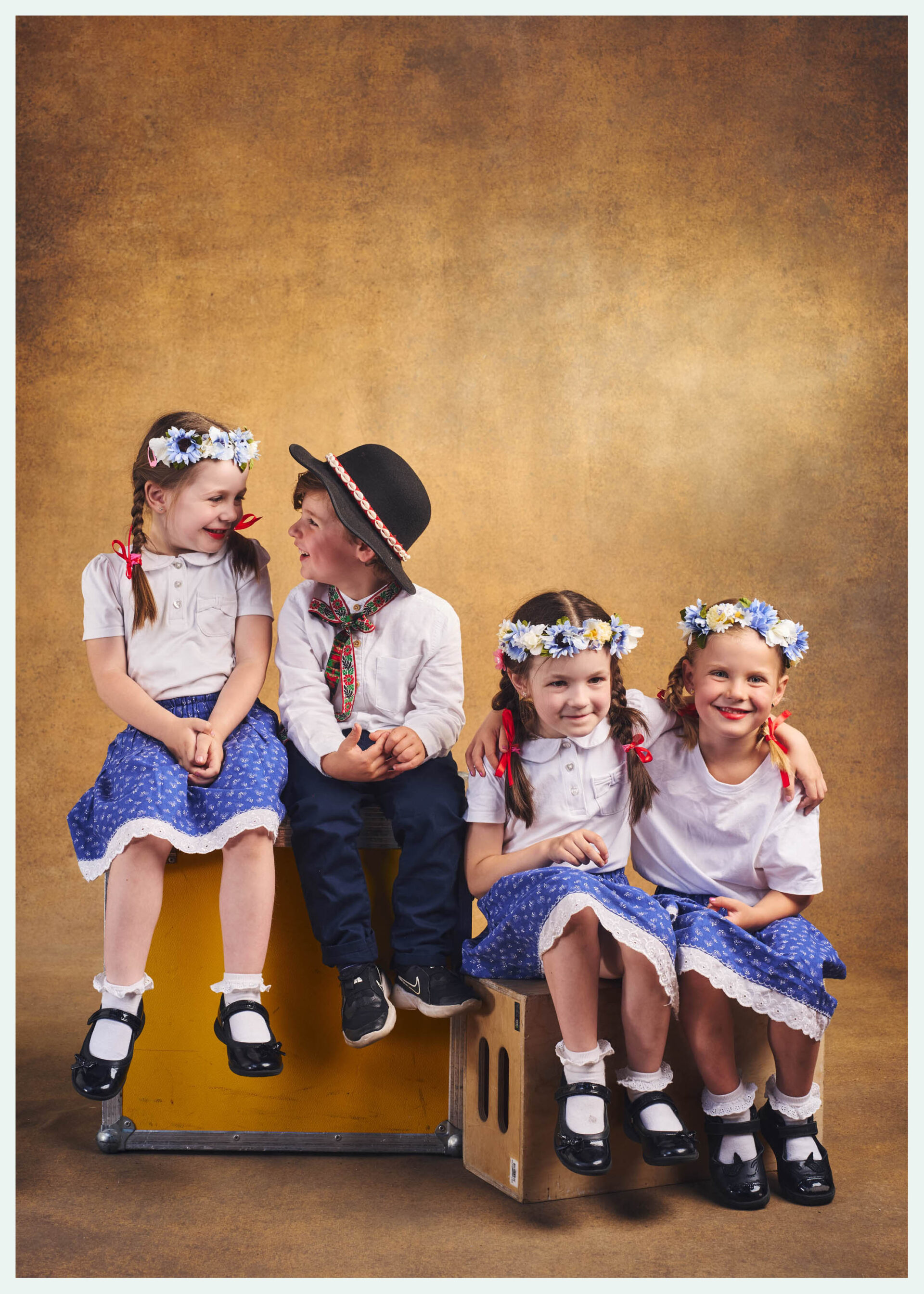
Slovak School & Community Manchester & Slováčik
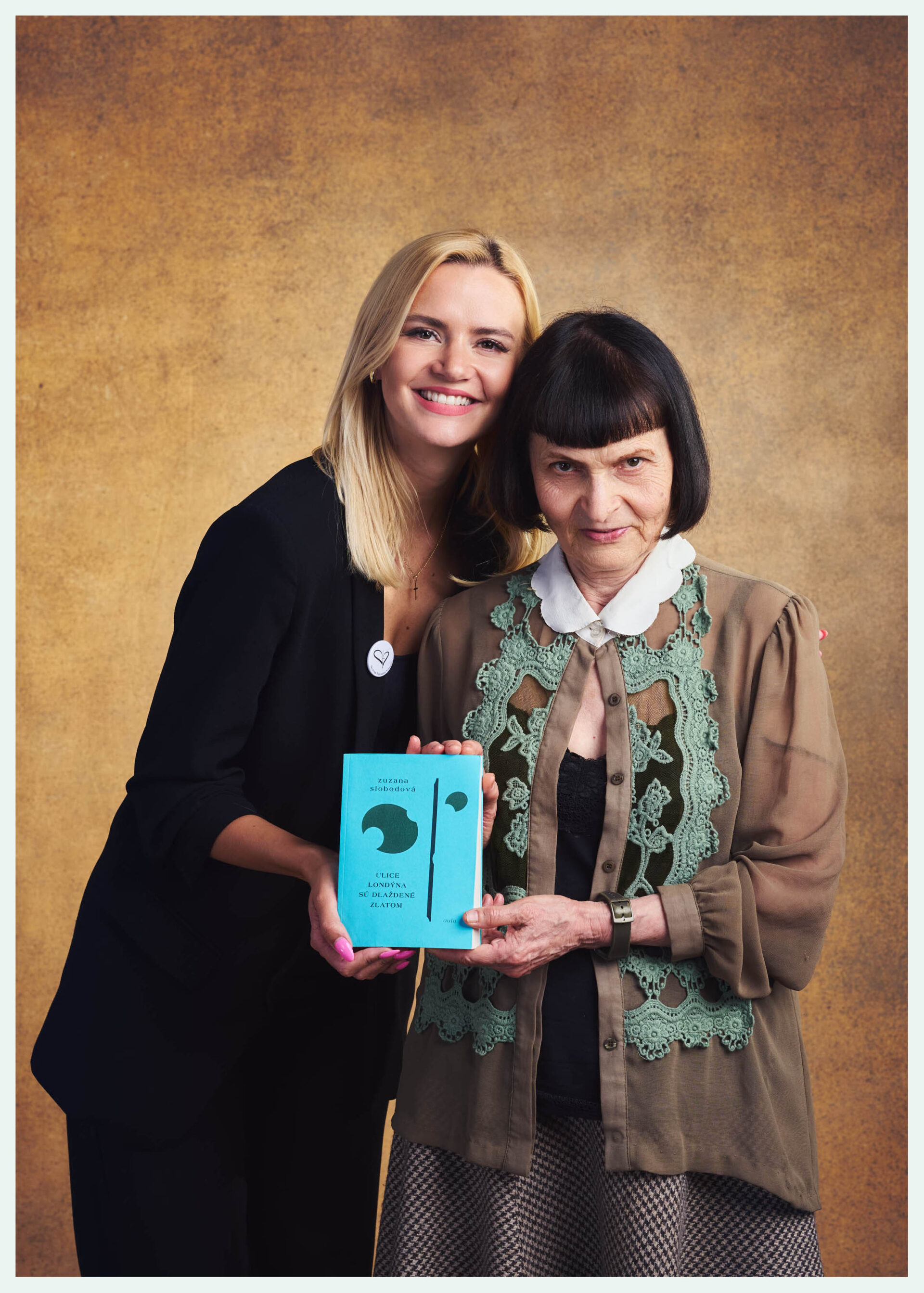
Simona Vrabcová & Zuzana Slobodová.
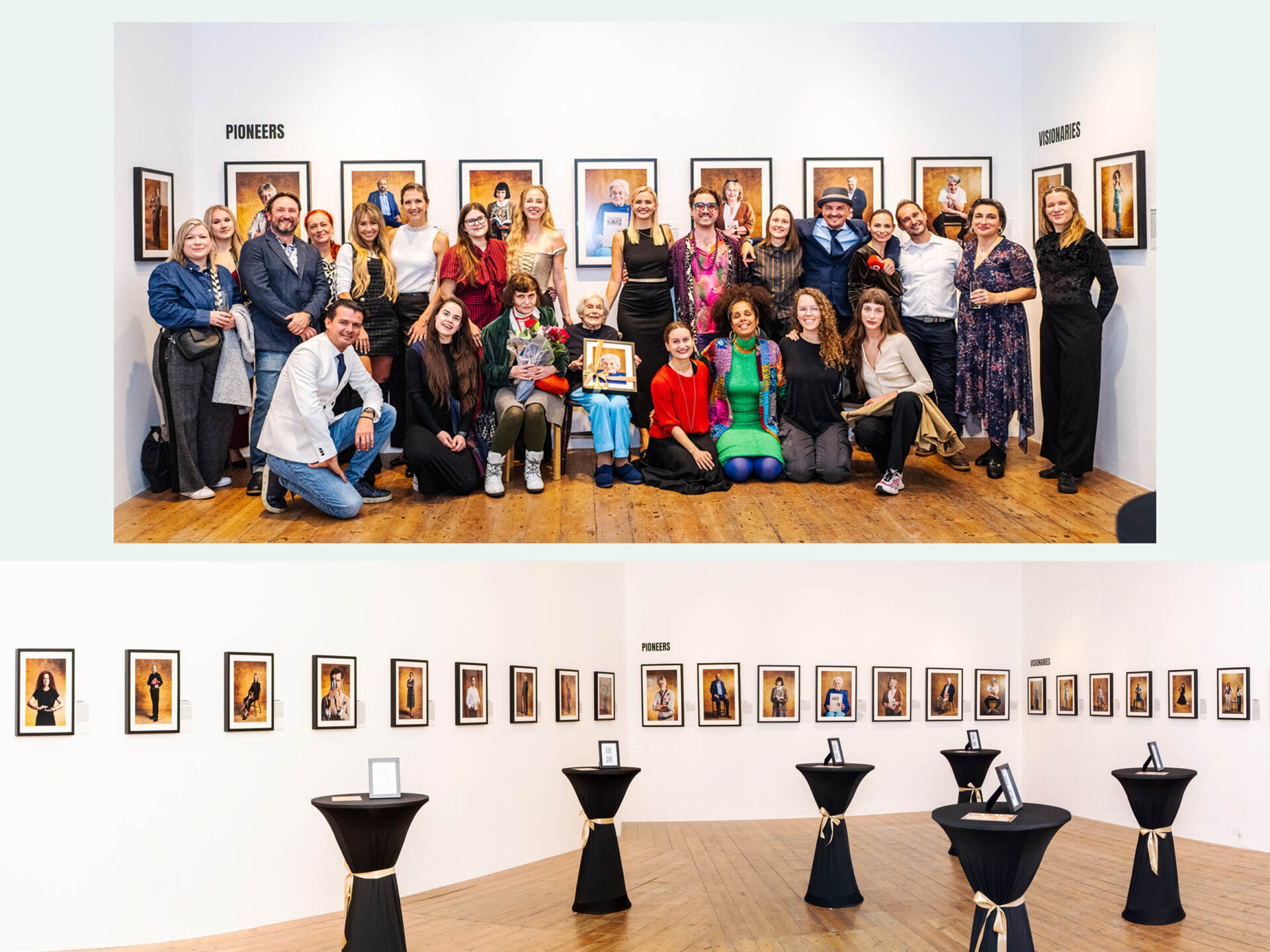
Portraits of Slovak and Czech Britain Exhibition at the Nunnery Gallery, London. Photos by Hermine Patch.
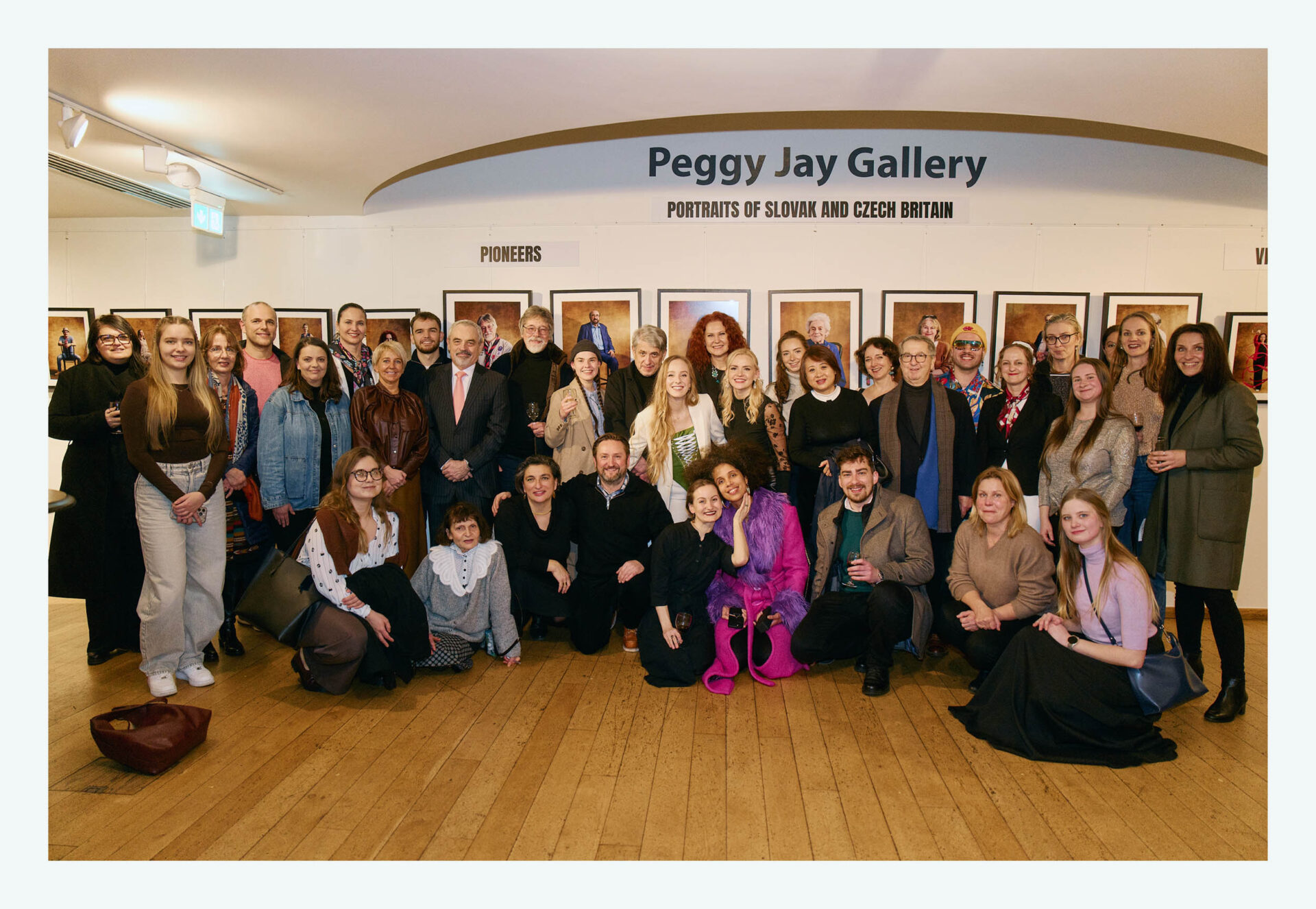
Portraits of Slovak and Czech Britain Exhibition at the Peggy Jay Gallery, London.